Artwork
Tizian și Lavinia
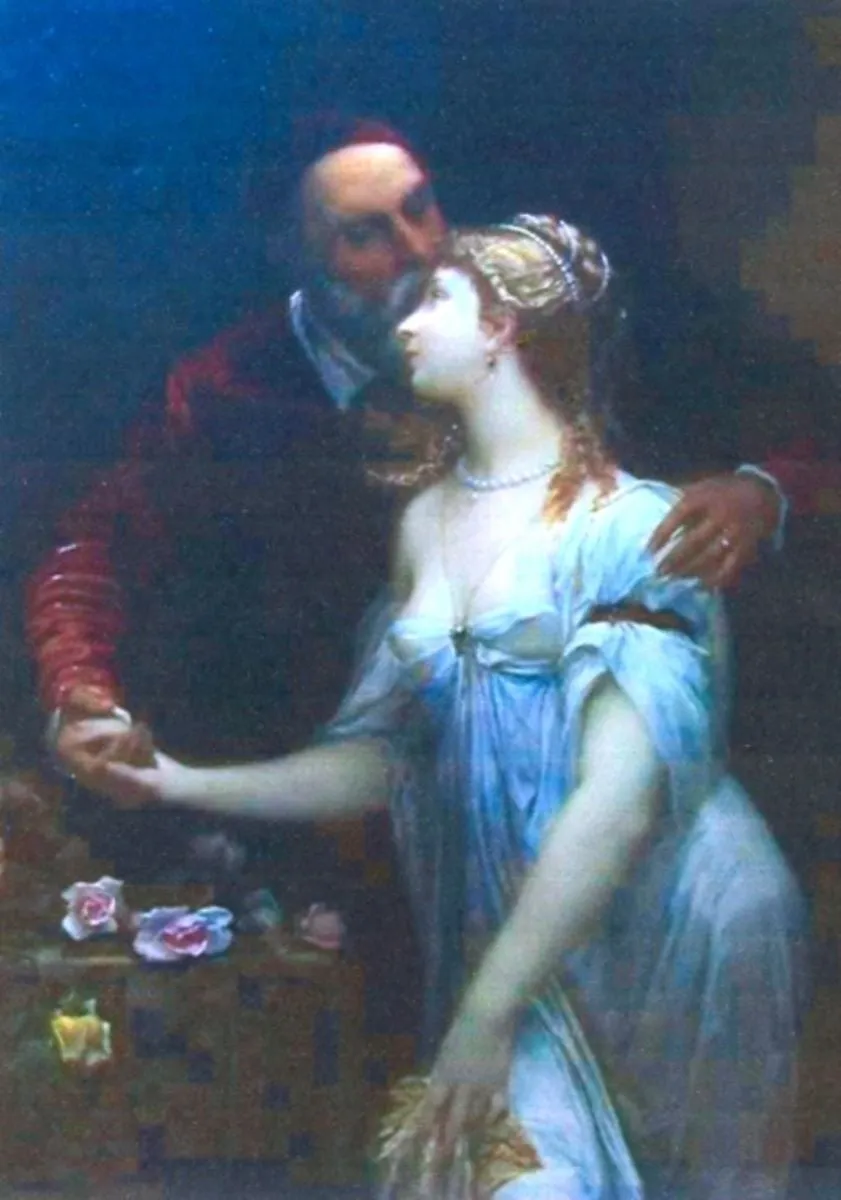
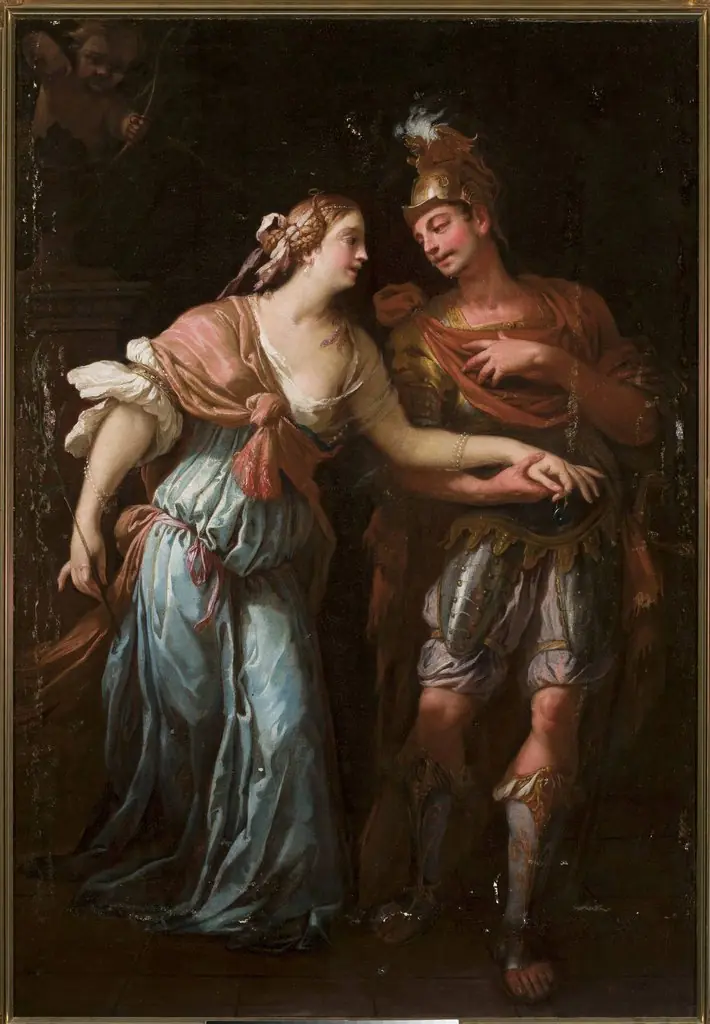
Tizian și Lavinia is an unspecified painting by the Impressionist artist Ernst Klimt. It dates from 1886 and is held in the collection of the Peleș National Museum.
About this work
Overview
Ernst Klimt’s 1886 canvas titled “Tizian și Lavinia” is part of the collection of the Museum of Ethnography. The composition centers on a woman in a pale blue dress clutching a flower bouquet, accompanied by a man in dark attire whose arm rests on her shoulder. The scene is set against a dim, indistinct background, with the figures illuminated by a soft, focused light.
Subject & Meaning
The work presents a quiet, intimate encounter between the two figures, suggesting a moment of gentle affection or contemplation. The woman’s delicate pose and the scattered roses on a nearby table emphasize themes of femininity and transience, while the man’s supportive stance adds a sense of protection or partnership.
Technique & Style
Klimt employs chiaroscuro, using pronounced contrasts of light and shadow to model the woman’s face and hands against the enveloping darkness. This handling of illumination creates depth and draws the viewer’s eye to the central figures, while the blurred backdrop recedes, reinforcing the three‑dimensional effect.
History & Provenance
Painted in 1886, “Tizian și Lavinia” entered the holdings of the Museum of Ethnography, where it remains on display. The work reflects Klimt’s early period, preceding his later involvement with the Vienna Secession, and offers insight into his formative artistic concerns.
Context
Created during a time when European artists were revisiting Baroque lighting techniques, Klimt’s use of chiaroscuro aligns with contemporary explorations of mood and narrative through light. The title’s reference to the Renaissance painter Titian (Tizian) and the name Lavinia may allude to classical or literary inspirations common in 19th‑century art.
Artist & collection
Artist
 Venus and Tannhäuser
 Faust and Gretchen
 Francisca de Rímini
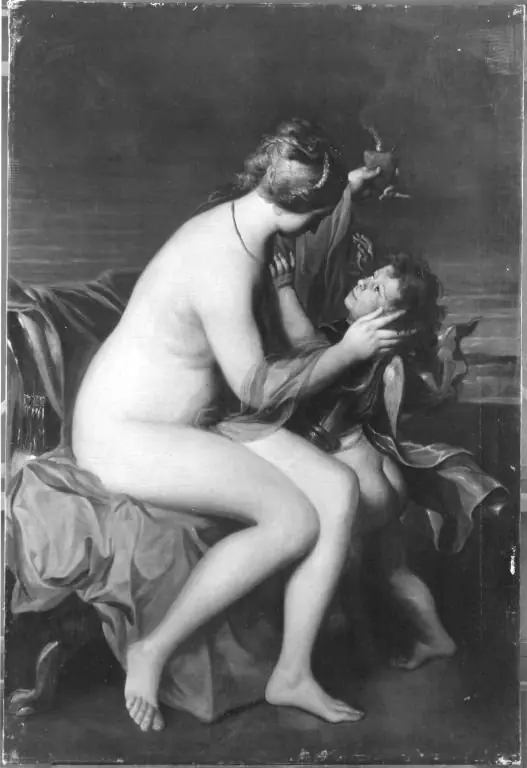 Venus und Amor (Allegorie der Liebe)
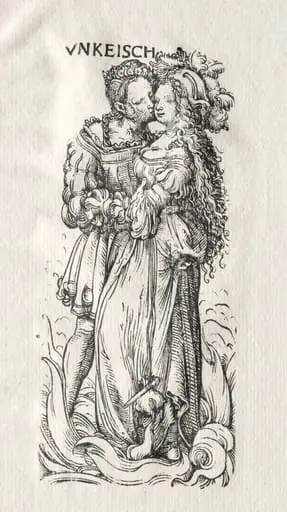 The Seven Vices: Lust
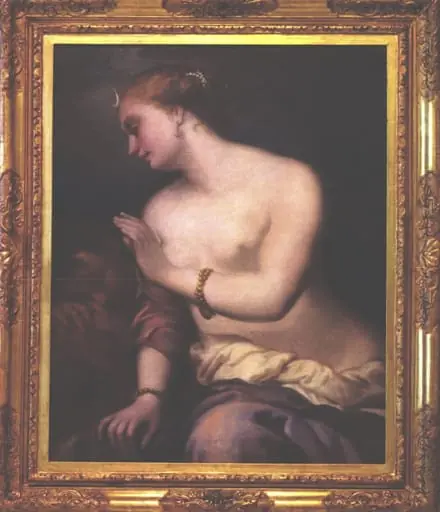 Diana și Endymion
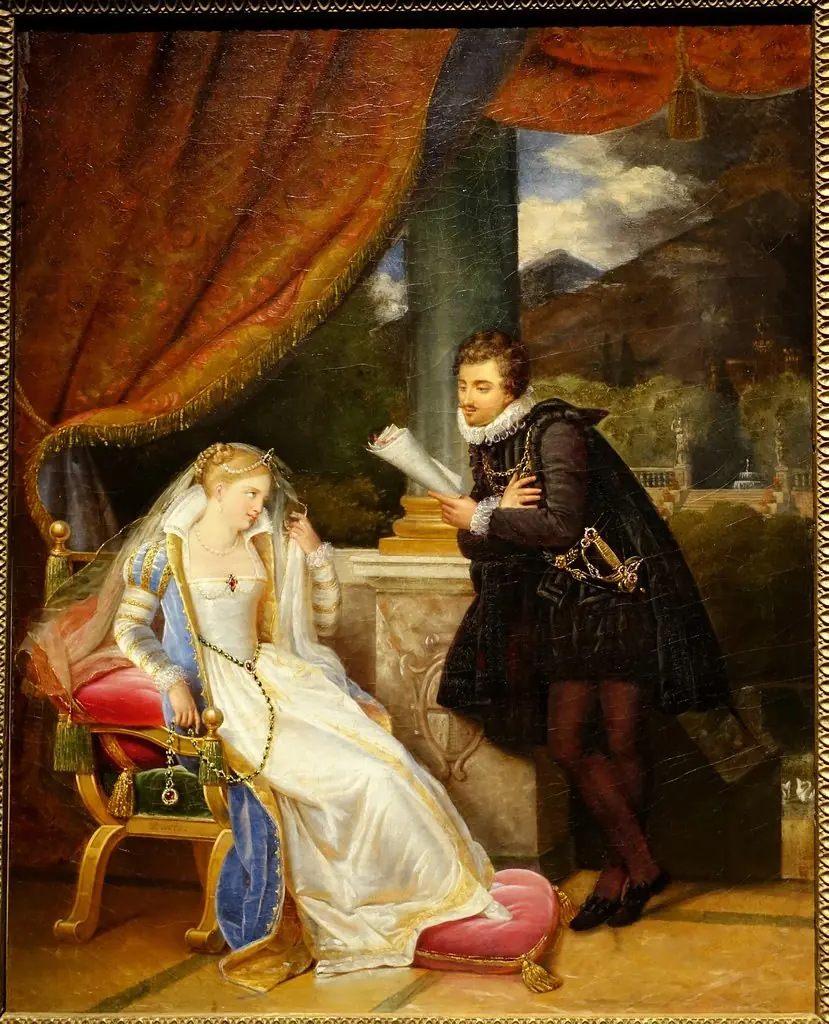 Le Tasse lisant à la princesse Éléonore un épisode de « La Jérusalem délivrée »
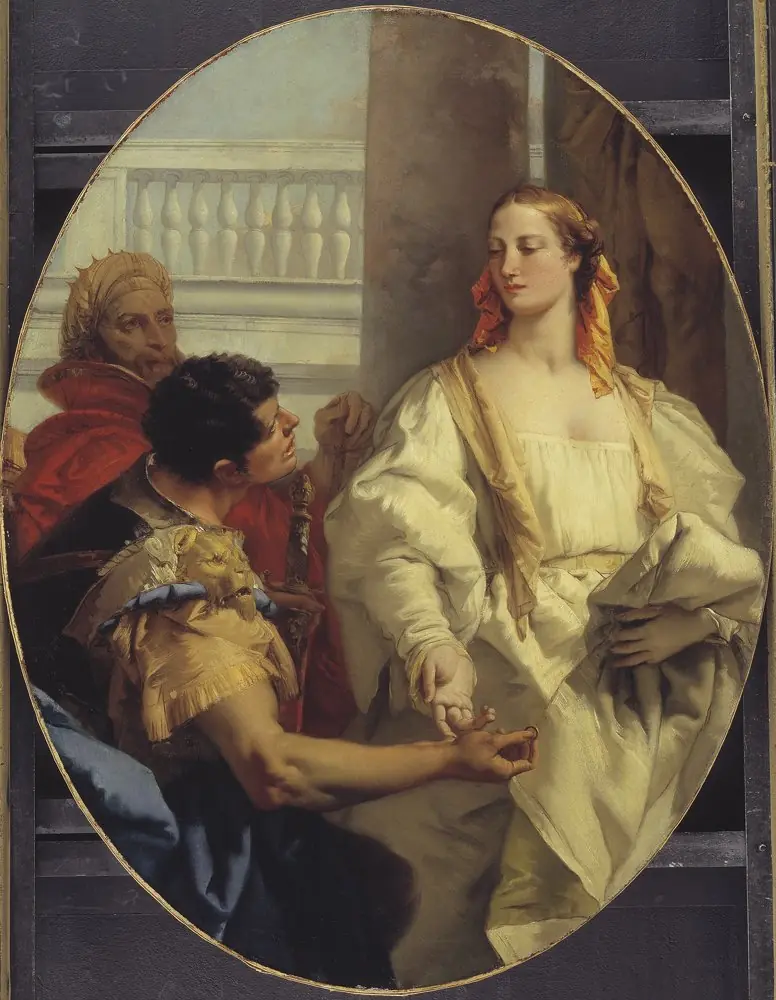 Latinus Offering his Daughter Lavinia to Aeneas in Matrimony
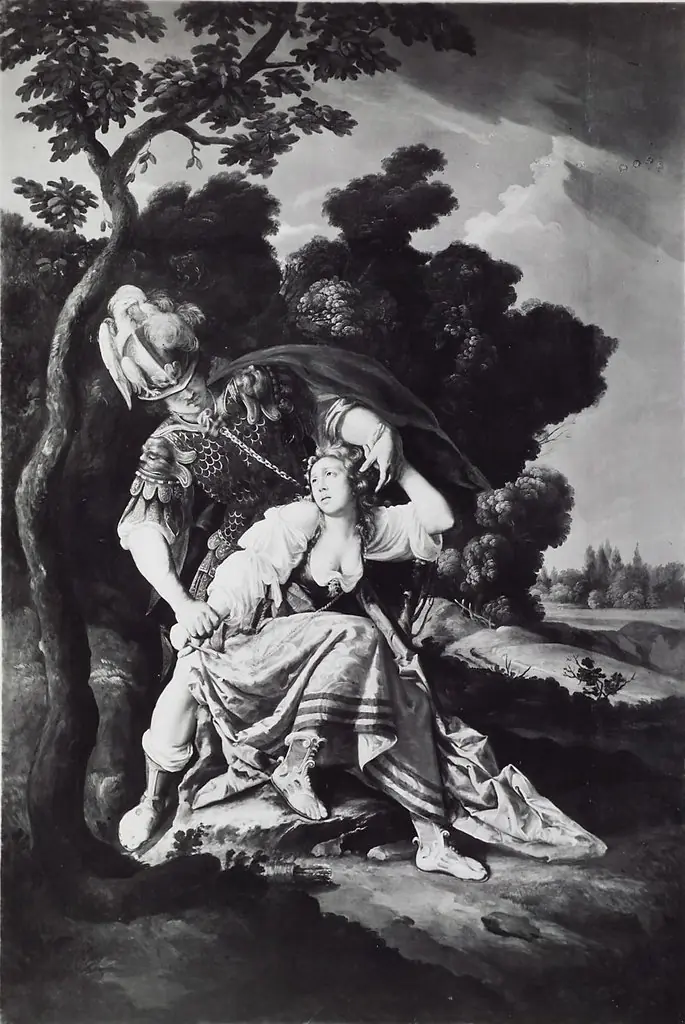 Rinaldo entwaffnet Armida
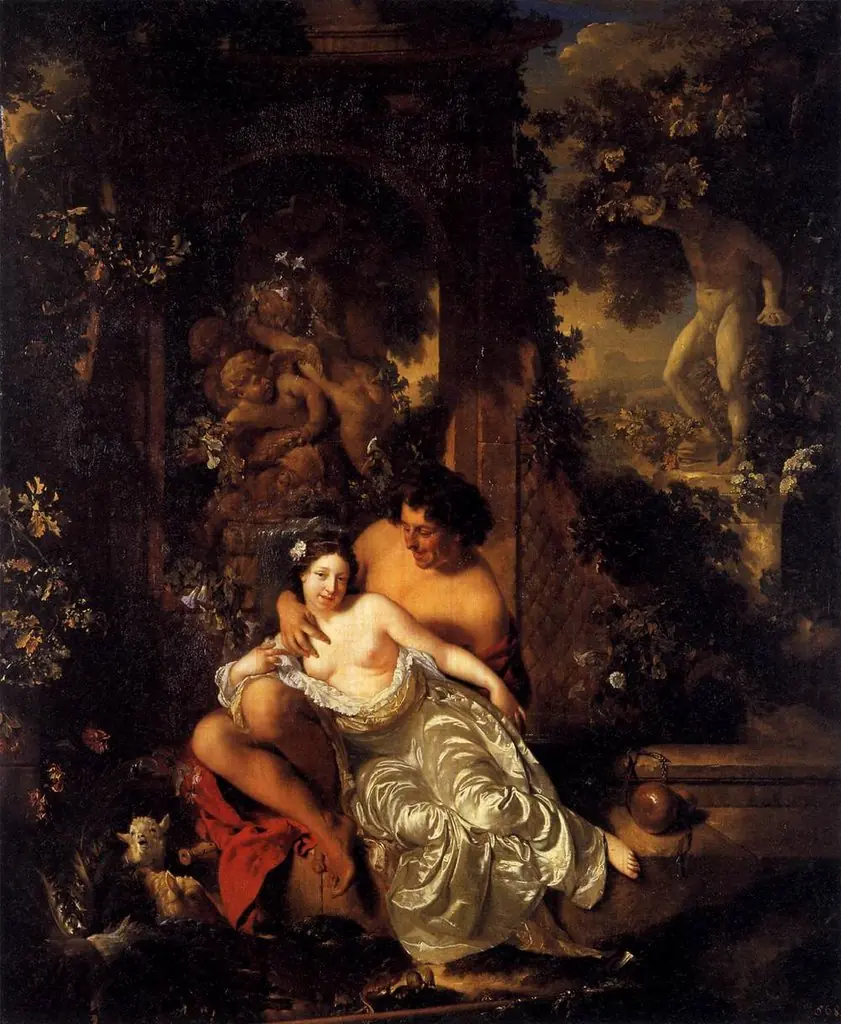 Amorous couple in a park
 Tvende fruentimmer i halv figur
 Venus and Mars