Artwork
Salon tyttö
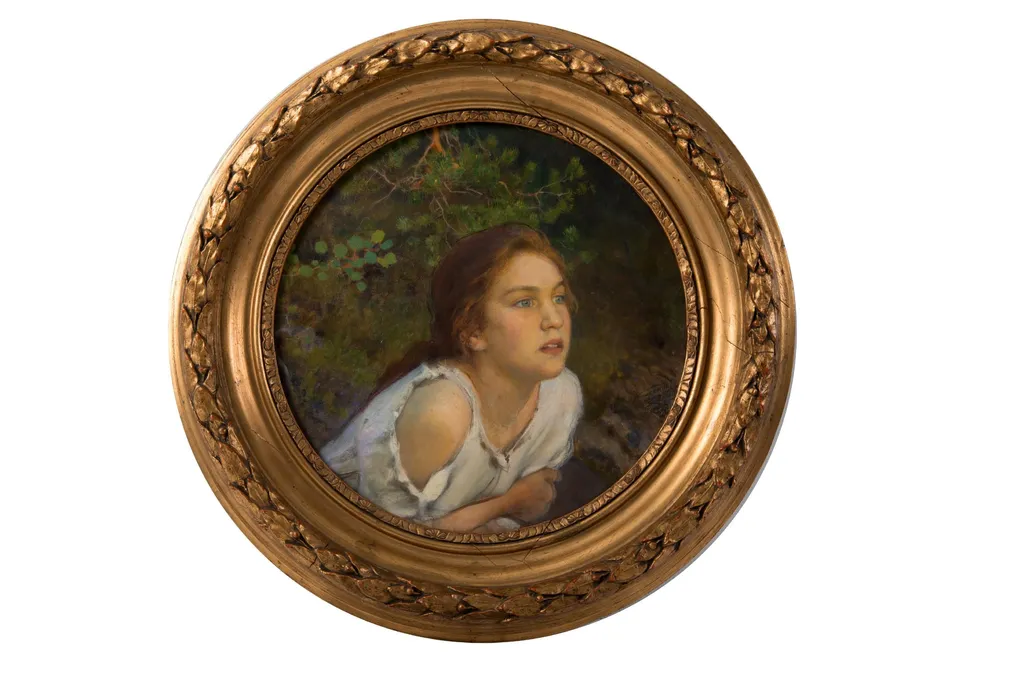
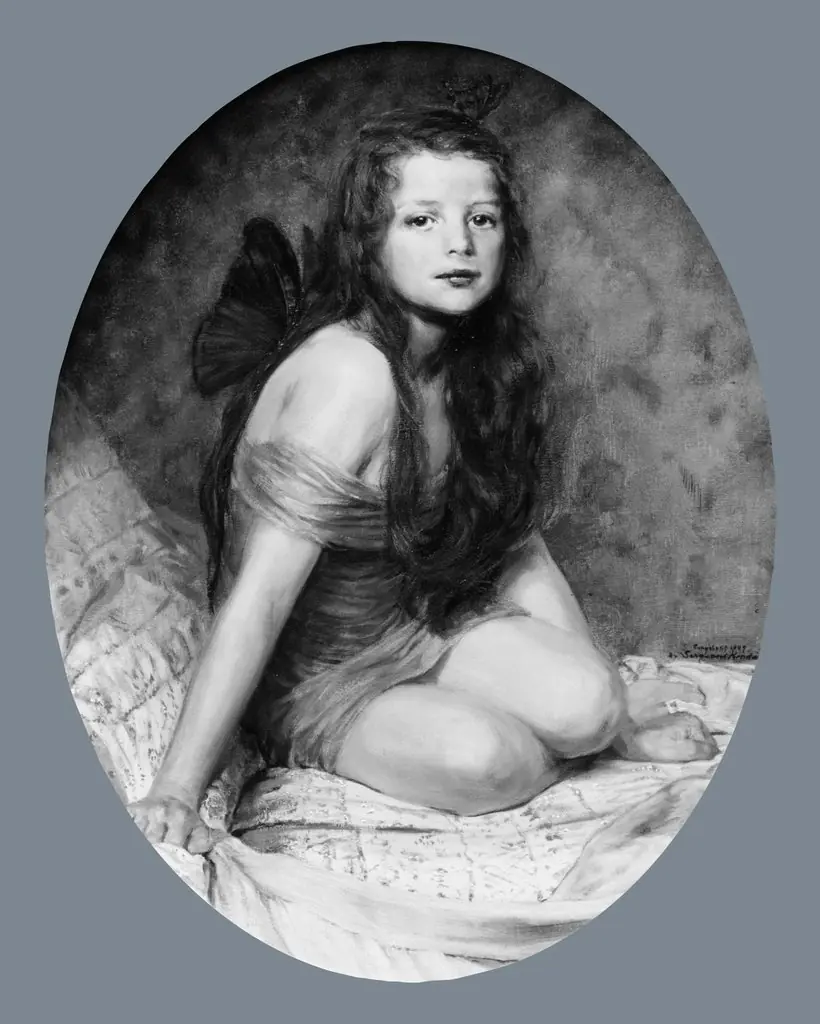
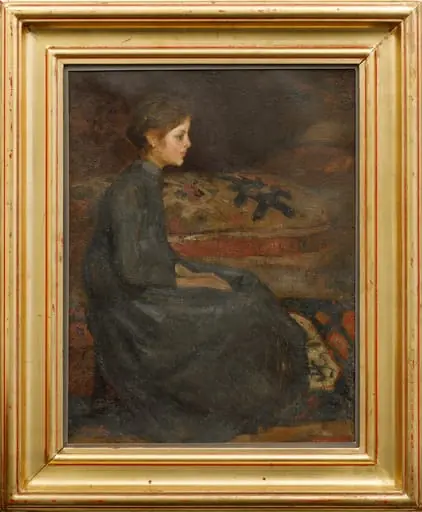
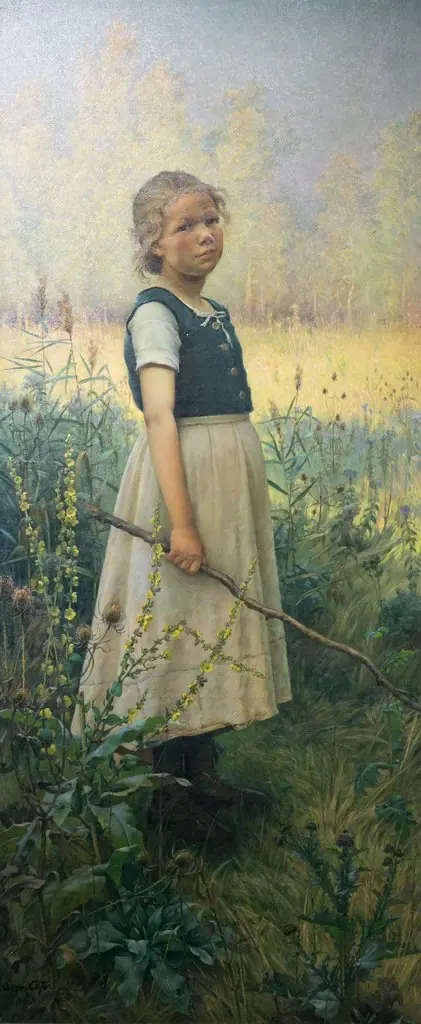
Salon tyttö is a photography by Eero Järnefelt. It is held in the collection of the Järvenpää Art Museum. This photograph captures a young girl in a quiet, contemplative pose, her gaze steady and unadorned.
About this work
Overview
Dressed in a simple, light-colored blouse with her hair neatly pulled back, she rests her elbow as if paused in a moment of stillness.
This photograph captures a young girl in a quiet, contemplative pose, her gaze steady and unadorned. Dressed in a simple, light-colored blouse with her hair neatly pulled back, she rests her elbow as if paused in a moment of stillness. The image is enclosed within an ornate gold frame, a deliberate reference to traditional painted portraiture, blurring the boundary between photography and fine art.
Subject & Meaning
The girl’s expression is neutral, neither smiling nor frowning, inviting quiet reflection rather than narrative. Her posture and attire suggest modesty and composure, common in late 19th-century depictions of youth. The absence of overt symbolism or context leaves her identity ambiguous, emphasizing presence over story, and allowing the viewer to project their own interpretation onto her stillness.
Technique & Style
Soft, diffused lighting highlights the girl’s face while the dark, leafy background recedes, creating a subtle chiaroscuro effect. The contrast draws attention to her features without harsh shadows, enhancing the portrait’s intimacy. The ornate gold frame, unusual for photography at the time, mimics the conventions of academic painting, elevating the image’s status beyond mere documentation.
History & Provenance
The photograph likely dates to the late 1800s, when photographers increasingly sought legitimacy by emulating painterly aesthetics. The use of a decorative frame suggests it was intended for domestic display, possibly commissioned by a middle-class family. Its survival indicates it was valued not merely as a record but as an object of aesthetic contemplation.
Context
During this period, photography was still negotiating its place among the fine arts. Artists and patrons often framed photographic portraits with gilded borders or posed subjects in classical attitudes to align them with established traditions. This image reflects that cultural tension—using the new medium to fulfill the old desire for dignified, timeless representation.
Legacy
The work exemplifies how early photographers borrowed from painting to legitimize their medium. Its quiet dignity and formal framing influenced later portraitists who sought emotional depth through simplicity. Though anonymous, the image endures as a quiet testament to the evolving relationship between technology and artistic aspiration in the 19th century.
Artist & collection
Artist