Artwork
Vâlcov
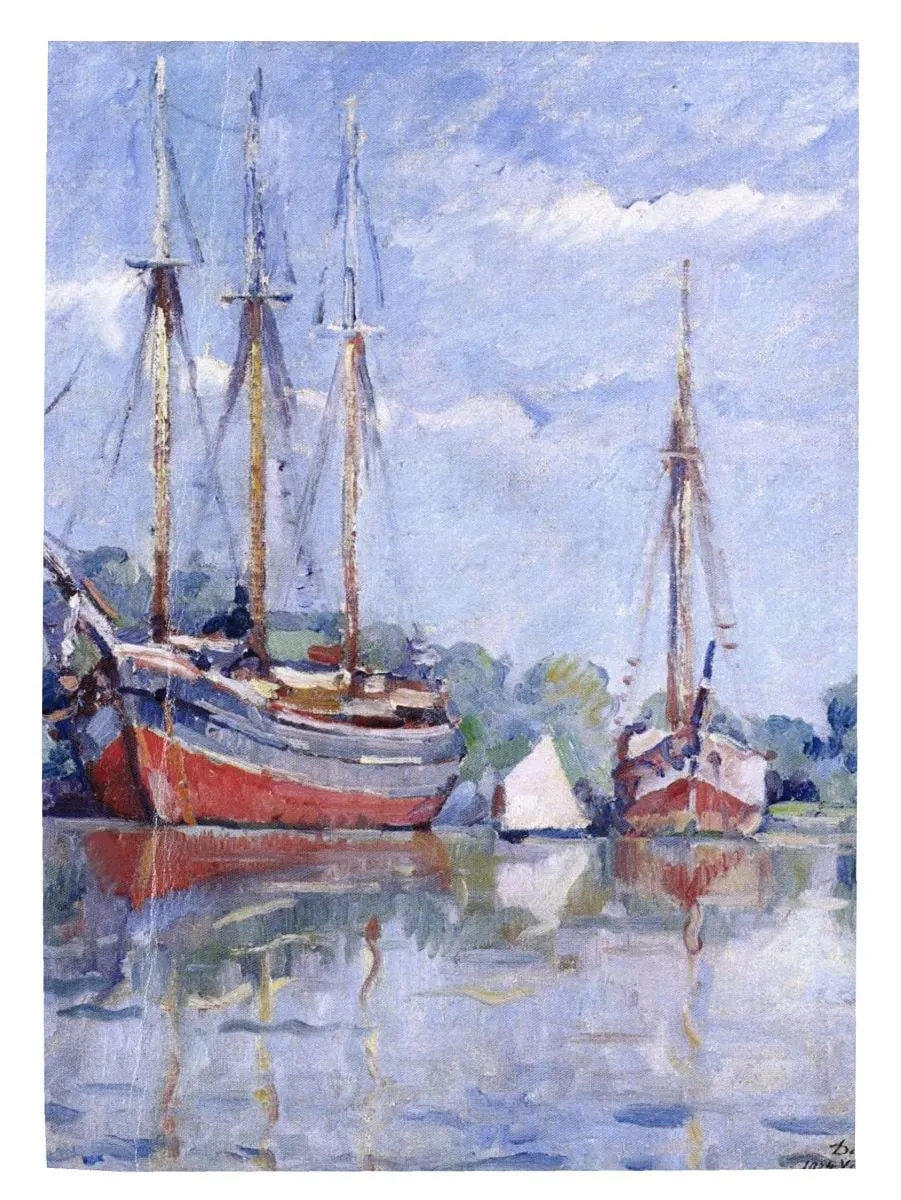
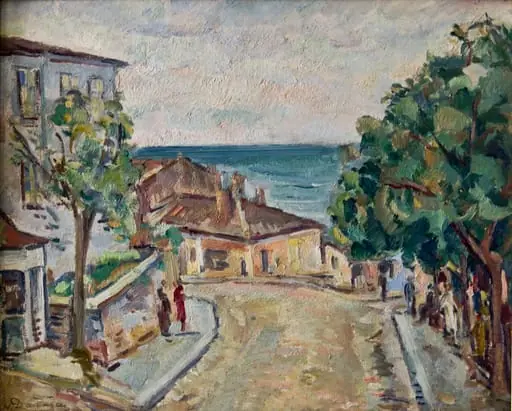
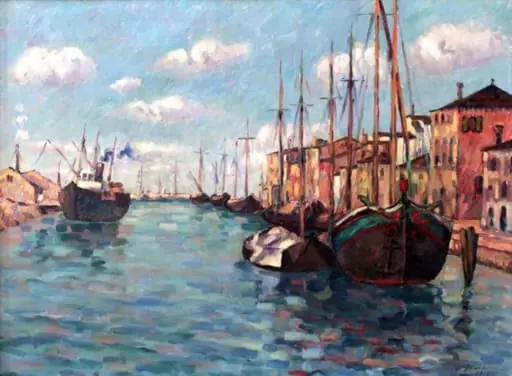
Vâlcov is an unspecified painting by Nicolae Dărăscu. It dates from 1924 and is held in the collection of the Colecție particulară - București.
About this work
Overview
The work resides in the Museum of Ethnography, where it contributes to a collection focused on traditional Romanian maritime life.
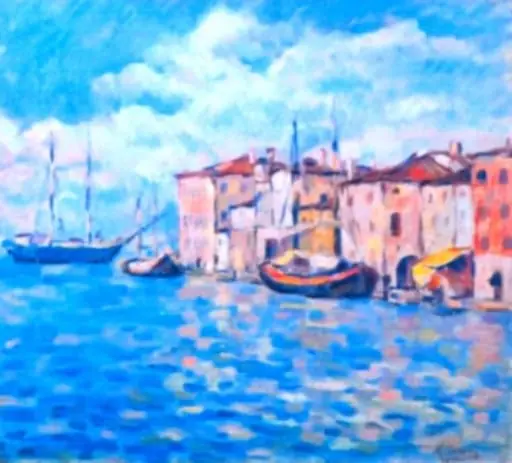
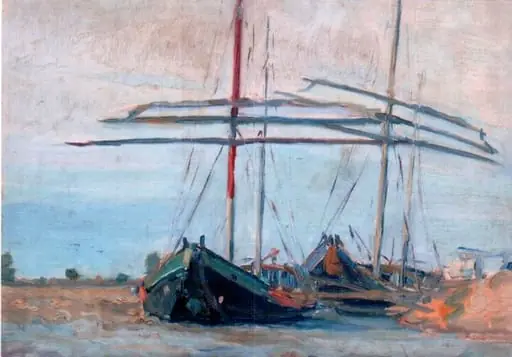
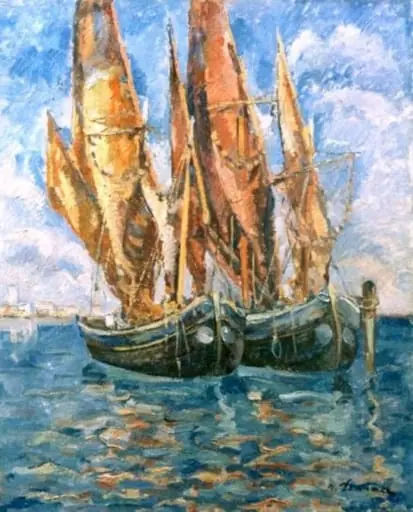
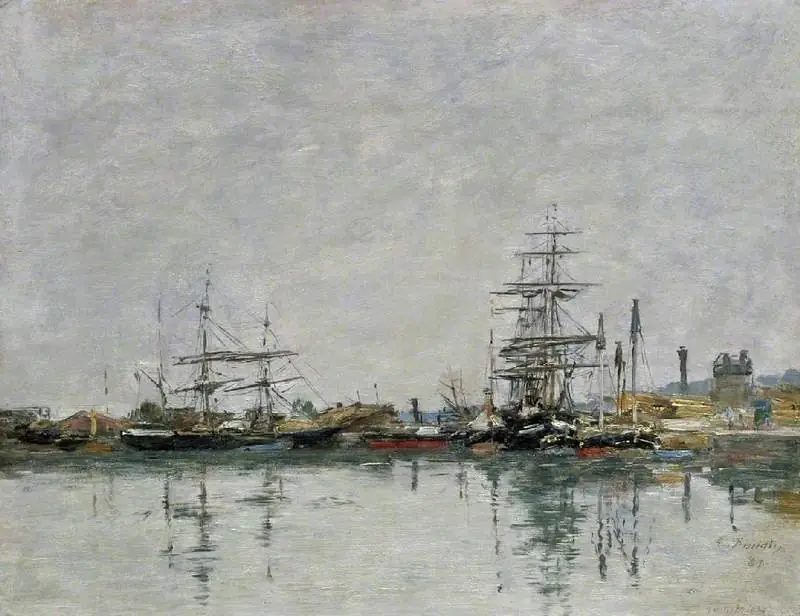
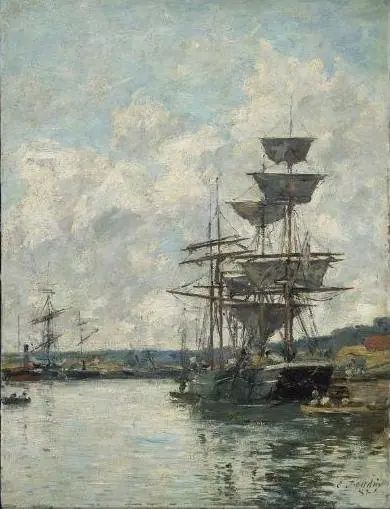
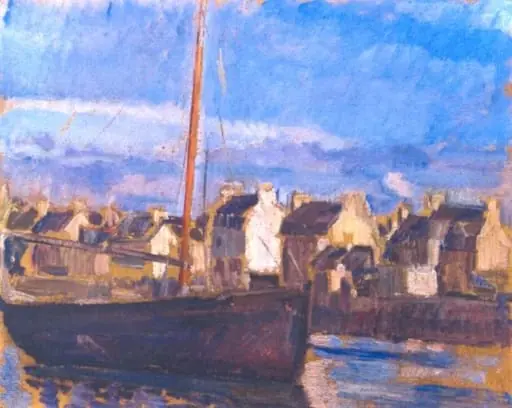
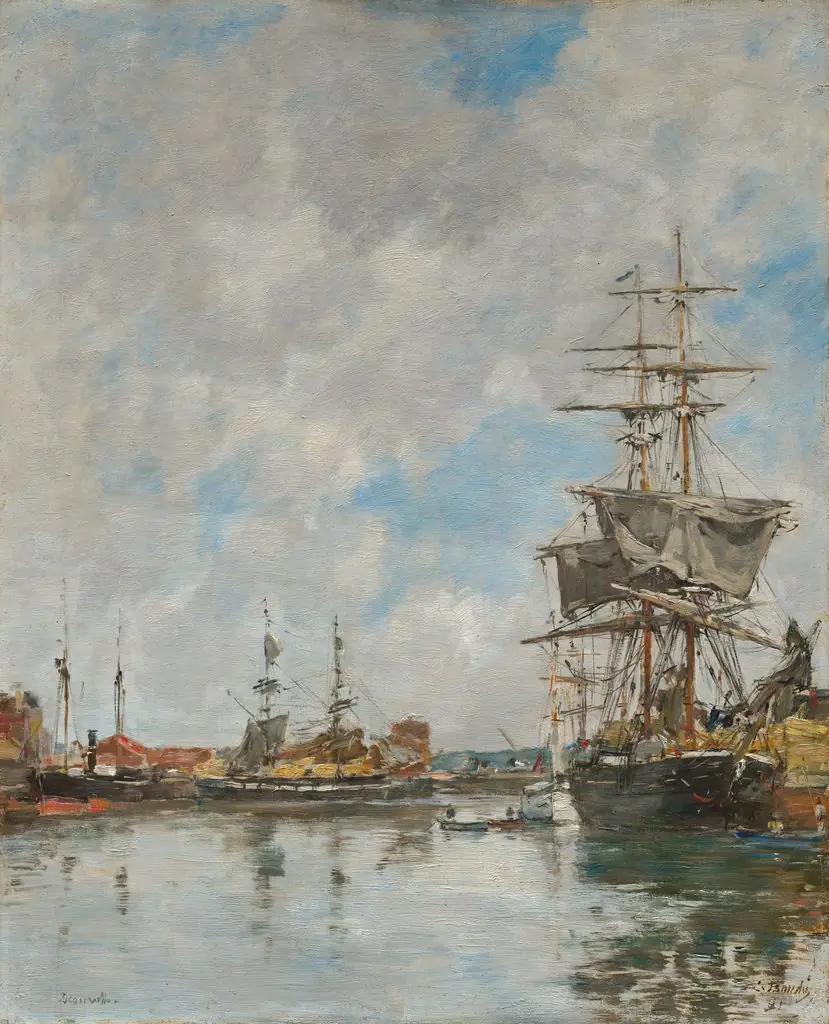
Painted in 1924 by Nicolae Dărăscu, Vâlcov depicts two weathered wooden vessels moored at a quiet dock. The scene is rendered with a muted palette and gentle light, suggesting early morning or late afternoon. The work resides in the Museum of Ethnography, where it contributes to a collection focused on traditional Romanian maritime life. Its quiet composition reflects a contemplative engagement with everyday rural scenes.
Subject & Meaning
The two ships, one with a red hull and white trim, the other predominantly white with red accents, represent working vessels from Romania’s riverine communities. Their stillness and proximity imply a pause in labor, perhaps during rest or repair. The absence of figures or movement invites reflection on the passage of time and the quiet endurance of traditional livelihoods tied to the water.
Technique & Style
Dărăscu employed loose brushwork and thick applications of paint—known as impasto—to model the hulls and edges of the boats, giving them tactile presence. The water and sky are rendered with thinner, flatter strokes, creating a contrast that draws focus to the vessels. This textural variation enhances the sense of material weight while preserving an overall atmosphere of calm and stillness.
History & Provenance
Created in 1924, Vâlcov entered the collection of the Museum of Ethnography shortly after its completion. The museum, established to preserve cultural artifacts of rural Romania, acquired the painting as part of a broader effort to document regional life. Its provenance remains unbroken, with no record of private ownership or relocation since its donation.
Context
In the early 20th century, Romanian artists increasingly turned to local subjects as national identity took shape. Dărăscu, influenced by Post-Impressionism, focused on ordinary scenes from the Danube and its tributaries. Vâlcov aligns with this movement, portraying not grandeur but the quiet dignity of working boats and the landscapes that sustained them.
Legacy
Vâlcov remains a quiet example of interwar Romanian realism infused with expressive brushwork. While not widely exhibited beyond its home institution, it continues to inform scholarly interest in how Romanian painters translated regional life into modern visual language. Its restrained approach distinguishes it from more dramatic interpretations of rural themes.
Artist & collection
Artist
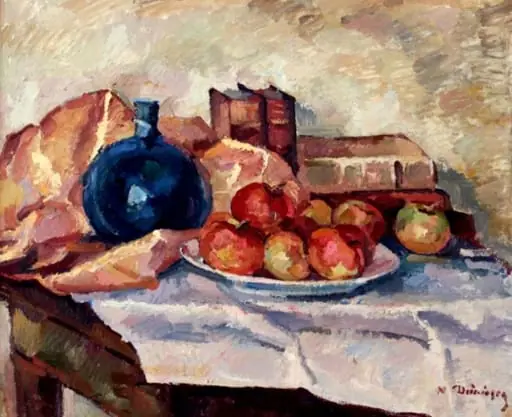
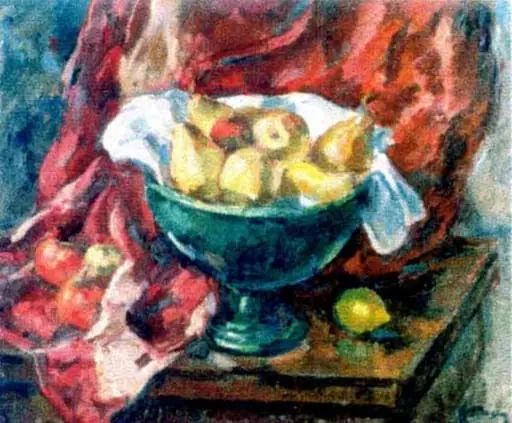
Romanian painter Nicolae Dărăscu built still lifes and cityscapes like Natură moartă and Palatul Ca'd'Oro, both calm arrangements of light and shadow.