Artwork
Spaima
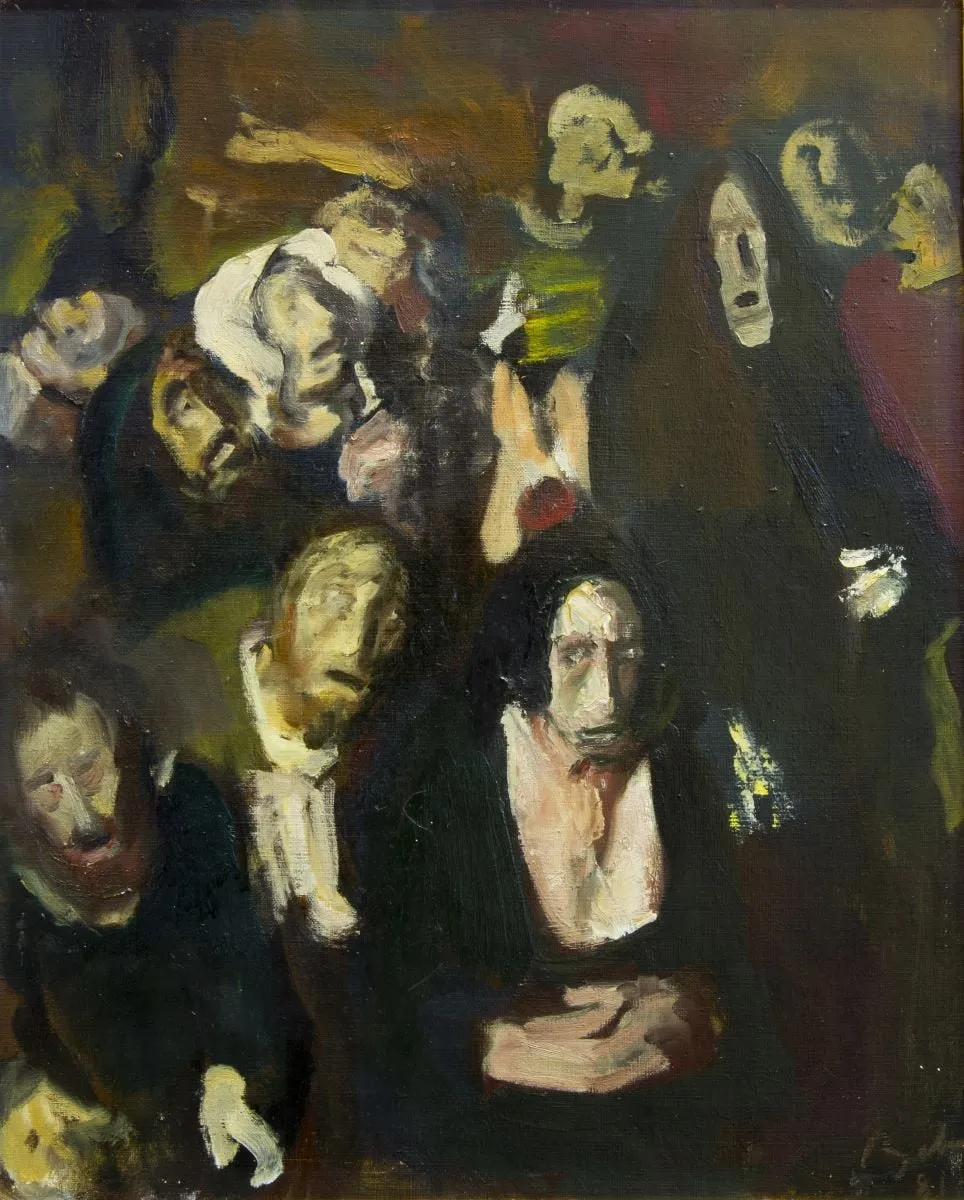
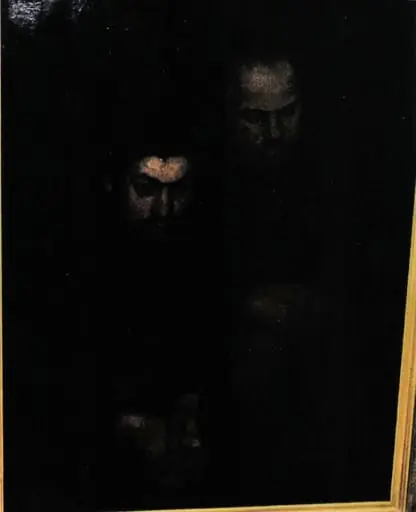
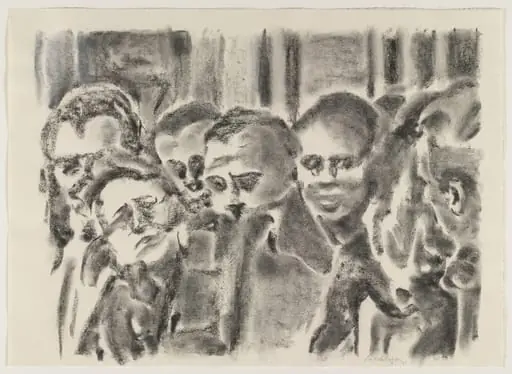
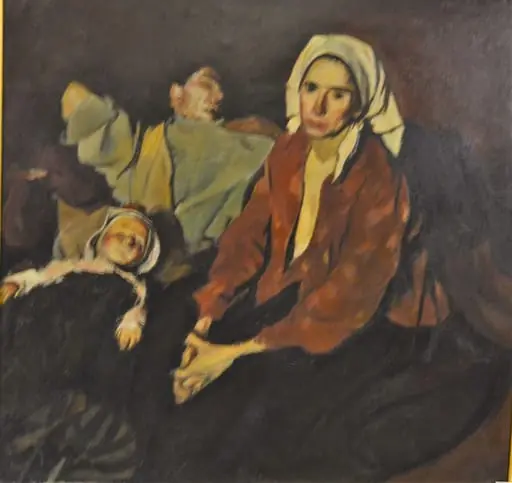
Spaima is a print by Corneliu Baba. It dates from 1981 and is held in the collection of the National Museum of Art of Romania.
About this work
Overview
The overall palette is subdued, dominated by dark greens, browns and blacks, while occasional pale flesh tones provide limited contrast.
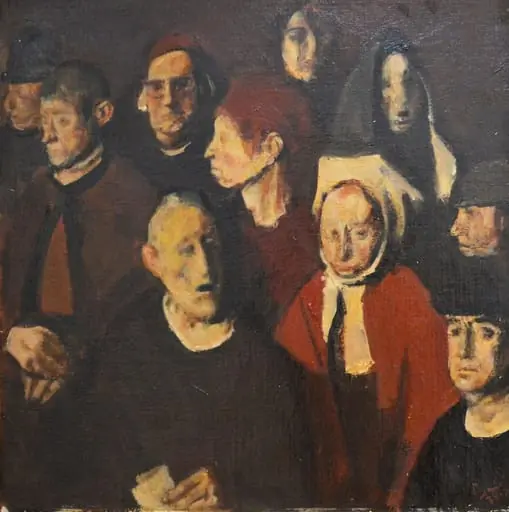
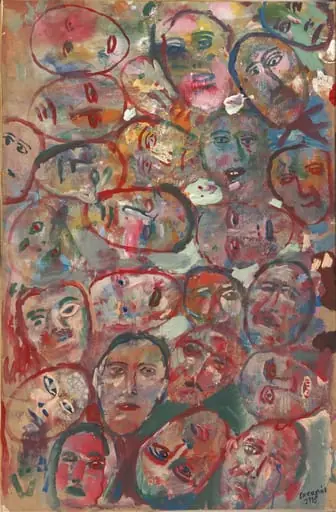
"Spaima" is an oil painting executed by Romanian artist Corneliu Baba in 1981. The composition is densely populated, presenting a mass of figures whose faces are pressed together within a confined space. The overall palette is subdued, dominated by dark greens, browns and blacks, while occasional pale flesh tones provide limited contrast. The work conveys a sense of collective tension without a clear focal point.
Subject & Meaning
The canvas depicts a crowd of individuals whose gazes are directed upward or sideways, suggesting a shared, yet ambiguous, response to an unseen stimulus. The anonymity of the faces, merged with the surrounding darkness, invites contemplation of collective experience, perhaps reflecting social unease or communal introspection. The lack of narrative detail leaves interpretation open to the viewer.
Technique & Style
Baba employs a heavy impasto application, laying thick, uneven strokes that give the surface a tactile quality. The paint is often slapped onto the canvas, creating a rough, almost sculptural texture. This method blurs the boundaries between figures and background, allowing the forms to dissolve into one another and enhancing the chaotic atmosphere of the scene.
Context
Created toward the end of Baba's career, "Spaima" aligns with his later interest in expressive, gestural painting that departs from earlier, more restrained realism. The work reflects the broader post‑World War II Romanian art scene, where artists increasingly explored psychological depth and social commentary through intensified brushwork and somber tonalities.
Artist & collection
Artist
Corneliu Baba made prints and paintings that feel like quiet stories, often borrowing from older art.