Artwork
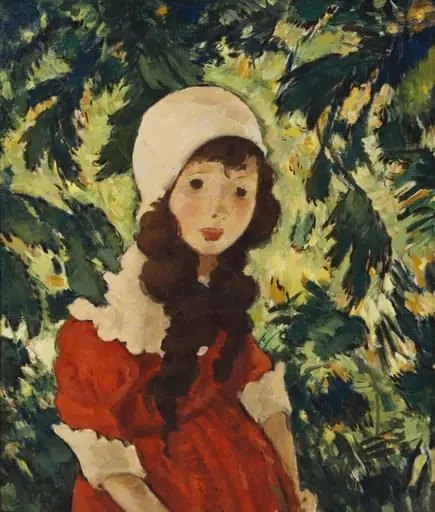
Fetița pădurarului
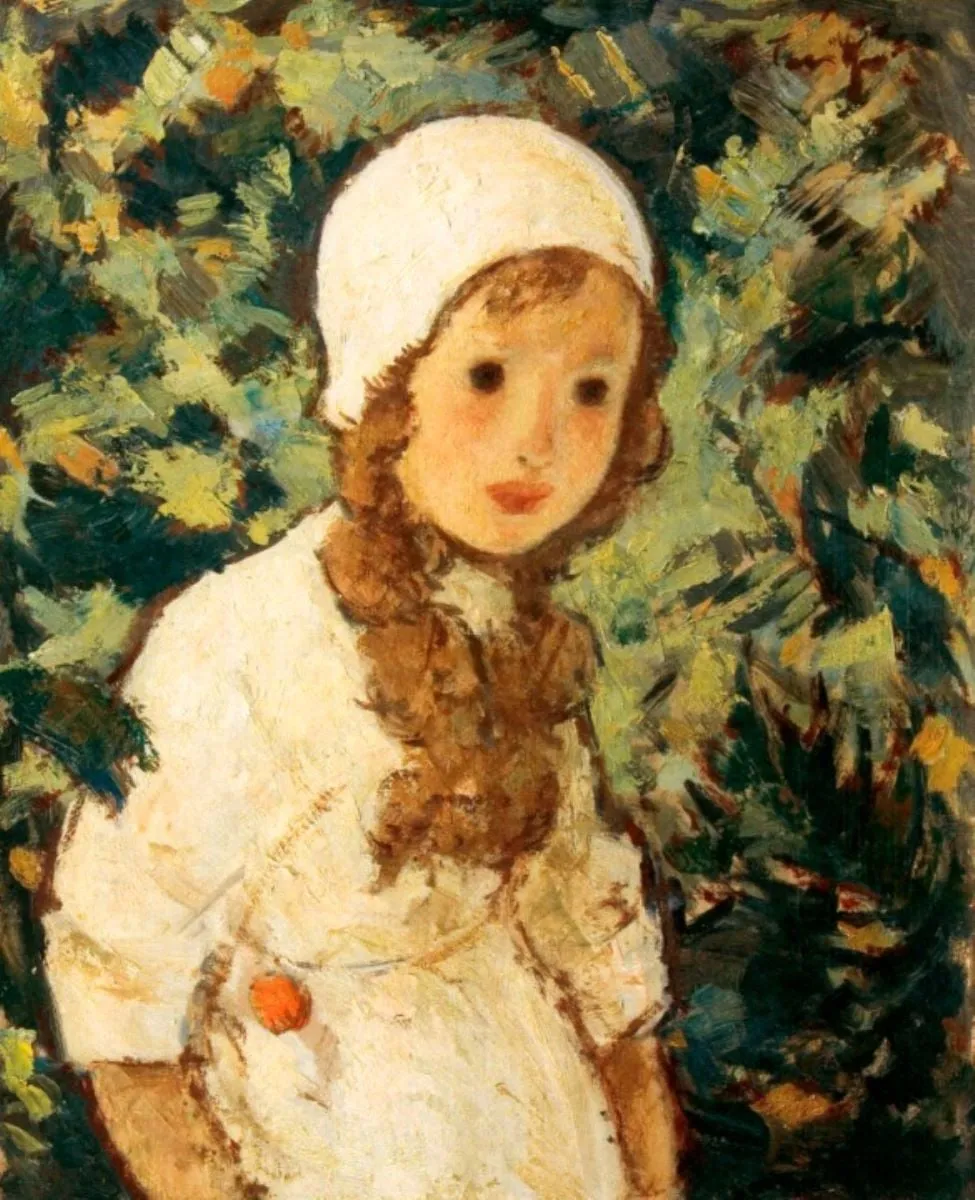
Fetița pădurarului is an unspecified painting by Nicolae Tonitza. It dates from 1924 and is held in the collection of the National Museum of Art of Romania.
About this work
Overview
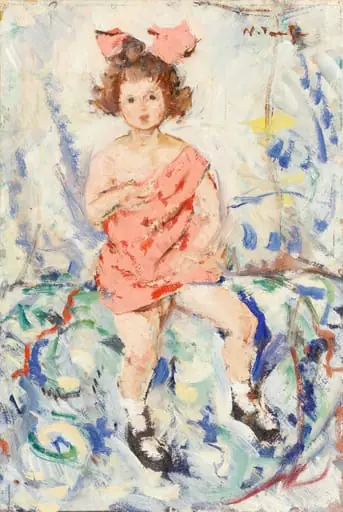
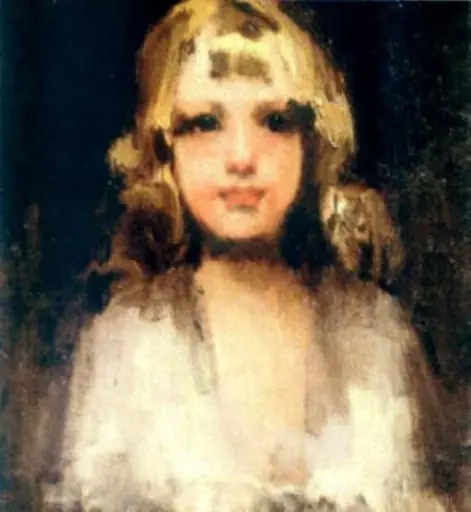
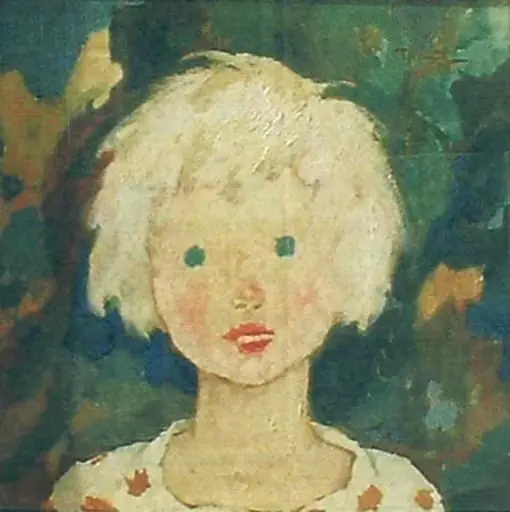
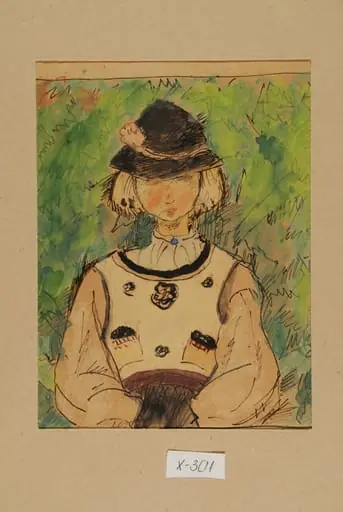
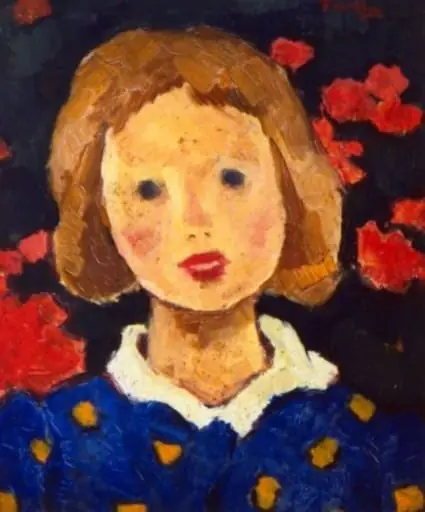
Nicolae Tonitza’s 1924 oil painting titled “Fetița pădurarului” portrays a young girl positioned against an indistinct natural backdrop. The composition centers on the child’s round face, large eyes, and modest attire, while the surrounding area is rendered in loose, green‑yellow brushwork that suggests foliage without detailing specific forms.
Subject & Meaning
The work focuses on a solitary figure, a girl whose simple, direct expression conveys a sense of innocence and quiet presence. The lack of narrative elements or symbolic accessories leaves the viewer to contemplate the child’s individuality within an ambiguous, perhaps rural, environment.
Technique & Style
Tonitza employs a restrained palette for the figure, using smooth, flat areas of color for the face and clothing, contrasted by a more tactile application of paint on the dress collar. The background is executed with broader, impasto‑like strokes, creating a textured, atmospheric effect that separates the subject from the surrounding landscape.
History & Provenance
Created in the interwar period, “Fetița pădurarului” reflects Tonitza’s ongoing interest in portraiture during the 1920s. The painting’s ownership history is not extensively documented, but it remains part of the artist’s recognized oeuvre from this decade, illustrating his continued exploration of everyday subjects.
Artist & collection
Artist
Nicolae Tonitza painted quiet still lifes and village scenes, often showing colorful vegetables on a table or blooming flowers in simple pots.