Artwork
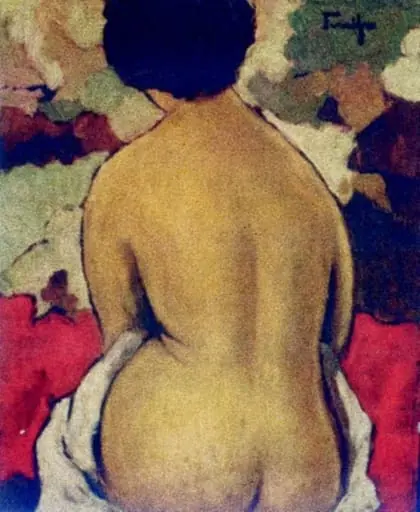
Nud cu spatele
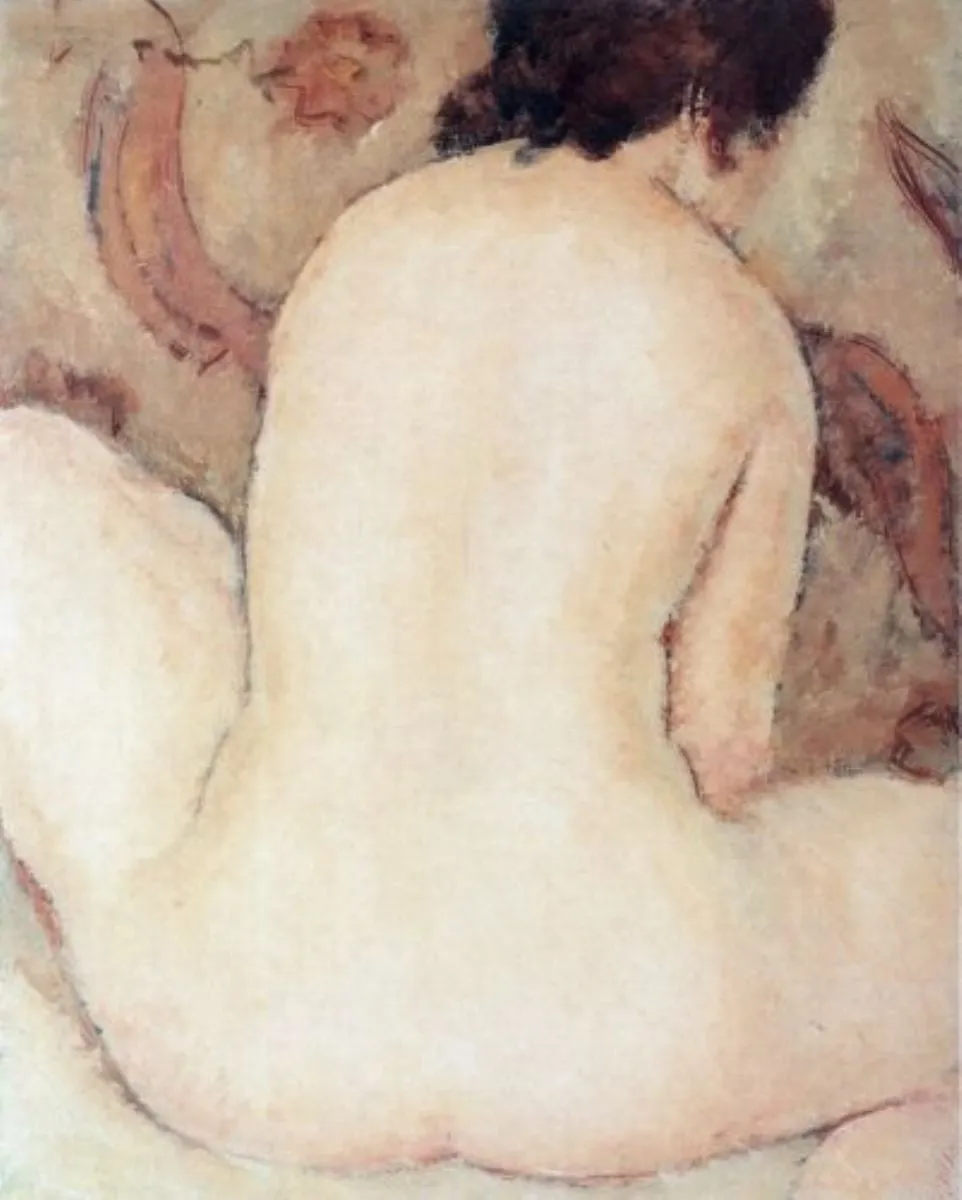
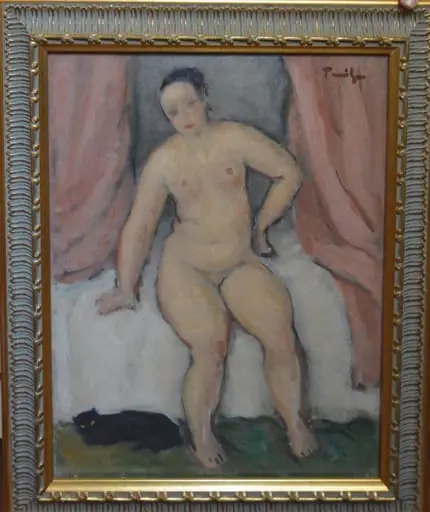
Nud cu spatele is an unspecified painting by the Byzantine icon painting artist Nicolae Tonitza. It is held in the collection of the Colecție particulară - București. The painting presents a solitary nude figure seen from behind, seated on an unseen surface.
About this work
Overview
The composition focuses on the contours of the back and buttocks, with the head turned gently to the right, suggesting introspection.
The painting presents a solitary nude figure seen from behind, seated on an unseen surface. The composition focuses on the contours of the back and buttocks, with the head turned gently to the right, suggesting introspection. Rendered in subdued tones and soft transitions, the work avoids dramatic contrast, instead cultivating a calm, intimate atmosphere through restrained color and delicate modeling.
Subject & Meaning
The figure’s posture and orientation invite quiet observation rather than narrative interpretation. There is no identifiable setting or action, emphasizing stillness and solitude. The turned head hints at internal thought, but the absence of facial expression preserves ambiguity. The subject’s anonymity allows the viewer to engage with the form as an object of contemplation, not identity.
Technique & Style
Subtle chiaroscuro defines the figure’s volume without harsh shadows, using gradual tonal shifts to suggest form under soft, ambient light. The palette is limited to warm neutrals—beige, pale ochre, and muted flesh tones—creating harmony between skin and background. Brushwork is smooth and unobtrusive, prioritizing atmospheric cohesion over detail, reinforcing the sense of quietude.
History & Provenance
The painting’s origin and early ownership remain undocumented. It lacks signatures, inscriptions, or known exhibition history, making attribution and dating difficult. Its modest scale and private subject suggest it may have been intended for personal rather than public display, possibly created in a studio setting without commission.
Context
Created during a period when academic nudes were often idealized or mythologized, this work diverges by focusing on an ordinary, unadorned body in a private moment. Its quiet realism aligns with emerging 19th-century interests in everyday presence over grand narrative, though it lacks the social commentary of contemporaneous genre scenes.
Legacy
Though not widely exhibited or reproduced, the painting contributes to a quieter tradition of figure studies that prioritize presence over spectacle. Its restrained approach influenced later artists seeking to depict the human form with psychological subtlety rather than theatricality, preserving a model of introspective observation in modern art.
Artist & collection
Artist
Nicolae Tonitza painted quiet still lifes and village scenes, often showing colorful vegetables on a table or blooming flowers in simple pots.