Artwork
Spaniolă
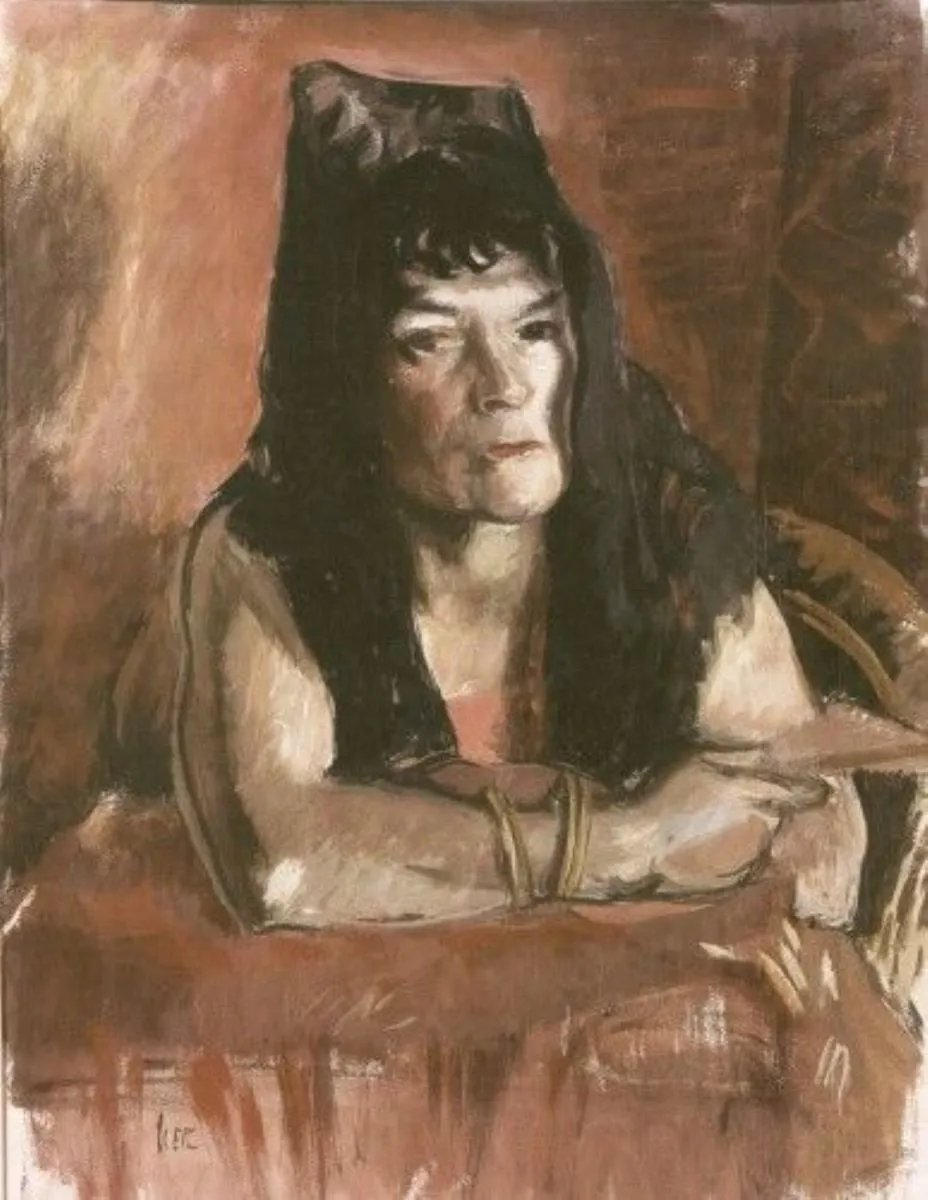
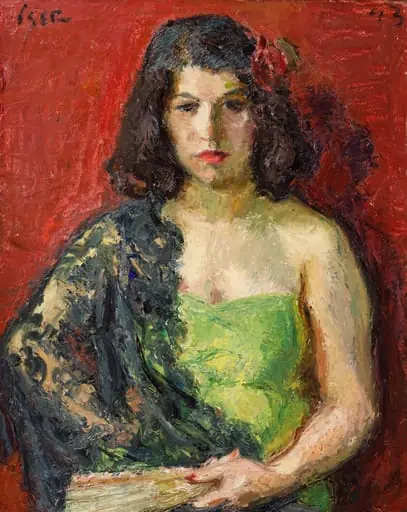
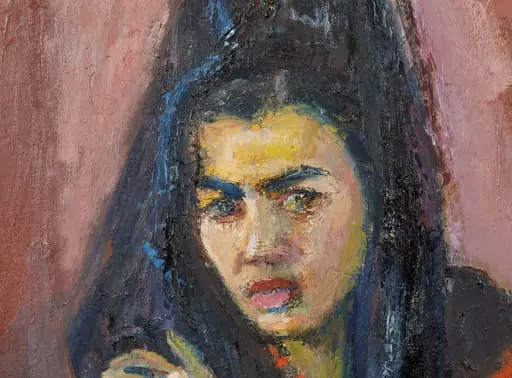
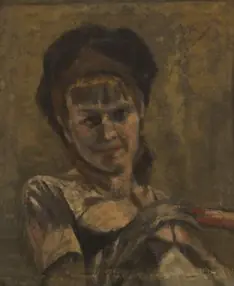
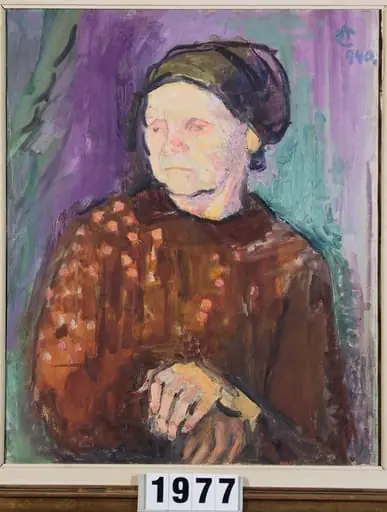
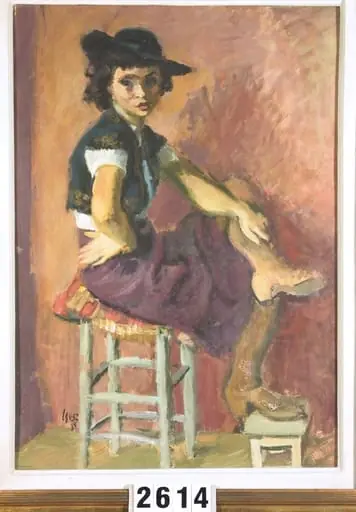
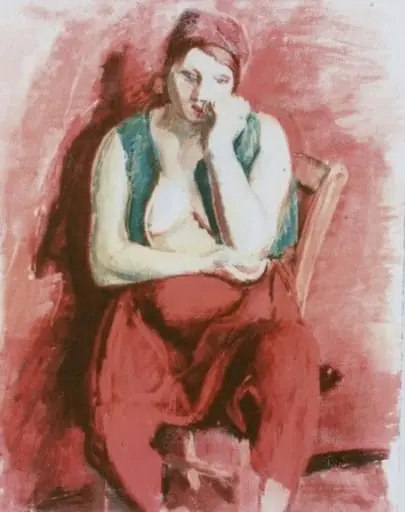
Spaniolă is an unspecified painting by Iosif Iser. It is held in the collection of the National Museum of Art of Romania. This portrait depicts a seated figure wrapped in a dark, enveloping cloak that obscures the head, leaving only the face visible.
About this work
Overview
Thick, visible brushwork defines the clothing and chair, while unfinished edges suggest the artist’s focus on immediacy over polish.
This portrait depicts a seated figure wrapped in a dark, enveloping cloak that obscures the head, leaving only the face visible. The subject’s expression is solemn, with a faint frown that conveys introspection. The background is indistinct, drawing focus to the figure. Thick, visible brushwork defines the clothing and chair, while unfinished edges suggest the artist’s focus on immediacy over polish.
Subject & Meaning
The identity of the figure remains unknown, but the deliberate concealment of the head beneath the cloak implies anonymity or emotional withdrawal. The serious gaze and restrained posture suggest inner contemplation rather than outward display. The painting avoids narrative detail, emphasizing psychological presence over biographical context.
Technique & Style
The artist employs impasto to build texture in the cloak and chair, using bold, directional strokes to model form through light and shadow. Paint is applied generously, creating a tactile surface that contrasts with the blurred, thinly worked background. Incomplete areas, particularly around the chair’s edges, reflect a deliberate openness in execution, prioritizing expressive energy over finish.
History & Provenance
No documented ownership history or exhibition record is available for this work. It is cataloged as an image without attribution to a known artist or date. Its origins remain unverified, and it is not linked to any established collection or archival source.
Context
The work aligns with late 19th- or early 20th-century tendencies toward psychological portraiture and expressive brushwork, echoing artists who valued emotional resonance over idealized representation. Its unfinished quality reflects a broader shift away from academic precision toward more personal, experimental modes of painting during this period.
Legacy
As an unattributed image, this work has not influenced broader art-historical discourse. It survives as a solitary example of a particular approach to portraiture—intimate, textured, and deliberately incomplete—offering insight into informal or private artistic practices that rarely entered the public record.
Artist & collection
Artist
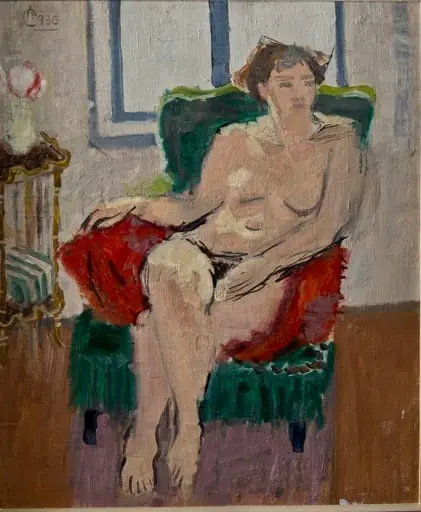
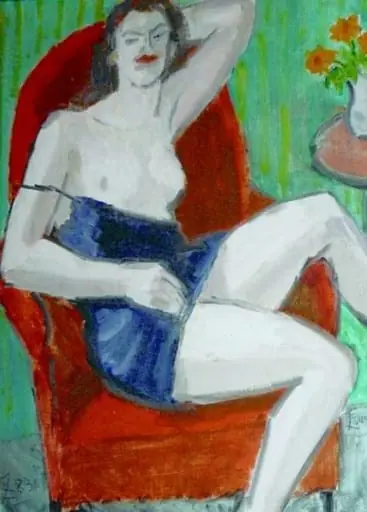
Iosif Iser painted everyday life with a focus on people and places. His 1933 work *Paris. Strada Mouffetard* shows a lively street scene in Paris, while *Nud pe fotoliu* depicts a seated nude figure. His brushwork…