Artwork
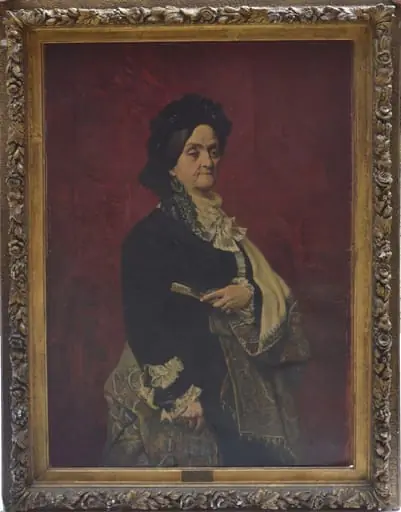
Marchiz (schiță după Boldini)
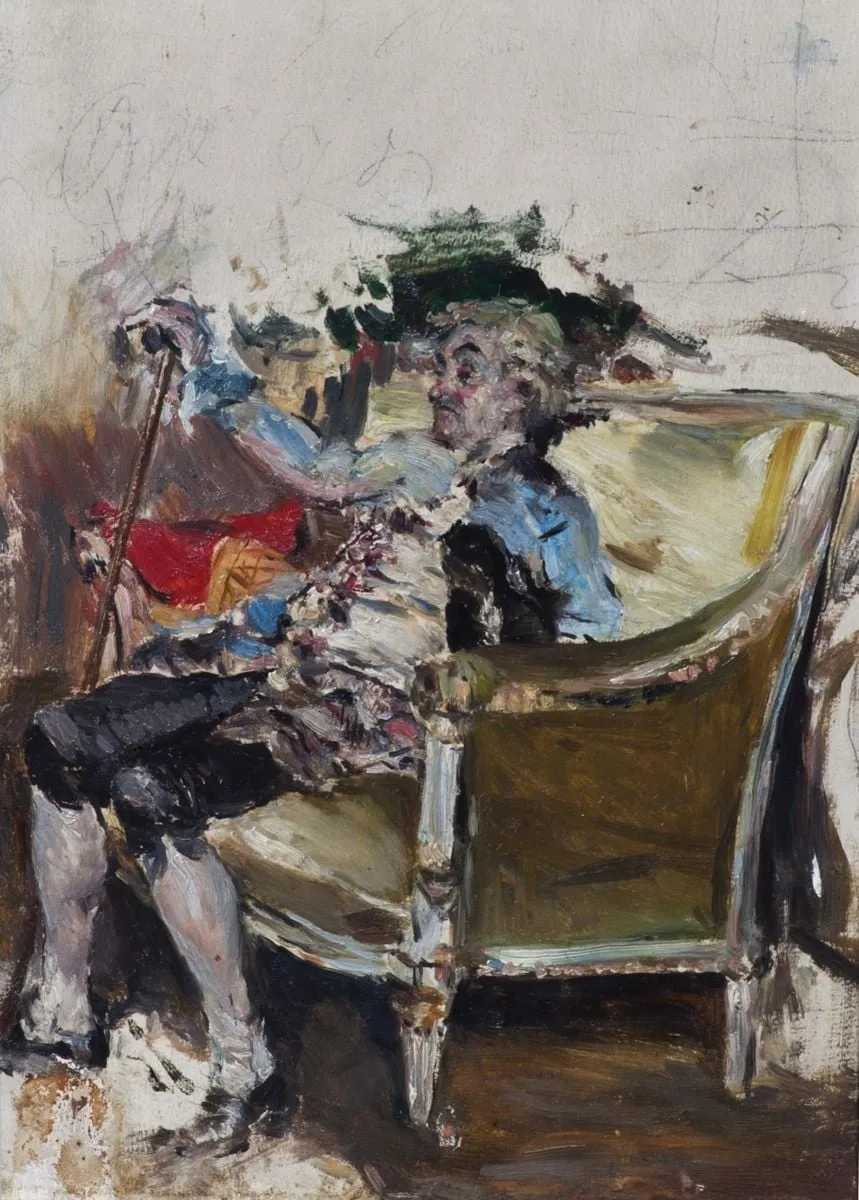
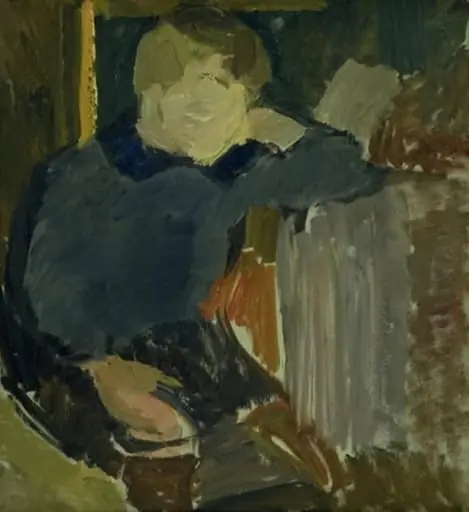
Marchiz (schiță după Boldini) is an unspecified painting by Theodor Aman. It dates from 1850 and is held in the collection of the Bucharest Municipality Museum.
About this work
Overview
Unlike formal portraits, it prioritizes gesture over finish, reflecting Aman’s engagement with contemporary European drawing practices.
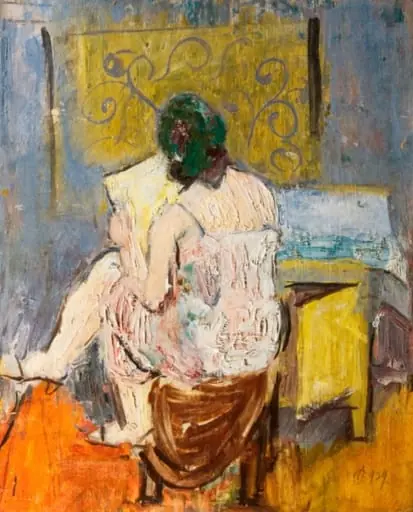
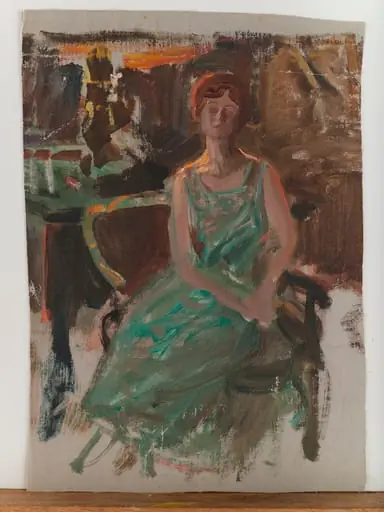
Created around 1850 by Theodor Aman, this sketch titled Marchiz (schiță după Boldini) is a study in rapid brushwork, inspired by the Italian painter Giovanni Boldini. Executed in ink or wash on paper, it captures a seated woman in profile, her posture suggesting motion rather than stillness. Unlike formal portraits, it prioritizes gesture over finish, reflecting Aman’s engagement with contemporary European drawing practices.
Subject & Meaning
The figure is a woman in a dark, flowing dress, seated sideways with one arm draped over the chair’s back. Her face is left deliberately indistinct—no eyes, no mouth—emphasizing posture and rhythm over identity. The absence of facial detail shifts focus to the energy of the pose, suggesting a fleeting moment observed rather than a commissioned likeness. It reflects an interest in the expressive potential of the human form in motion.
Technique & Style
Aman employs swift, fluid strokes to suggest volume and movement, abandoning fine detail in favor of dynamic composition. The technique echoes Boldini’s loose, impressionistic approach, where brushwork conveys life through economy and rhythm. The medium, likely ink or watercolor, allows for transparency and spontaneity, reinforcing the sketch’s unfinished character as a working study rather than a polished outcome.
History & Provenance
The work resides in the collection of the Museum of Ethnography, an unusual home for a drawing of this type, which typically belongs in fine art archives. Its presence there suggests it may have been acquired as part of a broader cultural or artistic collection, possibly linked to Aman’s role in Romania’s 19th-century artistic development. Its survival as a sketch highlights its value as a document of artistic process.
Context
In the 1850s, Romanian artists like Aman were increasingly exposed to Western European styles through travel and publications. Boldini’s expressive, rapid technique represented a departure from academic rigidity. Aman’s sketch reflects this influence, signaling a shift toward modern approaches in Romanian art—prioritizing observation and immediacy over idealized form, aligning with broader European trends in sketching and plein air practice.
Legacy
Though not widely exhibited, this sketch remains a quiet testament to Aman’s adaptability and his role in introducing European modernism to Romanian art. Its survival underscores the importance of studies in understanding artistic development. It invites comparison with Boldini’s work and offers insight into how emerging artists absorbed and reinterpreted foreign styles in their own cultural context.
Artist & collection
Artist