Artwork
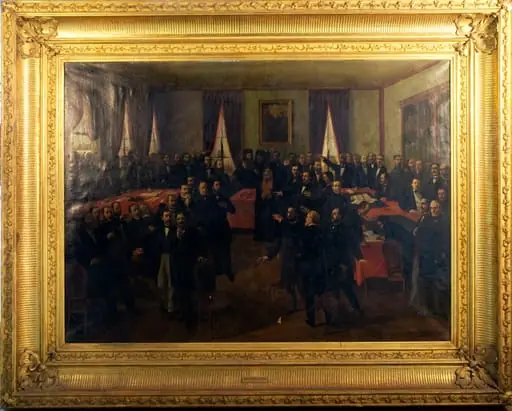
Proclamarea Unirii
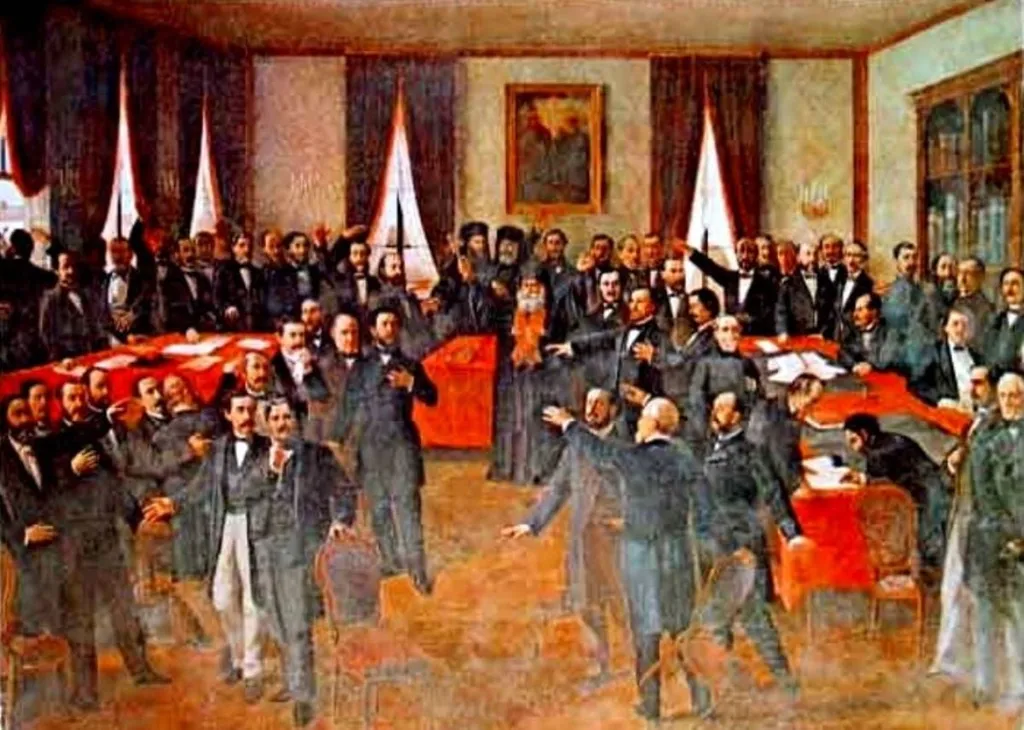
Proclamarea Unirii is an unspecified painting by the Impressionist artist Theodor Aman. It dates from 1861 and is held in the collection of the National Museum of Romanian History.
About this work
Overview
Painted in 1861 by Theodor Aman, Proclamarea Unirii depicts a gathering in a modest interior, capturing the moment of Romania’s political unification.
Painted in 1861 by Theodor Aman, Proclamarea Unirii depicts a gathering in a modest interior, capturing the moment of Romania’s political unification. The scene is filled with men in formal attire, some standing on chairs, waving flags, and gesturing animatedly. The composition conveys urgency and collective emotion, rendered with loose, energetic brushwork that emphasizes movement over precision.
Subject & Meaning
The painting illustrates the proclamation of the union between Moldavia and Wallachia, a pivotal step toward modern Romania. Figures are shown reacting to an unseen announcement, their gestures and raised banners signaling public celebration and political solidarity. The absence of formal authority figures shifts focus to the people, suggesting the event’s grassroots significance and civic participation.
Technique & Style
Aman employed a Realist approach, prioritizing the immediacy of the moment over idealization. Brushstrokes are swift and textured, capturing the flutter of fabric and the blur of motion. The muted palette and unadorned walls ground the scene in reality, while the contrast between stillness and dynamism heightens the sense of a historic turning point unfolding in real time.
History & Provenance
Commissioned shortly after the 1859 union of Moldavia and Wallachia, the painting was created to commemorate the formal declaration in 1861. It entered public collections in Romania and has remained a key visual record of the nation’s unification. Its preservation reflects its role as a document of national identity, rather than a purely decorative work.
Context
The work emerged during a period of intense national awakening in the Romanian principalities, amid broader European movements toward unification and constitutional reform. Aman’s choice to depict a civilian gathering—rather than royalty or military leaders—aligns with emerging ideals of popular sovereignty and civic nationalism in 19th-century Europe.
Legacy
Proclamarea Unirii became a reference point in Romanian visual culture for depicting collective political moments. Its unembellished realism influenced later artists seeking to portray national history without romanticism. The painting remains in institutional collections, studied for its documentation of a formative civic event and its stylistic departure from academic conventions.
Artist & collection
Artist

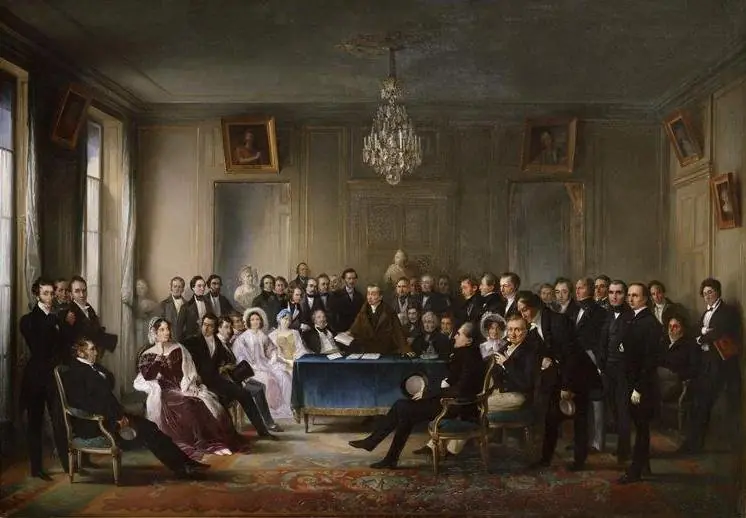 Andrieux faisant une lecture dans le foyer de la Comédie Française
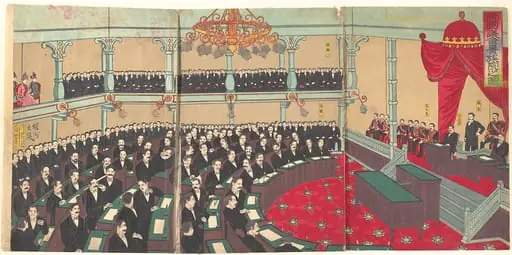 帝国議会貴族院之図|Illustration of The Imperial Assembly of the House of Peers (Teikoku gikai kizokuin no zu)
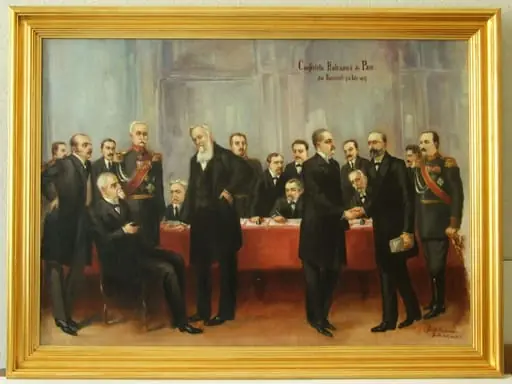 Conferința balcanică de pace de la București, 1913
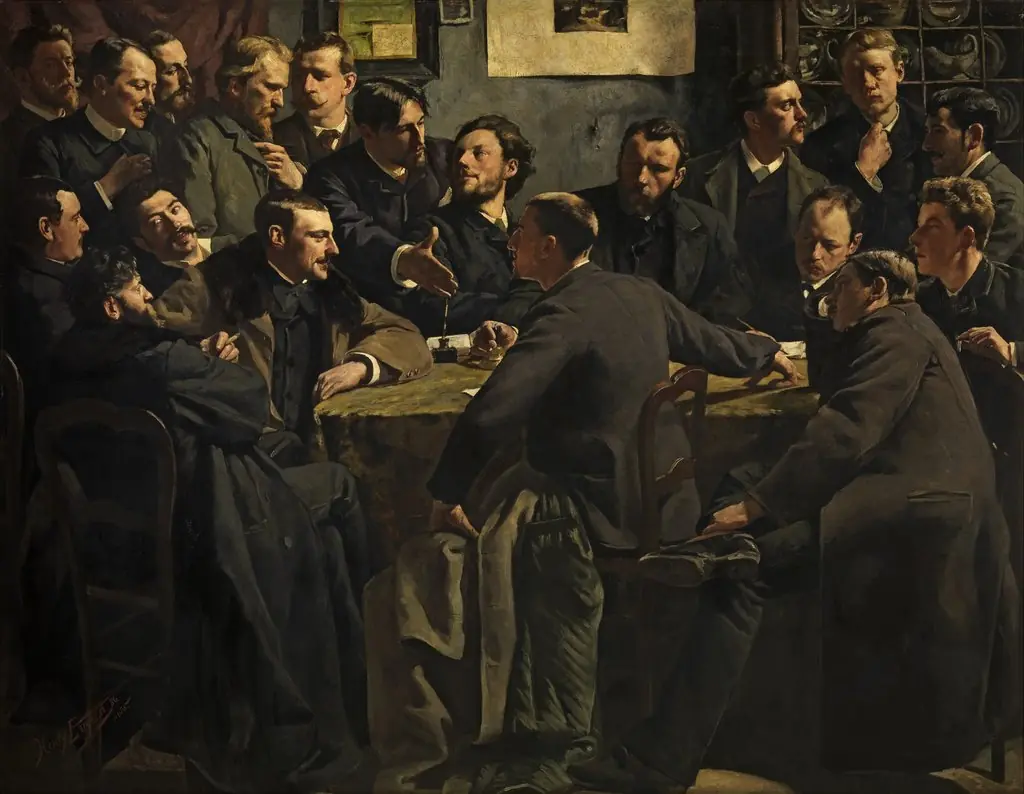 A Session of the Art Society 'Als Ik Kan'
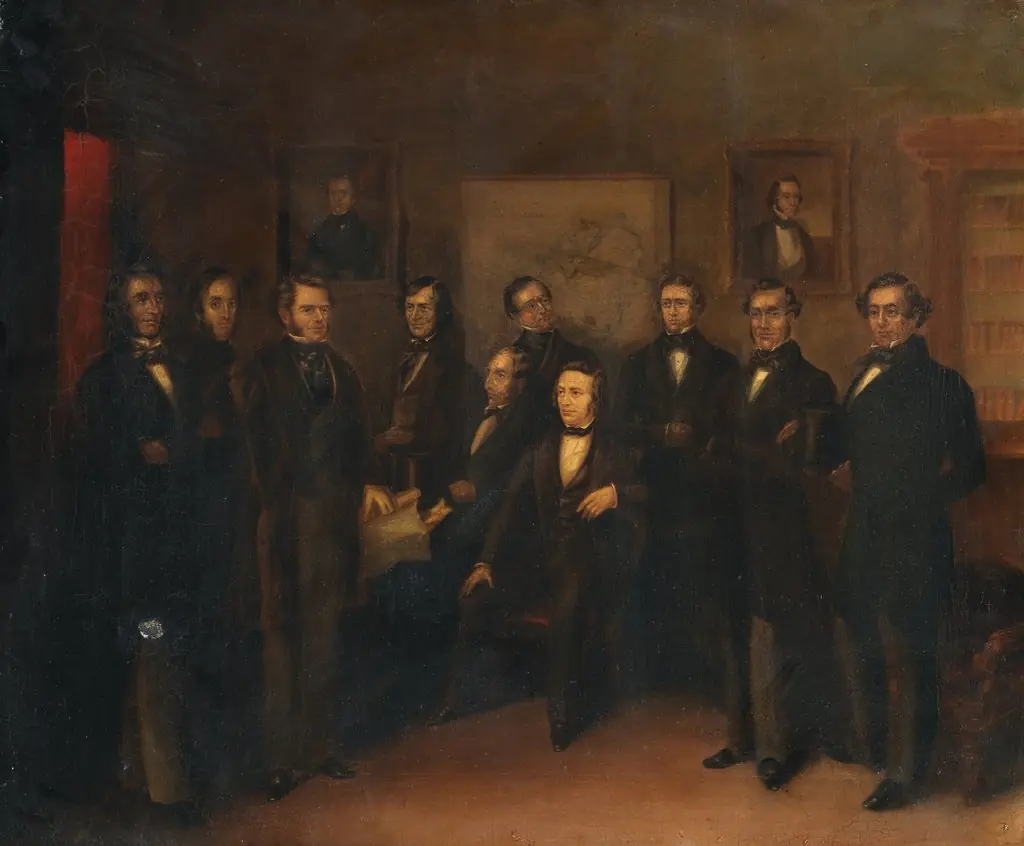 The Leaders of the Irish Confederation in Council
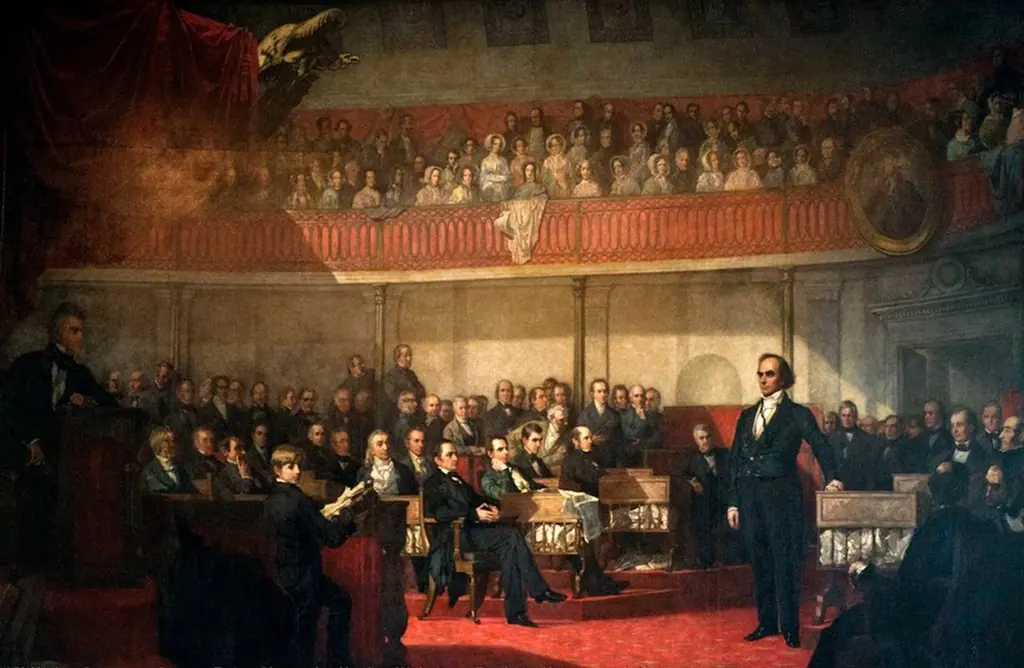 Webster Replying to Hayne
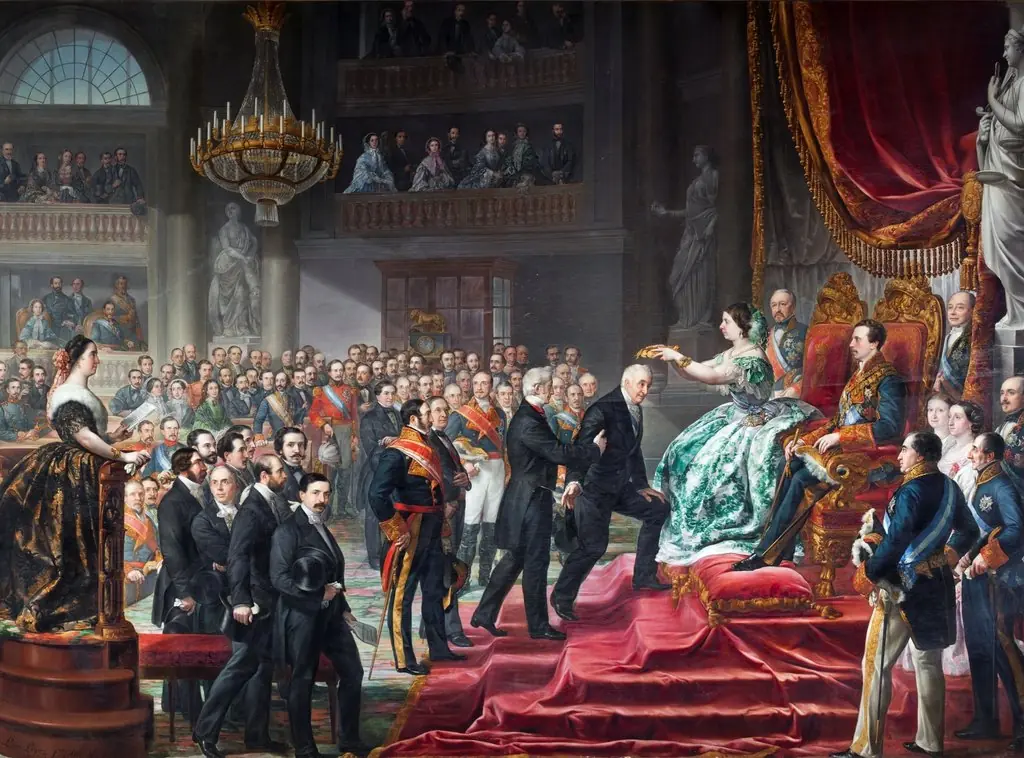 The Coronation of the Quintana
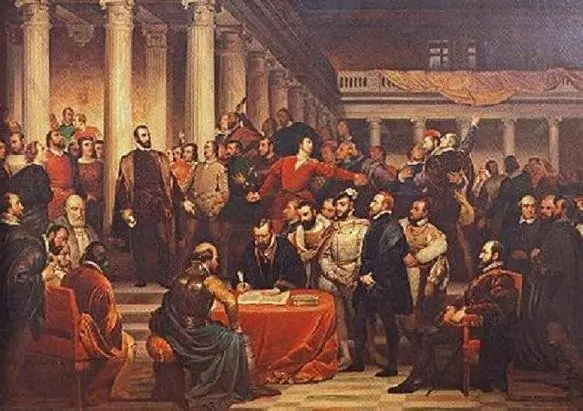 Le Compromis des nobles en 1566
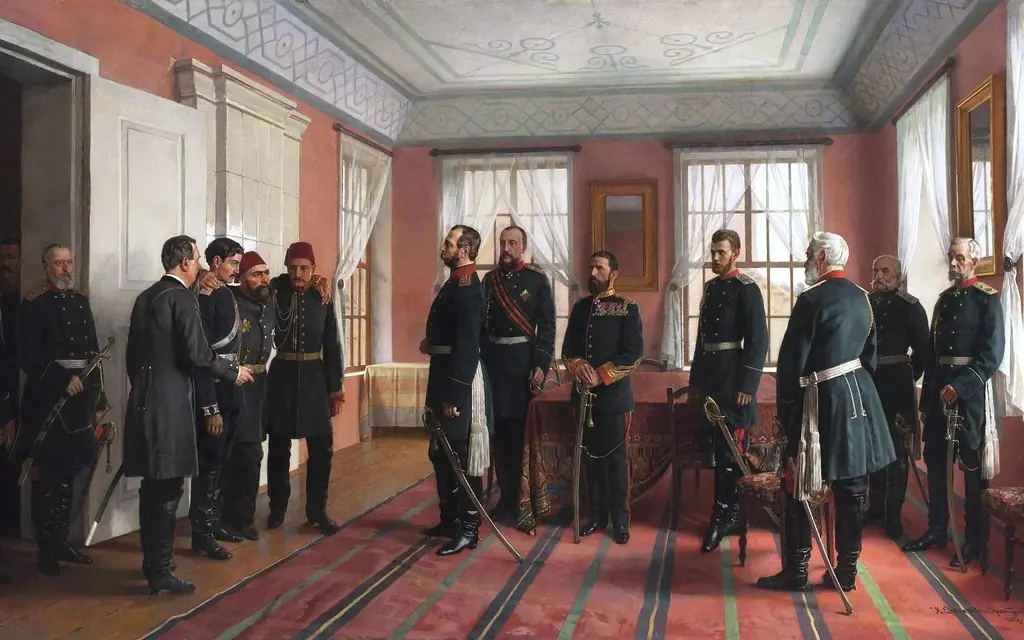 The Introduction of the Captive Osman Pasha to Alexander II at Plevna
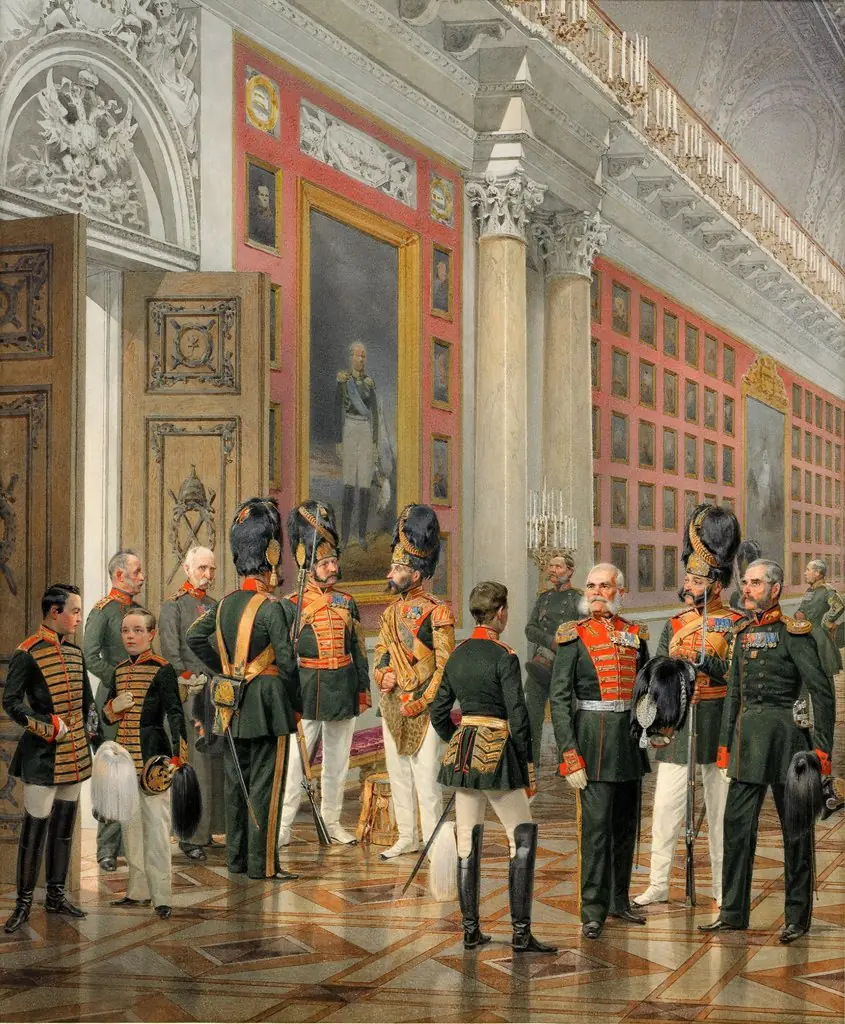 View of the War Gallery of 1812 in the Winter Palace (Company of Court Grenadiers)
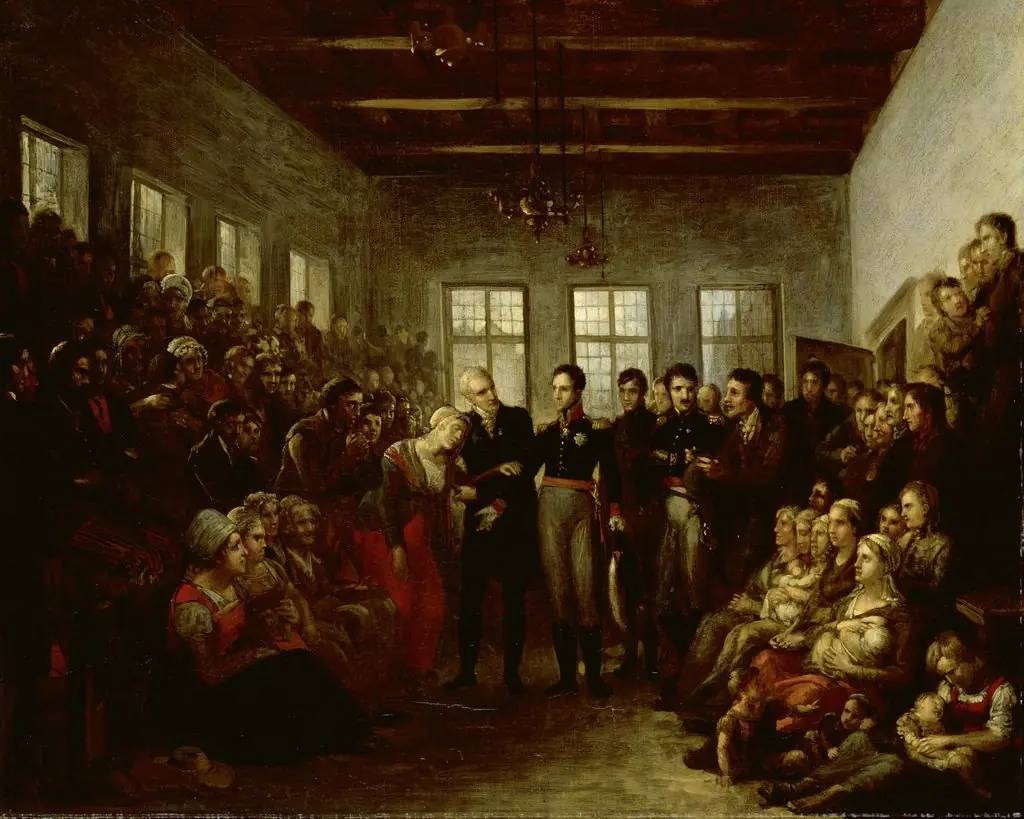 The Prince of Orange Visititing Flood Victims at the Almoners Orphanage, Amsterdam, on 14 February 1825
 Proclamarea Unirii Principatelor (24 Ianuarie 1859)