Artwork
Eucalyptus
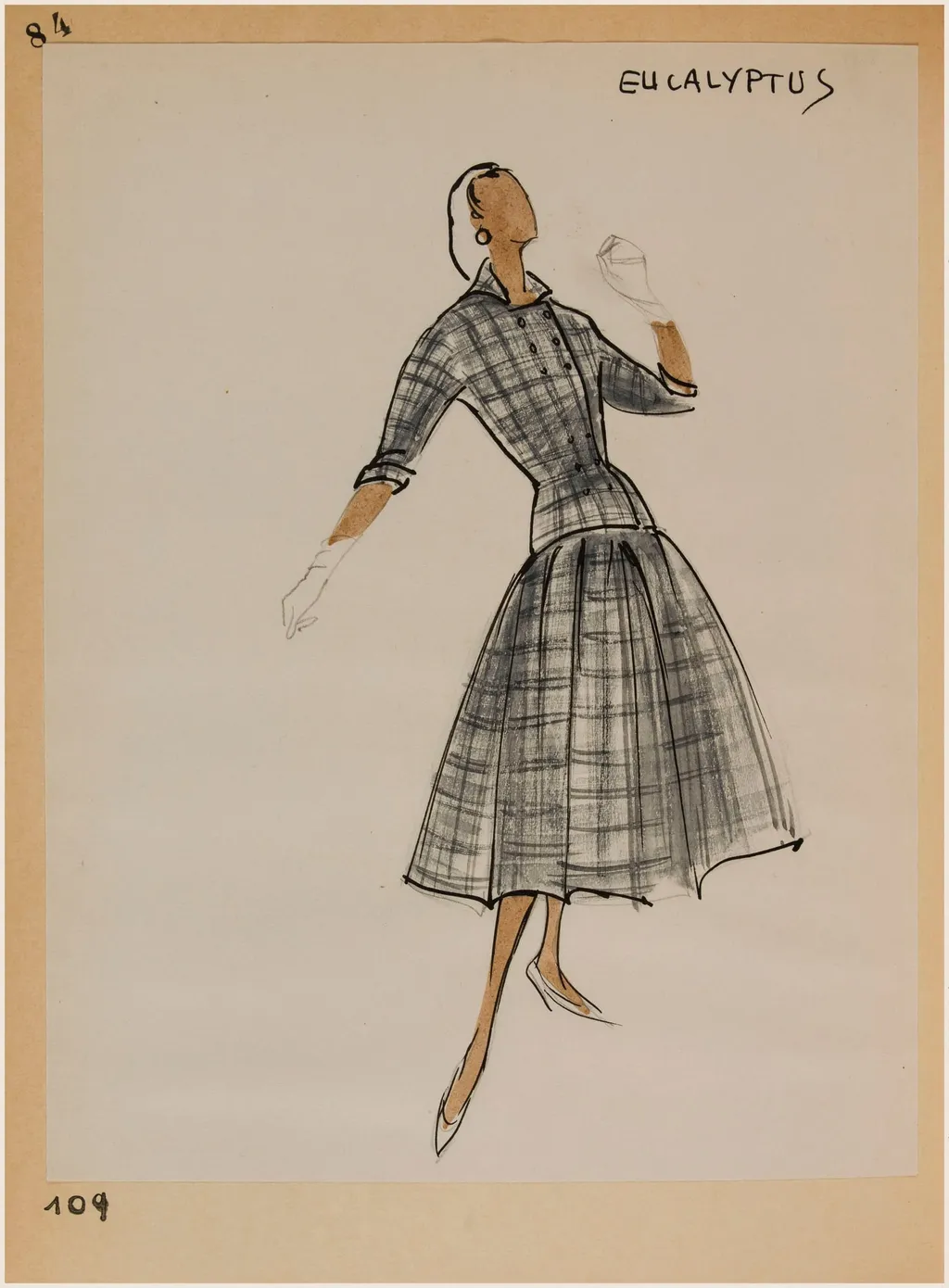
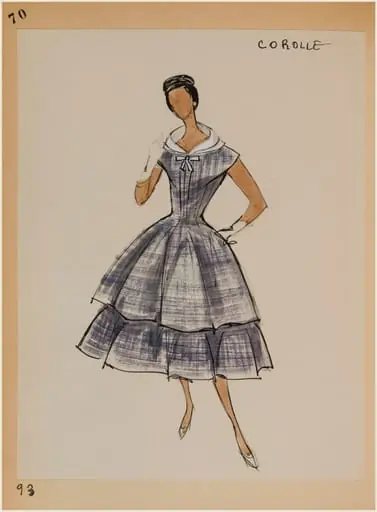
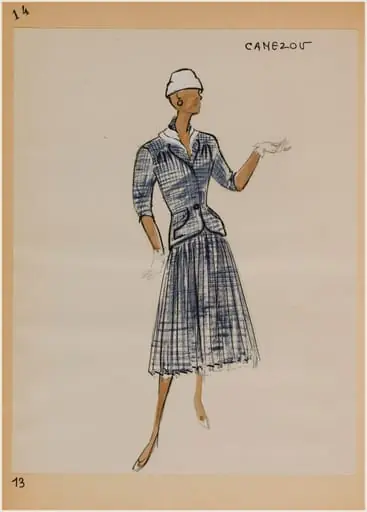
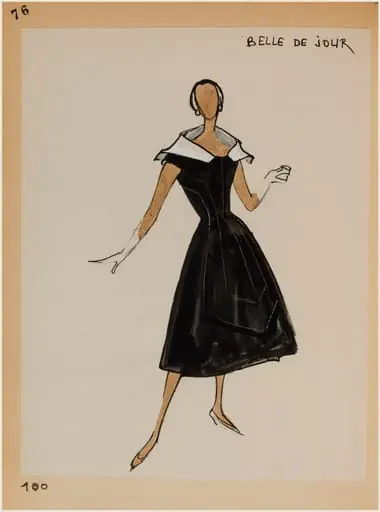
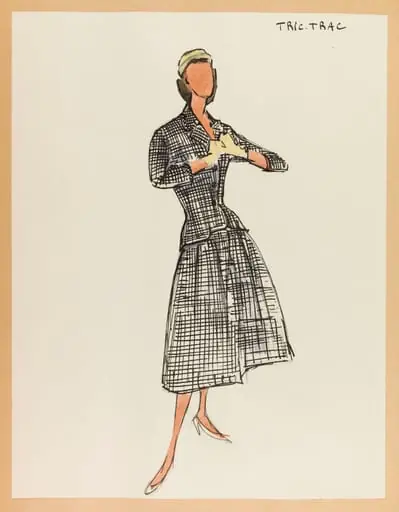
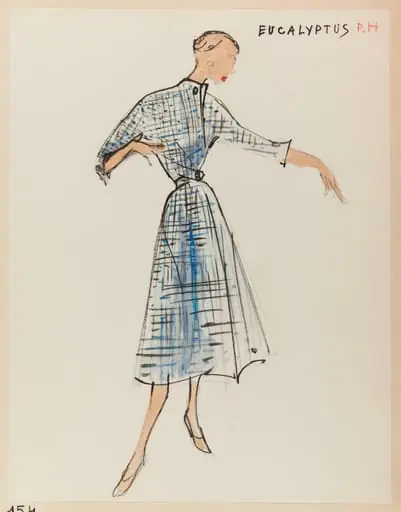
Eucalyptus is a drawing by Marie-Louise Carven. It dates from 1956 and is held in the collection of the Palais Galliera - Musée de la Mode de la Ville de Paris.
About this work
Overview
Eucalyptus, a fashion illustration dated 1956, belongs to the Museum of Ethnography’s holdings. The drawing is attributed to Marie‑Louise Carven, a French couturier who opened her own house in 1945 and later introduced one of Paris’s early ready‑to‑wear collections.
Subject & Meaning
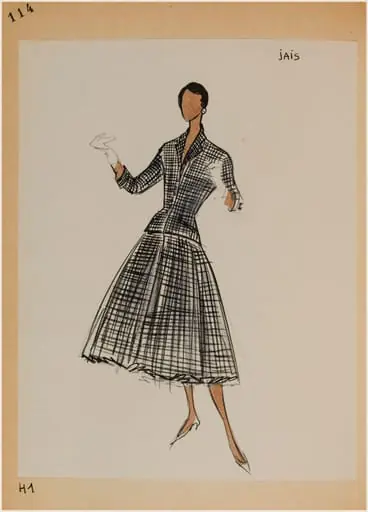
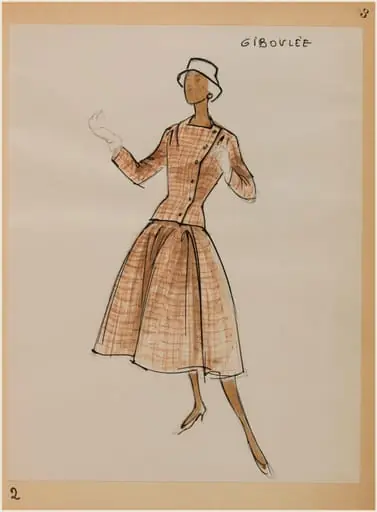
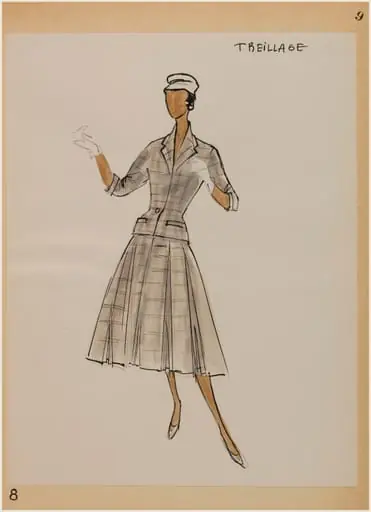
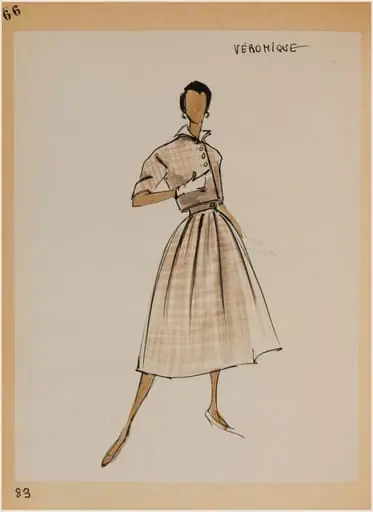
The sketch depicts a woman in motion, wearing a fitted jacket paired with a flared, knee‑length skirt. The garment features a muted gray‑and‑white check pattern edged with darker trim at the cuffs and hem. Her hair is gathered back, and she holds a small object in her right hand, suggesting a moment of everyday activity rather than a formal portrait.
Technique & Style
Executed with loose, confident lines, the drawing emphasizes silhouette and movement over fine detail. The rapid, gestural approach indicates a design study intended to convey the overall shape and flow of the ensemble rather than a finished rendering.
History & Provenance
Created in the mid‑1950s, the illustration entered the Museum of Ethnography’s collection at an unspecified date. It reflects Carven’s design work during a period when she was expanding her reputation for catering to petite figures and experimenting with lightweight fabrics.
Context
During the 1950s, Parisian fashion was transitioning from exclusive haute couture to more accessible ready‑to‑wear lines. Carven’s designs, including the outfit shown in Eucalyptus, exemplify this shift, offering stylish yet practical clothing that could be produced in larger quantities while retaining a refined aesthetic.
Artist & collection
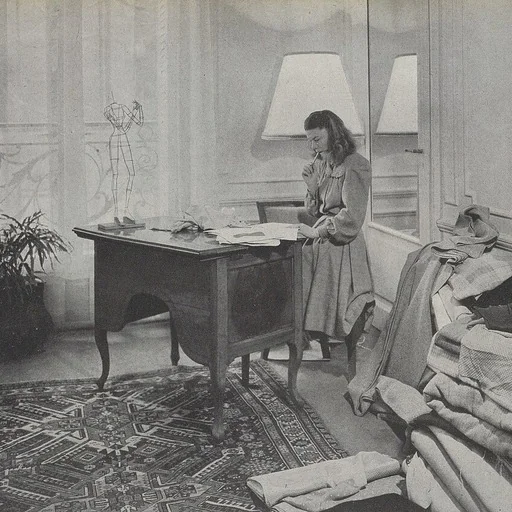
Artist
Marie-Louise Carven (31 August 1909 – 8 June 2015), born Carmen de Tommaso, was a French fashion designer who founded the house of Carven in 1945.
Museum
Palais Galliera - Musée de la Mode de la Ville de Paris
Continue through works from the same source collection.
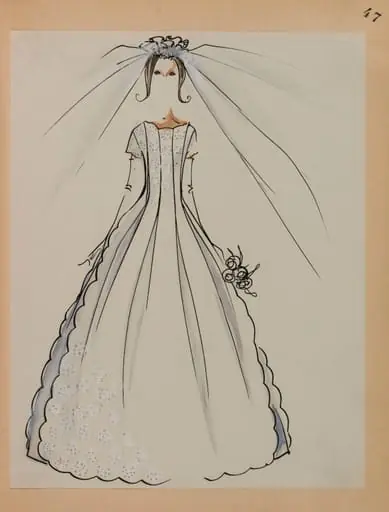 Robe de mariée festonnée et son voile
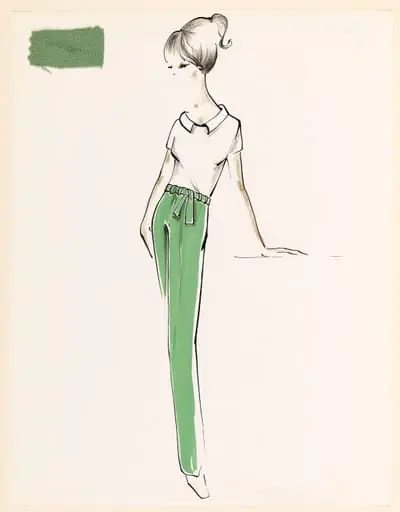 Haut blanc à manches courtes et pantalon vert à ceinture nouée
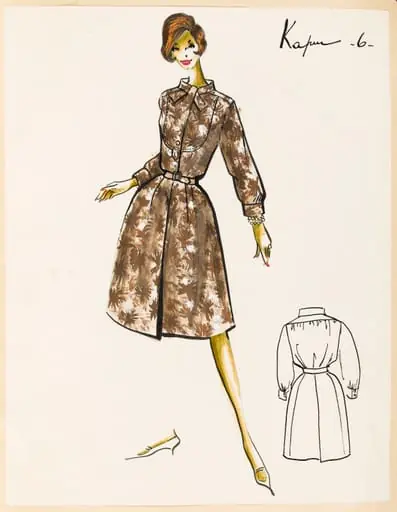 Kapur
Kapur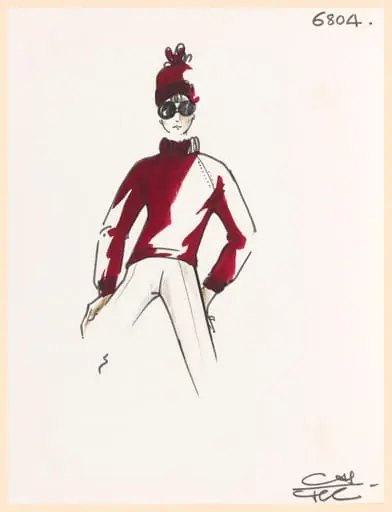 Pull-over à manches longues pourpre, bonnet assorti, pantalon et lunettes de soleil
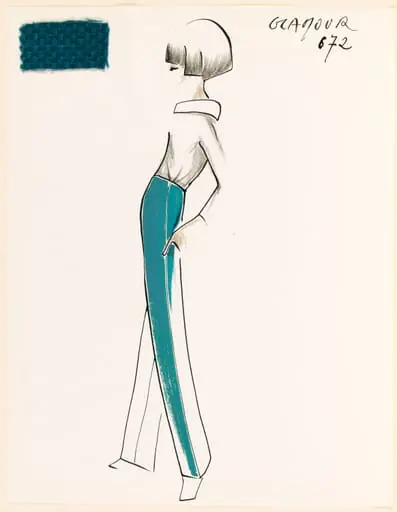 GLAMOUR
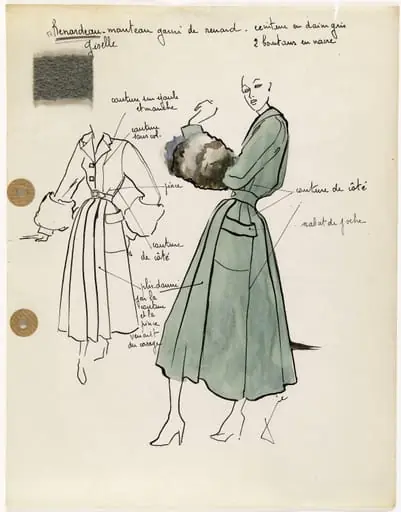 'Renardeau'
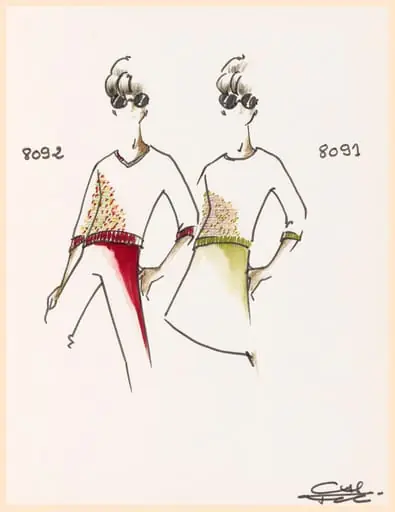 Pull-over à manches trois quarts et à encolure V à motifs multicolores, pantalon cerise et lunettes de soleil
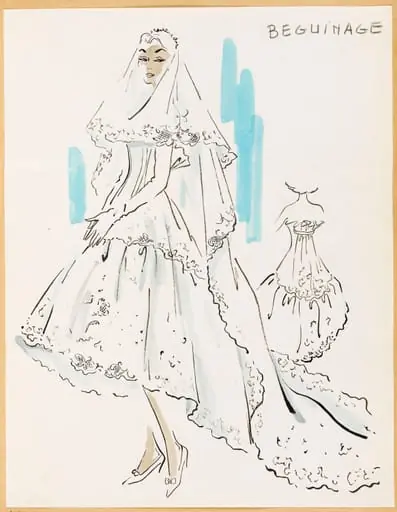 Béguinage