Artwork
Imaculada Conceição
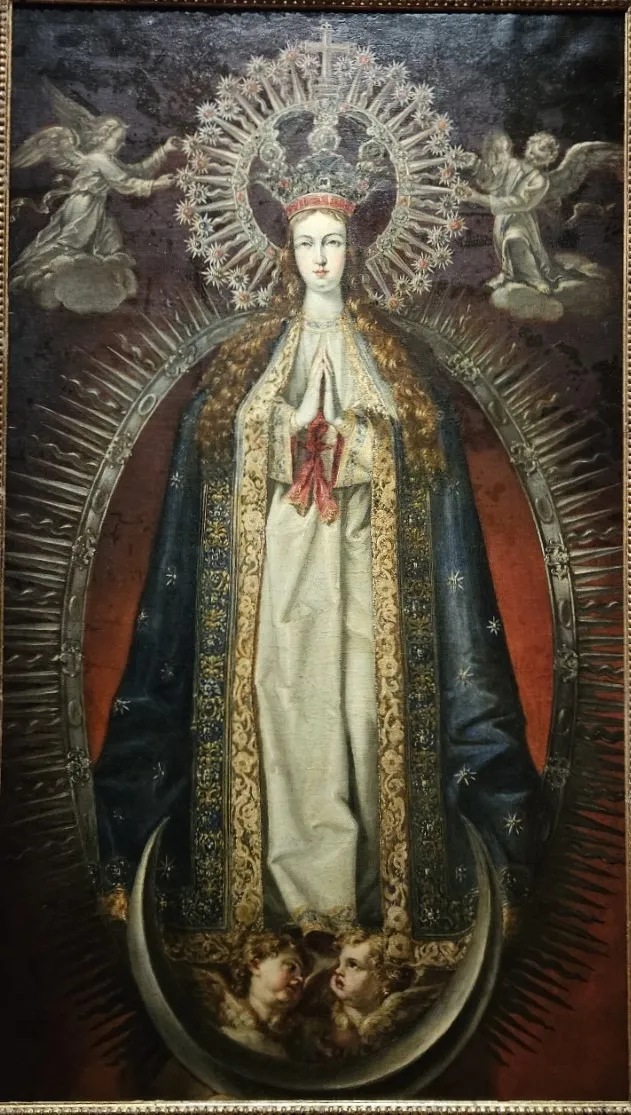
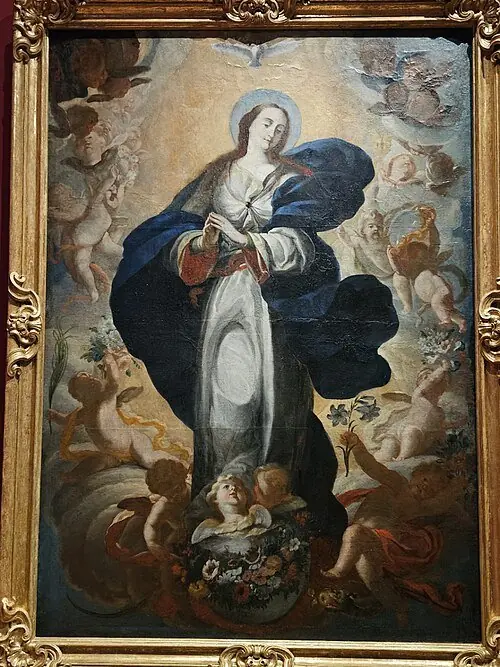
Imaculada Conceição is an unspecified painting by the Flemish Baroque painting artist Unknown. It dates from 1700 and is held in the collection of the National Museum of Ancient Art.
About this work
Overview
This painting presents the theological concept of the Immaculate Conception, portraying the Virgin Mary as free from original sin from the moment of her conception. Centered within a luminous composition, she is depicted in serene stillness, surrounded by celestial figures and radiant light. The work’s visual language emphasizes spiritual purity through symbolic color and controlled contrast.
Subject & Meaning
Mary is shown standing on a crescent moon, clad in a white robe and blue mantle edged with gold, symbols of purity and heavenly authority. A halo of light encircles her, while angels uplift her form, reinforcing her divine status. The imagery draws from apocalyptic and Marian traditions, conveying her unique role in Christian doctrine as conceived without sin.
Technique & Style
The artist employs chiaroscuro to model form and enhance spatial depth, contrasting the luminous figure of Mary against darker, atmospheric backgrounds. Rich pigments in the blue cloak and gold detailing suggest luxury and sacredness, while the soft rendering of drapery and delicate angelic forms reflect a refined, devotional aesthetic rooted in Baroque conventions.
History & Provenance
Created during the height of Counter-Reformation devotion to Marian imagery, the painting likely originated in a Portuguese or Iberian context, where the Immaculate Conception was a favored subject. Its commission may have been tied to a religious order or royal patronage, though specific documentation of its early ownership remains unrecorded.
Context
In the 17th century, the doctrine of the Immaculate Conception was widely promoted by the Catholic Church as a counter to Protestant critiques. Artists across Spain and Portugal produced numerous depictions to reinforce this belief among the faithful. This painting aligns with that devotional surge, serving as a visual affirmation of Marian theology.
Legacy
The work contributes to a broader visual tradition of Marian iconography that persisted through the early modern period. While not attributed to a major named master, its adherence to established symbolic codes and skilled execution reflect the enduring influence of ecclesiastical commissions on regional artistic practice.
Artist & collection

 Domestic Scene
 Giacomo and Cardinal Marco, investing Andrea, Abbot of San Zeno, with his Benefice
 The Nymph of Fontainebleau
 Portrait of a Woman
 Madonna and Child with Saints in the Enclosed Garden
 Venus and Minerva
 Family Group of Four on Sofa
 Wall painting from Room H of the Villa of P. Fannius Synistor at Boscoreale
 Virgin of Belén (Virgen de Belén)
 The Immaculate Conception
 Assumption
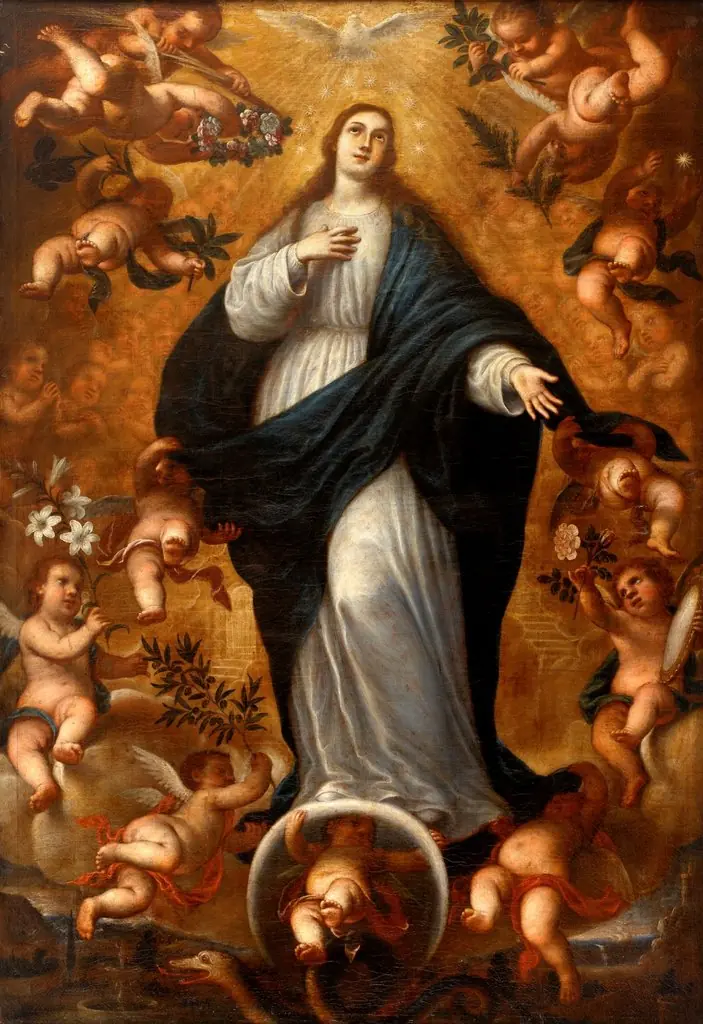 La Purísima
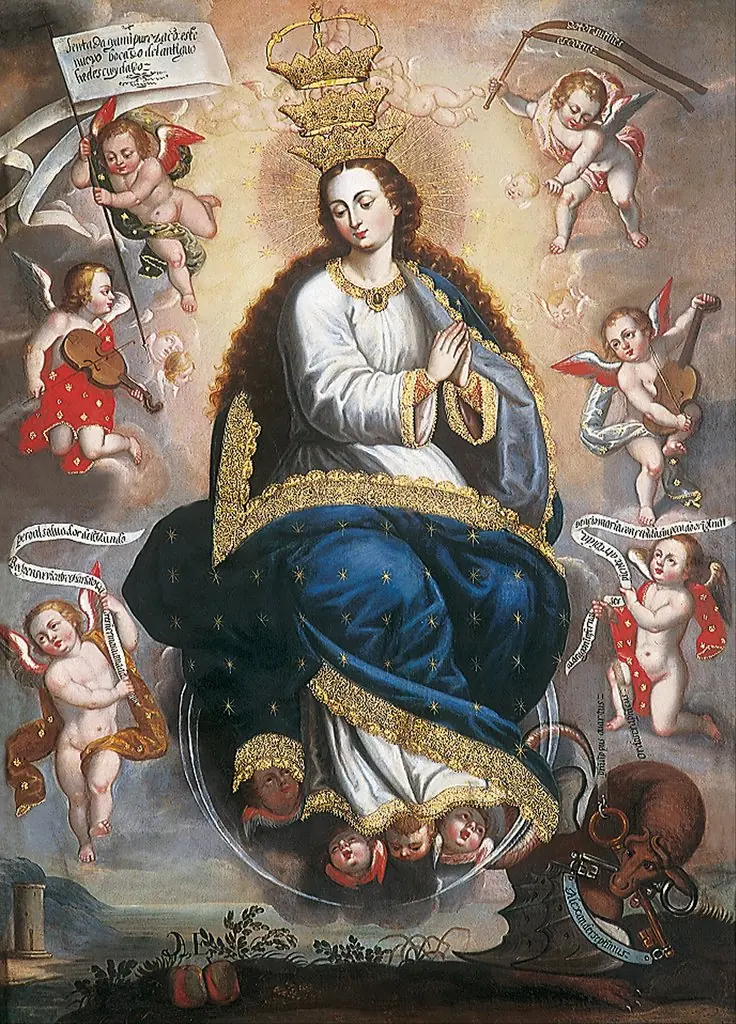 Immaculate Virgin Victorious over the Serpent of Heresy
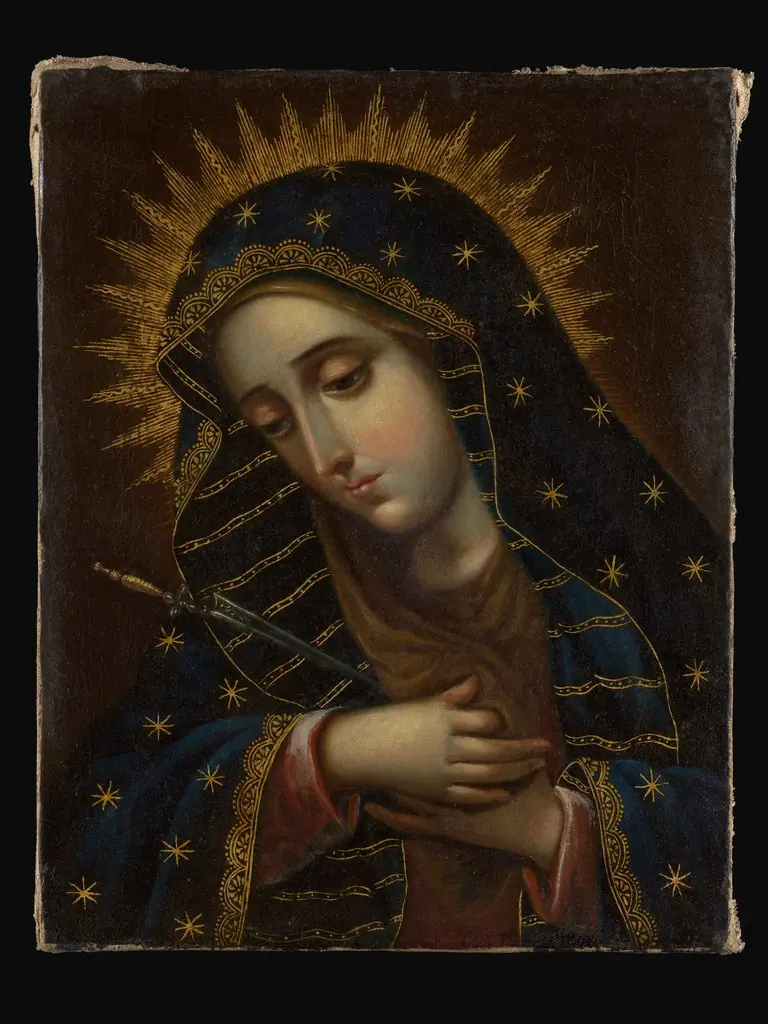 The Virgin of Sorrows
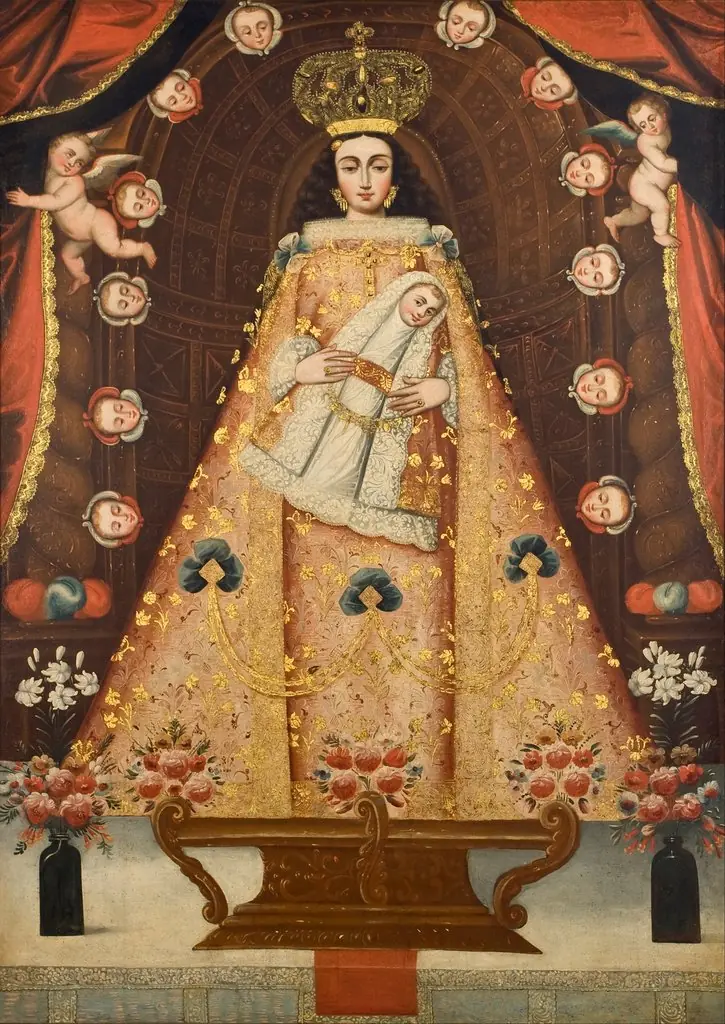 Virgin of Bethlehem
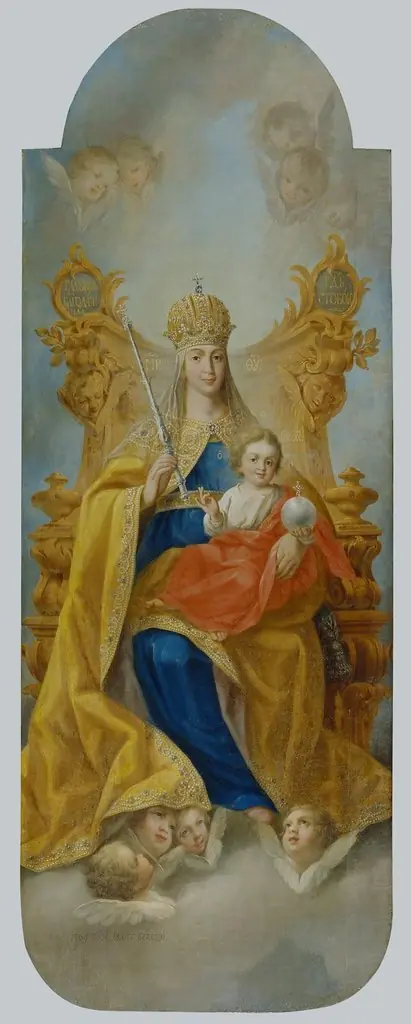 Sovereign Virgin on the Throne
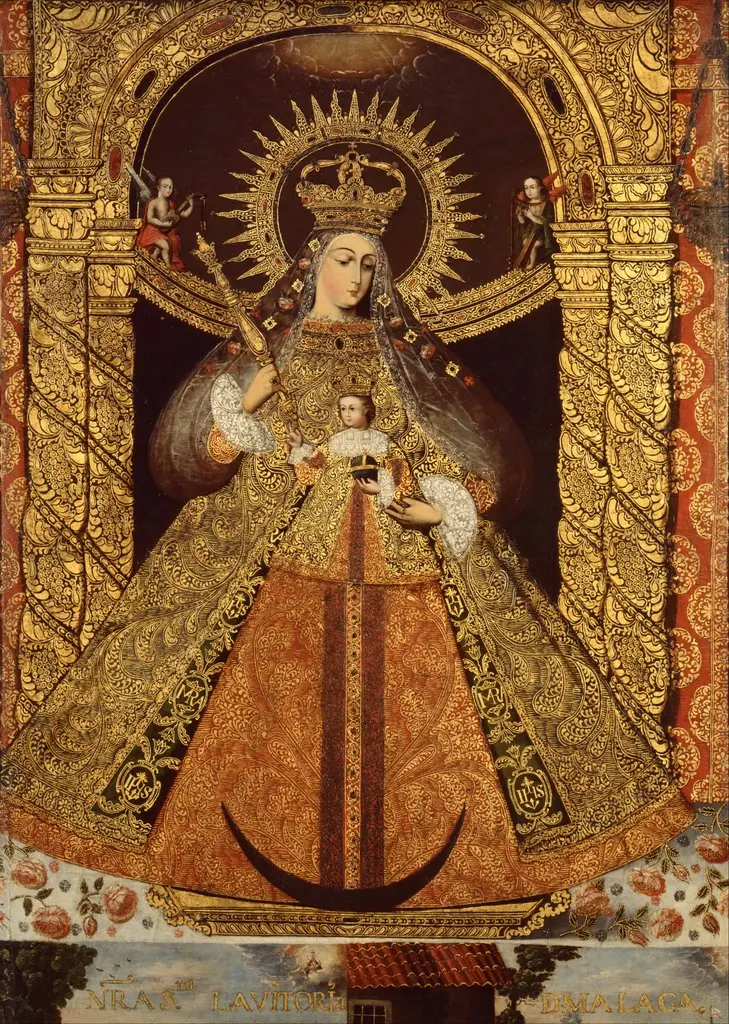 Virgin of the Victory of Malaga
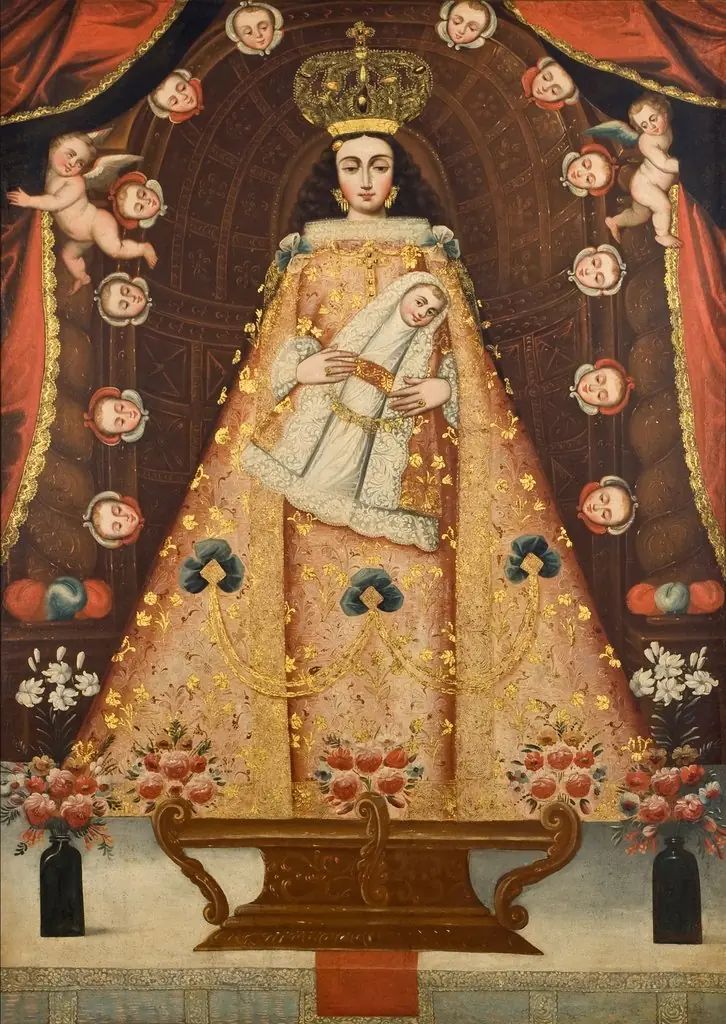 Virgin of Bethlehem
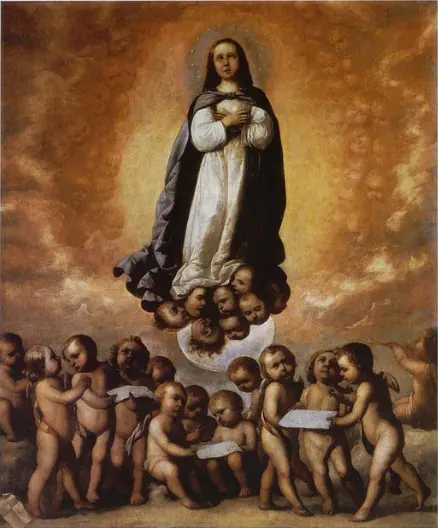 The Immaculate Conception as a Child
 Imaculada Conceição