Artwork
Tantric Manuscript "Sangrahani Sutra"
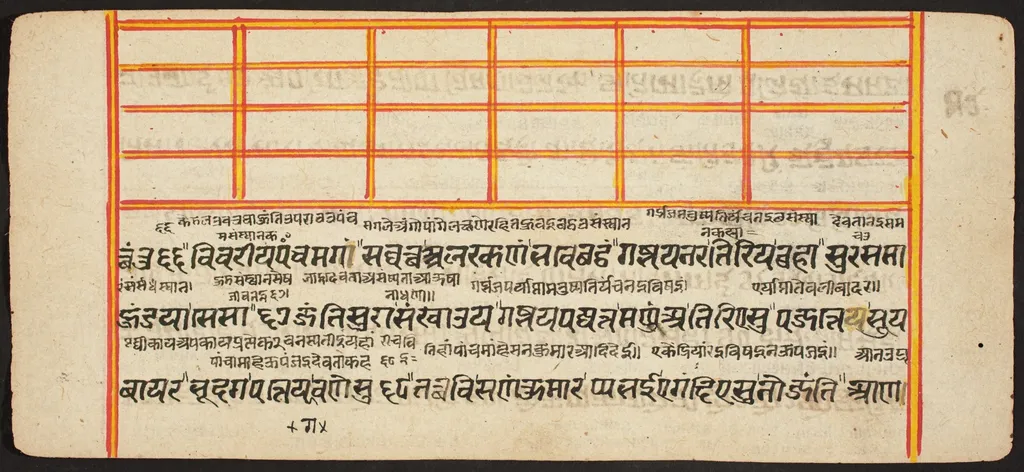
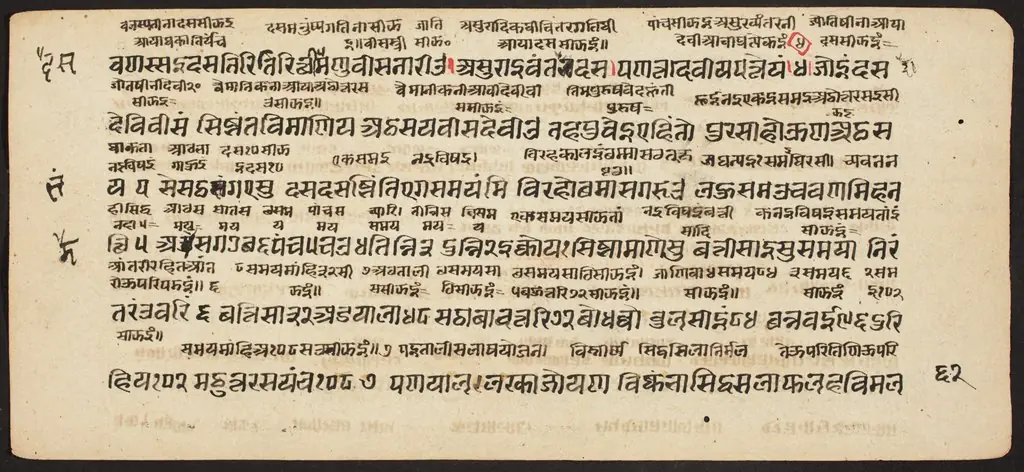
Tantric Manuscript "Sangrahani Sutra" is an unspecified painting by Unknown. It is held in the collection of the Detroit Institute of Arts. This page comes from a handwritten Tantric manuscript known as the Sangrahani Sutra, preserved in the Detroit Institute of Arts.
About this work
Overview
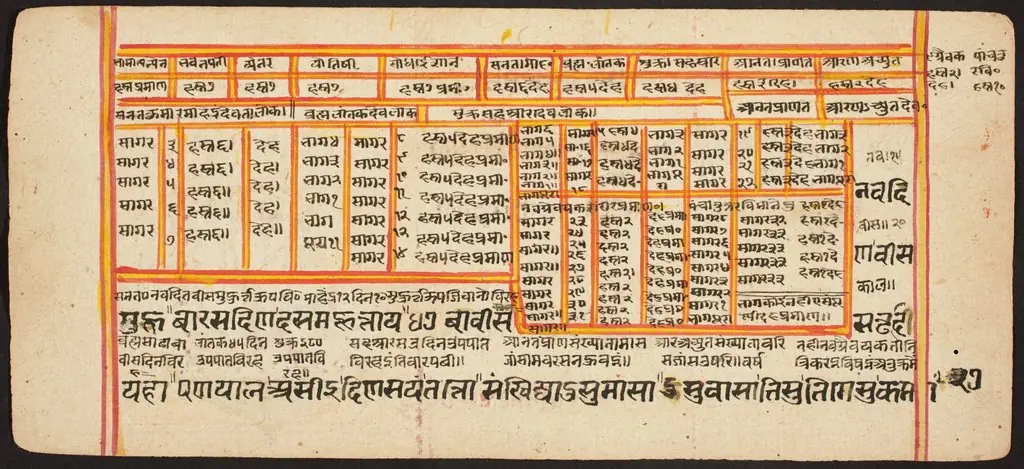
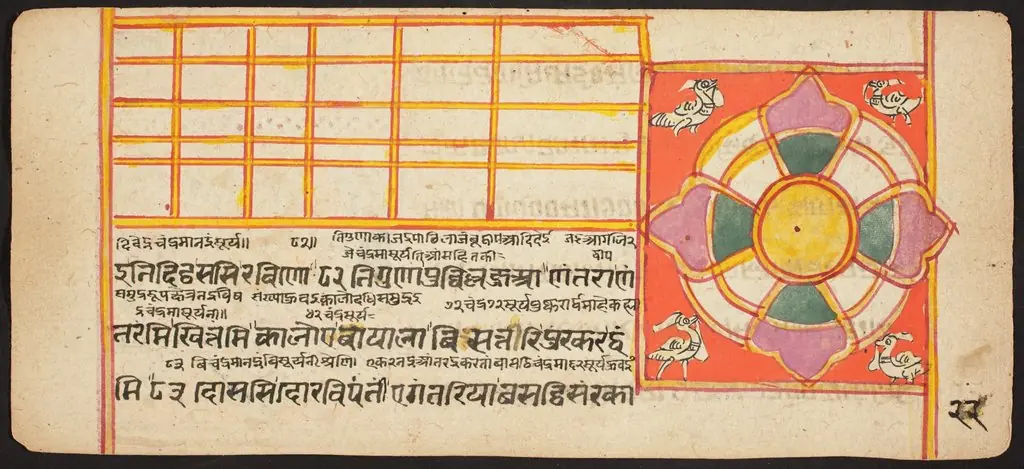
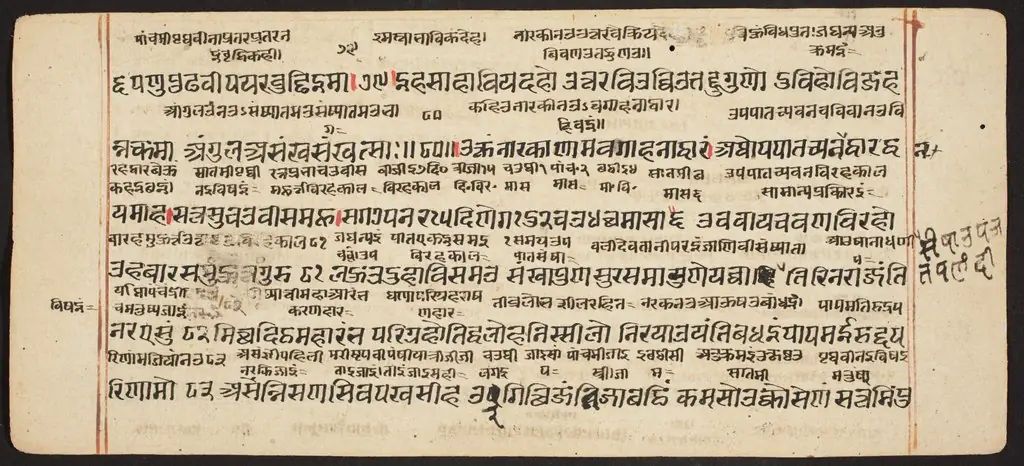
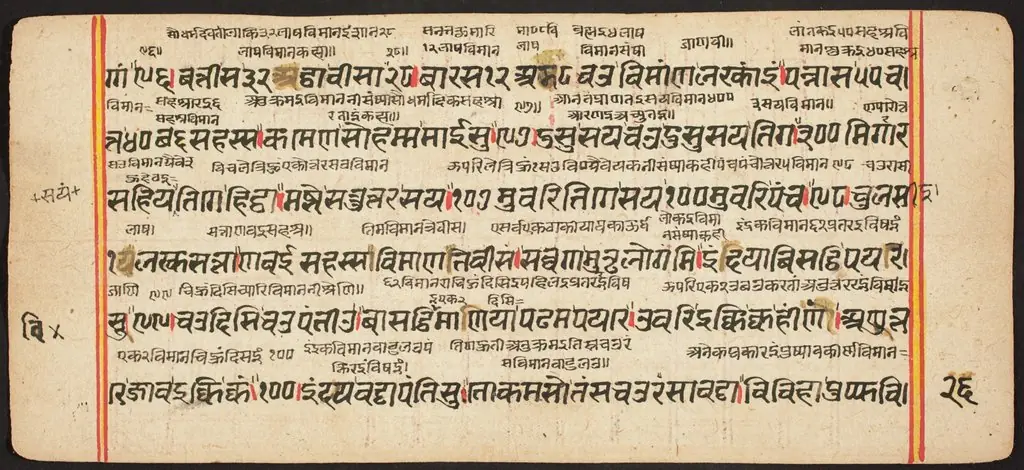
This page comes from a handwritten Tantric manuscript known as the Sangrahani Sutra, preserved in the Detroit Institute of Arts.
This page comes from a handwritten Tantric manuscript known as the Sangrahani Sutra, preserved in the Detroit Institute of Arts. It features dense script arranged in horizontal lines within a precise grid of red and yellow borders. The text is rendered in black ink on a pale, unadorned ground, emphasizing clarity and ritual function over decorative flourish. The structure suggests a liturgical or meditative purpose, where visual order supports spiritual discipline.
Subject & Meaning
The script, though undeciphered in public records, is characteristic of esoteric Buddhist or Tantric traditions that relied on written mantras and doctrinal summaries for ritual use. The grid framing the text may symbolize cosmic order or the structured path of spiritual practice. Its purpose was likely devotional: to aid concentration, preserve sacred knowledge, or serve as an object of contemplation during meditation.
Technique & Style
The manuscript was produced using traditional hand-writing methods, with ink applied by brush or reed pen onto prepared paper or palm leaf. The grid lines, drawn in mineral-based pigments of red and yellow, were likely applied before the text to ensure alignment. The absence of illustrations or embellishment reflects a preference for textual purity, common in ascetic or monastic scriptural traditions where form followed function.
History & Provenance
The manuscript’s origin is likely South or Southeast Asia, where Tantric Buddhist practices flourished between the 8th and 12th centuries. It entered the Detroit Institute of Arts’ collection through documented acquisition, though its earlier history before the 20th century remains undocumented. Its survival suggests it was carefully preserved, possibly within a monastic library or private devotional collection.
Context
This page reflects a broader tradition of sacred manuscript production in Buddhist and Hindu Tantric communities, where written words held ritual power. Unlike illustrated codices, such texts prioritized accuracy and legibility over ornamentation. Similar examples survive in Tibetan, Nepalese, and Southeast Asian collections, often used in rituals requiring recitation or visualization of sacred syllables.
Legacy
As a surviving artifact of esoteric textual practice, this page contributes to scholarly understanding of how spiritual knowledge was transmitted in pre-modern Asia. Its preservation highlights the importance of scribal discipline and the enduring role of the written word in meditative traditions. It remains a quiet testament to the material culture of devotion, not spectacle.
Artist & collection

 Domestic Scene
 Giacomo and Cardinal Marco, investing Andrea, Abbot of San Zeno, with his Benefice
 The Nymph of Fontainebleau
 Portrait of a Woman
 Madonna and Child with Saints in the Enclosed Garden
 Venus and Minerva
 Family Group of Four on Sofa
 Wall painting from Room H of the Villa of P. Fannius Synistor at Boscoreale
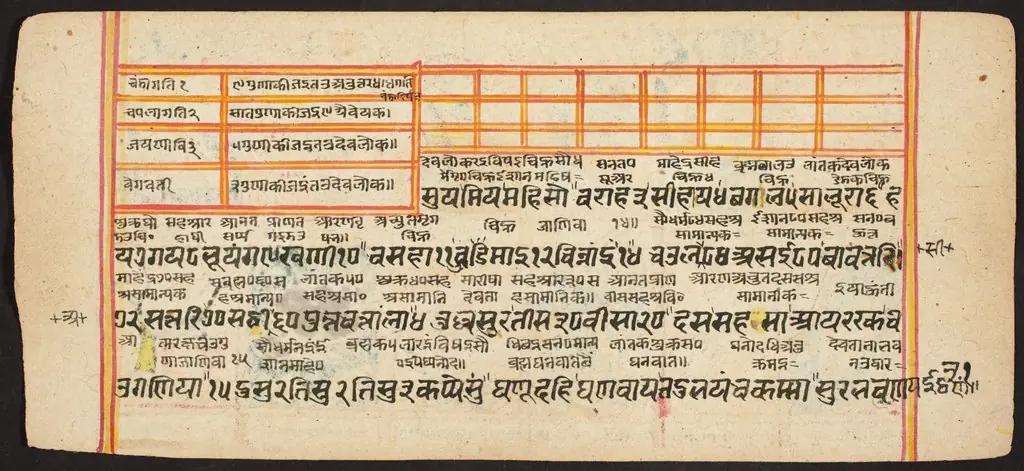 Tantric Manuscript "Sangrahani Sutra"
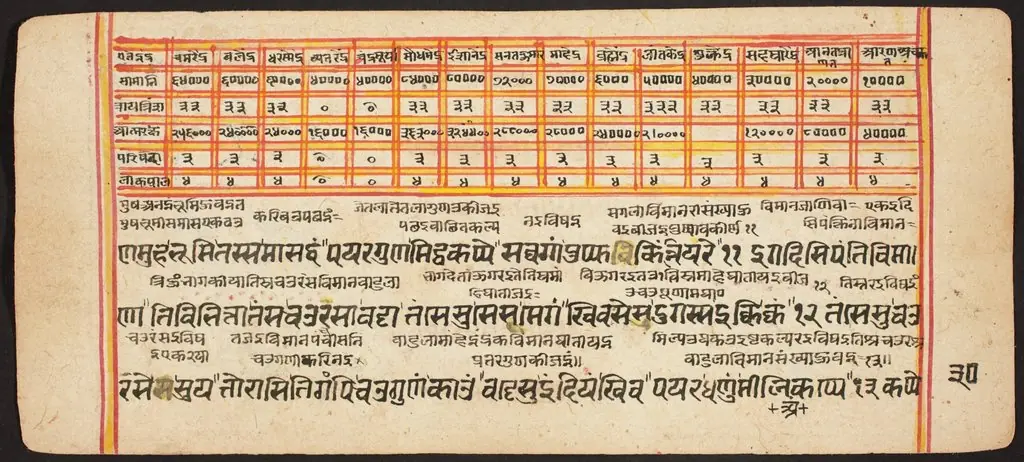 Tantric Manuscript "Sangrahani Sutra"
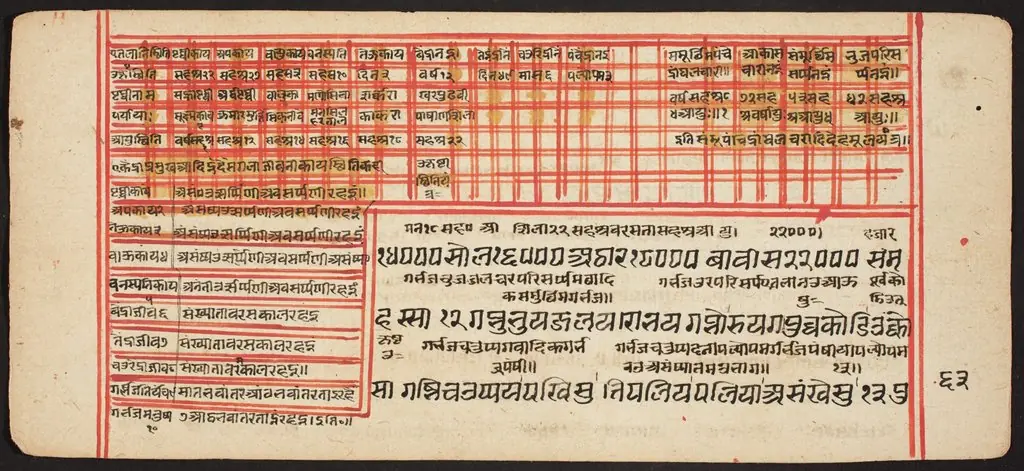 Tantric Manuscript "Sangrahani Sutra"
 Tantric Manuscript "Sangrahani Sutra"
 Tantric Manuscript "Sangrahani Sutra"
 Tantric Manuscript "Sangrahani Sutra"
 Tantric Manuscript "Sangrahani Sutra"
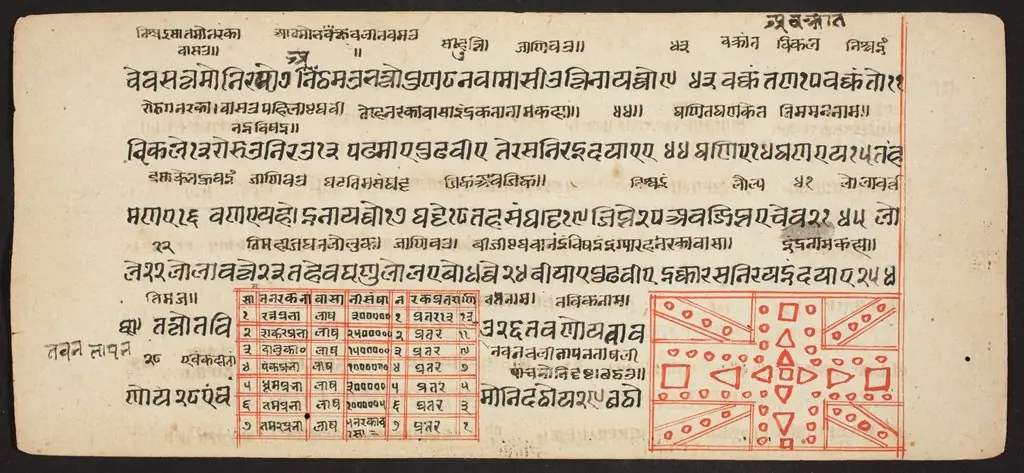 Tantric Manuscript "Sangrahani Sutra"
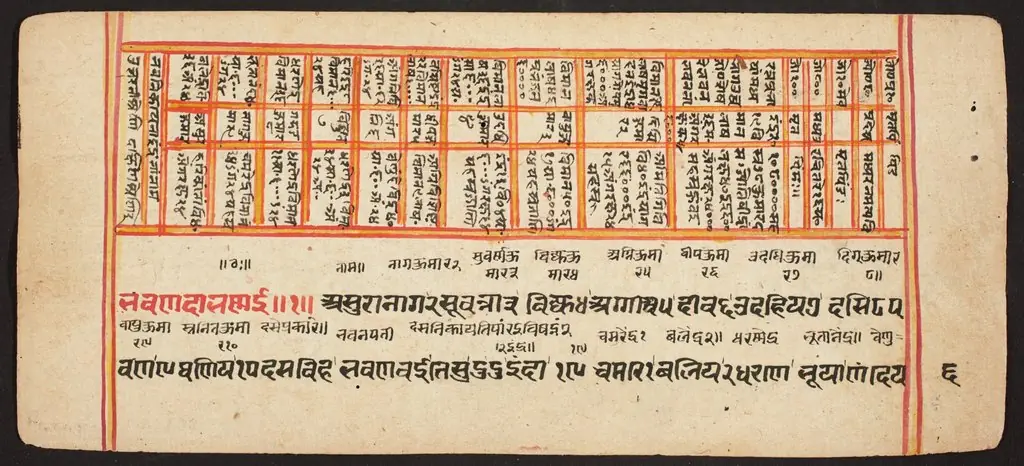 Tantric Manuscript "Sangrahani Sutra"
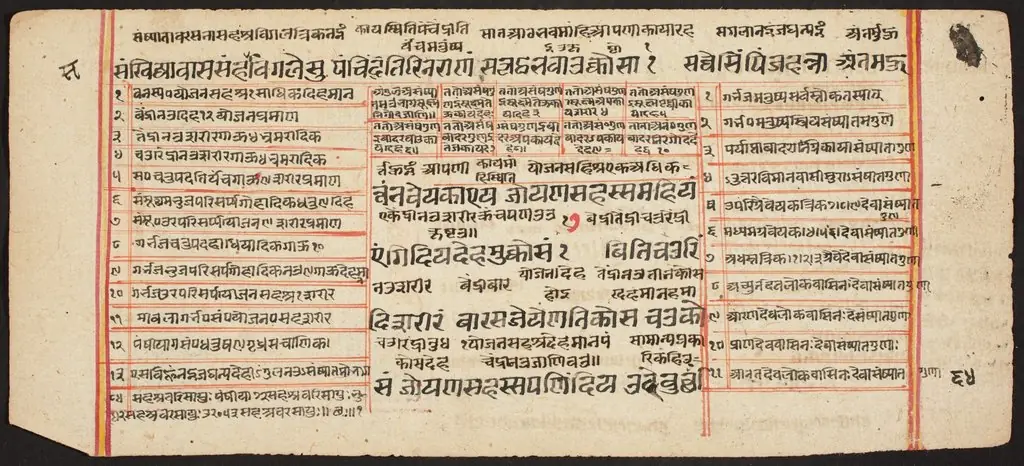 Tantric Manuscript "Sangrahani Sutra"
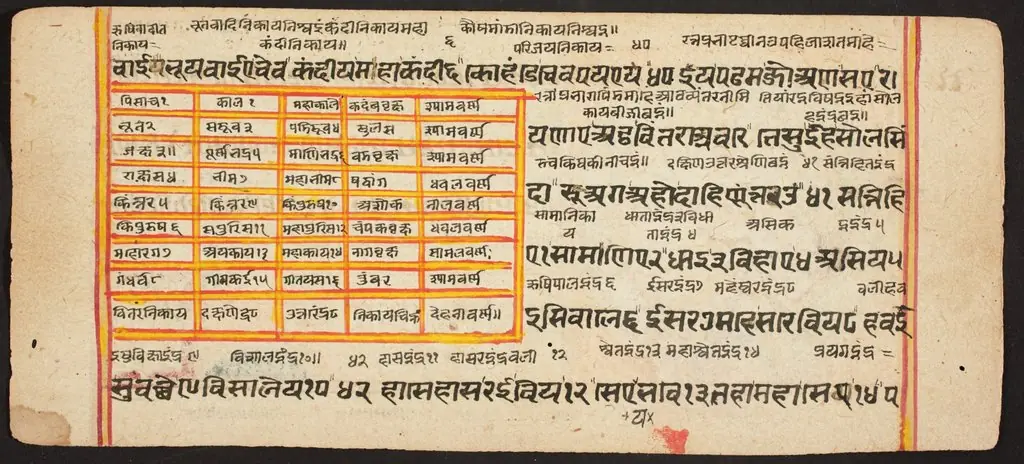 Tantric Manuscript "Sangrahani Sutra"
 Tantric Manuscript "Sangrahani Sutra"