Artwork
The Holy Family with an Angel
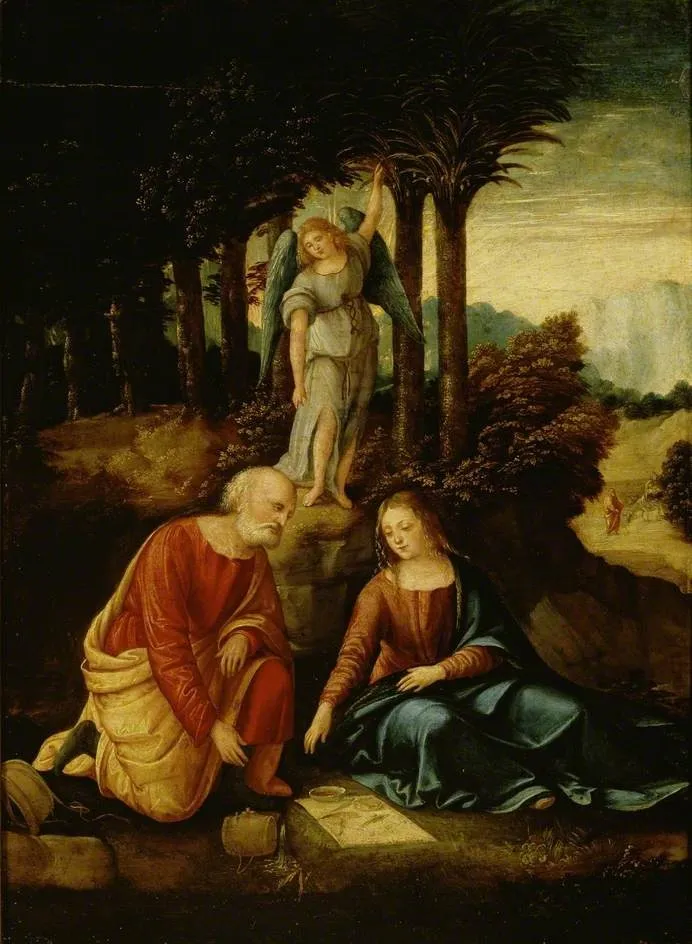
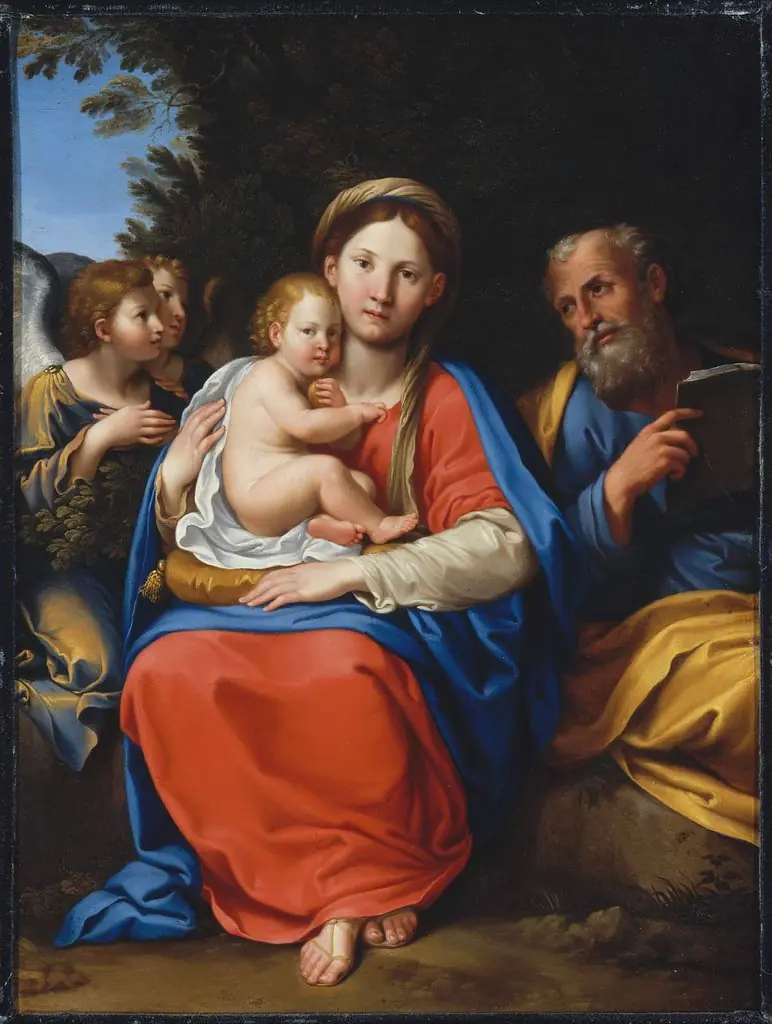
The Holy Family with an Angel is an oil painting by the Mannerist artist Unknown. It dates from 1520 and is held in the collection of the Ashmolean Museum. This oil painting depicts a quiet domestic moment centered on the Holy Family, rendered with a focus on stillness and harmony.
About this work
Overview
The angel, positioned slightly behind them, acts as a silent witness, reinforcing the sacred nature of the scene without overt drama.
This oil painting depicts a quiet domestic moment centered on the Holy Family, rendered with a focus on stillness and harmony. The composition places the figures in a natural landscape, framed by trees and a soft sky. The angel, positioned slightly behind them, acts as a silent witness, reinforcing the sacred nature of the scene without overt drama. Warm tones and gentle lighting unify the figures and environment.
Subject & Meaning
The scene portrays Joseph, the Virgin Mary, and an angel, likely representing divine presence or protection. Joseph kneels in reverence, while Mary sits in quiet contemplation. The angel, holding a palm branch—a symbol of victory or peace—suggests spiritual reassurance. The absence of overt narrative action invites reflection on familial devotion and divine grace, common themes in devotional art of the period.
Technique & Style
The artist employs soft brushwork and subtle gradations of light to create a soothing atmosphere. Warm ochres and muted blues dominate the palette, enhancing the sense of calm. Chiaroscuro is used gently, not for dramatic contrast but to model forms with quiet realism. The background is rendered with loose, atmospheric strokes, allowing the figures to emerge softly from the landscape without sharp delineation.
History & Provenance
The painting’s early ownership is undocumented, but its style aligns with late 15th- or early 16th-century Italian devotional works. It likely originated in a private chapel or domestic setting, intended for personal meditation. No major archival records trace its movement before the 19th century, suggesting it remained in regional collections for much of its history.
Context
Created during a period when private devotion was growing among the middle and upper classes, this work reflects a shift toward intimate religious imagery. Unlike grand altarpieces, it emphasizes tenderness and quiet faith. The inclusion of an angel as a guardian figure was common in Florentine and Umbrian art, where spiritual presence was often suggested rather than dramatized.
Legacy
Though not widely exhibited or copied, the painting exemplifies a quiet tradition of domestic sacred art that prioritized emotional resonance over spectacle. Its restrained composition and emphasis on serenity influenced later regional painters who favored contemplative religious scenes over theatrical narratives, preserving a more personal mode of spiritual expression.
Artist & collection

 Domestic Scene
 Giacomo and Cardinal Marco, investing Andrea, Abbot of San Zeno, with his Benefice
 The Nymph of Fontainebleau
 Portrait of a Woman
 Madonna and Child with Saints in the Enclosed Garden
 Venus and Minerva
 Family Group of Four on Sofa
 Wall painting from Room H of the Villa of P. Fannius Synistor at Boscoreale
 Adoration of the Shepherds
 The Mystic Marriage of Saint Catherine
 Agony in the Garden
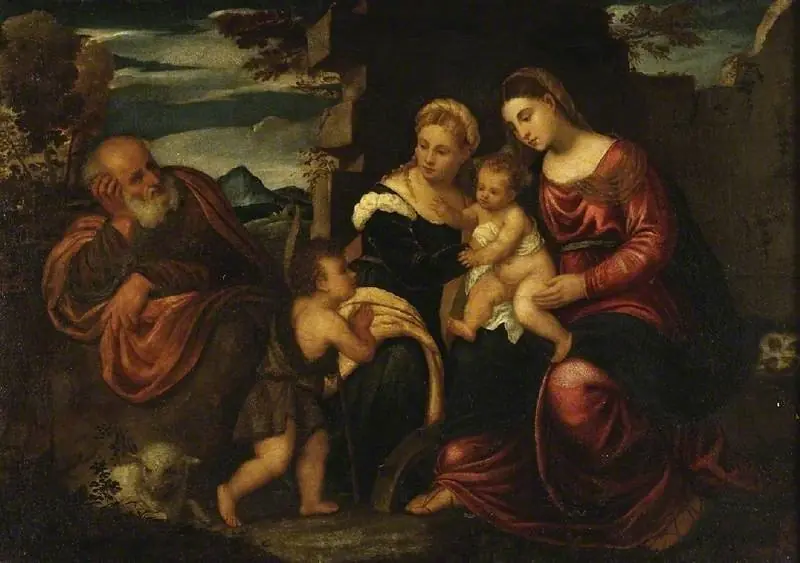 Holy Family with the infant St John Baptist and St Catherine
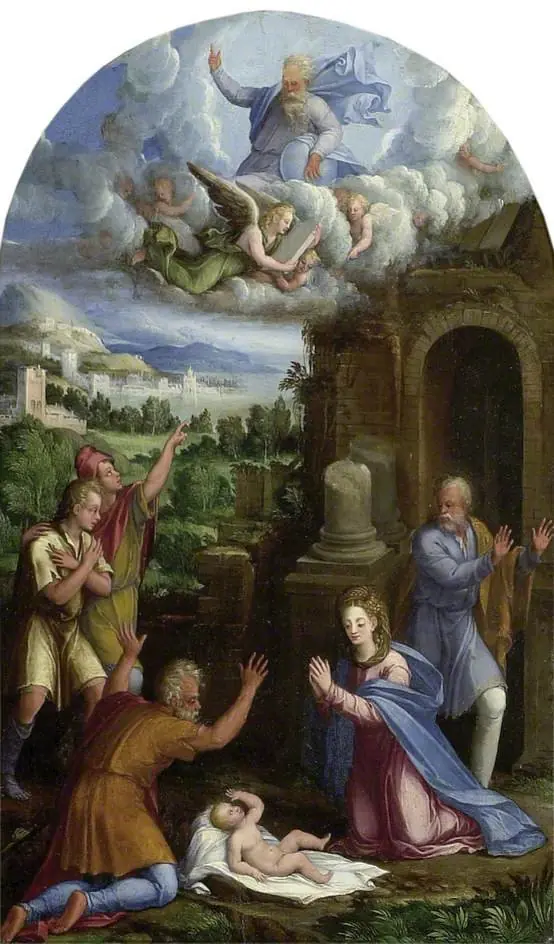 The Adoration of the Shepherds
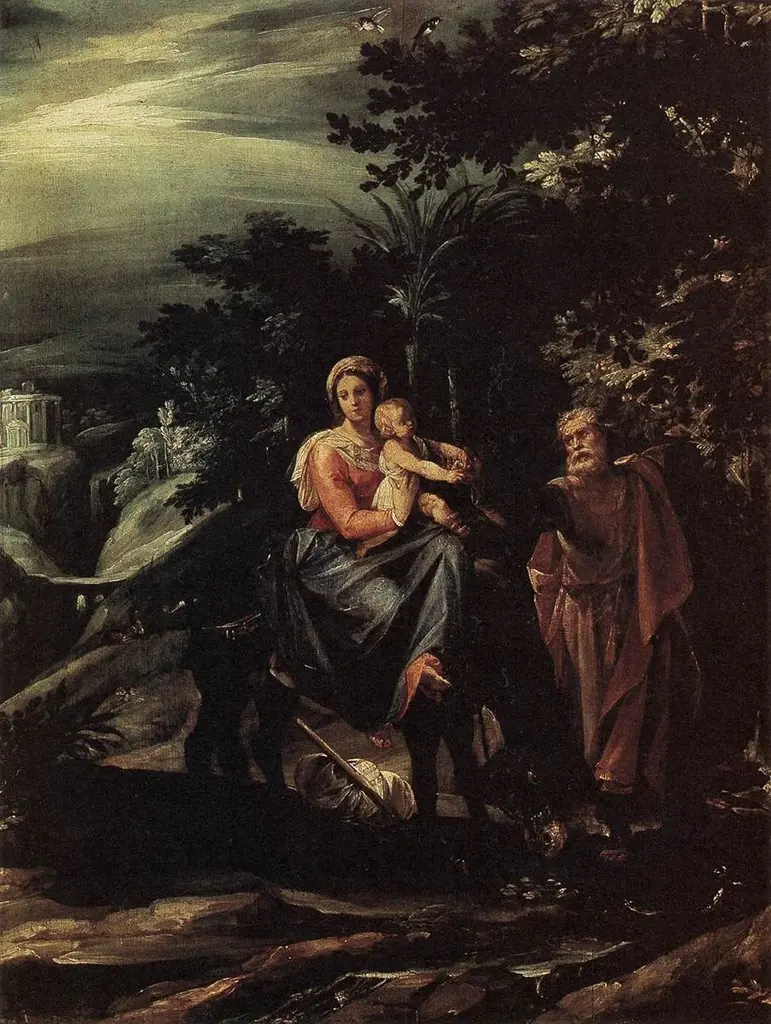 The Flight into Egypt
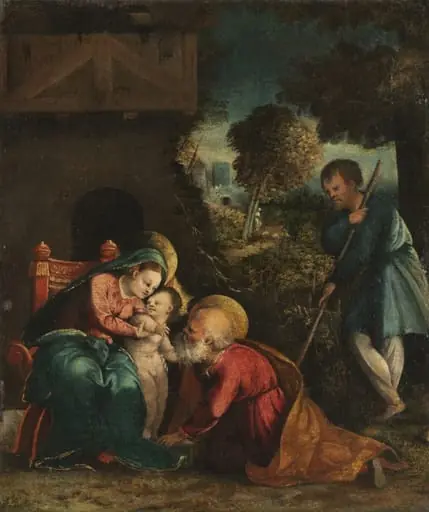 Holy Family with a Shepherd
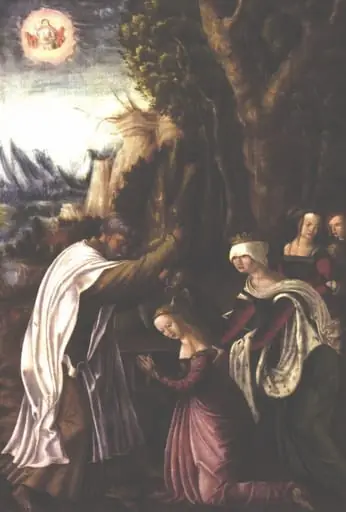 Botezul sfintei Ecaterina
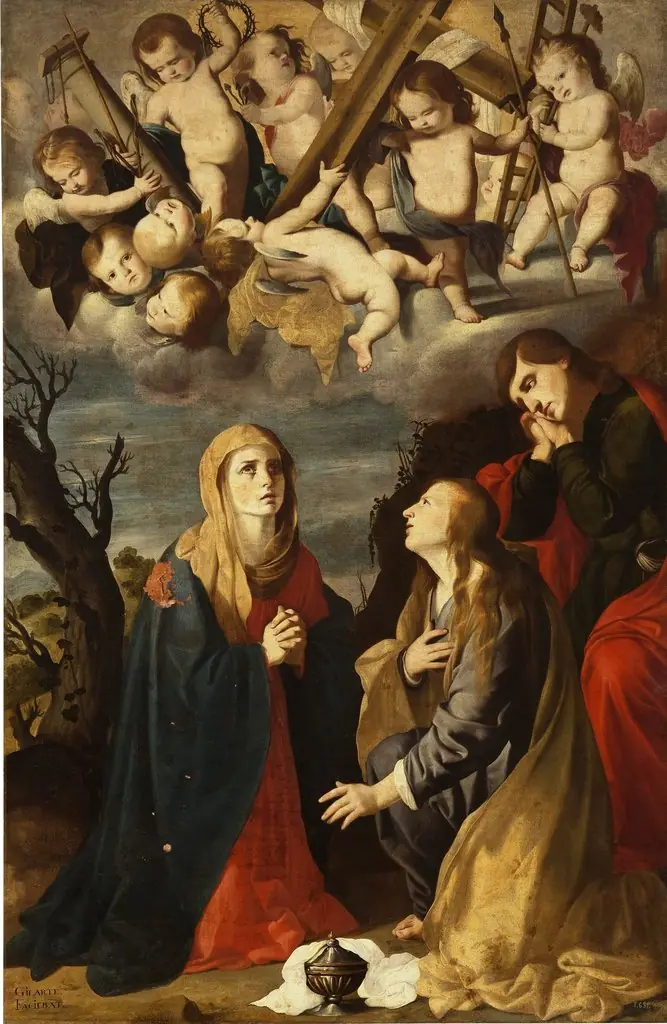 La Virgen con la Magdalena y San Juan
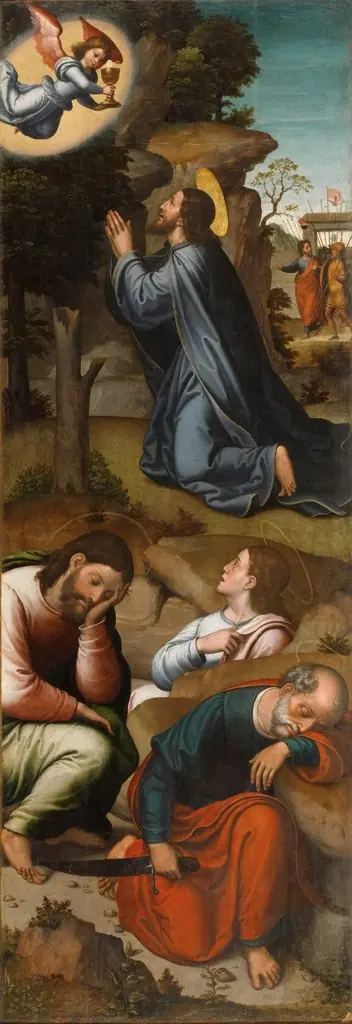 The Agony in the Garden
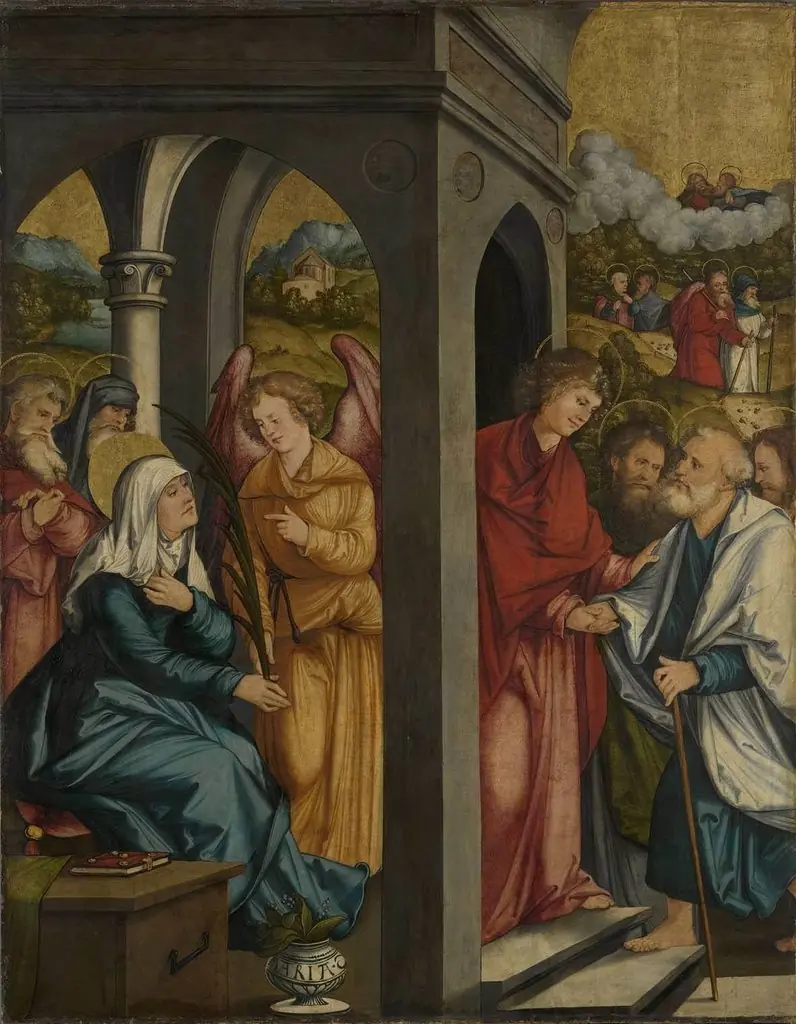 Christgartner Altar: Ein Engel reicht Maria die Palme
 Holy Family with Angels