Artwork
The Adoration of the Shepherds
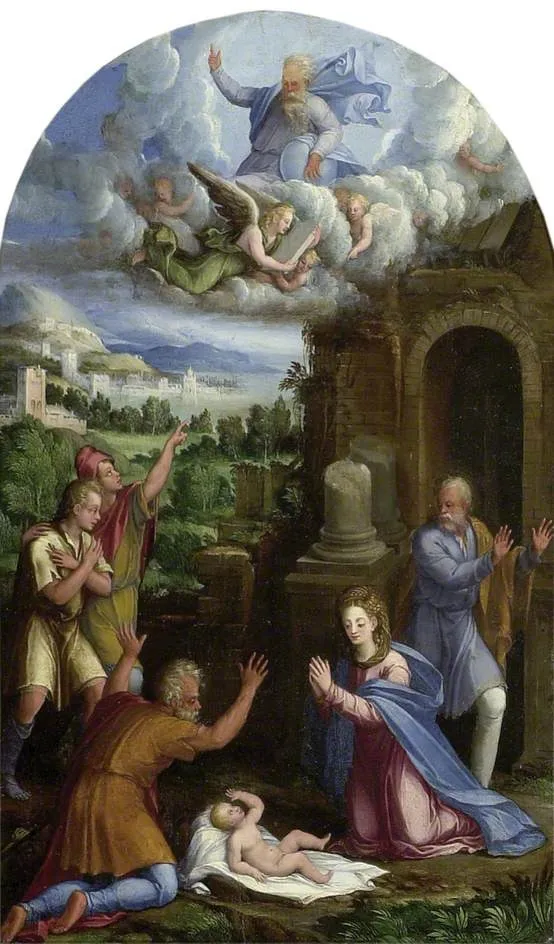
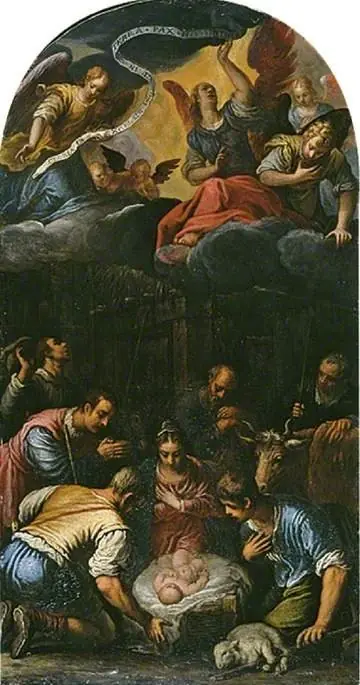
The Adoration of the Shepherds is an oil painting by Camillo Filippi. It dates from 1547 and is held in the collection of the Ashmolean Museum.
About this work
Overview
Camillo Filippi’s oil painting, dated around 1547, portrays the biblical episode of the shepherds’ adoration of the infant Christ. Executed on canvas, the work is part of the Ashmolean Museum’s collection in Oxford. The composition centers on a newborn Jesus lying on a white cloth, surrounded by shepherds, the Virgin Mary, and a celestial figure above.
Subject & Meaning
The scene captures the moment when humble shepherds kneel before the newborn Messiah, reflecting themes of devotion and divine revelation. The Virgin Mary is shown in a flowing blue garment, emphasizing her role as mother, while the heavenly figure on a cloud, attended by cherubs, underscores the celestial acknowledgment of the event.
Technique & Style
Filippi employs a warm palette and soft illumination to create an intimate atmosphere. The figures are rendered with modest, earth‑toned clothing, contrasting with the luminous blue of Mary’s robe. Gentle chiaroscuro models the forms, and the delicate rendering of angels and clouds adds a subtle sense of the supernatural.
History & Provenance
Created in the mid‑16th century, the painting entered the Ashmolean Museum’s holdings, where it remains on display. Its provenance prior to acquisition by the museum is not extensively documented, but the work is recognized as a representative example of Filippi’s religious output during the late Renaissance.
Context
The work belongs to a tradition of Nativity scenes popular in Italian art of the period, where shepherds symbolize the lowly who recognize Christ’s significance. Filippi’s treatment aligns with contemporary devotional imagery, integrating both earthly participants and heavenly witnesses to convey a unified narrative of worship.
Artist & collection

 The Adoration of the Shepherds
 The Adoration of the Shepherds
 The Adoration of the Shepherds
 The Visitation
 The Resurrection of Christ
 The Adoration of the Shepherds
 Adoration of the Magi
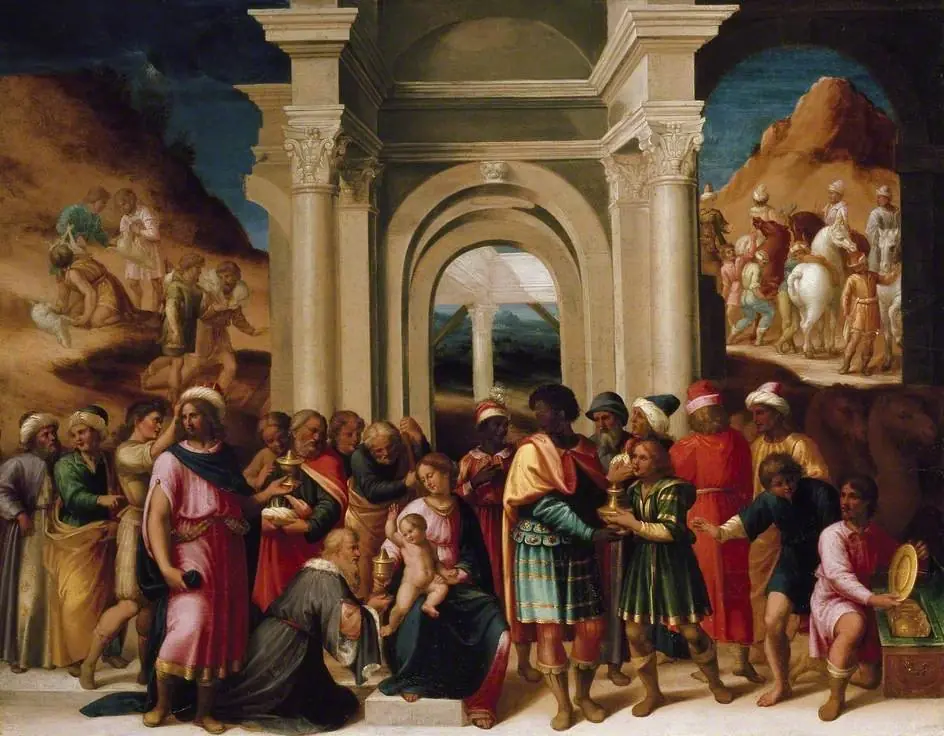 The Adoration of the Magi
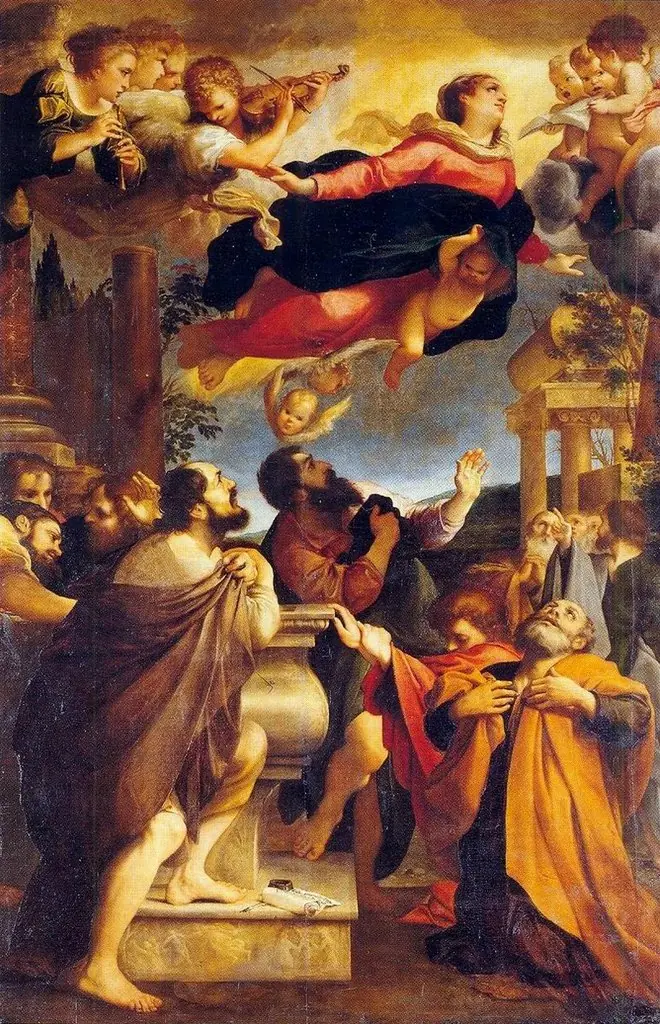 Assumption of Mary
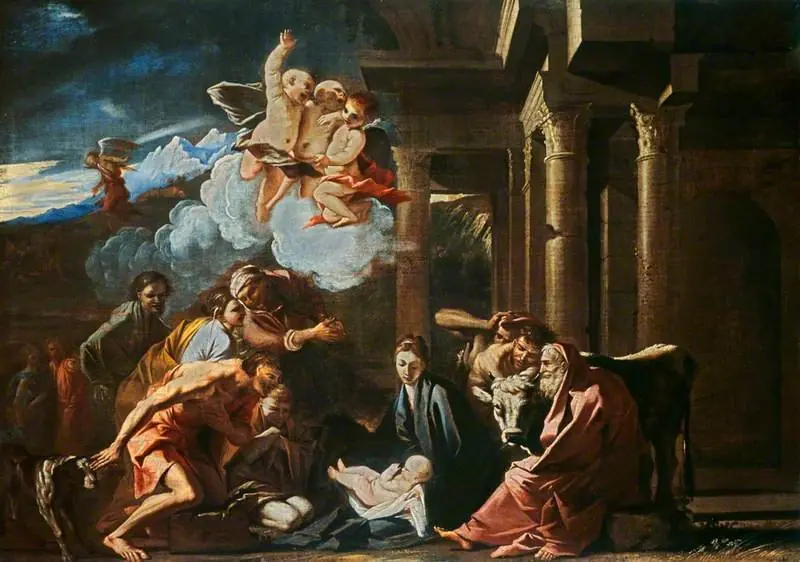 The Adoration of the Shepherds
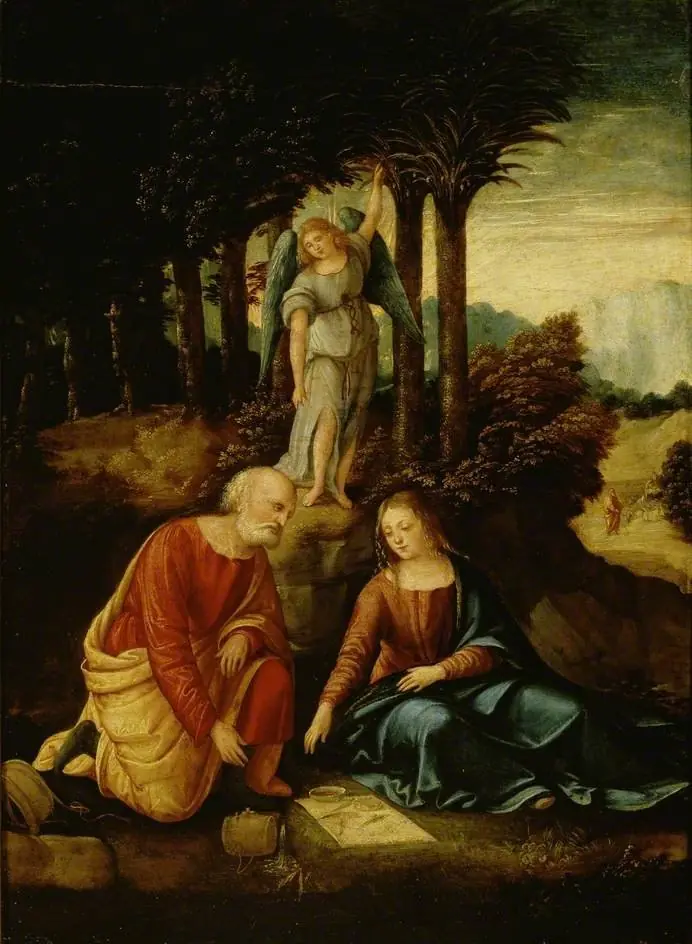 The Holy Family with an Angel
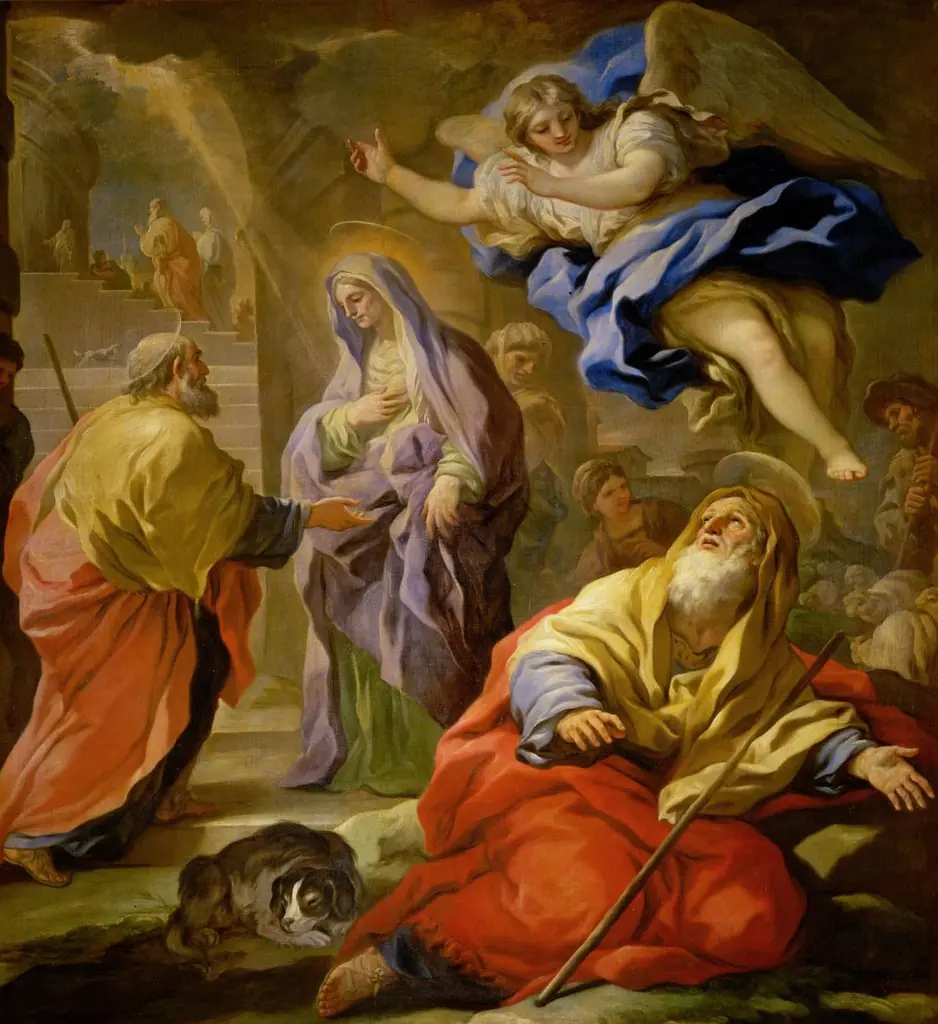 Verheißung an Joachim und Begegnung von Joachim und Anna an der Goldenen Pforte