Artwork
Tantric Manuscript "Sangrahani Sutra"
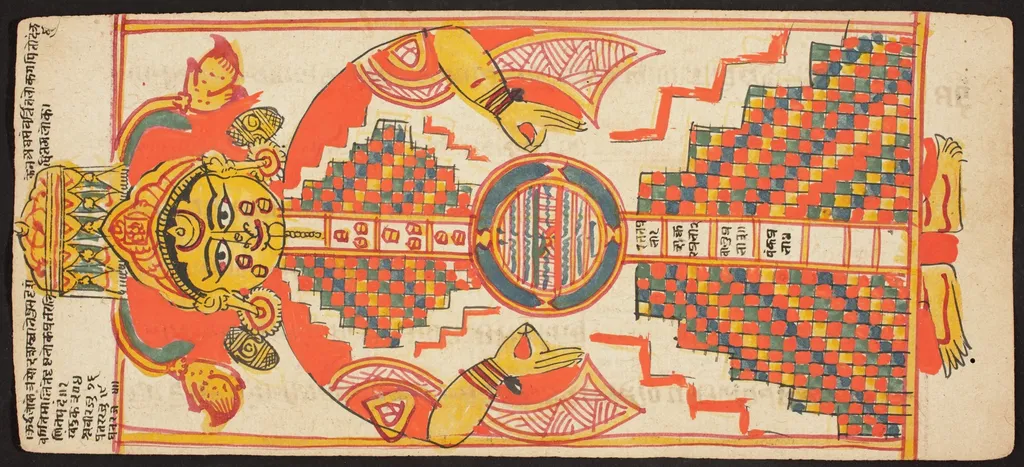
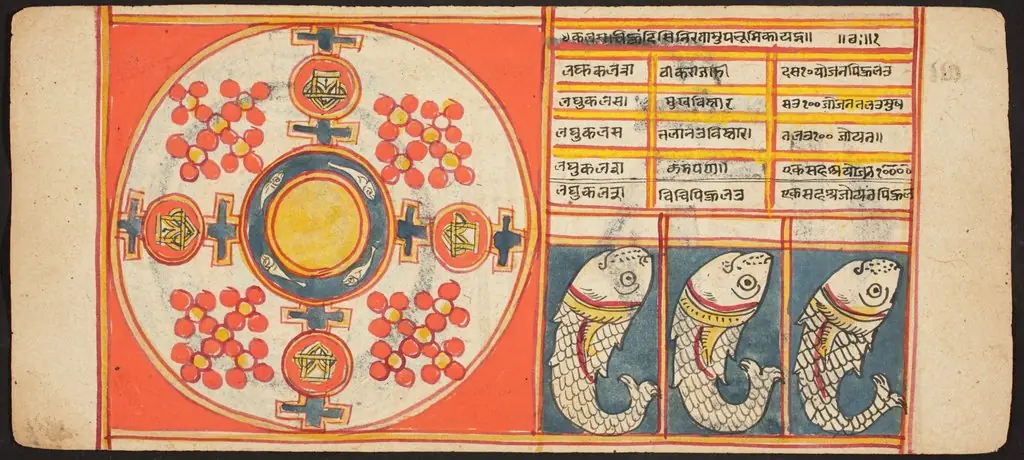
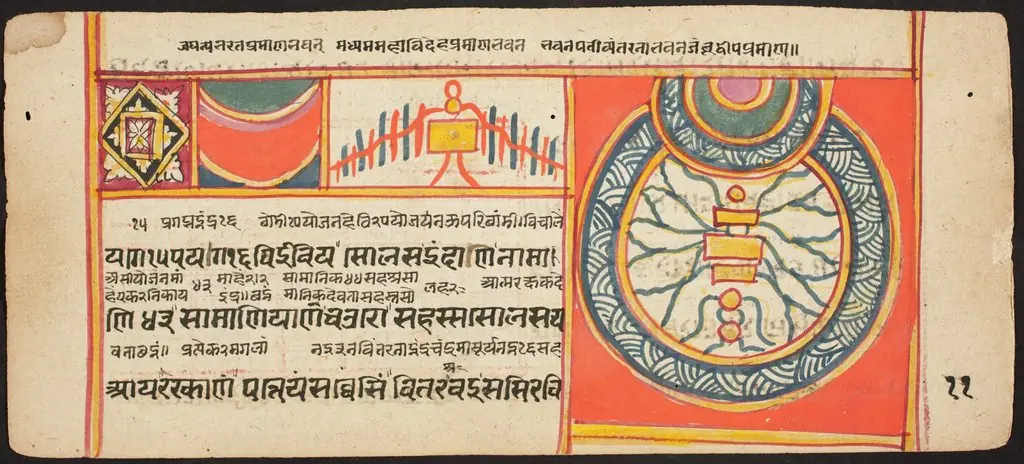
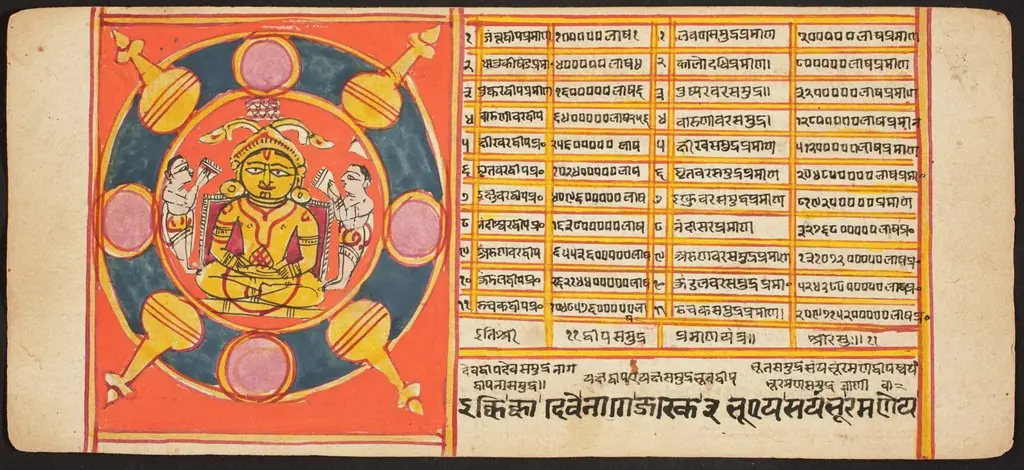
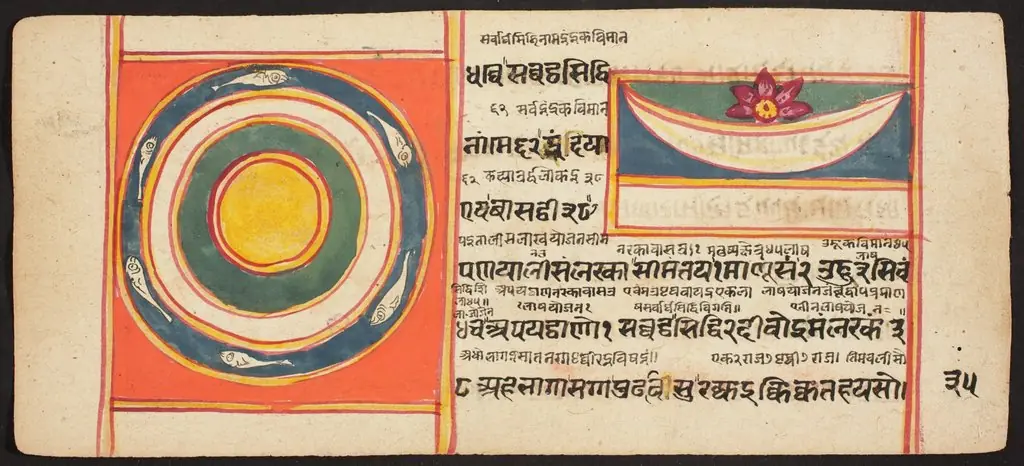
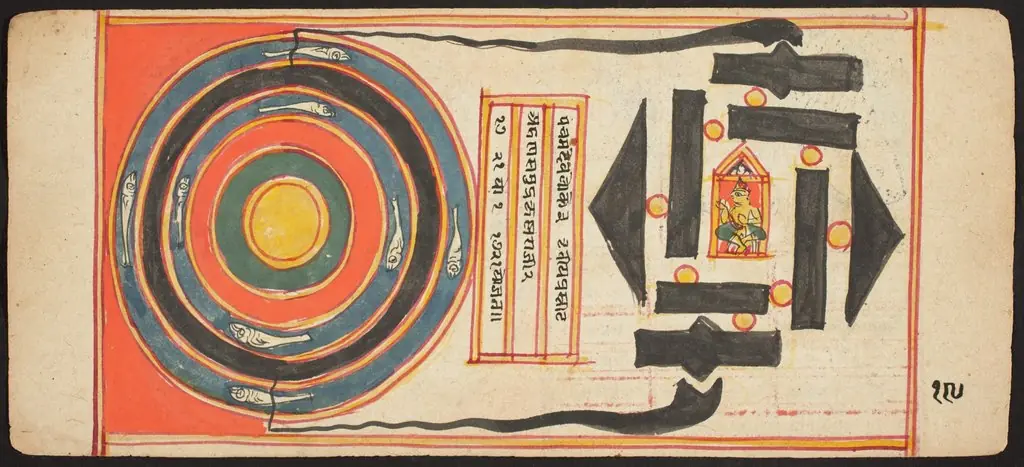
Tantric Manuscript "Sangrahani Sutra" is an unspecified painting by Unknown. It is held in the collection of the Detroit Institute of Arts. This painted manuscript page contains a section of the Sangrahani Sutra, a tantric Buddhist text.
About this work
Overview
The composition is densely packed with intricate patterns, including checkerboard elements and flowing lines, all framed within a structured border.
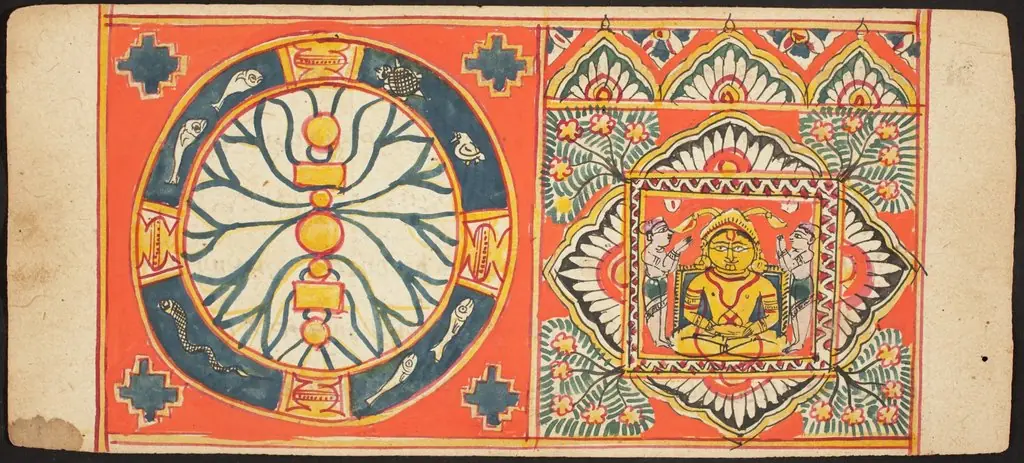
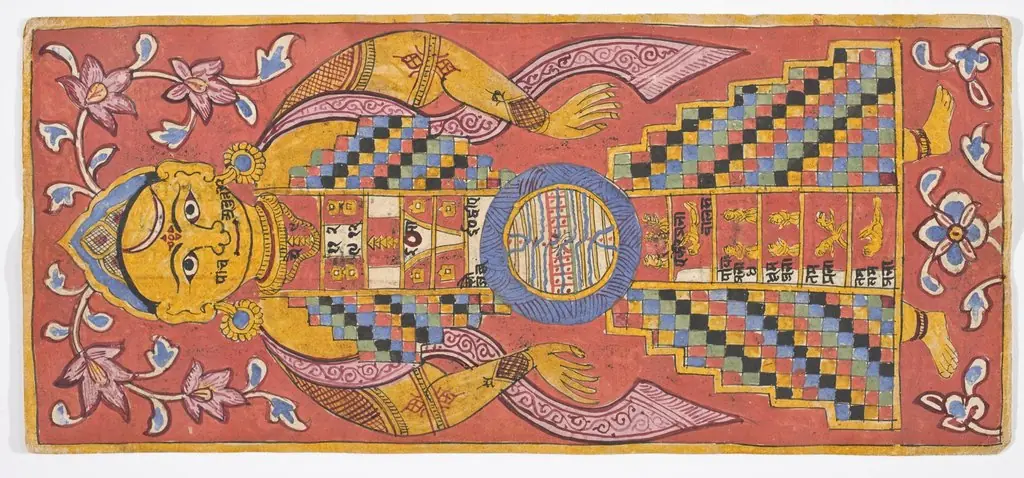
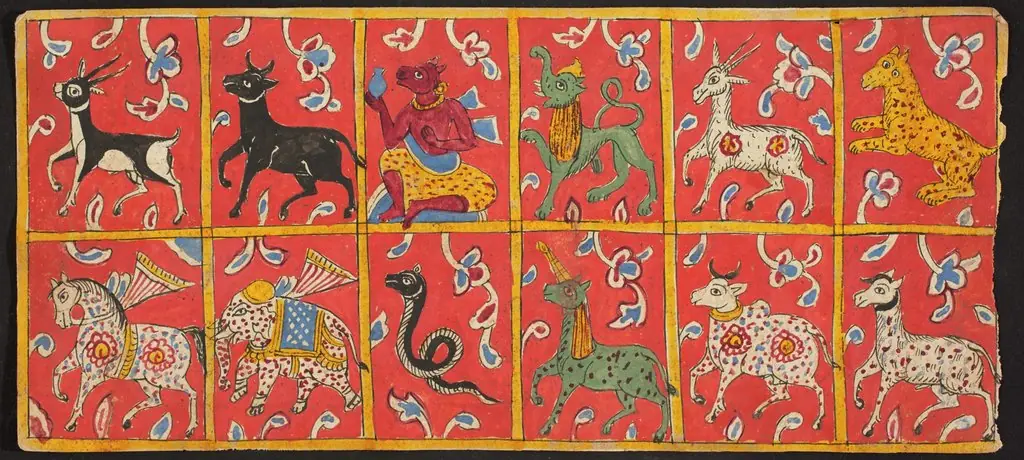
This painted manuscript page contains a section of the Sangrahani Sutra, a tantric Buddhist text. Rendered in vivid mineral pigments, it features a central deity surrounded by geometric and symbolic motifs. The composition is densely packed with intricate patterns, including checkerboard elements and flowing lines, all framed within a structured border. The use of red, yellow, and green dominates the palette, emphasizing ritual significance over naturalism.
Subject & Meaning
The central figure, with a yellow face and contrasting red and black facial markings, likely represents a tantric deity associated with protection or wisdom. The surrounding patterns—geometric, floral, and checkerboard—serve as mandalic symbols, mapping spiritual cosmology. The presence of script in an undeciphered script suggests the image functions as both devotional aid and ritual tool, where visual and textual elements together invoke sacred power.
Technique & Style
The painting employs fine brushwork and layered mineral pigments to achieve intense, opaque color. Details are rendered with precision, particularly in the intricate line work of patterns and the delicate outlining of forms. The flat, non-perspectival space and emphasis on symmetry reflect tantric artistic conventions, prioritizing symbolic clarity over spatial depth. The surface is meticulously planned, with each element placed to guide meditative focus.
History & Provenance
This manuscript page originates from a larger tantric text produced in the eastern Himalayan region, likely between the 15th and 17th centuries. It was created for monastic use, possibly in a ritual context requiring visualization and recitation. Its survival suggests careful preservation within a religious community. The script and stylistic elements align with traditions of Tibetan and Nepalese Buddhist manuscript painting.
Context
Produced during a period of flourishing tantric practice in the Himalayas, this artwork reflects the integration of visual symbolism into Buddhist meditation. Manuscripts like this were not merely texts but sacred objects, used in rituals to embody divine presence. The bold colors and complex geometry correspond to esoteric teachings that equate visual forms with metaphysical truths, bridging the material and the spiritual.
Legacy
Though created for internal monastic use, this manuscript page now contributes to scholarly understanding of tantric visual culture. Its preservation offers insight into the transmission of esoteric Buddhist practices across regions. Contemporary studies of such works continue to reveal how ritual art functioned as both teaching device and spiritual instrument, influencing later traditions of Himalayan painting and iconography.
Artist & collection

 Domestic Scene
 Giacomo and Cardinal Marco, investing Andrea, Abbot of San Zeno, with his Benefice
 The Nymph of Fontainebleau
 Portrait of a Woman
 Madonna and Child with Saints in the Enclosed Garden
 Venus and Minerva
 Family Group of Four on Sofa
 Wall painting from Room H of the Villa of P. Fannius Synistor at Boscoreale
 Tantric Manuscript "Sangrahani Sutra"
 Tantric Manuscript "Sangrahani Sutra"
 Tantric Manuscript "Sangrahani Sutra"
 Tantric Manuscript "Sangrahani Sutra"
 Tantric Manuscript "Sangrahani Sutra"
 Tantric Manuscript "Sangrahani Sutra"
 Tantric Manuscript "Sangrahani Sutra"
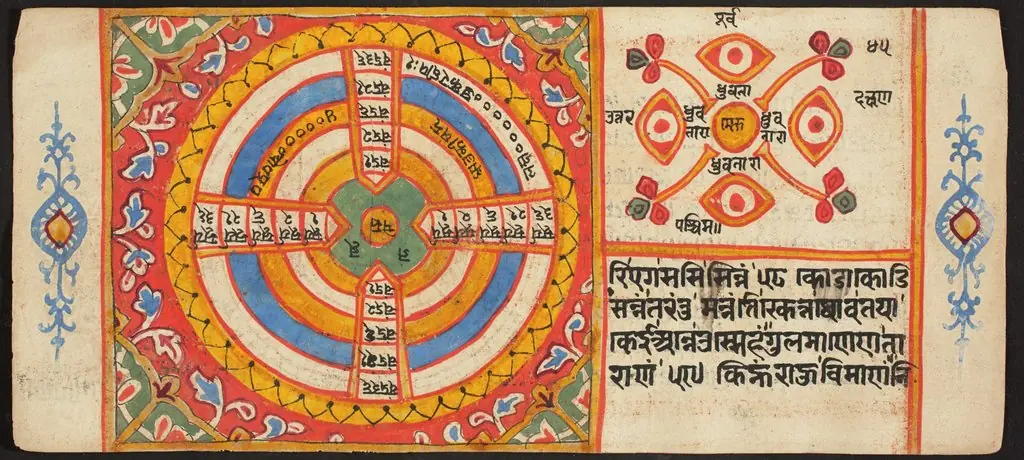 Tantric Manuscript "Sangrahani Sutra"
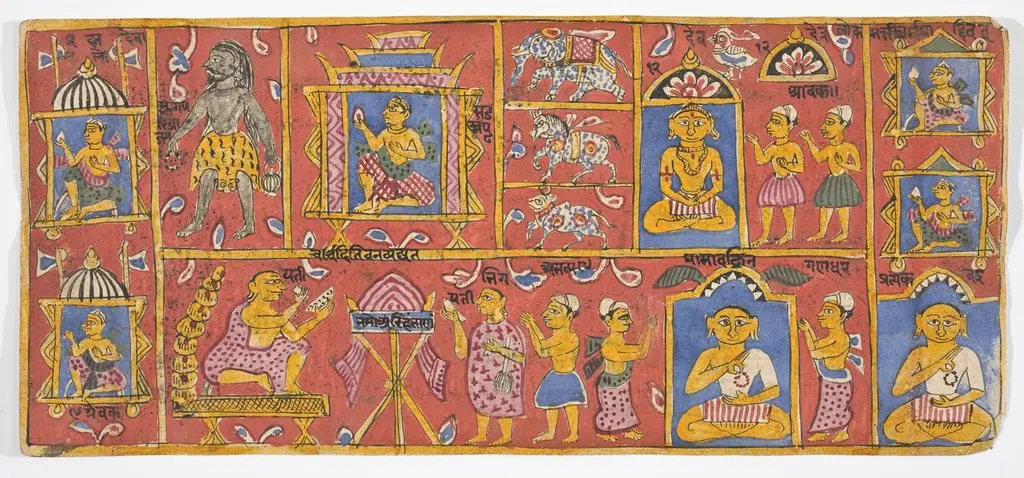 Tantric Manuscript "Sangrahani Sutra"
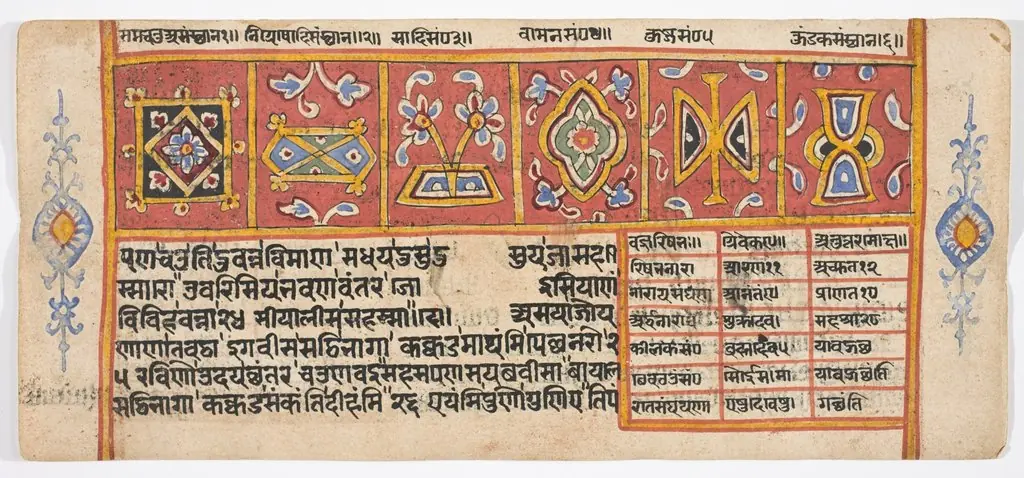 Tantric Manuscript "Sangrahani Sutra"
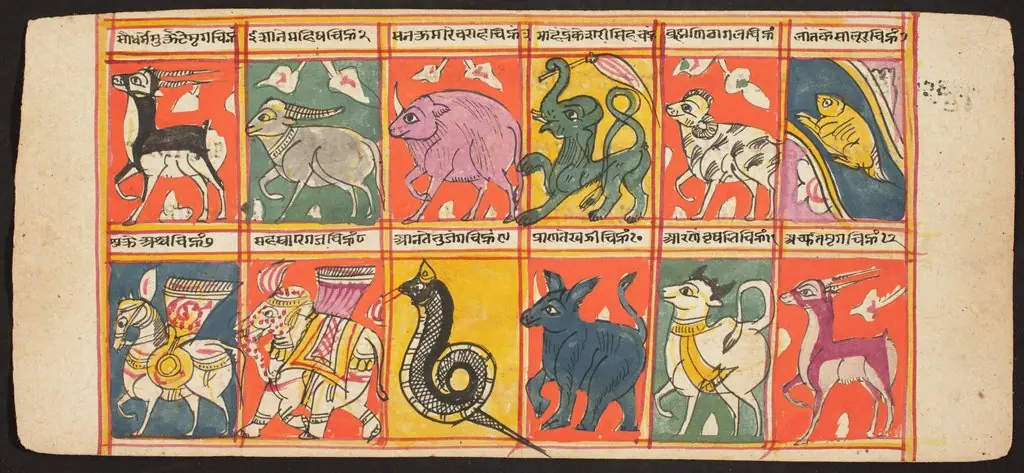 Tantric Manuscript "Sangrahani Sutra"
 Tantric Manuscript "Sangrahani Sutra"