Artwork
Tantric Manuscript "Sangrahani Sutra"
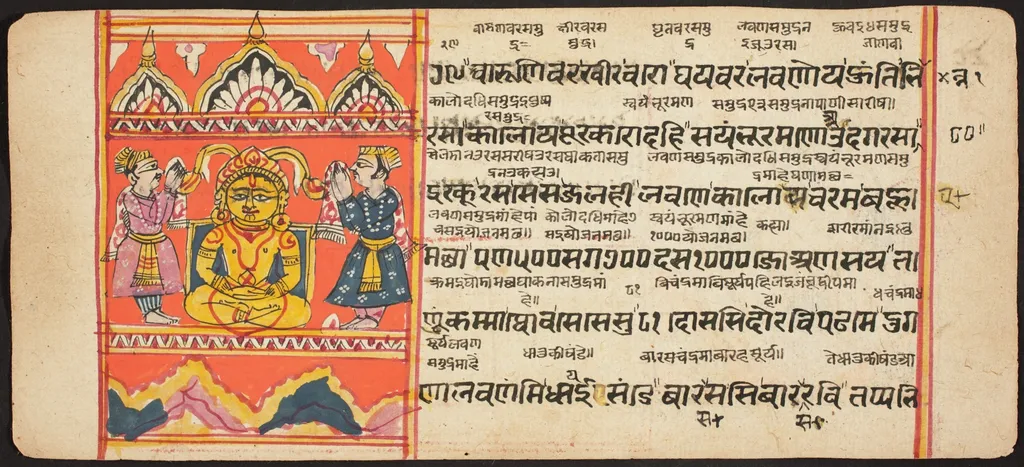
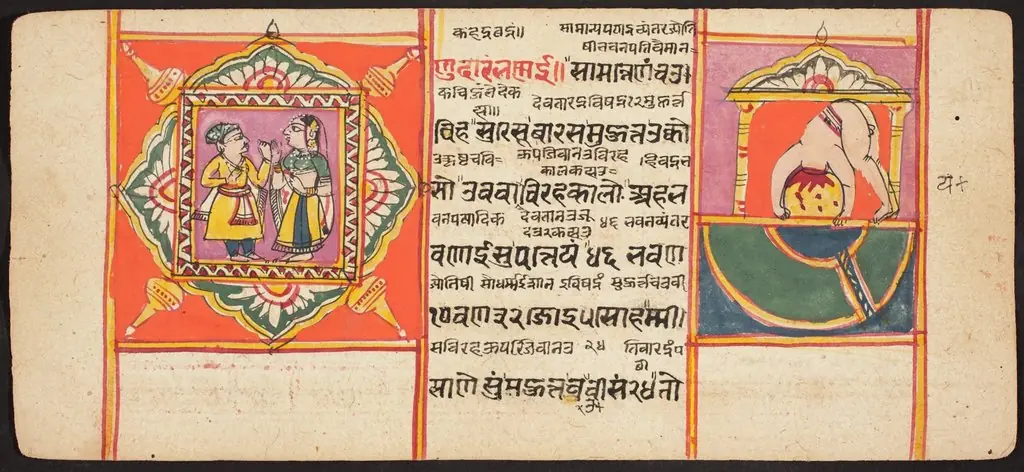
Tantric Manuscript "Sangrahani Sutra" is an unspecified painting by Unknown. It is held in the collection of the Detroit Institute of Arts. The 'Sangrahani Sutra' is a painted manuscript originating from the tantric Buddhist tradition in medieval India.
About this work
Overview
The 'Sangrahani Sutra' is a painted manuscript originating from the tantric Buddhist tradition in medieval India. Created on palm leaf or paper, it functions as a ritual object rather than a literary text alone. Its imagery serves as a visual guide for meditative practice, integrating symbolic diagrams and deities to aid spiritual concentration and esoteric understanding.
Subject & Meaning
These elements represent the interplay of wisdom and method, the union of opposites, and the path to enlightenment.
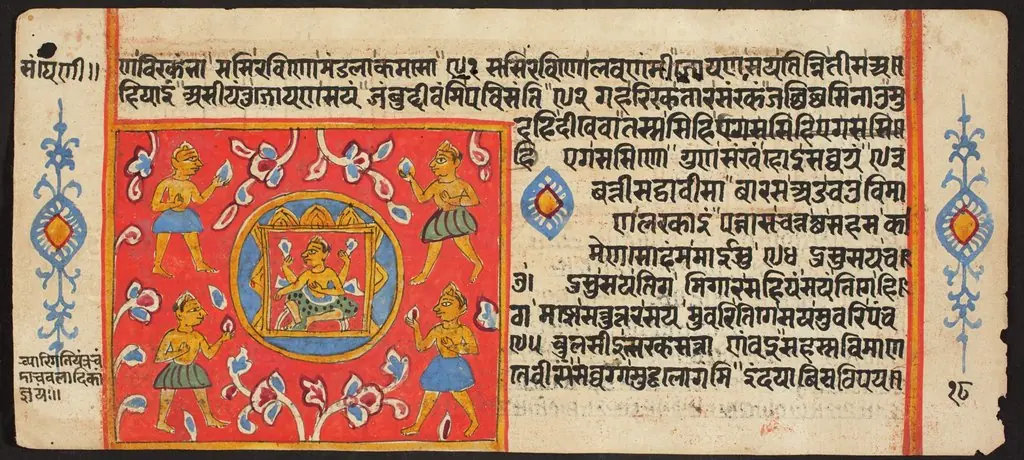
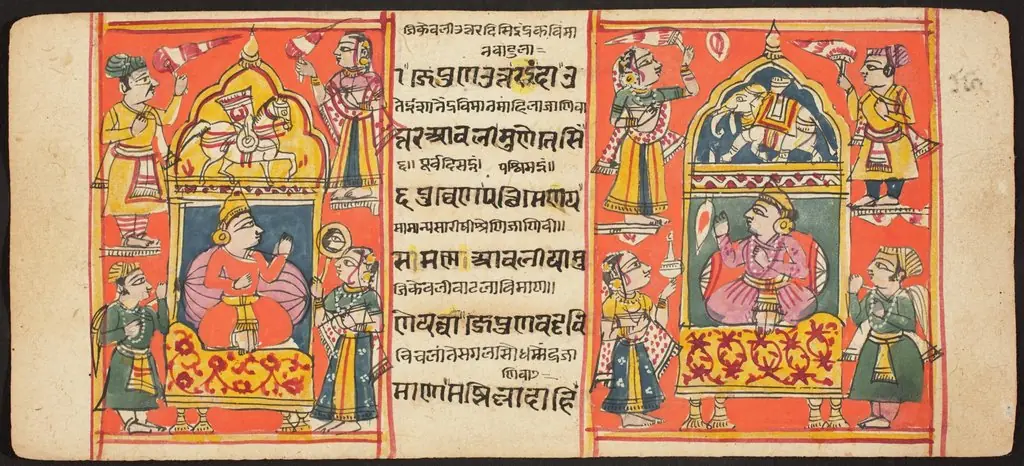
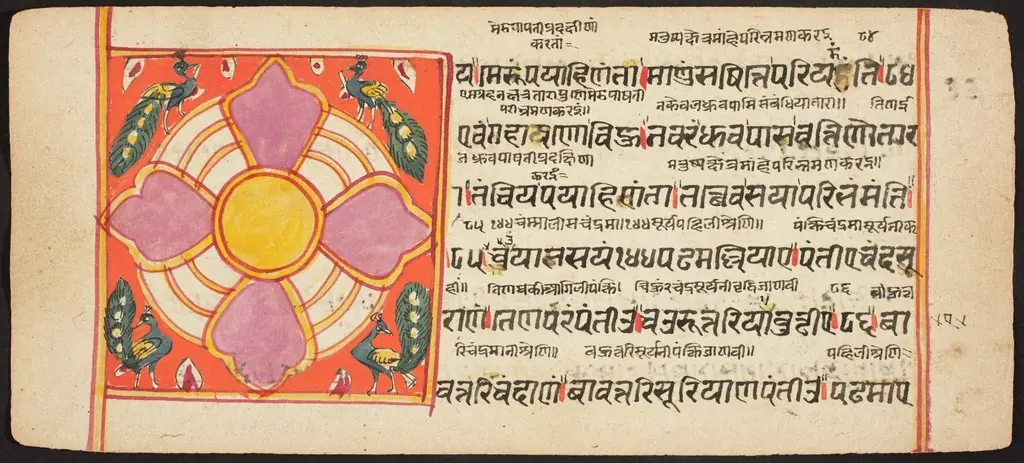
The manuscript depicts deities, mandalas, and sacred symbols drawn from tantric cosmology. These elements represent the interplay of wisdom and method, the union of opposites, and the path to enlightenment. Each figure and geometric form is carefully arranged to mirror internal spiritual states, guiding the practitioner through stages of visualization and transformation during ritual contemplation.
Technique & Style
The painting employs fine brushwork with mineral pigments, often in red, gold, and black, applied with precision on a small scale. Figures are rendered in stylized, symmetrical forms, adhering to iconographic conventions. Lines are crisp, compositions tightly structured, and details minimal yet deliberate—emphasizing clarity over naturalism to support meditative focus.
History & Provenance
Produced likely in eastern India between the 10th and 12th centuries, the manuscript reflects the flourishing of tantric Buddhism in regions like Bihar and Bengal. It was probably used in monastic or lay ritual contexts before being preserved in temple collections or private hands. Its survival suggests careful handling and repeated ritual use over generations.
Context
This work emerged during a period when tantric practices gained prominence in Buddhist communities, blending ritual, mantra, and visualization. It coexisted with similar texts in Hindu and Jain traditions, reflecting shared symbolic languages across Indian religious systems. The manuscript’s format aligns with portable devotional objects used by traveling monks and initiates.
Legacy
Though no longer in active ritual use, the 'Sangrahani Sutra' remains a key reference for understanding tantric visual culture. Its iconography influenced later Tibetan thangka painting and continues to inform scholarly studies of esoteric Buddhism. Preserved in museum and library collections, it serves as a tangible link to medieval Indian spiritual practices.
Artist & collection

 Domestic Scene
 Giacomo and Cardinal Marco, investing Andrea, Abbot of San Zeno, with his Benefice
 The Nymph of Fontainebleau
 Portrait of a Woman
 Madonna and Child with Saints in the Enclosed Garden
 Venus and Minerva
 Family Group of Four on Sofa
 Wall painting from Room H of the Villa of P. Fannius Synistor at Boscoreale
 Tantric Manuscript "Sangrahani Sutra"
 Tantric Manuscript "Sangrahani Sutra"
 Tantric Manuscript "Sangrahani Sutra"
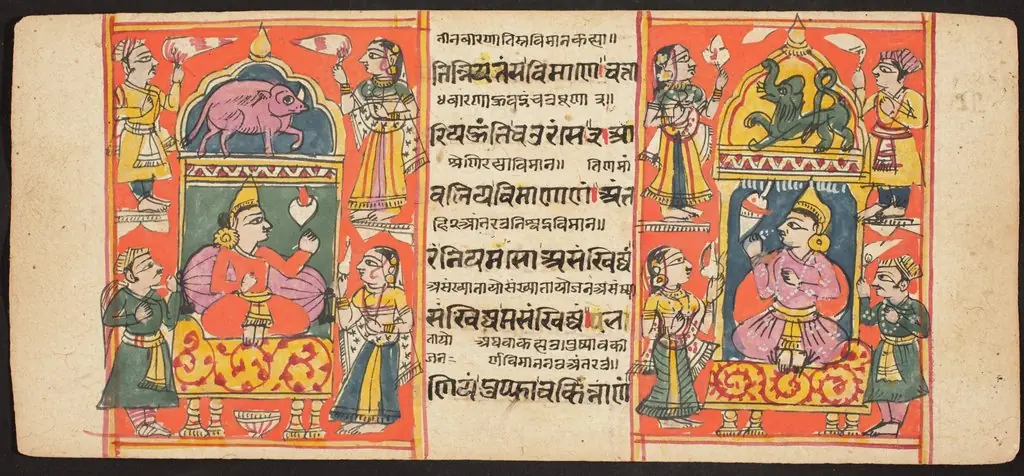 Tantric Manuscript "Sangrahani Sutra"
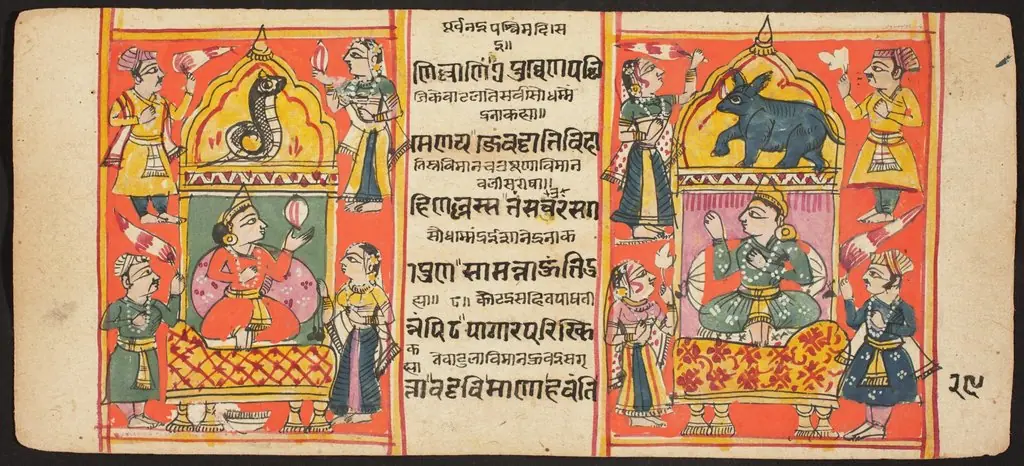 Tantric Manuscript "Sangrahani Sutra"
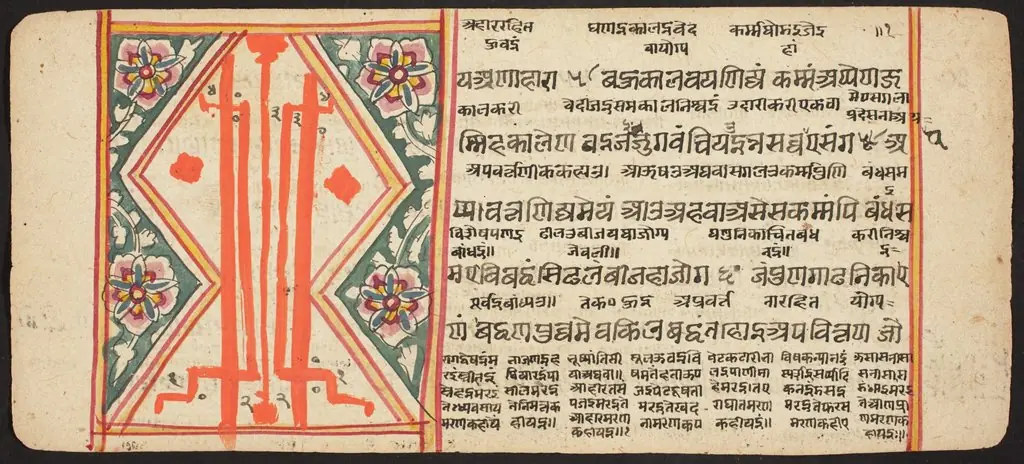 Tantric Manuscript "Sangrahani Sutra"
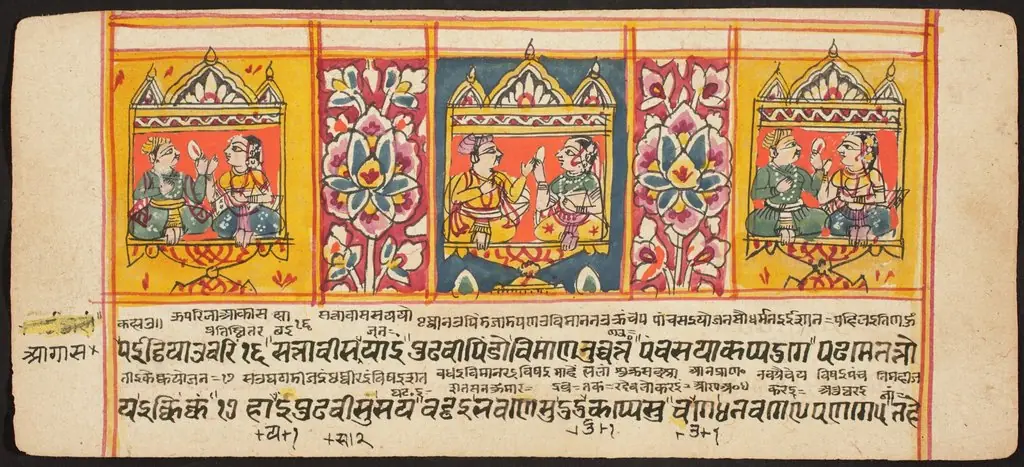 Tantric Manuscript "Sangrahani Sutra"
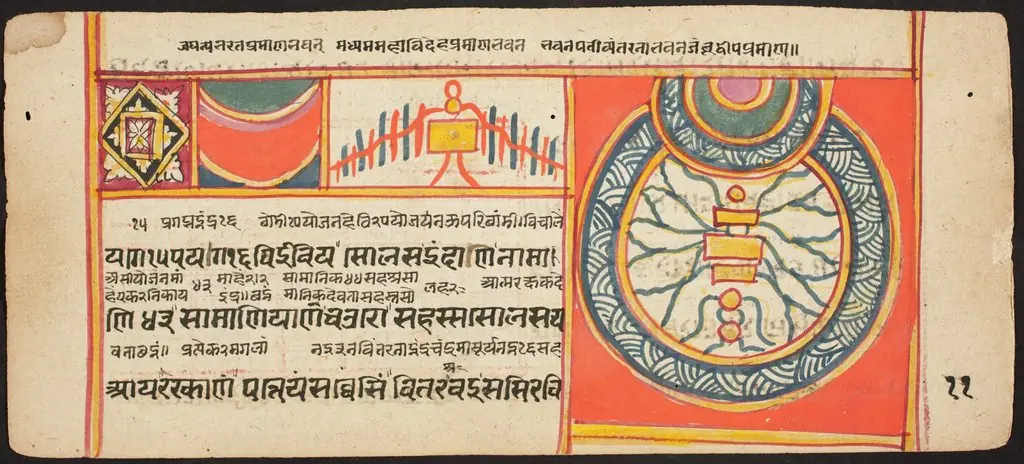 Tantric Manuscript "Sangrahani Sutra"
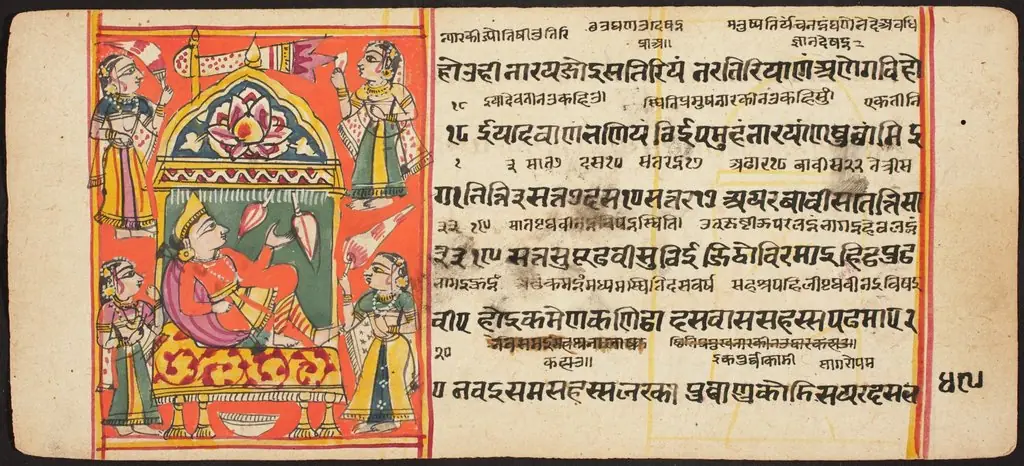 Tantric Manuscript "Sangrahani Sutra"
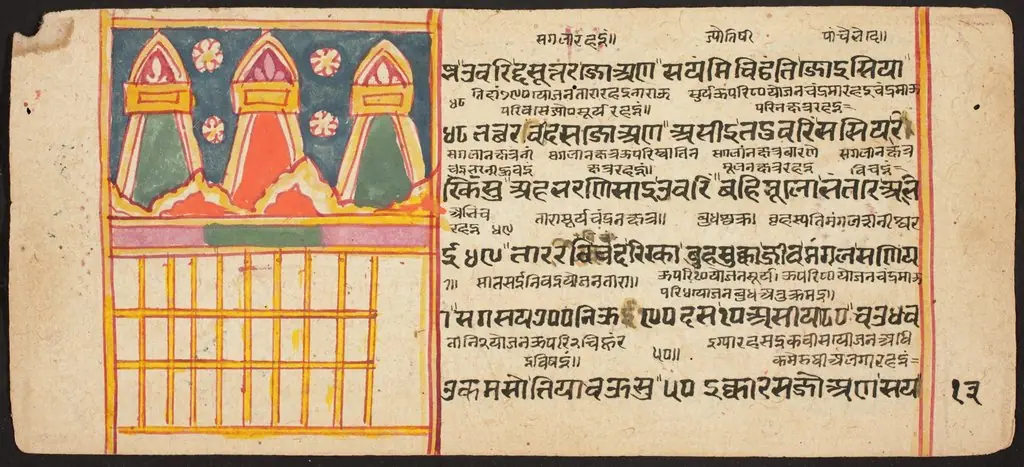 Tantric Manuscript "Sangrahani Sutra"
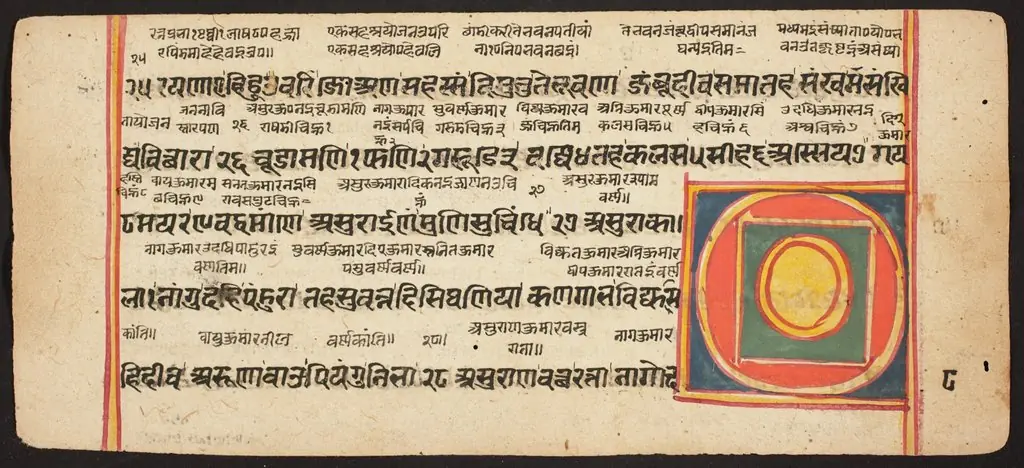 Tantric Manuscript "Sangrahani Sutra"
 Tantric Manuscript "Sangrahani Sutra"