Artwork
Judith with the Head of Holofernes
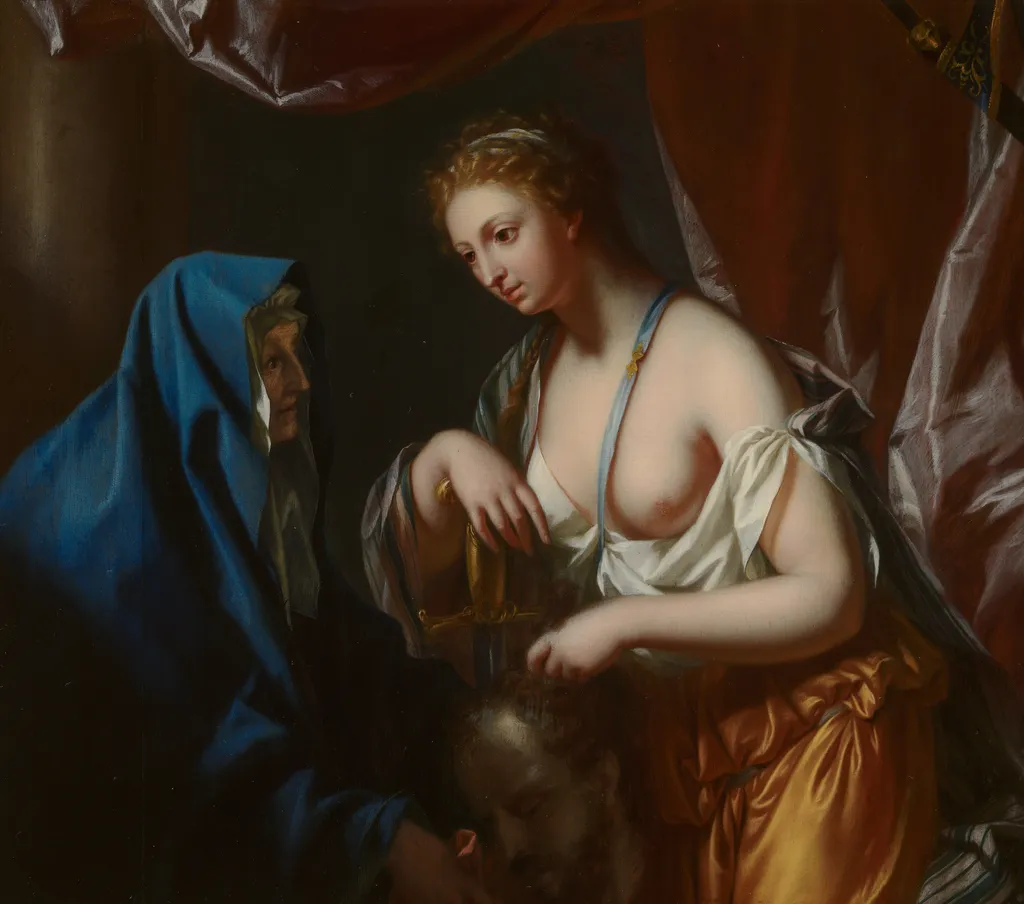
Judith with the Head of Holofernes is an oil painting by the Rococo painting artist Philip van Dijk. It dates from 1726 and is held in the collection of the Mauritshuis.
About this work
Overview
Painted in 1726 by Philip van Dijk, this oil-on-canvas work portrays the biblical figure Judith moments after beheading the Assyrian general Holofernes. The scene is rendered with restrained drama, focusing on the quiet aftermath rather than violent action. The painting resides in the Mauritshuis in The Hague, where it is part of a collection emphasizing Dutch and Flemish Baroque traditions.
Subject & Meaning
Her gaze downward may reflect solemn resolve rather than triumph, aligning with 18th-century interpretations of virtue in quiet strength.
Judith, a heroine from the Book of Judith, is shown holding a sword and standing over the severed head of Holofernes, her enemy. The act symbolizes divine deliverance through courage and cunning. Van Dijk emphasizes Judith’s composure, suggesting moral clarity and control. Her gaze downward may reflect solemn resolve rather than triumph, aligning with 18th-century interpretations of virtue in quiet strength.
Technique & Style
Van Dijk employs oil paint with refined brushwork to capture the textures of silk, metal, and skin. The white and gold gown contrasts with the dark background, drawing attention to Judith’s form. Subtle lighting highlights her face and the head at her feet, while the blue ribbon adds a restrained accent. The composition is balanced and intimate, typical of Dutch academic painting of the period.
History & Provenance
The painting was completed in 1726 and entered the collection of the Mauritshuis in the 18th century. Its early ownership is not fully documented, but it likely passed through Dutch aristocratic or ecclesiastical circles before becoming part of the royal collection. It has remained in the museum’s holdings since, with no major alterations to its surface or frame.
Context
In early 18th-century the Netherlands, biblical heroines like Judith remained popular subjects, often used to explore themes of virtue, gender, and power. Van Dijk’s version reflects the lingering influence of Caravaggisti and Dutch Golden Age realism, though with a quieter, more contemplative tone than earlier depictions. The work aligns with scholarly tastes favoring moral restraint over theatricality.
Legacy
Though not widely reproduced, the painting contributes to the broader tradition of Judith iconography in Northern European art. Van Dijk’s restrained approach distinguishes it from more dramatic renditions by artists like Caravaggio or Artemisia Gentileschi. It remains a quiet example of how biblical narratives were interpreted through the lens of 18th-century Dutch aesthetic values.
Own this work as a print
Artist & collection
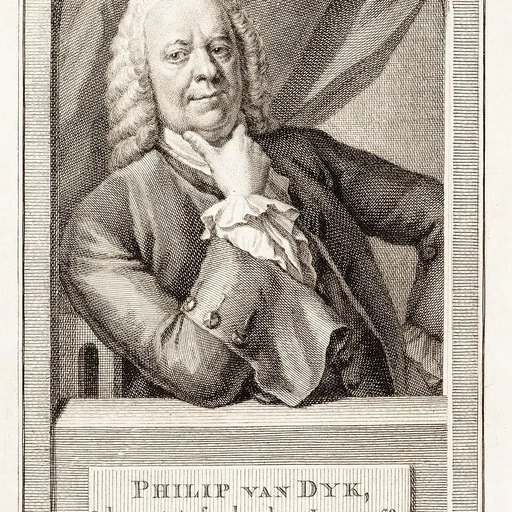

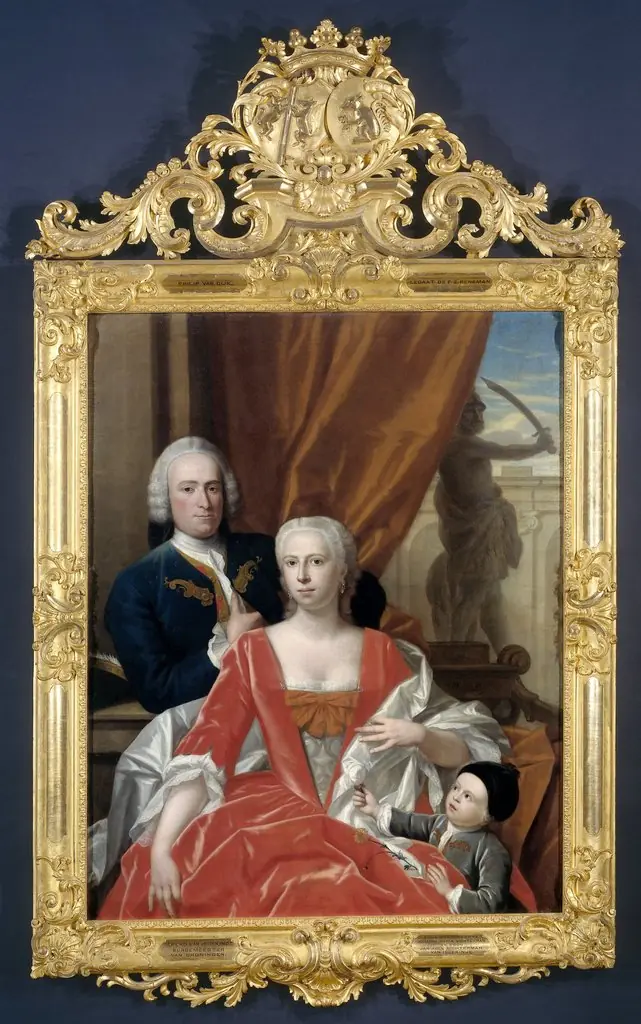 Berend van Iddekinge with his Wife and their Son
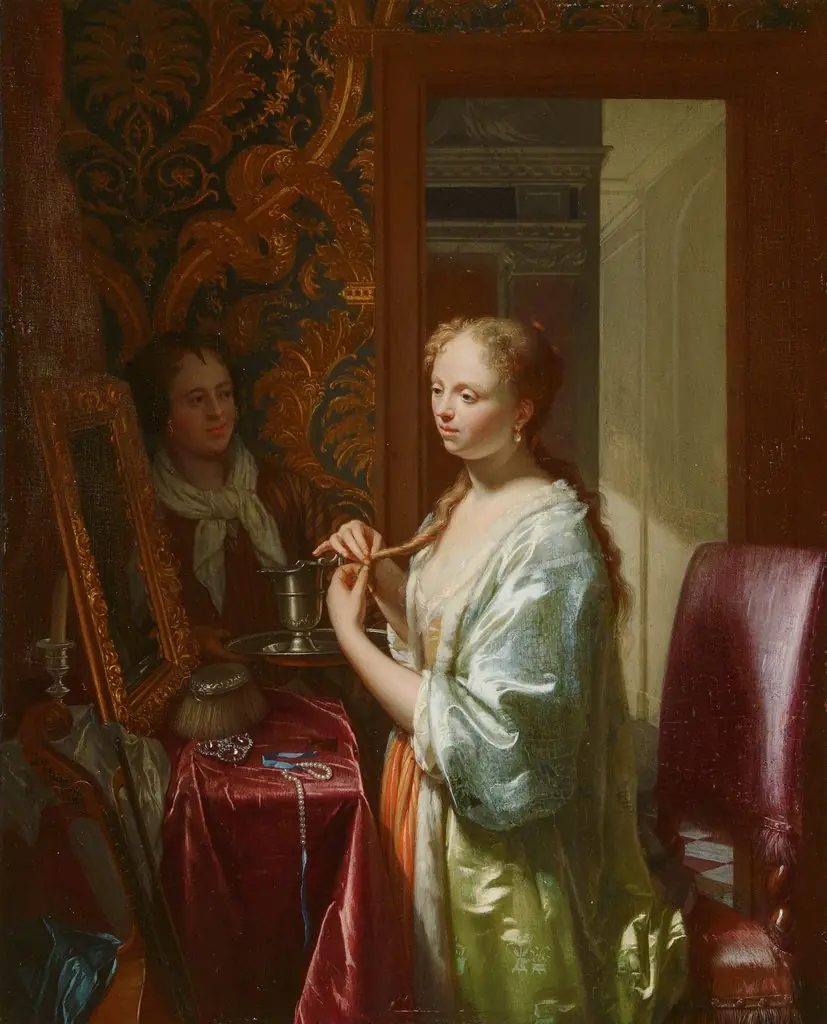 Lady attending to her toilet
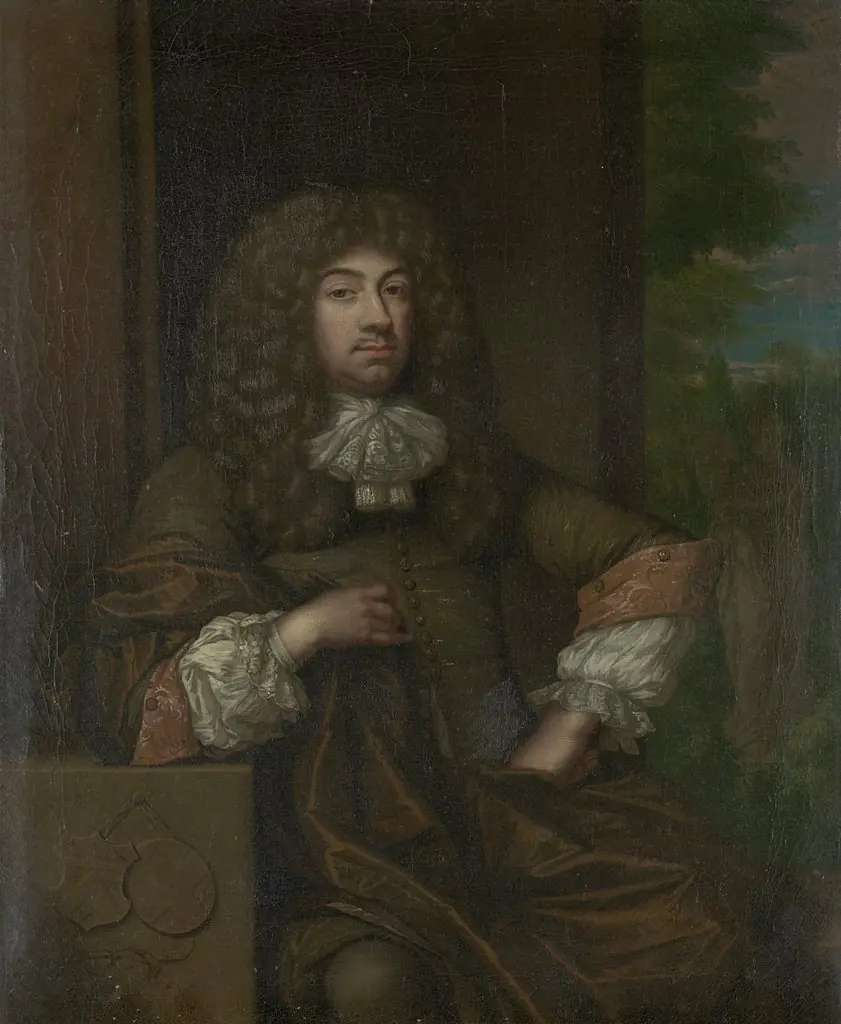 Portrait of Jan Boudaen Courten (1635-1716), lord of St. Laurens, Schellach and Popkensburg, Judge and alderman of Middelburg
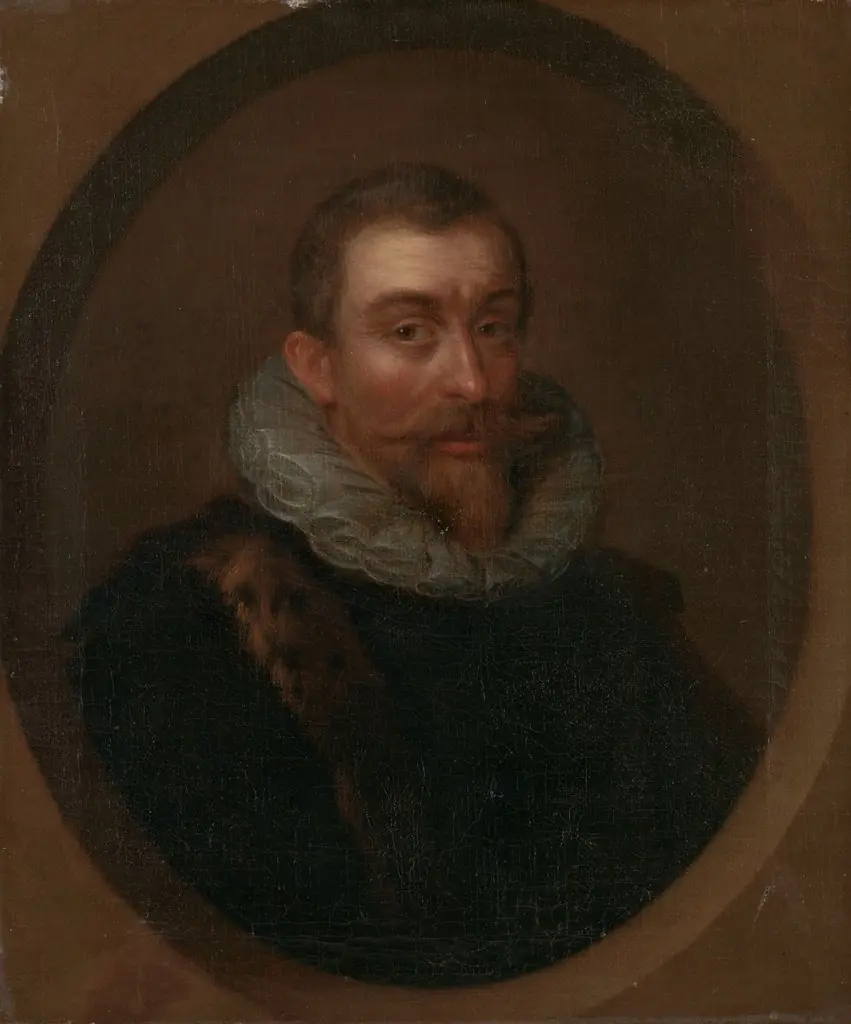 Portrait of Aernout van Citters, Lord of Gapinge
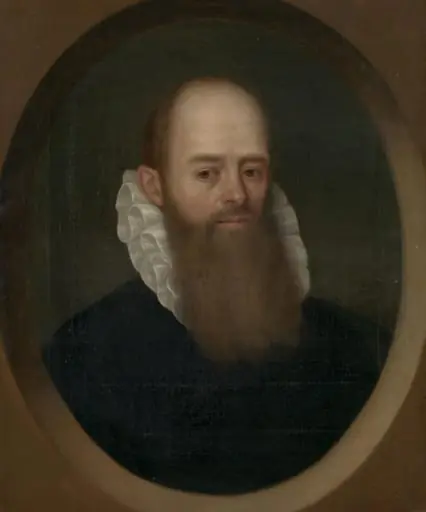 Cornelis van Ceters (1503-99)
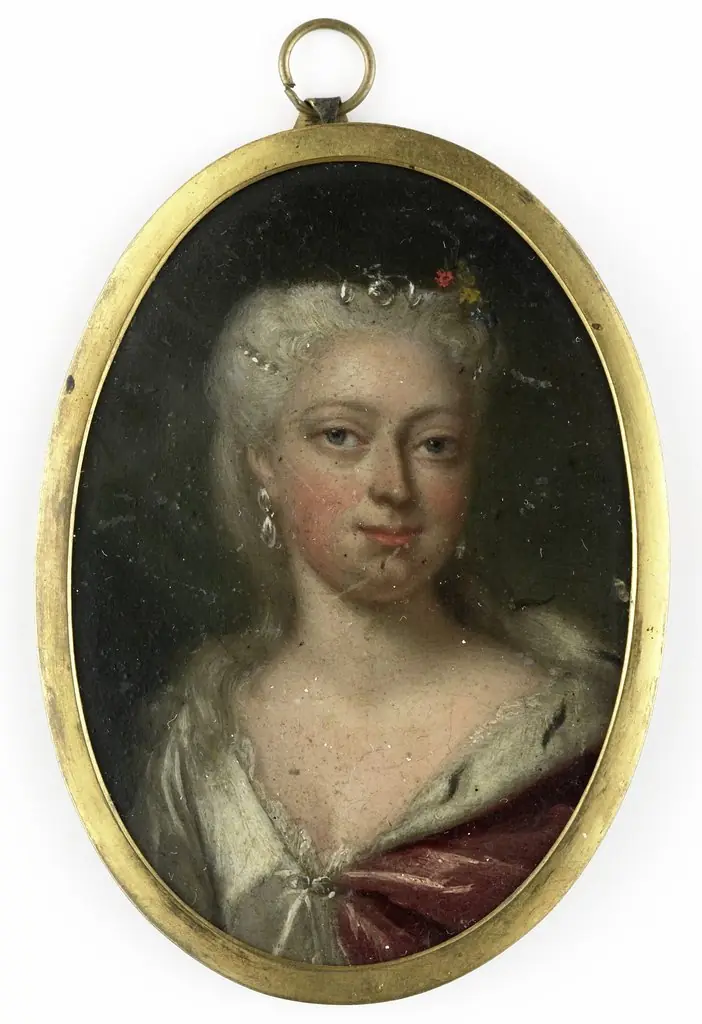 Anna van Hannover (1709-59). wife of Prince Willem IV
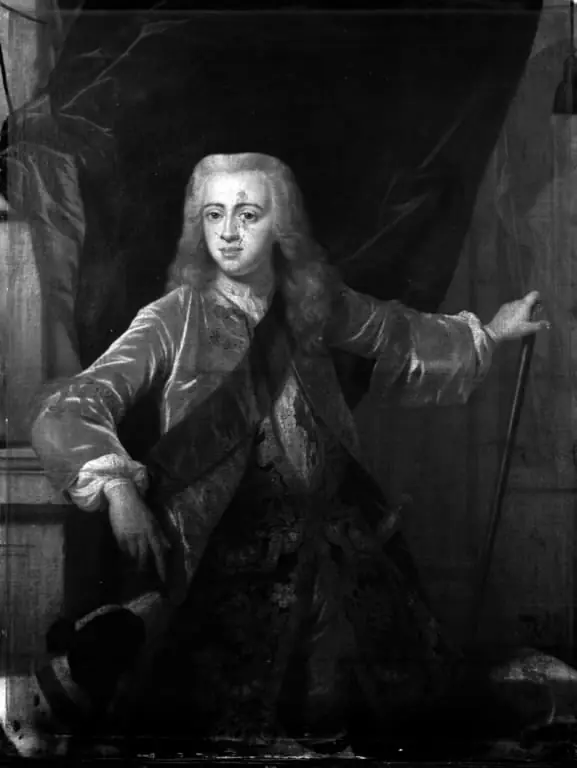 William IV of Orange
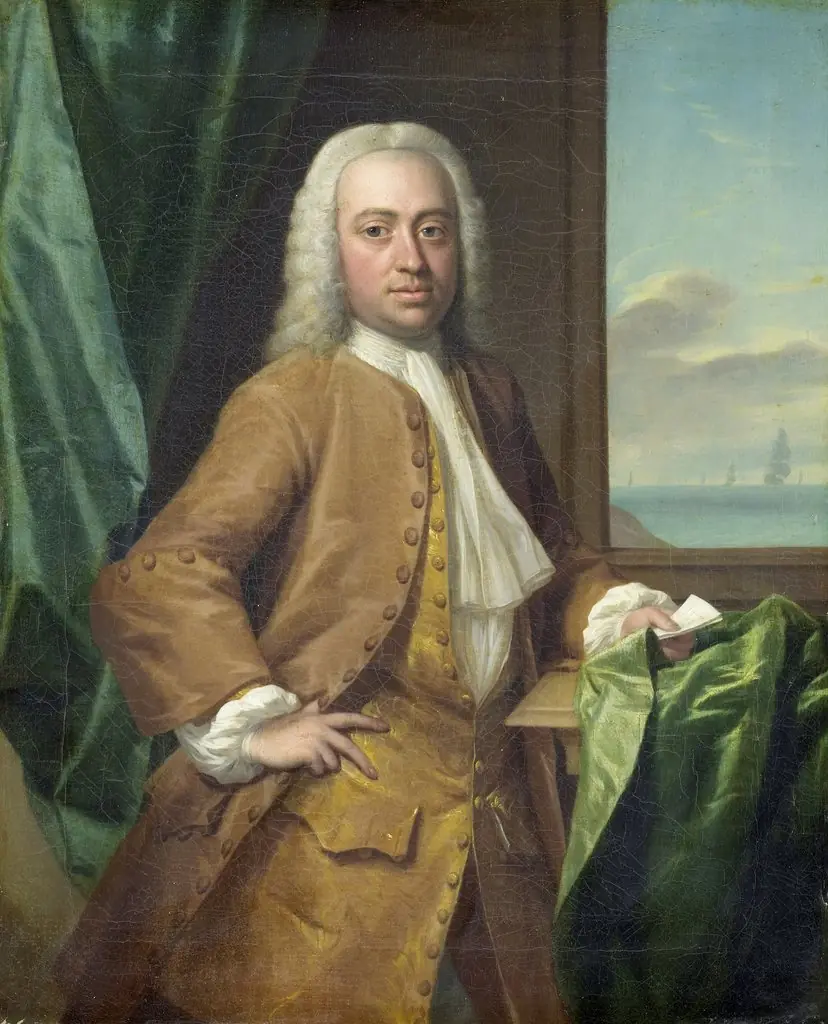 Portrait of Isaac Parker, Merchant from Middelburg
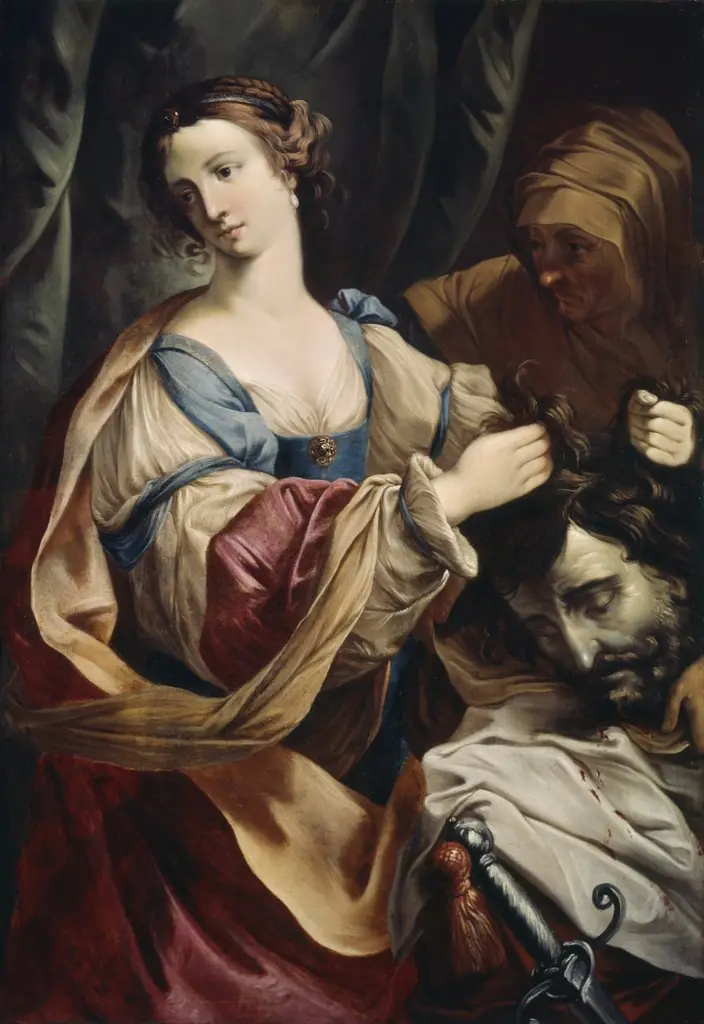 Judith with the Head of Holofernes
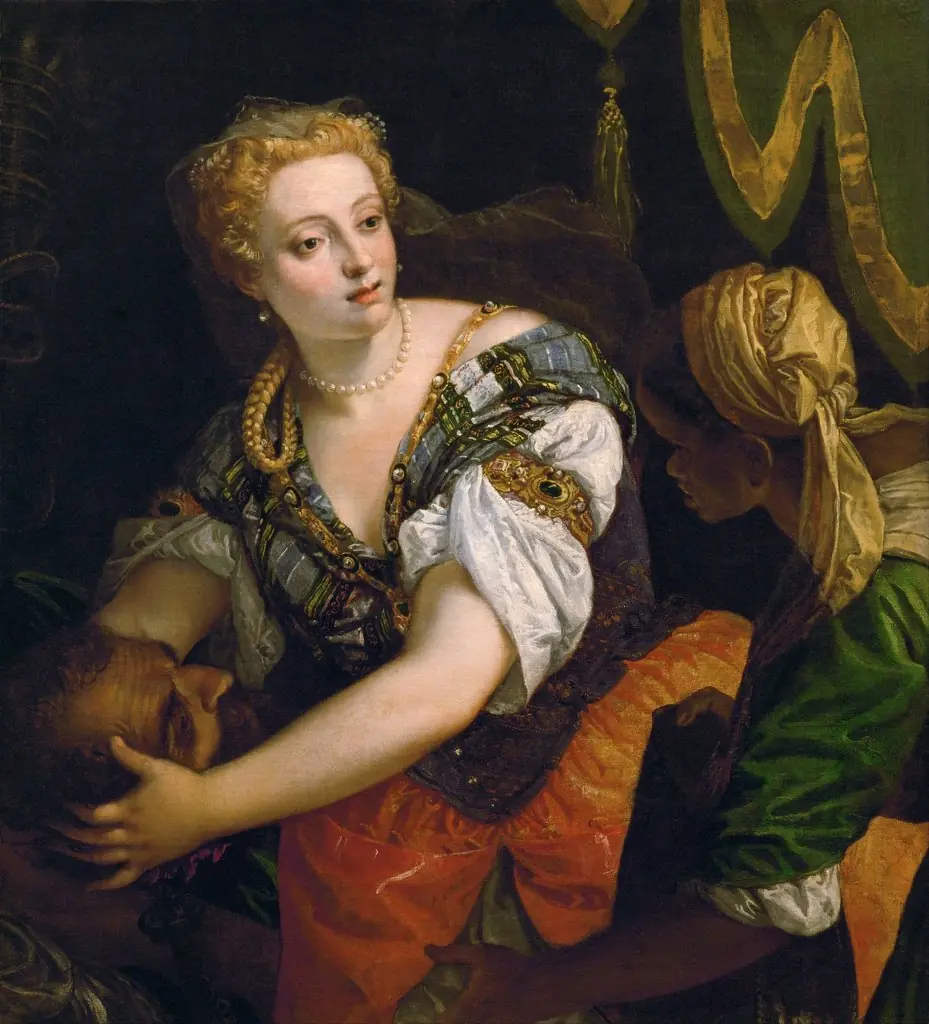 Judith with the Head of Holofernes
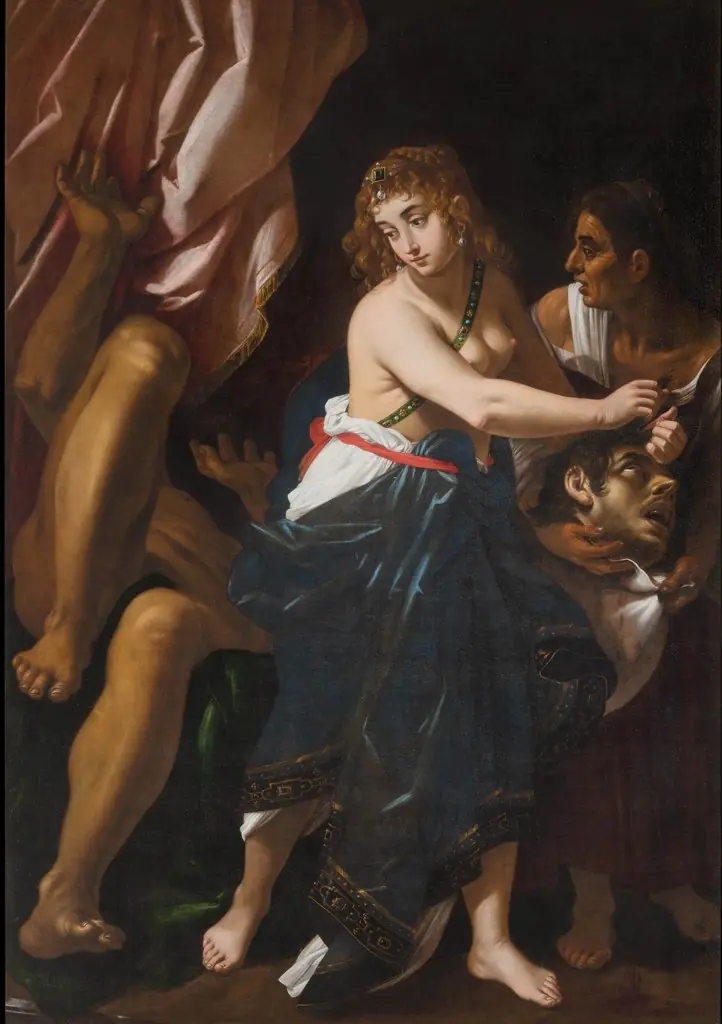 Judith and the Head of Holofernes
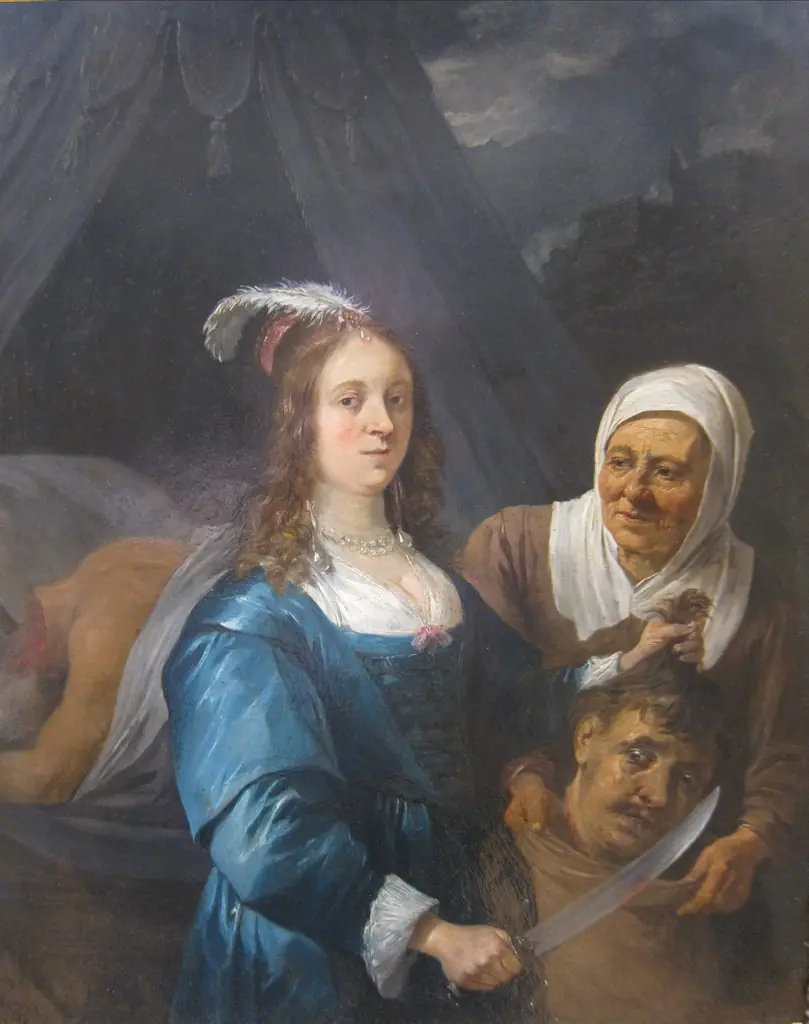 Judith with the Head of Holofernes
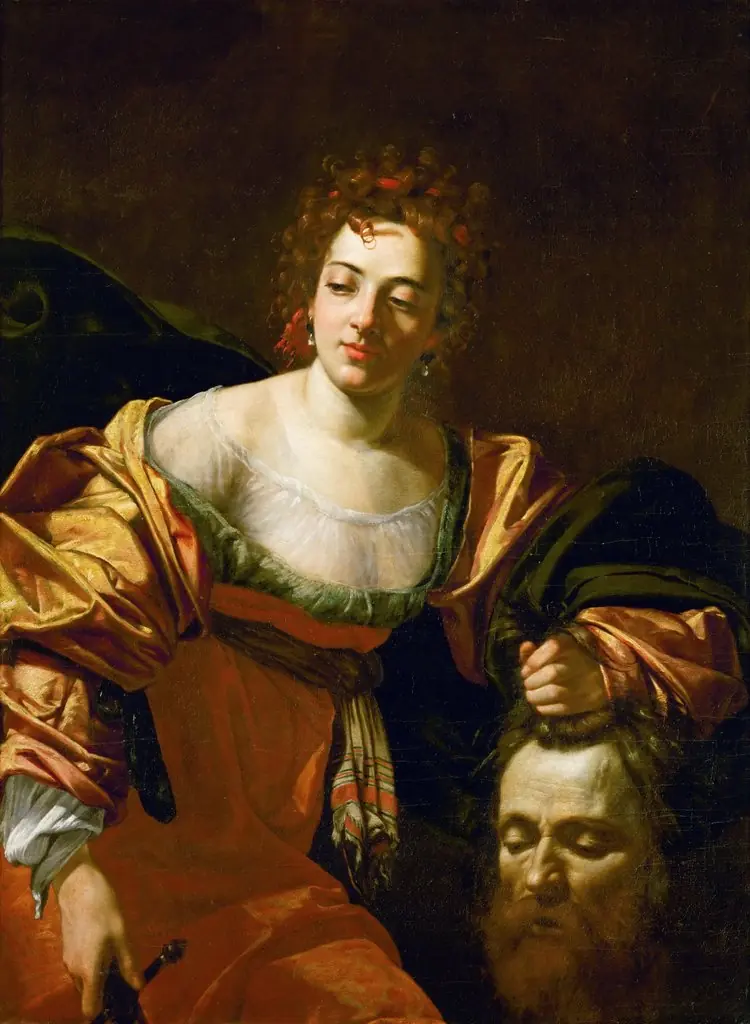 Judith with the Head of Holofernes
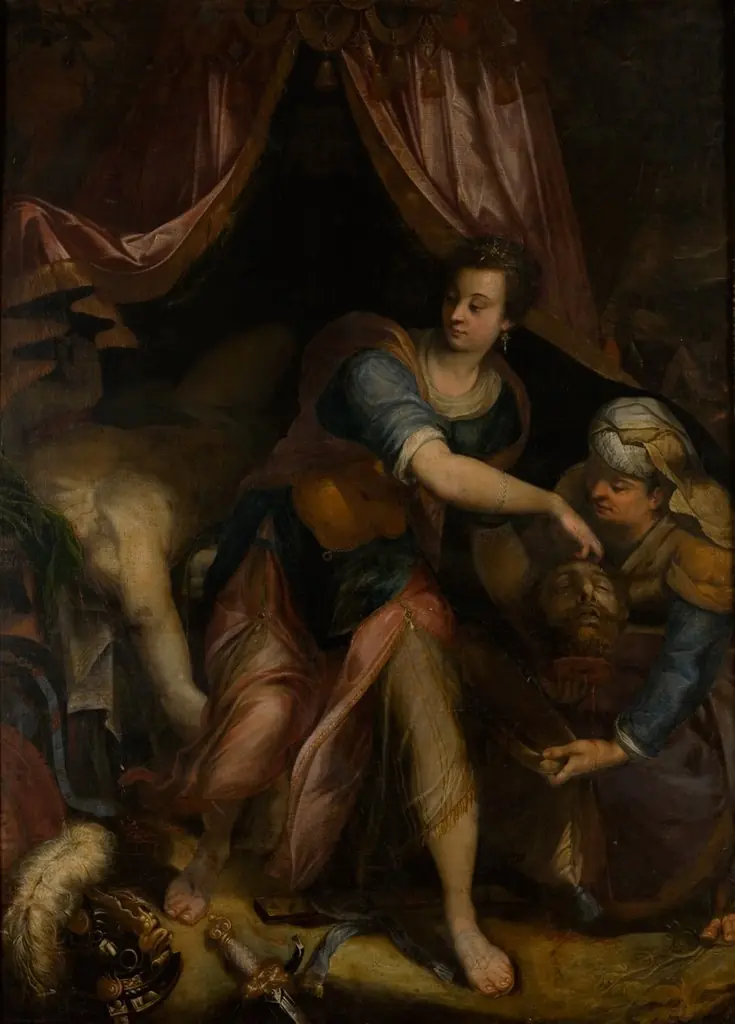 Judith with the Head of Holofernes
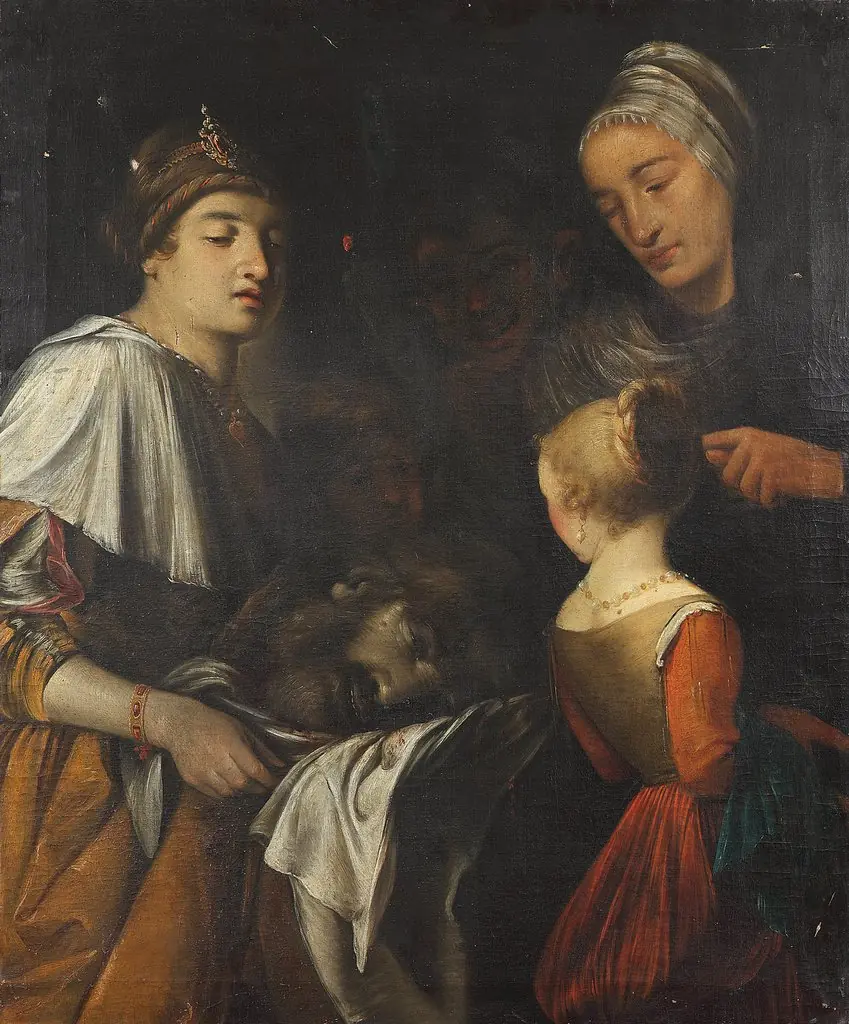 Judith with the Head of Holofernes
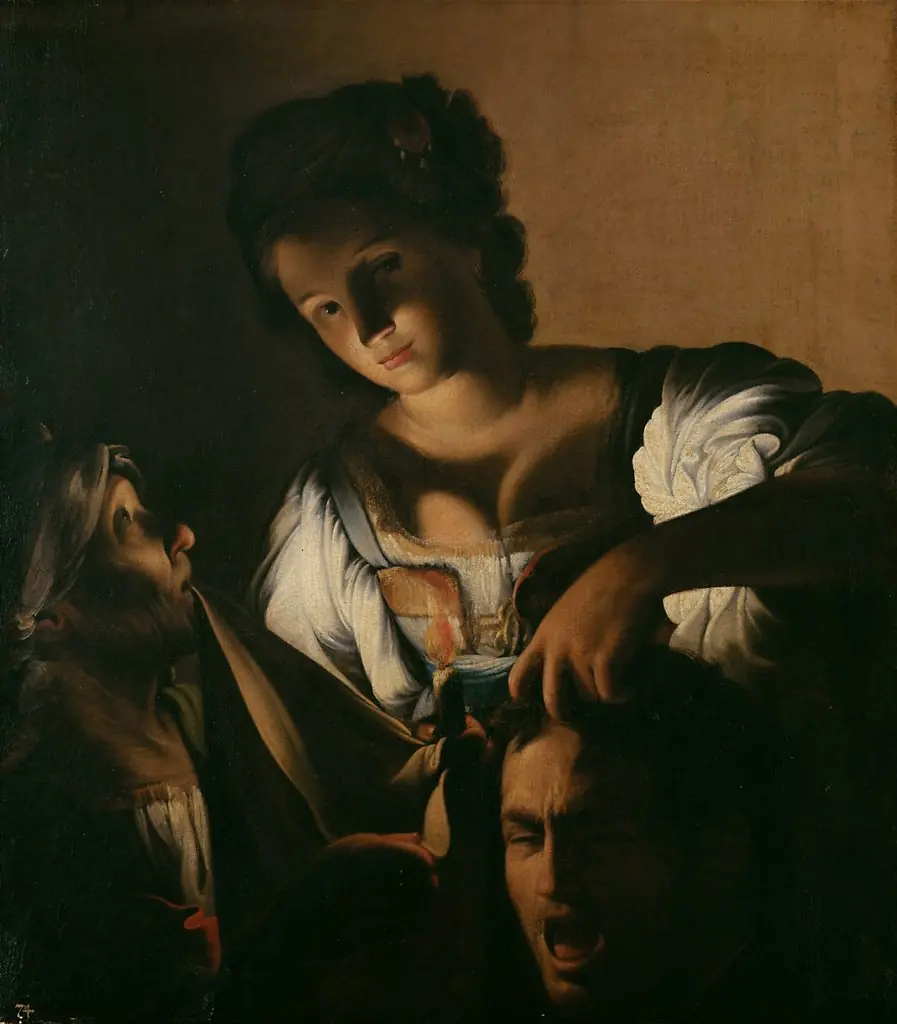 Judith with the head of Holofernes
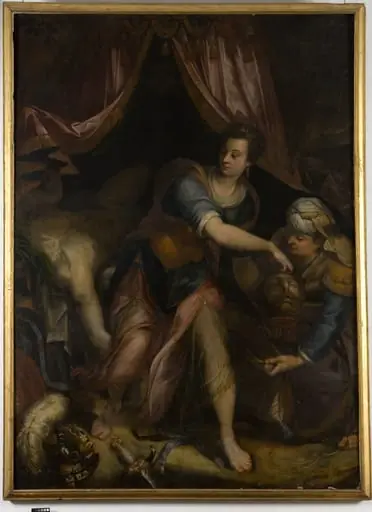 Judith with the Head of Holofernes