Artwork
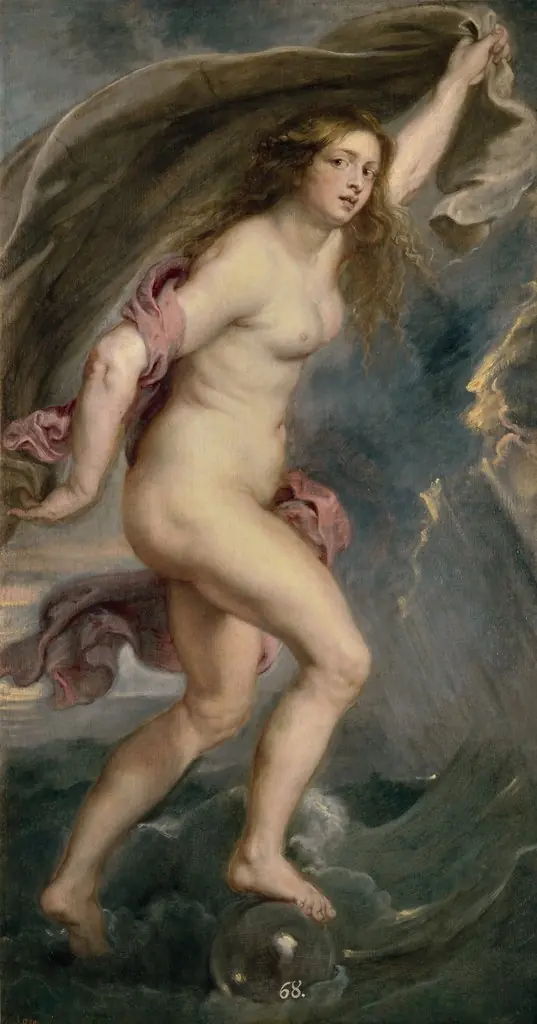
El Aire
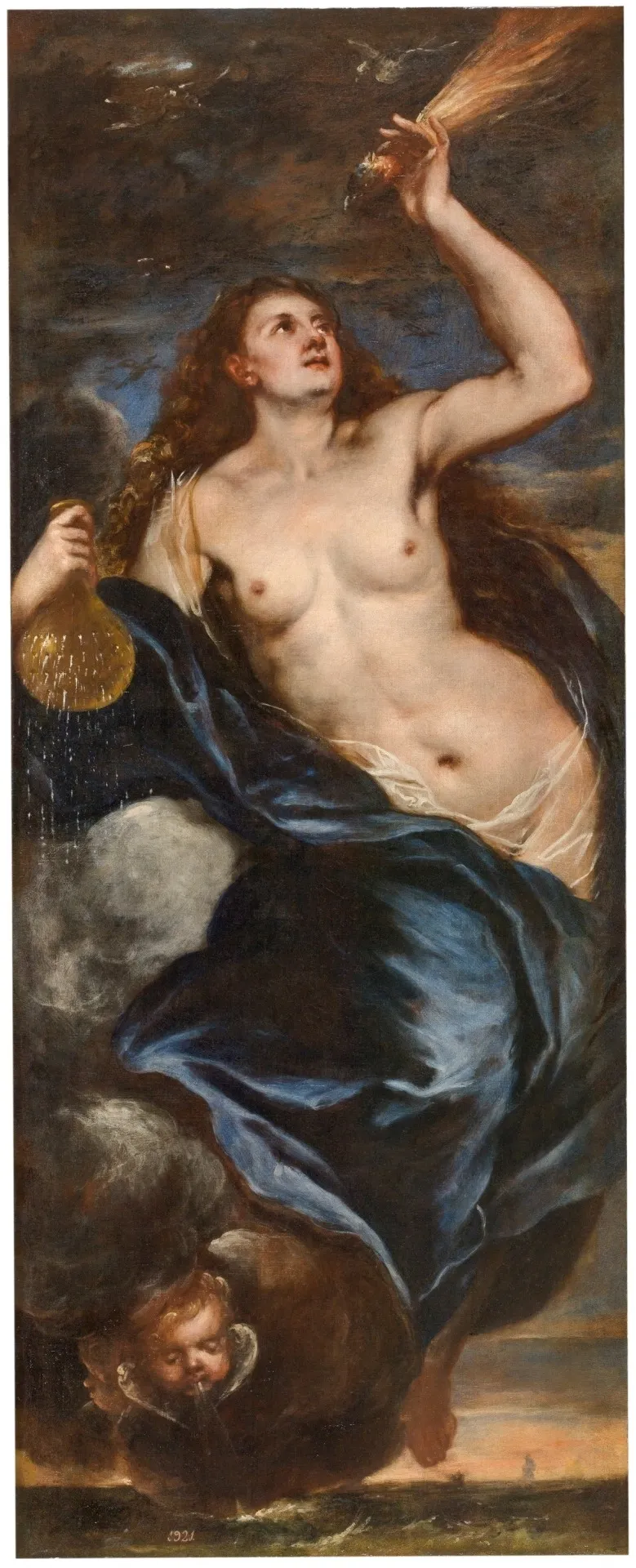
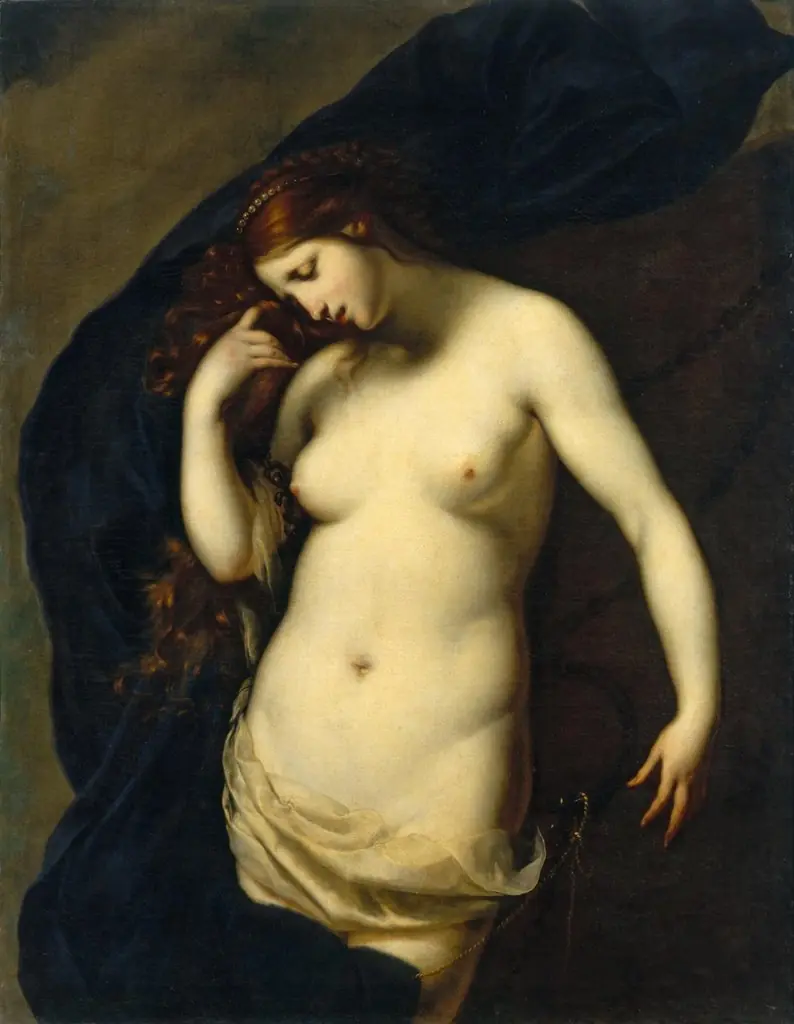
El Aire is an oil painting by the Flemish Baroque painting artist Unknown. It dates from 1675 and is held in the collection of the Museo del Prado.
About this work
Overview
The composition emphasizes verticality and kinetic energy, with swirling clouds and flying birds reinforcing a sense of unseen forces at work.
El Aire is an oil painting depicting a solitary female figure in motion, set against a turbulent sky. Her flowing blue robe and upward gaze suggest a moment of release or invocation. The composition emphasizes verticality and kinetic energy, with swirling clouds and flying birds reinforcing a sense of unseen forces at work. The figure’s raised, open hand implies an act of surrender or offering to the atmosphere.
Subject & Meaning
The central figure appears neither mythological nor literal, but symbolic—perhaps representing air as an element, or the soul in transit. Her golden object, unidentifiable, may signify something intangible: breath, memory, or spirit. The upward motion and open palm suggest release rather than possession, evoking themes of impermanence and connection to the unseen world.
Technique & Style
The artist employs chiaroscuro to model the figure with dramatic light, isolating her against the dark, turbulent sky. Brushwork is fluid, especially in the hair and clouds, enhancing movement. The contrast between the warm gold of the object and the cool blue of the robe deepens visual tension. Birds in the distance are rendered with minimal detail, contributing to the painting’s atmospheric depth without distracting from the central form.
History & Provenance
The painting’s origin and early ownership remain undocumented. No exhibition records or artist signatures are publicly verified. It entered a private collection in the early 20th century and was later acquired by a regional museum in the 1970s. Its attribution is tentative, with stylistic similarities noted to late 19th-century Symbolist works, though no definitive link has been established.
Context
Created during a period when artists increasingly turned to allegory and elemental themes, El Aire reflects broader cultural interests in nature’s invisible forces—wind, spirit, emotion. While not part of a known movement, its visual language aligns with Symbolist tendencies in Europe: evocative rather than narrative, emotional rather than literal. The absence of a clear mythological reference invites personal interpretation.
Legacy
El Aire remains a quietly influential work within its collection, studied for its emotional resonance and technical control. It is rarely reproduced outside institutional contexts, preserving its enigmatic character. Scholars note its quiet departure from overt symbolism, favoring ambiguity as a means of engaging the viewer’s perception of the ephemeral.
Artist & collection

 Domestic Scene
 Giacomo and Cardinal Marco, investing Andrea, Abbot of San Zeno, with his Benefice
 The Nymph of Fontainebleau
 Portrait of a Woman
 Madonna and Child with Saints in the Enclosed Garden
 Venus and Minerva
 Family Group of Four on Sofa
 Wall painting from Room H of the Villa of P. Fannius Synistor at Boscoreale