Artwork
Portrait of Eleonora Gomólińska née Pelletier
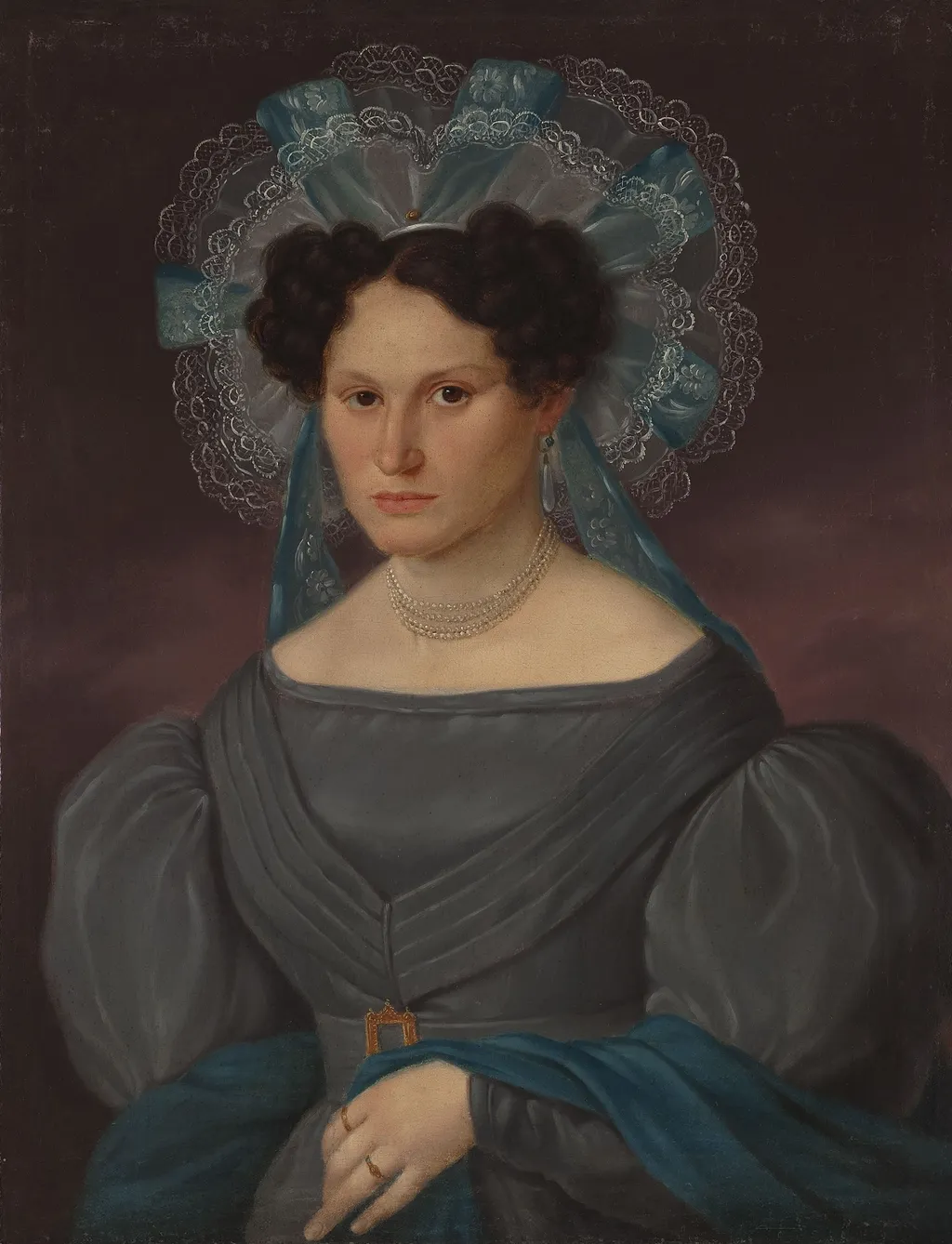
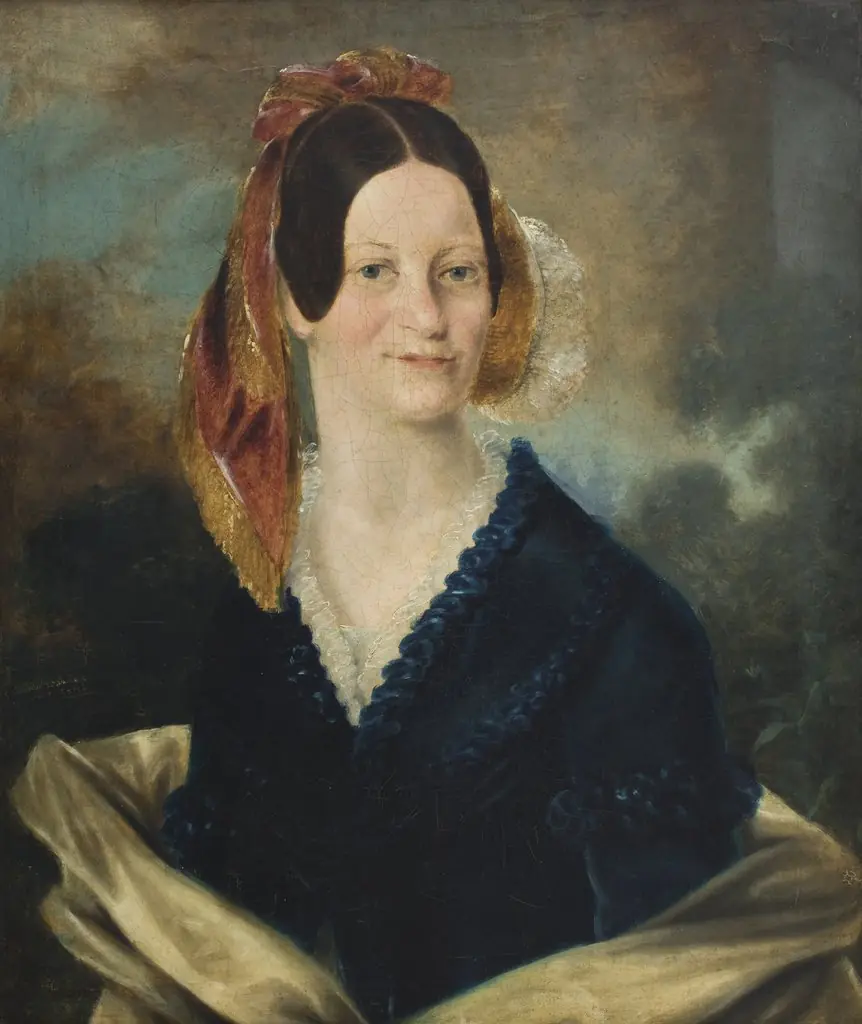
Portrait of Eleonora Gomólińska née Pelletier is an oil painting by the Realist artist Unknown. It dates from 1830 and is held in the collection of the National Museum in Warsaw. This oil painting depicts Eleonora Gomólińska née Pelletier in a tightly framed, intimate portrait.
About this work
Overview
She is seated in a dim interior, her figure sharply illuminated against a deep, unmodeled background.
This oil painting depicts Eleonora Gomólińska née Pelletier in a tightly framed, intimate portrait. She is seated in a dim interior, her figure sharply illuminated against a deep, unmodeled background. The composition emphasizes stillness and quiet presence, with minimal distractions. The lighting draws attention to her facial expression and the delicate textures of her attire, particularly the lace and pearls, suggesting a focus on personal identity rather than grandeur.
Subject & Meaning
Eleonora Gomólińska, born Pelletier, is portrayed with restrained dignity. Her gaze meets the viewer directly, conveying composure and introspection. The golden cross she holds may indicate personal faith or familial devotion, while the pearl necklace and lace hat reflect modest refinement rather than ostentation. The subtle hint of a smile softens her solemnity, suggesting an inner warmth or quiet confidence, possibly hinting at her character beyond social role.
Technique & Style
The artist employs chiaroscuro to define form through subtle gradations of light and shadow, isolating the sitter from the dark surroundings. Brushwork is precise yet unobtrusive, capturing the sheen of pearls, the fine weave of lace, and the soft fall of fabric. The palette is restrained—dominated by blacks, grays, and muted golds—enhancing the focus on texture and expression. There is no decorative flourish; the style prioritizes psychological presence over narrative context.
History & Provenance
The portrait was likely commissioned in the late 19th or early 20th century, during a period when middle- and upper-class women in Central Europe were increasingly depicted in private, introspective portraits. It remained within the Gomólińska family for generations before entering public collection. Documentation is limited, but the sitter’s name and attire align with Polish aristocratic and bourgeois customs of the time, suggesting a domestic rather than institutional origin.
Context
In the decades surrounding 1900, portraiture in Eastern Europe shifted from formal, ceremonial depictions toward more personal, psychologically nuanced representations. This work reflects that trend, echoing the quiet realism of contemporaries like Jacek Malczewski or even French salon painters. The absence of props or setting emphasizes the individual, aligning with broader cultural interests in inner life and personal identity during a time of political and social change.
Legacy
The portrait endures as a quiet example of early 20th-century intimate portraiture in Polish art. It contributes to the understanding of how women of the era were visually represented—not as symbols of status, but as individuals with inner presence. Though not widely exhibited, it remains a reference point in regional studies of domestic portraiture, valued for its restraint and emotional subtlety.
Artist & collection

 Domestic Scene
 Giacomo and Cardinal Marco, investing Andrea, Abbot of San Zeno, with his Benefice
 The Nymph of Fontainebleau
 Portrait of a Woman
 Madonna and Child with Saints in the Enclosed Garden
 Venus and Minerva
 Family Group of Four on Sofa
 Wall painting from Room H of the Villa of P. Fannius Synistor at Boscoreale
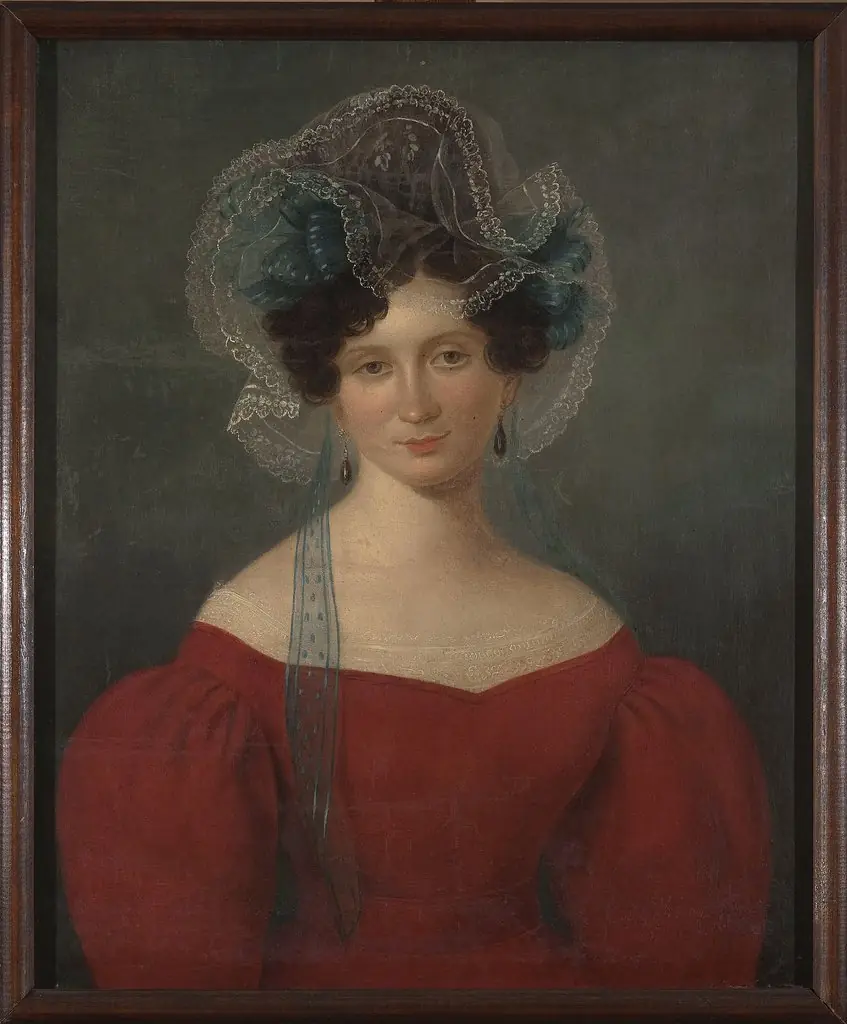 Portrait of a lady in a red dress
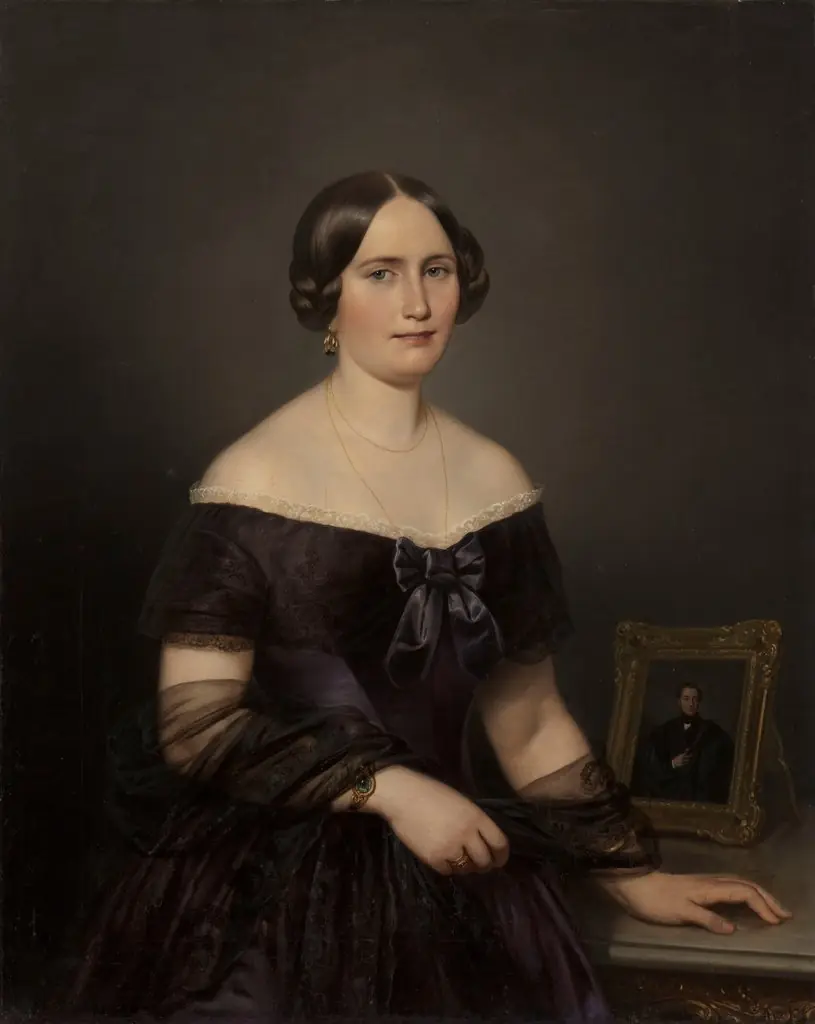 Ksenia Cavos
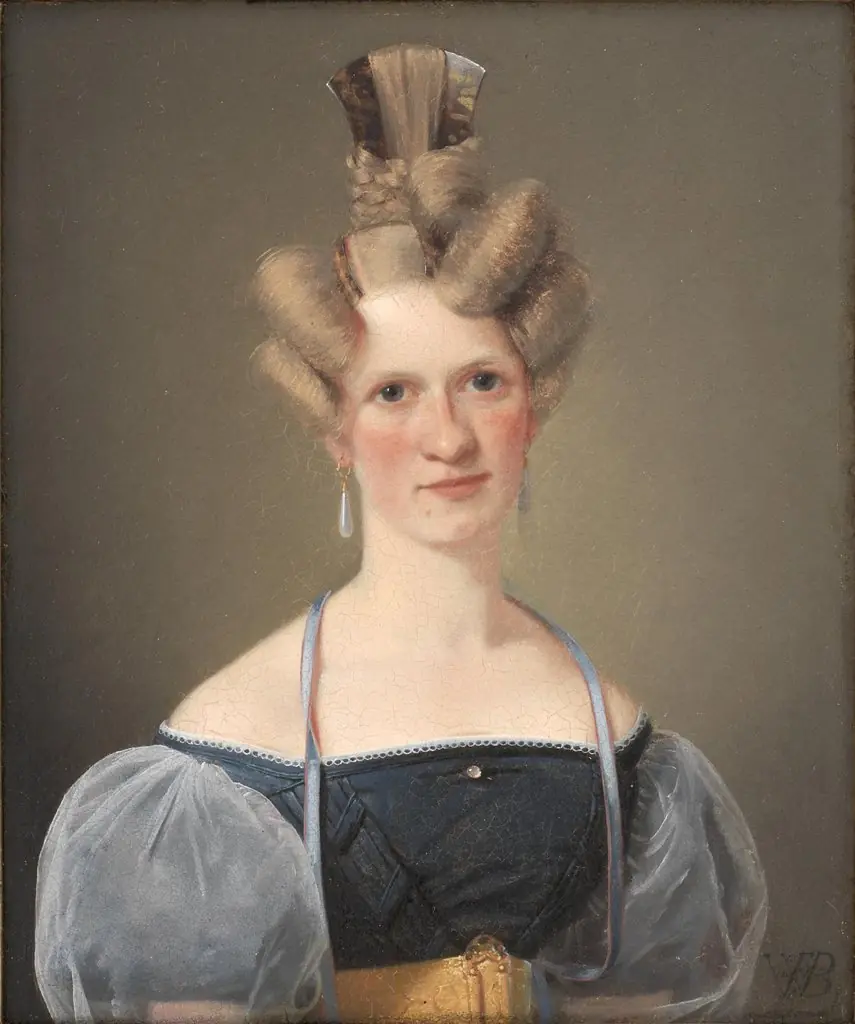 Marie Raffenberg, the Artist's Betrothed
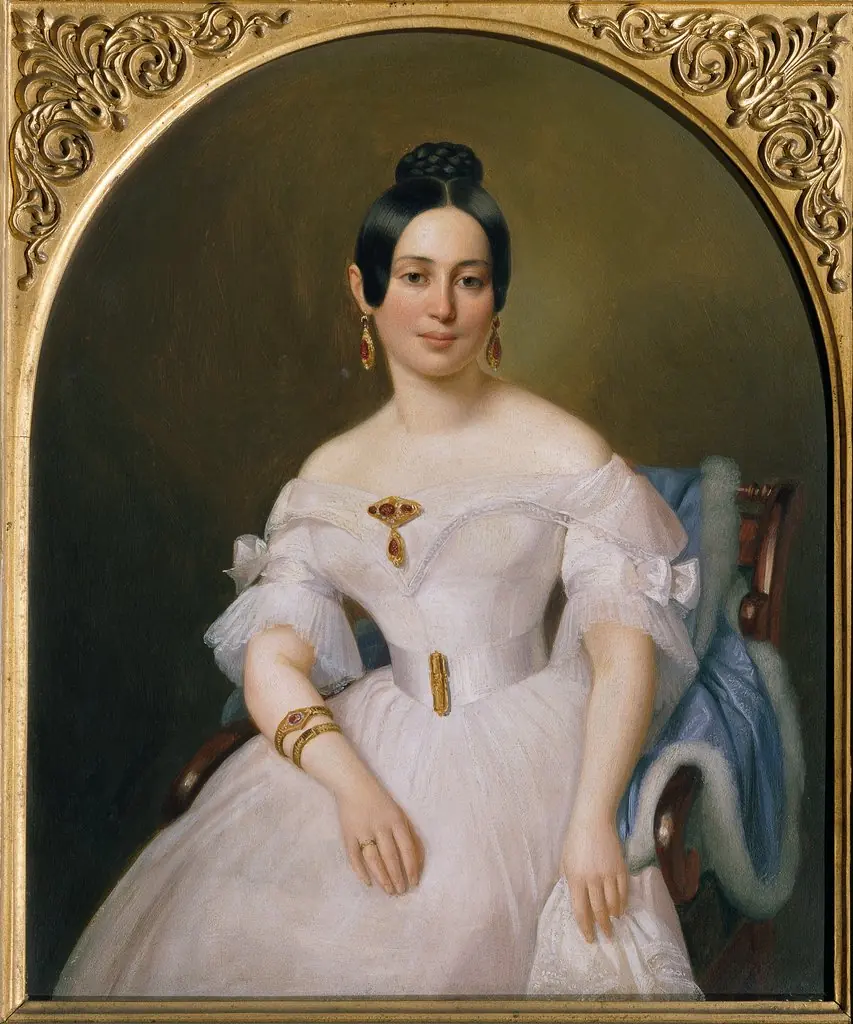 Emilie von Wartenegg
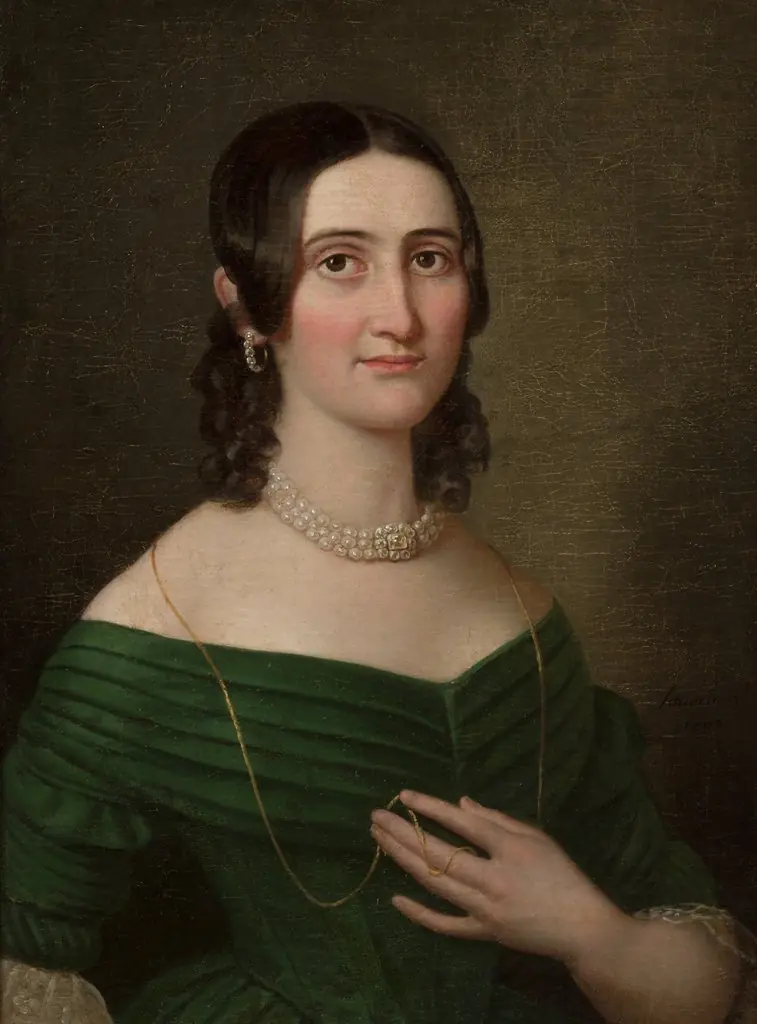 Portrait of a Woman
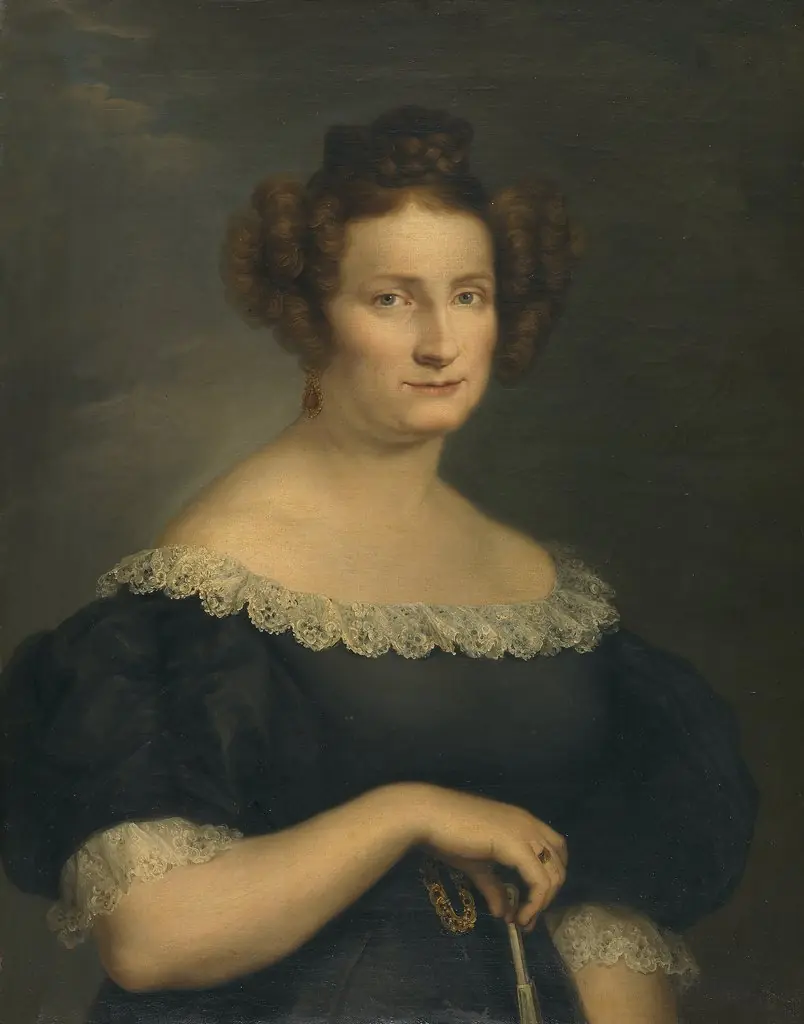 Cecilia Santos
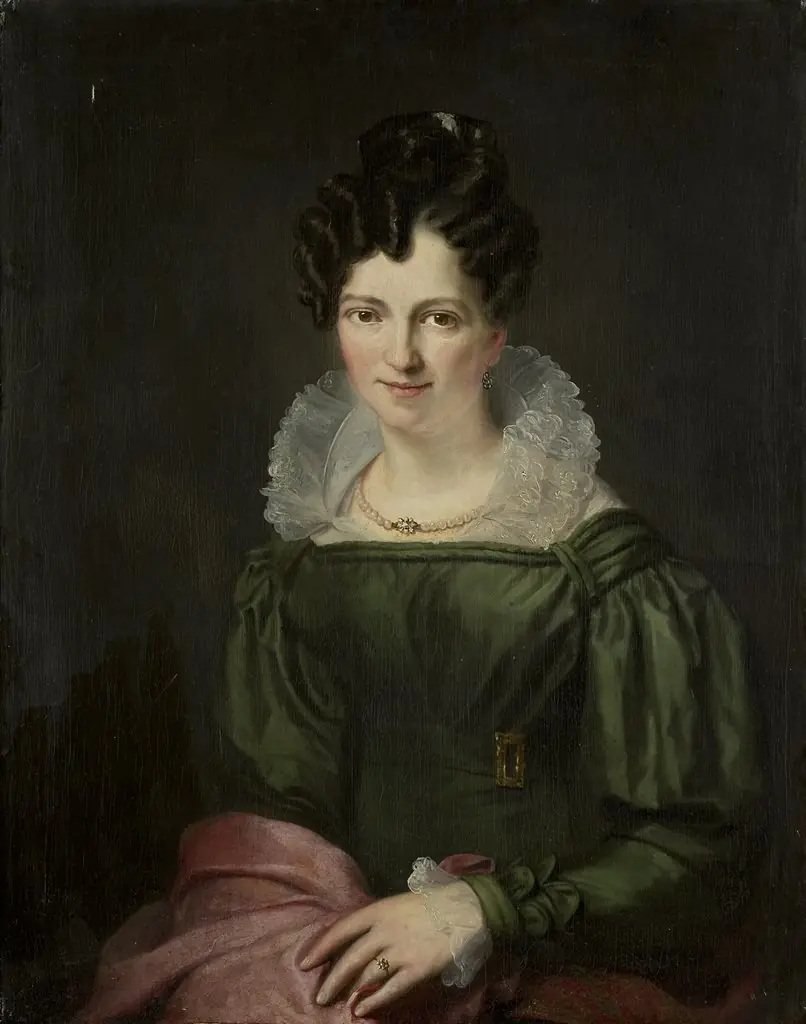 Portrait of Maria Christina Nijssen, Wife of Anthonie van der Hout
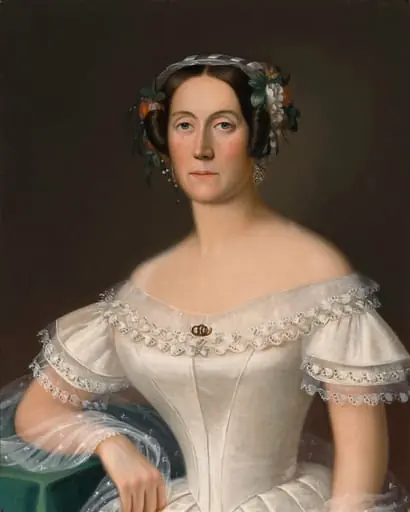 Cecilia Lindroos (os. Meyer) nuorena.
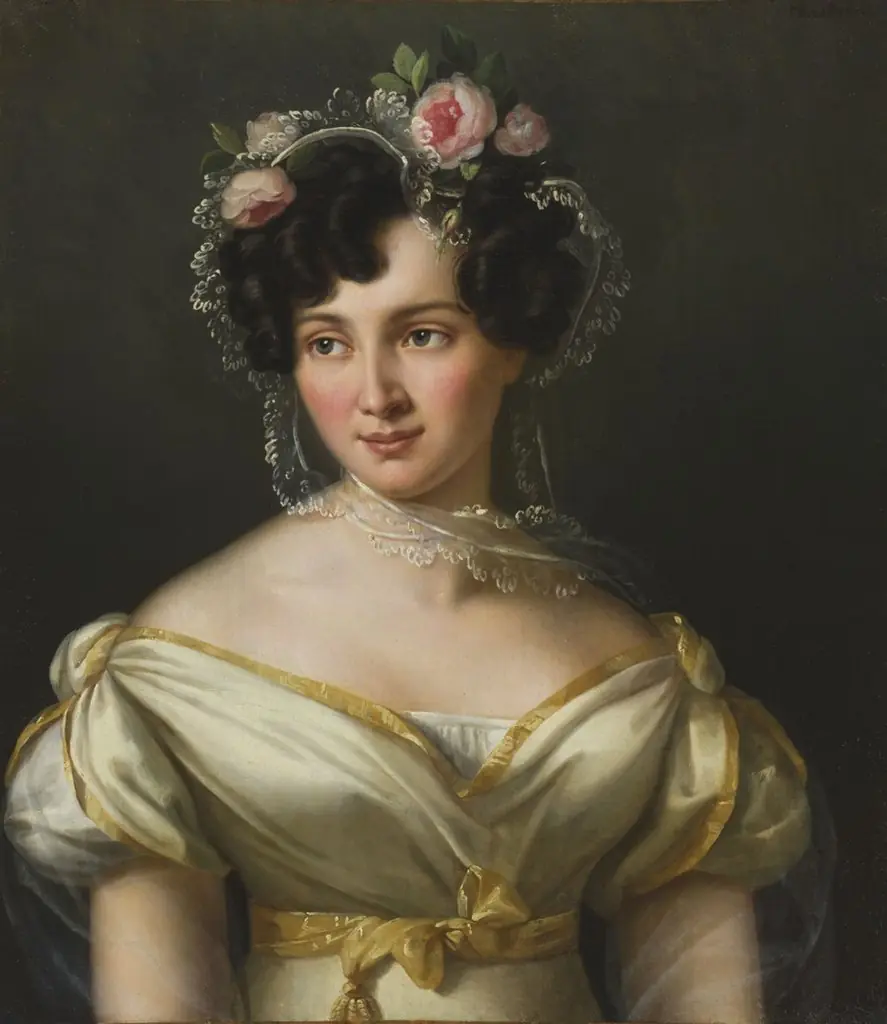 Portrait of Princess Anna Nikolayevna
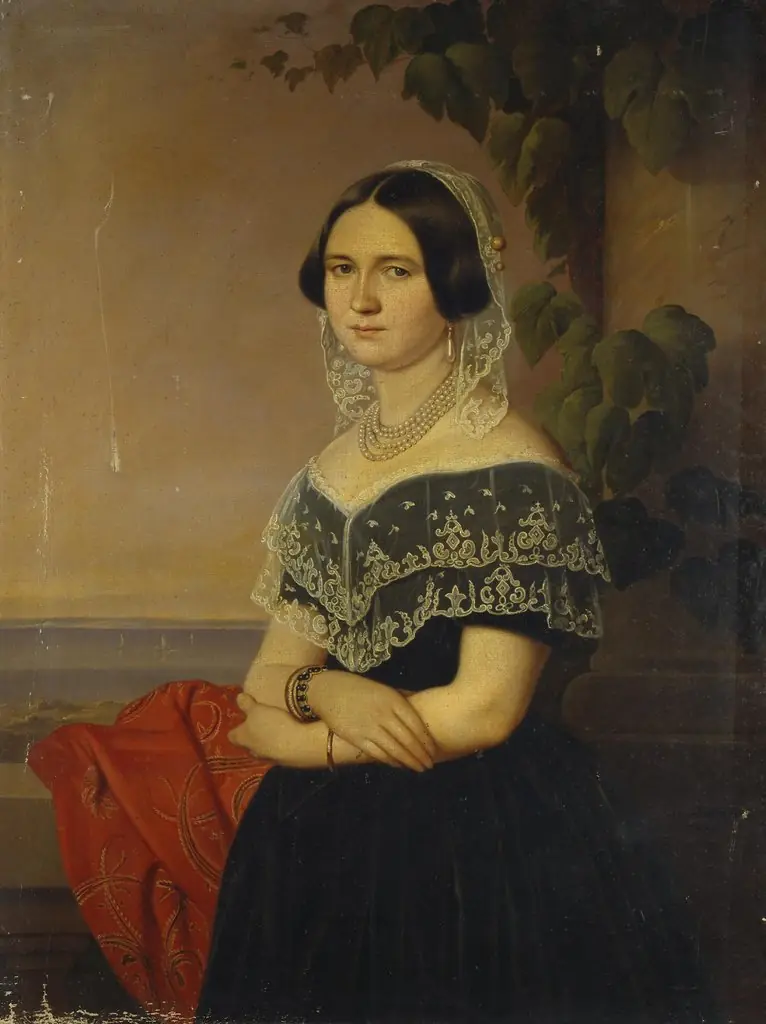 Portrait of ES Zhadimerovskaya
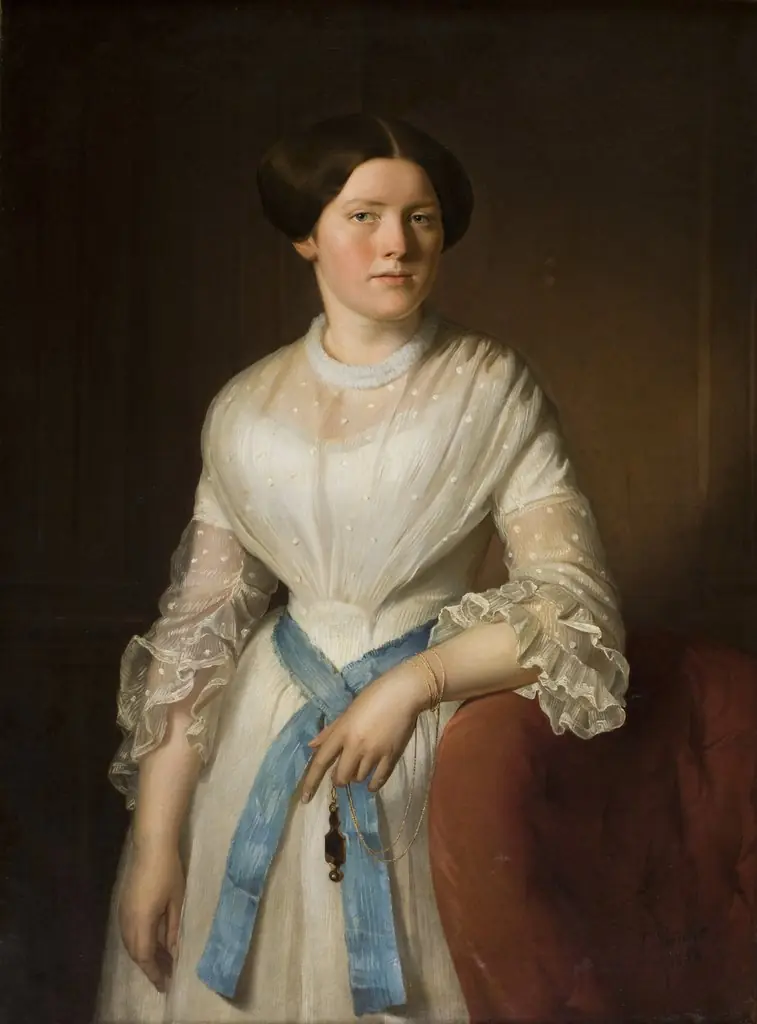 Portrait of Miss Pisarzowska
 Portrait of Pristella Krasuska née Abraniecka