Artwork
Edward Fiennes de Clinton, Later 1st Earl of Lincoln
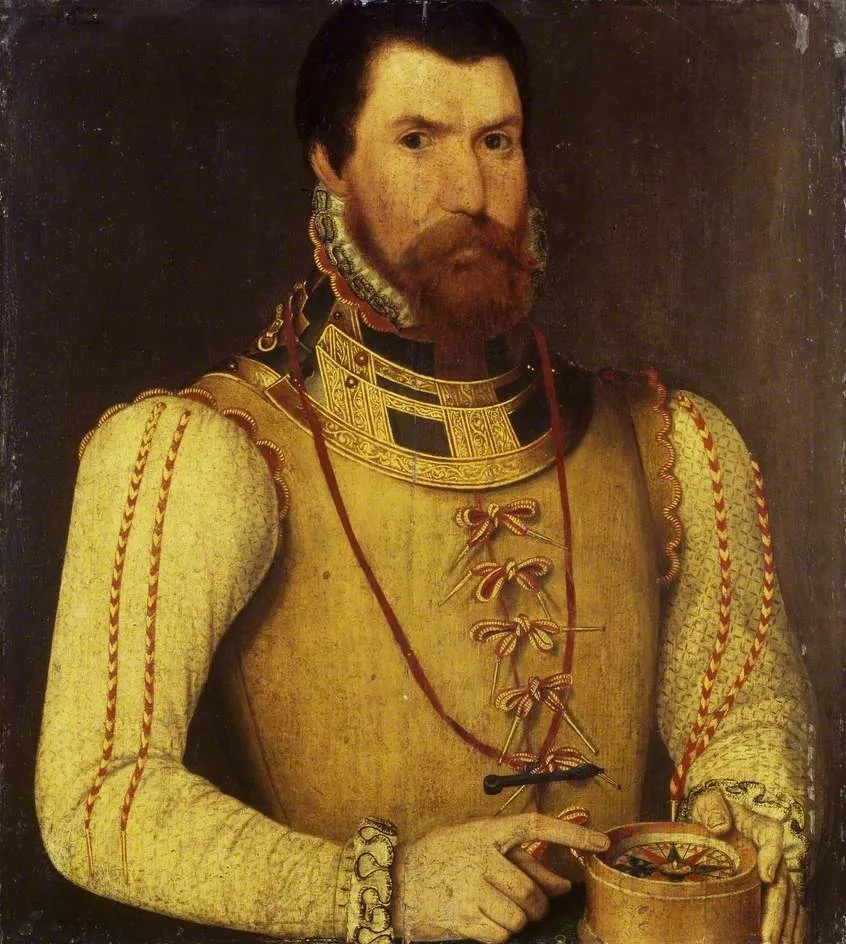
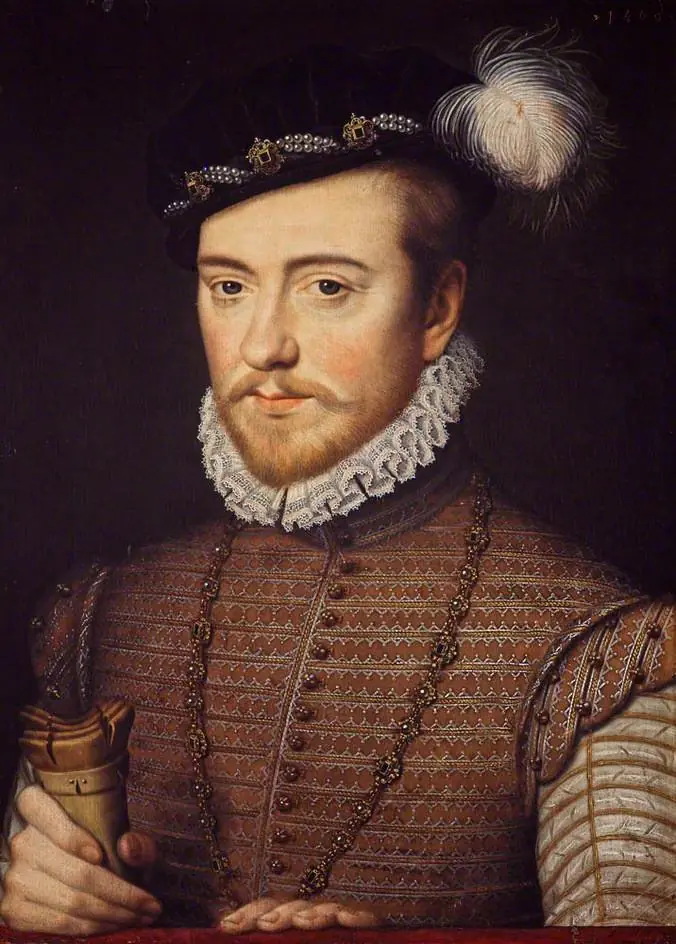
Edward Fiennes de Clinton, Later 1st Earl of Lincoln is an oil painting by the Early Baroque Italian artist Unknown. It dates from 1562 and is held in the collection of the Ashmolean Museum. This oil painting depicts Edward Fiennes de Clinton, who later became the 1st Earl of Lincoln.
About this work
Overview
This oil painting depicts Edward Fiennes de Clinton, who later became the 1st Earl of Lincoln. Rendered in the mid-16th century, the portrait captures him in formal attire, emphasizing his status through rich fabrics and precise detailing. The work is part of the Ashmolean Museum’s collection, where it serves as a record of aristocratic portraiture during the Tudor period.
Subject & Meaning
The subject, Edward Fiennes de Clinton, is portrayed with attributes of nobility and authority. He holds a closed, rounded object, possibly a ceremonial container or reliquary, suggesting ritual or administrative function. His attire, including the red cord with bows, aligns with courtly dress codes of the time, reinforcing his position within the Tudor elite.
Technique & Style
The artist employed fine brushwork to render the textures of silk, lace, and metal trim with precision. The white and gold garments are layered with subtle highlights, while the red accents provide contrast. Facial features are rendered with restrained realism, typical of English portraiture of the era, prioritizing dignity over emotional expression.
History & Provenance
The painting likely originated in the mid-1500s, commissioned during Clinton’s rise in royal favor. It remained within family or court circles before entering the Ashmolean Museum’s collection, where it has been preserved as an example of Tudor aristocratic imagery. Its provenance reflects the continuity of noble patronage into institutional stewardship.
Context
Created during the reign of Edward VI or Mary I, the portrait reflects the visual language of Tudor courtiers seeking to assert legitimacy through dress and demeanor. Similar portraits of the period emphasize heraldic symbols and elaborate textiles to communicate lineage and loyalty, aligning with broader political and social norms of the time.
Legacy
The portrait endures as a documented representation of a minor but influential nobleman during a period of religious and political transition. Its preservation in a public museum allows ongoing study of costume, identity, and the role of portraiture in reinforcing social hierarchy in early modern England.
Artist & collection

 Domestic Scene
 Giacomo and Cardinal Marco, investing Andrea, Abbot of San Zeno, with his Benefice
 The Nymph of Fontainebleau
 Portrait of a Woman
 Madonna and Child with Saints in the Enclosed Garden
 Venus and Minerva
 Family Group of Four on Sofa
 Wall painting from Room H of the Villa of P. Fannius Synistor at Boscoreale
 Robert Devereux, 2nd Earl of Essex
 Jacques d'Albon, seigneur de Saint-André (ca. 1505-1562), Marschall von Frankreich
 Portretul lui Nicholas Throckmorton
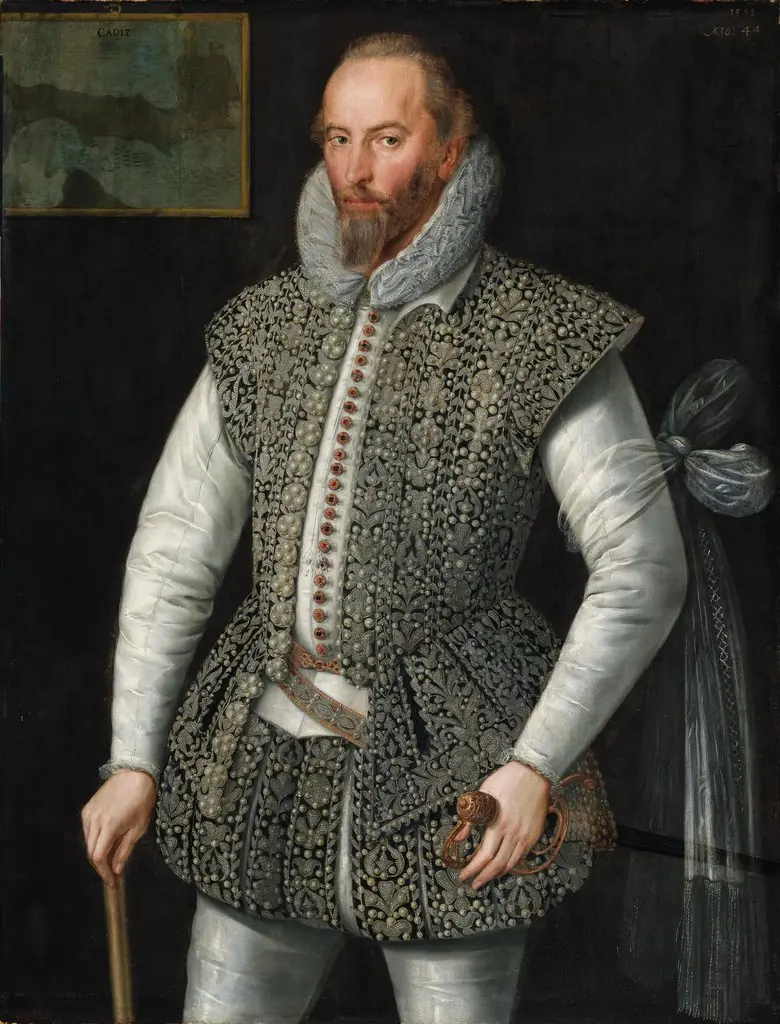 Portrait of Sir Walter Raleigh (1522-1618), Soldier and Historian
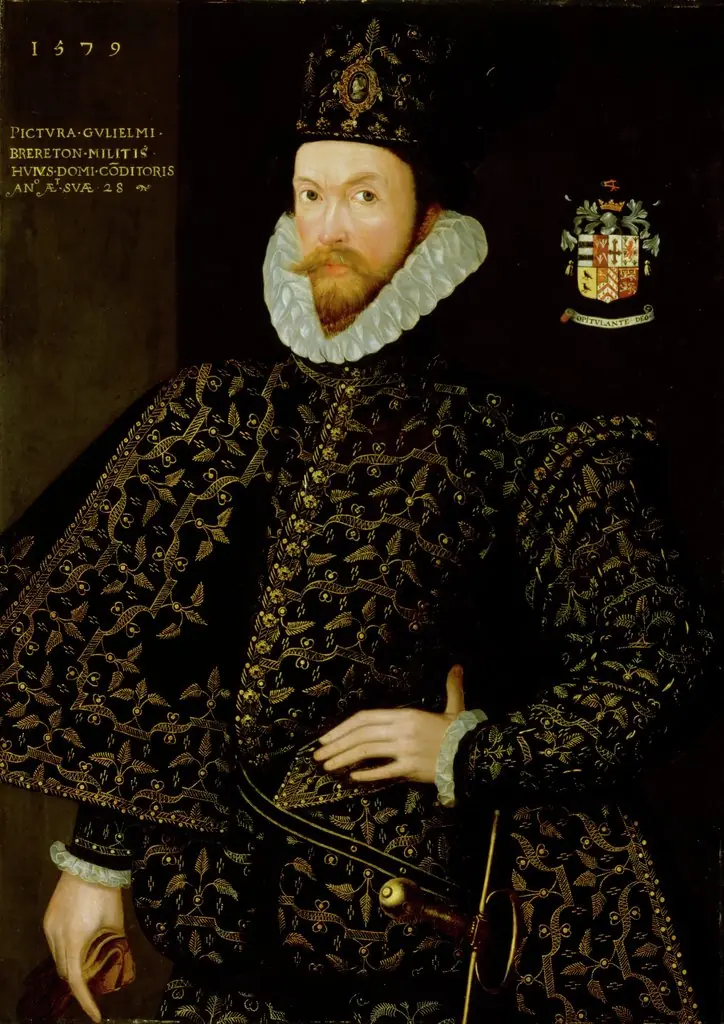 Sir William Brereton, 1579
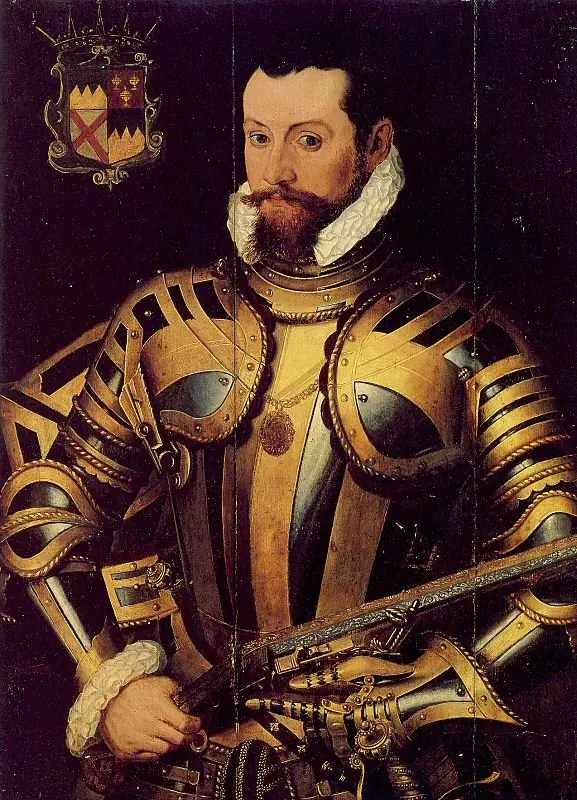 Portrait of Thomas Butler, 10th Earl of Ormonde (1532-1614)
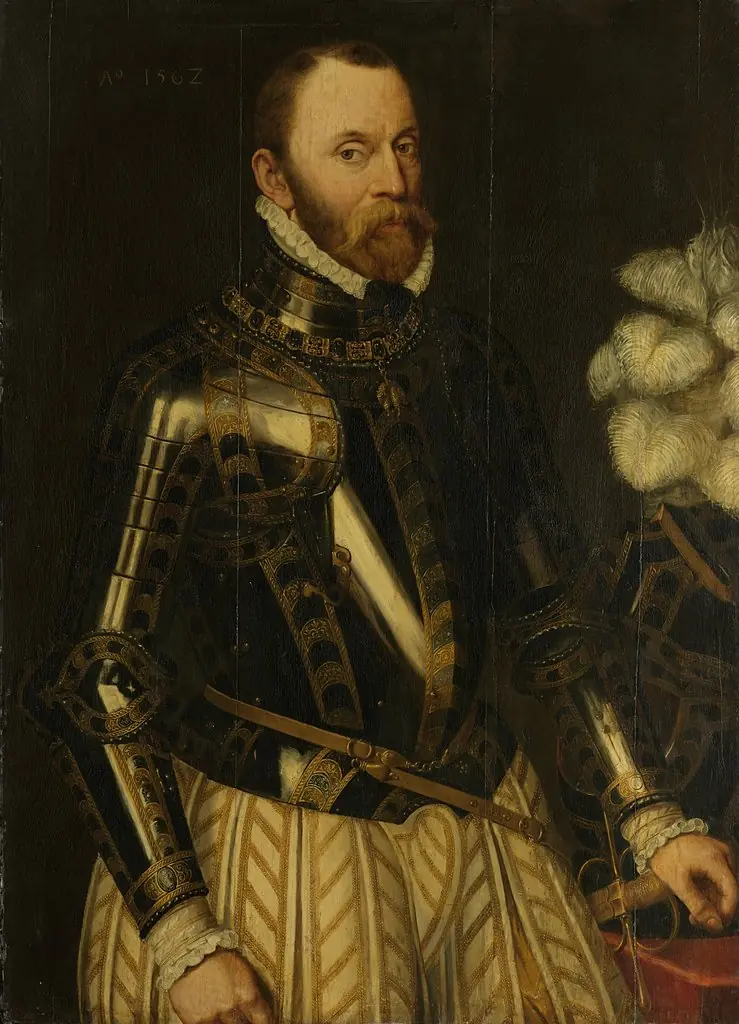 Philippe de Montmorency
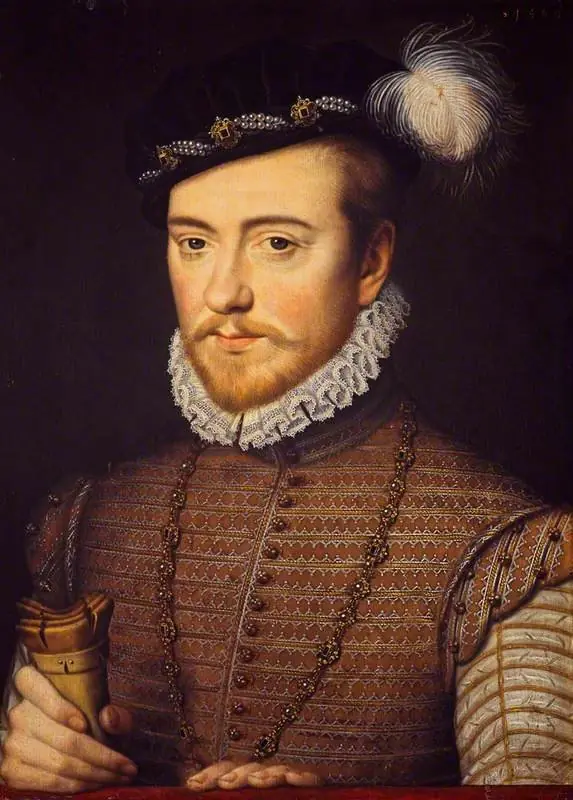 Portrait of a Man (said to be the Duc d'Alençon)
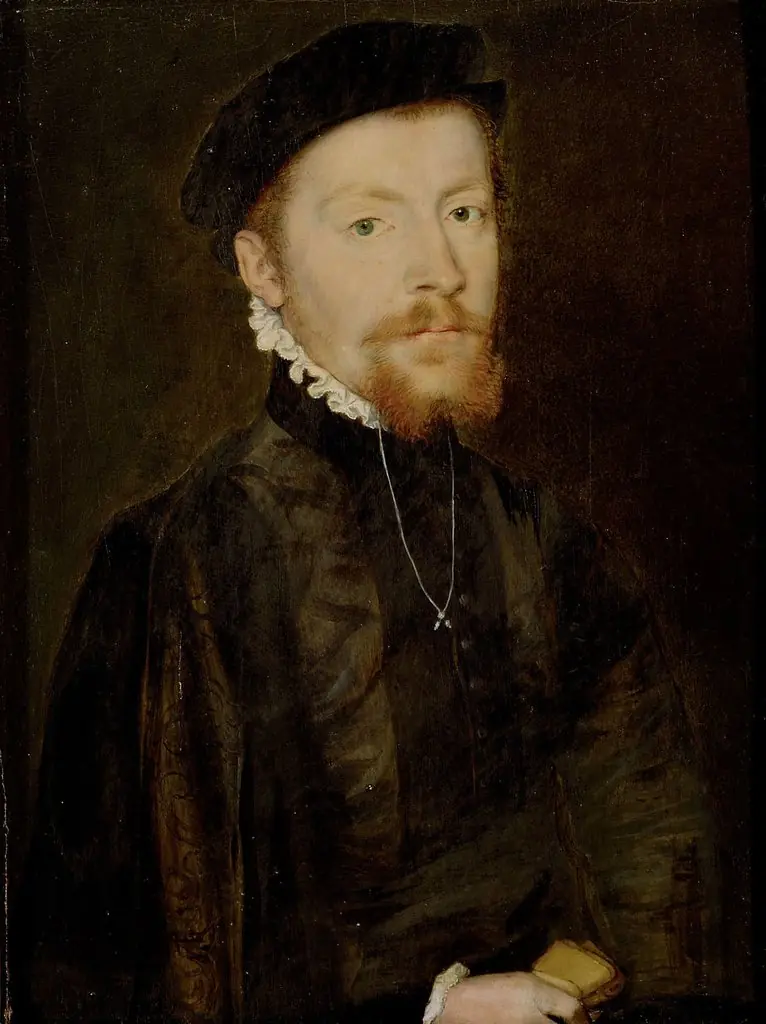 Rotbärtiger Mann
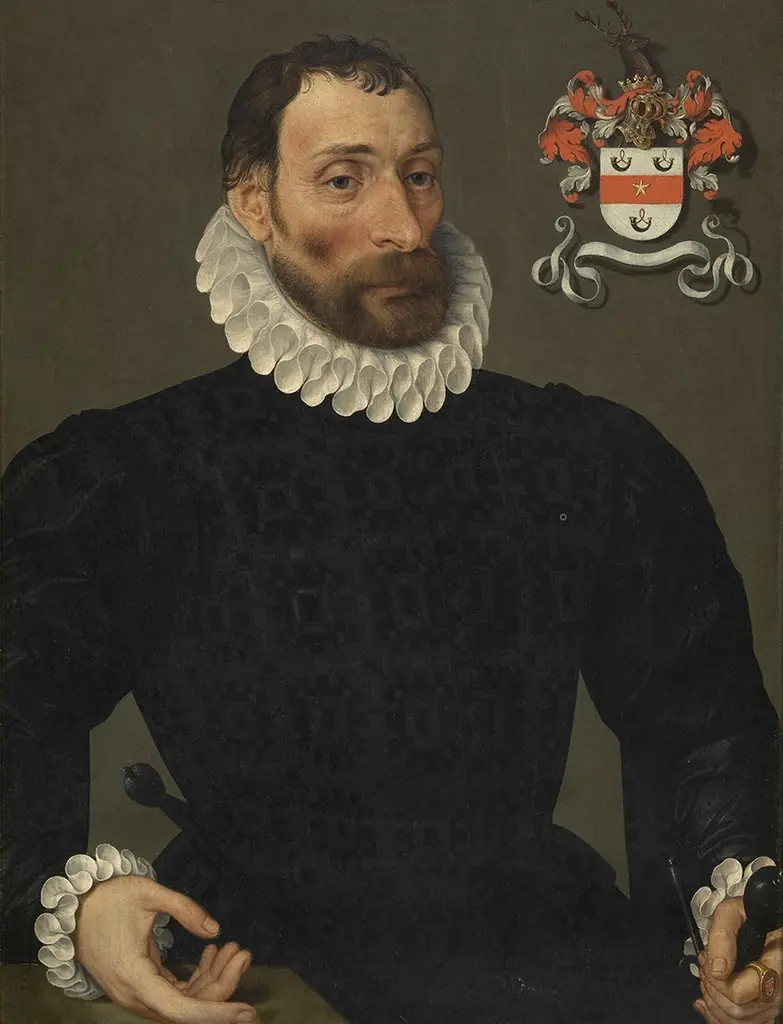 Portrait of Jan Wyts
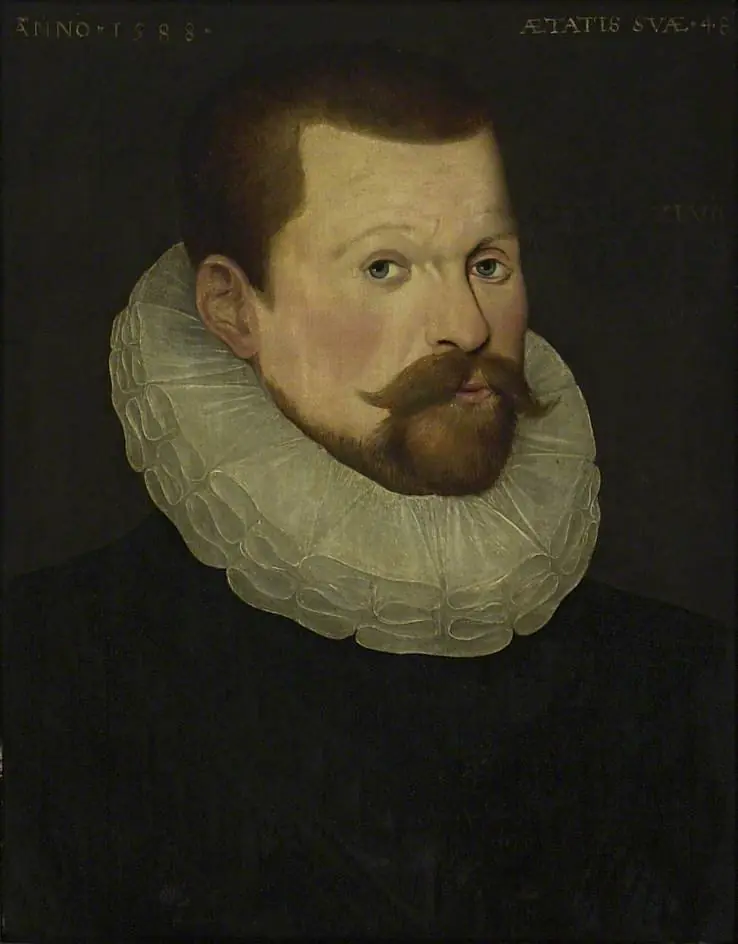 Portrait of a Man, called Sir Francis Drake
 Portrait of a Man, called the Duc d'Alençon