Artwork
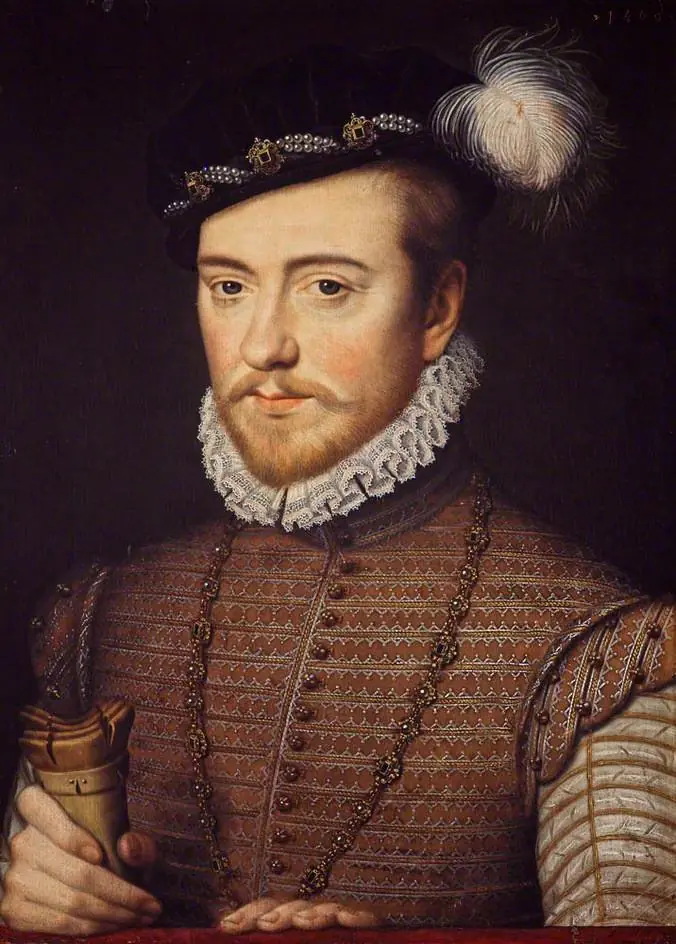
Portrait of a Man (said to be the Duc d'Alençon)
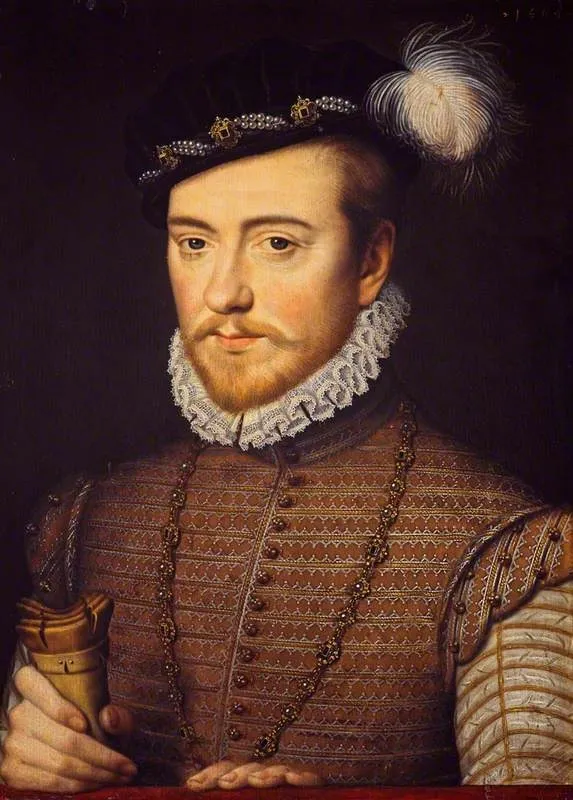
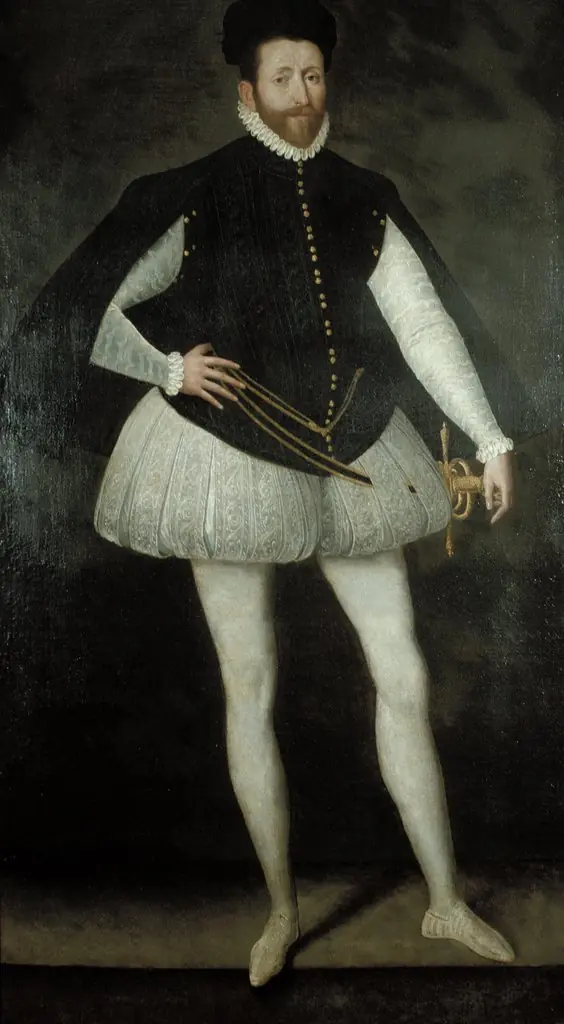
Portrait of a Man (said to be the Duc d'Alençon) is an oil painting by the Mannerist artist François Clouet. It dates from 1569 and is held in the collection of the Scottish National Gallery.
About this work
Overview
Portrait of a Man (said to be the Duc d'Alençon) is a 1569 oil painting by François Clouet, a prominent French court portraitist. The work captures the likeness of a nobleman, likely from the French aristocracy, with characteristic mannerist refinement.
Subject & Meaning
The subject, possibly the Duc d'Alençon, is portrayed in formal 16th-century attire, conveying his aristocratic status. His gentle gaze and poised demeanor suggest a emphasis on dignity and subtle elegance rather than overt display of power.
Technique & Style
Clouet employs mannerist techniques, including delicate modeling, polished surfaces, and a deep black background to accentuate the subject's features. The overall style is marked by understated refinement and precision, typical of Clouet's court portraits.
History & Provenance
Created in 1569, the painting is now part of the collection at the Scottish National Gallery. Its provenance prior to this is not detailed here, though it is known to have been part of the French court's artistic circle during Clouet's tenure.
Context
As the son of Jean Clouet, François succeeded his father as a leading court portraitist, catering to the French nobility's desire for precise and elegant representations. This portrait reflects the artistic preferences of the French court during the mannerist period.
Artist & collection
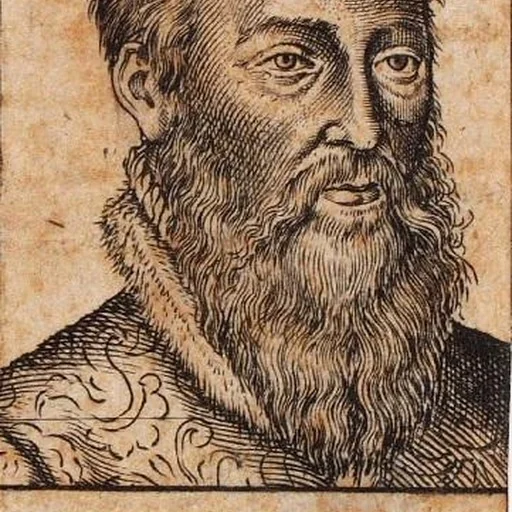
Artist
François Clouet spent his life in the royal court of France, painting the rich and powerful in the mid-1500s.

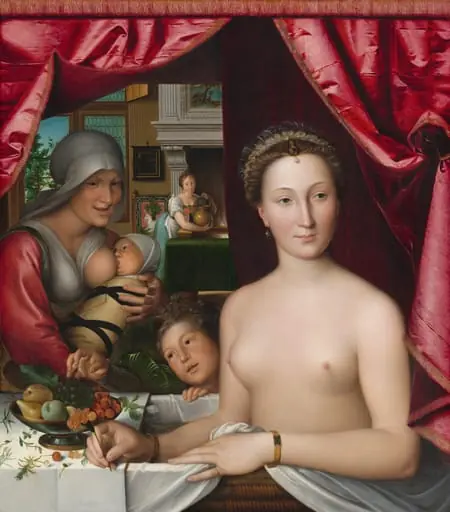
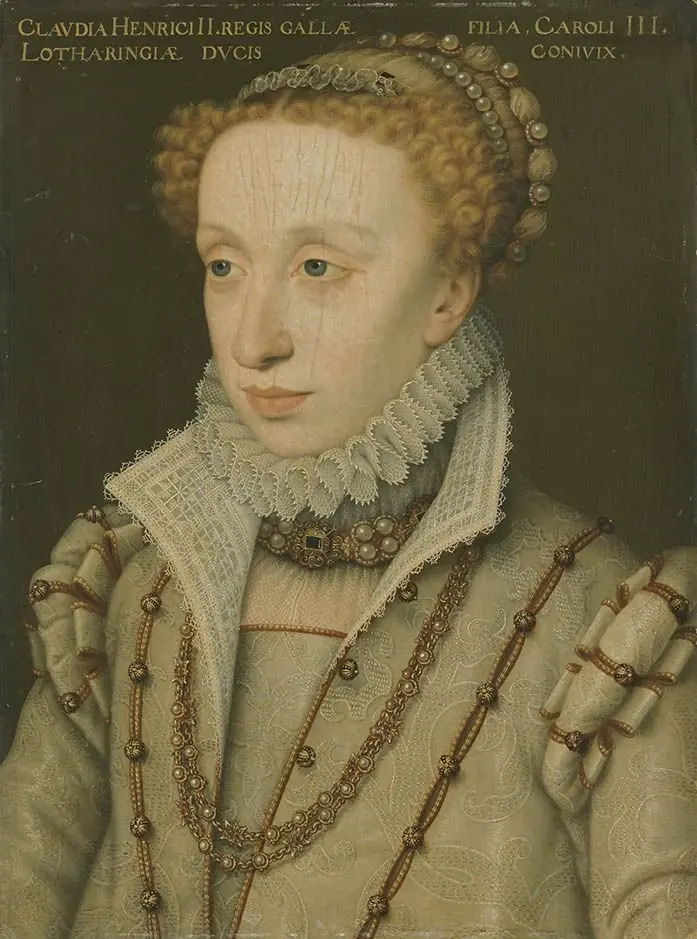
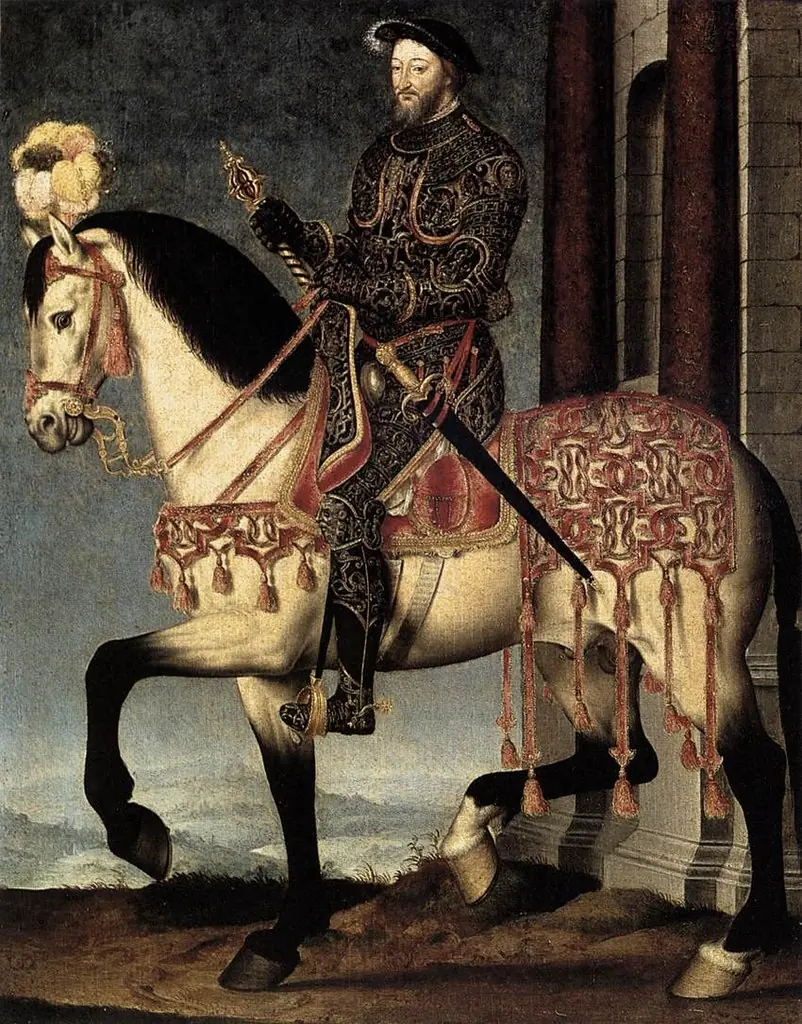
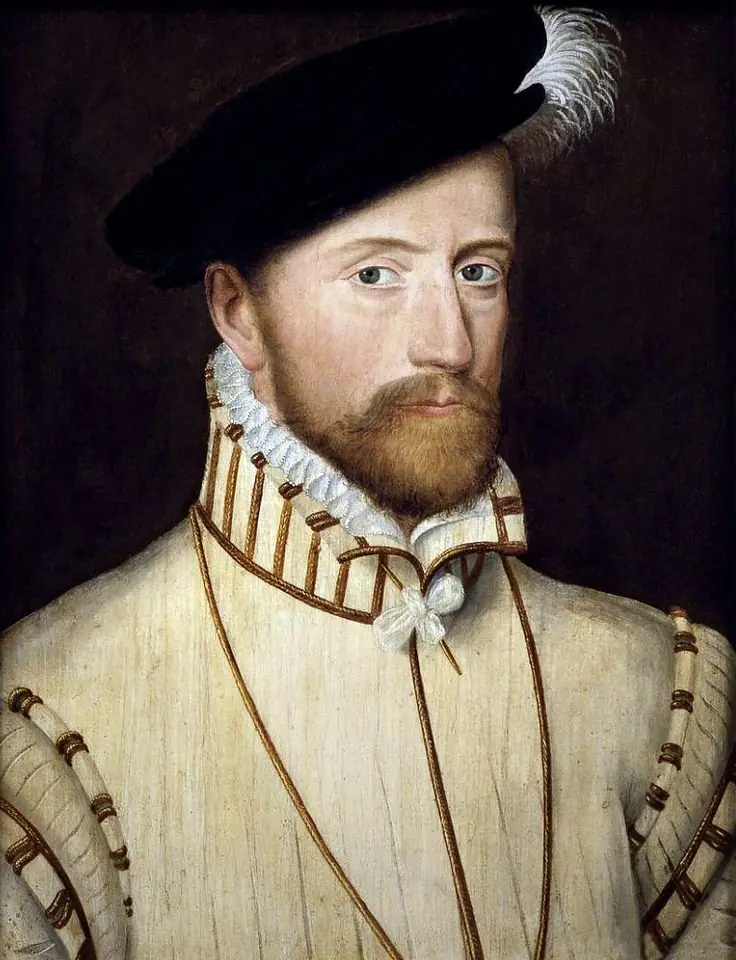 Jacques d'Albon, seigneur de Saint-André (ca. 1505-1562), Marschall von Frankreich
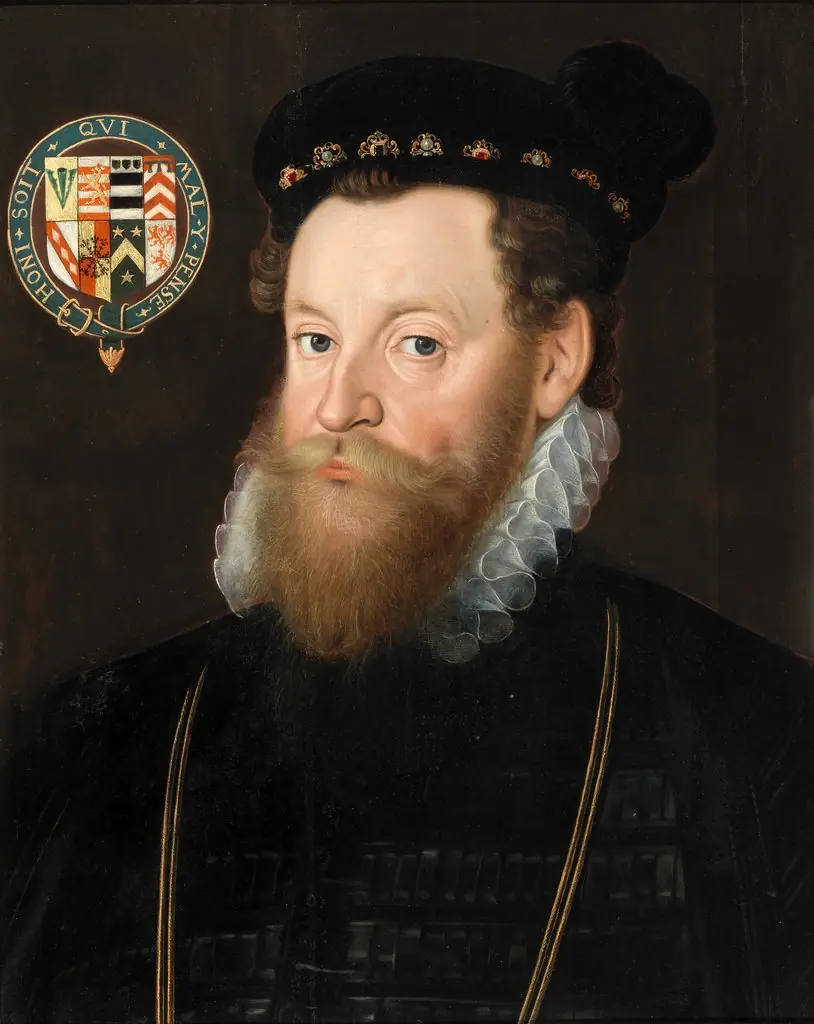 Portrait of Sir Henry Sidney (1529-1586), Lord Deputy of Ireland
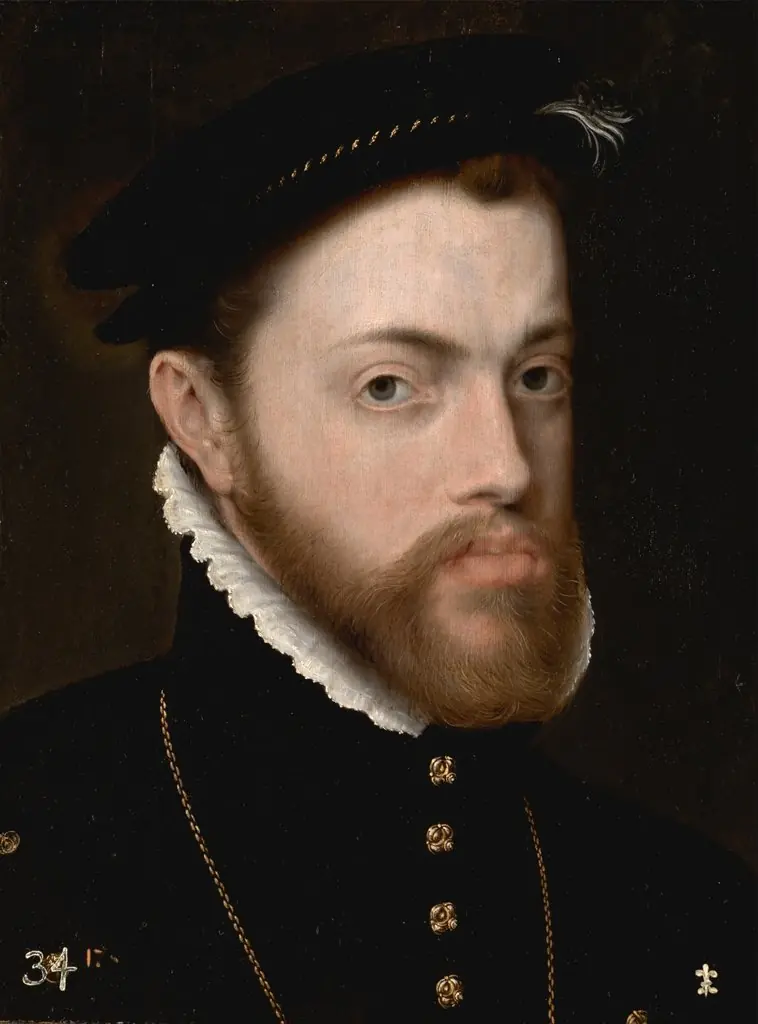 Philip II
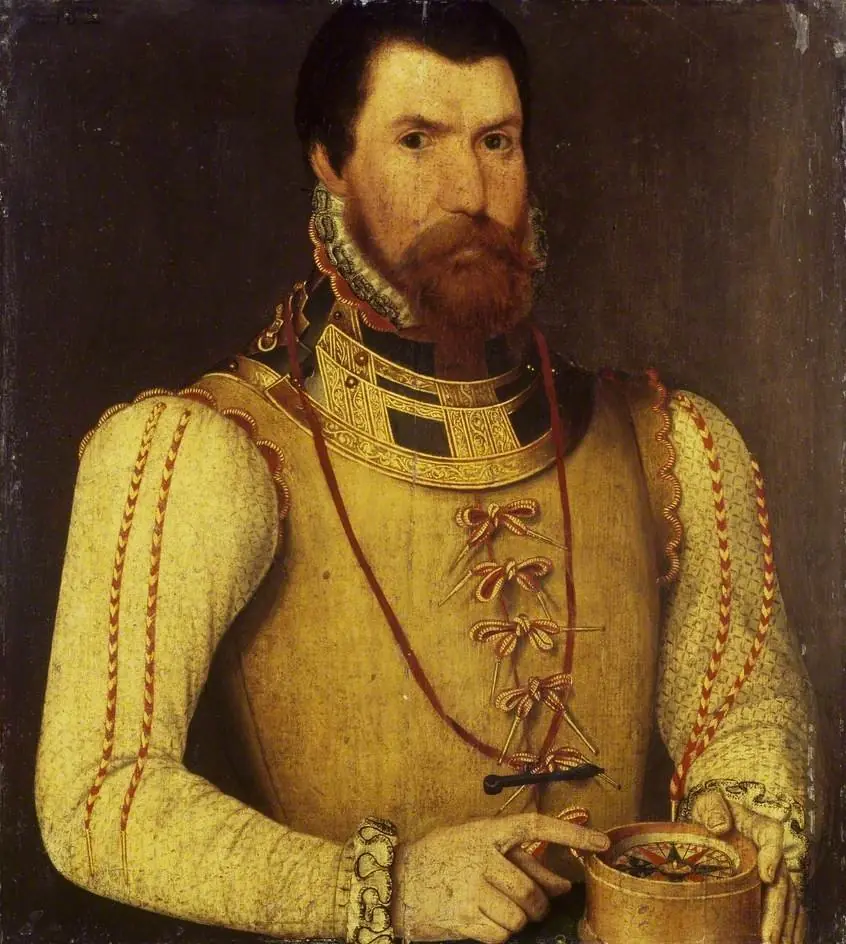 Edward Fiennes de Clinton, Later 1st Earl of Lincoln
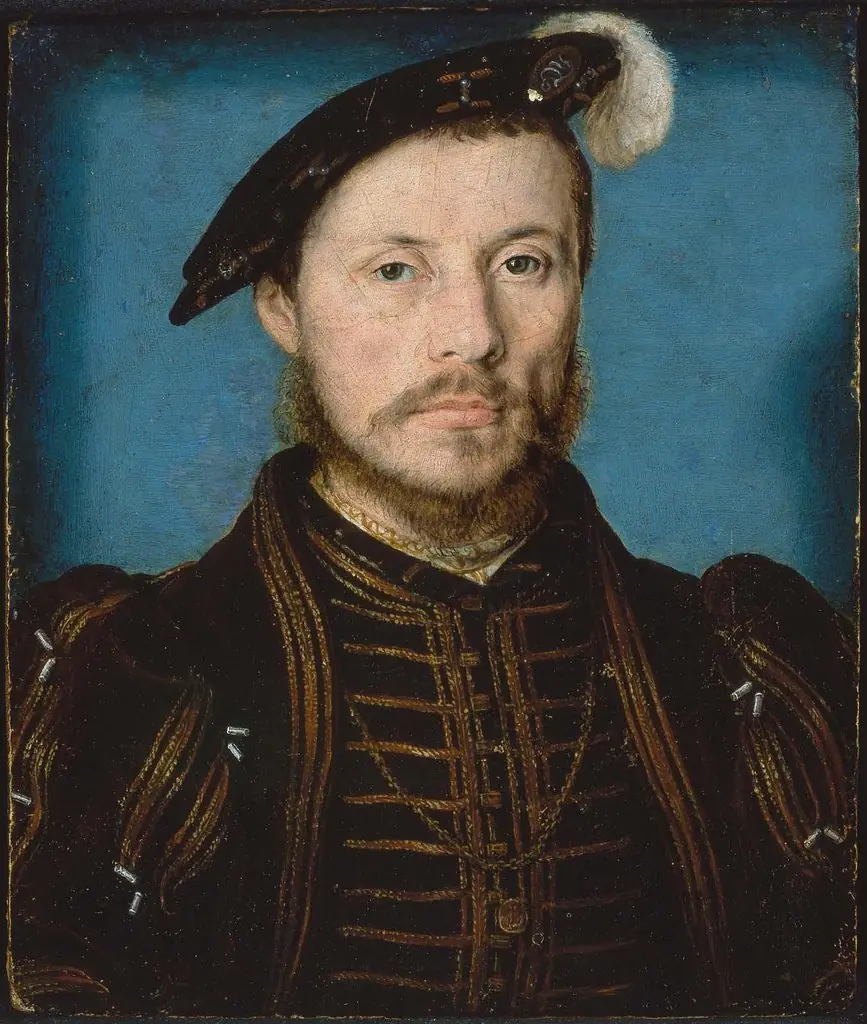 Portrait of a Man, identified as Anne de Montmorency (1493 - 1567)
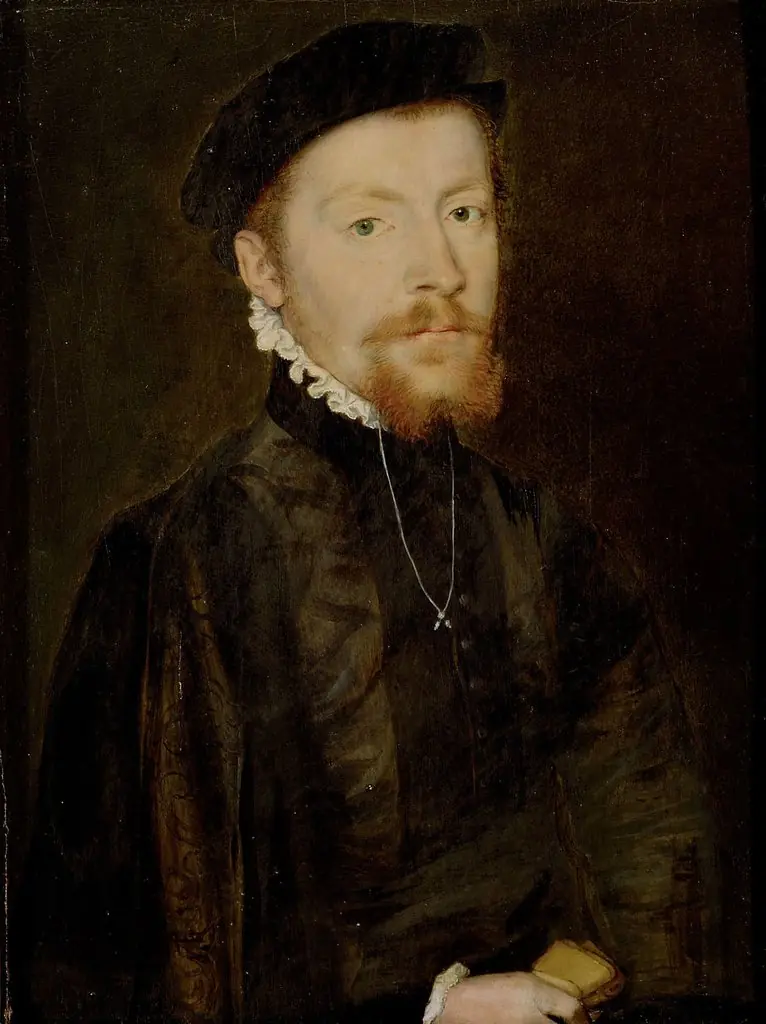 Rotbärtiger Mann
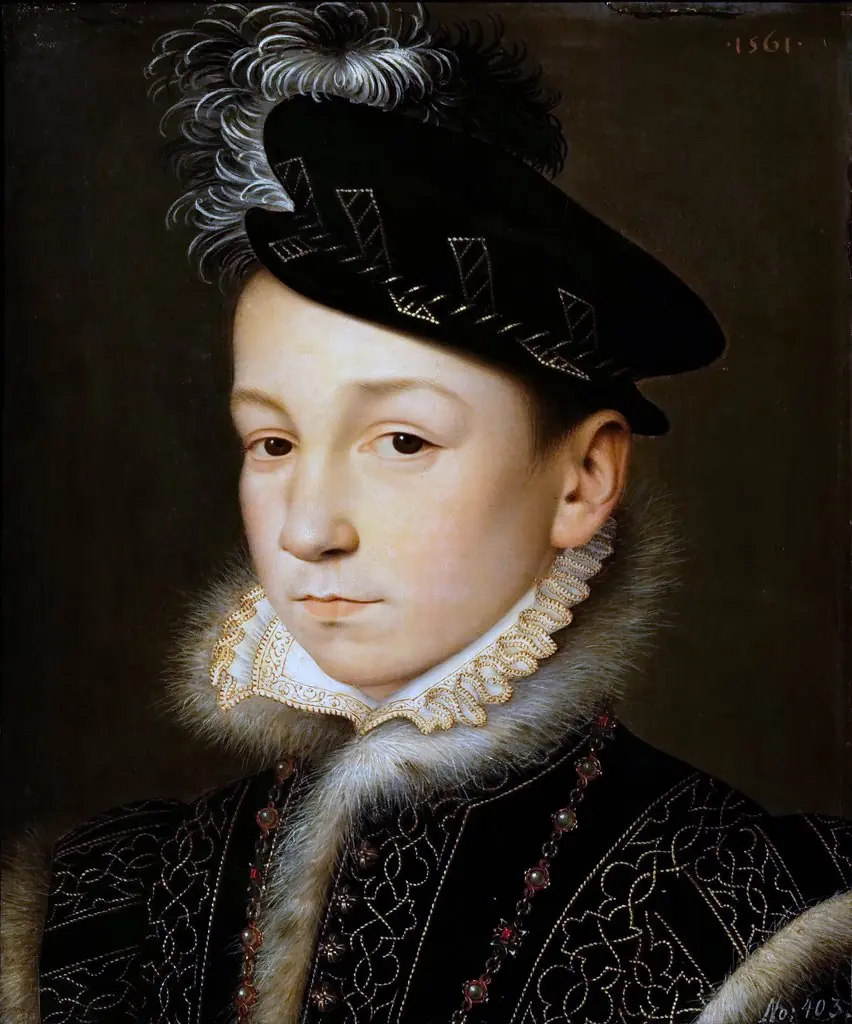
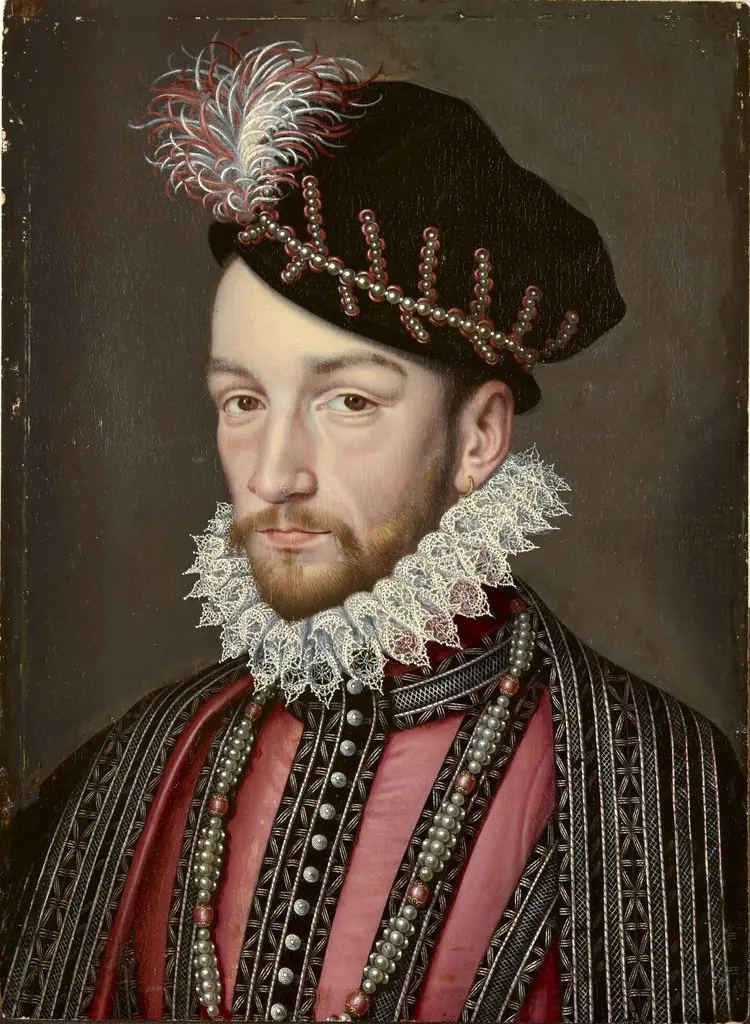 Charles IX, roi de France (1550-1574)
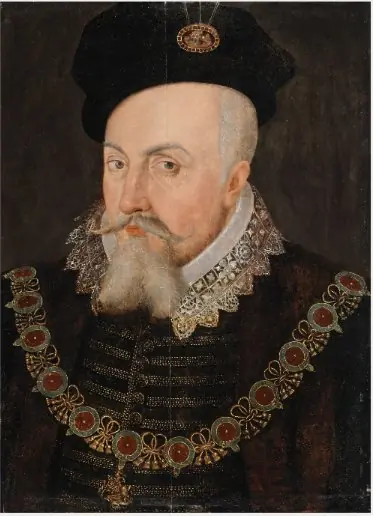 Portrait of Robert Dudley (?1532-1588) Earl of Leicester
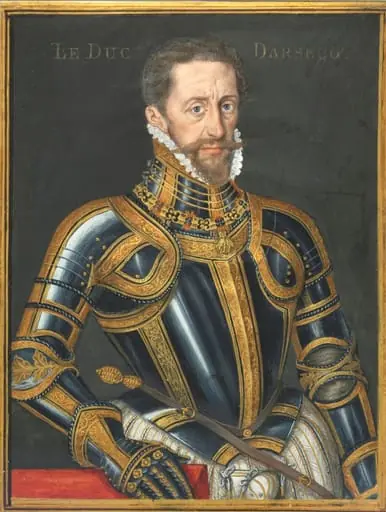 Portrait of Philippe de Croy, Duke of Aerschot
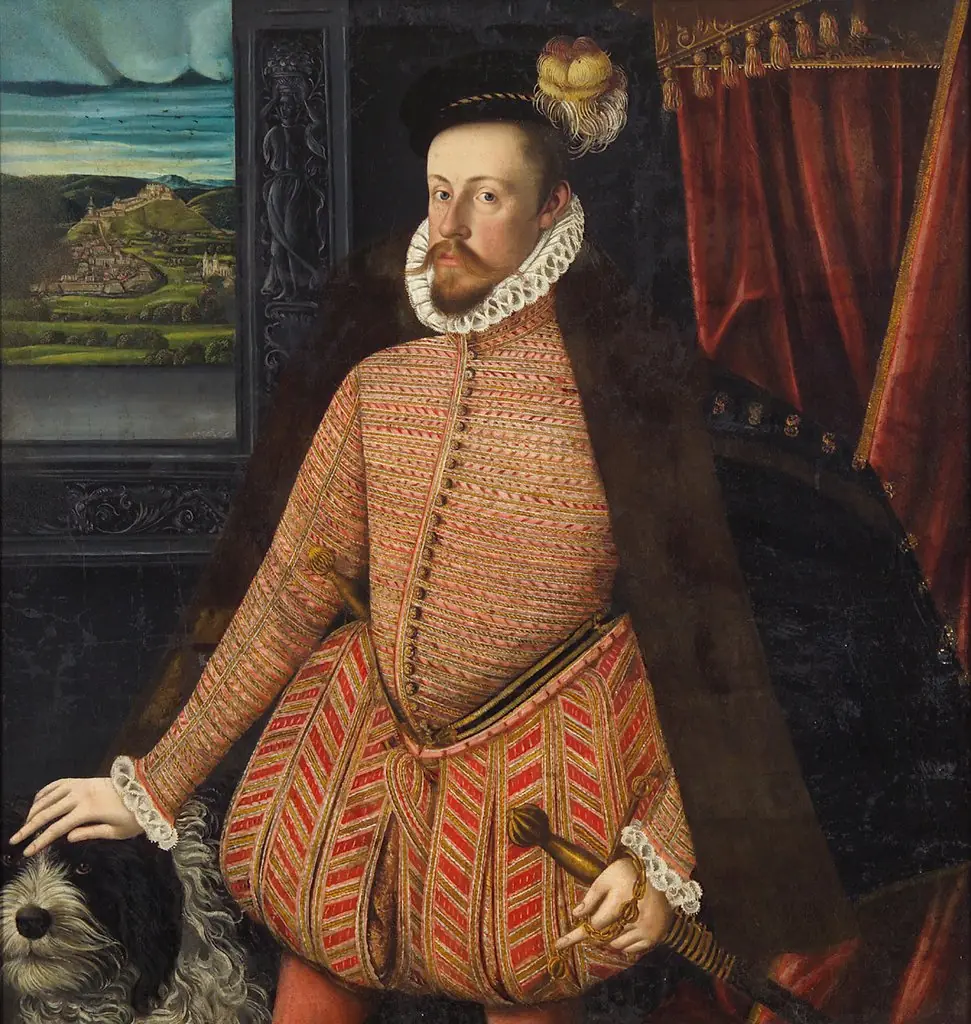 Erzherzog Karl II. (1540-1590) mit dem Blick auf Graz, Kniestück