Artwork
The Martyrdom of St Ursula and the Eleven Thousand Maidens
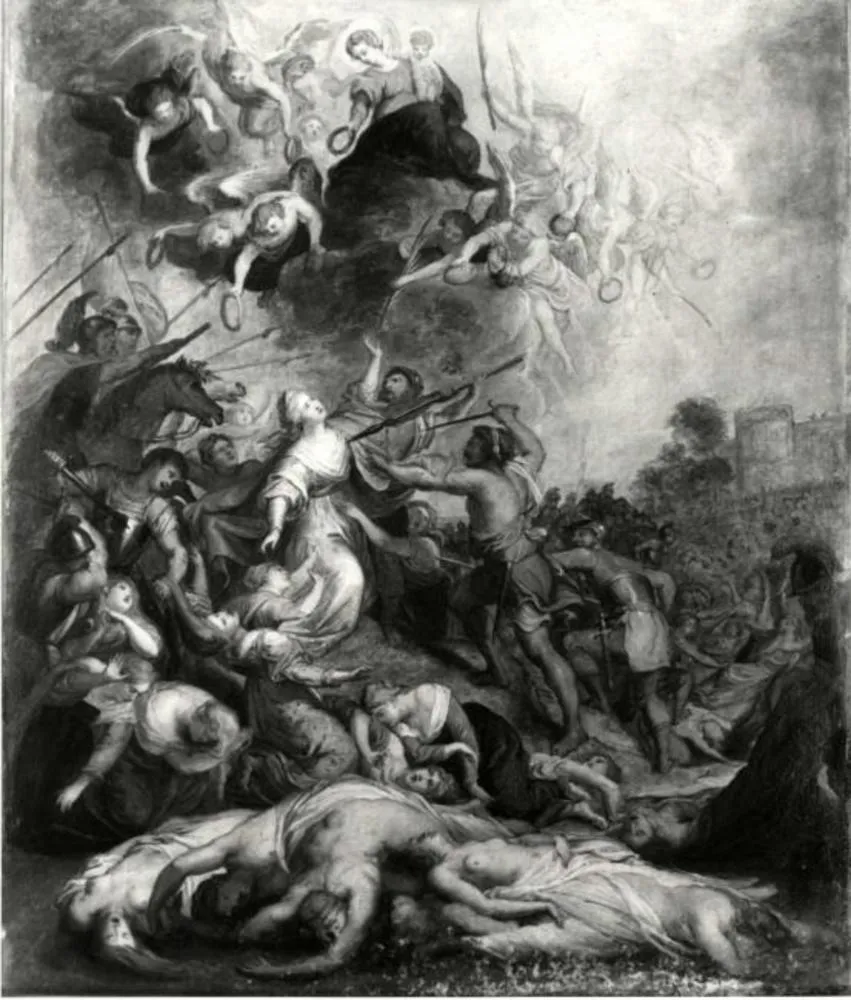
The Martyrdom of St Ursula and the Eleven Thousand Maidens is an oil painting by the Flemish Baroque painting artist Unknown. It dates from 1659 and is held in the collection of the Museum of Fine Arts, Budapest. This copper painting depicts the violent death of Saint Ursula and her companions, traditionally said to be eleven thousand virgin martyrs.
About this work
Overview
This copper painting depicts the violent death of Saint Ursula and her companions, traditionally said to be eleven thousand virgin martyrs.
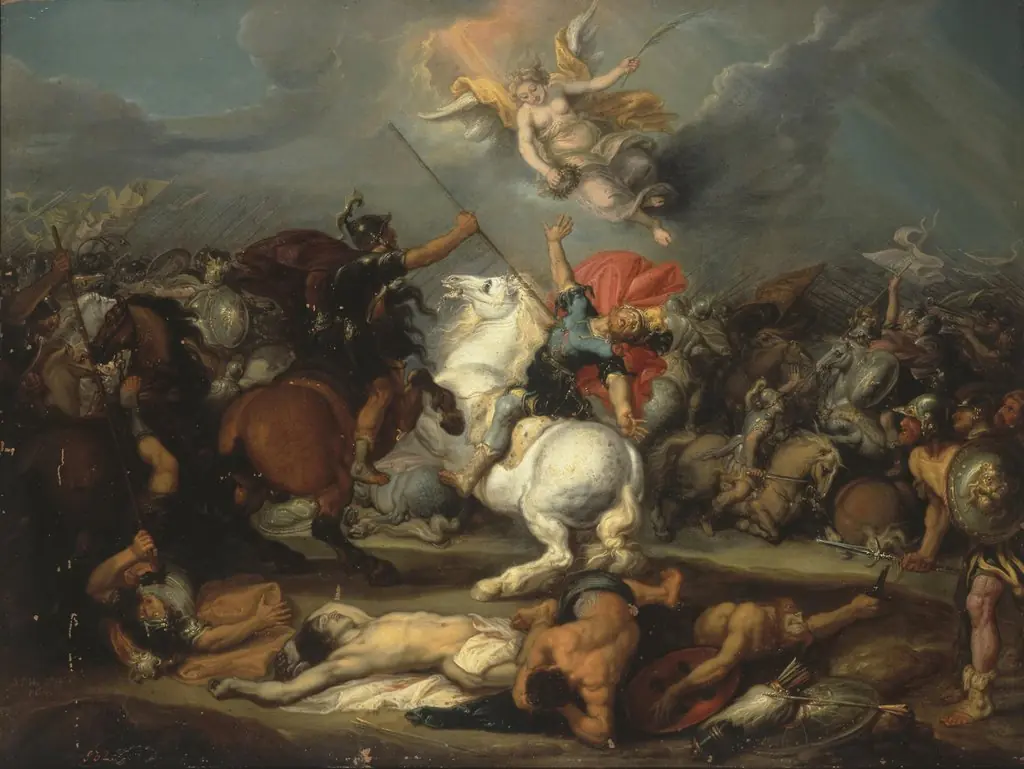
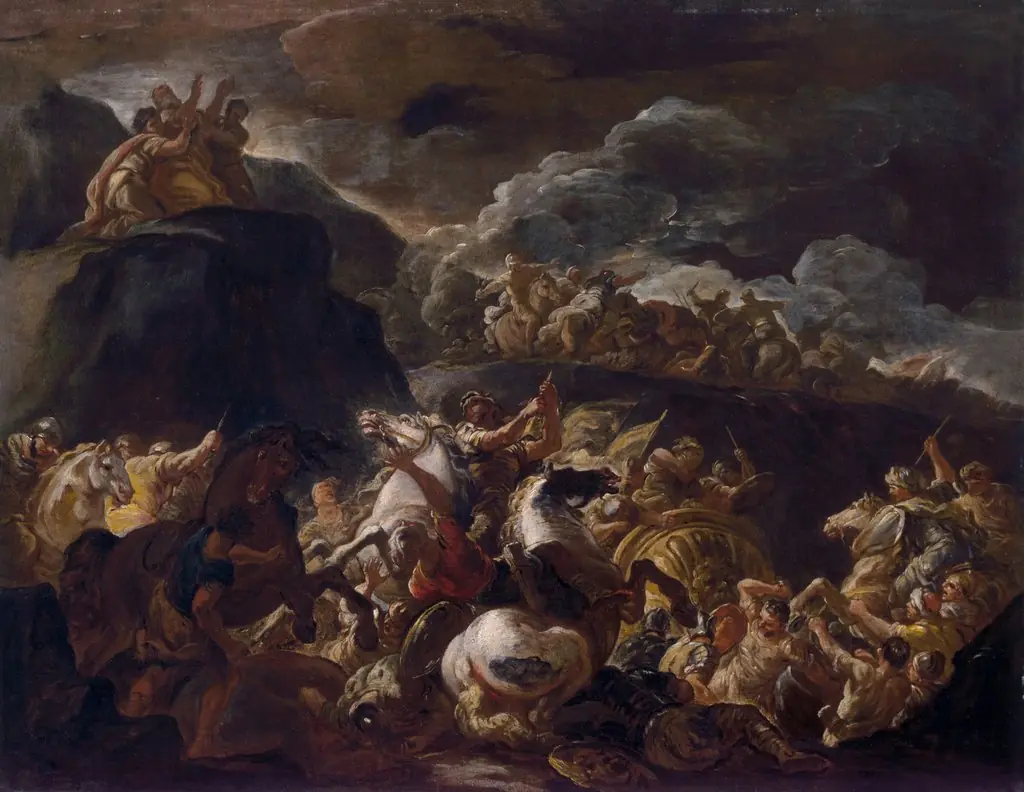
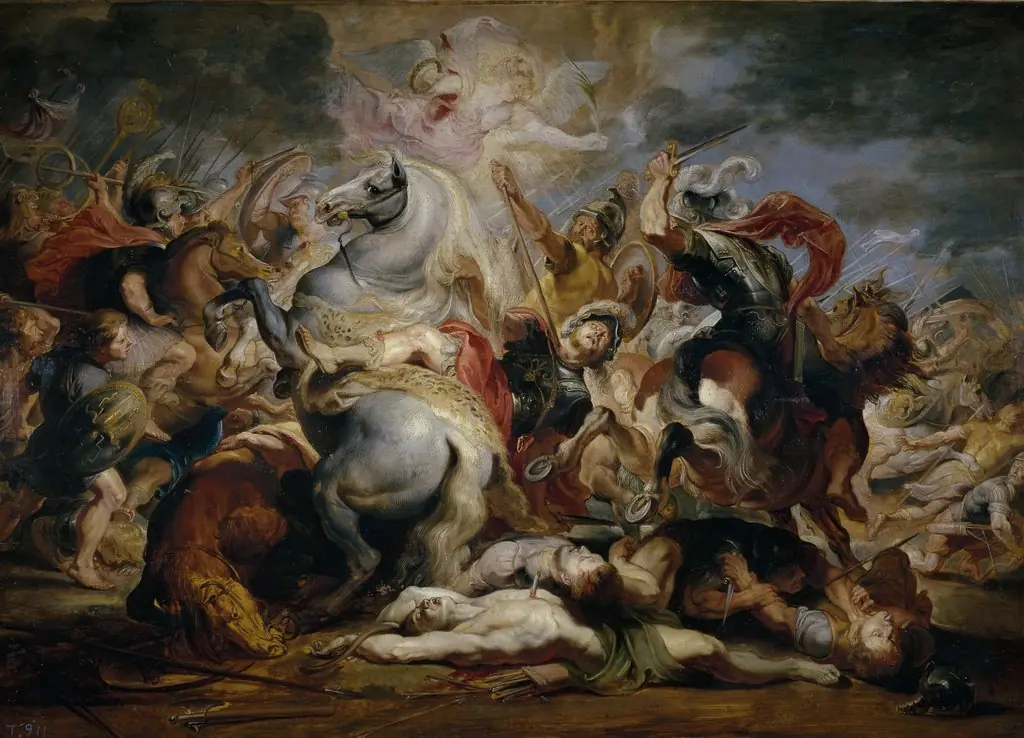
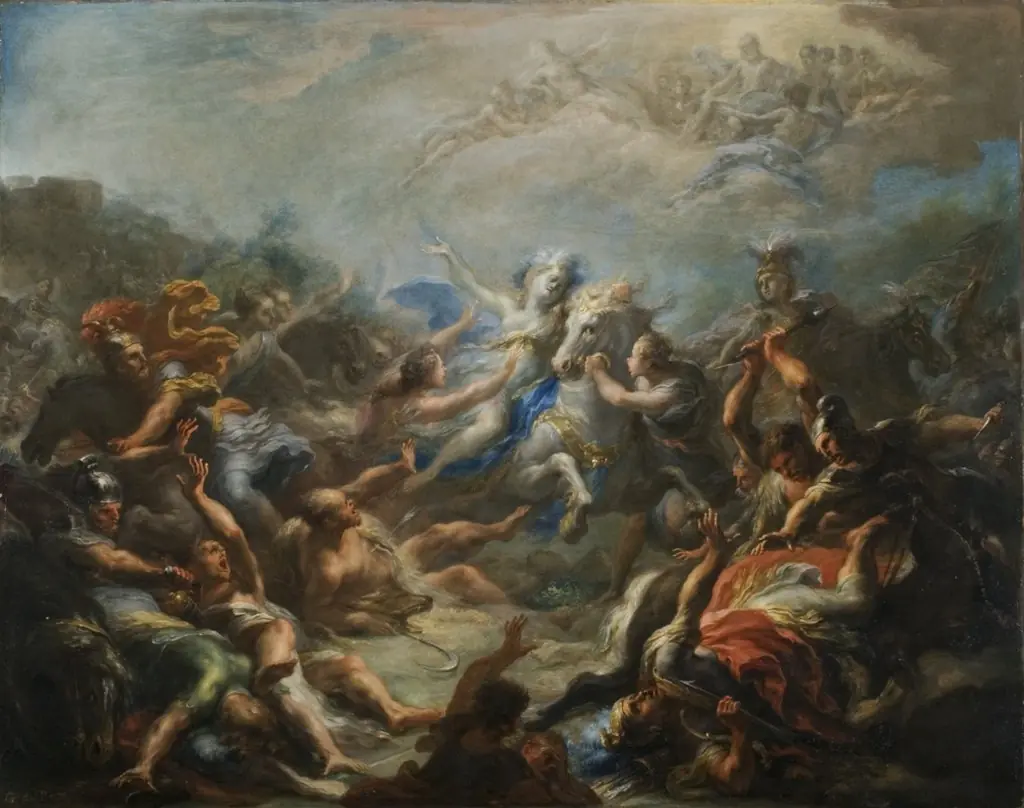
This copper painting depicts the violent death of Saint Ursula and her companions, traditionally said to be eleven thousand virgin martyrs. The composition is densely packed with figures, conveying chaos and urgency. Strong contrasts of light and shadow heighten the emotional intensity, drawing attention to the central figure in white amid the turmoil. The scene is rendered with a sense of immediacy, emphasizing the brutality of the moment rather than its spiritual transcendence.
Subject & Meaning
The painting illustrates the legendary martyrdom of Saint Ursula, a Christian princess who, according to medieval hagiography, was killed alongside her followers by Huns after refusing a pagan marriage. The central woman in white represents Ursula, while the armed figure in the background signifies the executioner. The presence of fallen bodies and partially clothed figures underscores the violence of their deaths, reinforcing the narrative of faith under persecution.
Technique & Style
Executed on copper, the surface allows for fine detail and luminous color. The artist employs chiaroscuro to model forms and direct the viewer’s gaze, with stark illumination falling on Ursula and the assailant. The crowded composition, with overlapping bodies and varied poses, suggests movement and panic. The rendering of flesh and fabric is precise, yet the overall effect remains raw and unidealized, prioritizing emotional impact over classical harmony.
History & Provenance
The painting likely dates to the late 16th or early 17th century, a period when martyrdom scenes remained popular in Catholic Europe. Its small scale and copper support suggest it was intended for private devotion or a collector’s cabinet. Though its early ownership is undocumented, its style aligns with Northern Mannerist or early Baroque workshops active in the Rhineland or Low Countries, regions with strong traditions of religious narrative painting.
Context
During the Counter-Reformation, images of martyrdom served as devotional tools, reinforcing Catholic ideals of sacrifice and steadfast faith. The legend of Ursula, though historically dubious, was widely accepted and depicted in art across Europe. This painting reflects the period’s fascination with visceral, emotionally charged religious scenes, designed to inspire piety through shock and empathy rather than serene contemplation.
Legacy
Though not widely exhibited today, the work exemplifies how religious narratives were rendered with psychological intensity in the early modern era. Its focus on physical suffering and crowded composition anticipates the dramatic style of Baroque painters. The painting survives as a testament to the enduring power of martyrdom stories in shaping visual culture, even when their historical basis was uncertain.
Artist & collection

 Domestic Scene
 Giacomo and Cardinal Marco, investing Andrea, Abbot of San Zeno, with his Benefice
 The Nymph of Fontainebleau
 Portrait of a Woman
 Madonna and Child with Saints in the Enclosed Garden
 Venus and Minerva
 Family Group of Four on Sofa
 Wall painting from Room H of the Villa of P. Fannius Synistor at Boscoreale