Artwork
Kuan-yin of One Thousand Arms and Eyes
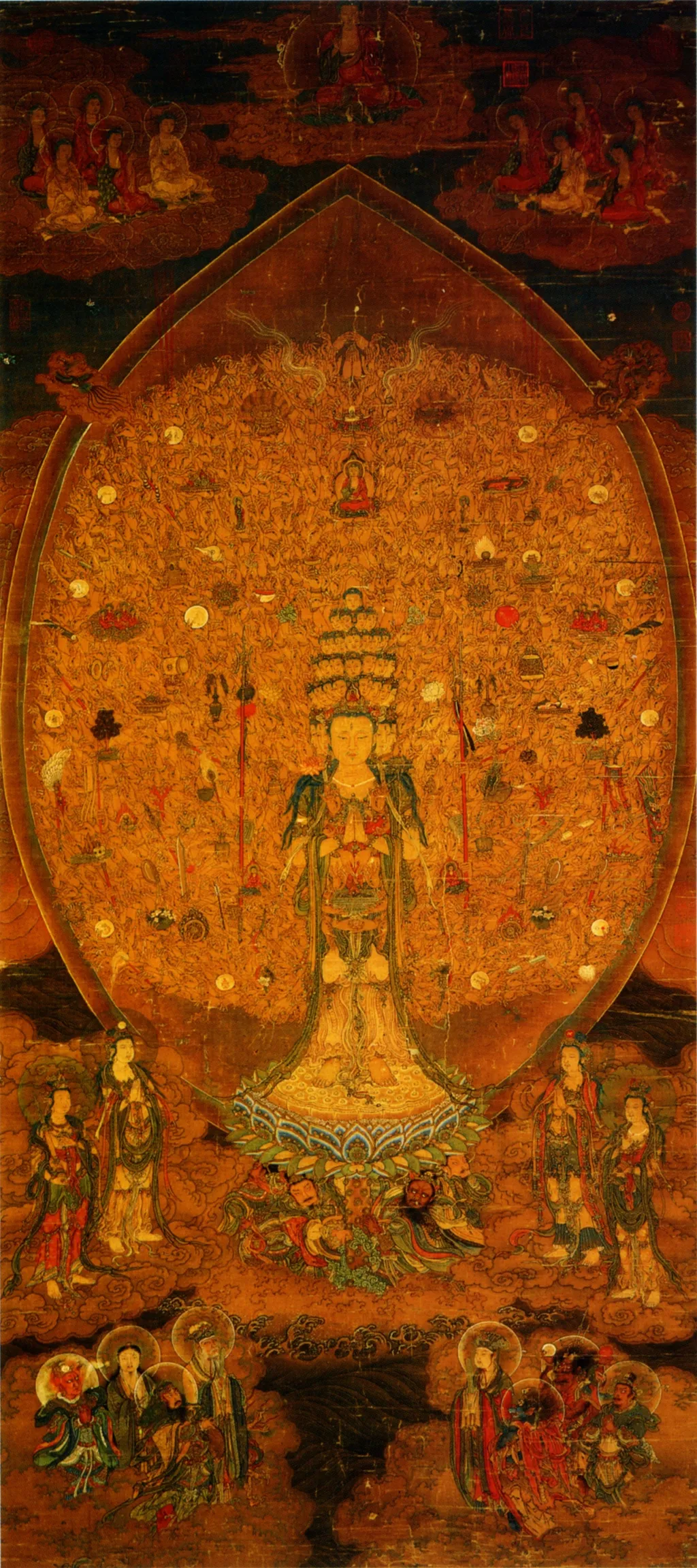
Kuan-yin of One Thousand Arms and Eyes is an unspecified painting by the Byzantine icon painting artist Unknown. It dates from 1150 and is held in the collection of the National Palace Museum. This painting depicts Kuan-yin, the Buddhist deity of compassion, in a distinctive form known as 'One Thousand Arms and Eyes'.
About this work
Overview
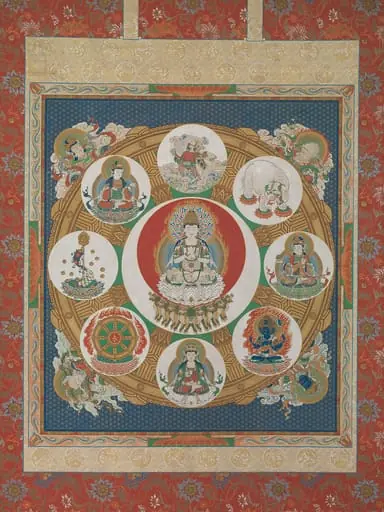
This painting depicts Kuan-yin, the Buddhist deity of compassion, in a distinctive form known as 'One Thousand Arms and Eyes'. The central figure is prominently displayed with a halo, surrounded by numerous smaller attendants.
Subject & Meaning
Kuan-yin's multitude of arms and eyes symbolize the deity's omnipresent capacity for compassion and observation. The serene expression and flowing robes convey a sense of serene benevolence, while the attendant figures in prayer poses underscore devotion and reverence.
Technique & Style
The painting is characterized by meticulous attention to detail and rich symbolic elements, reflecting a style that prioritizes intricacy and representational clarity. The overall composition balances complexity with visual harmony.
Context
The depiction of Kuan-yin in this form aligns with East Asian Buddhist iconographic traditions, where the deity's multifaceted representation emphasizes universal compassion and protection.
Artist & collection

 Domestic Scene
 Giacomo and Cardinal Marco, investing Andrea, Abbot of San Zeno, with his Benefice
 The Nymph of Fontainebleau
 Portrait of a Woman
 Madonna and Child with Saints in the Enclosed Garden
 Venus and Minerva
 Family Group of Four on Sofa
 Wall painting from Room H of the Villa of P. Fannius Synistor at Boscoreale
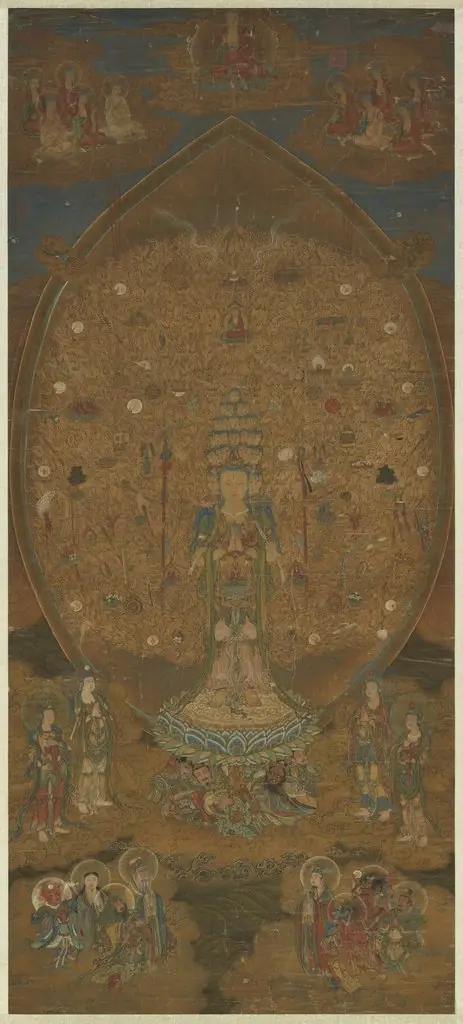 宋人畫千手千眼觀世音菩薩 軸
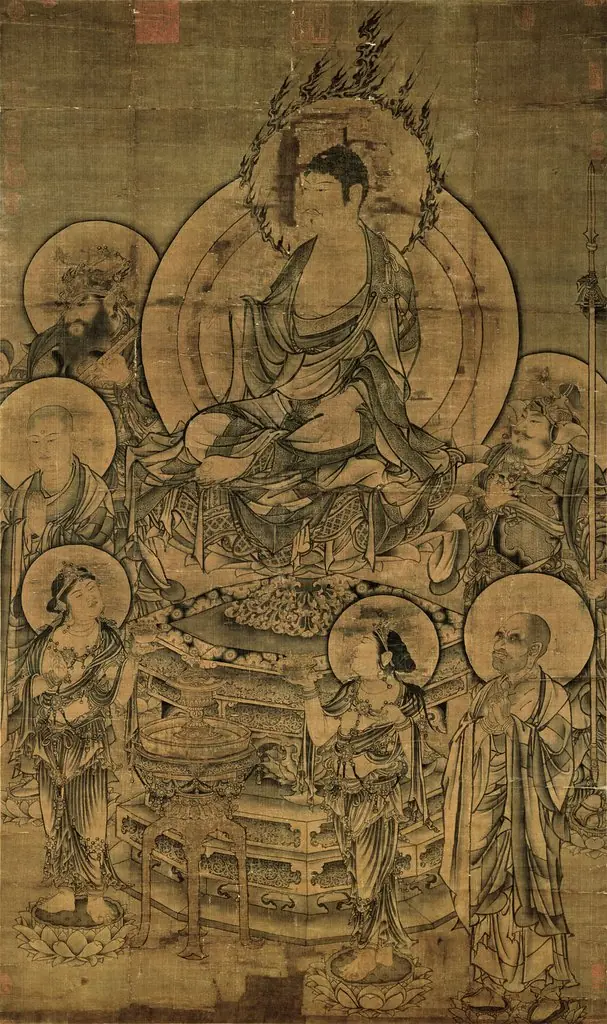 The Buddha Preaching the Law
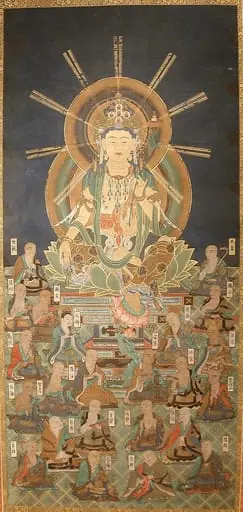 Untitled
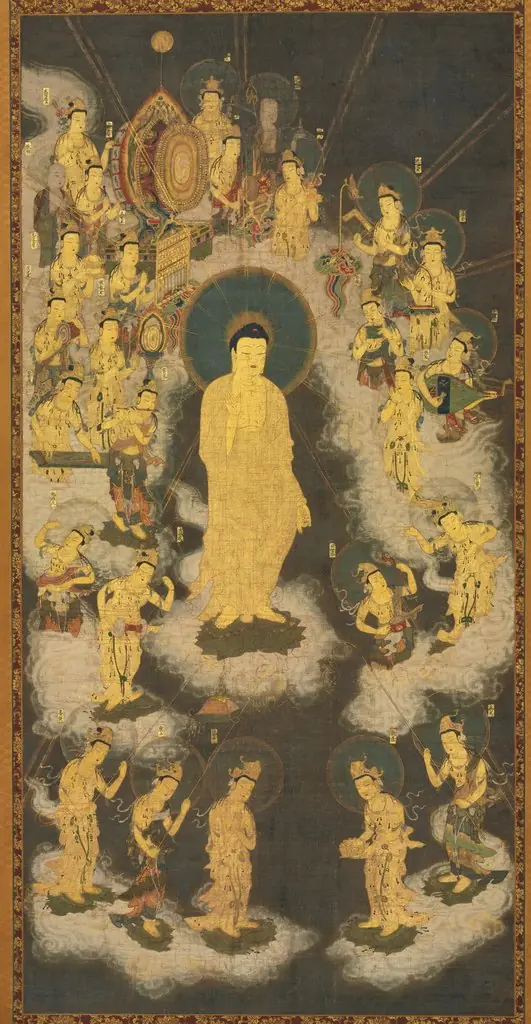 Welcoming Descent of Amida (Amida Raigō)
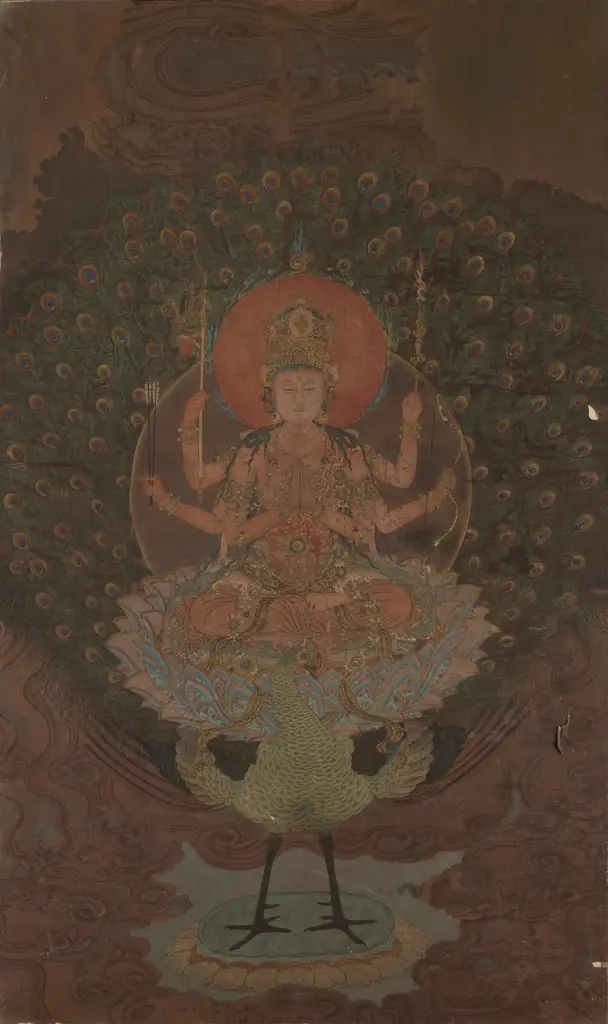 Mahamayuri (Kujaku Myoo)
 Untitled
 Untitled
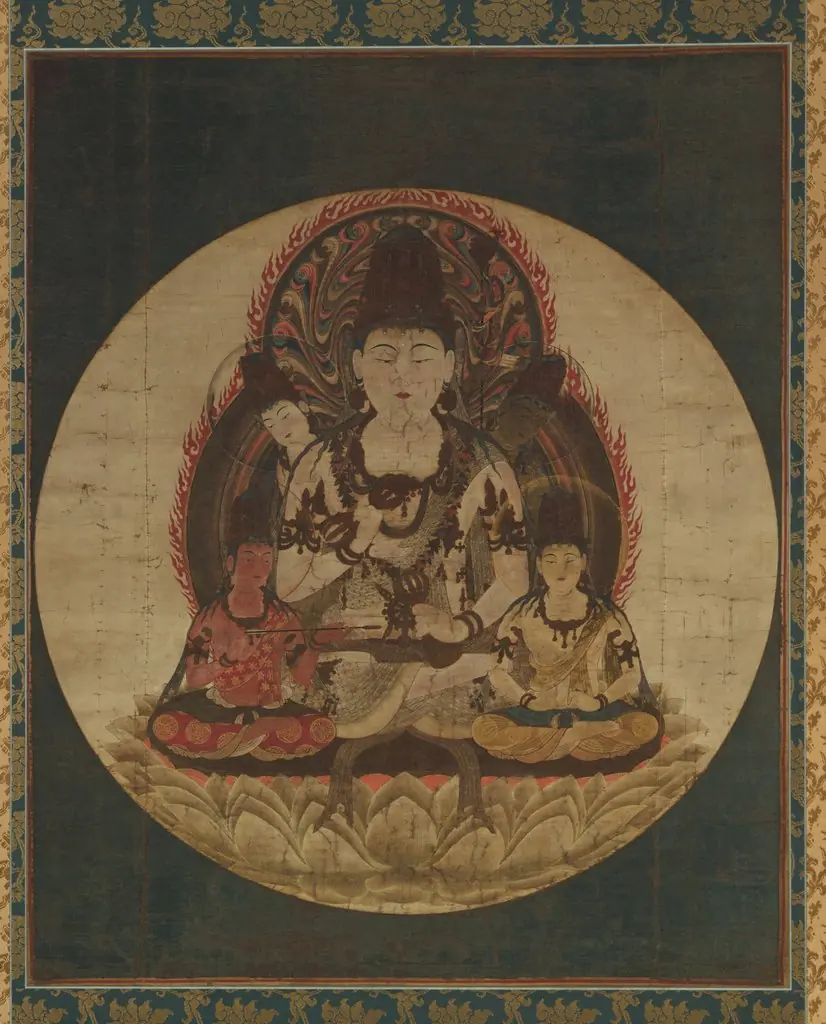 The Secret Five Bodhisattvas (Gohimitsu Bosatsu)
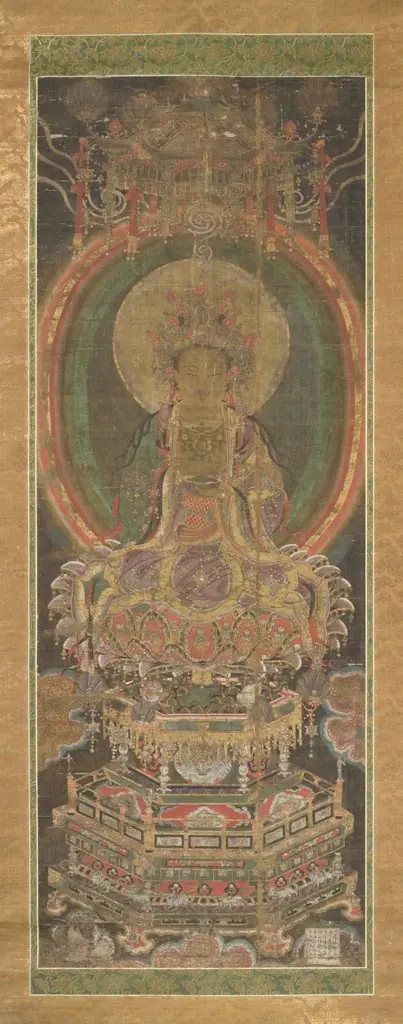 Avalokiteshvara (Guanyin), the Bodhisattva of Compassion
 Untitled
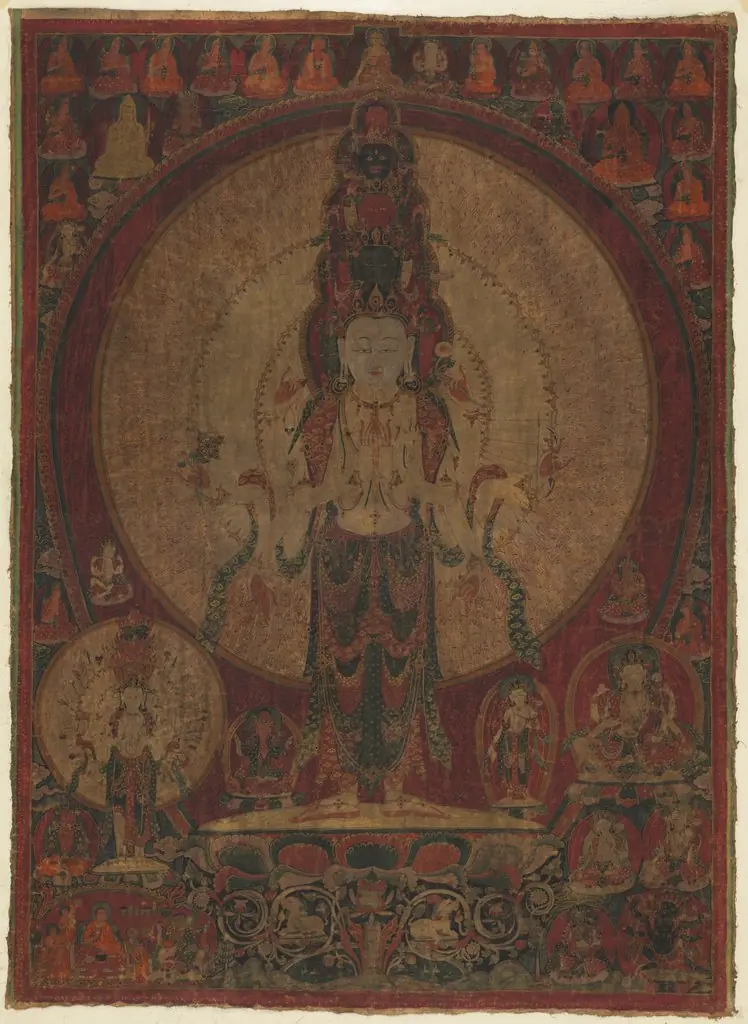 Eleven-Headed, Thousand-Armed Bodhisattva of Compassion (Avalokiteshvara)
 一字金輪曼荼羅|Mandala of the One-Syllable Golden Wheel