Artwork
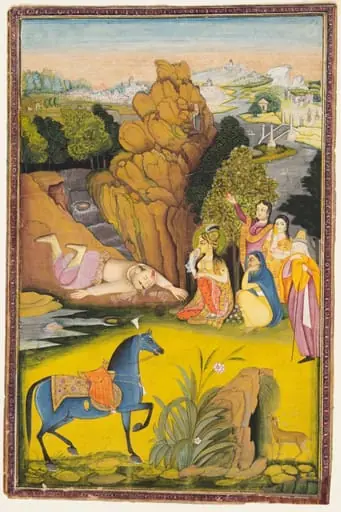
Fainted Laila and Majnun-Based on the Khamsa of Persian poet Nizami
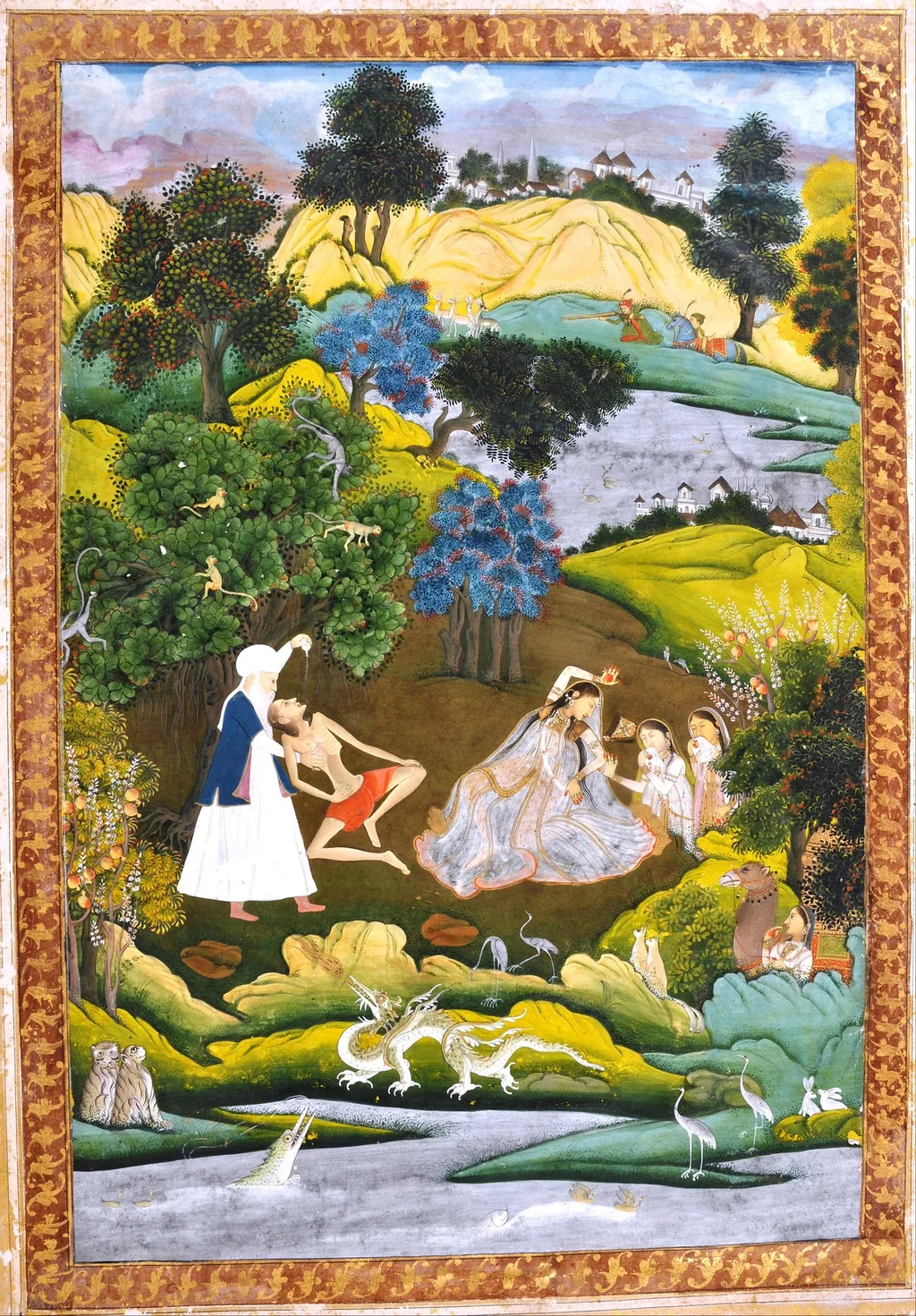
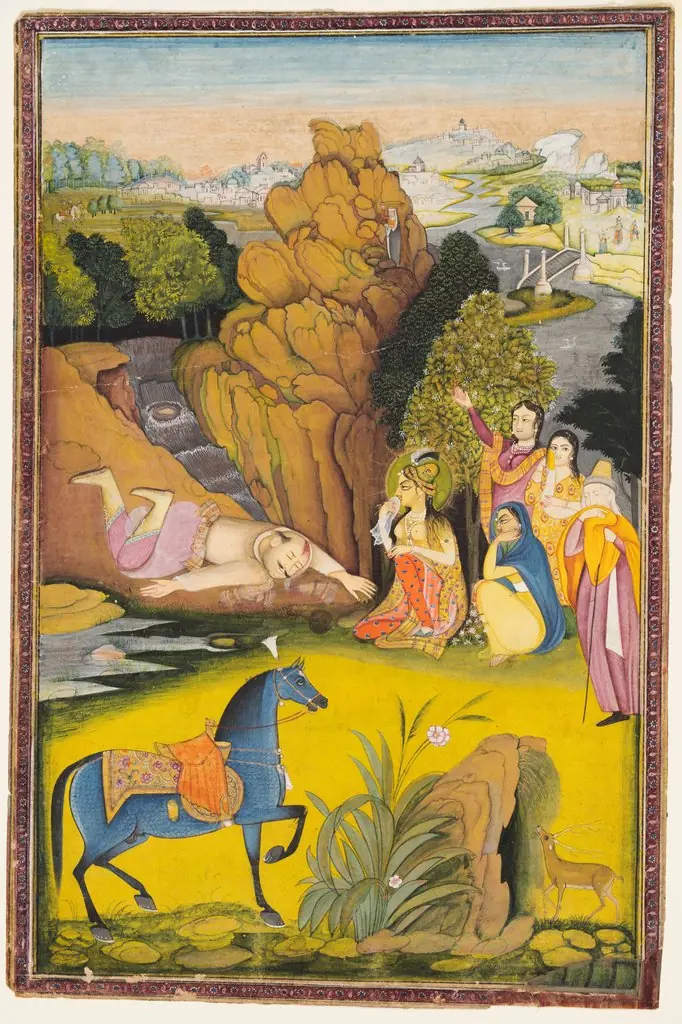
Fainted Laila and Majnun-Based on the Khamsa of Persian poet Nizami is an unspecified painting by the Persian Miniature artist Unknown. It dates from 1740 and is held in the collection of the National Museum. This Persian miniature painting illustrates a moment from the romantic tragedy of Laila and Majnun, drawn from Nizami’s Khamsa.
About this work
Overview
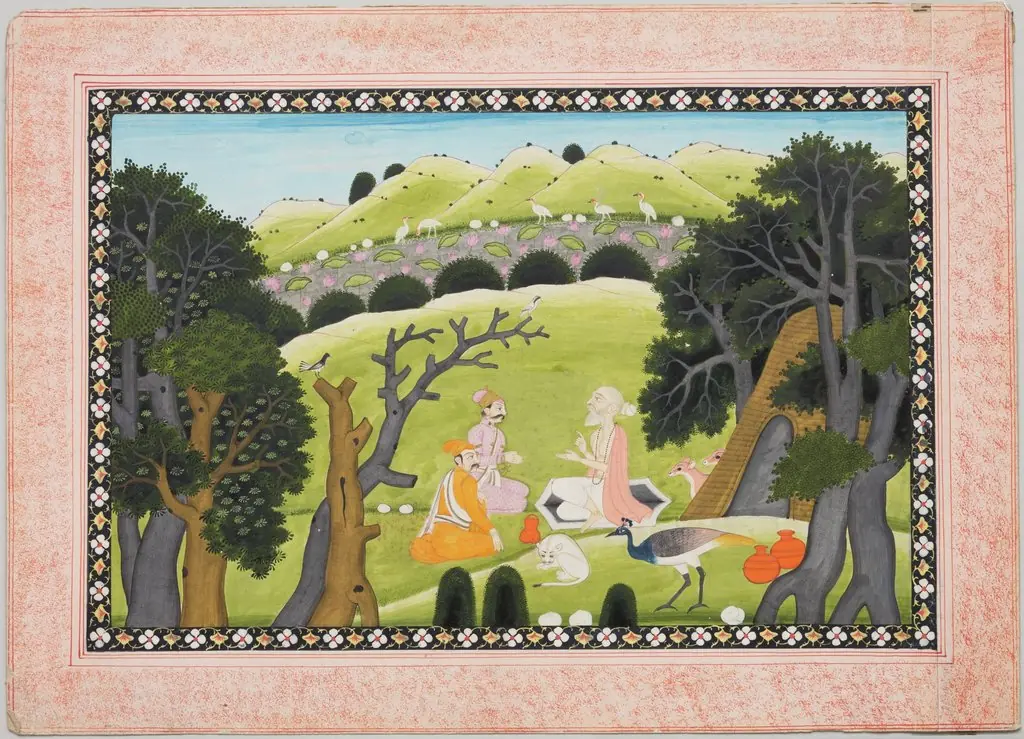
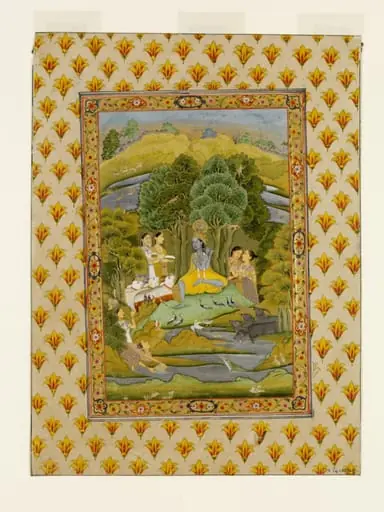
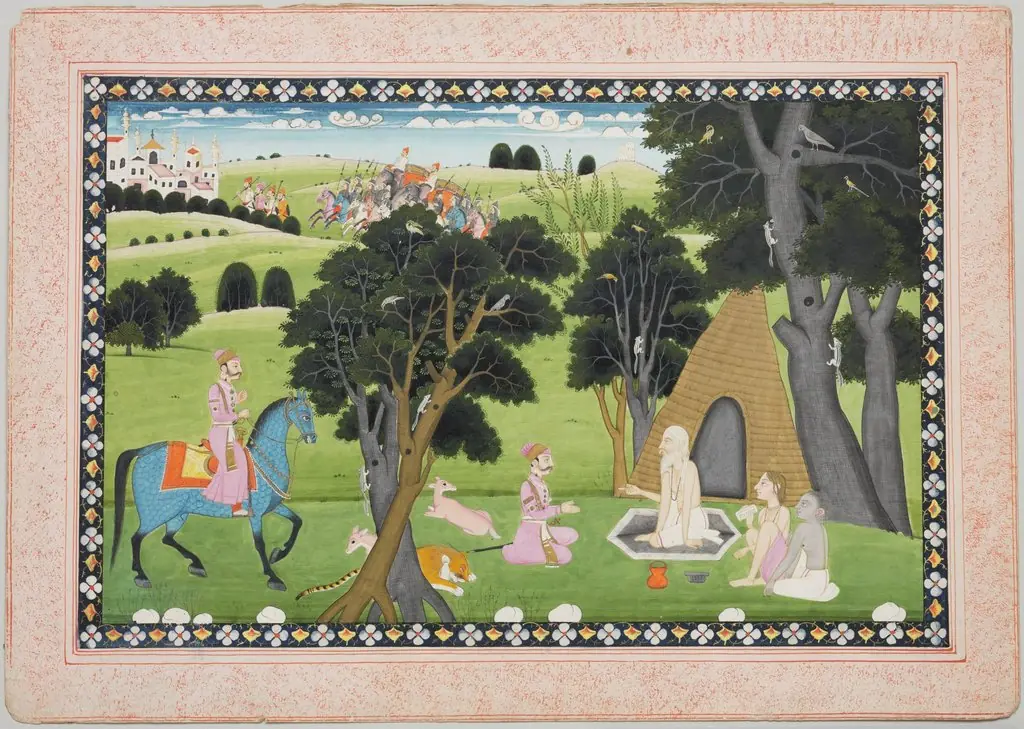
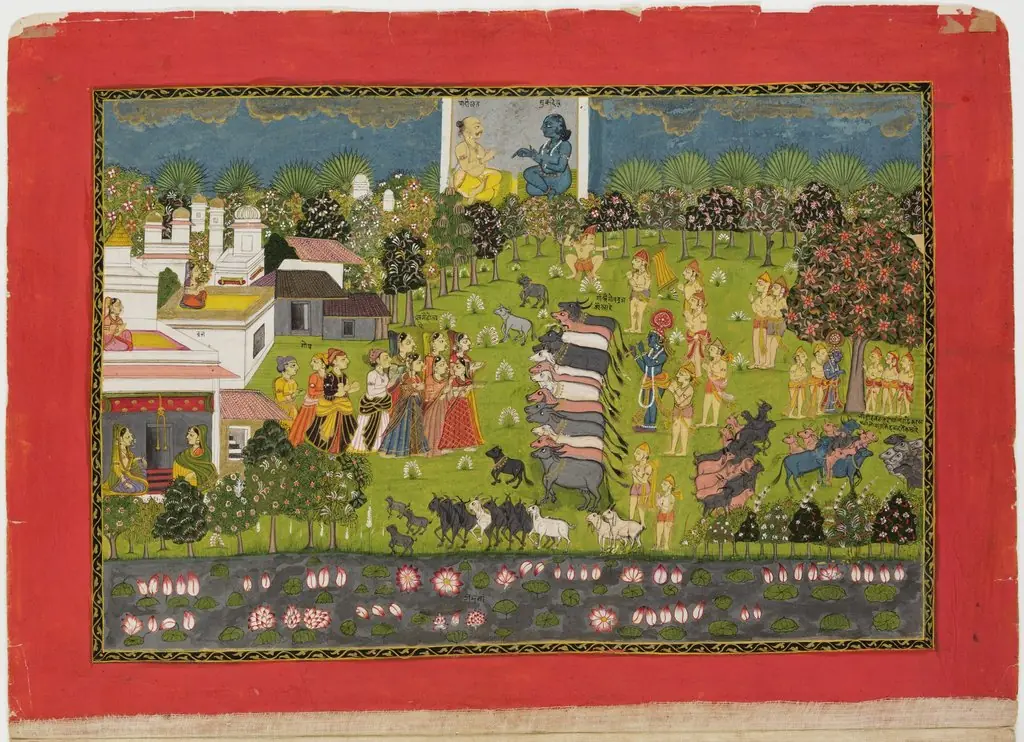
This Persian miniature painting illustrates a moment from the romantic tragedy of Laila and Majnun, drawn from Nizami’s Khamsa. Set within a densely detailed natural environment, the scene captures emotional collapse and compassionate intervention. The composition balances human figures with wildlife, creating a symbolic landscape where nature mirrors inner turmoil and tenderness.
Subject & Meaning
Their separation, central to the tale, is rendered not through confrontation but through stillness and physical distance.
The fallen woman, Laila, has fainted from grief, attended by a female companion, while Majnun, clad in red, is restrained by a cloaked figure—likely a spiritual guide or hermit. Their separation, central to the tale, is rendered not through confrontation but through stillness and physical distance. Animals surrounding them, including a crocodile, suggest the wildness of uncontrolled passion and the untamed soul.
Technique & Style
The painting employs fine brushwork to render intricate textures in fabric, foliage, and animal fur. Color is used expressively: soft pastels in the sky and water contrast with vivid reds and blues in the figures, drawing attention to emotional focal points. Perspective is flattened, typical of Persian miniature tradition, yet spatial depth is suggested through layered hills and receding vegetation.
History & Provenance
Created in the 16th century, likely in a royal atelier in Safavid Iran, this work was part of an illustrated manuscript of Nizami’s Khamsa. Such manuscripts were commissioned by elite patrons as objects of cultural refinement. The painting’s preservation suggests it was carefully stored, possibly in a royal library or private collection, before entering modern institutional holdings.
Context
During the Safavid era, illustrated manuscripts of classical Persian poetry flourished as expressions of courtly taste and literary devotion. Nizami’s tales of love and loss were favored for their moral and mystical dimensions. Artists synthesized poetic imagery with naturalistic detail, blending spiritual themes with the visual richness of the natural world to elevate the narrative beyond mere illustration.
Legacy
This painting exemplifies how Persian miniature art transmitted literary culture across centuries. Its integration of poetry, emotion, and nature influenced later regional styles and remains a reference in studies of Islamic visual storytelling. Though not widely known outside academic circles, it continues to inform interpretations of love, madness, and the natural world in pre-modern Islamic art.
Artist & collection

 Domestic Scene
 Giacomo and Cardinal Marco, investing Andrea, Abbot of San Zeno, with his Benefice
 The Nymph of Fontainebleau
 Portrait of a Woman
 Madonna and Child with Saints in the Enclosed Garden
 Venus and Minerva
 Family Group of Four on Sofa
 Wall painting from Room H of the Villa of P. Fannius Synistor at Boscoreale