Artwork
Self-Portrait
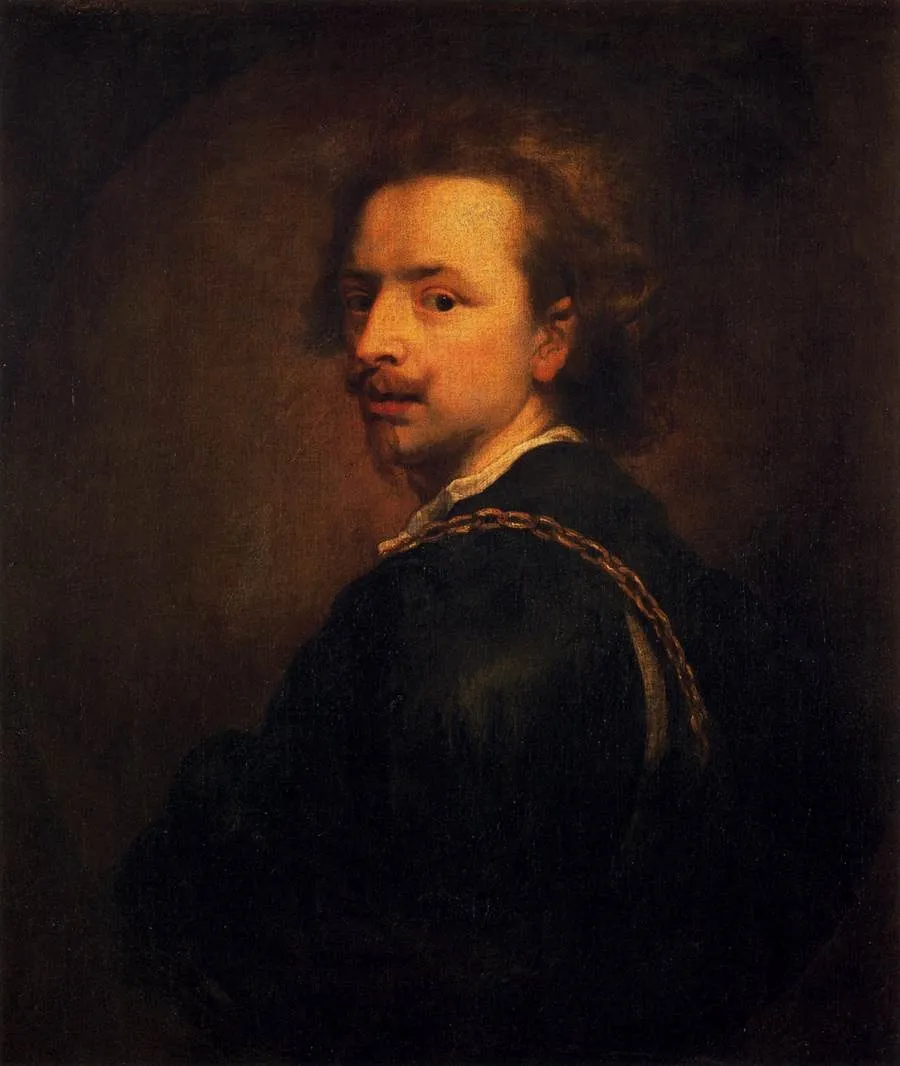
Self-Portrait is an oil painting by the Flemish Baroque painting artist Anthony van Dyck. It dates from 1633 and is held in the collection of the Uffizi Gallery.
About this work
Overview
Anthony van Dyck's *Self-Portrait* (1633) is an oil painting created during the artist's established career, exemplifying Flemish Baroque portraiture.
Subject & Meaning
The subject is van Dyck himself, portrayed from the waist up with a neutral expression and direct gaze, set against a dark, shadowy background that accentuates his features.
Technique & Style
The painting demonstrates van Dyck's mastery of chiaroscuro, achieving a sense of realism and depth through the contrast of light and dark, characteristic of his refined Baroque style.
History & Provenance
Painted after van Dyck's successful periods in the Spanish Netherlands and Italy, and before his appointment as court painter in England, the work is now part of the Uffizi Gallery's collection.
Context
Influenced by his mentor Peter Paul Rubens, this self-portrait reflects van Dyck's position as a leading artist of his time, blending Flemish traditions with broader European Baroque elements.
Legacy
This self-portrait is notable for its representation of van Dyck's artistic skill and his role in the Baroque period, though its broader impact on the art historical canon is more as a characteristic example of his portraiture rather than a groundbreaking work.
Artist & collection
Artist
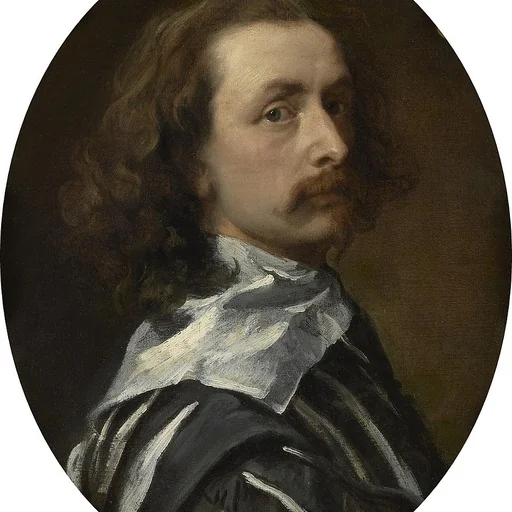
Sir Anthony van Dyck (; Dutch: Antoon van Dijck ; 22 March 1599 – 9 December 1641) was a Flemish Baroque artist, who became the leading court painter in England after success in the Spanish Netherlands and Italy.

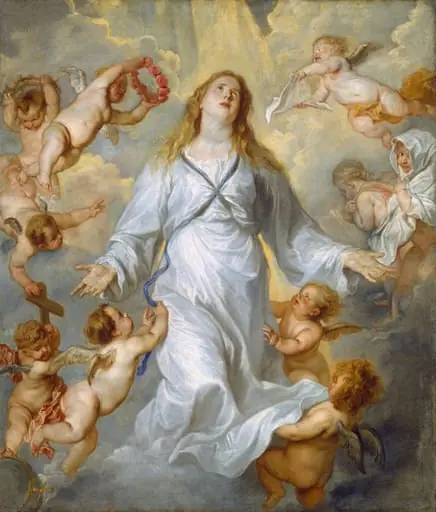
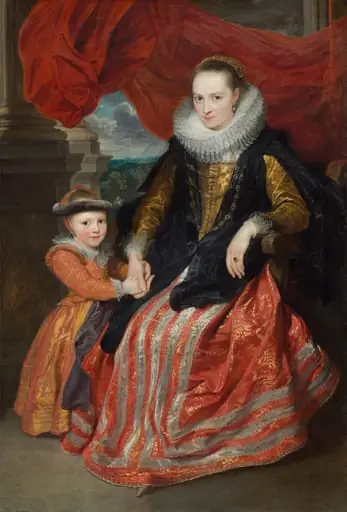
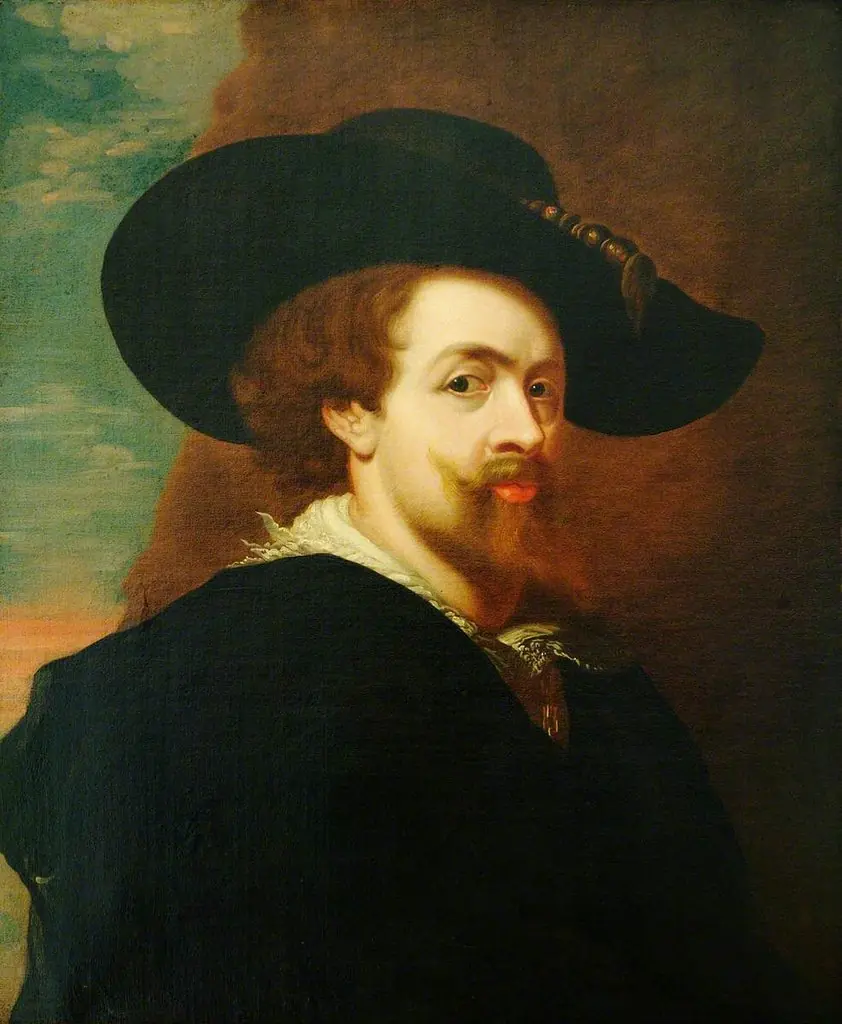 Self Portrait
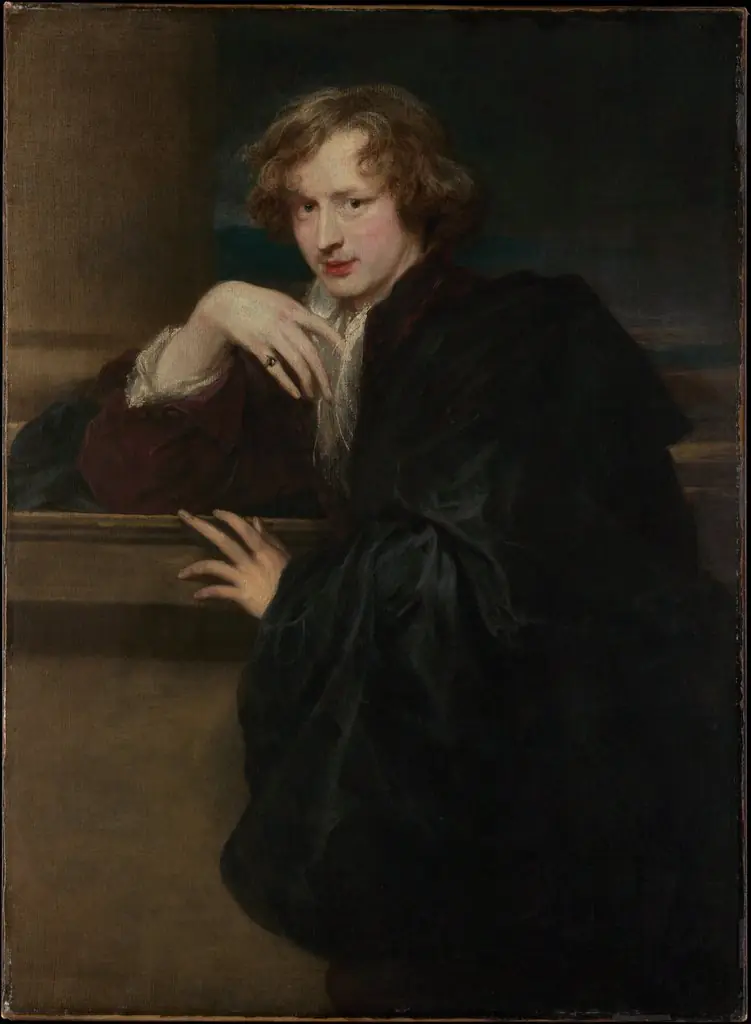 Self-Portrait
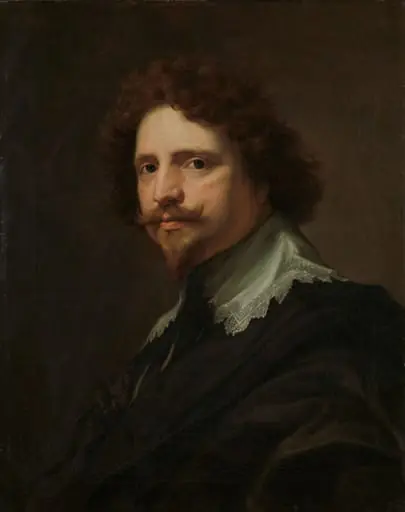 Portrait of Michel Le Blon (1587-1656)
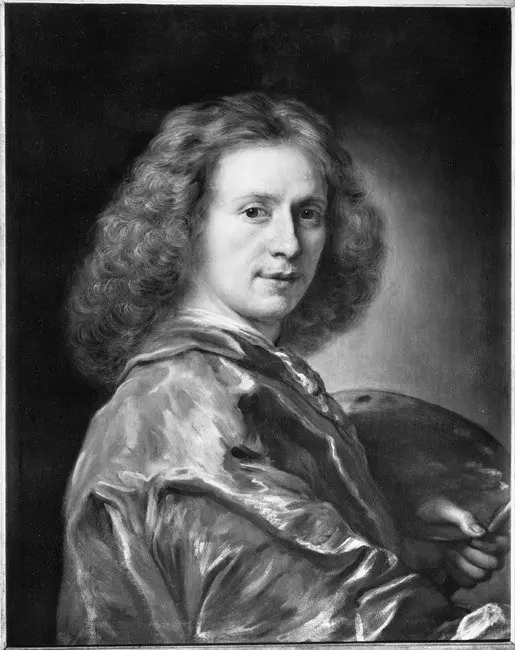 Self-portrait
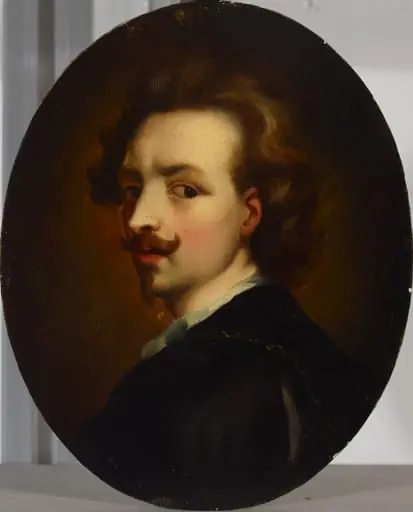 Anton van Dyckin omakuva
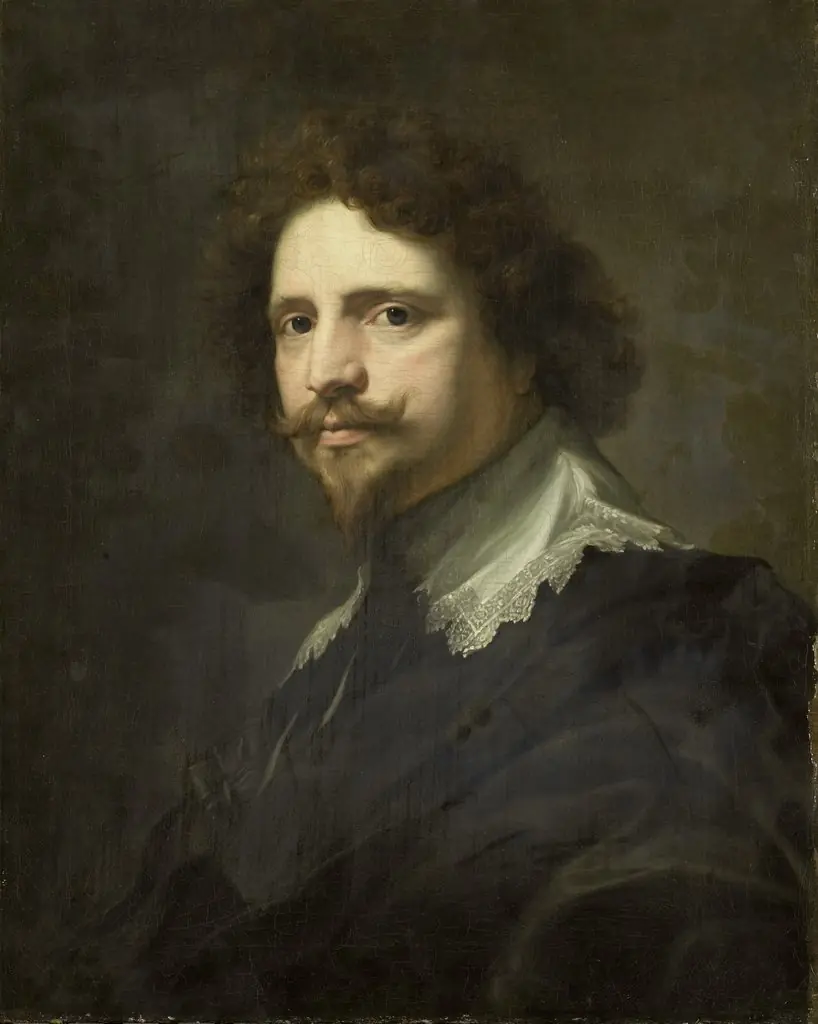 Portrait of Michel le Blon (1587-1657). Agent of Queen Christina of Sweden, goldsmith and engraver
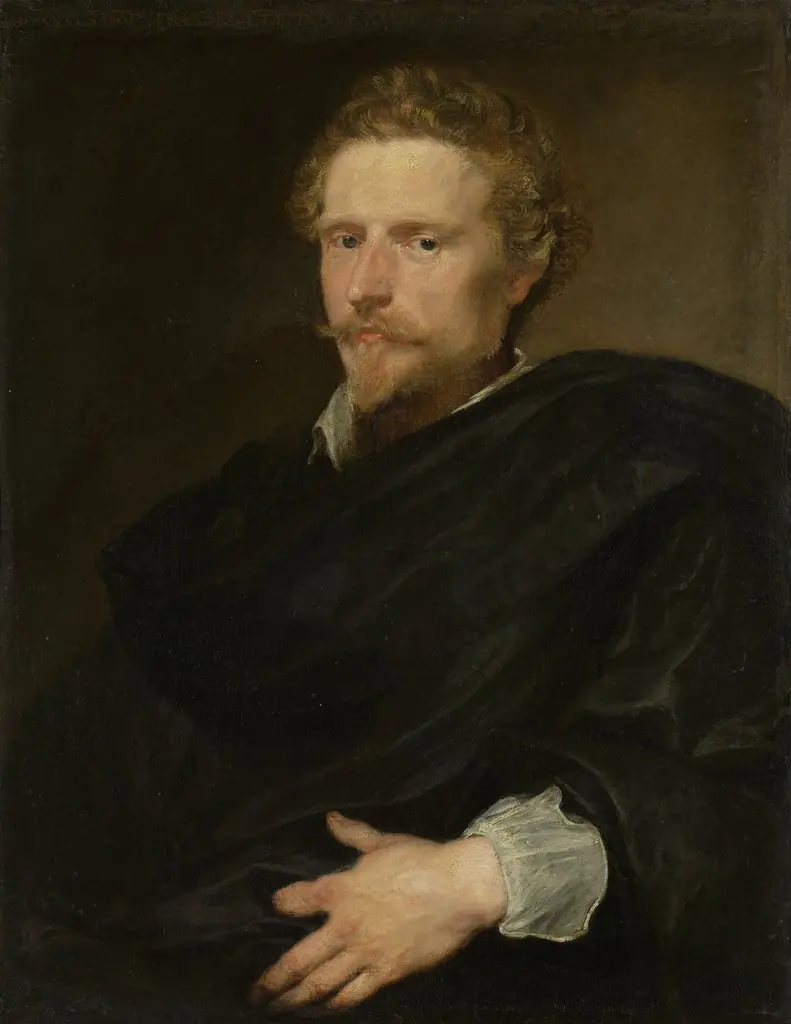 Johannes Baptista Franck (ca. 1599-1663)
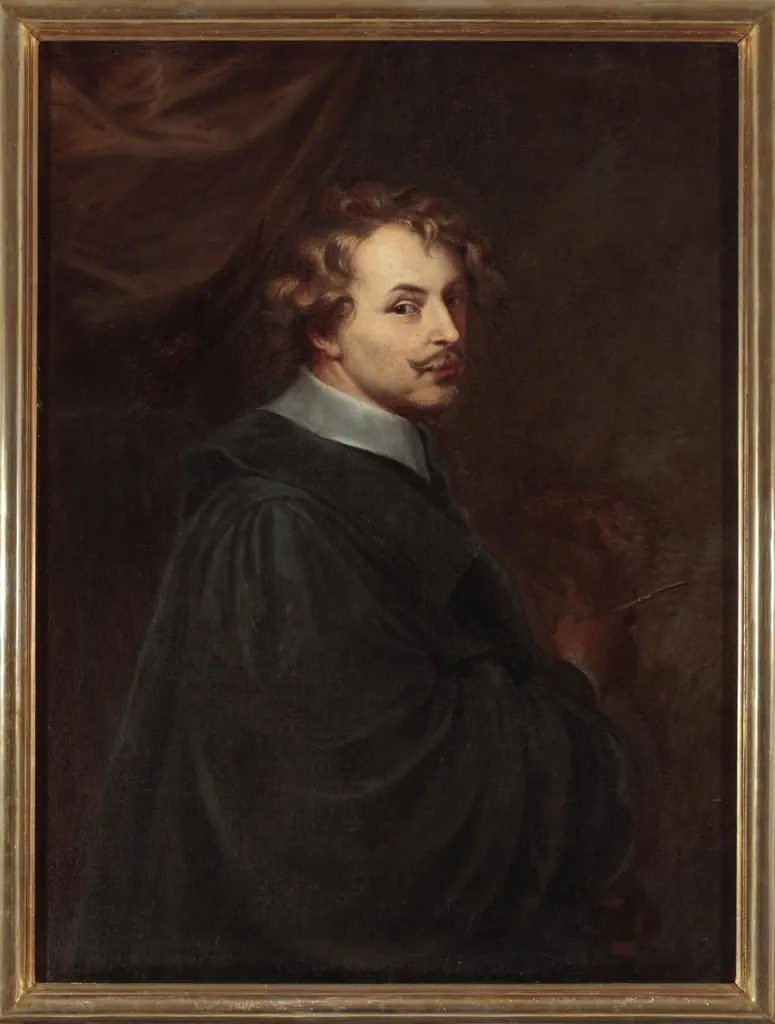 Portrait of Anthony van Dyck (1599–1641)
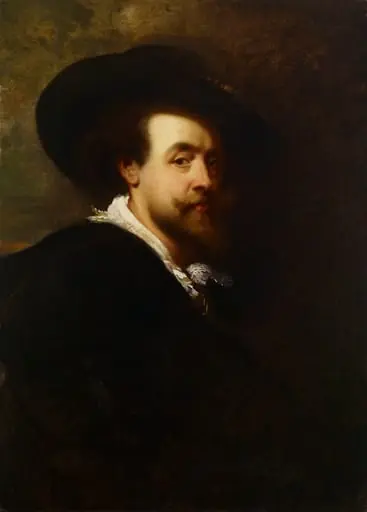 Peter Paul Rubensin omakuva, kopio
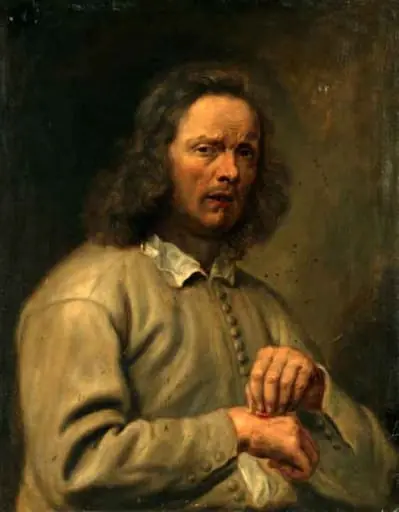 Pipăitul
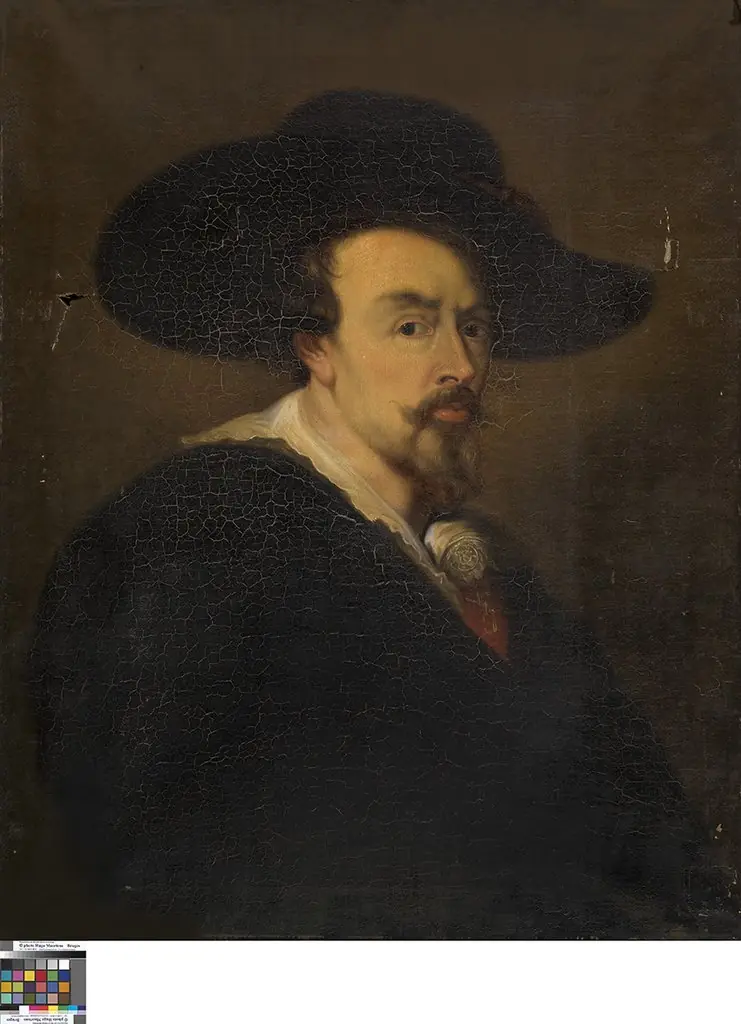 Portret van Peter Paul Rubens
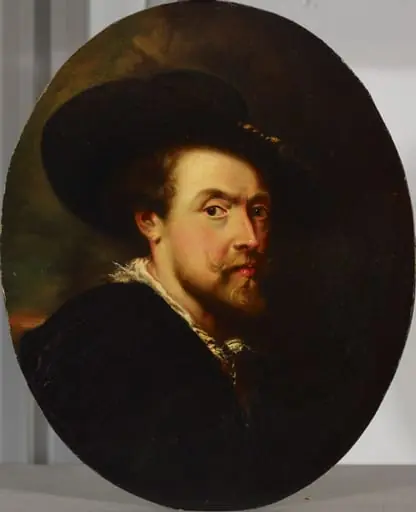 Peter Paul Rubensin omakuva, kopio