Artwork
Steel plate with inscription for the coffin portrait of Teresa Bojanowska née Sokolnica (1666–1700)
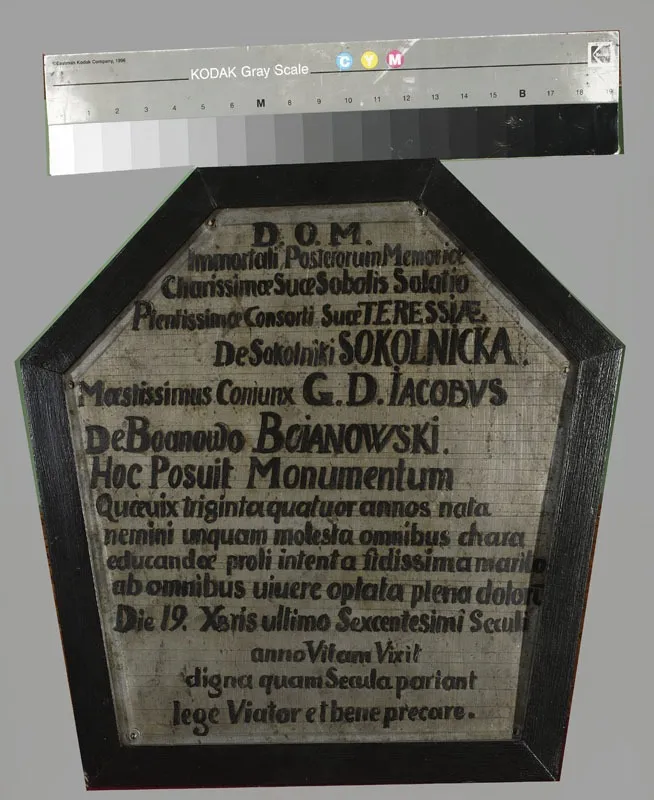
Steel plate with inscription for the coffin portrait of Teresa Bojanowska née Sokolnica (1666–1700) is an unspecified painting by Unknown. It dates from 1700 and is held in the collection of the National Museum in Warsaw. A steel plate, shaped to resemble a coffin, bears a lengthy Latin inscription commemorating Teresa Bojanowska, née Sokolnica (1666–1700).
About this work
Overview
A steel plate, shaped to resemble a coffin, bears a lengthy Latin inscription commemorating Teresa Bojanowska, née Sokolnica (1666–1700).
A steel plate, shaped to resemble a coffin, bears a lengthy Latin inscription commemorating Teresa Bojanowska, née Sokolnica (1666–1700). The plate features a gray field bordered by a dark outline, with the text rendered in a formal cursive hand. Designed as a funerary element, it was likely affixed to or placed near a coffin portrait, serving as a textual counterpart to visual memorials common in early modern Poland.
Subject & Meaning
The inscription honors Teresa Bojanowska, a noblewoman of the late 17th century, reflecting the cultural practice of memorializing aristocratic women through combined visual and textual tributes. The Latin text, though difficult to decipher in full, follows conventional funerary formulas—praising virtue, piety, and lineage—reinforcing social status and religious ideals of the time.
Technique & Style
The plate is crafted from steel, engraved with precise, flowing script typical of ecclesiastical and aristocratic inscriptions of the period. The gray background and black border create a somber, restrained aesthetic, directing focus to the text. The absence of imagery emphasizes the written word as the primary vehicle of commemoration, aligning with a minimalist tradition in Polish funerary art.
History & Provenance
The artifact originates from the late 17th century and was likely produced in the Polish-Lithuanian Commonwealth. It is now held by the National Museum in Warsaw, where it is preserved as part of a collection of coffin portraits and associated funerary objects. Its survival suggests it was valued as a significant relic of noble mourning practices.
Context
In early modern Poland, coffin portraits—painted likenesses placed on coffins—were accompanied by inscribed metal plates, often in Latin, to convey the deceased’s identity and moral character. This practice, rooted in Catholic traditions and noble self-representation, flourished among the szlachta. The plate reflects a broader cultural emphasis on memory, lineage, and the afterlife in aristocratic funerary rites.
Legacy
Though no longer part of active ritual, such plates are now studied as material witnesses to the intersection of art, religion, and social hierarchy in early modern Poland. Their preservation in institutions like the National Museum in Warsaw ensures their role in understanding how elite families constructed legacy through both image and text.
Artist & collection

 Domestic Scene
 Giacomo and Cardinal Marco, investing Andrea, Abbot of San Zeno, with his Benefice
 The Nymph of Fontainebleau
 Portrait of a Woman
 Madonna and Child with Saints in the Enclosed Garden
 Venus and Minerva
 Family Group of Four on Sofa
 Wall painting from Room H of the Villa of P. Fannius Synistor at Boscoreale
 Epitaph of Anna Czechowska of Nieczatów
 Panel of a Brotherhood
 Ballad of the lilies, “Lady slays her wedded knight”
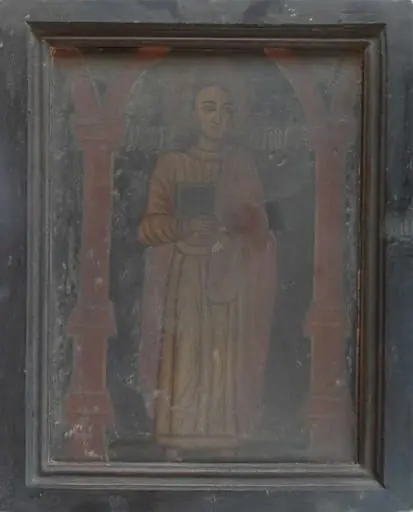 Sf. Apostol Toma
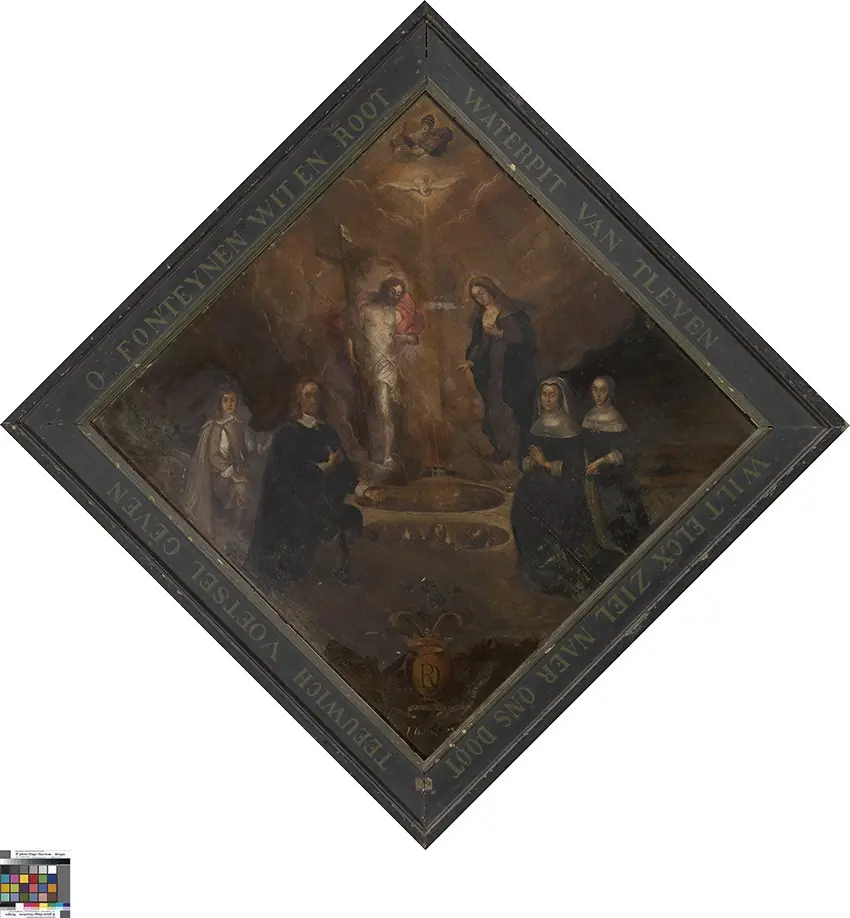 Memorietafel van de familie Dot-Ramaule
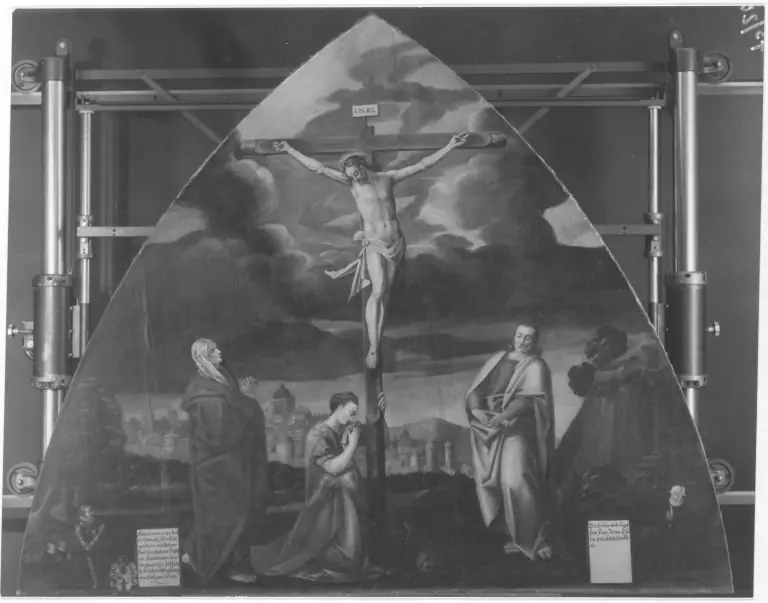 Christus am Kreuz mit Maria, Johannes und Magdalena (Epitaph Pfefferle)
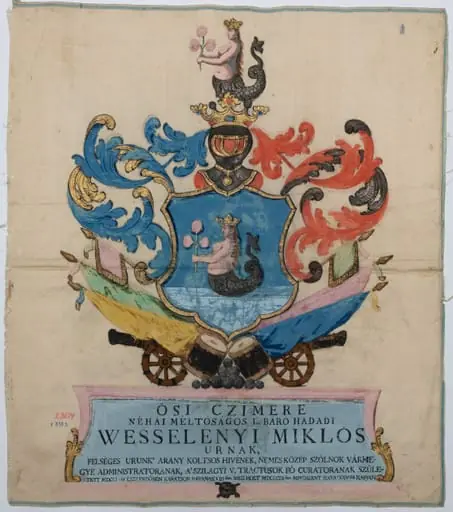 Blazonul funerar al baronului Miklós Wesselényi din Hodod
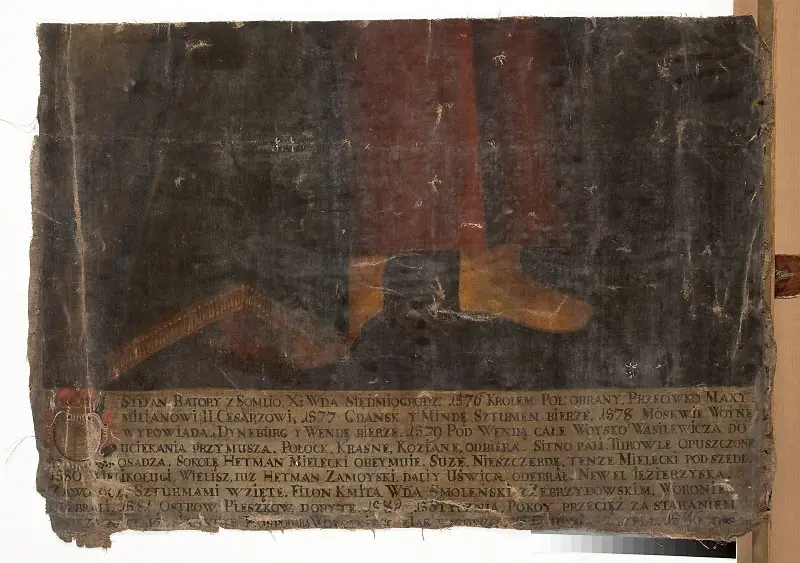 Lower section of the portrait of Stephen Báthory (1533–1586) with inscription
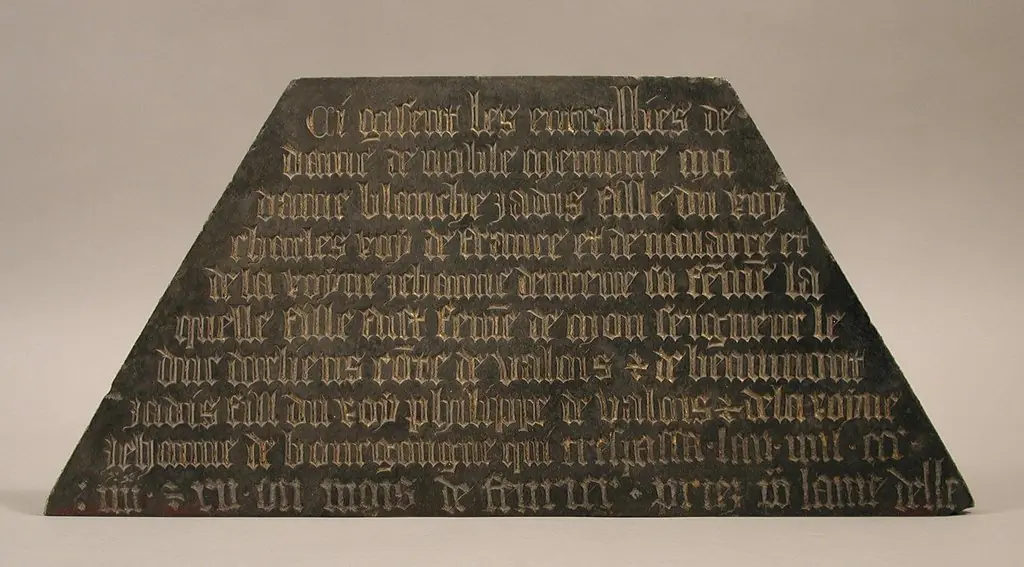 Tomb Plaque of Blanche of France (1328–92), daughter of Charles IV of France and Jeanne d'Evreux
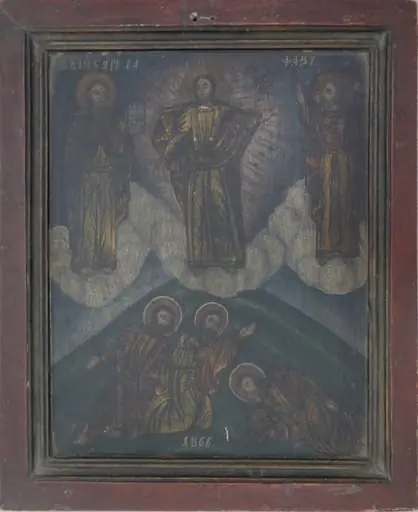 Schimbarea la față
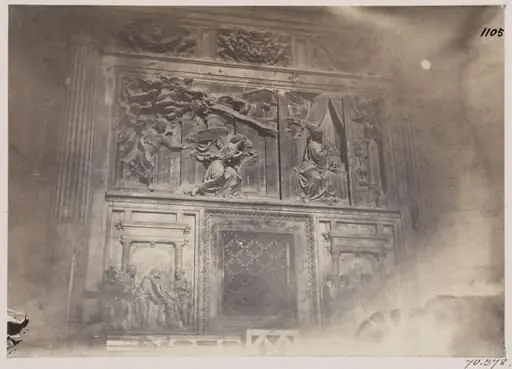 Out of Rome - House of the Blessed Virgin at Loreto. Sculpture of the Annunciation, A.D. 1520
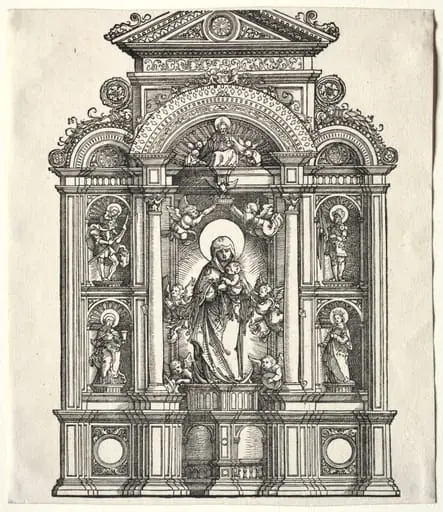 Great Altar with the Virgin, in a border with SS. Christopher, George, Barbara, Catherine