Artwork
Geneviève d'Urfé, Duchesse de Croy (died before 1656)
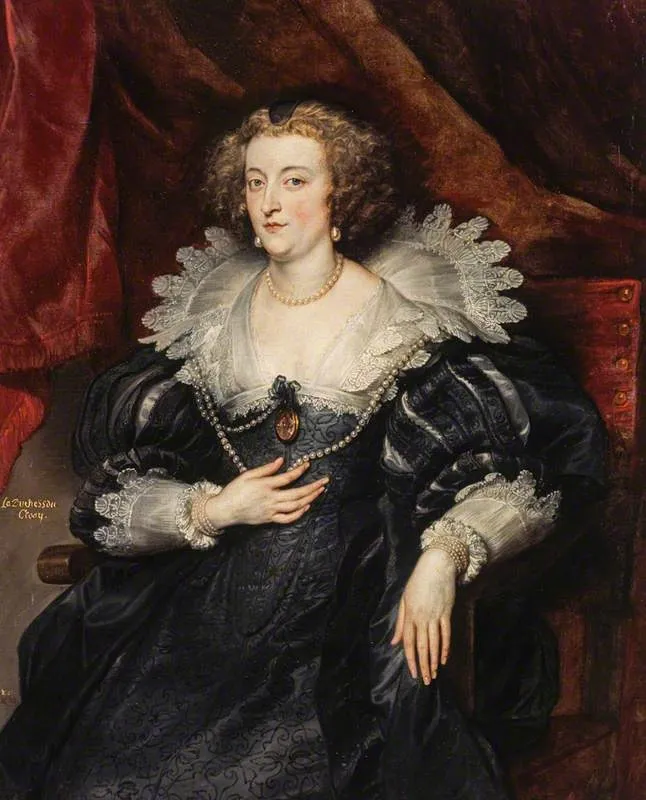
Geneviève d'Urfé, Duchesse de Croy (died before 1656) is an oil painting by the French Classical Baroque artist Anthony van Dyck. It dates from 1627 and is held in the collection of the National Galleries Scotland.
About this work
Overview
Painted in 1627 by Anthony van Dyck, this portrait captures Geneviève de Lascaris, Duchess of Croy, shortly before her death. Executed in oil on canvas, the work reflects van Dyck’s mature style developed during his time in Italy and the Spanish Netherlands. It entered the Scottish National Gallery’s collection as part of its broader acquisition of early modern European portraiture.
Subject & Meaning
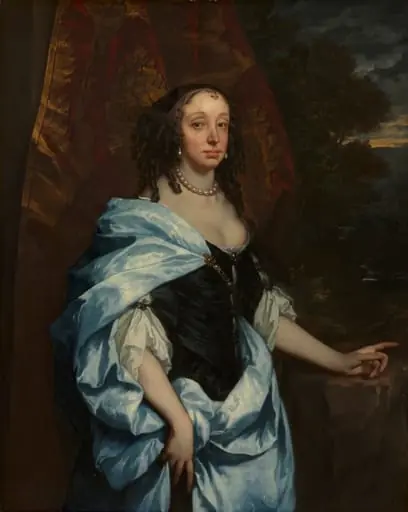
The sitter, Geneviève de Lascaris, was a French noblewoman married into the House of Croy. Her composed demeanor and restrained gestures suggest aristocratic poise rather than personal expression. The modest yet luxurious attire and absence of overt symbolism emphasize status through refinement, aligning with early 17th-century ideals of noble femininity in France and the Low Countries.
Technique & Style
The composition is vertical and tightly framed, focusing attention on the face and hands, while the subdued palette reinforces a sense of dignified restraint.
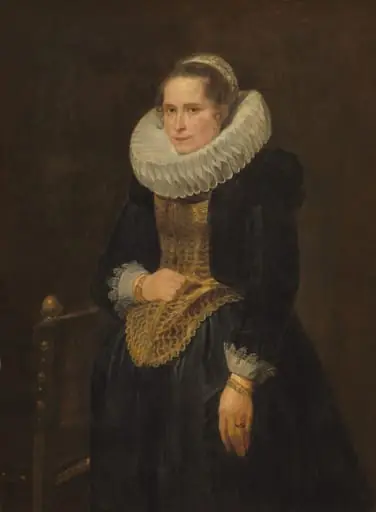
Van Dyck renders the Duchess with precise brushwork, particularly in the intricate lace collar and puffed sleeves, where fine threads are suggested through delicate highlights. Her pale skin contrasts with the deep red curtain behind her, enhancing volume and texture. The composition is vertical and tightly framed, focusing attention on the face and hands, while the subdued palette reinforces a sense of dignified restraint.
History & Provenance
Commissioned during van Dyck’s travels in northern Europe, the painting remained in European aristocratic circles before entering public collection. Its presence in the Scottish National Gallery since the 19th century reflects the institution’s commitment to preserving works by leading Flemish portraitists. No significant alterations or reworkings are documented in its recorded history.
Context
Created during van Dyck’s transition from Antwerp to England, this portrait bridges his Italian influences with the emerging English court style. Though painted in the Low Countries, the subject’s French nobility and the painting’s formal elegance reflect the transnational nature of aristocratic patronage. Similar portraits by van Dyck from this period often served as diplomatic or marital tokens among elite families.
Legacy
The portrait exemplifies van Dyck’s ability to convey social standing through subtlety rather than grandeur. It influenced later British portraiture by establishing a model of calm authority in aristocratic representation. Though not widely exhibited, it remains a key example of his pre-English period work, illustrating his skill in capturing quiet dignity through texture, light, and posture.
Artist & collection
Artist
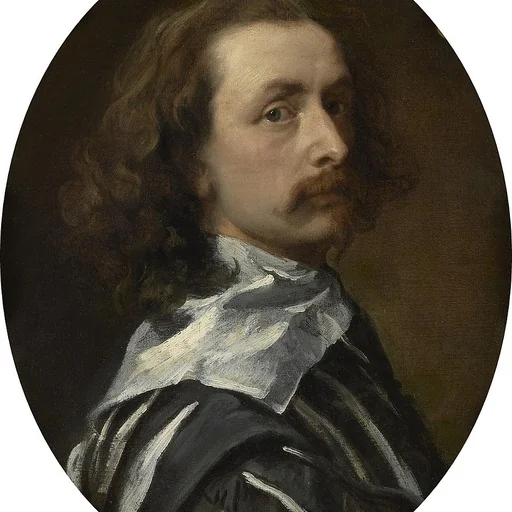
Sir Anthony van Dyck (; Dutch: Antoon van Dijck ; 22 March 1599 – 9 December 1641) was a Flemish Baroque artist, who became the leading court painter in England after success in the Spanish Netherlands and Italy.

 Portrait of a Woman
 Lady Dacre
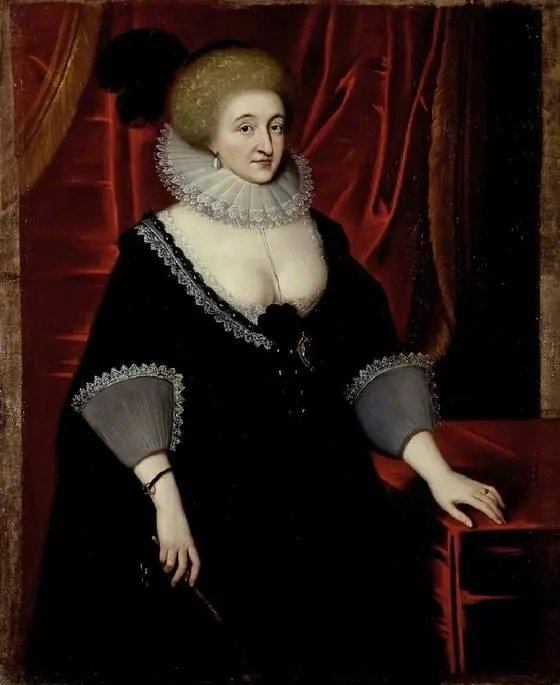 Elizabeth, Countess of Kent
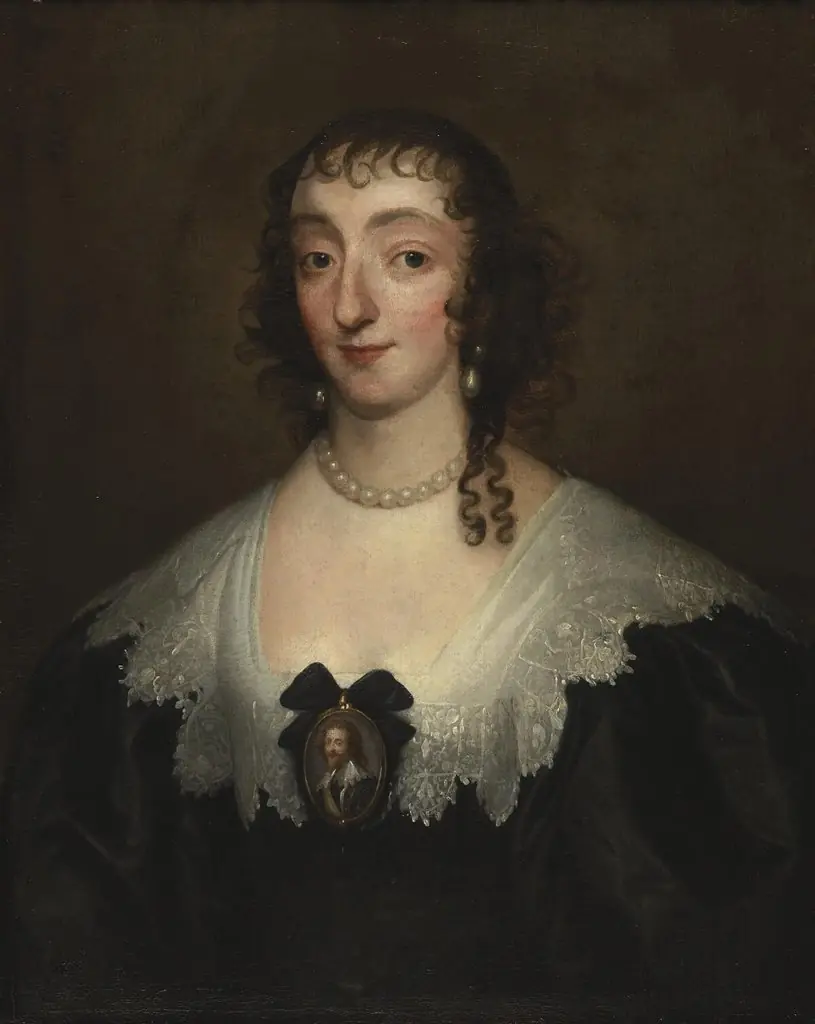 Katherine Manners
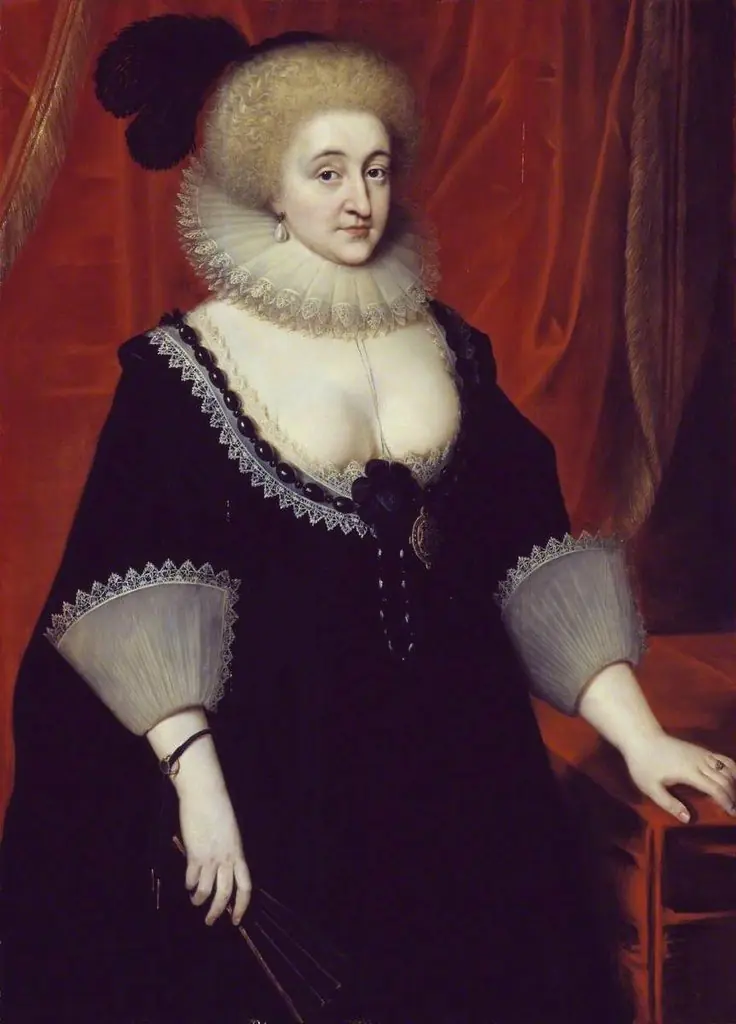 Lady Elizabeth Grey, Countess of Kent
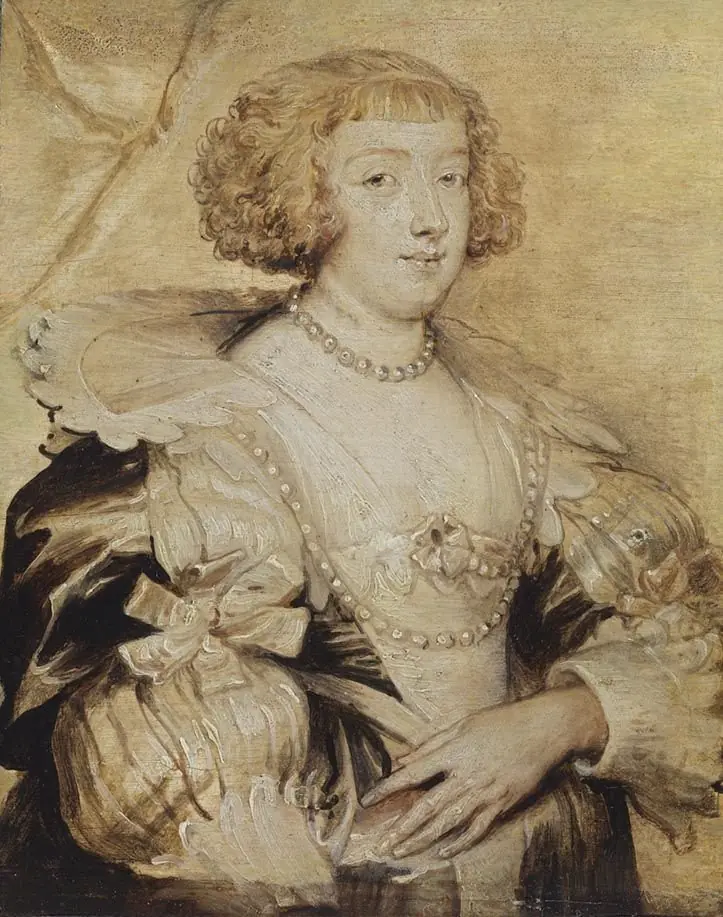 Portrait of Margaret of Lorraine
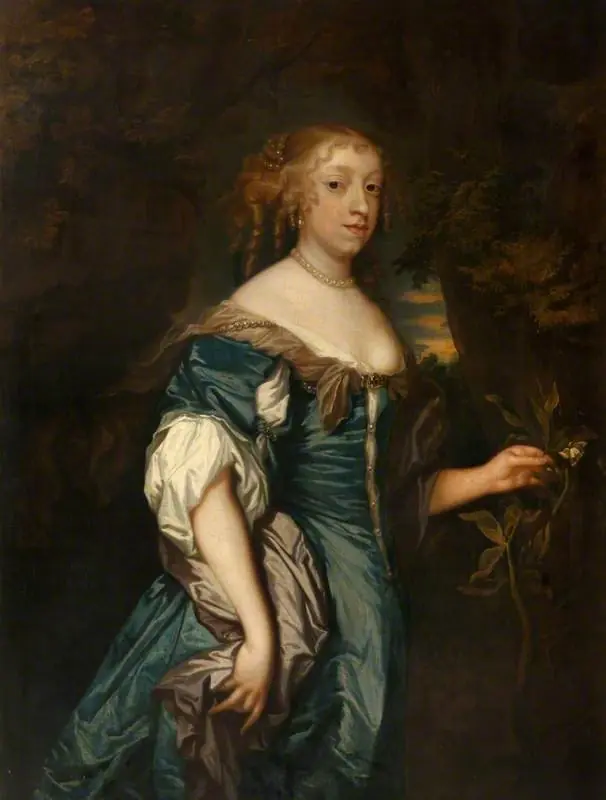 Lady Diana Bruce (died 1672)
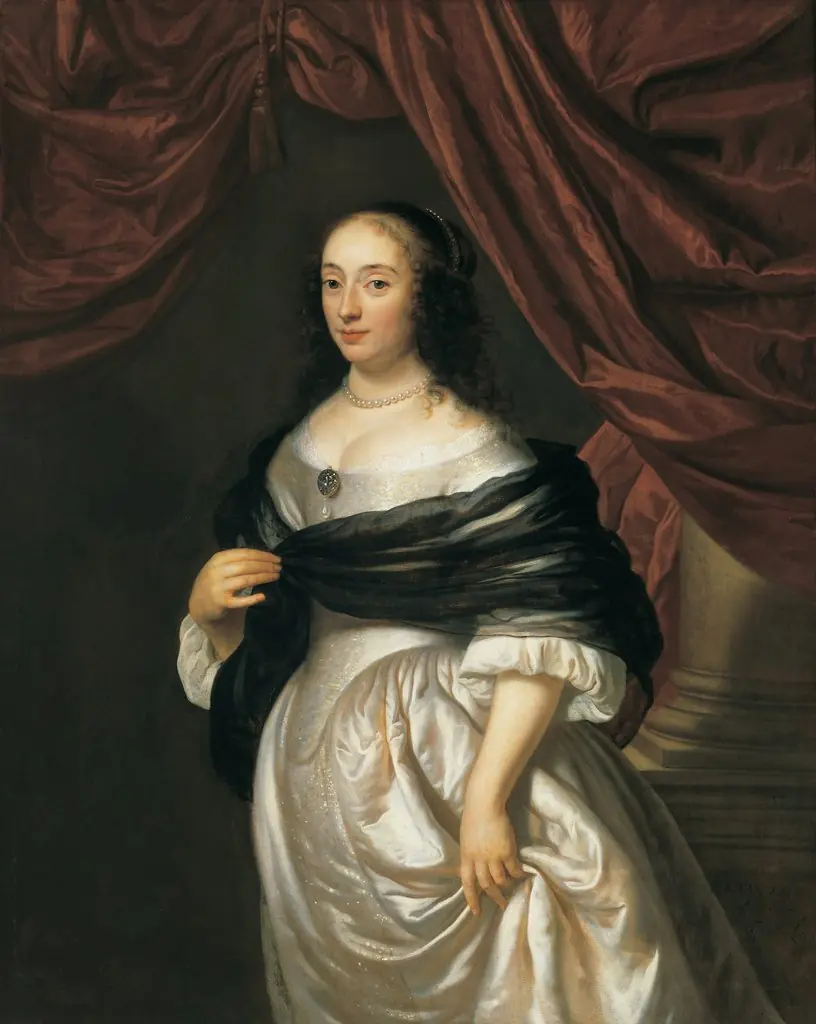 Retrato de la Condesa de Goldstein
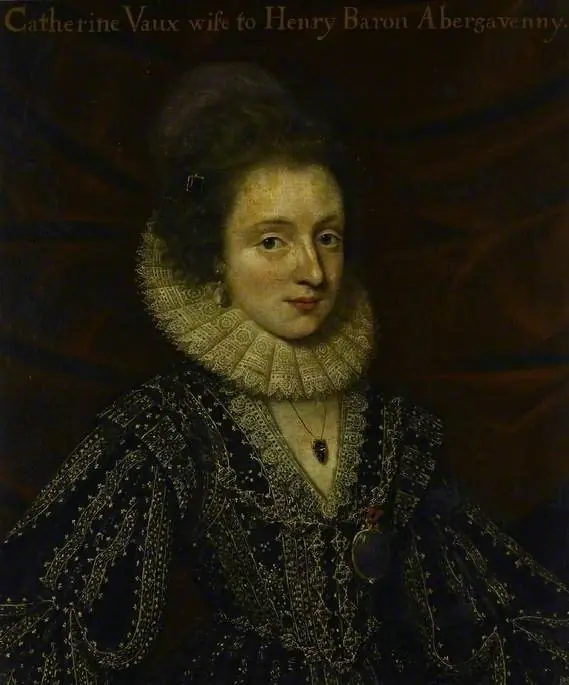 Catherine Vaux, Lady Abergavenny
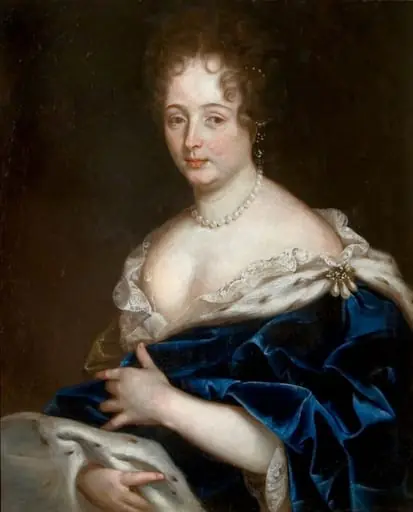 Portretul Marchizei de Crequi
 Portrait of Mrs. Leneve
 Henriette-Anne of England, Duchess of Orleans, known as Madame (1644-1670)