Artwork
Catherine Vaux, Lady Abergavenny
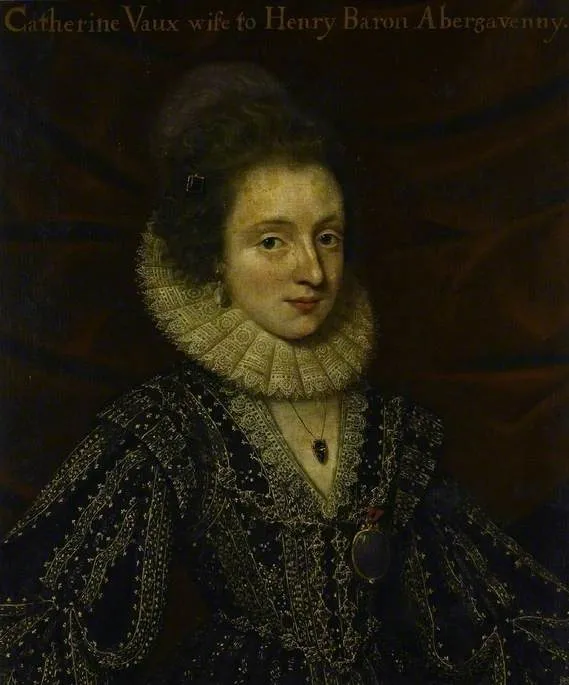
Catherine Vaux, Lady Abergavenny is an oil painting by Paul van Somer I. It dates from 1617 and is held in the collection of the Fitzwilliam Museum.
About this work
Overview
Catherine Vaux, Lady Abergavenny is a 1617 oil portrait by Paul van Somer I, a prominent Flemish-born court painter in early 17th-century England. The work depicts its subject in formal, intricately detailed attire against a dark background.
Subject & Meaning
The portrait captures Catherine Vaux, Lady Abergavenny, with a neutral expression and gaze slightly averted to the right. Her attire—a black dress with gold embroidery, large ruffled white collar, and pendant necklace—conveys her noble status.
Technique & Style
Van Somer employed chiaroscuro, contrasting strong light and dark shadows, to create depth and dimension. This technique highlights the subject's features and the intricate details of her clothing and accessories.
History & Provenance
Created in 1617, the painting is now part of the Fitzwilliam Museum's collection. Van Somer's work was characteristic of the leading court portraiture during the reign of King James I.
Context
As a court painter, van Somer catered to the English nobility and royalty. This portrait reflects the artistic preferences of the early 17th-century English aristocracy, blending Flemish techniques with English sitters.
Legacy
While specific lasting impacts of *Catherine Vaux, Lady Abergavenny* on art history are not broadly documented, it remains a representative example of van Somer's contributions to English portraiture during his time.
Artist & collection
Artist
Paul van Somer (c. 1577 – 1621), also known as Paulus van Somer, was a Flemish artist who arrived in England from Antwerp during the reign of King James I of England and became one of the leading painters of the royal…

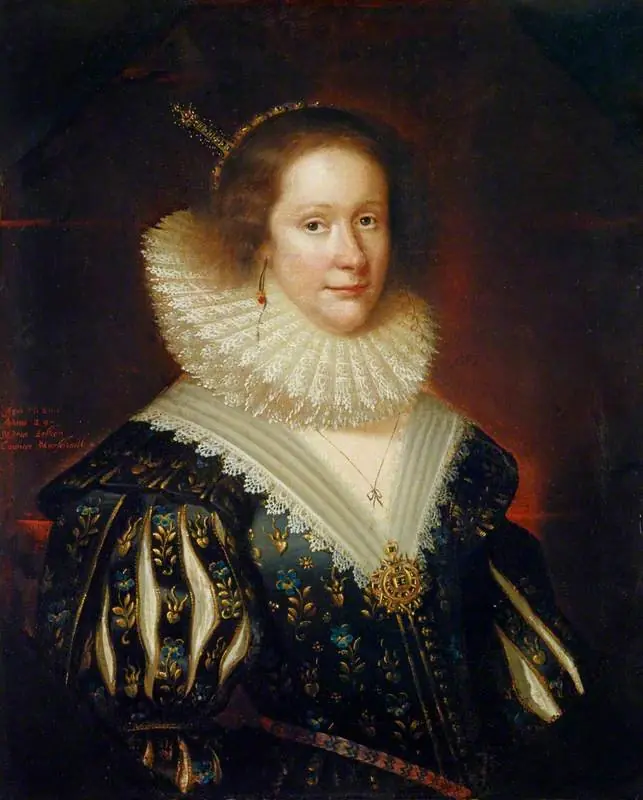 Lady Mary Erskine, Countess Marischal (born about 1597)
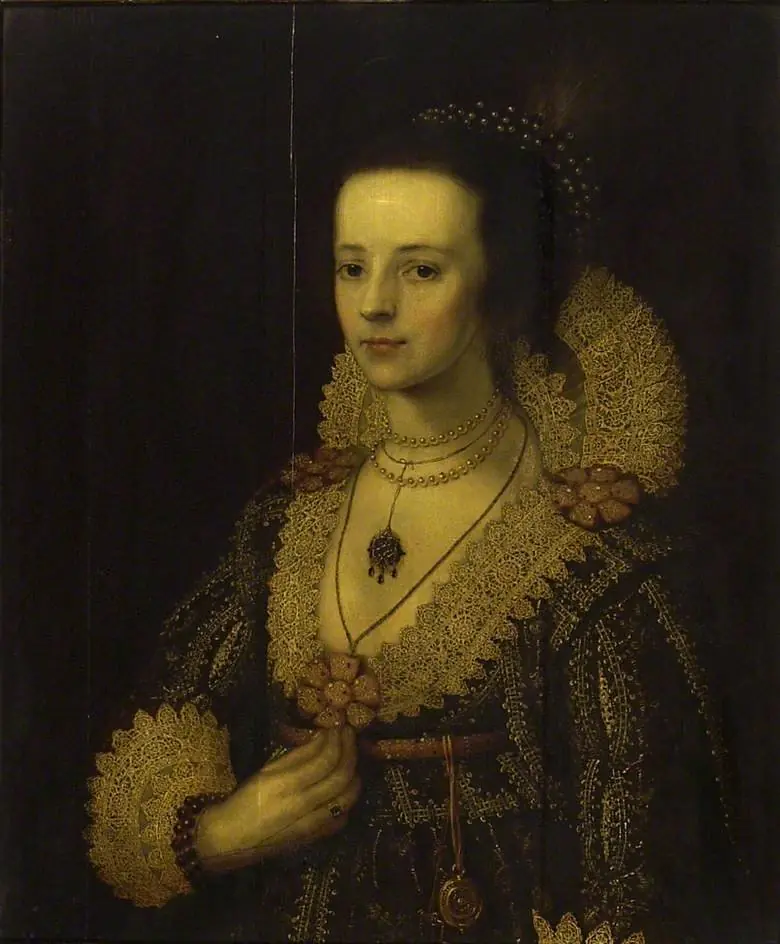 Portrait of a Lady
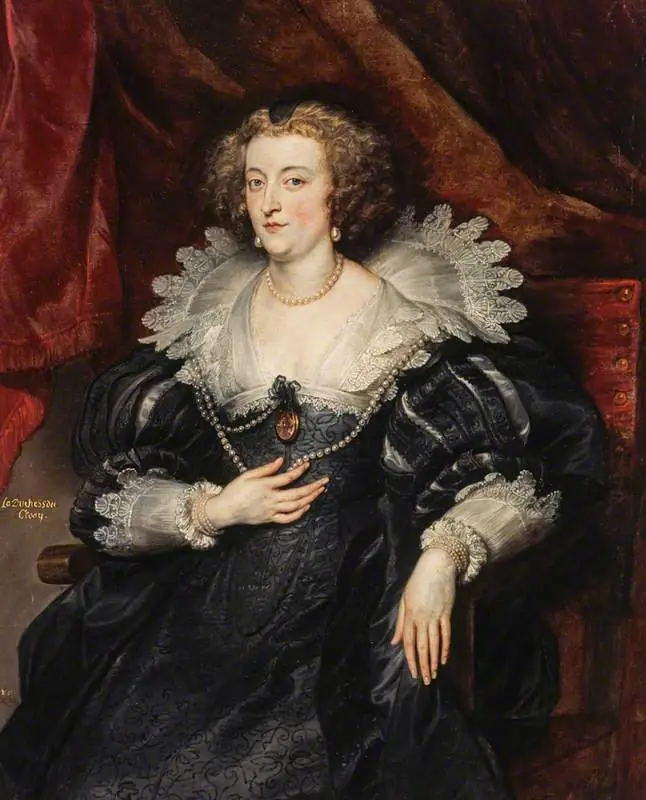 Geneviève d'Urfé, Duchesse de Croy (died before 1656)
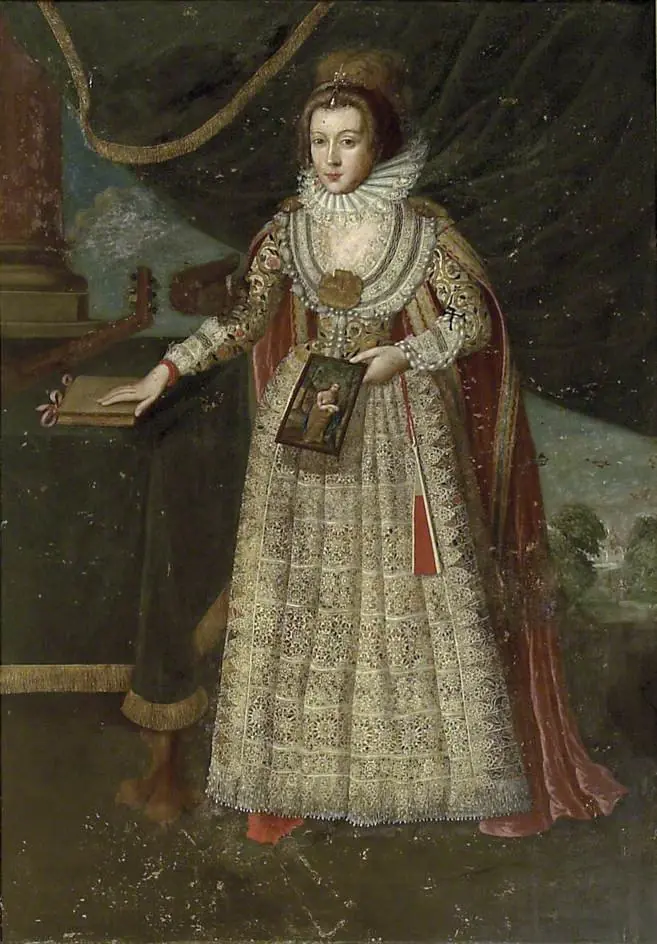 Portrait of a Lady
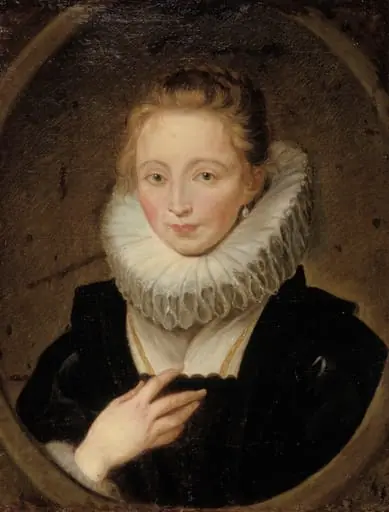 Ärkehertiginna Isabellas kammarjungfru
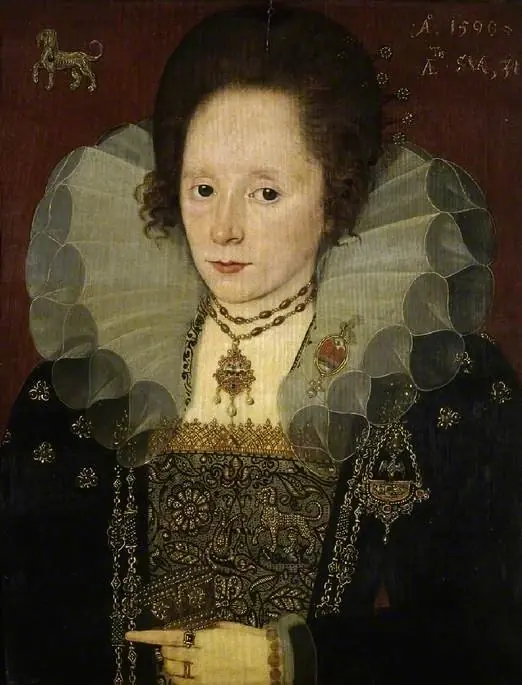 Unknown lady (Talbot Family)
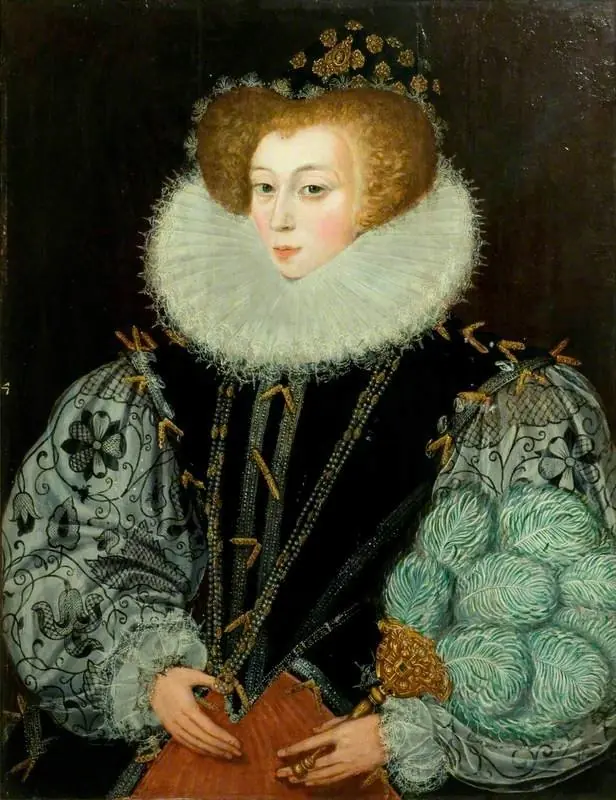 Mrs John Croker, née Frances Kingsmill (c.1564–c.1627)
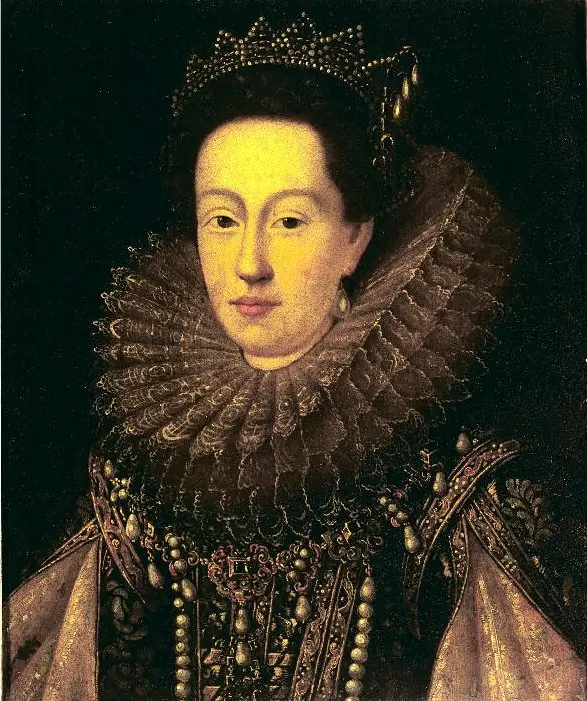 Portrait of a Lady (possibly Margaret of Savoy)
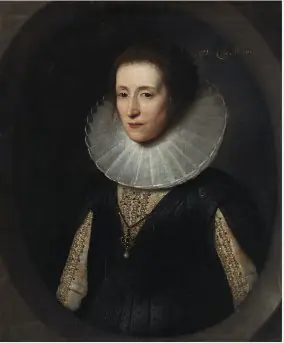 Portrait of Lady Alexander
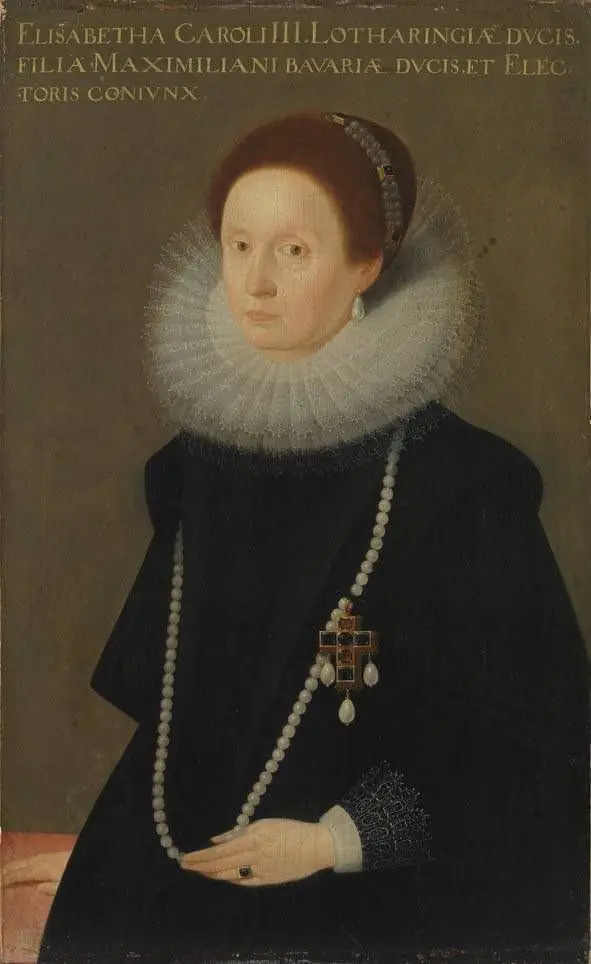 Bildnis der Elisabeth von Lothringen (1574-1635), erste Gemahlin des Kurfürsten Maximilian I. von Bayern (Schule)