Artwork
Lady Elizabeth Grey, Countess of Kent
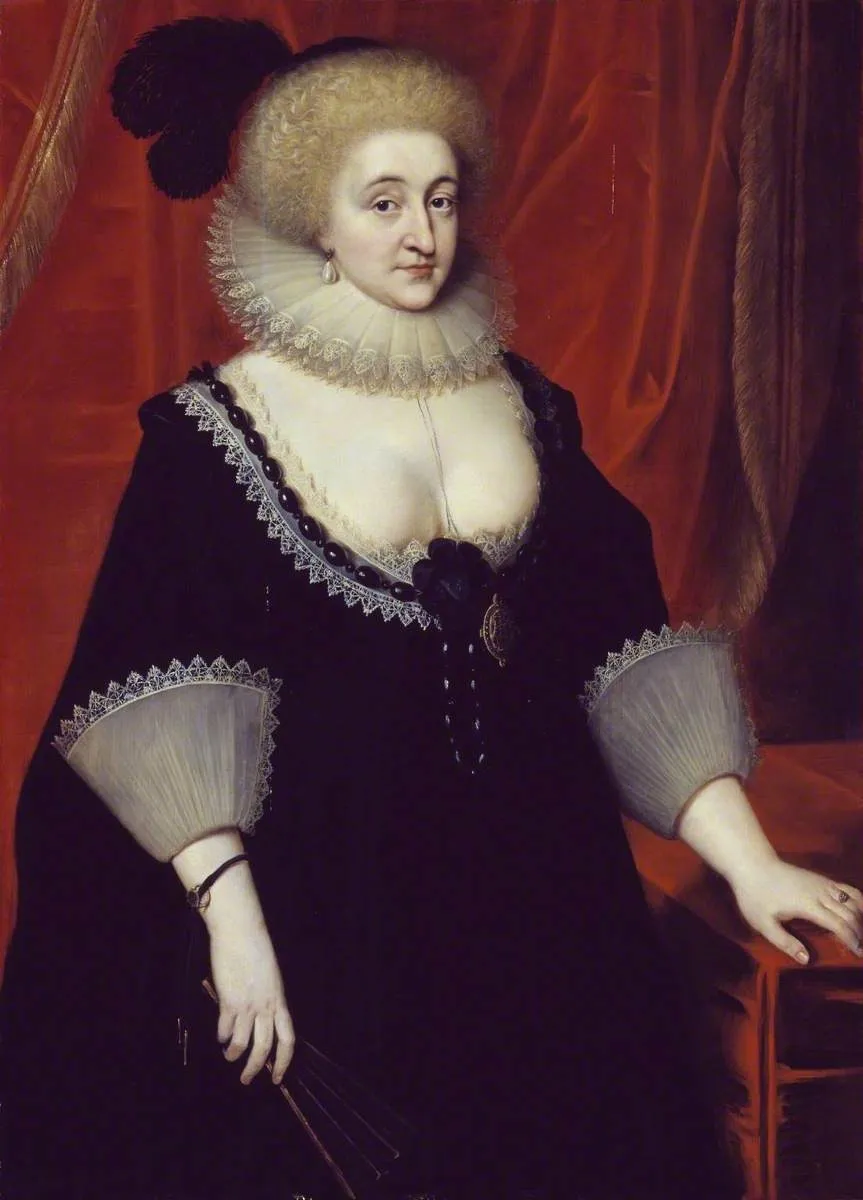
Lady Elizabeth Grey, Countess of Kent is an oil painting by the Flemish Baroque painting artist Paul van Somer I. It dates from 1619 and is held in the collection of the Tate Britain.
About this work
Overview
Painted in 1619 by Paul van Somer I, this portrait captures Lady Elizabeth Grey, Countess of Kent, during the Jacobean era.
Painted in 1619 by Paul van Somer I, this portrait captures Lady Elizabeth Grey, Countess of Kent, during the Jacobean era. Van Somer, a Flemish artist active in the English court, specialized in formal portraiture for the aristocracy. The work is part of Tate Britain’s collection and reflects the stylistic conventions of early 17th-century English elite portraiture, blending Northern European detail with courtly decorum.
Subject & Meaning
Lady Elizabeth Grey, wife of the Earl of Kent, is portrayed as a figure of noble composure. Her attire and accessories signal status: the black velvet gown, lace collar, and pearl earring denote wealth and refinement. The fan and the feather in her hair suggest poise and cultivated leisure. The pose, with one hand resting on a surface and the other holding the fan, conveys controlled elegance rather than movement, reinforcing her social position within the courtly hierarchy.
Technique & Style
Van Somer employed fine brushwork to render textures—delicate lace, the sheen of velvet, and the smoothness of skin—with precision. The deep red background and draped curtain create a sense of spatial depth without distraction. Lighting is even and soft, highlighting the sitter’s pale complexion and blonde hair. The composition is frontal and symmetrical, typical of court portraiture, emphasizing stillness and dignity over emotional expression.
History & Provenance
Commissioned during the reign of James I, the portrait likely served to affirm the sitter’s status within the aristocratic network. Van Somer, who arrived in England around 1616, became a favored painter of nobility. The work remained in private collections before entering Tate Britain’s holdings, where it contributes to the museum’s representation of early Stuart-era portraiture and the influence of Flemish artists in England.
Context
In early 17th-century England, portraiture was a tool of social assertion. Nobles commissioned likenesses to document lineage, wealth, and taste. Van Somer’s style, rooted in Flemish traditions, introduced greater naturalism and attention to fabric detail compared to earlier English court portraits. This painting reflects the fusion of continental techniques with English aristocratic ideals during a period of cultural transition.
Legacy
The portrait stands as a representative example of Jacobean court art, illustrating how Flemish-trained artists shaped English visual culture. While not widely known outside specialist circles, it contributes to scholarly understanding of gender, status, and artistic exchange in early modern Britain. Its preservation in a national collection ensures continued access for study and historical reflection.
Artist & collection
Artist
Paul van Somer (c. 1577 – 1621), also known as Paulus van Somer, was a Flemish artist who arrived in England from Antwerp during the reign of King James I of England and became one of the leading painters of the royal…

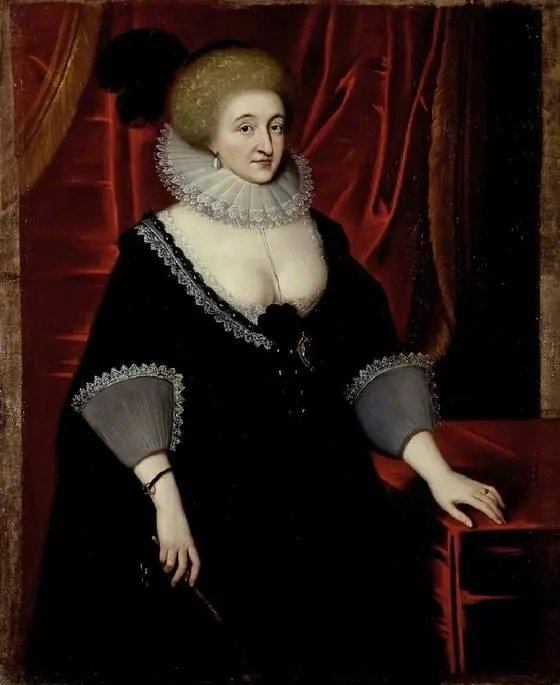
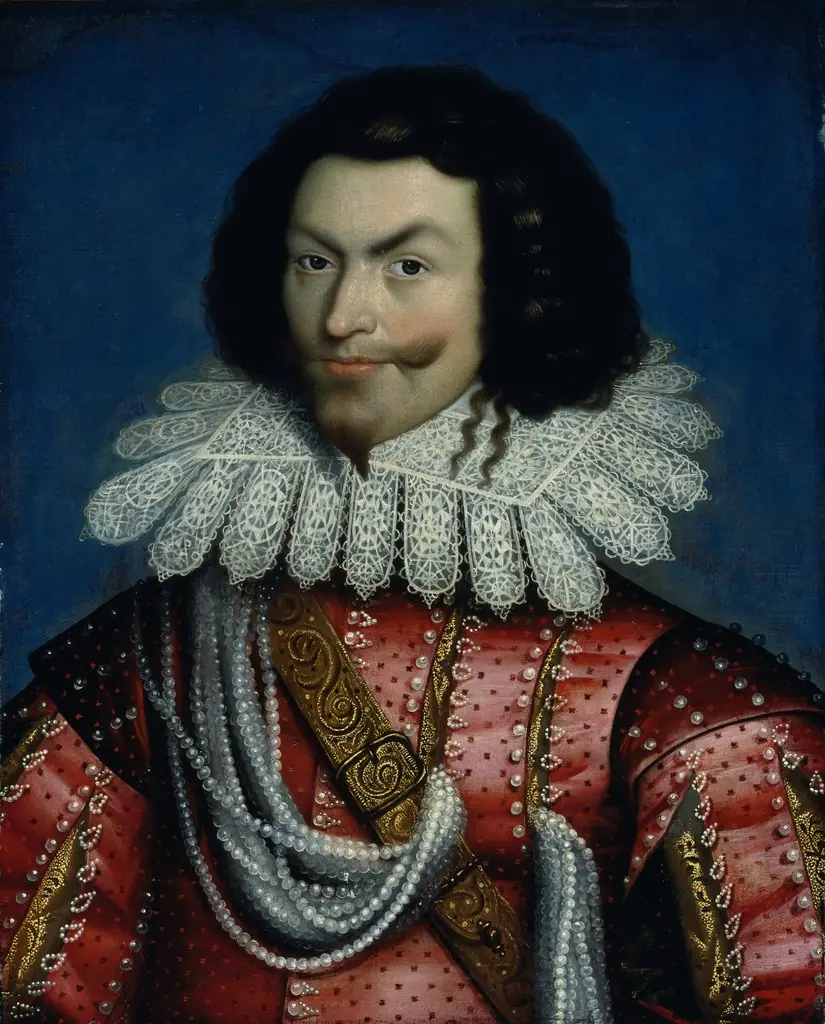
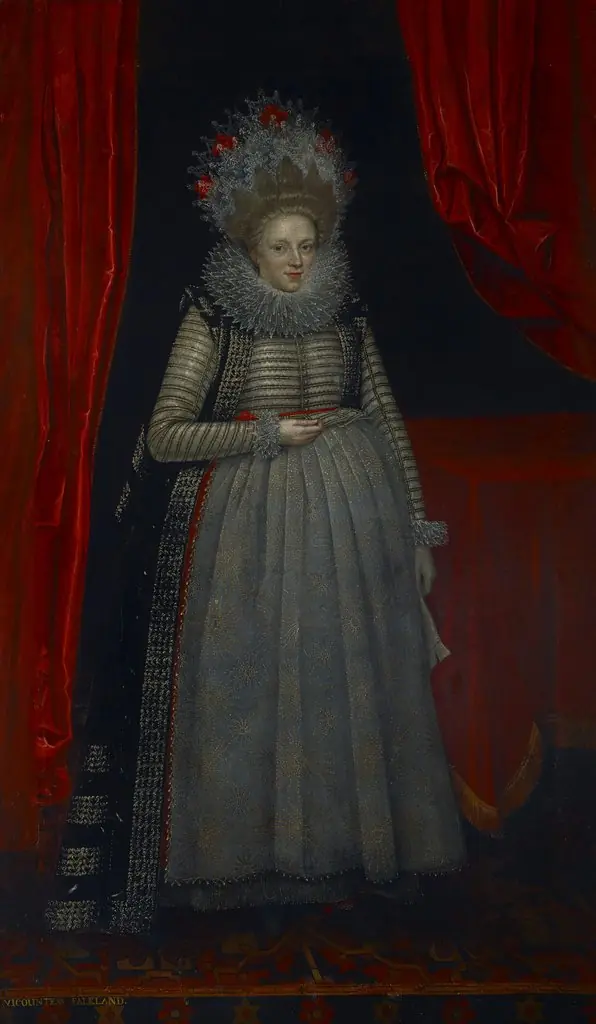
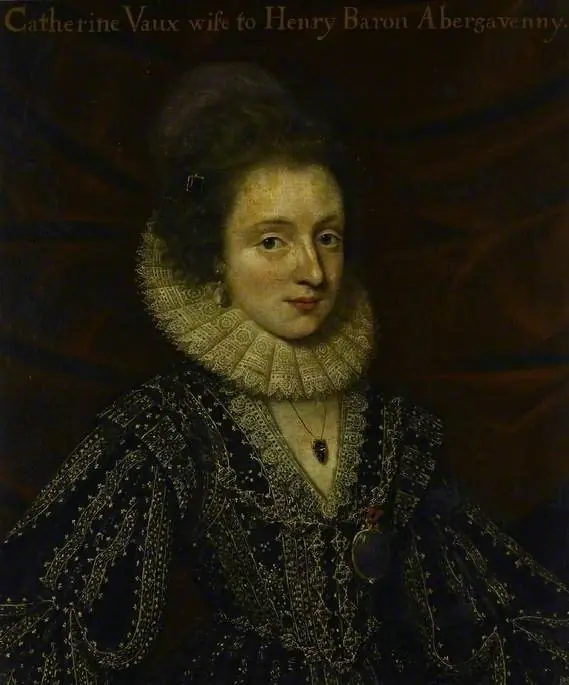
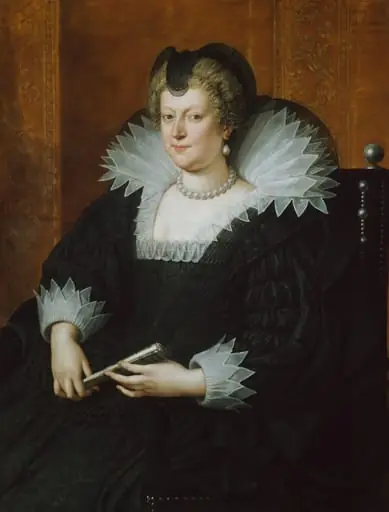 Marie de’ Medici
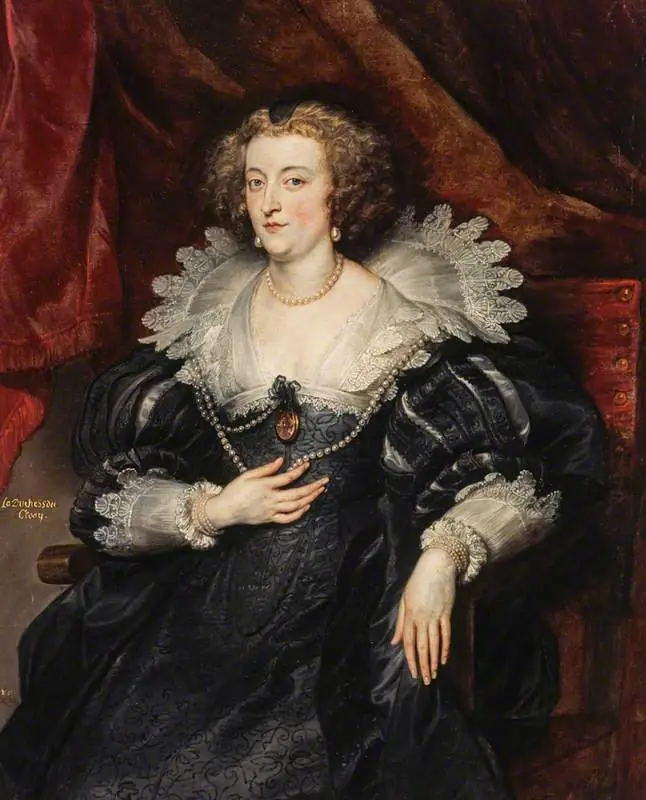 Geneviève d'Urfé, Duchesse de Croy (died before 1656)
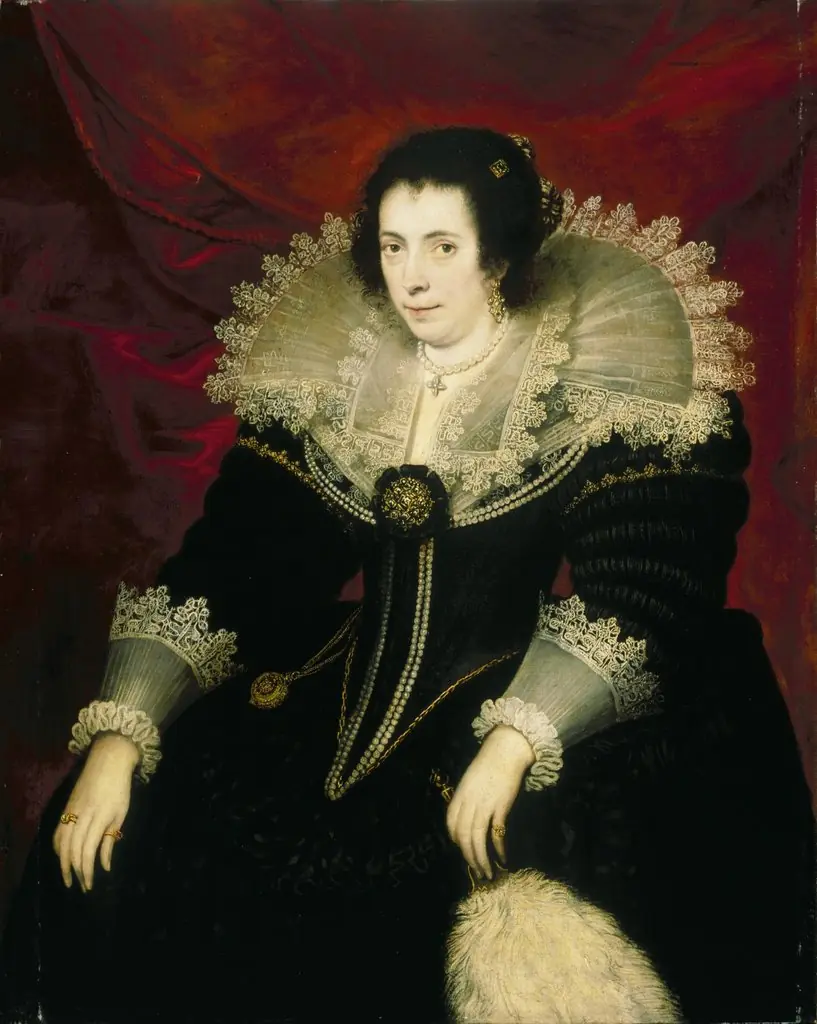 A Woman
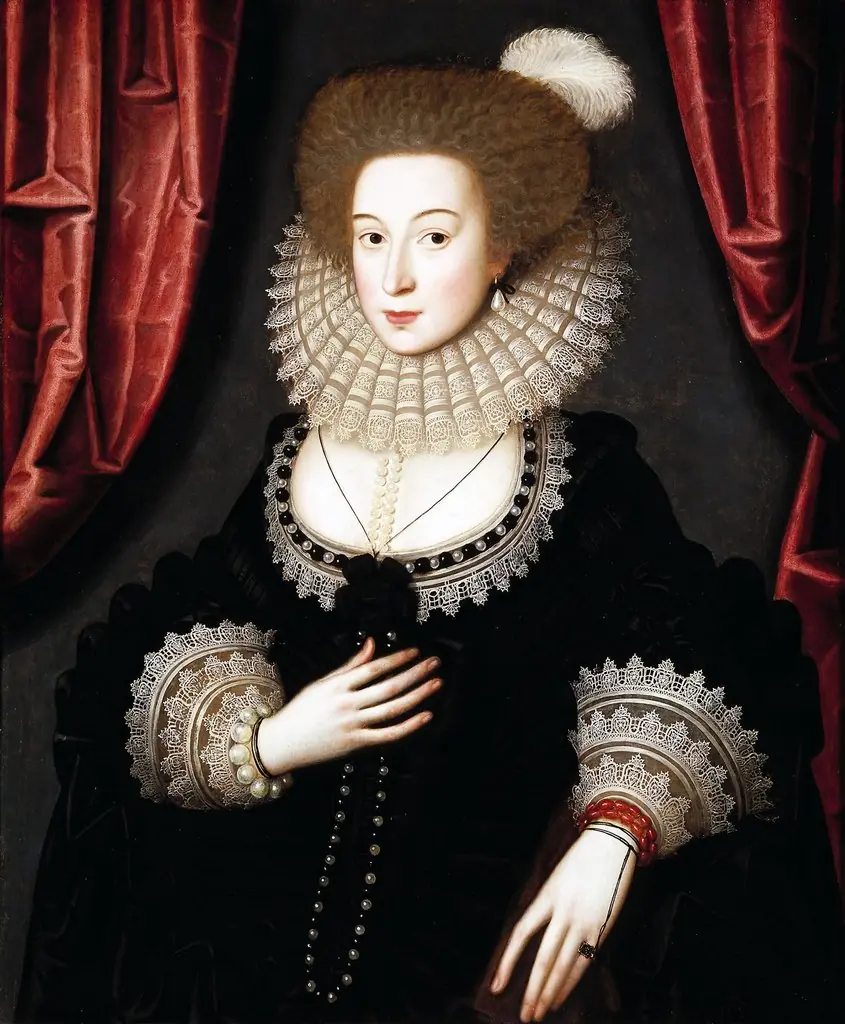 Portrait of Mary Radclyffe
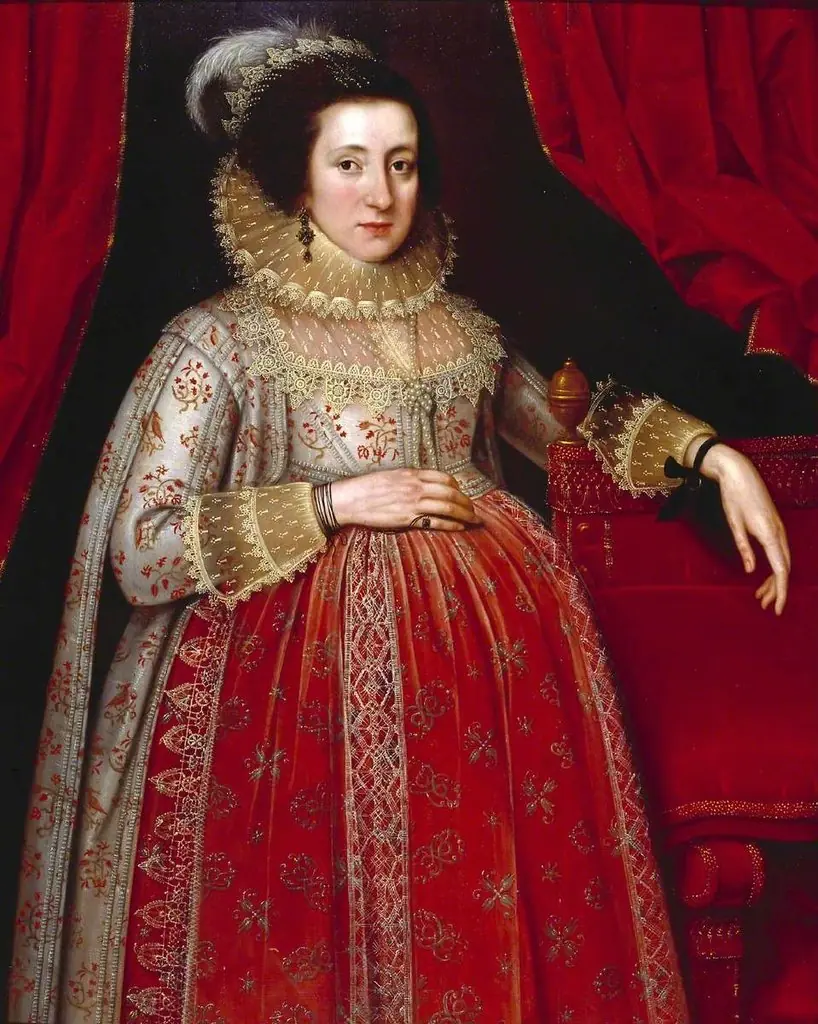 Portrait of a Woman in Red
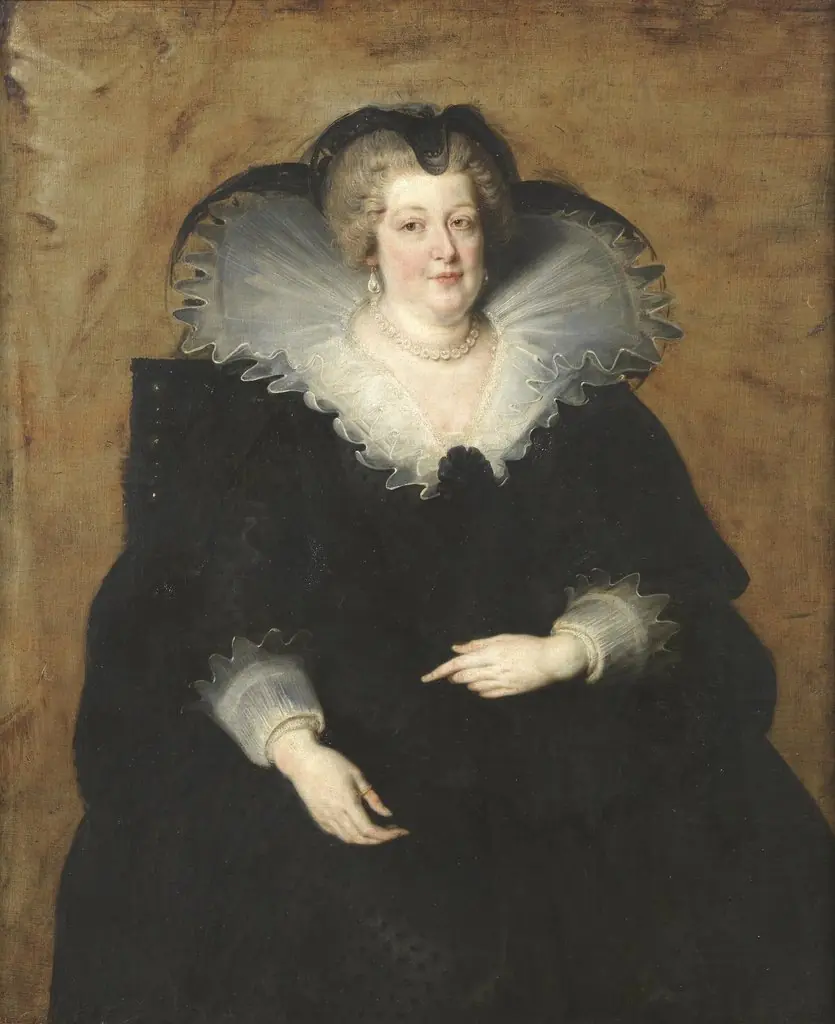 Marie de Medici, Queen of France
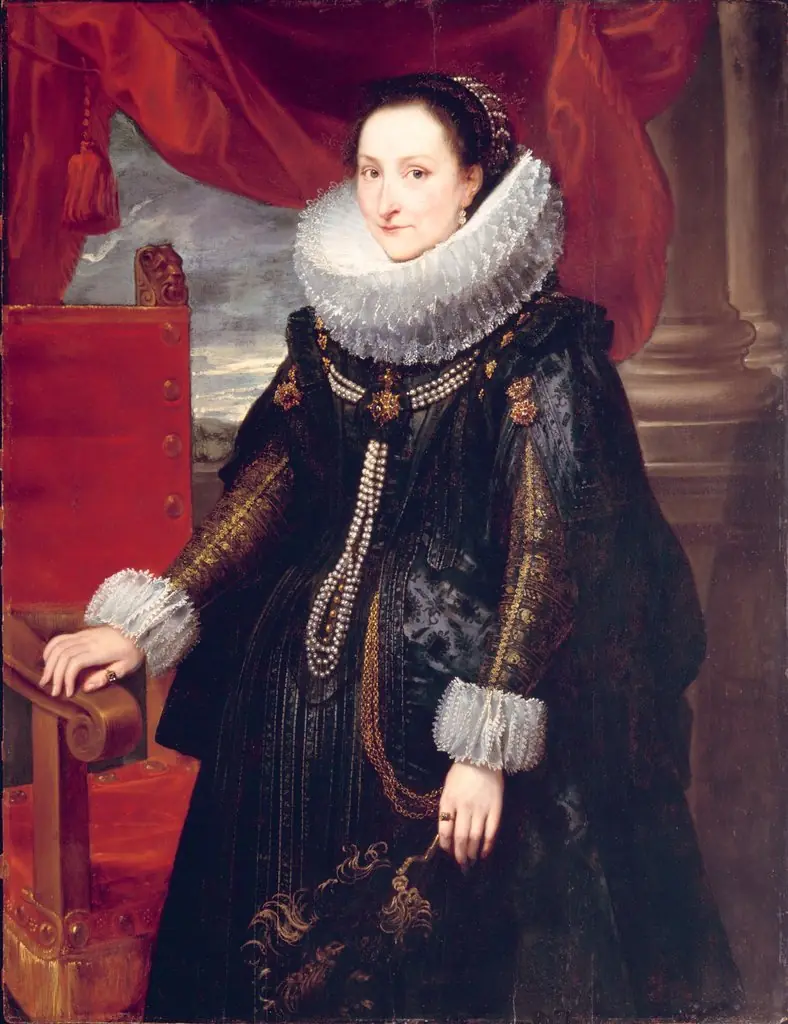 Portrait of a Woman
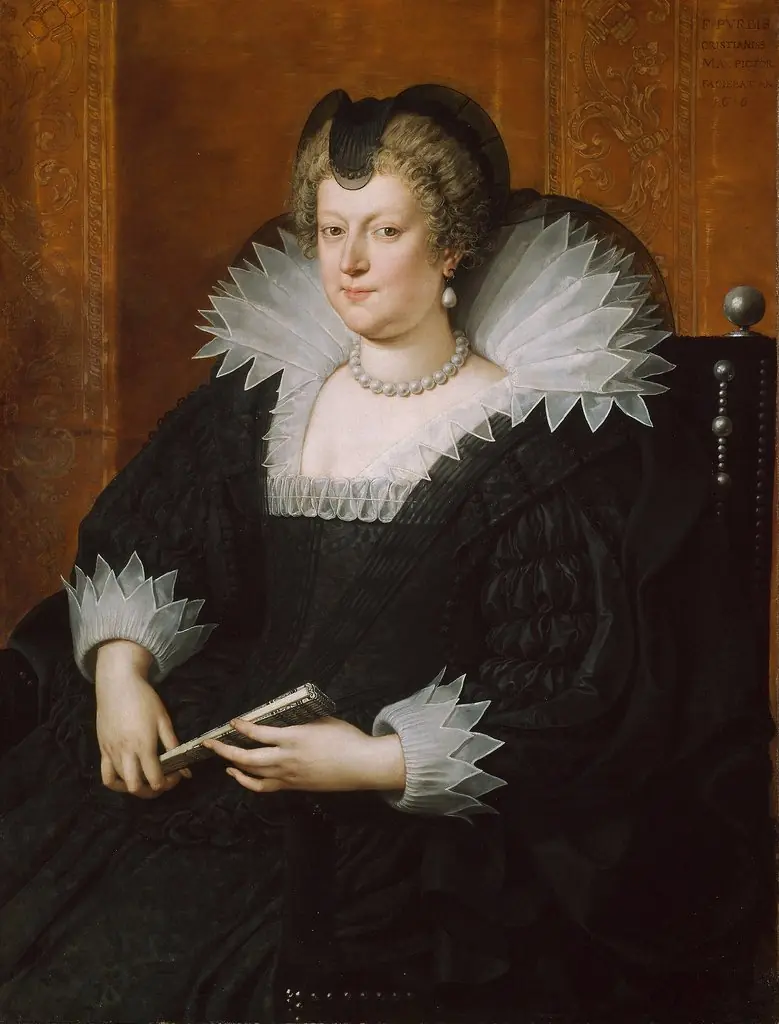 Marie de Médici
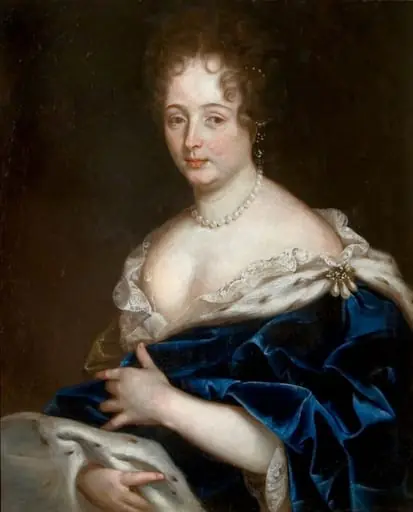 Portretul Marchizei de Crequi
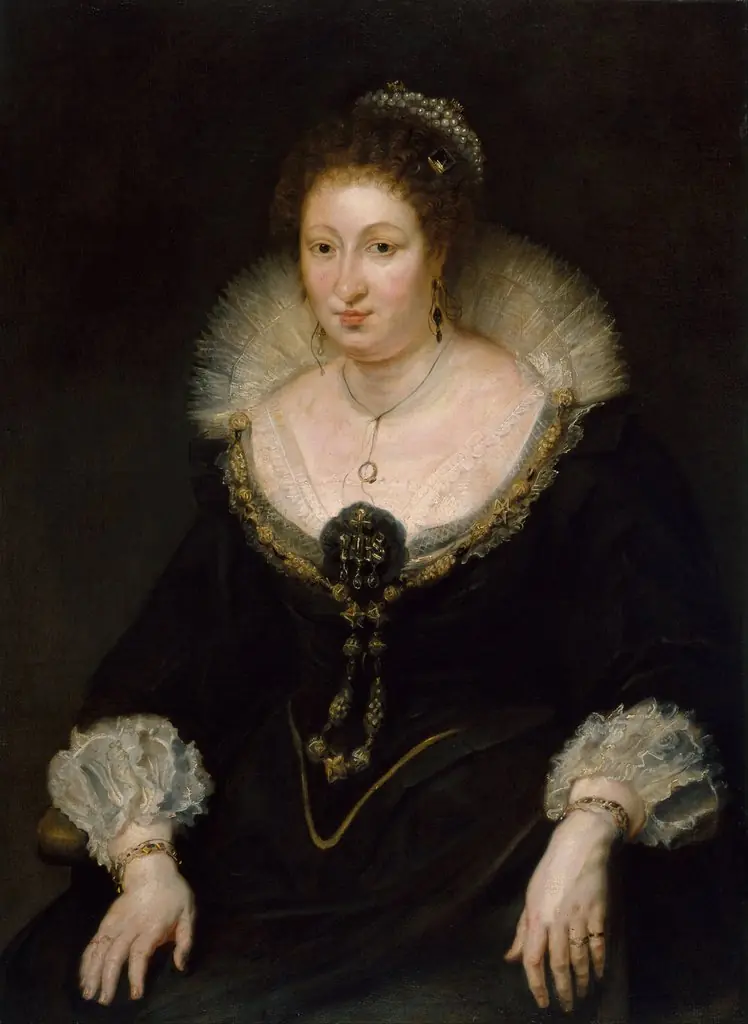 Lady Alethea Talbot, Countess of Arundel
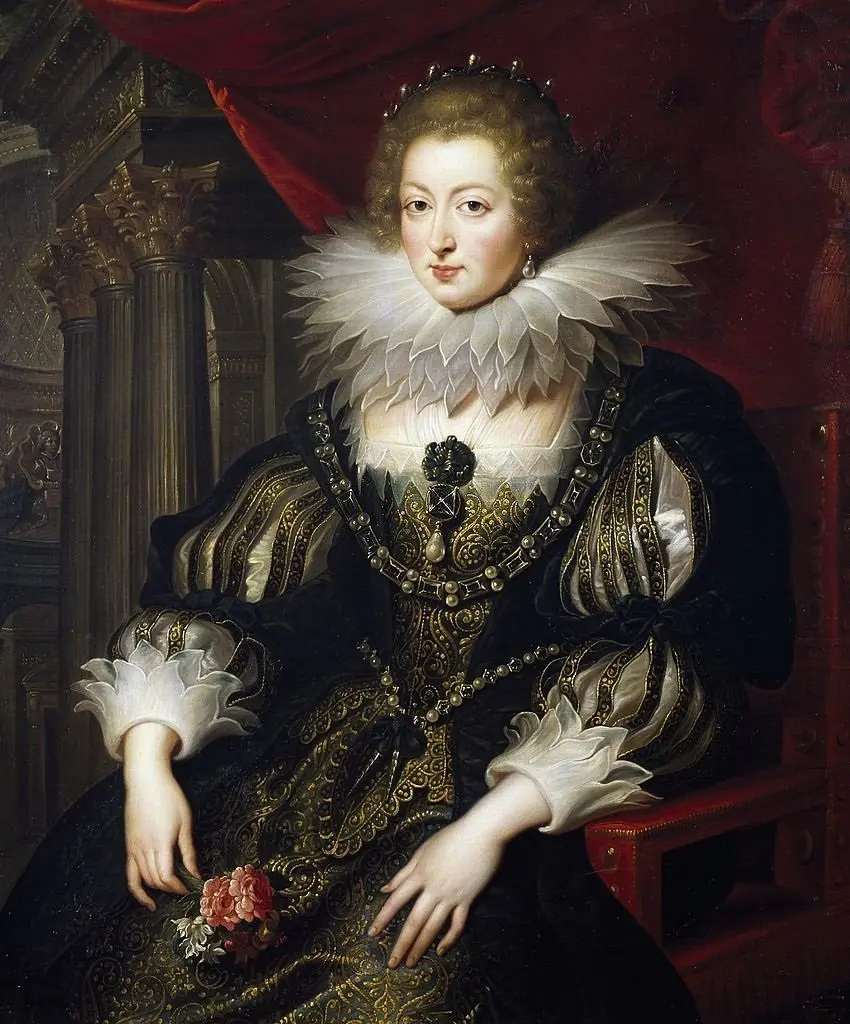 Portrait of Anne of Austria, Queen of France (1601-1666)