Artwork
Elizabeth, Countess of Kent
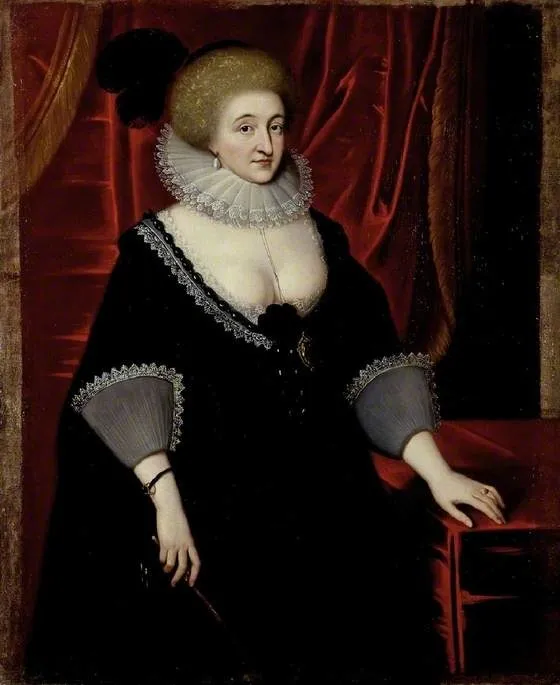
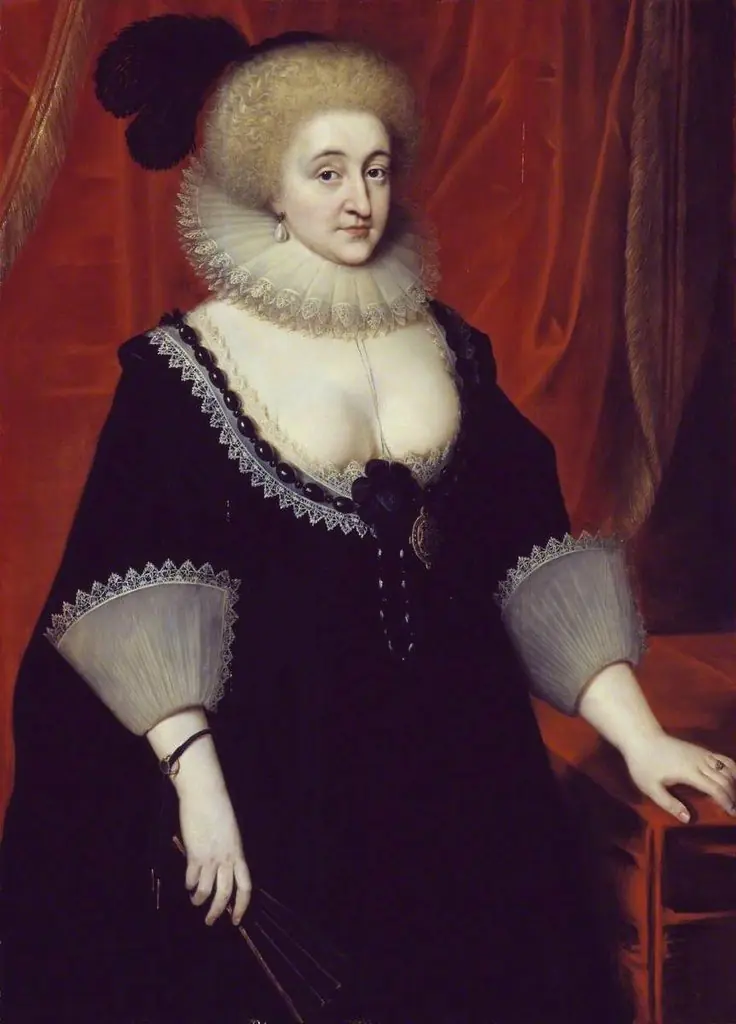
Elizabeth, Countess of Kent is an oil painting by Paul van Somer I. It dates from 1617 and is held in the collection of the Fitzwilliam Museum.
About this work
If you're interested in learning more about paintings from the 17th century, you might want to look up the artist Paul van Somer I.
This painting shows a woman dressed in 17th-century clothing. She is wearing a black dress with lace and a white ruff. The background is red, with a dark area on the right side.
The woman's clothing and the style of the painting suggest that it is from the early 17th century. The use of oil paint and the detailed depiction of the woman's dress are also characteristic of paintings from this time period.
If you're interested in learning more about paintings from the 17th century, you might want to look up the artist Paul van Somer I.
Overview
This oil portrait, completed in 1617, depicts Elizabeth Grey, Countess of Kent, painted by Paul van Somer I, a Flemish artist active in the English court. Van Somer, who migrated from Antwerp, gained prominence under King James I for his refined depictions of aristocratic sitters. The painting resides in the Fitzwilliam Museum’s collection, representing the refined portraiture favored by early 17th-century English nobility.
Subject & Meaning
Elizabeth Grey, wife of the Earl of Kent, is portrayed with quiet dignity, reflecting her status within the Jacobean aristocracy. Her attire—black silk with intricate lace and a high white ruff—conveys both mourning and wealth, common in elite portraiture of the period. The restrained composition and direct gaze suggest a deliberate assertion of social presence, aligning with the era’s emphasis on lineage and decorum.
Technique & Style
Van Somer employed oil paint with meticulous attention to textile detail, rendering the lace, folds, and sheen of the gown with precision. The dark background, punctuated by a deep red field on the left and shadowed area on the right, isolates the figure and enhances the luminosity of her attire. The brushwork is controlled, favoring clarity over expressive flourish, typical of courtly portraiture in early Stuart England.
History & Provenance
Commissioned during van Somer’s tenure as a favored court painter, the portrait likely served to affirm the Countess’s position within the social hierarchy. It entered the Fitzwilliam Museum’s collection through documented acquisitions in the 19th century, preserving its connection to the original patronage network of James I’s court. No significant alterations or repainting are recorded in its conservation history.
Context
Painted during the early years of James I’s reign, the portrait reflects the lingering influence of Flemish realism in English court art. Van Somer’s style bridged Northern European traditions with the demands of English aristocratic taste, where symbolic restraint and material detail replaced the flamboyance of earlier Tudor portraiture. Similar works by van Somer include portraits of the royal family, reinforcing his role in shaping elite visual culture.
Legacy
Van Somer’s portraits, including this one, helped define the aesthetic of Jacobean nobility in paint. While not widely known today, his work remains a key reference for understanding how aristocratic identity was visually constructed in early 17th-century England. The painting continues to inform scholarly study of costume, patronage, and the movement of artistic techniques across Europe during this period.
Artist & collection
Artist
Paul van Somer (c. 1577 – 1621), also known as Paulus van Somer, was a Flemish artist who arrived in England from Antwerp during the reign of King James I of England and became one of the leading painters of the royal…

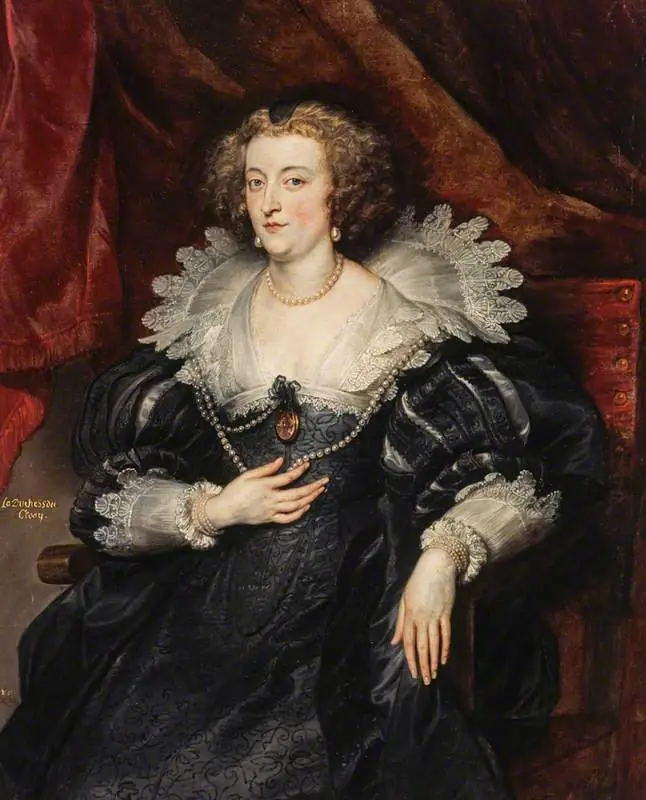 Geneviève d'Urfé, Duchesse de Croy (died before 1656)
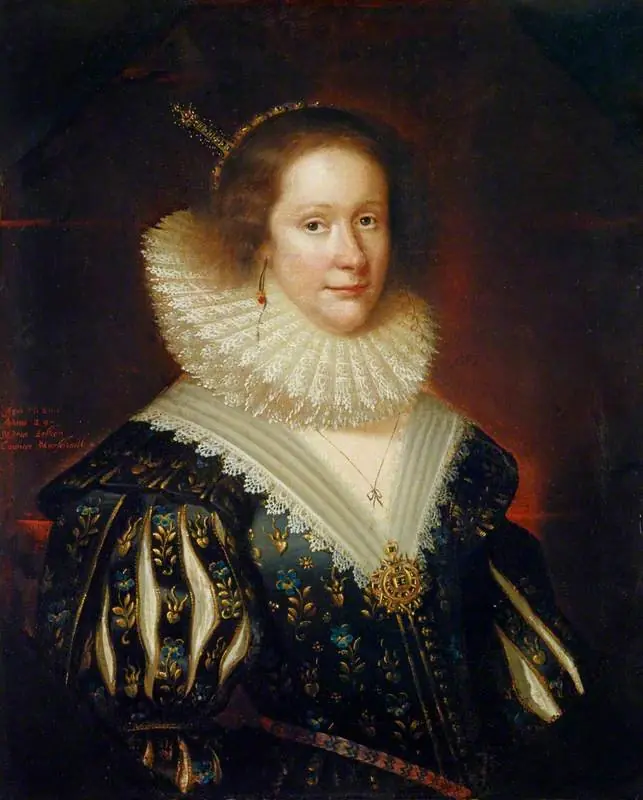 Lady Mary Erskine, Countess Marischal (born about 1597)
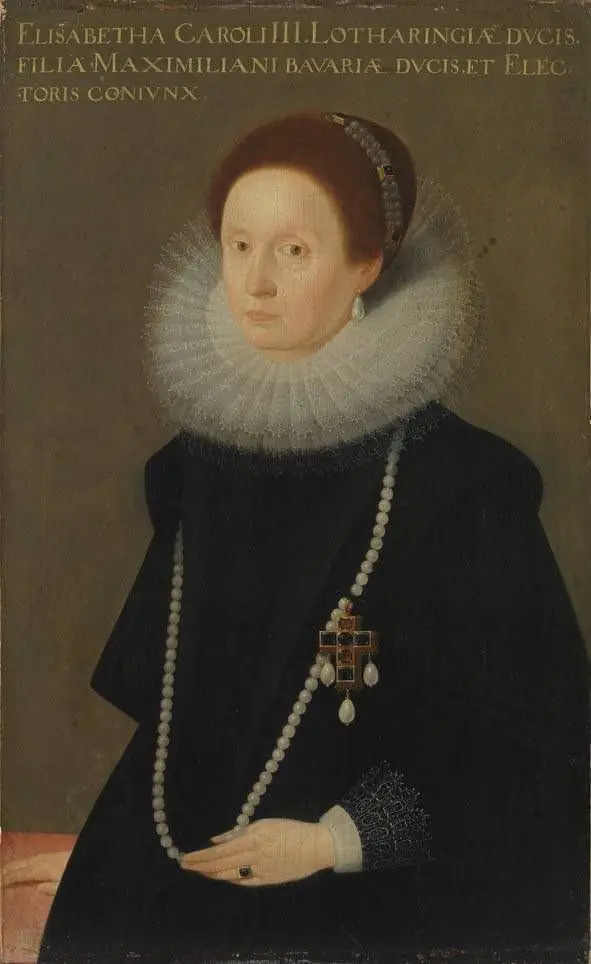 Bildnis der Elisabeth von Lothringen (1574-1635), erste Gemahlin des Kurfürsten Maximilian I. von Bayern (Schule)
 Ärkehertiginna Isabellas kammarjungfru
 Portrait of a Lady
 Portrait of a Lady holding a Book
 Portrait of a Lady
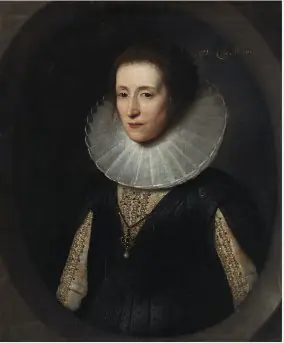 Portrait of Lady Alexander
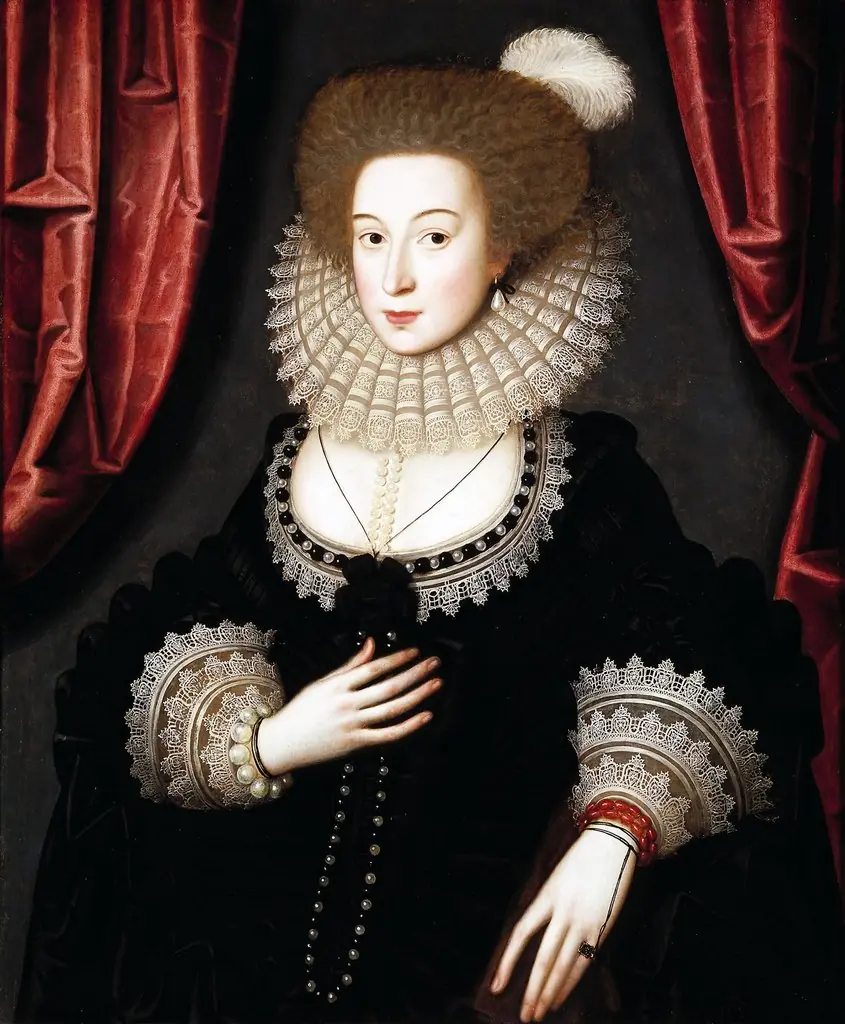 Portrait of Mary Radclyffe
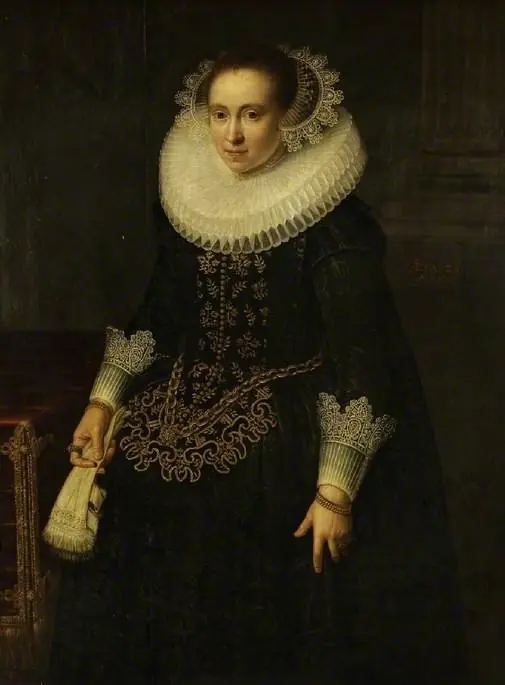 A lady