Artwork
Portrait of a Family
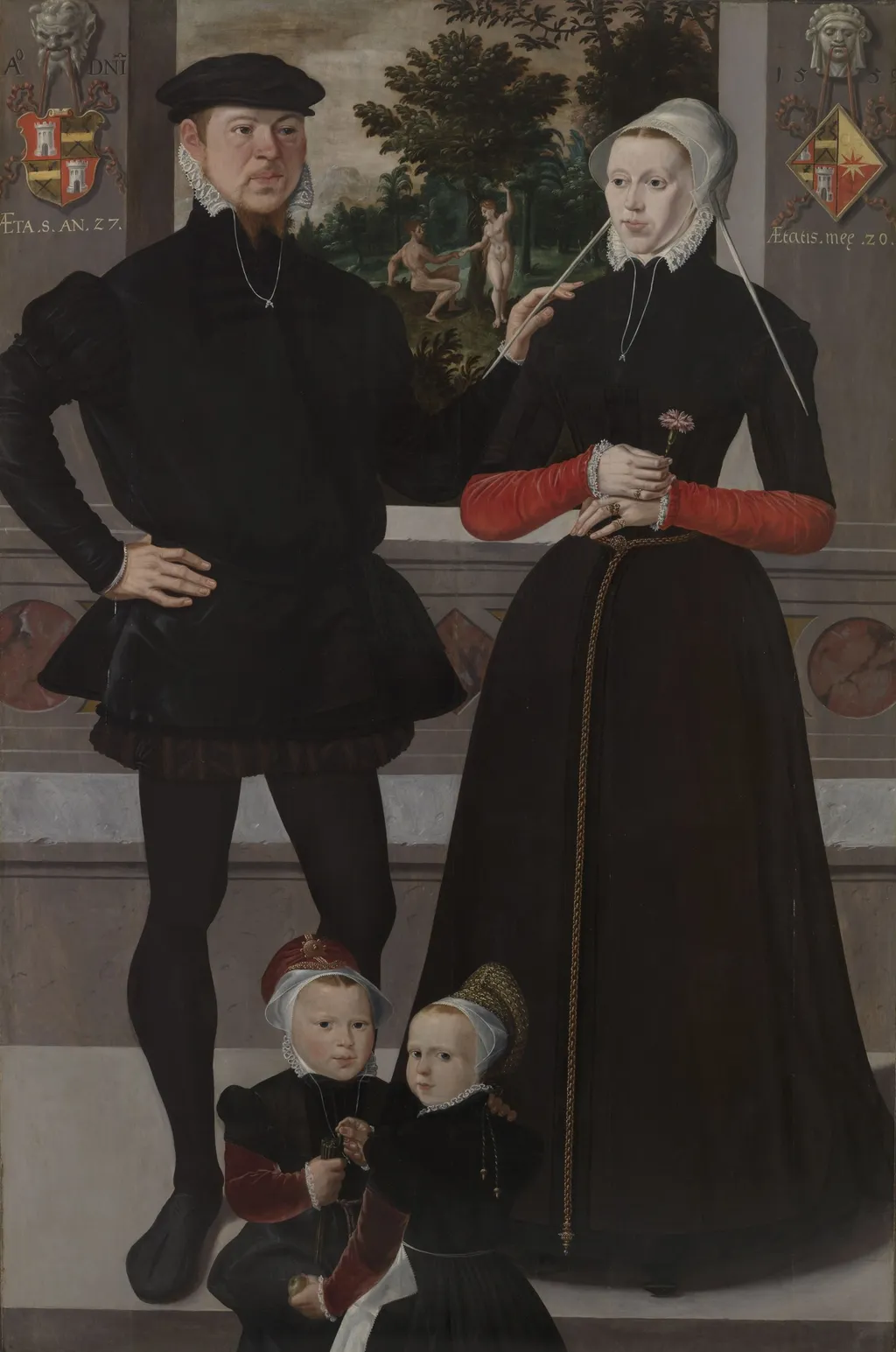
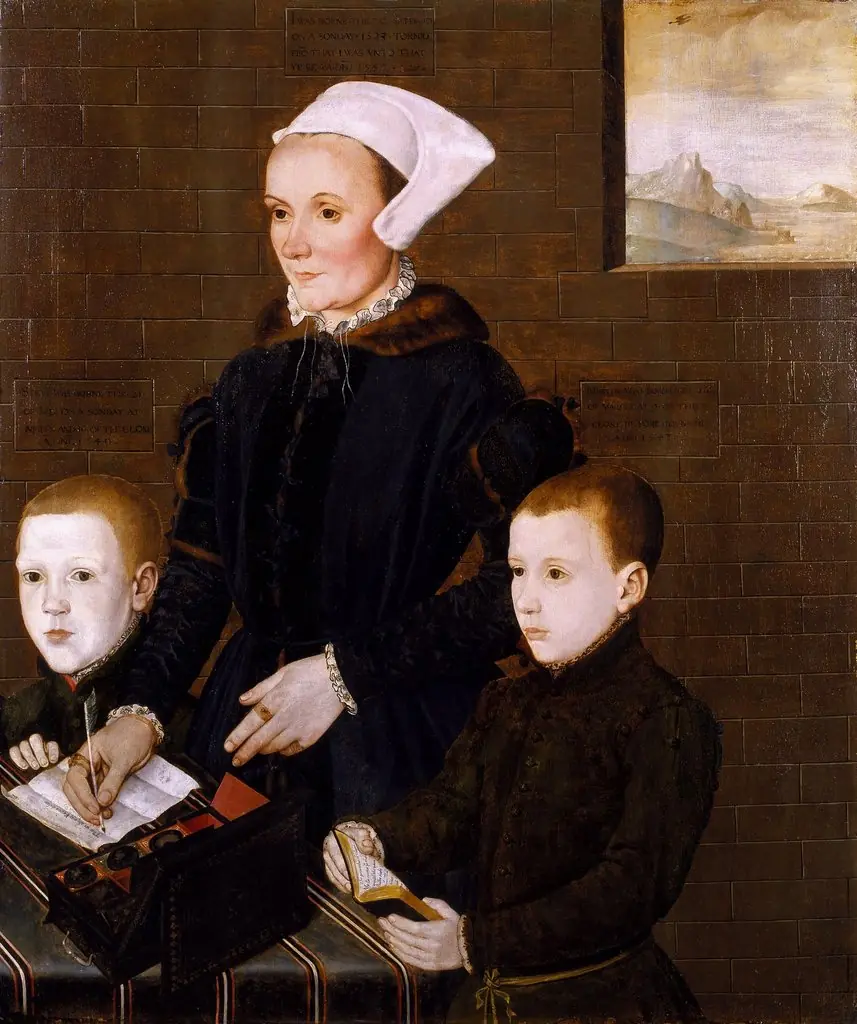
Portrait of a Family is an oil painting by the Northern Renaissance artist Unknown. It dates from 1559 and is held in the collection of the Royal Museum of Fine Arts Antwerp. The oil painting presents a young couple seated side by side, their hands clasped, flanked by two kneeling children.
About this work
Overview
The figures are dressed in dark, formal attire; the man wears a black hat and ruff, while the woman’s sleeves are vivid red and she holds a small flower.
The oil painting presents a young couple seated side by side, their hands clasped, flanked by two kneeling children. The figures are dressed in dark, formal attire; the man wears a black hat and ruff, while the woman’s sleeves are vivid red and she holds a small flower. Above each adult’s head a coat of arms is displayed, and their ages—twenty for the woman and twenty‑seven for the man—are noted on the wall.
Subject & Meaning
The composition suggests a family portrait intended to record lineage and status. The inclusion of the children, kneeling in matching miniature garments, reinforces the notion of continuity. The floral element in the woman’s hand may allude to fertility or virtue, while the heraldic symbols emphasize noble affiliation.
Technique & Style
Executed in oil, the work employs chiaroscuro, contrasting illuminated areas on the faces and hands with deep shadows that model the clothing and background. This handling of light creates a three‑dimensional presence despite the stiff, formal poses. The painted backdrop depicts a classical garden populated with figures, adding a decorative, idealized setting typical of early modern portraiture.
Context
The painting reflects the conventions of early seventeenth‑century European portraiture, where precise rendering of attire, heraldry, and age served both documentary and propagandistic purposes. The use of a garden scene behind the sitters aligns with contemporary practices of situating subjects within allegorical or pastoral environments to convey refinement.
Legacy
While the artist’s identity remains unidentified, the work offers insight into the visual language of status and family representation in its period. Its preservation of specific details—such as age inscriptions and coat‑of‑arms placement—provides valuable material for scholars studying heraldic display and domestic portrait conventions.
Artist & collection

 Domestic Scene
 Giacomo and Cardinal Marco, investing Andrea, Abbot of San Zeno, with his Benefice
 The Nymph of Fontainebleau
 Portrait of a Woman
 Madonna and Child with Saints in the Enclosed Garden
 Venus and Minerva
 Family Group of Four on Sofa
 Wall painting from Room H of the Villa of P. Fannius Synistor at Boscoreale
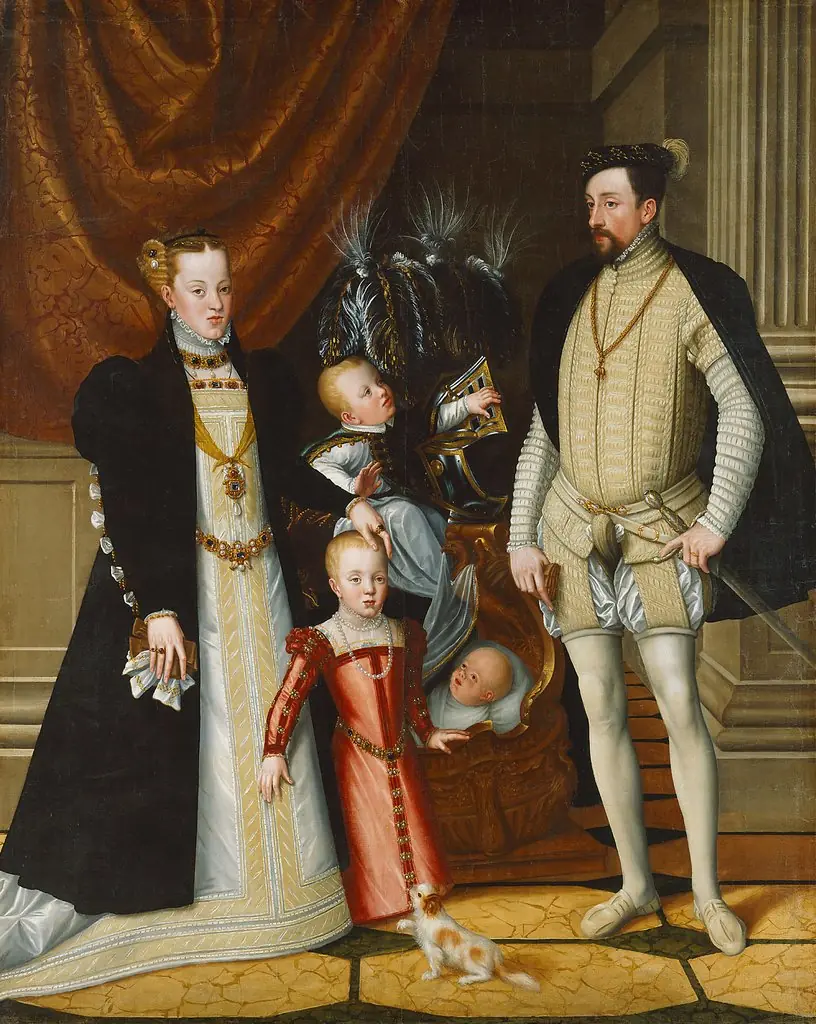 Maximilian II, His Wife and Three Children
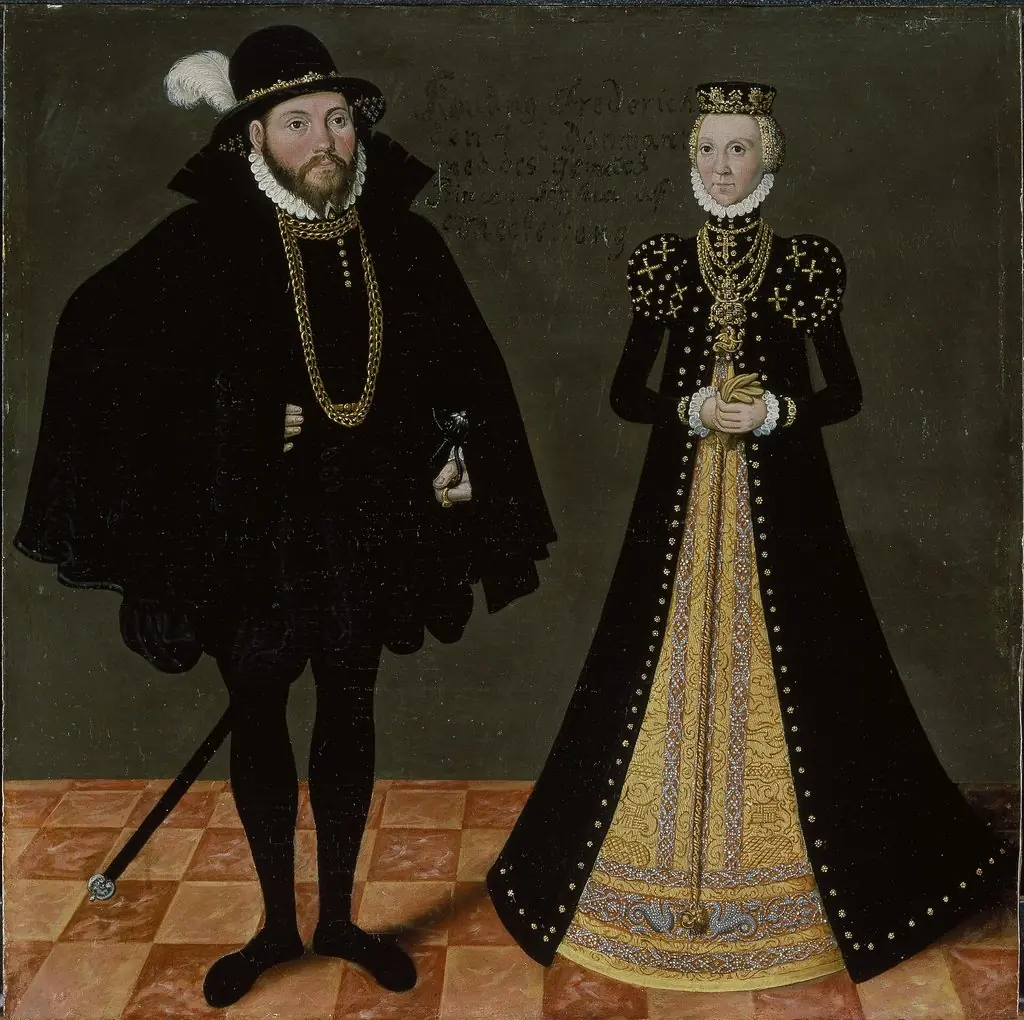 Okänt tyskt furstepar
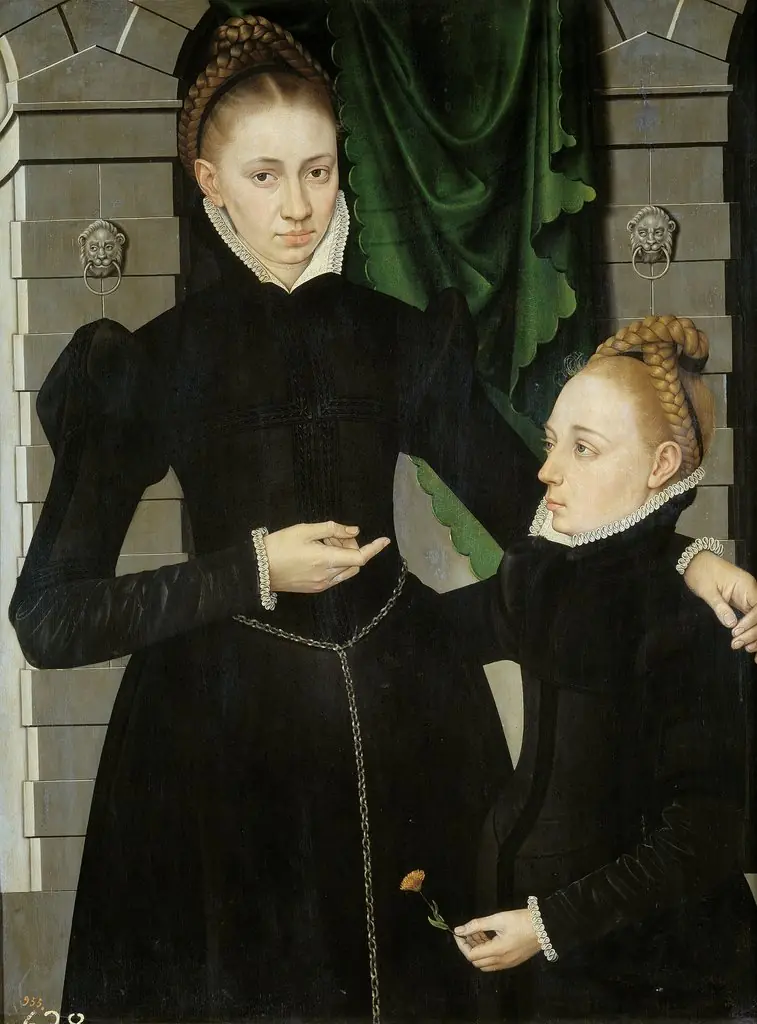 Dama y niña
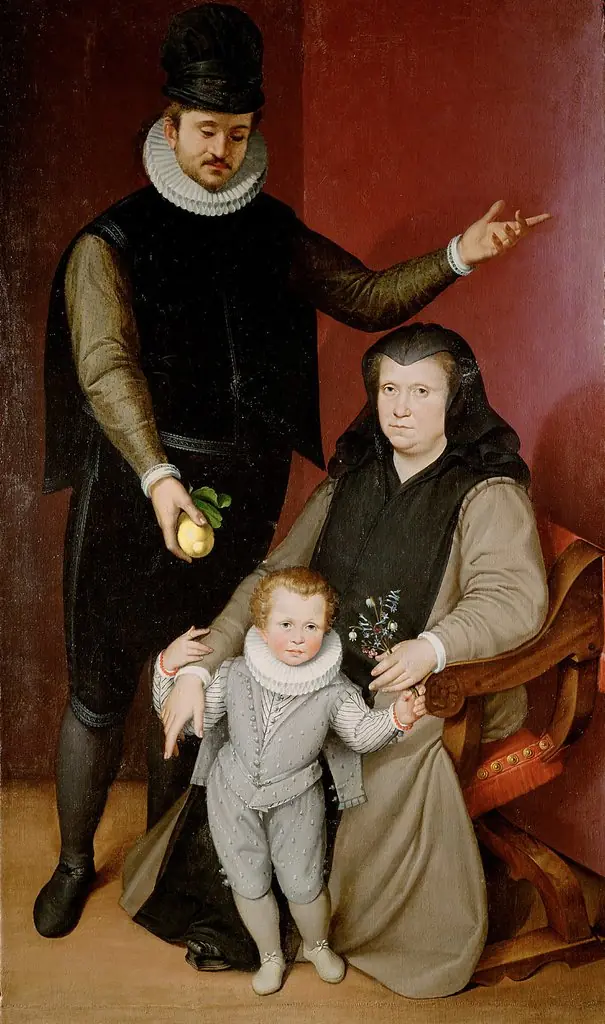 Familienbild
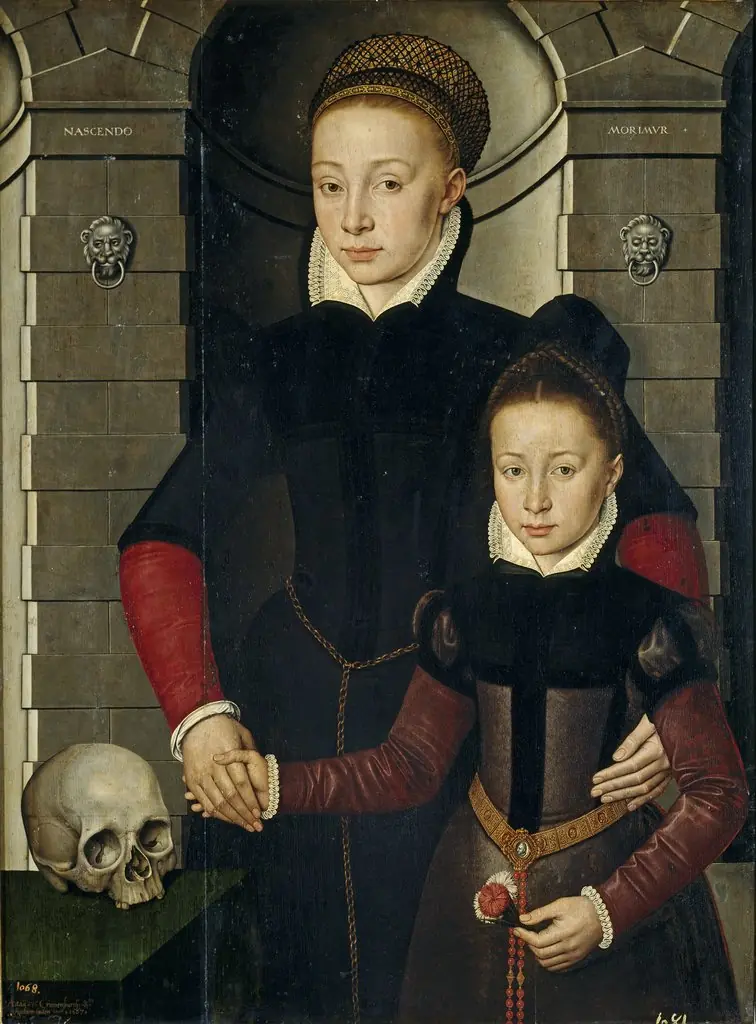 Lady and Girl
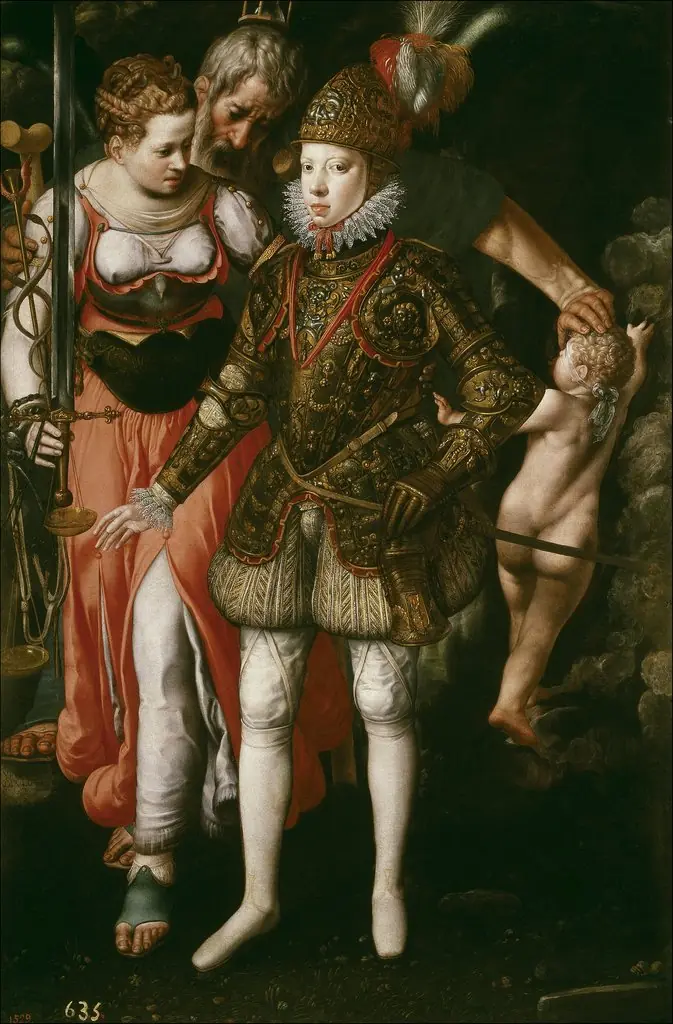 Allegory of the Education of Philip III
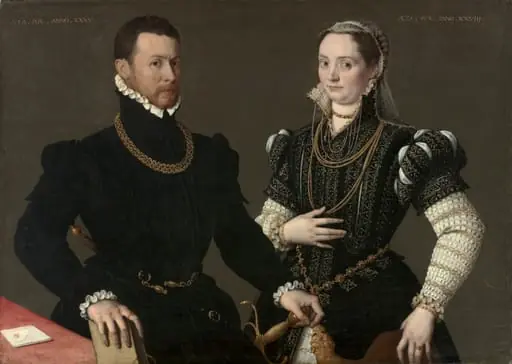 Portrait of a Couple
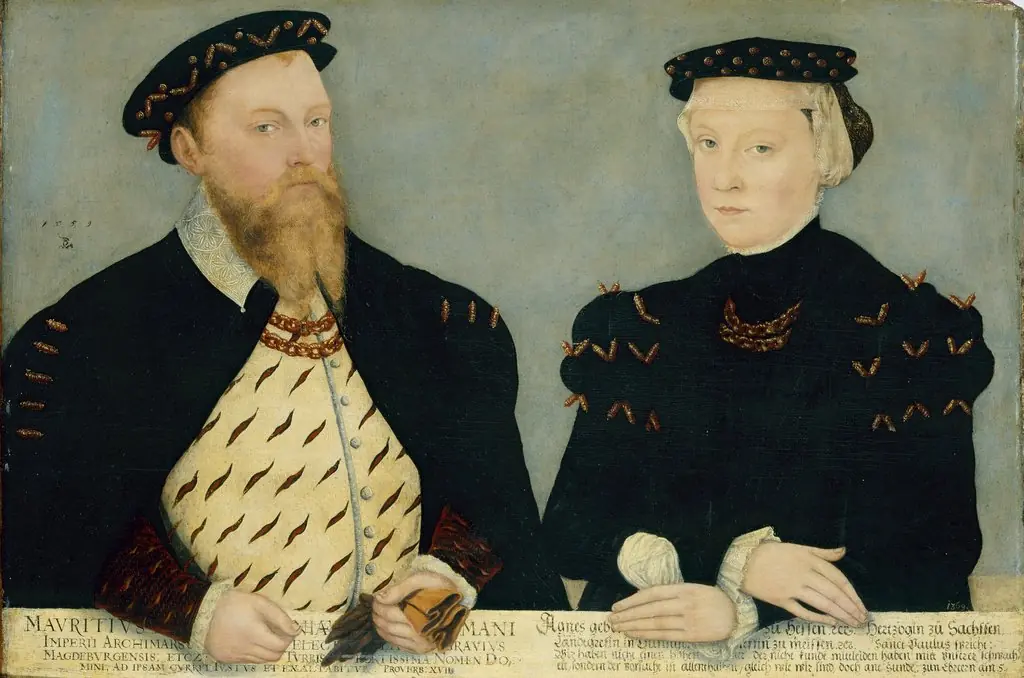 Moritz, Elector of Saxony and his wife Agnes
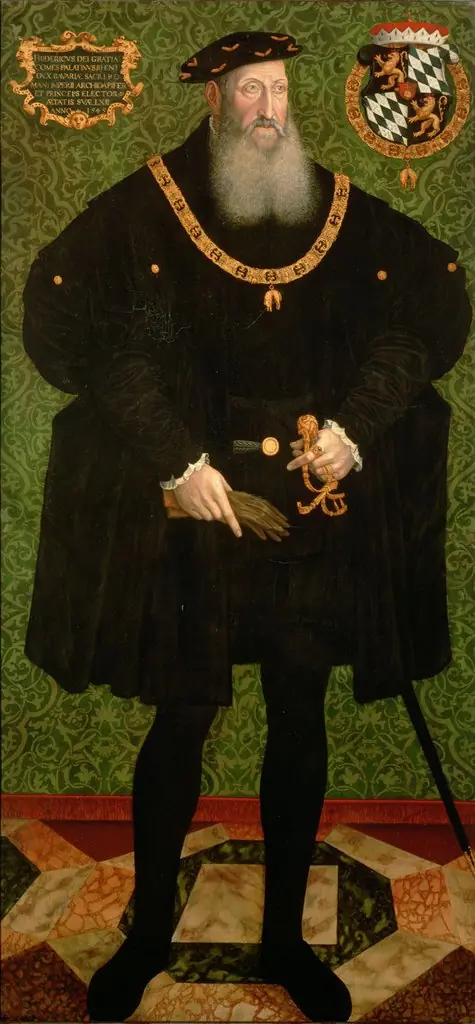 Pfalzgraf Friedrich II. (1482-1556), in ganzer Figur
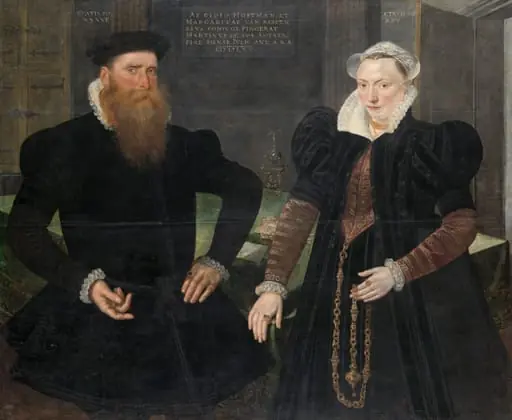 Portrait of Gillis Hooftman, Shipowner, and his Wife Margaretha van Nispen (Gilles van Eichelenberg, called Hoffman)
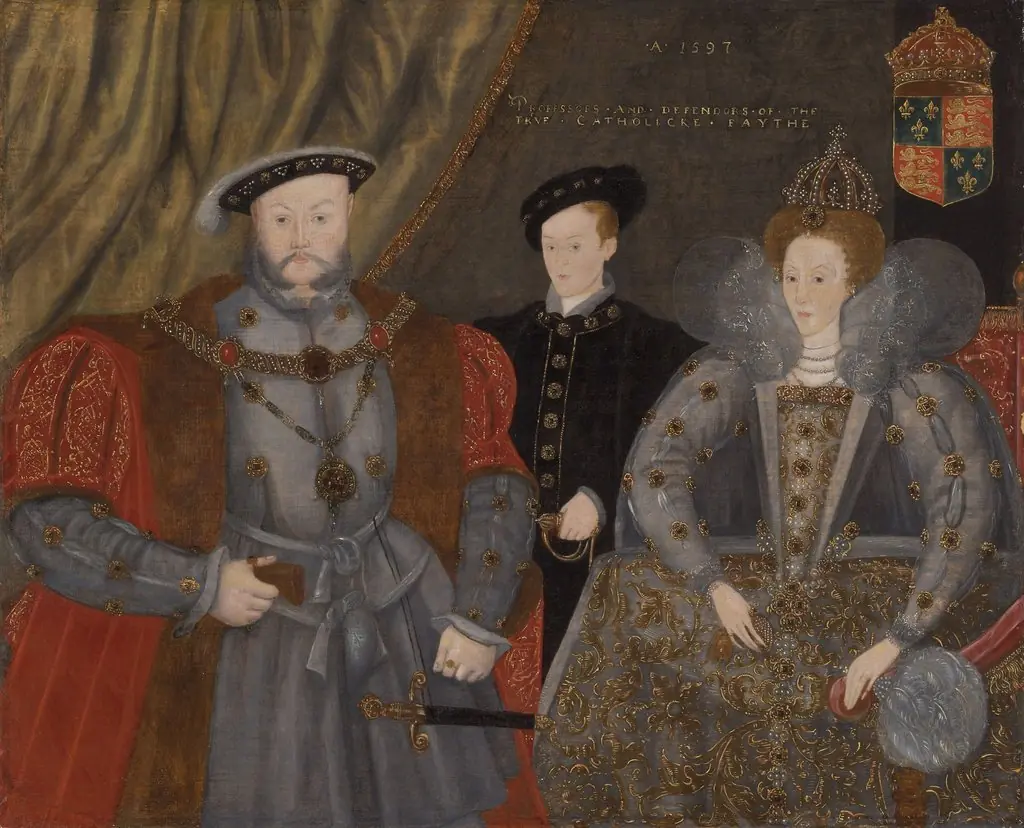 Henry VIII, Elizabeth I, and Edward VI
 Portrait of Alice Barnham (nee Bradbridge)