Artwork
Portrait of Alice Barnham (nee Bradbridge)
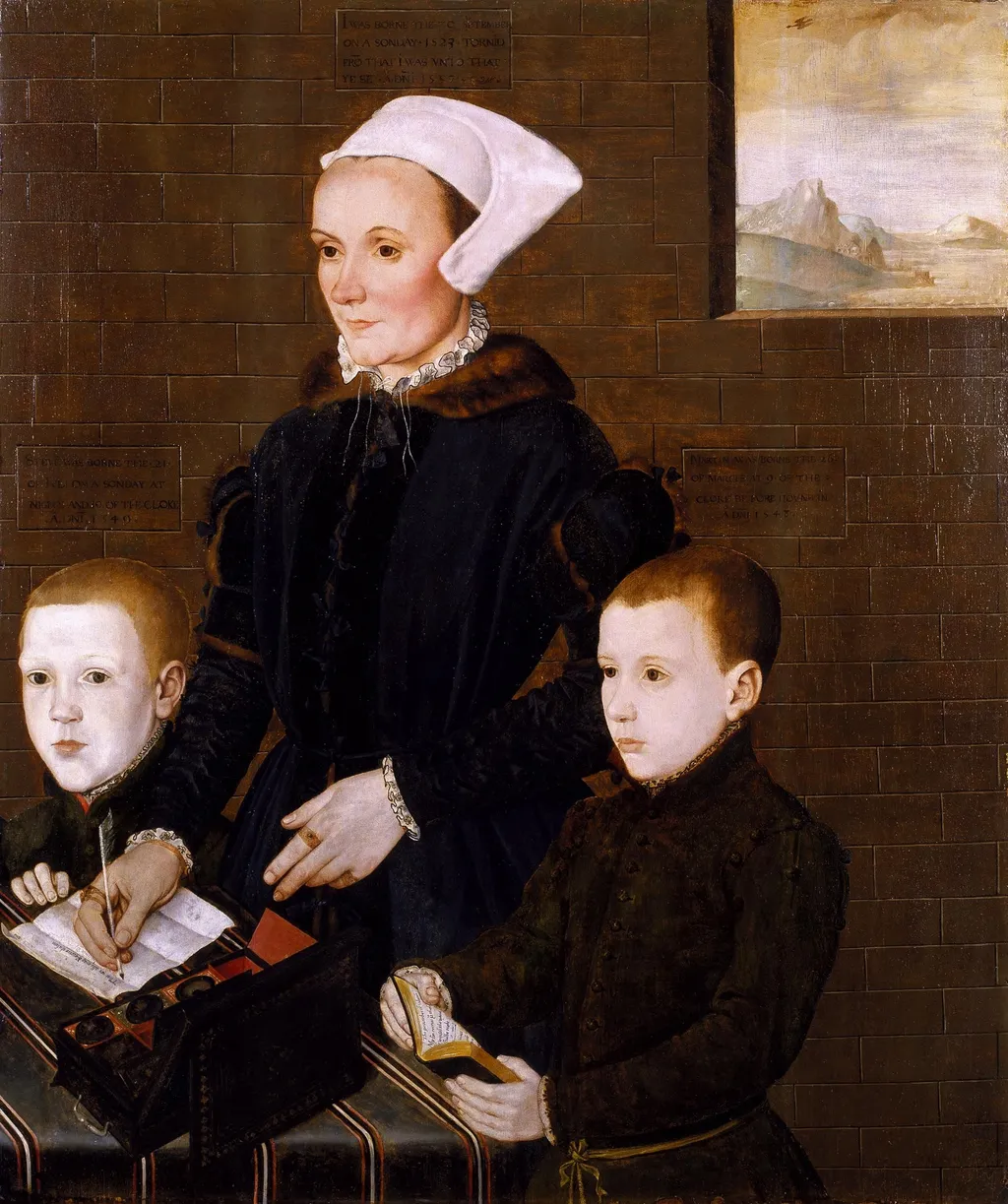
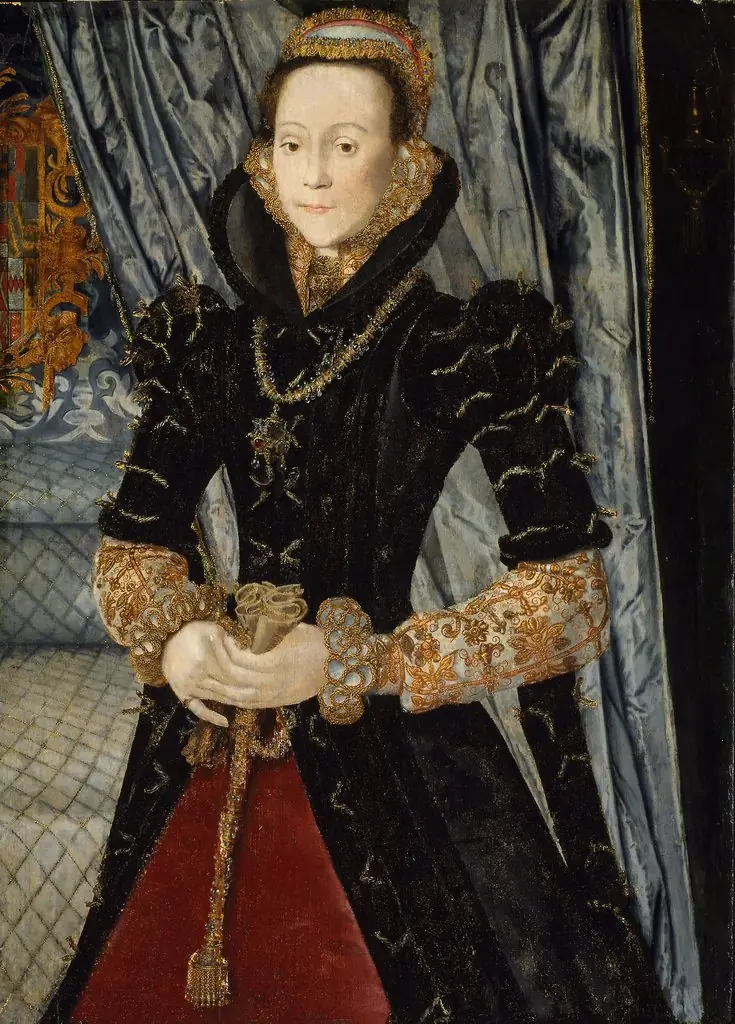
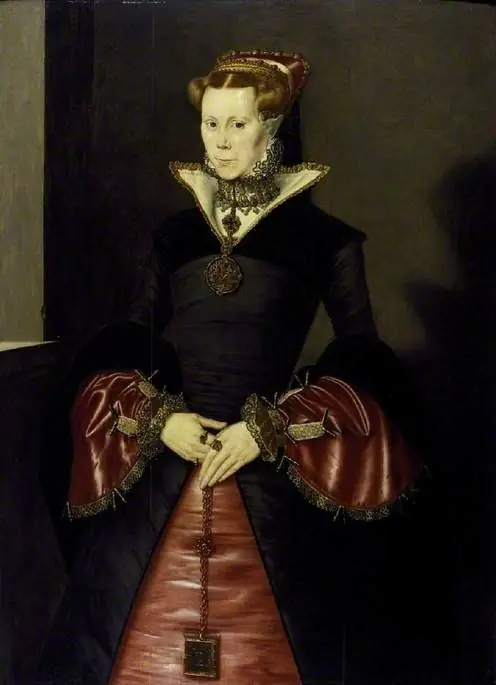
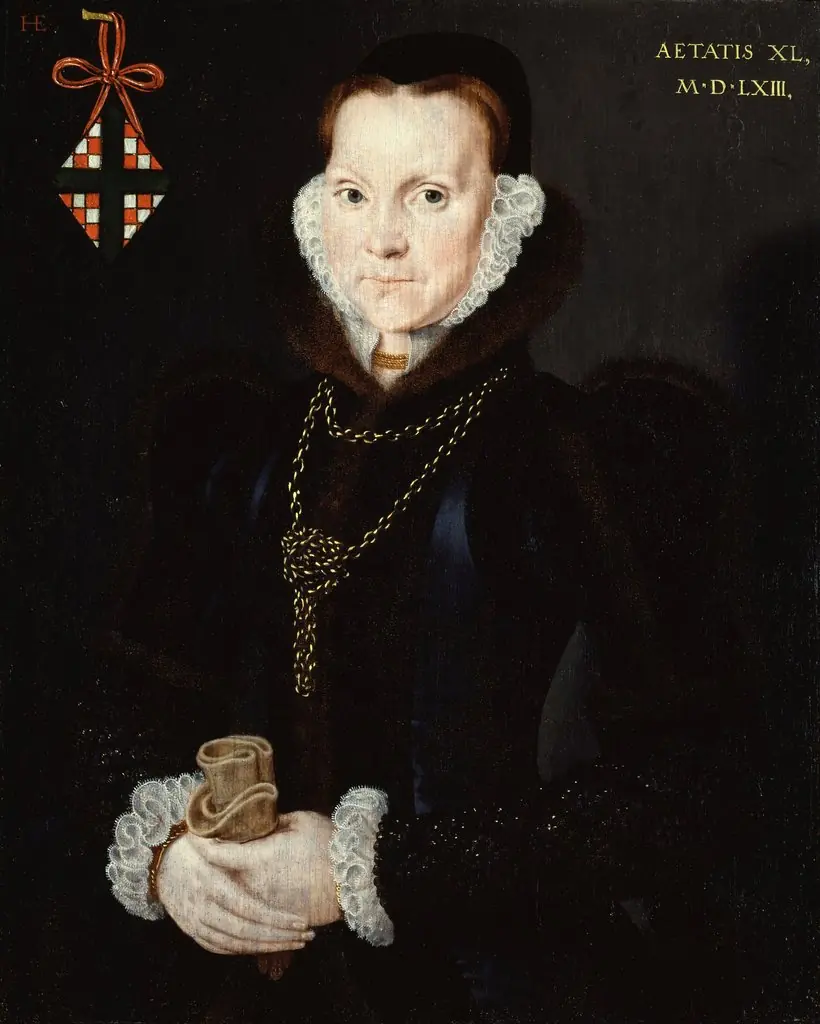
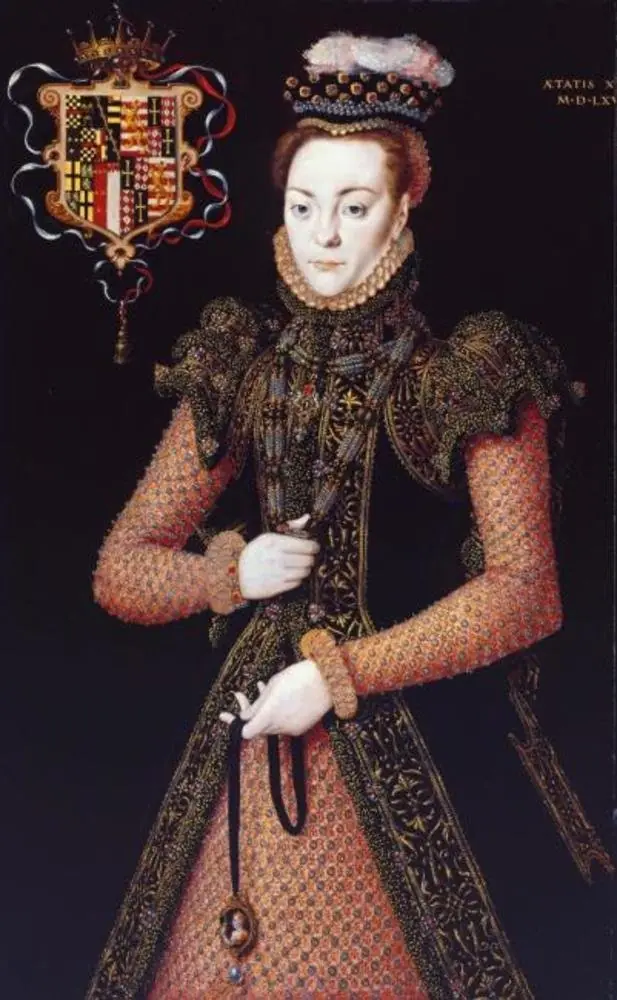
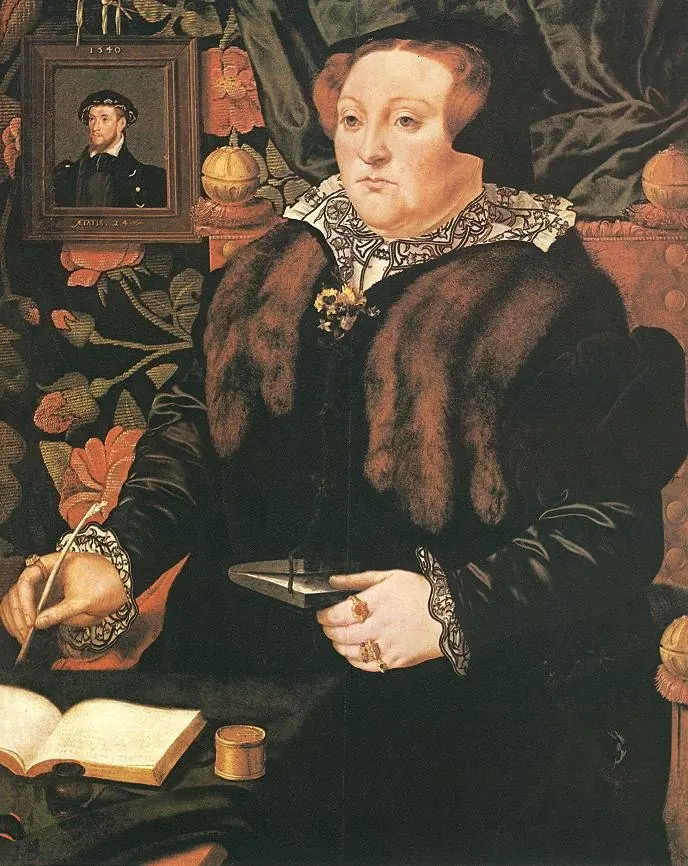
Portrait of Alice Barnham (nee Bradbridge) is an oil painting by the Northern Renaissance artist Hans Eworth. It dates from 1557 and is held in the collection of the Denver Art Museum.
About this work
Overview
Hans Eworth, a Flemish artist active in England during the mid-1500s, painted this oil portrait of Alice Barnham, née Bradbridge, in 1557.
Hans Eworth, a Flemish artist active in England during the mid-1500s, painted this oil portrait of Alice Barnham, née Bradbridge, in 1557. Commissioned by her family, the work reflects the Northern Renaissance tradition of detailed portraiture. It is now held in the Denver Art Museum’s collection, where it stands as an example of Eworth’s skill in capturing domestic and social identity among the English gentry.
Subject & Meaning
The painting portrays Alice Barnham flanked by two sons, one writing at a desk and the other holding a book. Their arrangement suggests an emphasis on education and moral instruction, common themes in elite households of the period. The quiet, composed demeanor of the figures and their formal attire convey social standing and familial duty, reinforcing the values of piety, literacy, and lineage among Tudor-era nobility.
Technique & Style
Eworth employed oil paint with careful attention to texture and light, using chiaroscuro to model the figures and create spatial depth. The brick wall behind them, along with a small landscape painting on the wall, adds layers of realism and symbolic context. The subjects’ clothing is rendered with precision—fine fabrics, crisp folds, and subtle highlights—demonstrating the artist’s mastery of Northern European portraiture conventions.
History & Provenance
Commissioned in 1557, the portrait remained within the Barnham family for generations before entering institutional collections. It was acquired by the Denver Art Museum in the 20th century, where it has been studied as a representative work of Eworth’s English period. Its survival and preservation offer insight into the patronage networks of Tudor-era merchant and gentry families.
Context
During the 1550s, English portraiture was influenced by Flemish and Netherlandish styles, particularly among those seeking to display wealth and cultural refinement. Eworth, trained abroad, adapted these traditions for local patrons. This portrait aligns with broader trends in domestic imagery that linked maternal presence with the transmission of education and moral character to the next generation.
Legacy
Eworth’s portrait of Alice Barnham remains a key example of mid-Tudor domestic portraiture, illustrating how art was used to affirm social roles within elite families. While less celebrated than royal commissions, such works provide valuable evidence of private life and values. The painting continues to inform scholarly understanding of gender, education, and visual culture in 16th-century England.
Artist & collection
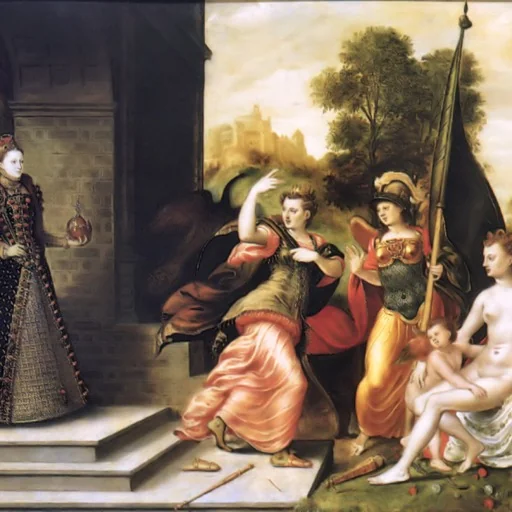
Artist
Hans Eworth (or Ewouts; c. 1520–1574) was a Flemish painter active in England in the mid-16th century. Along with other exiled Flemings, he made a career in Tudor London, painting allegorical images as well as portraits…

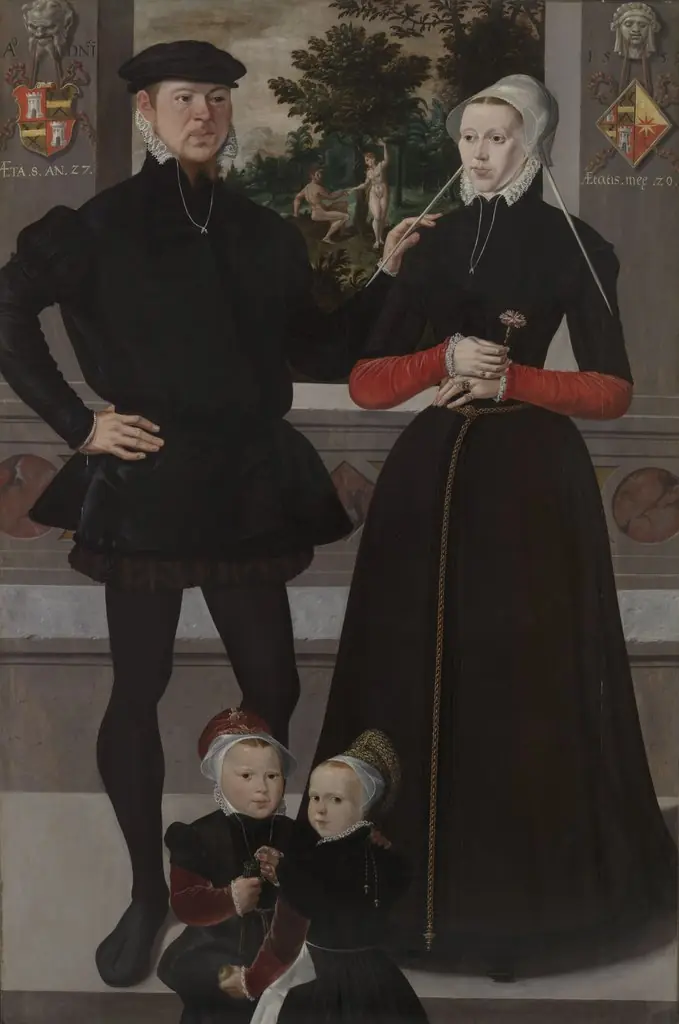 Portrait of a Family
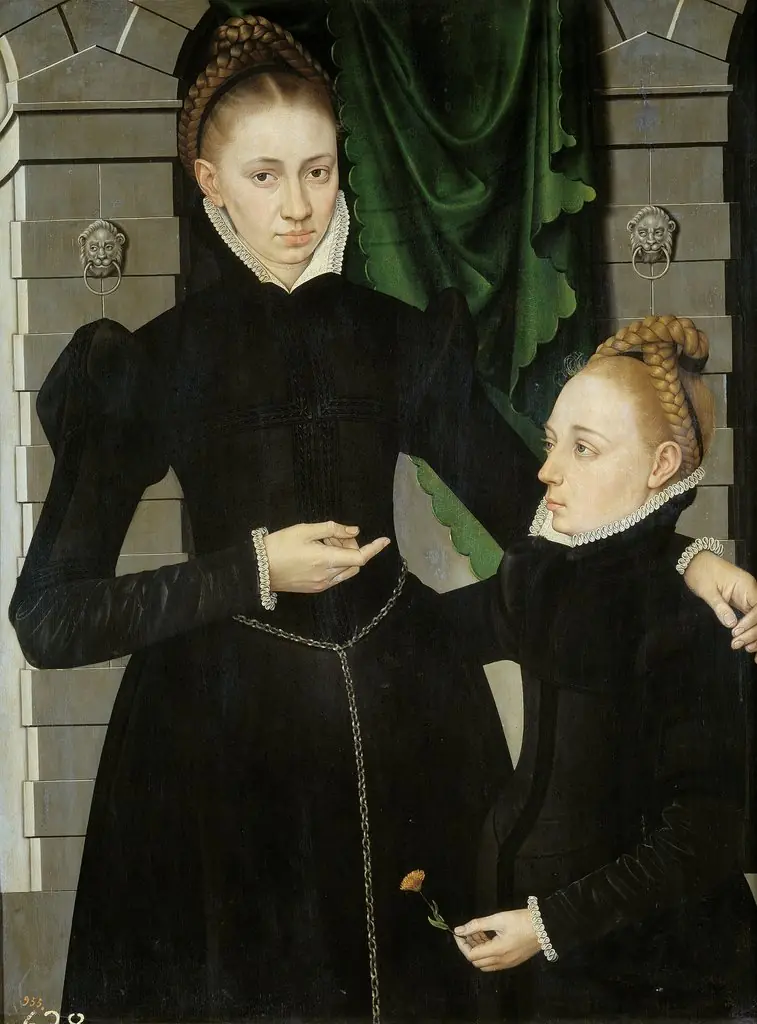 Dama y niña
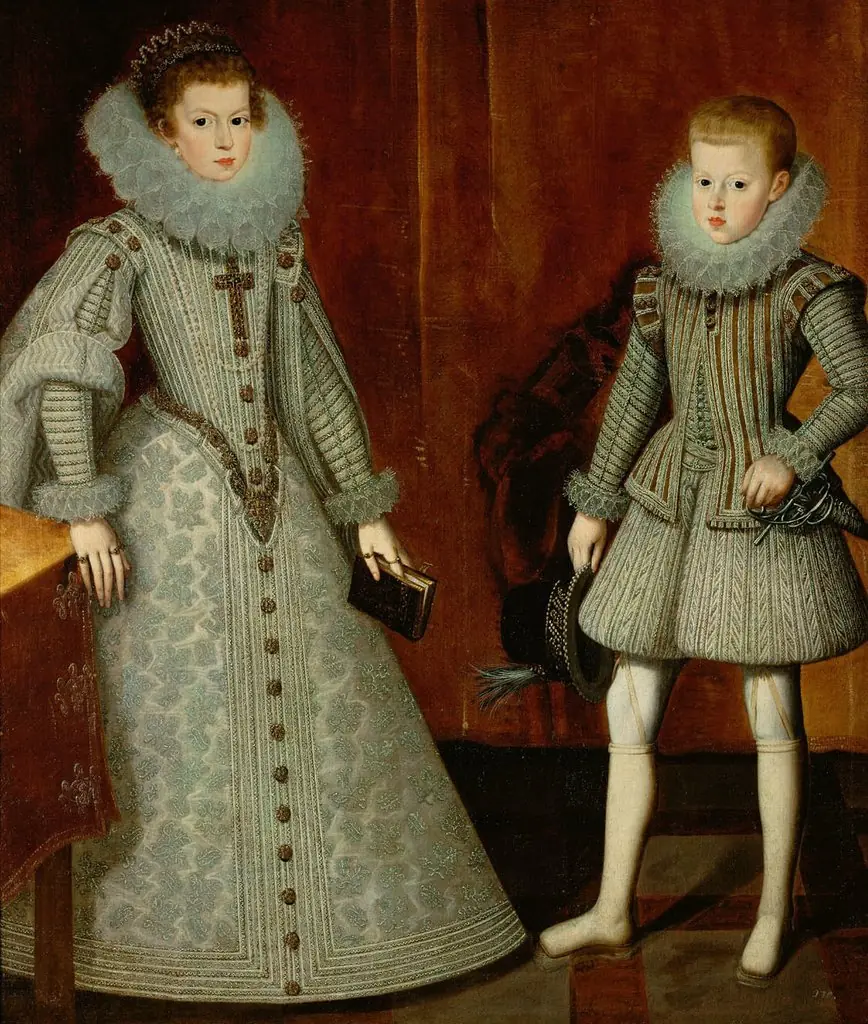 König Philipp IV. von Spanien (1605-1665) mit seiner Schwester, der Infantin Anna (1601-1666), Bildnis in ganzer Figur
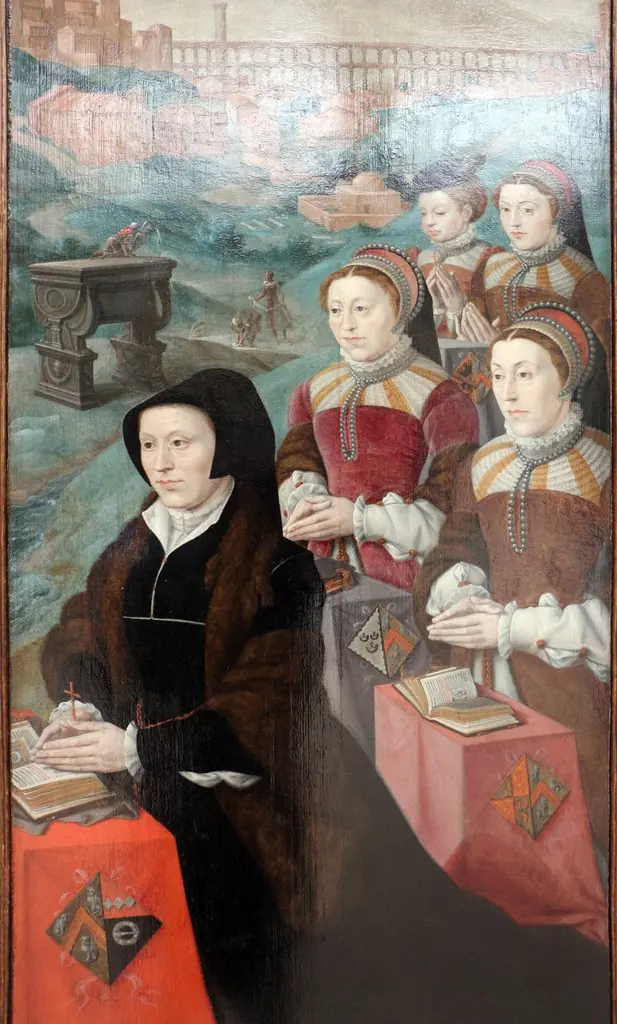 Portrait of Livina Cats van Welle, echtgenote van Jan Micault, met haar vier dochters
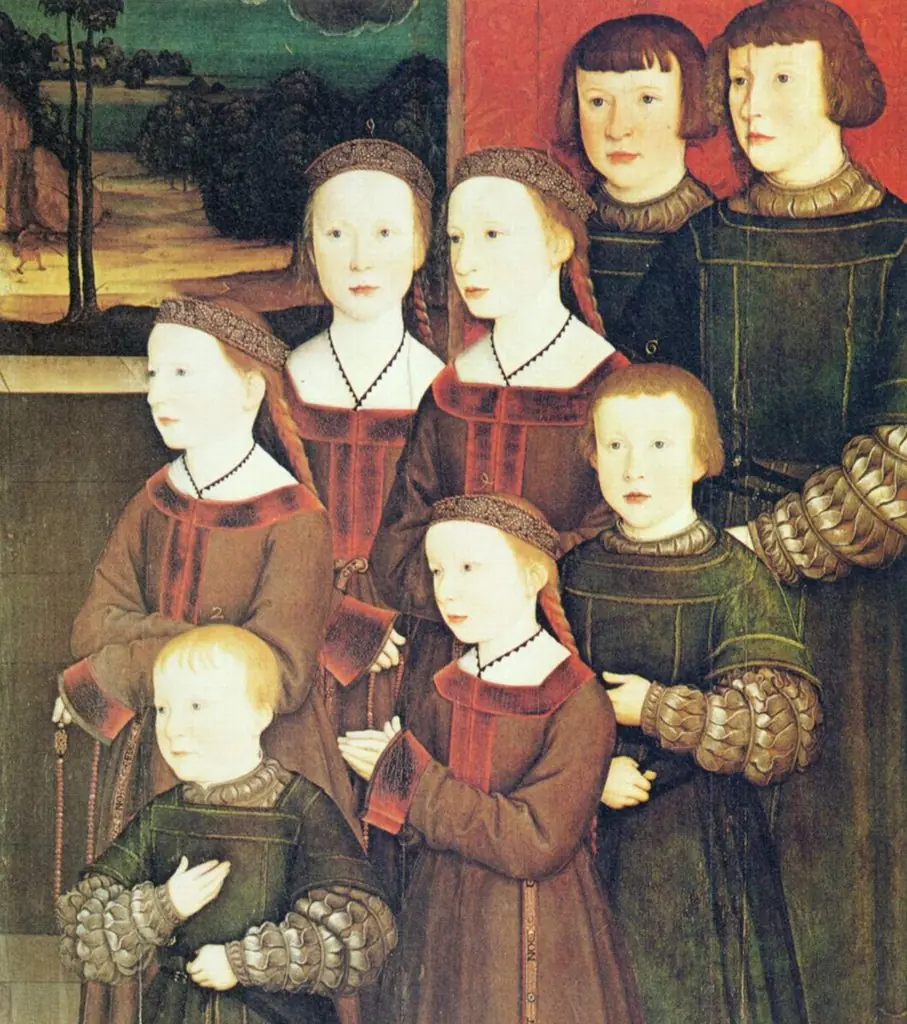 Rehlinger-Diptychon: Die acht Kinder des Konrad Rehlinger
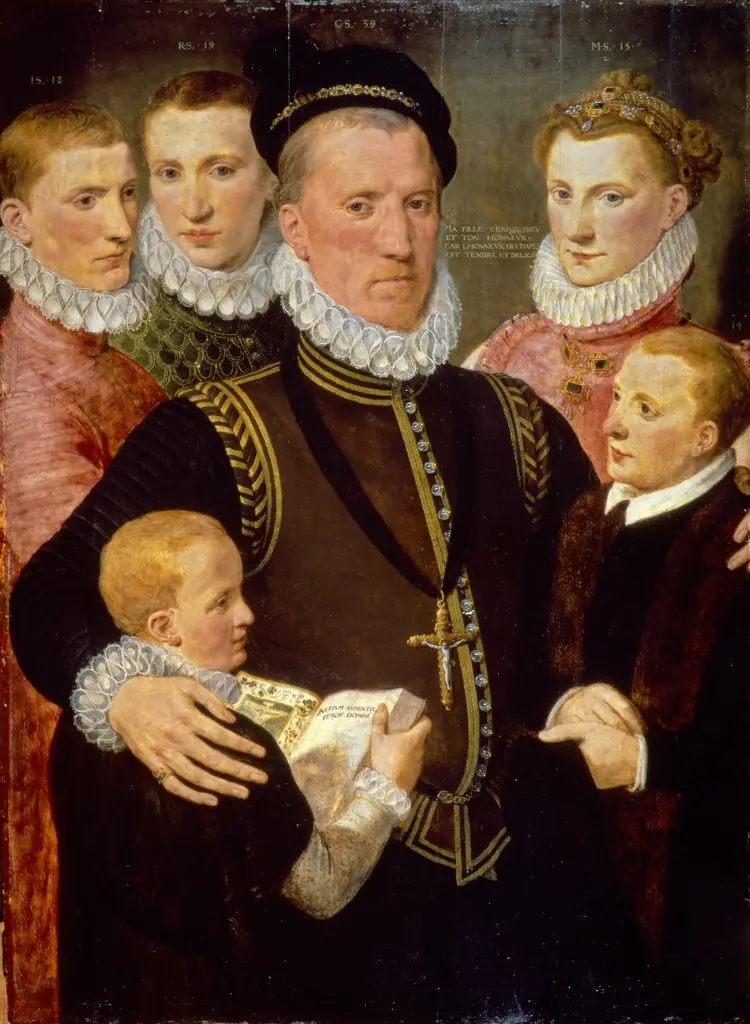 George, 5th Lord Seton (c 1531 - c 1585) and his Family (Also known as PGL 312)
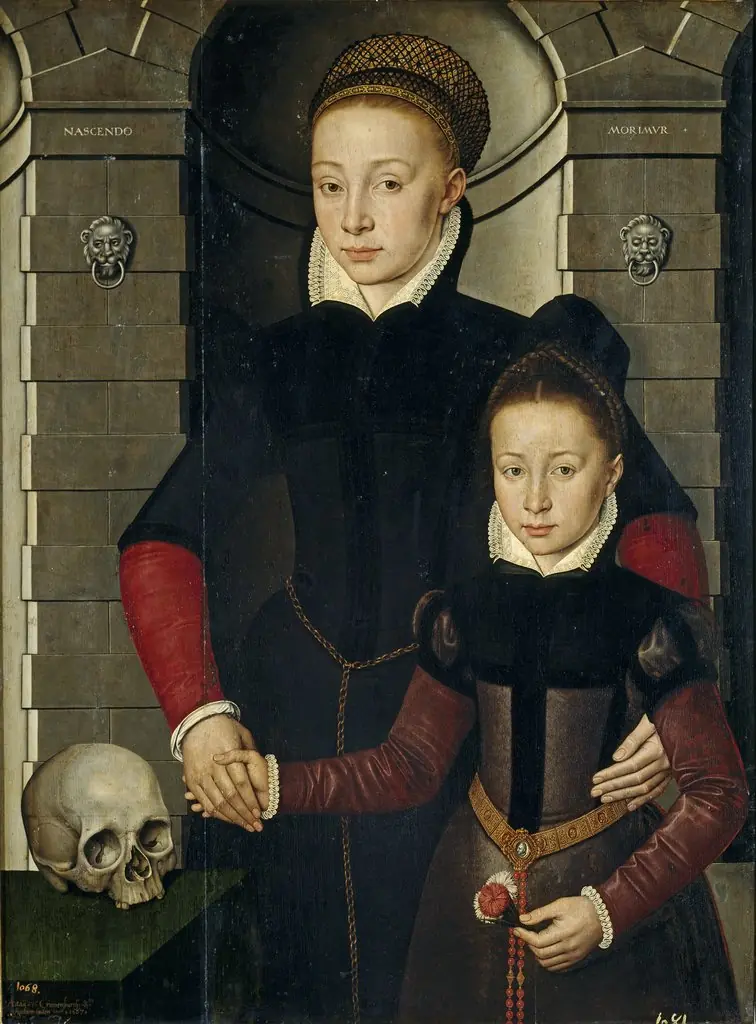 Lady and Girl
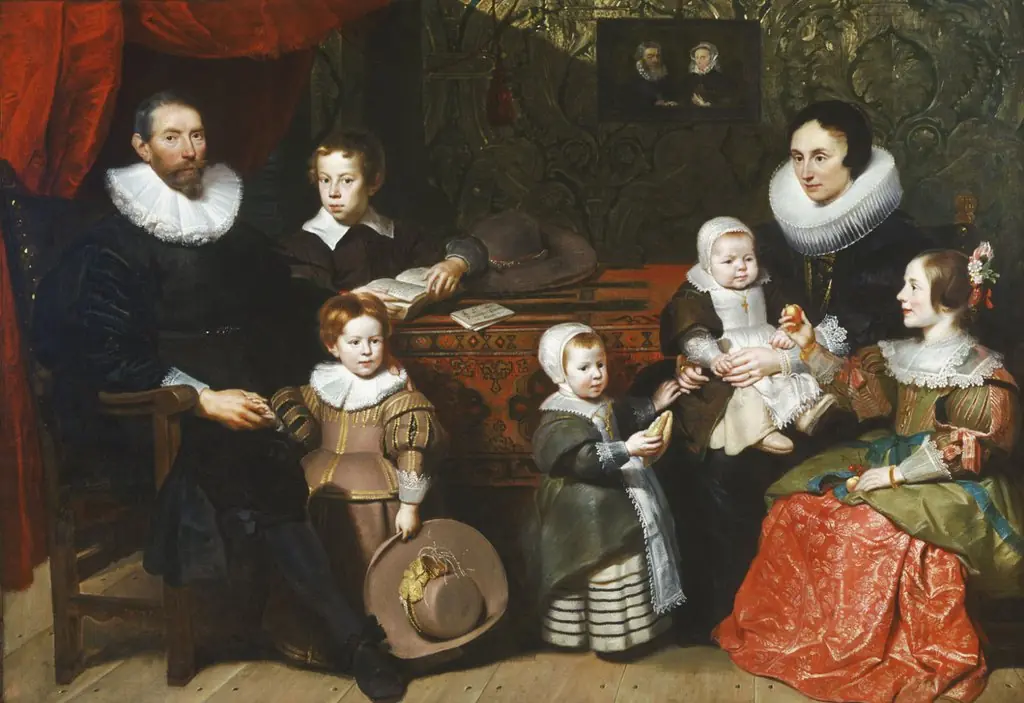 Portrait of Anthony Reyniers and His Family
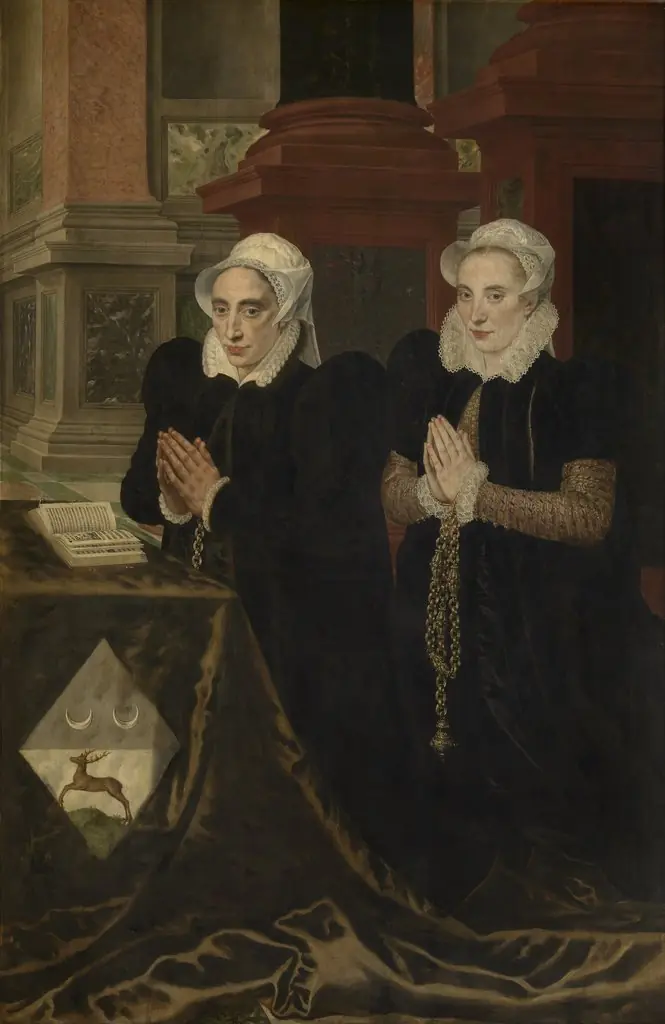 Maria de Deckere, Second Wife of Gillis de Smidt, and Béatrix, One of their Daughters
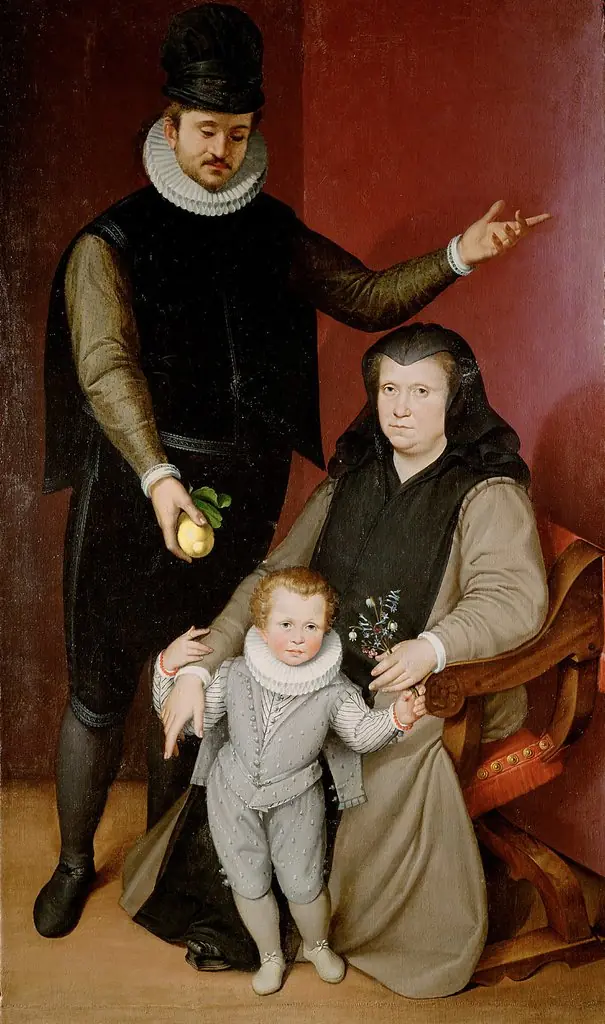 Familienbild
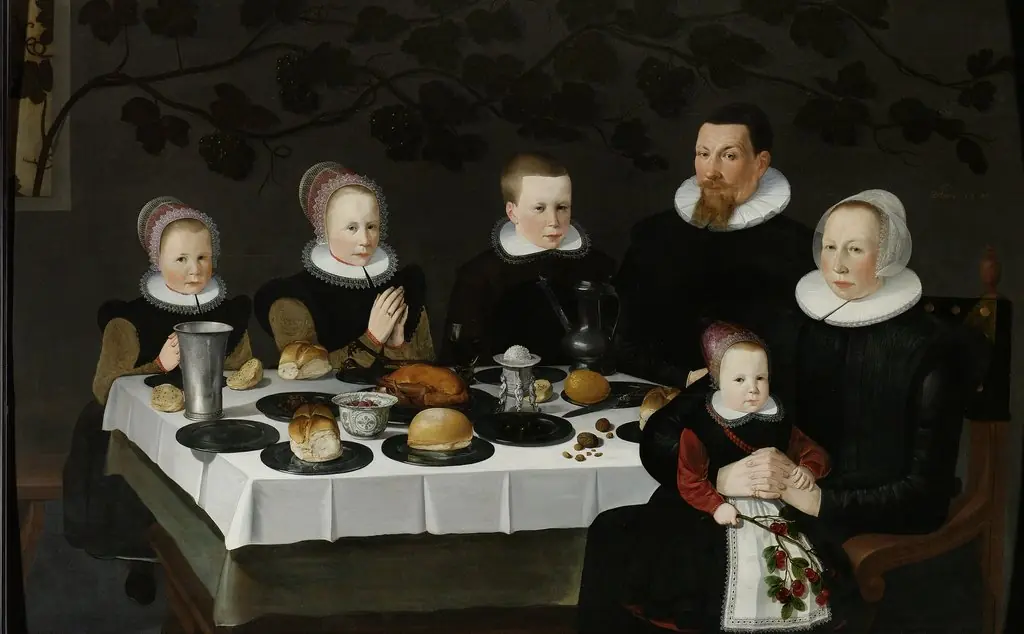 Family portrait
 Portrait of Eleanor of Toledo and her son Garzia de' Medici