Artwork
Maximilian II, His Wife and Three Children
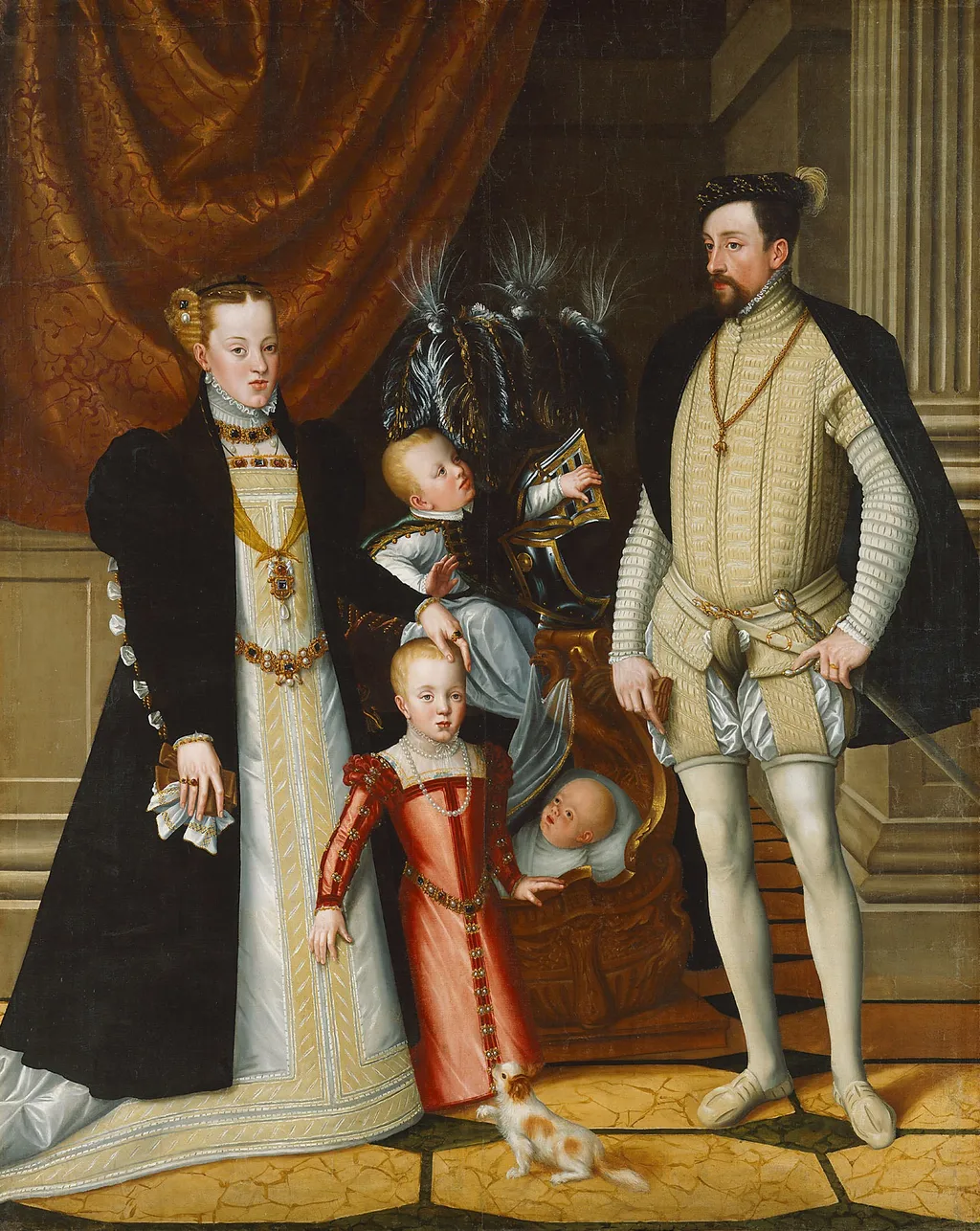
Maximilian II, His Wife and Three Children is an oil painting by the Mannerist artist Giuseppe Arcimboldo. It dates from 1563 and is held in the collection of the Kunsthistorisches Museum.
About this work
Overview
It reflects his role as a painter to the Habsburg court, balancing innovation with traditional expectations.
Painted in 1563 by Giuseppe Arcimboldo, this oil-on-panel work presents Emperor Maximilian II of the Holy Roman Empire, his wife Anna of Austria, and their three children: Rudolf II, Ernest, and Maria. Unlike Arcimboldo’s famed composite portraits, this piece follows the conventions of courtly dynastic imagery, emphasizing lineage and status through formal composition and meticulous detail. It reflects his role as a painter to the Habsburg court, balancing innovation with traditional expectations.
Subject & Meaning
The painting portrays the imperial family in a hierarchical arrangement, with the emperor and empress standing centrally, flanked by their children. The positioning and attire suggest order and continuity of rule, reinforcing the Habsburg claim to legitimacy. The children’s placement—two behind, one before—visually anchors succession, while their calm expressions convey restraint and nobility, aligning with Renaissance ideals of princely demeanor.
Technique & Style
Arcimboldo rendered the figures with precise brushwork, capturing the textures of silk, lace, and fur with quiet realism. The dark background, composed of a draped curtain and stone wall, isolates the subjects and enhances their presence. Lighting is even and controlled, avoiding dramatic contrasts, which supports the portrait’s solemn tone. Attention to minute details in jewelry and embroidery underscores the family’s wealth and status without overt spectacle.
History & Provenance
Commissioned during Maximilian II’s reign, the painting remained within Habsburg collections and was later housed at Ambras Castle in Innsbruck, a favored residence of Archduke Ferdinand II. Its preservation there ensured its survival through centuries of political change. The work has never been widely exhibited outside the castle, maintaining a quiet presence within the imperial family’s private legacy rather than public acclaim.
Context
In mid-16th century Europe, dynastic portraiture served political ends, visually affirming alliances and bloodlines. Arcimboldo’s role as court painter placed him at the intersection of art and statecraft. While his fantastical composite portraits drew attention, this conventional family portrait fulfilled a more urgent need: to document and legitimize Habsburg succession in a time of religious and territorial instability across the Empire.
Legacy
Though overshadowed by Arcimboldo’s surreal compositions, this portrait remains a significant example of Habsburg court art. It demonstrates his versatility and the expectations placed on artists serving imperial households. Today, it contributes to the historical record of early modern European royalty, offering insight into how power was visually constructed beyond symbolism—through posture, dress, and familial arrangement.
Own this work as a print
Artist & collection
Artist
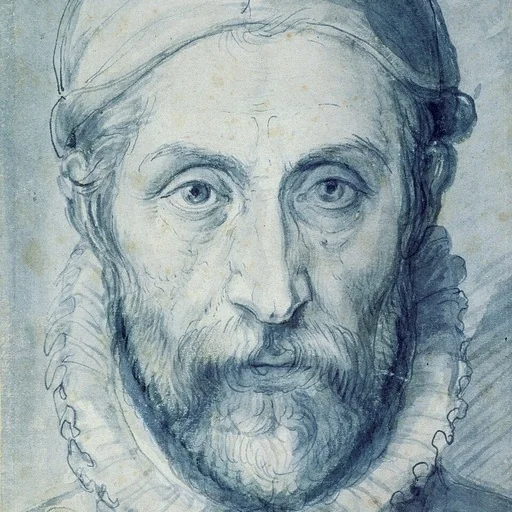
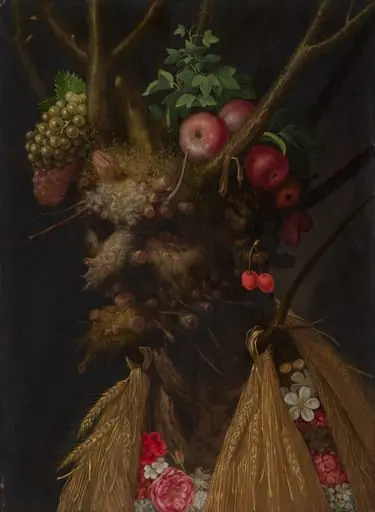
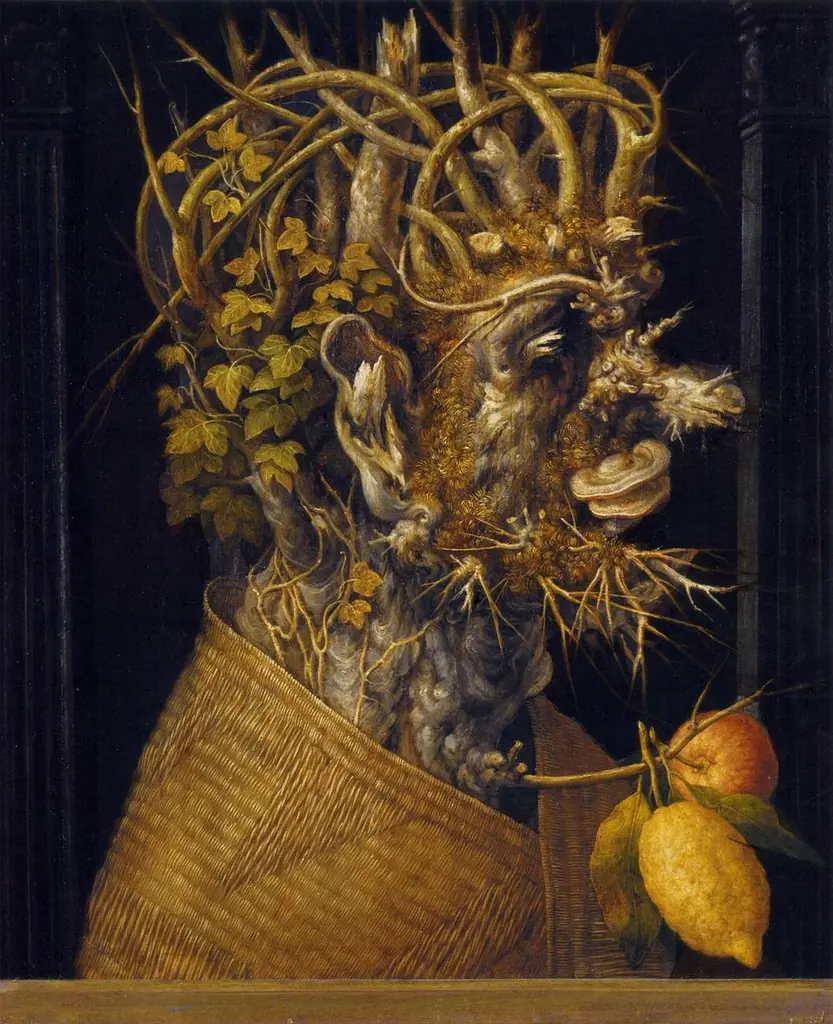
Giuseppe Arcimboldo, also spelled Arcimboldi (Italian: ; 5 April 1527 – 11 July 1593), was an Italian Mannerist painter best known for creating imaginative portrait heads made entirely of objects such as fruits, vegetables, flowers, fish…

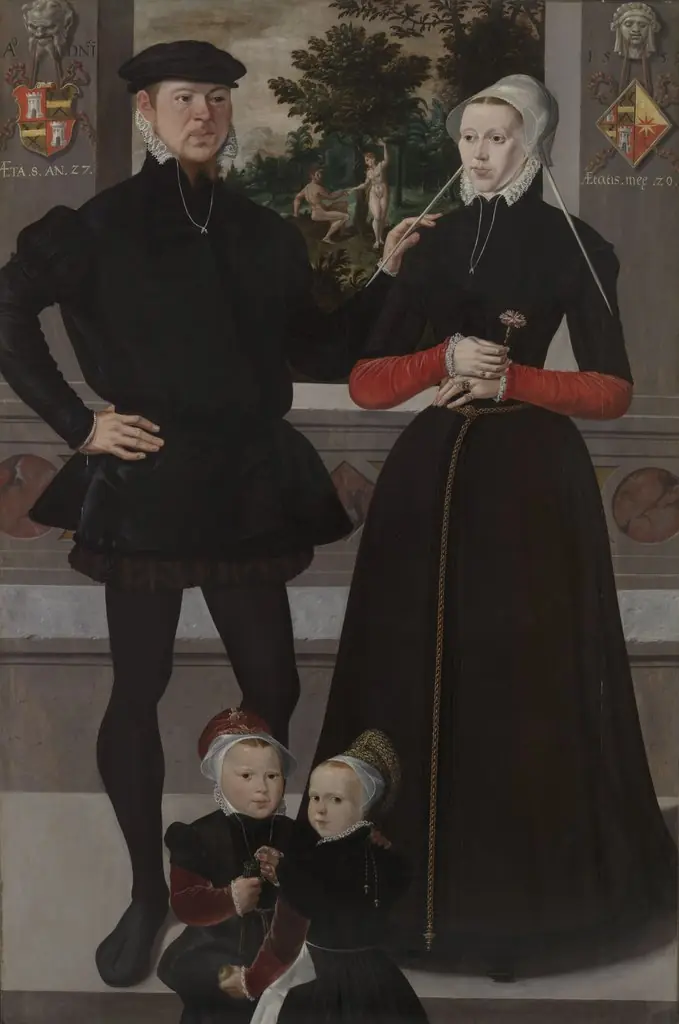 Portrait of a Family
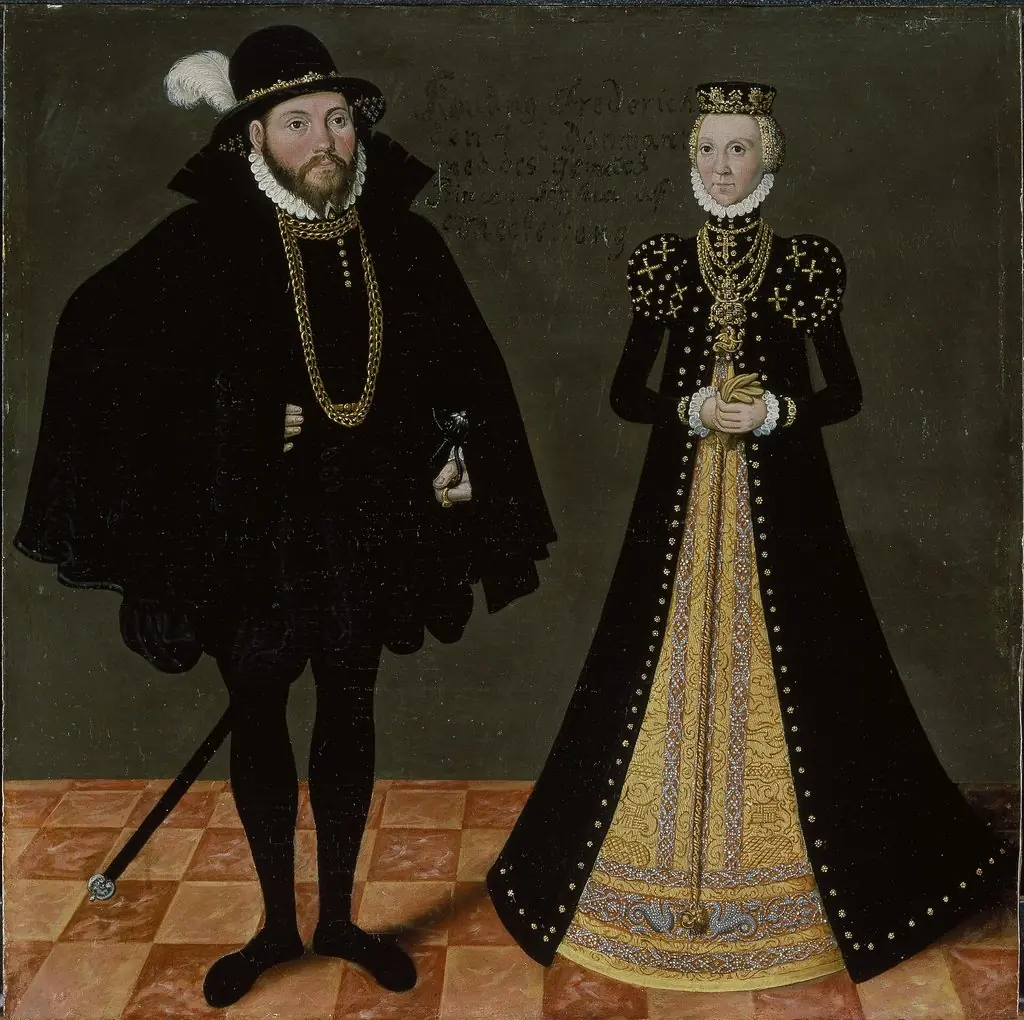 Okänt tyskt furstepar
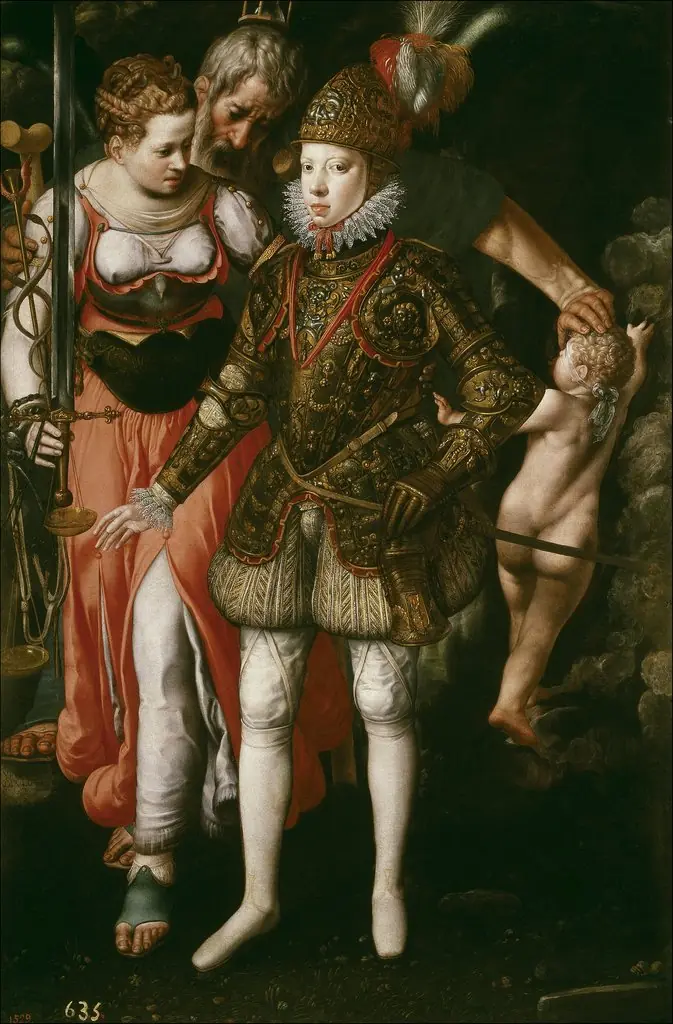 Allegory of the Education of Philip III
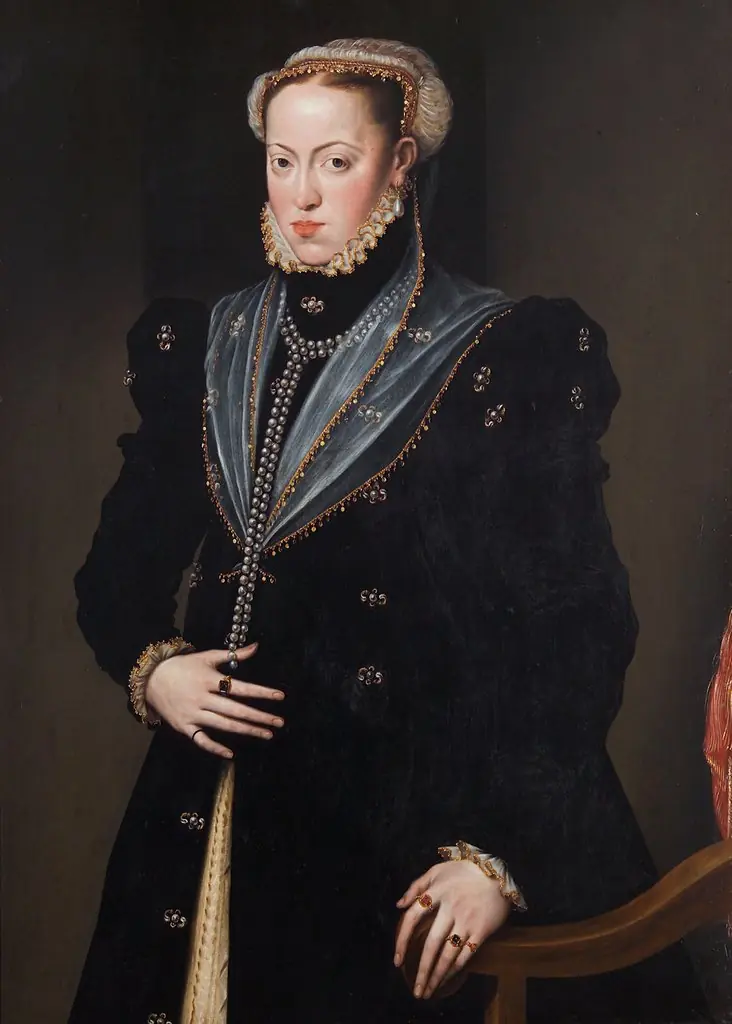 Infantin Maria (1528-1603), Kaiserin, Bildnis in halber Figur
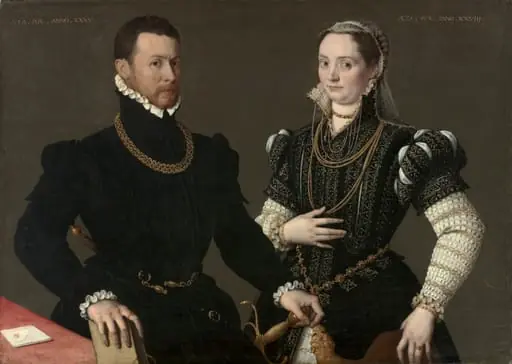 Portrait of a Couple
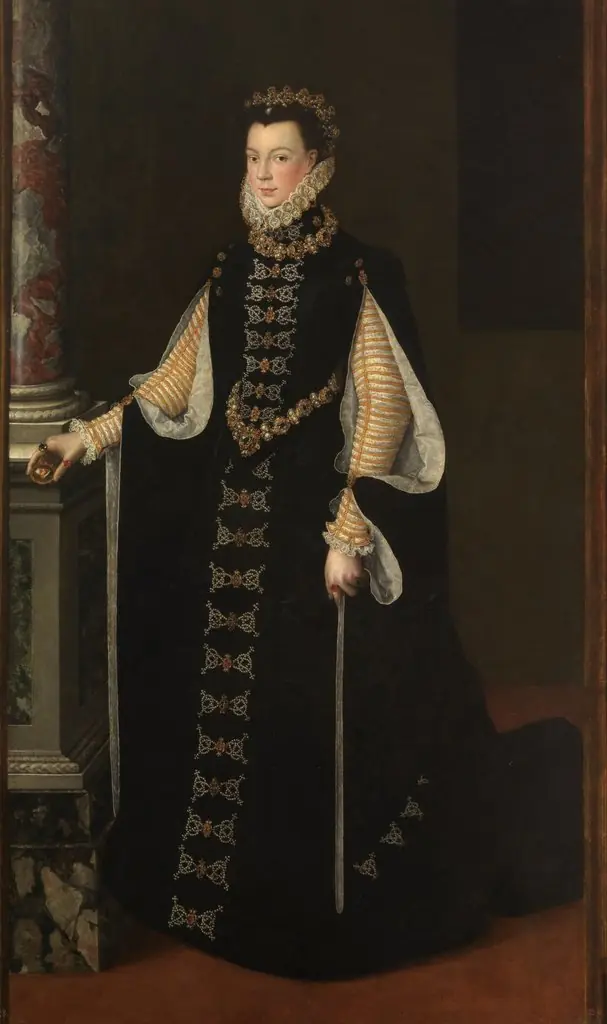 Portrait of Elisabeth of Valois
 Familienbild
 Henry VIII, Elizabeth I, and Edward VI
 Henry VIII, Elizabeth I, and Edward VI
 König Philipp IV. von Spanien (1605-1665) mit seiner Schwester, der Infantin Anna (1601-1666), Bildnis in ganzer Figur
 Erzherzog Karl II. (1540-1590) mit dem Blick auf Graz, Kniestück
 Portrait of Joanna of Austria with her son Philip