Artwork
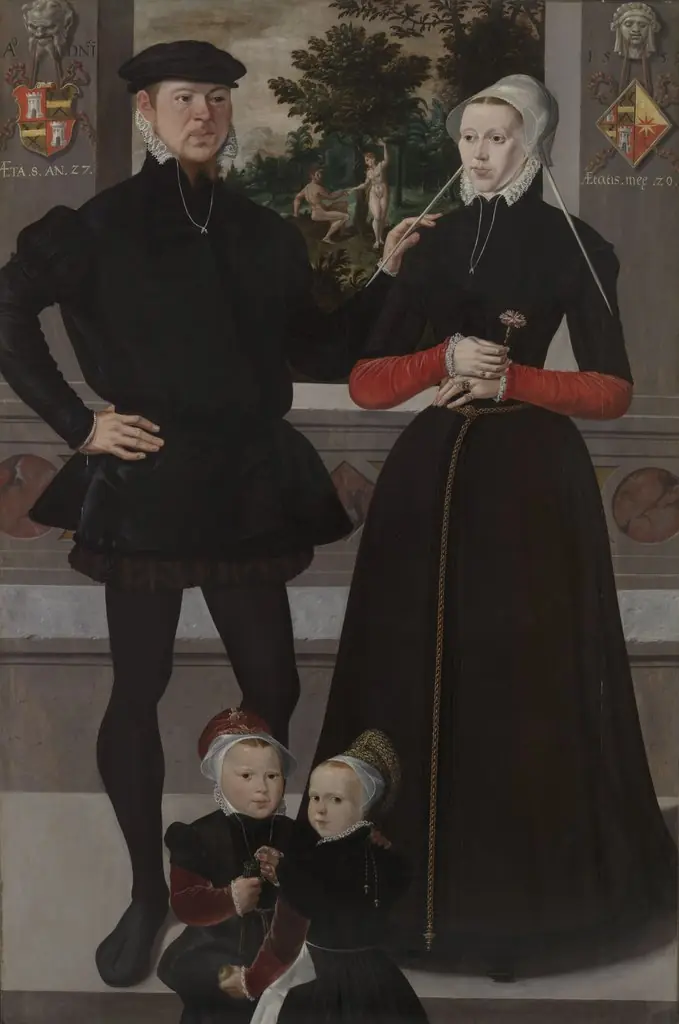
Portrait of Gillis Hooftman, Shipowner, and his Wife Margaretha van Nispen (Gilles van Eichelenberg, called Hoffman)
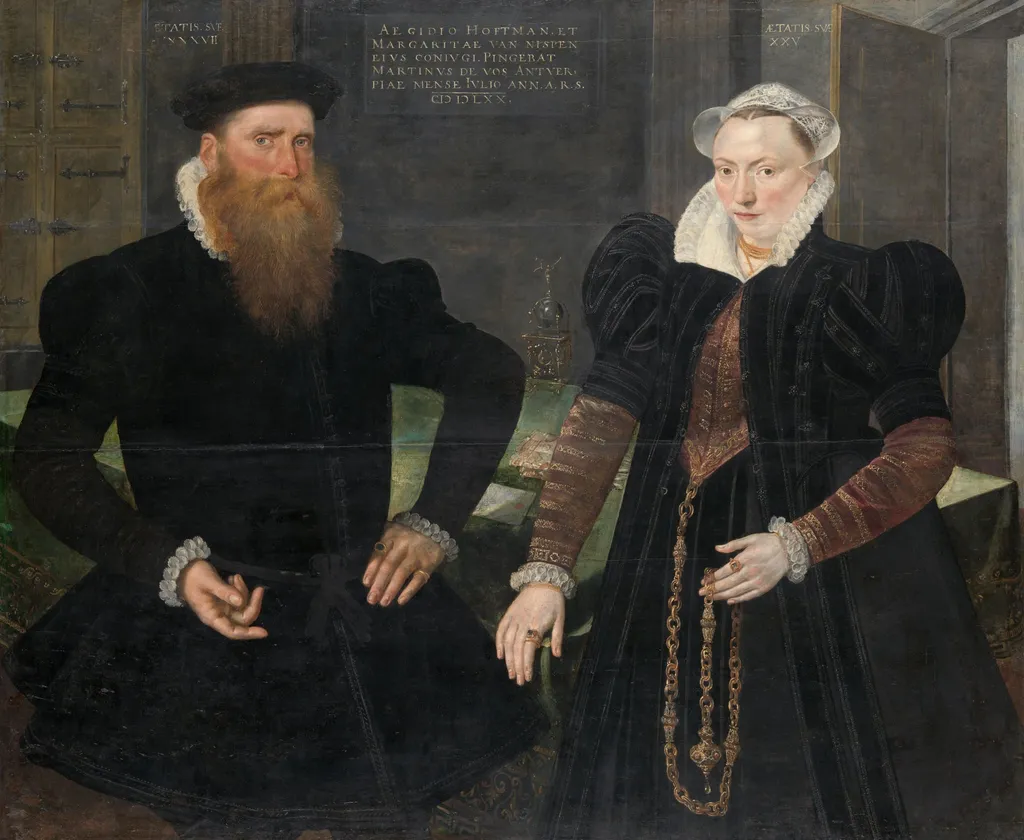
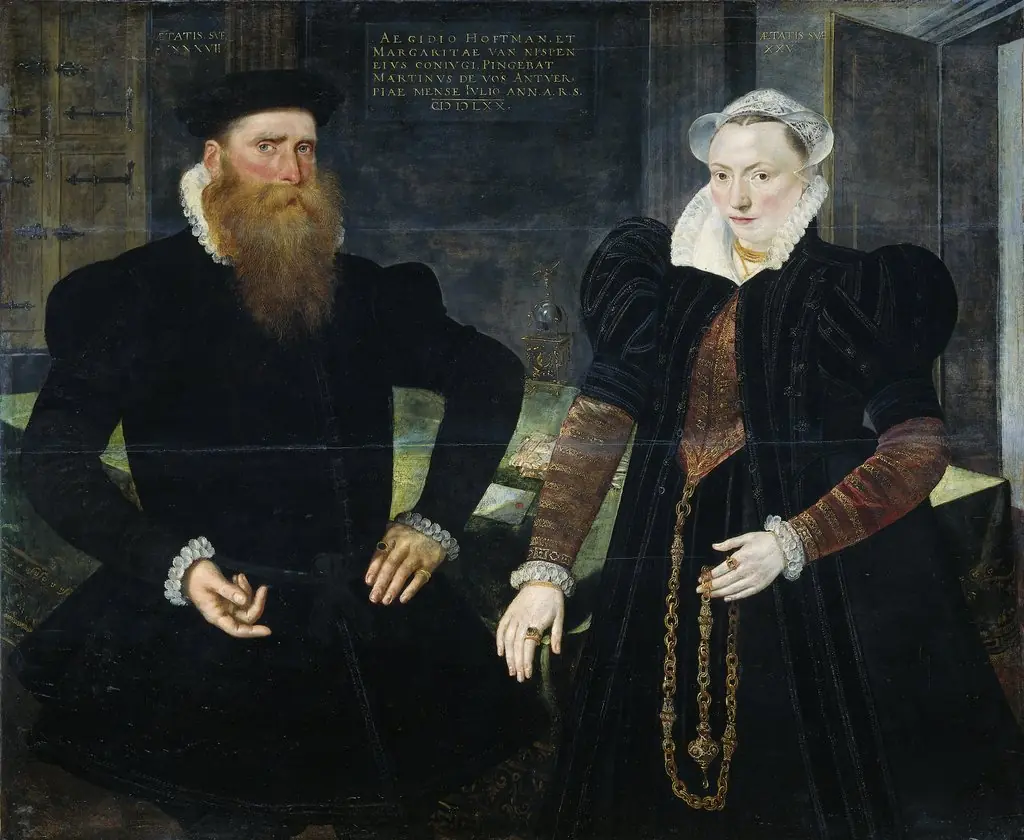
Portrait of Gillis Hooftman, Shipowner, and his Wife Margaretha van Nispen (Gilles van Eichelenberg, called Hoffman) is an unspecified painting by the Northern Renaissance artist Maerten de Vos. It dates from 1588 and is held in the collection of the Rijksmuseum. This double portrait depicts Gillis Hooftman, a prominent Amsterdam shipowner, and his wife Margaretha van Nispen.
About this work
Overview
Painted in the late 16th century, it presents them standing side by side in a domestic interior, facing the viewer with composed dignity.
This double portrait depicts Gillis Hooftman, a prominent Amsterdam shipowner, and his wife Margaretha van Nispen. Painted in the late 16th century, it presents them standing side by side in a domestic interior, facing the viewer with composed dignity. The scene is framed by a simple table bearing objects that hint at their daily routines and social standing, rendered with meticulous attention to texture and detail.
Subject & Meaning
The couple’s posture and the objects on the table—clock, gloves, and an unopened letter—suggest themes of time, communication, and domestic order. These items are not merely decorative; they reflect the values of a mercantile elite: punctuality, refinement, and the management of affairs across distances. Their attire, though not ostentatious, signals wealth through quality fabrics and subtle embellishments.
Technique & Style
The artist employs fine brushwork to capture the sheen of silk, the grain of wood, and the metallic gleam of the clock. Lighting is even and naturalistic, enhancing the realism of the figures and their surroundings. The composition is balanced and frontal, emphasizing formality over movement, characteristic of Northern European portraiture of the period, where psychological presence is conveyed through stillness and detail.
History & Provenance
The painting was created during Hooftman’s lifetime, likely commissioned to commemorate his marriage and social ascent. It remained in family hands for generations before entering a public collection. Its survival through centuries reflects its significance as both a personal record and a document of Amsterdam’s rising merchant class in the late Renaissance.
Context
In late 16th-century Amsterdam, portraiture served as a tool for asserting civic identity among the merchant class. Unlike aristocratic portraits, these works emphasized virtue, diligence, and domestic harmony rather than lineage or heraldry. Hooftman’s profession as a shipowner placed him at the heart of the city’s expanding trade networks, making this portrait a quiet testament to economic and social change.
Legacy
The portrait stands as a representative example of Dutch civic portraiture before the full flourishing of the Golden Age. Its restrained elegance and focus on everyday objects influenced later artists who sought to portray bourgeois life with psychological depth. It remains a key reference for understanding how wealth and identity were visually articulated in early modern Netherlands.
Own this work as a print
Artist & collection
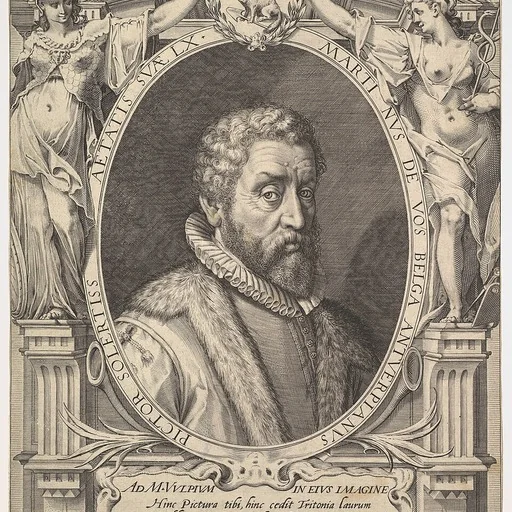
Artist
Maerten de Vos, Maerten de Vos the Elder or Marten de Vos (1532 – 4 December 1603) was a Flemish painter, known mainly for his history and allegorical paintings and portraits.

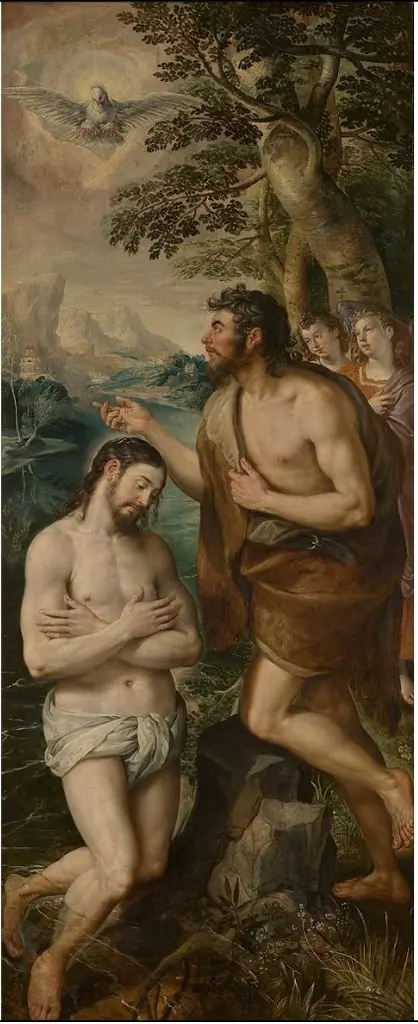
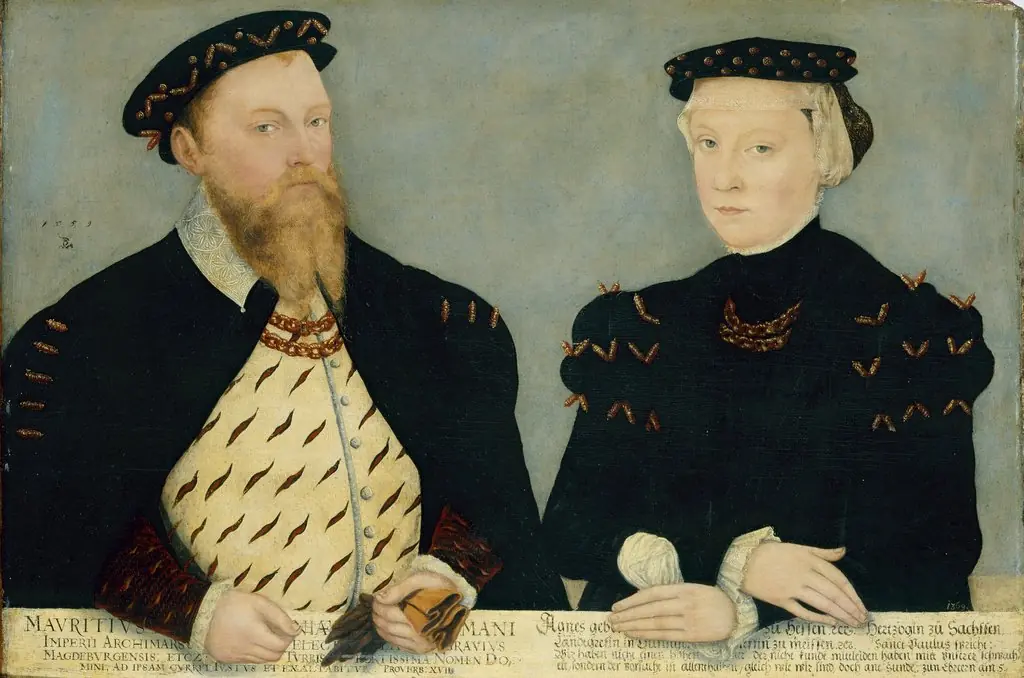 Moritz, Elector of Saxony and his wife Agnes
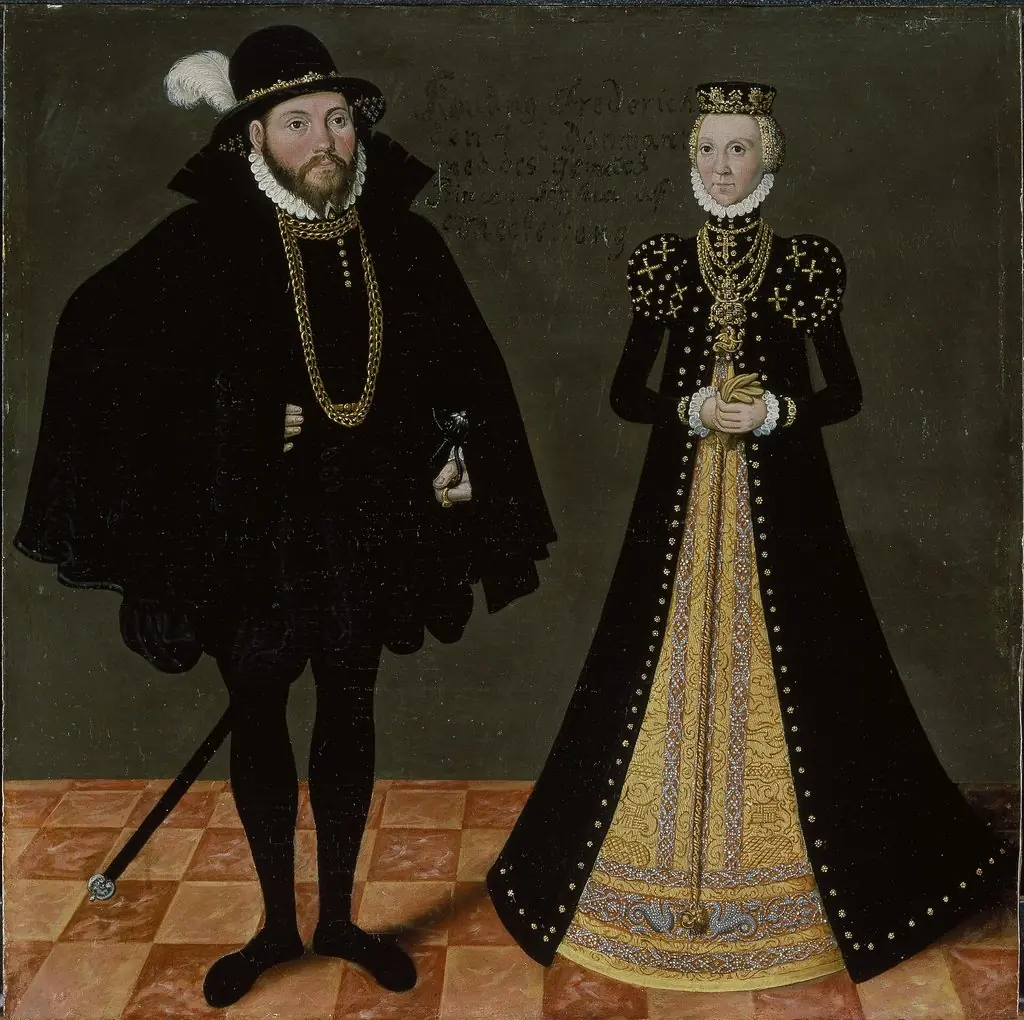 Okänt tyskt furstepar
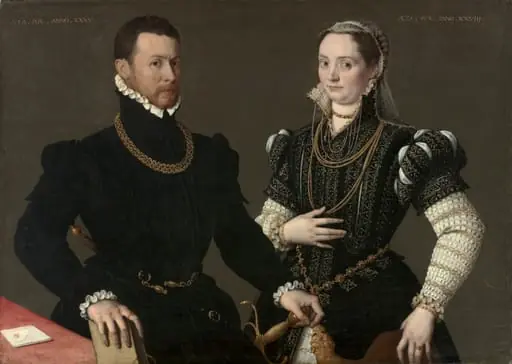 Portrait of a Couple
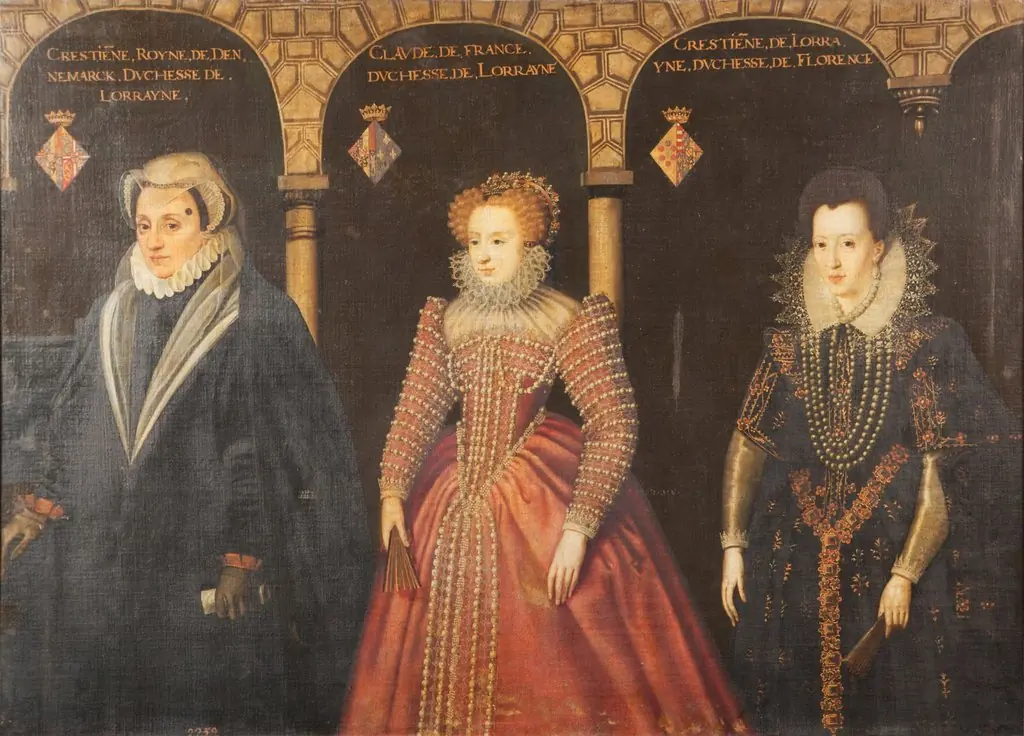 Portrait of Christina of Denmark, Claude of Valois and Christina of Lorraine
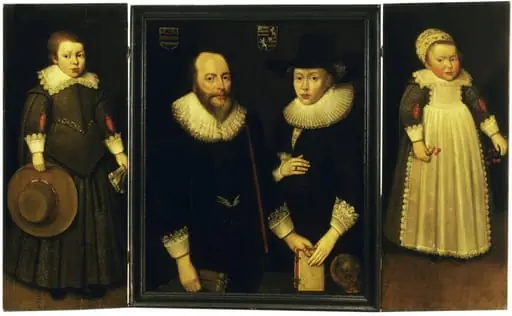 The Holme Family
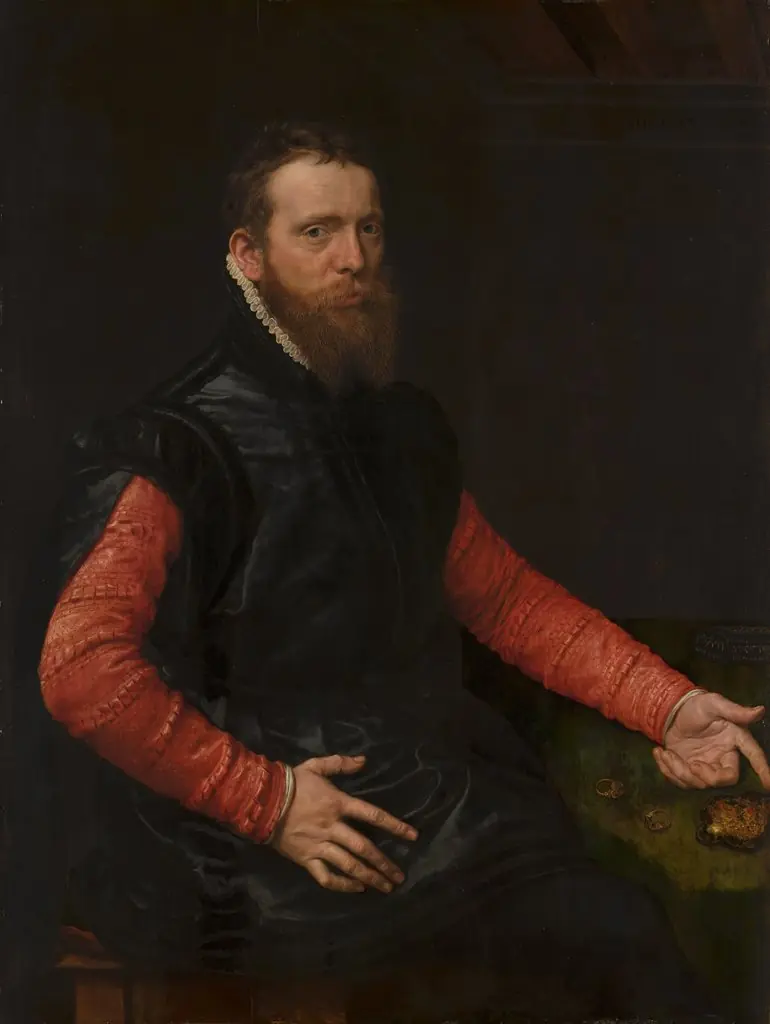 Steven van Herwijck
 Portrait of a Family
 Portrait of Thomas Pead (1539-1614)
 Henry VIII, Elizabeth I, and Edward VI
 Henry VIII, Elizabeth I, and Edward VI