Artwork
Yamantaka and Minor Deities
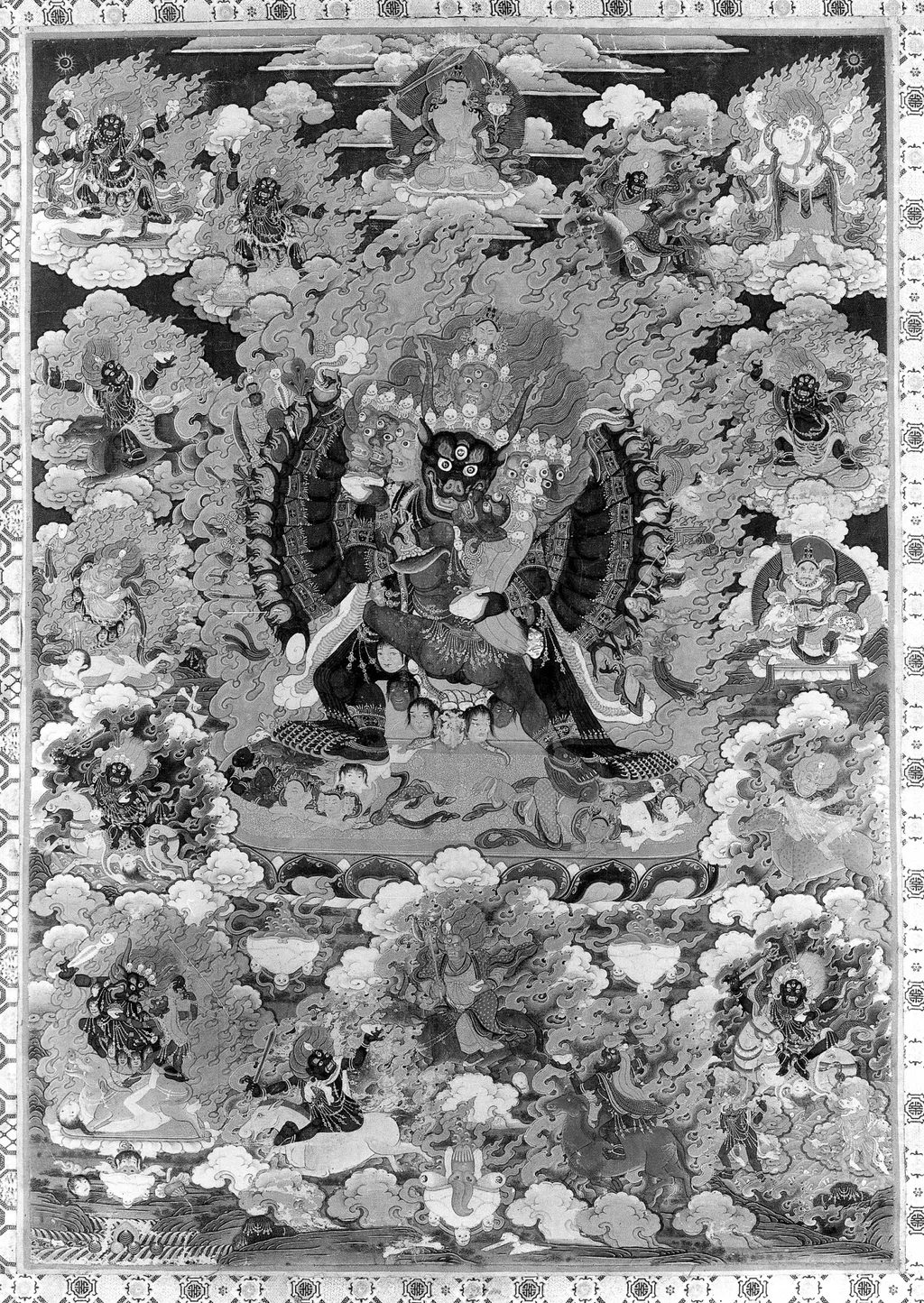
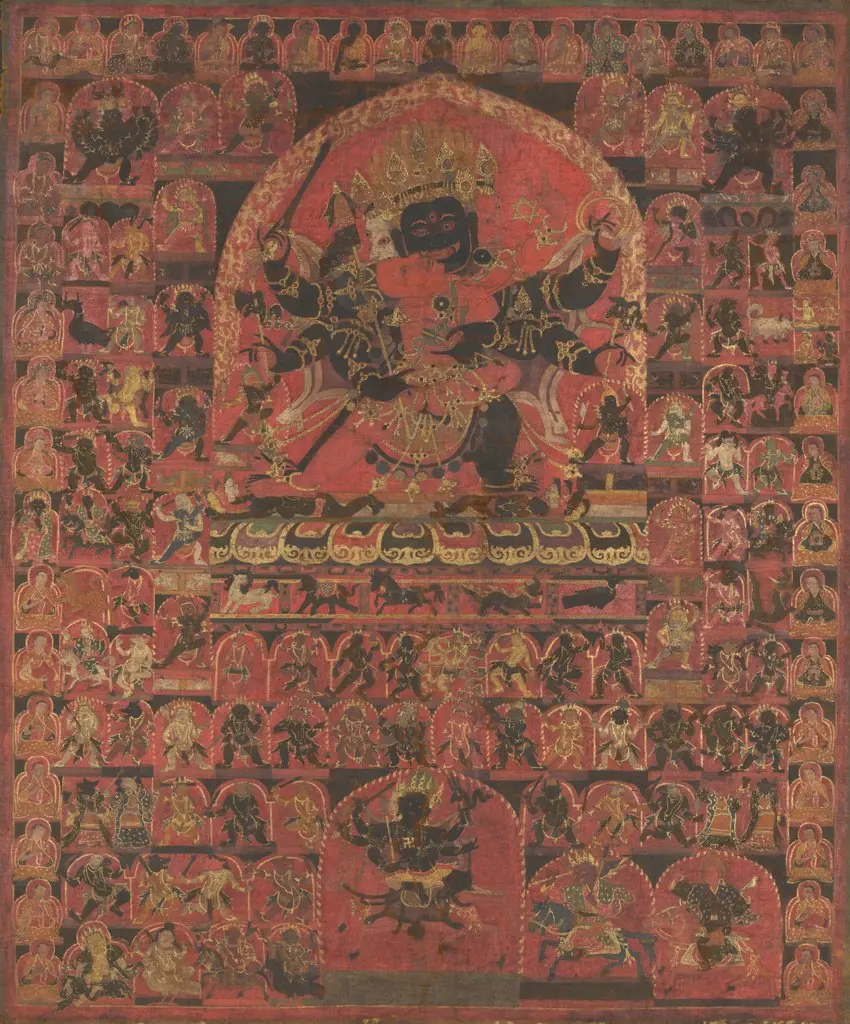
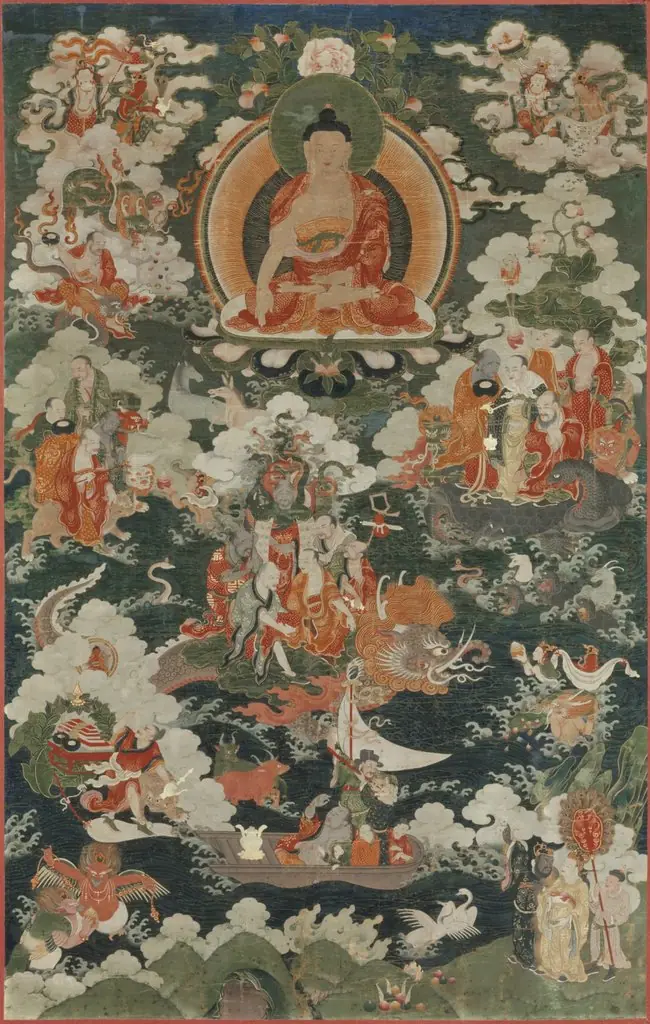
Yamantaka and Minor Deities is an unspecified painting by Unknown. It is held in the collection of the Detroit Institute of Arts.
About this work
Overview
This Tibetan Buddhist thangka depicts Yamantaka, a wrathful deity embodying the conquest of death, surrounded by attendant figures and celestial elements. Rendered in mineral pigments on cotton, the composition centers on the deity’s dynamic, multi-limbed form amid swirling flames and smoke, with smaller deities and symbolic motifs arranged in concentric layers around the core image.
Subject & Meaning
His dark blue form, multiple arms, and terrifying expression convey the transformative power of wrathful energy in Buddhist practice.
Yamantaka, a manifestation of Manjushri, represents the triumph over mortality and ignorance through fierce compassion. His dark blue form, multiple arms, and terrifying expression convey the transformative power of wrathful energy in Buddhist practice. The surrounding deities serve as protectors and emanations, while the flames and clouds signify the dissolution of ego and the impermanence of worldly existence.
Technique & Style
The painting employs precise brushwork and layered mineral pigments to achieve vivid color and intricate detail. Gold outlines define contours, while fine linework renders armor, jewelry, and halos with exceptional clarity. The composition follows traditional thangka geometry, balancing symmetry and movement to guide meditative focus toward the central deity.
History & Provenance
Created likely in the 17th or 18th century in Tibet or a neighboring region under Tibetan Buddhist influence, the painting was used in monastic ritual and meditation. Its survival suggests it was preserved within a religious institution, possibly later acquired by a Western collector before entering a public collection such as the Detroit Institute of Arts.
Context
Thangkas like this were not merely decorative but functional tools in Vajrayana practice, aiding visualization of deities during advanced meditation. The depiction of Yamantaka aligns with tantric traditions emphasizing the transmutation of fear and anger into wisdom. Similar imagery appears in ritual texts and mandalas, reinforcing doctrinal themes through visual symbolism.
Legacy
This work continues to serve as a reference for the study of Tibetan Buddhist iconography and artistic tradition. Its detailed execution and adherence to canonical forms offer insight into the spiritual discipline embedded in Himalayan art. Museums display it as both religious artifact and cultural object, preserving its original intent while making it accessible to broader scholarly and public audiences.
Artist & collection

 Domestic Scene
 Giacomo and Cardinal Marco, investing Andrea, Abbot of San Zeno, with his Benefice
 The Nymph of Fontainebleau
 Portrait of a Woman
 Madonna and Child with Saints in the Enclosed Garden
 Venus and Minerva
 Family Group of Four on Sofa
 Wall painting from Room H of the Villa of P. Fannius Synistor at Boscoreale
 Untitled
 Painted Banner (Thangka) with Guru Dragpur, a Wrathful Form of Padmasambhava
 Painted Banner (Thangka) of Sage Guru Padmasambhava Seated Holding a Thunderbolt (Vajra) and Skull Cup (Kapala)
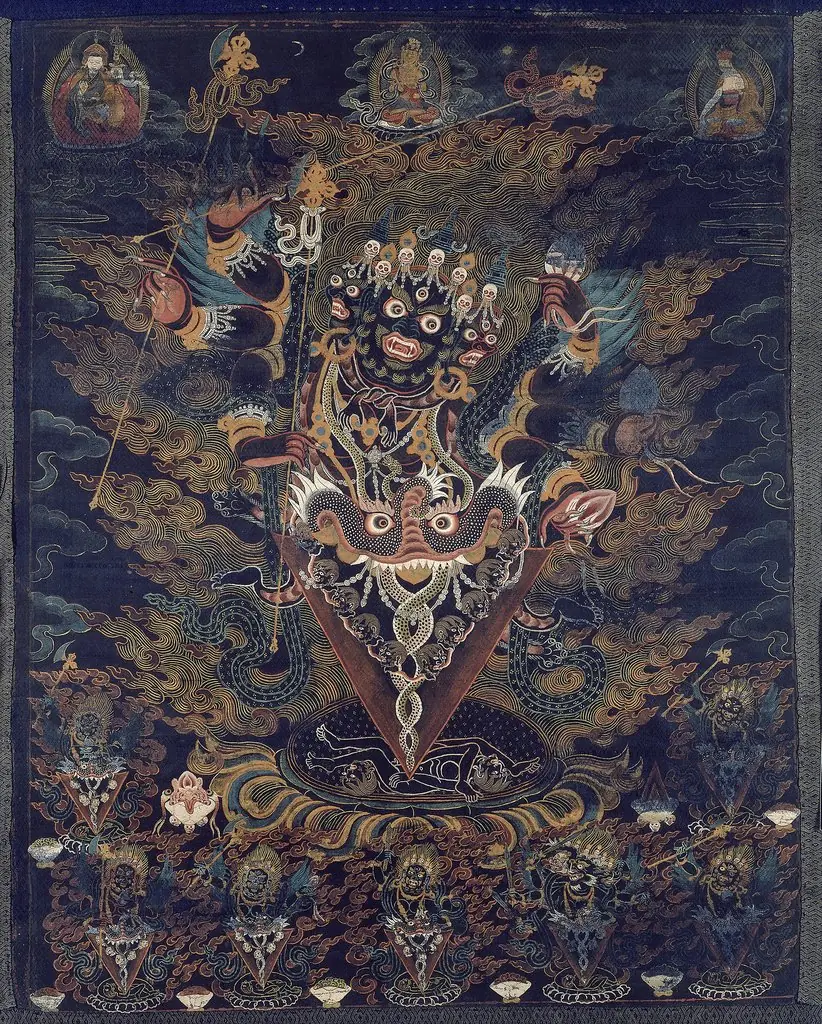 Painted Banner (Thangka) with Guru Dragpur or Vajrakila, a Wrathful Form of Guru Padmasambhava
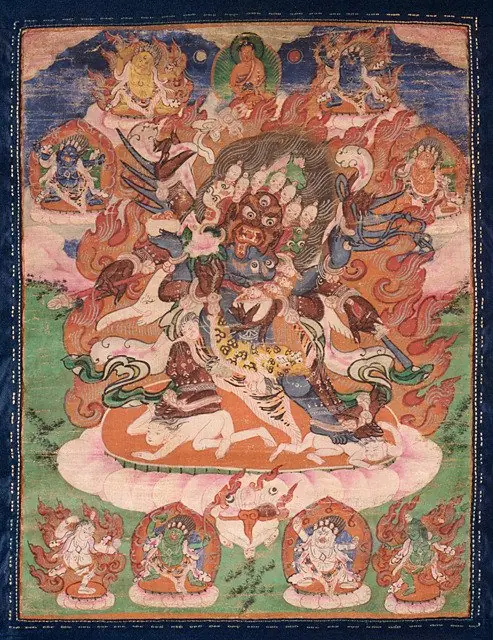 Garuda-Feathered Hayagriva and Consort
 Untitled
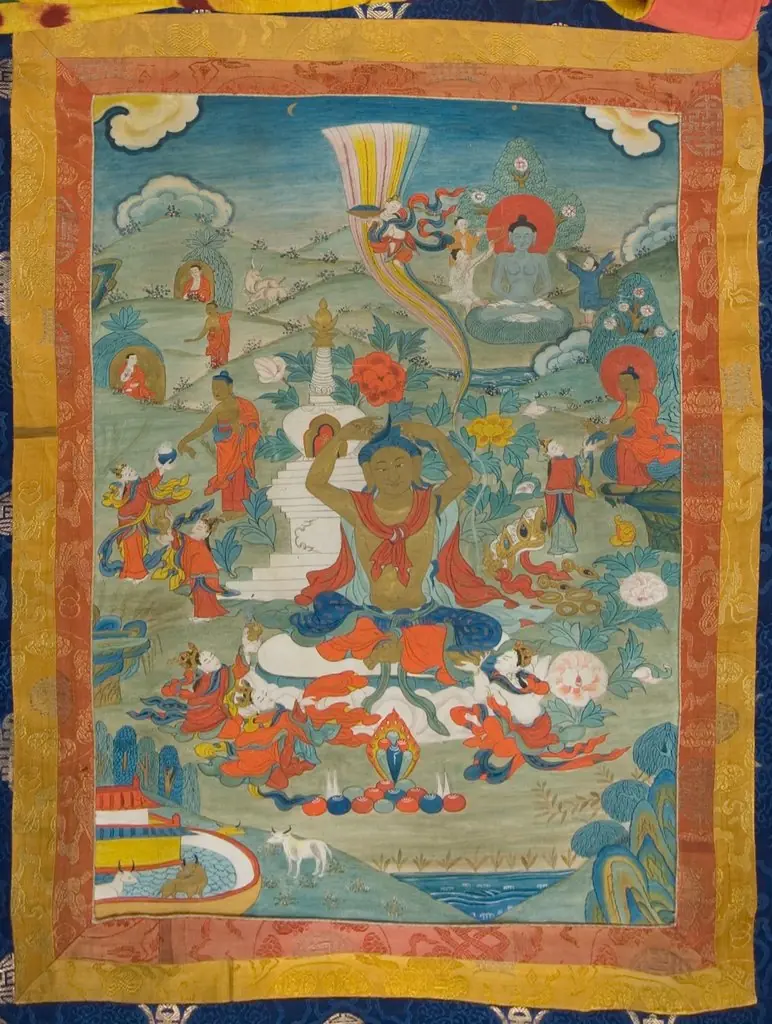 The Great Renunciation of Siddhartha
 Bon Deity Trowo Tsochog Khagying
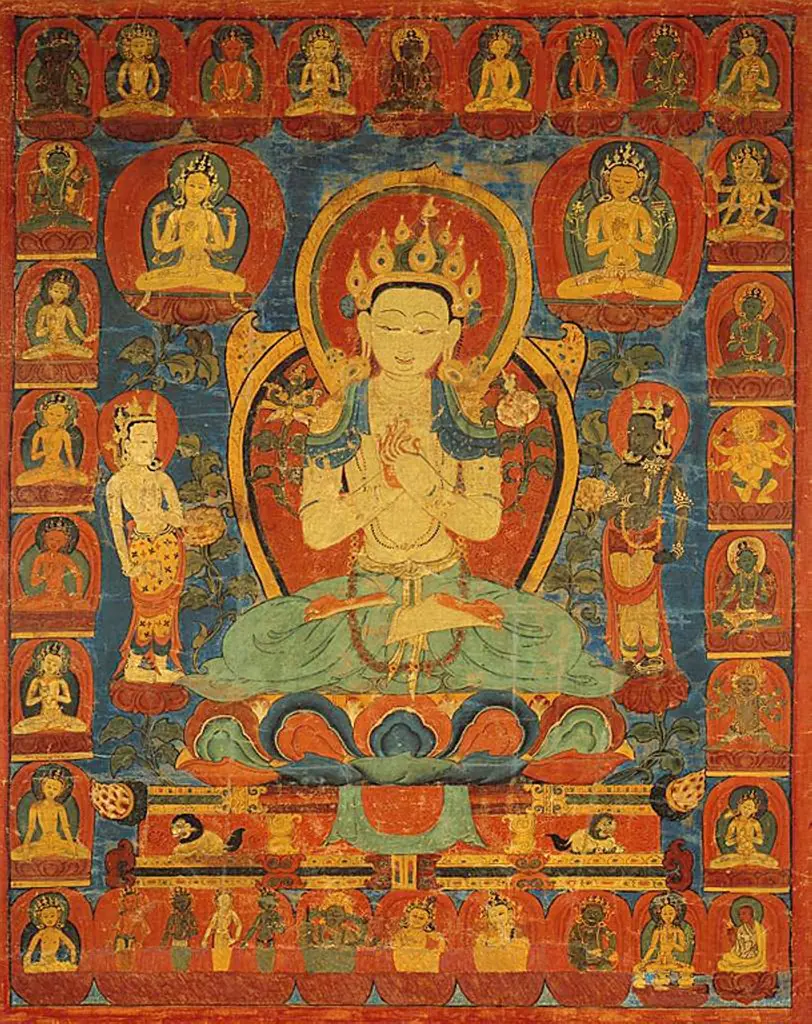 Painted Banner (Thangka) of Bodhisattva Maitreya Surrounded by his Retinue
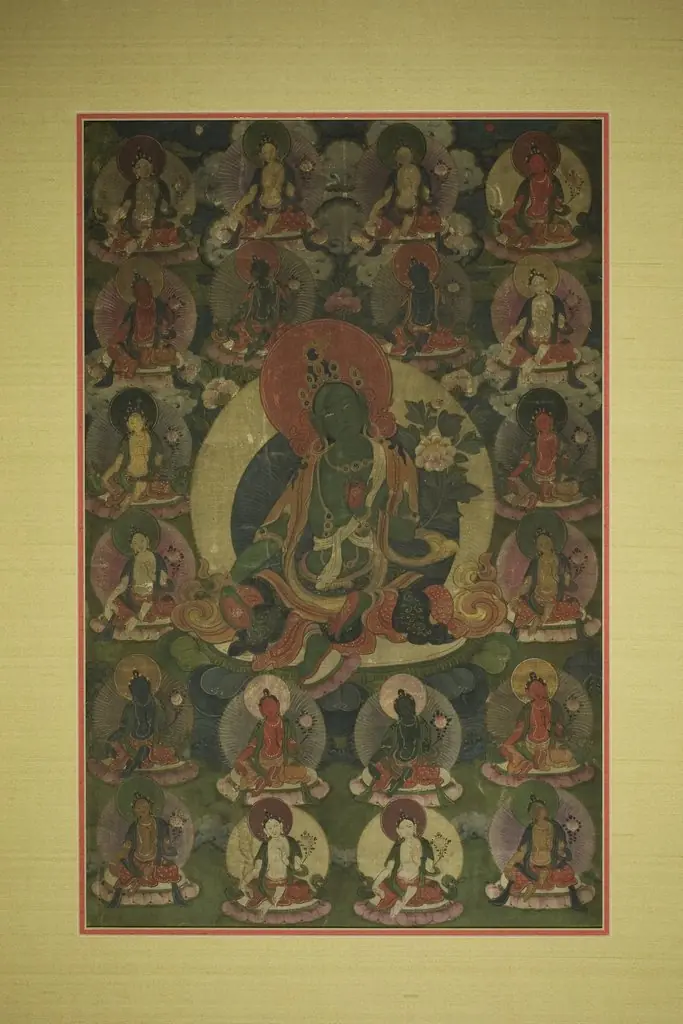 Painted Banner (Thangka) of Green Tara Surrounded by Twenty Manifestations
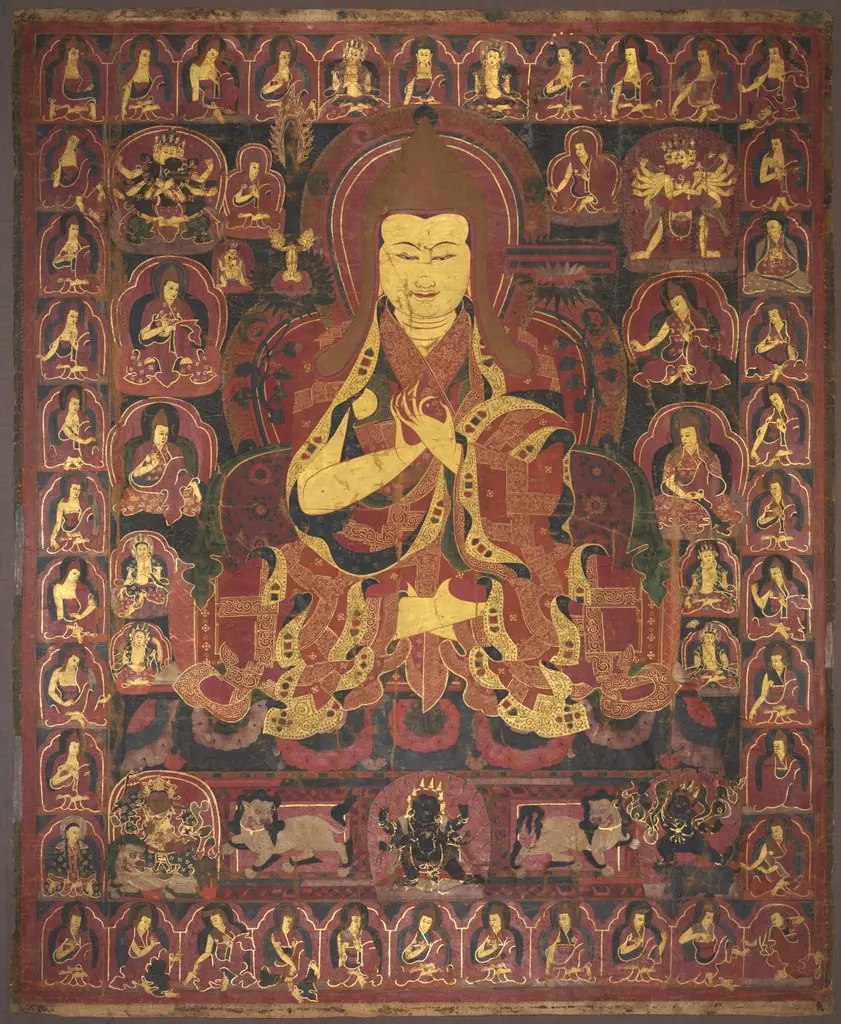 Tsong Khapa, Founder of the Geluk Order
 Buddha Shakyamuni and the Eighteen Arhats