Artwork
Page from Tales of a Parrot (Tuti-nama): text page
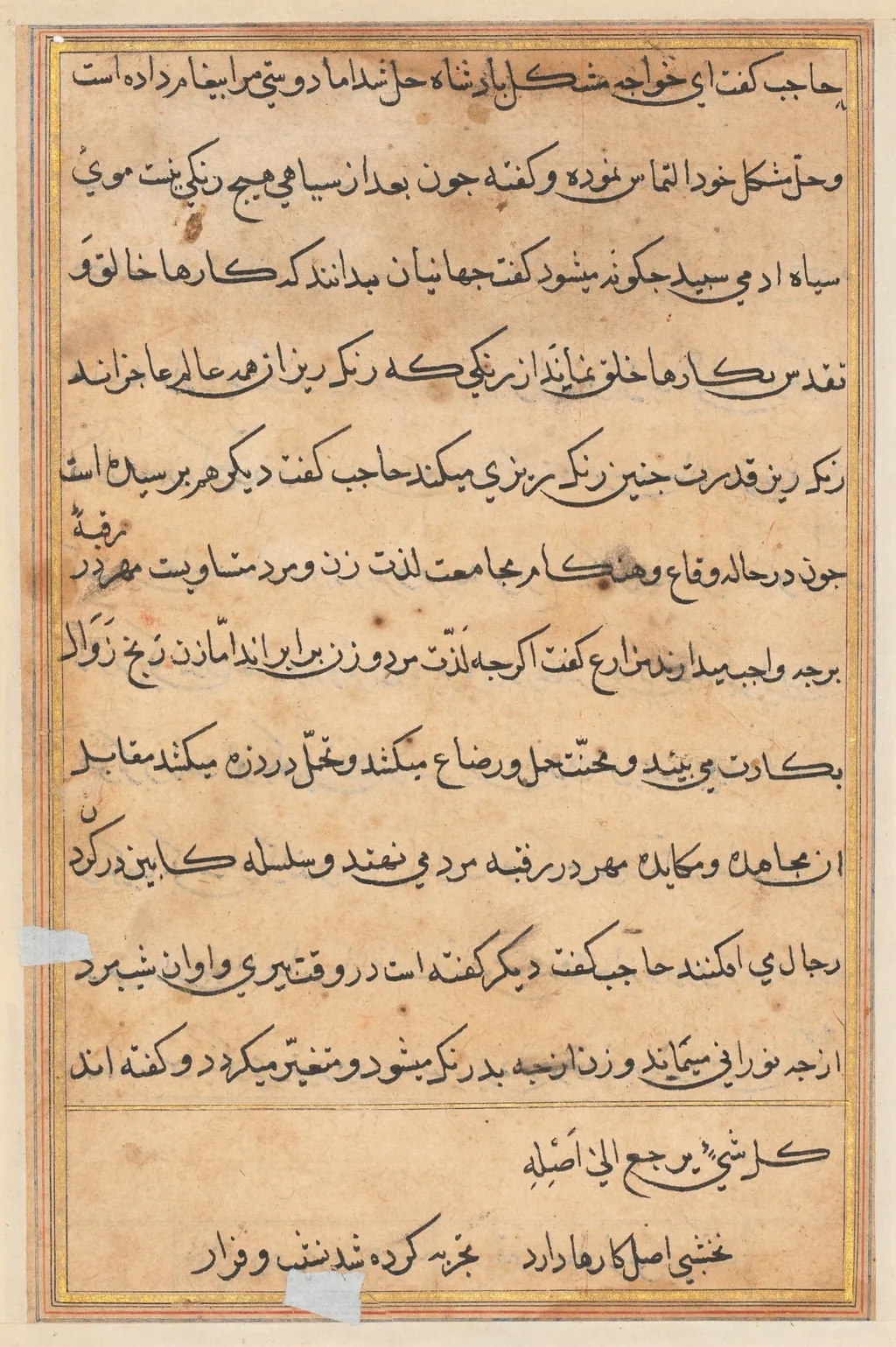
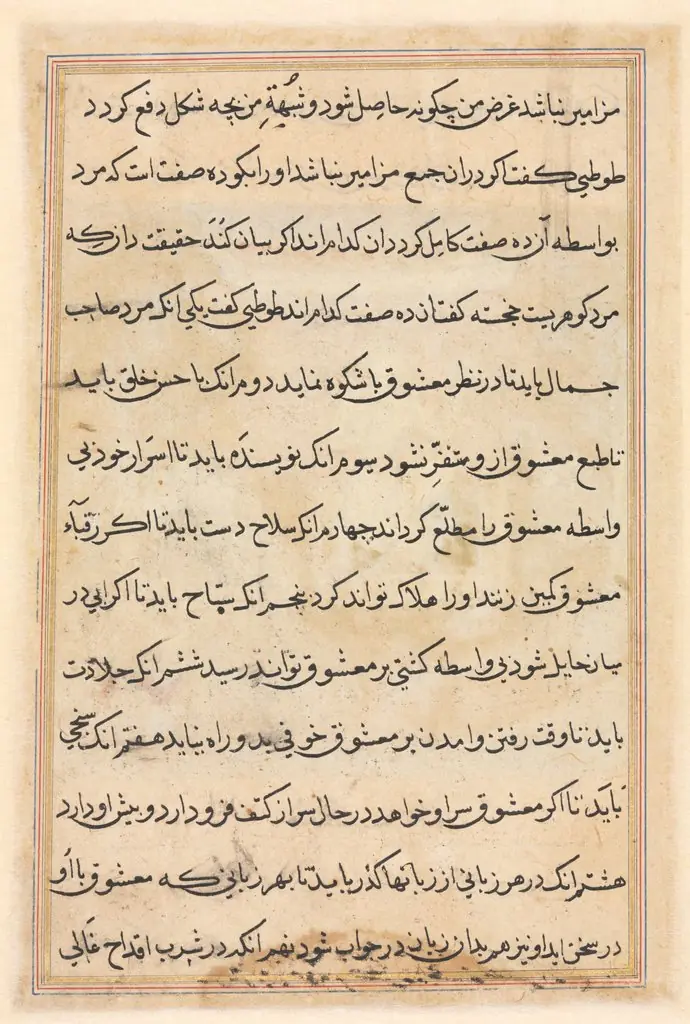
Page from Tales of a Parrot (Tuti-nama): text page is an unspecified painting. It dates from 1560 and is held in the collection of the Cleveland Museum of Art. The object is a painted page from the Persian manuscript known as Tales of a Parrot, or Tuti‑nama.
About this work
Overview
The object is a painted page from the Persian manuscript known as Tales of a Parrot, or Tuti‑nama. Executed on paper, the sheet measures roughly a standard folio size and features dense black calligraphy set against a lightly yellowed ground. A narrow red band outlines the perimeter, and a small strip of paper tape adheres to one edge, indicating a later repair.
Subject & Meaning
The script contains a narrative episode, likely intended for oral recitation. The story unfolds in a lyrical cadence, its rhythmic flow suggesting a musical quality that would have guided a storyteller’s delivery. The content reflects the moral and didactic themes typical of the Tuti‑nama tradition, where animal protagonists convey human virtues.
Technique & Style
Ink was applied with a fine brush, producing tight, uniform strokes that fill the page in orderly rows. The calligrapher’s hand balances precision with a subtle dynamism, creating a visual pulse that mirrors the text’s cadence. The thin red border, painted with pigment rather than dye, frames the composition and reinforces the page’s aesthetic unity.
History & Provenance
The page originates from a Persian illustrated codex produced in the early modern period, though the exact date and workshop remain uncertain. The presence of repair tape indicates that the folio was at some point separated from its original binding and later conserved, a common fate for manuscript fragments entering museum collections.
Context
Tuti‑nama manuscripts were popular in the Islamic world as didactic literature, often illustrated with miniature paintings. While this fragment contains only text, its visual treatment aligns with the broader artistic conventions of Persian book production, where calligraphy and decorative borders were integral to the reading experience.
Legacy
Fragments such as this page provide insight into the transmission of literary culture across centuries. By preserving the calligraphic style and material qualities, the piece contributes to scholarly understanding of Persian manuscript practices and the enduring appeal of animal‑centered moral tales.
Artist & collection

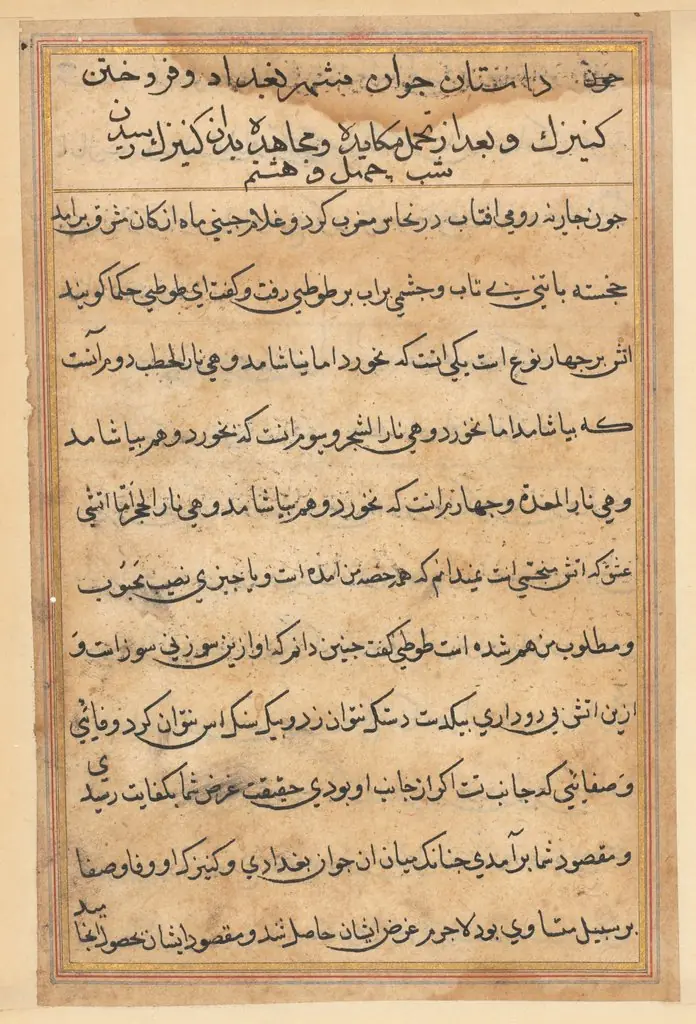 Page from Tales of a Parrot (Tuti-nama): text page
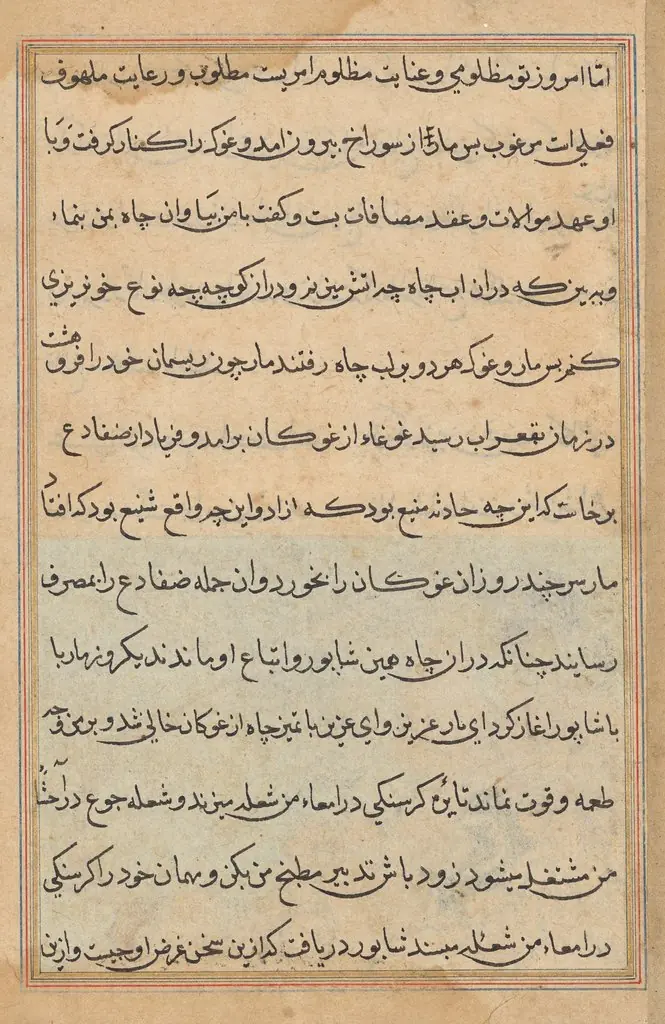 Page from Tales of a Parrot (Tuti-nama): text page
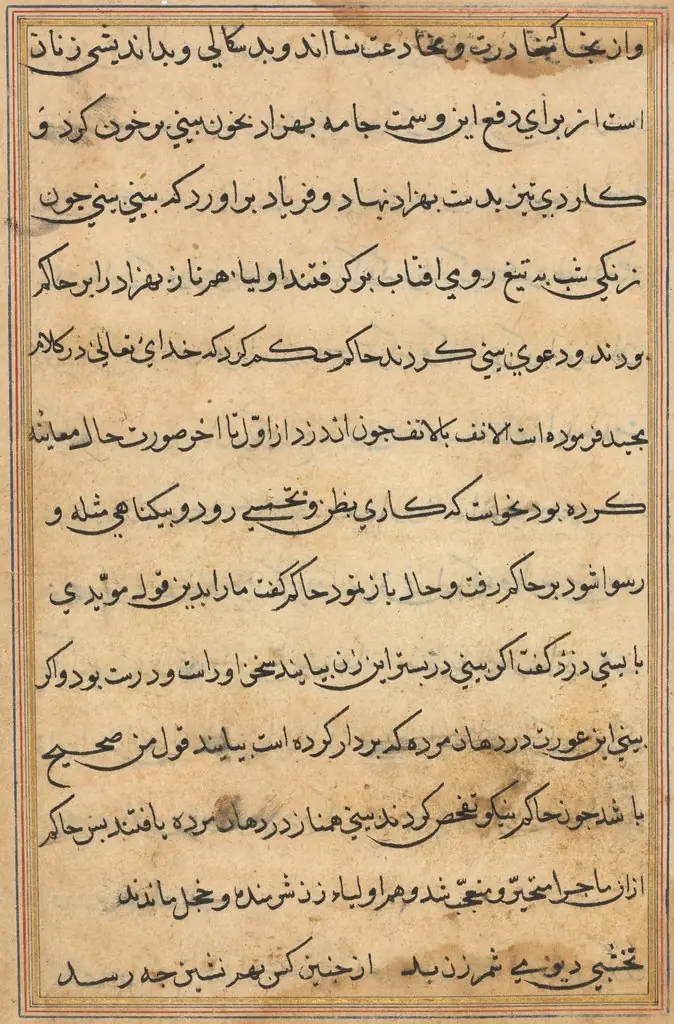 Page from Tales of a Parrot (Tuti-nama): text page
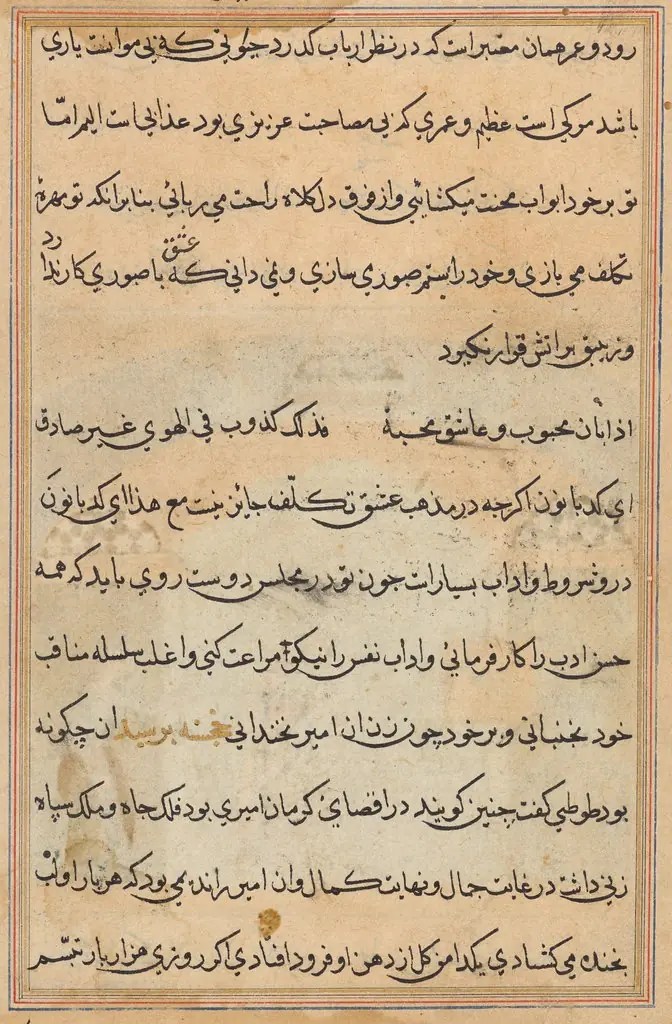 Page from Tales of a Parrot (Tuti-nama): text page
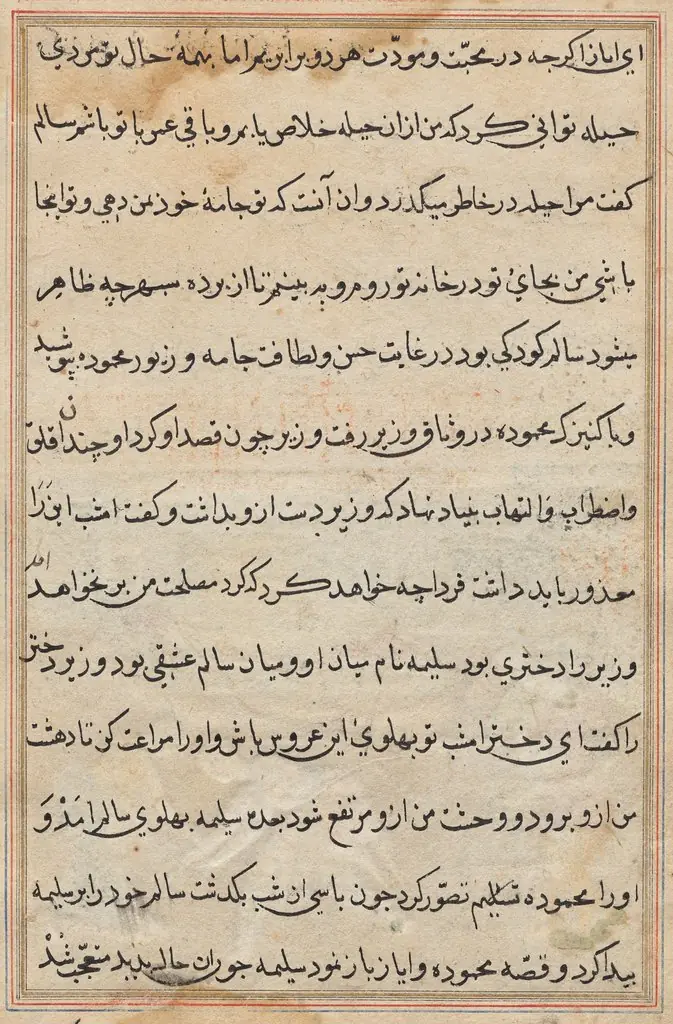 Page from Tales of a Parrot (Tuti-nama): text page
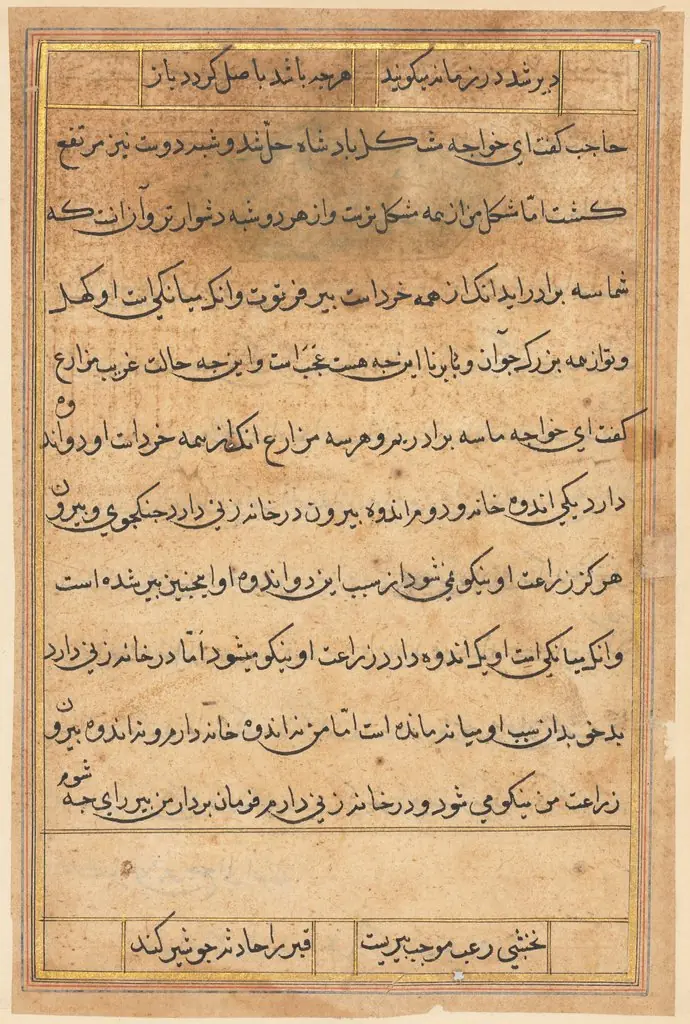 Page from Tales of a Parrot (Tuti-nama): text page
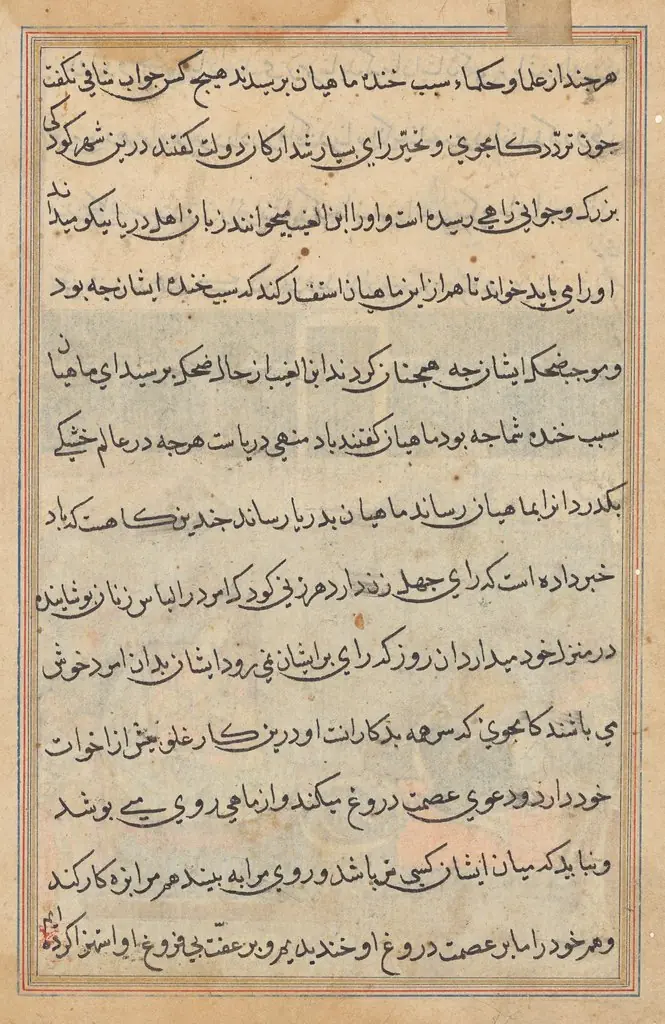 Page from Tales of a Parrot (Tuti-nama): text page
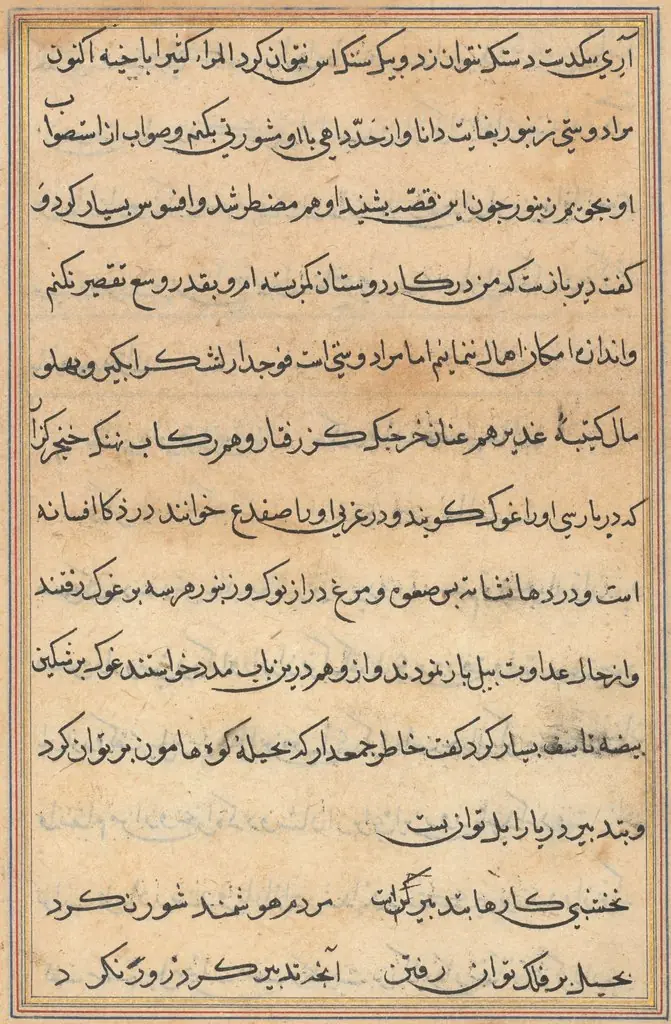 Page from Tales of a Parrot (Tuti-nama): text page
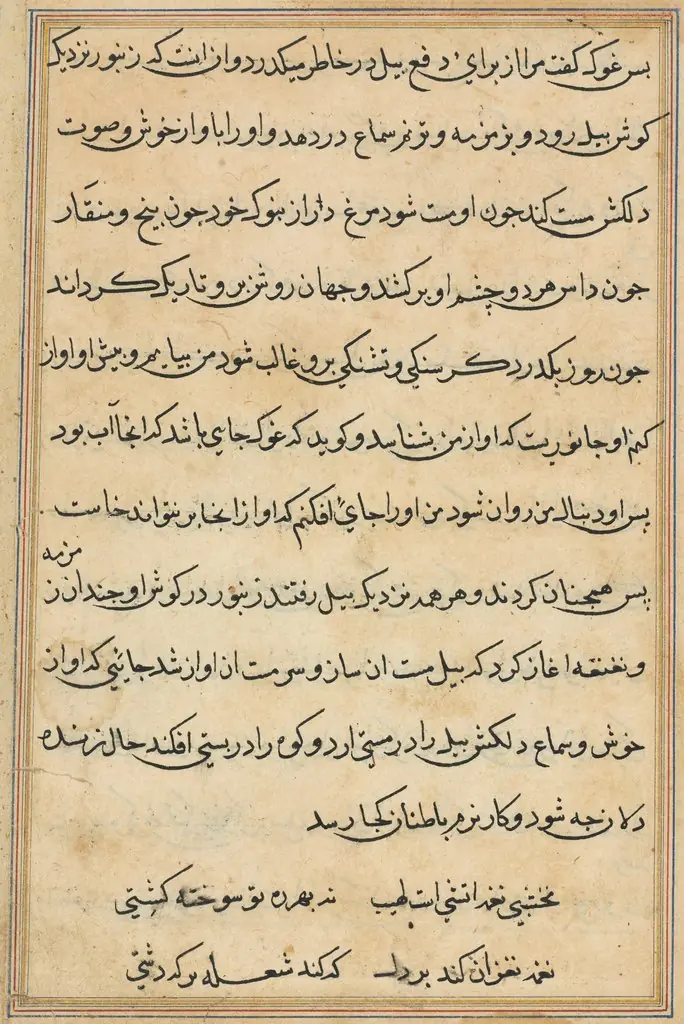 Page from Tales of a Parrot (Tuti-nama): text page
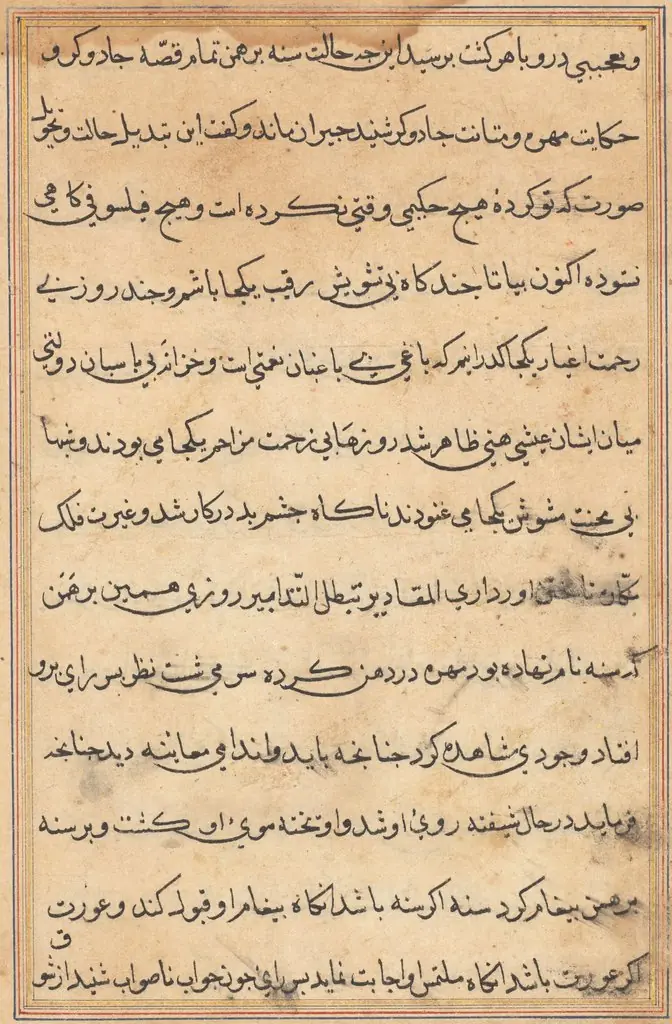 Page from Tales of a Parrot (Tuti-nama): text page
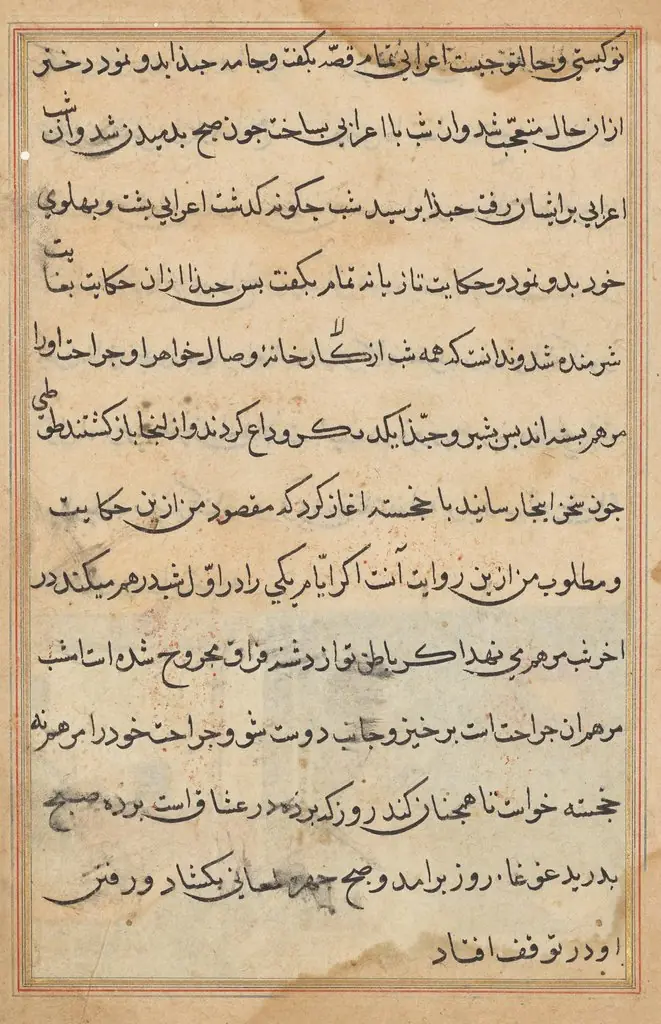 Page from Tales of a Parrot (Tuti-nama): text page
 Page from Tales of a Parrot (Tuti-nama): text page