Artwork
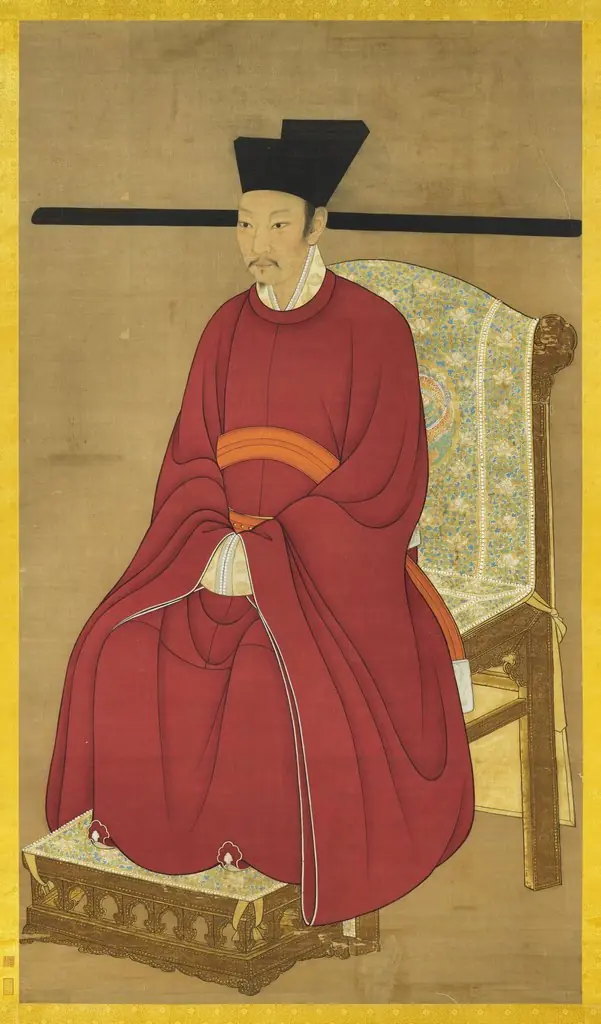
宋度宗坐像 軸
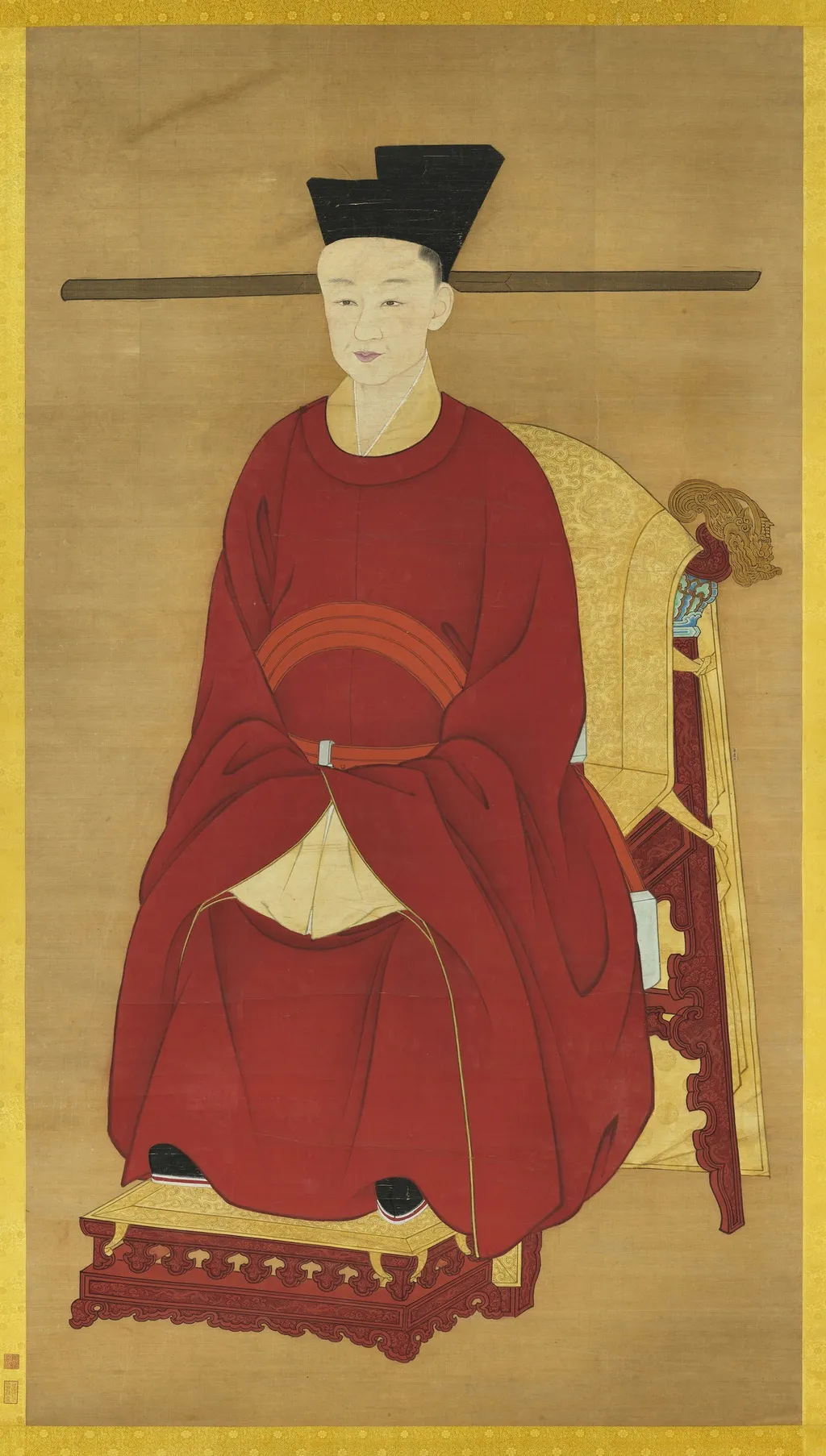
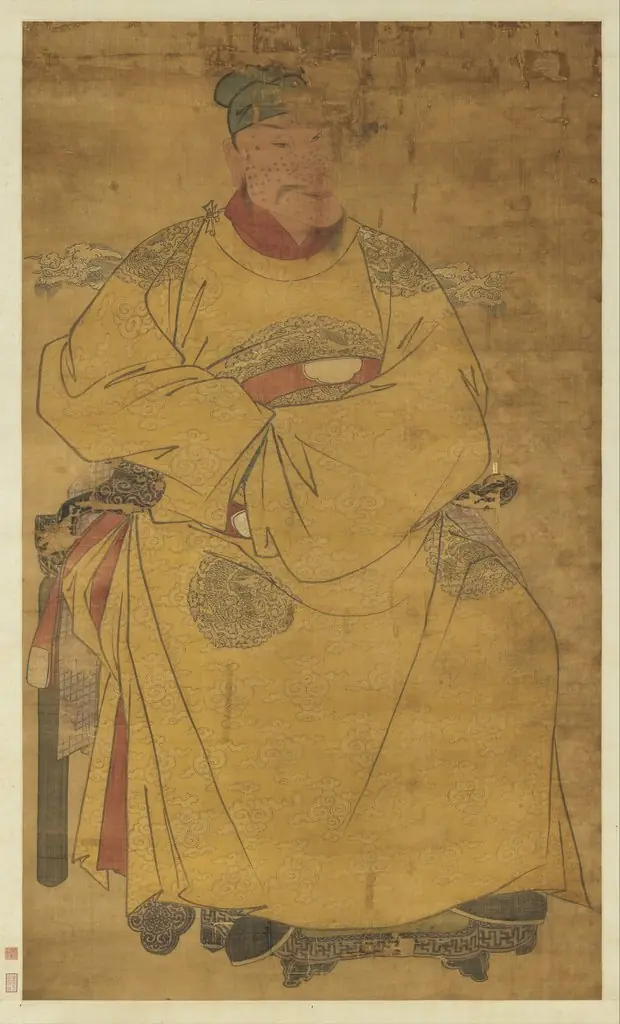
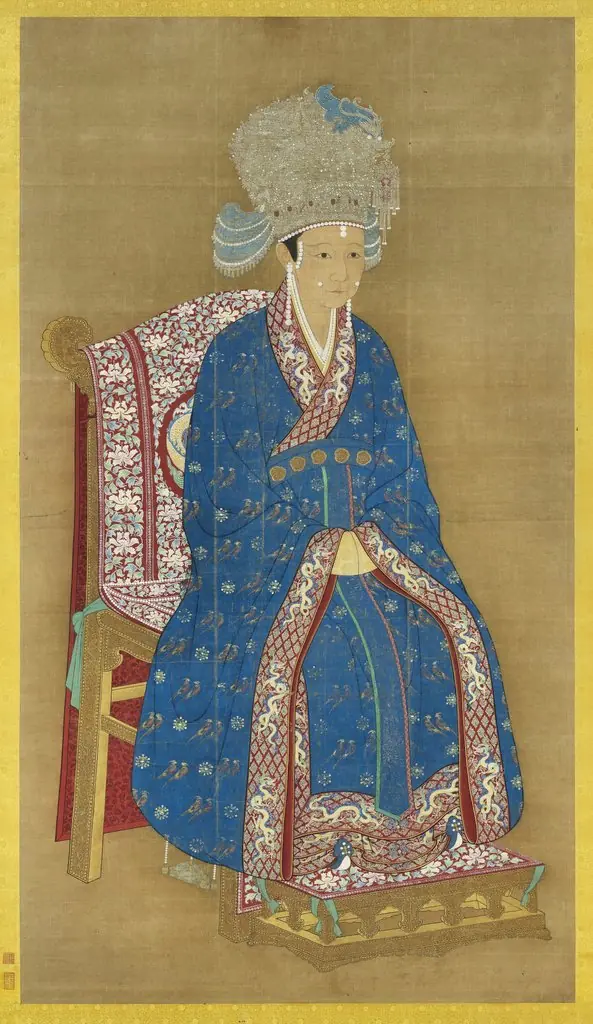
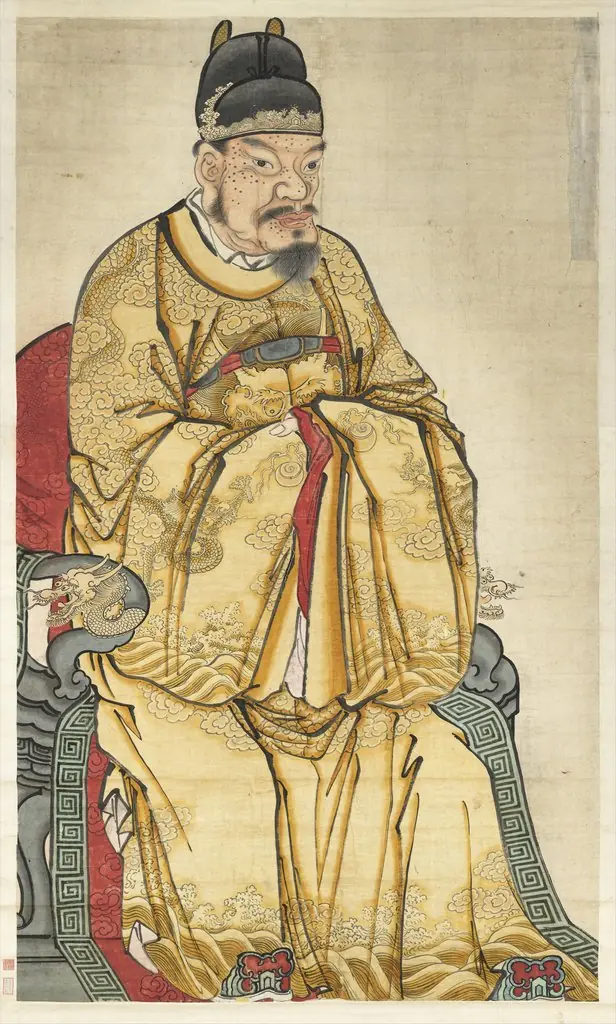
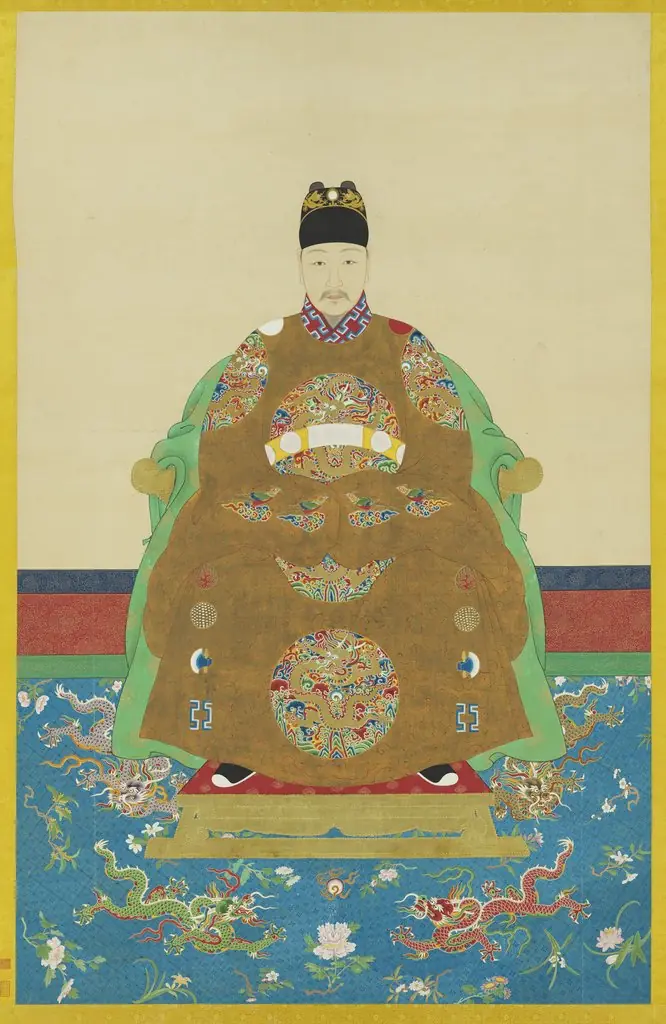
宋度宗坐像 軸 is an unspecified painting by Unknown. It is held in the collection of the National Palace Museum. This hanging scroll portrays Emperor Duzong of the Southern Song dynasty in formal court attire.
About this work
Overview
The figure is centered, facing forward, with minimal background detail to focus attention on his regal presence and ceremonial accoutrements.
This hanging scroll portrays Emperor Duzong of the Southern Song dynasty in formal court attire. Rendered in traditional Chinese court painting style, the composition emphasizes hierarchical formality through rigid posture, symbolic colors, and ornate furnishings. The figure is centered, facing forward, with minimal background detail to focus attention on his regal presence and ceremonial accoutrements.
Subject & Meaning
The seated figure is Emperor Duzong, the tenth ruler of the Southern Song. His red robe and black hat signify imperial status, while the carved yellow chair reflects high rank. The elongated object held behind his head is likely a ceremonial staff or ornamental handle, symbolizing authority. The image serves as a visual affirmation of imperial legitimacy and dynastic continuity during a period of political instability.
Technique & Style
Executed in ink and color on silk, the painting employs fine brushwork to define textures of fabric, wood, and skin. Facial features are rendered with restrained realism, typical of Song court portraiture. The lack of perspective and flat, decorative background align with traditional Chinese aesthetic principles, prioritizing symbolic representation over naturalistic space.
History & Provenance
The painting likely originated in the imperial atelier of the Southern Song court, possibly commissioned for ancestral veneration or palace display. It remained within imperial collections until the fall of the dynasty in 1279. Later, it entered private or state holdings in the Yuan or Ming periods, eventually becoming part of a documented imperial archive now held in a major museum collection.
Context
Created during the mid-13th century, the portrait reflects a court under increasing pressure from Mongol expansion. Despite looming military threats, imperial imagery continued to emphasize stability and tradition. Such portraits reinforced the emperor’s role as the cosmic center of governance, even as actual political control waned.
Legacy
This portrait exemplifies the enduring tradition of Chinese imperial portraiture, influencing later dynastic representations. Its formal conventions—hierarchical scale, symbolic color, and restrained expression—became templates for official imagery across East Asia. Though not widely exhibited, it remains a key reference for understanding Song court ideology and visual culture.
Artist & collection

 Domestic Scene
 Giacomo and Cardinal Marco, investing Andrea, Abbot of San Zeno, with his Benefice
 The Nymph of Fontainebleau
 Portrait of a Woman
 Madonna and Child with Saints in the Enclosed Garden
 Venus and Minerva
 Family Group of Four on Sofa
 Wall painting from Room H of the Villa of P. Fannius Synistor at Boscoreale