Artwork
Fabio Brulart de Sillery (1655-1714), évêque de Soissons
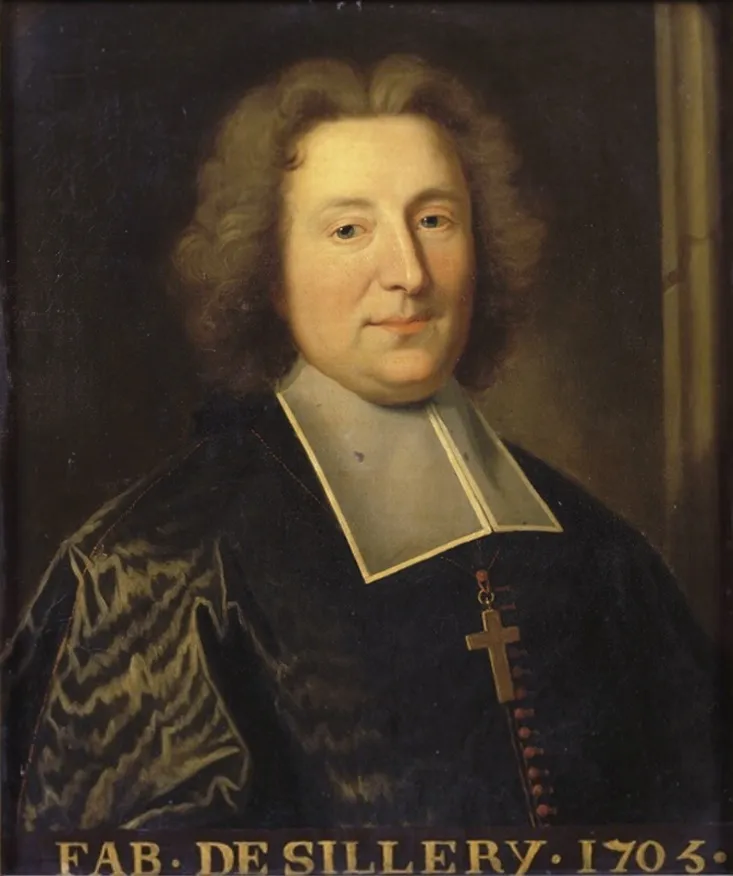
Fabio Brulart de Sillery (1655-1714), évêque de Soissons is an oil painting by Unknown. It is held in the collection of the Palace of Versailles. This oil painting portrays Fabio Brulart de Sillery, Bishop of Soissons, in formal ecclesiastical dress.
About this work
Overview
This oil painting portrays Fabio Brulart de Sillery, Bishop of Soissons, in formal ecclesiastical dress. Rendered with restrained elegance, the composition emphasizes his status through somber tones and precise detail. The dark background isolates the figure, while soft directional light models his features and garments, enhancing the portrait’s solemn presence without theatricality.
Subject & Meaning
Brulart de Sillery is depicted as a high-ranking church official, his black robe and white collar signaling clerical authority.
Brulart de Sillery is depicted as a high-ranking church official, his black robe and white collar signaling clerical authority. The gold cross suspended at his chest underscores his spiritual role. His expression is composed, avoiding overt emotion, reflecting the expected dignity of a bishop in the late 17th century. The portrait functions as a visual affirmation of his ecclesiastical identity and social standing.
Technique & Style
The artist employs a muted palette dominated by blacks, grays, and gold accents, creating a sense of quiet gravitas. Brushwork is controlled, particularly in the rendering of fabric folds and the texture of the collar. Subtle chiaroscuro defines the face and hands, lending volume without dramatic contrast. The background remains indistinct, focusing attention entirely on the sitter’s presence.
History & Provenance
Fabio Brulart de Sillery served as Bishop of Soissons from 1678 until his death in 1714. The portrait likely dates to his episcopacy, commissioned to commemorate his position within the French Catholic hierarchy. Its early provenance is tied to ecclesiastical collections in northern France, though its specific ownership history before modern institutional acquisition remains partially undocumented.
Context
In late 17th-century France, ecclesiastical portraiture adhered to conventions of restraint and formality, distinguishing clergy from secular nobility. While aristocrats might be shown with symbols of power or leisure, bishops were depicted through vestments and insignia alone. This portrait aligns with broader trends in French religious portraiture, emphasizing piety and institutional role over individual personality.
Legacy
The portrait remains a representative example of French ecclesiastical portraiture from the reign of Louis XIV. It contributes to the visual record of regional bishops who played key roles in both spiritual and administrative life. Though not widely reproduced, it holds value as a document of clerical identity and artistic practice in early modern France.
Artist & collection

 Domestic Scene
 Giacomo and Cardinal Marco, investing Andrea, Abbot of San Zeno, with his Benefice
 The Nymph of Fontainebleau
 Portrait of a Woman
 Madonna and Child with Saints in the Enclosed Garden
 Venus and Minerva
 Family Group of Four on Sofa
 Wall painting from Room H of the Villa of P. Fannius Synistor at Boscoreale
 Olivier Patru (1604-1681), avocat au Parlement de Paris, membre de l'Académie française
 Philibert-Emmanuel de Beaumanoir Lavardin
 Portrait of Jacques-Bénigne Bossuet
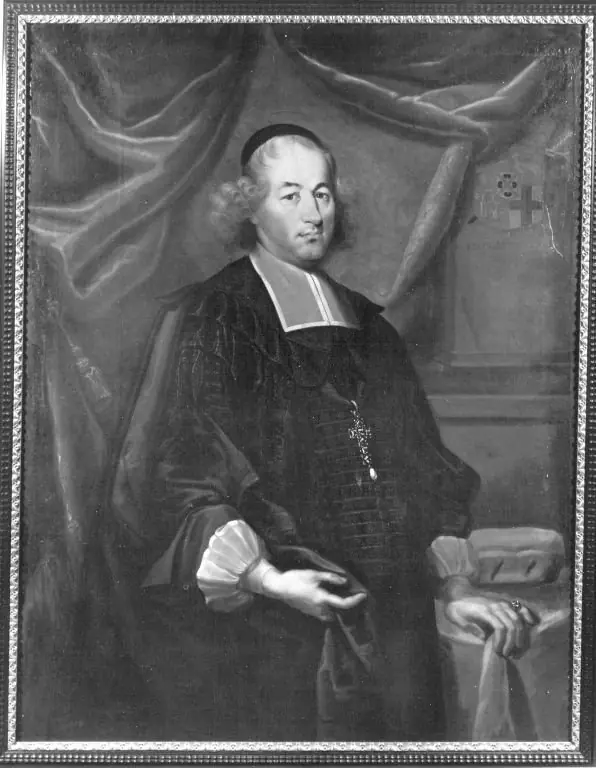 Bildnis des Johann Hugo von Orsbeck, Bischof von Speyer und Erzbischof und Kurfürst von Trier (1634-1711)
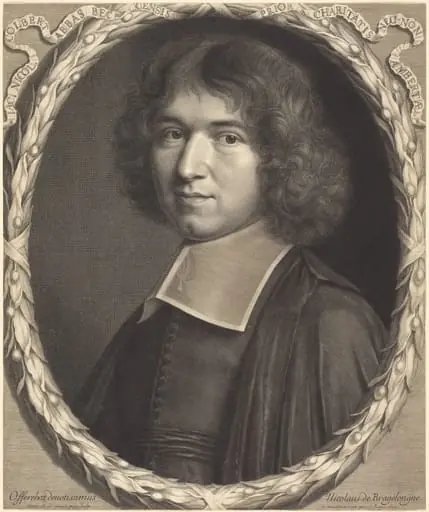 Jean-Baptiste Colbert
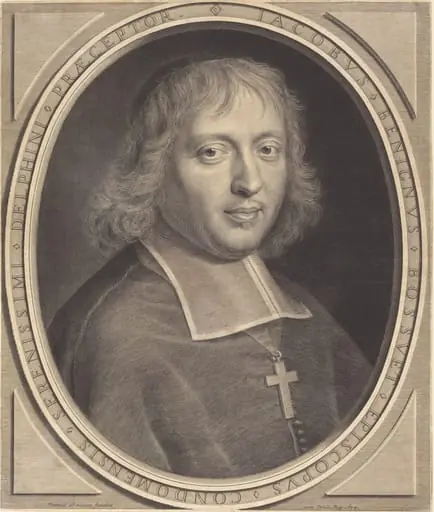 Jacques-Benigne Bossuet
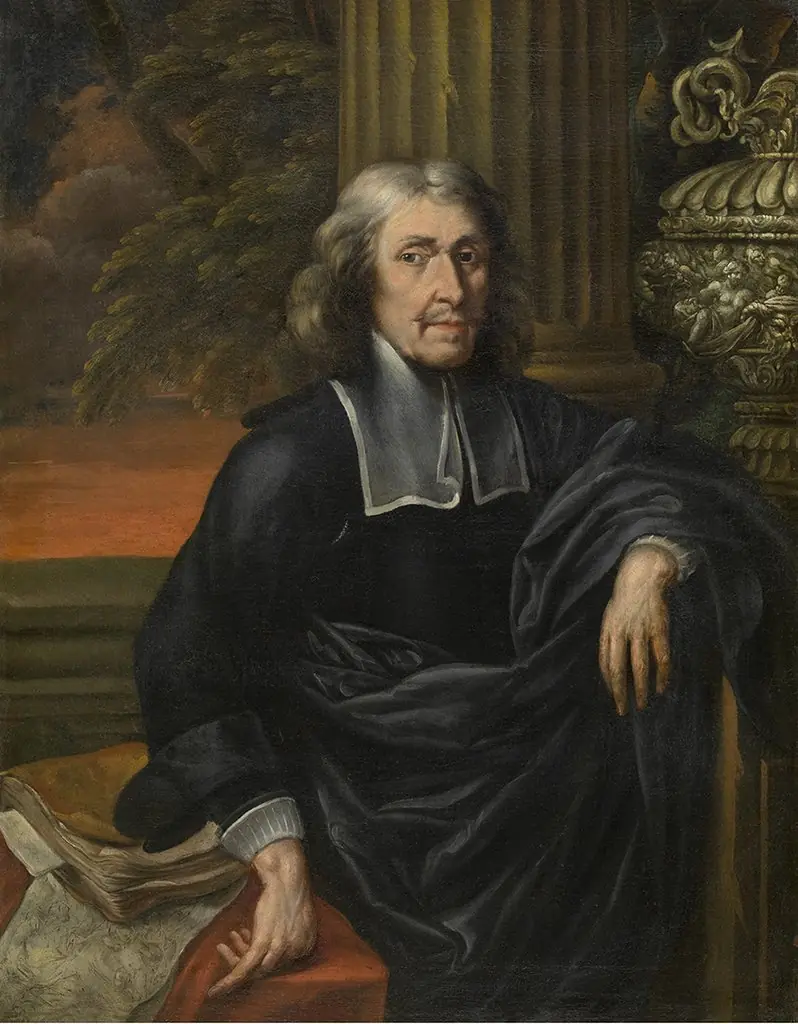 Portrait of David Herregouts
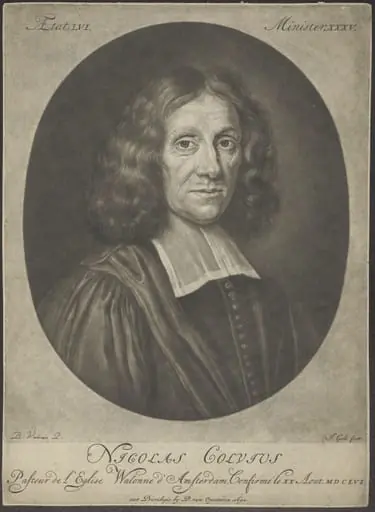 Portrait of Nicolas Colvius, Walloon minister in AmsterdaM
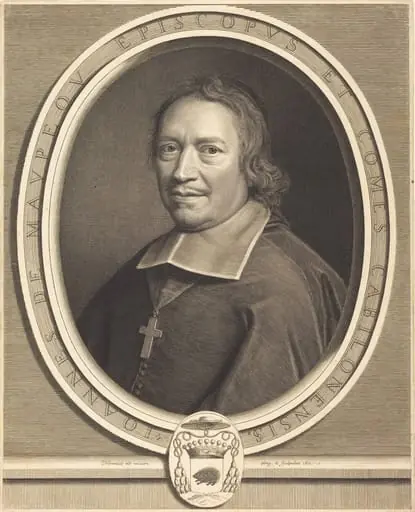 Jean de Maupeou
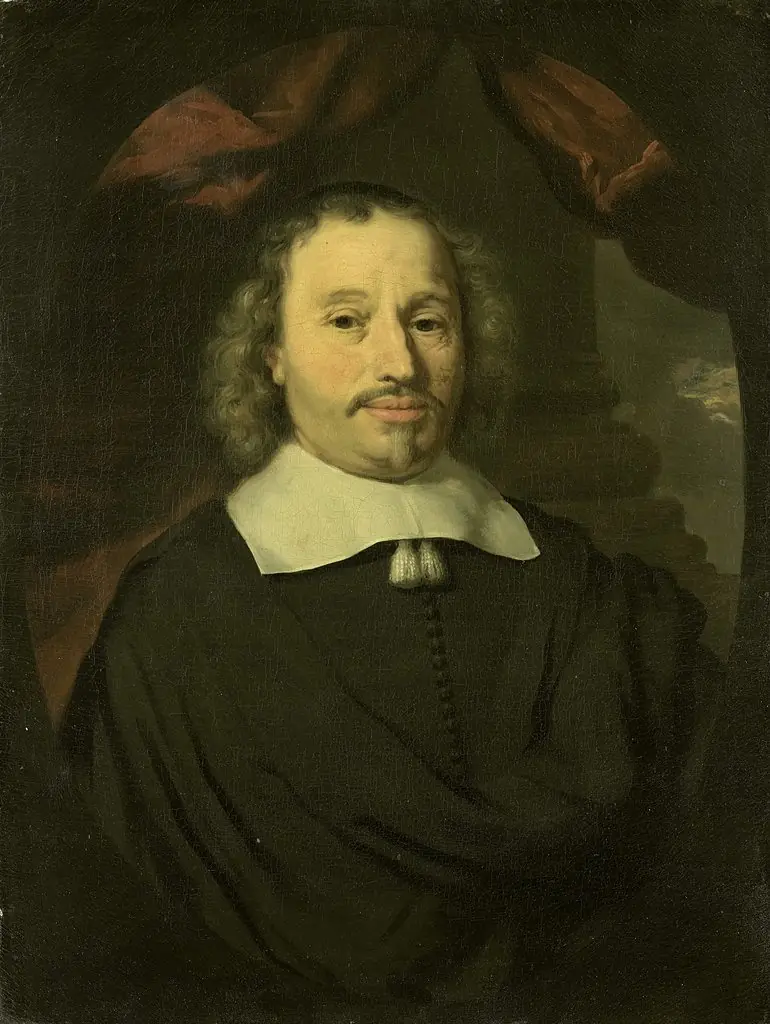 Portrait of Hendrick Wijnands (1601/2 - 76), grocer of Amsterdam
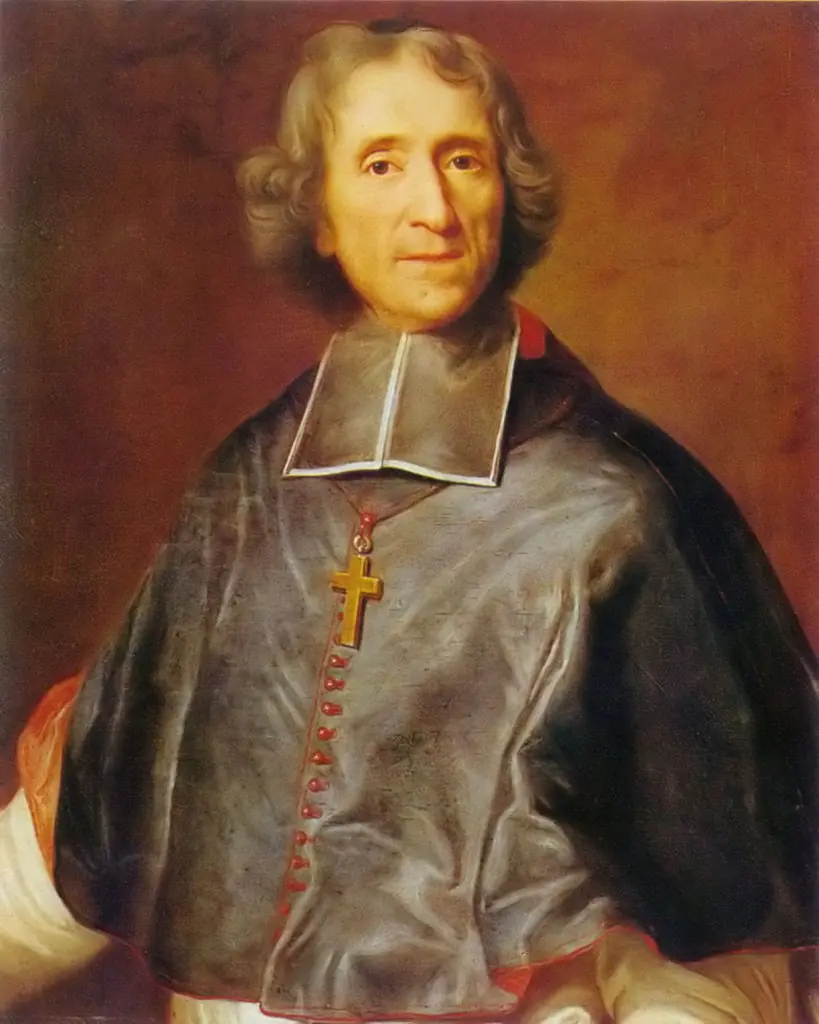 François Fénelon, Archbishop of Cambrai
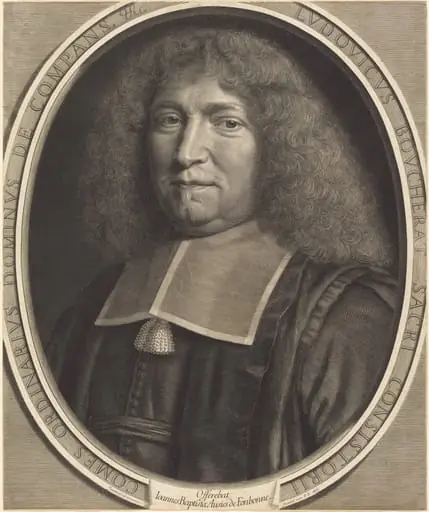 Chancellor Bouchert