Artwork
Louis Ier de Bourbon, prince de Condé (1530-1569)
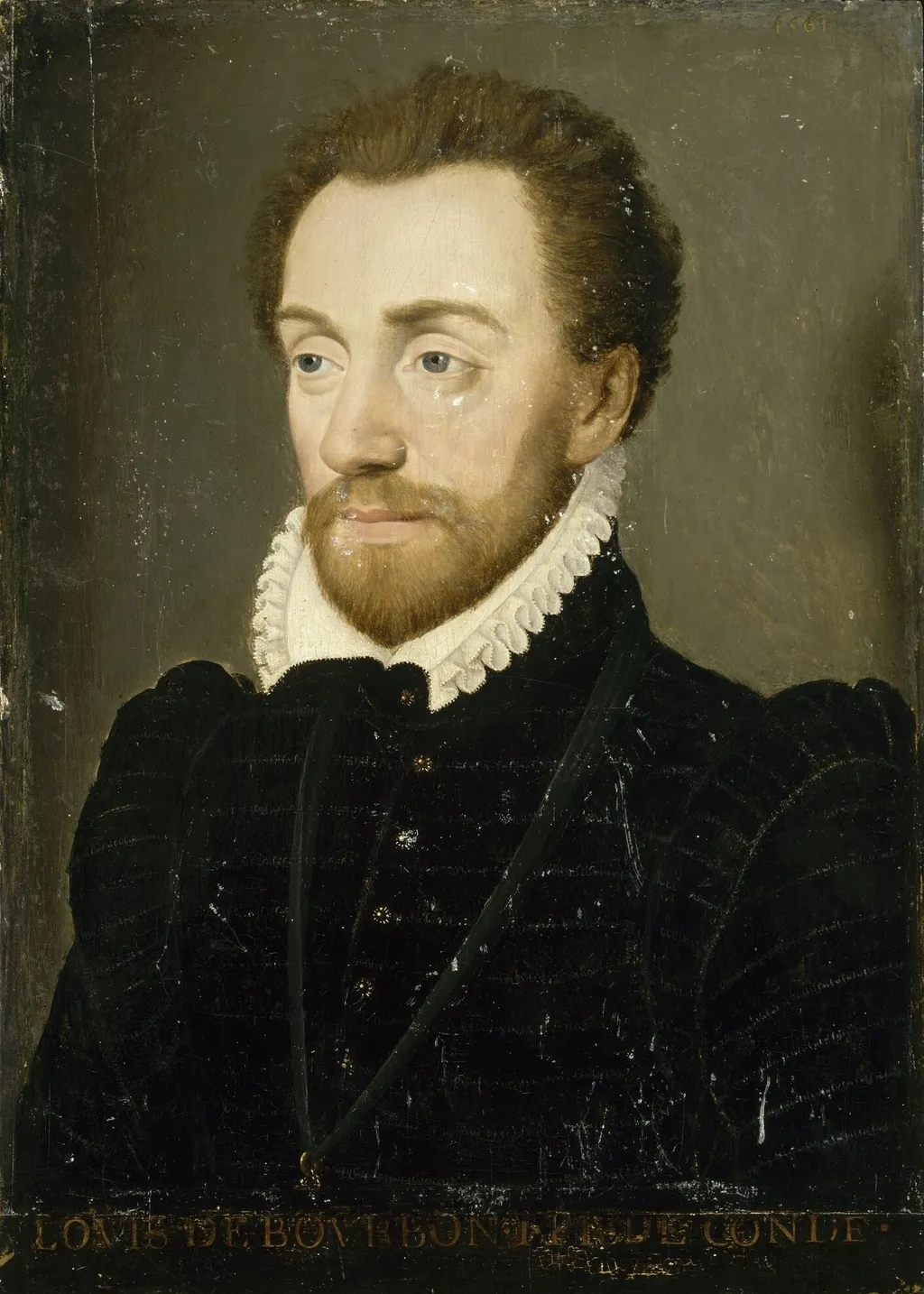
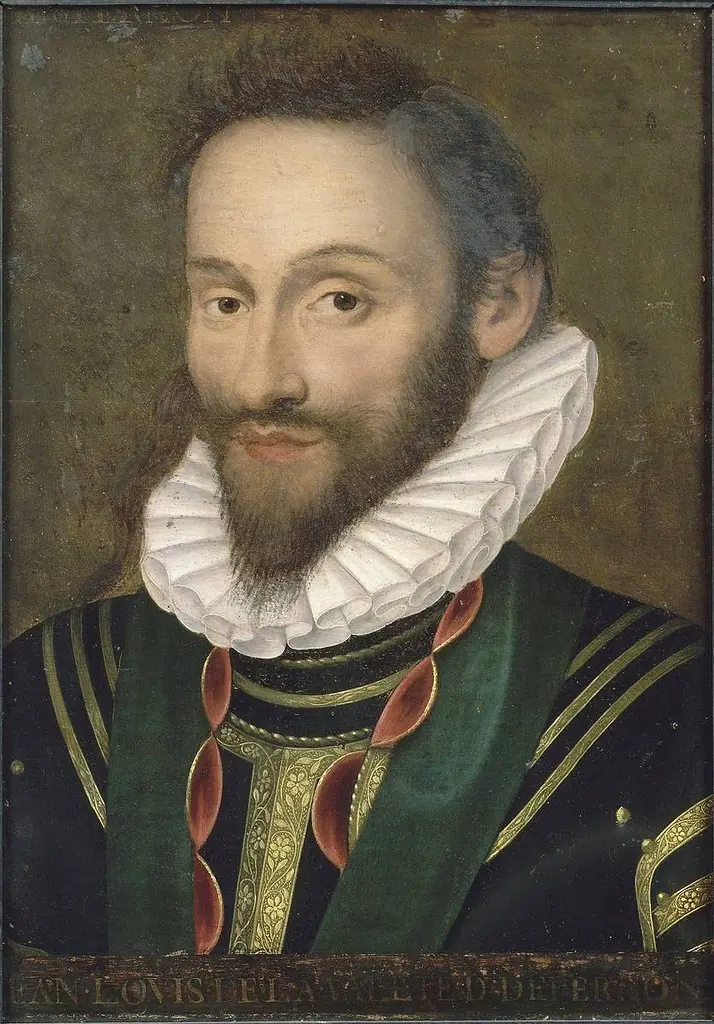
Louis Ier de Bourbon, prince de Condé (1530-1569) is an oil painting by the Mannerist artist Unknown. It dates from 1550 and is held in the collection of the Palace of Versailles. The work is an oil painting portraying a 16th‑century gentleman, identified as Louis I de Bourbon, Prince of Condé (1530–1569).
About this work
The use of oil paint and the attention to detail in the subject's clothing and facial features are notable aspects of the artwork.
The painting depicts a man with dark hair, dressed in a black jacket with a white ruffled collar. The background is a muted brown color.
The man's attire and hairstyle suggest a formal portrait from the 16th century. The use of oil paint and the attention to detail in the subject's clothing and facial features are notable aspects of the artwork.
This painting is part of the collection at the Palace of Versailles.
Overview
The work is an oil painting portraying a 16th‑century gentleman, identified as Louis I de Bourbon, Prince of Condé (1530–1569). He is shown with dark hair, wearing a black doublet and a white, ruffled collar against a subdued brown backdrop. The composition focuses on the sitter’s face and attire, emphasizing his status and the conventions of formal portraiture of the period.
Subject & Meaning
The portrait captures the Prince of Condé, a prominent French noble and military leader during the early Wars of Religion. His solemn expression and dignified dress convey authority and lineage, reflecting the political importance of portraiture as a means of asserting identity and allegiance within the French aristocracy of the mid‑1500s.
Technique & Style
Executed in oil on canvas, the painting demonstrates careful modeling of flesh tones and meticulous rendering of fabric textures, particularly the sheen of the black jacket and the delicate folds of the white ruff. The muted brown background serves to isolate the figure, a common device in Renaissance portraiture to highlight the sitter’s features without distraction.
History & Provenance
The portrait is held in the collection of the Palace of Versailles, where it forms part of the broader assemblage of French royal and noble artworks. Its presence in the palace reflects the historical practice of displaying portraits of significant dynastic figures within royal residences to reinforce lineage and prestige.
Artist & collection

 Domestic Scene
 Giacomo and Cardinal Marco, investing Andrea, Abbot of San Zeno, with his Benefice
 The Nymph of Fontainebleau
 Portrait of a Woman
 Madonna and Child with Saints in the Enclosed Garden
 Venus and Minerva
 Family Group of Four on Sofa
 Wall painting from Room H of the Villa of P. Fannius Synistor at Boscoreale
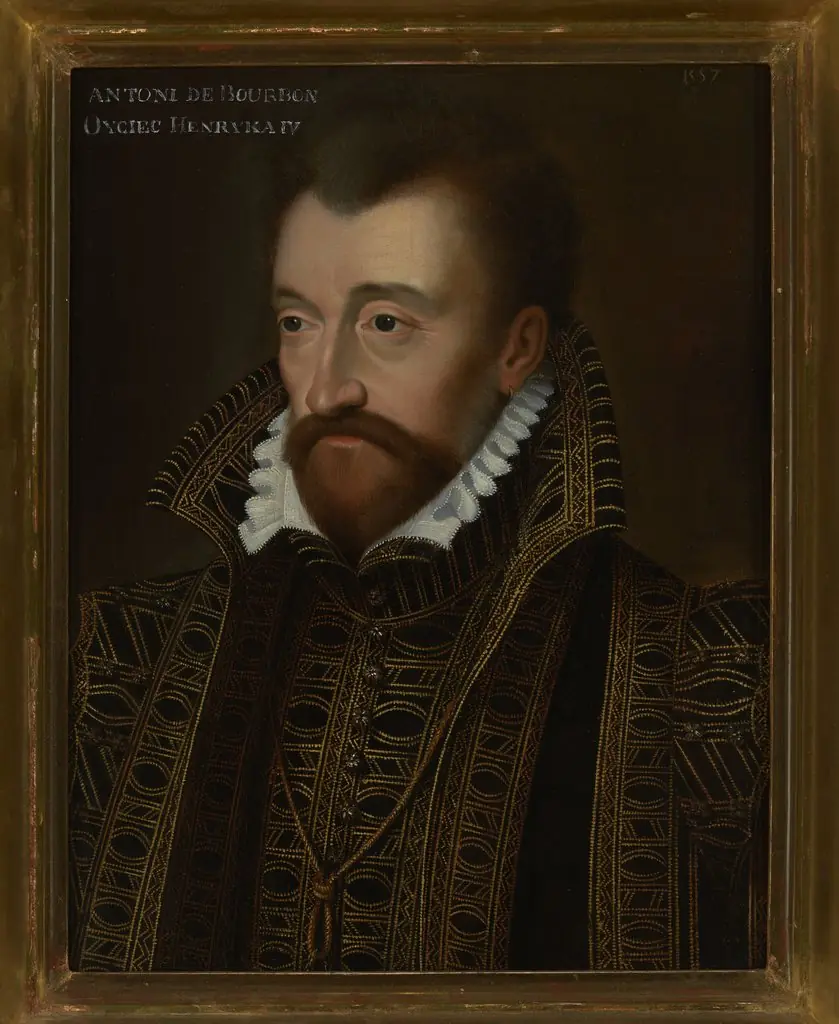 Portrait of Anthony of Bourbon (1518–1562), King of Navarre
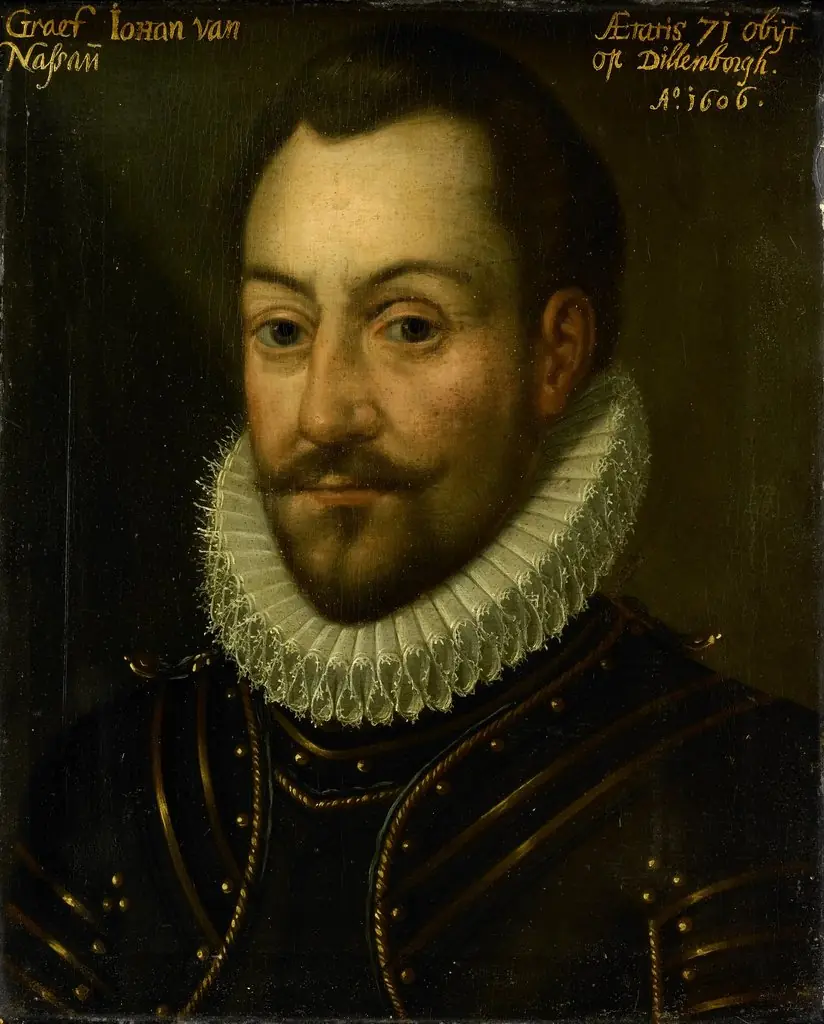 Portrait of an unknown count or officer, possibly Jan the Elder (1535-1606), Count of Nassau
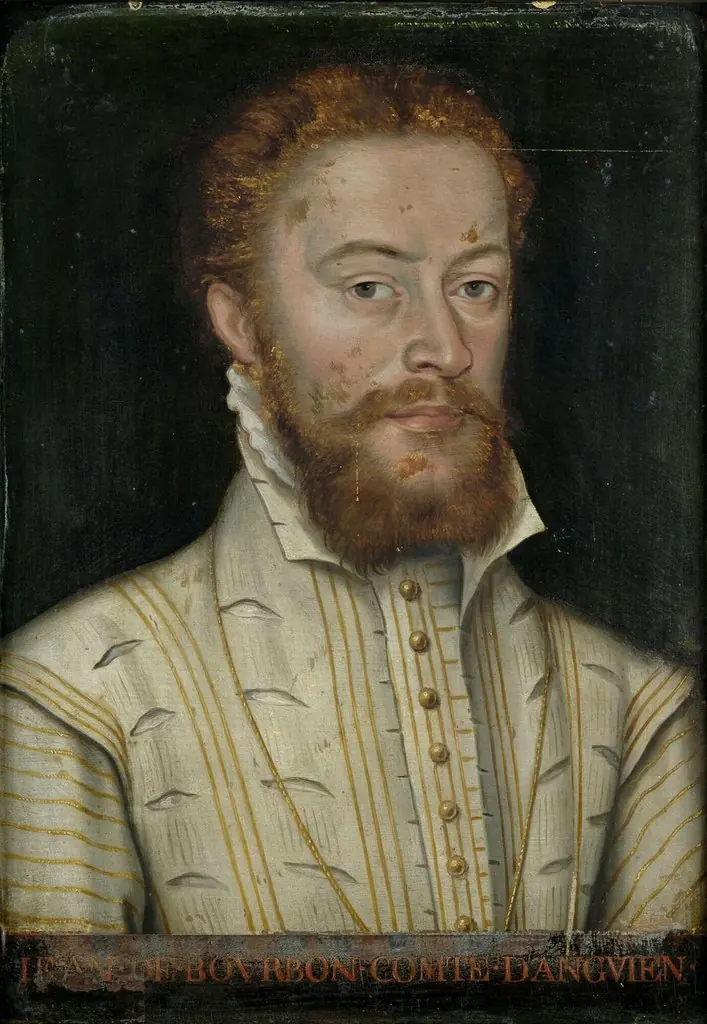 Jean de Bourbon, comte de Soissons et d'Enghien
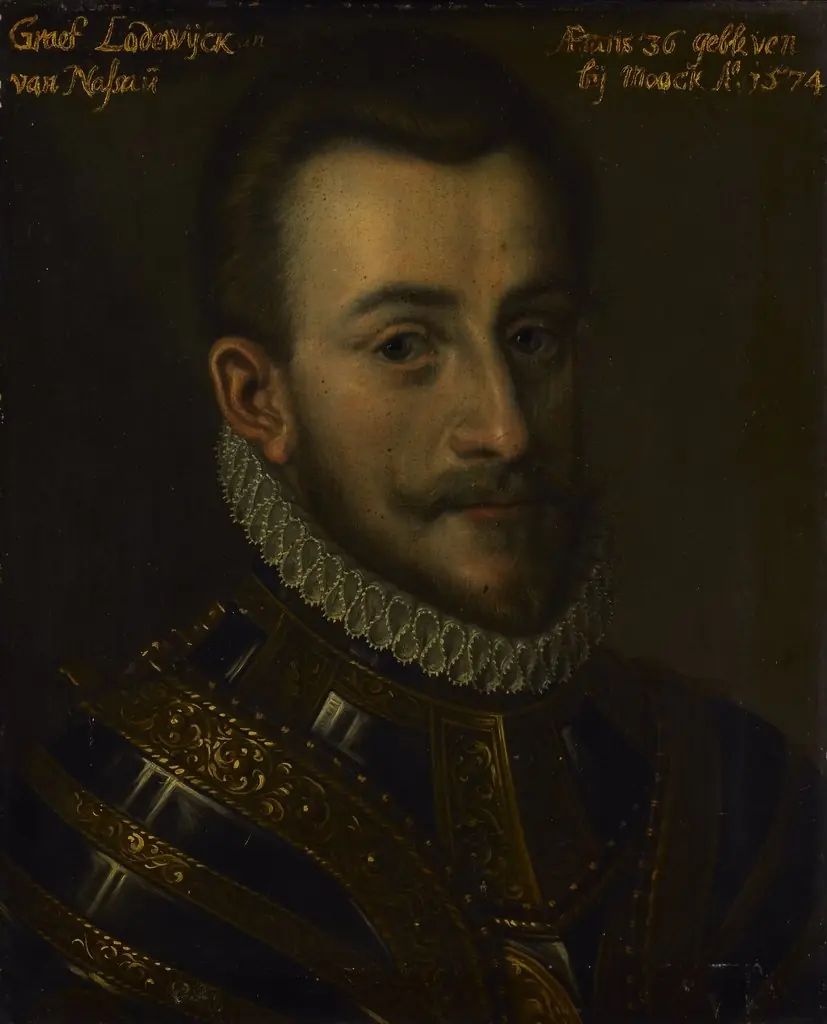 Portrait of Lodewijk (1538-74), Count of Nassau
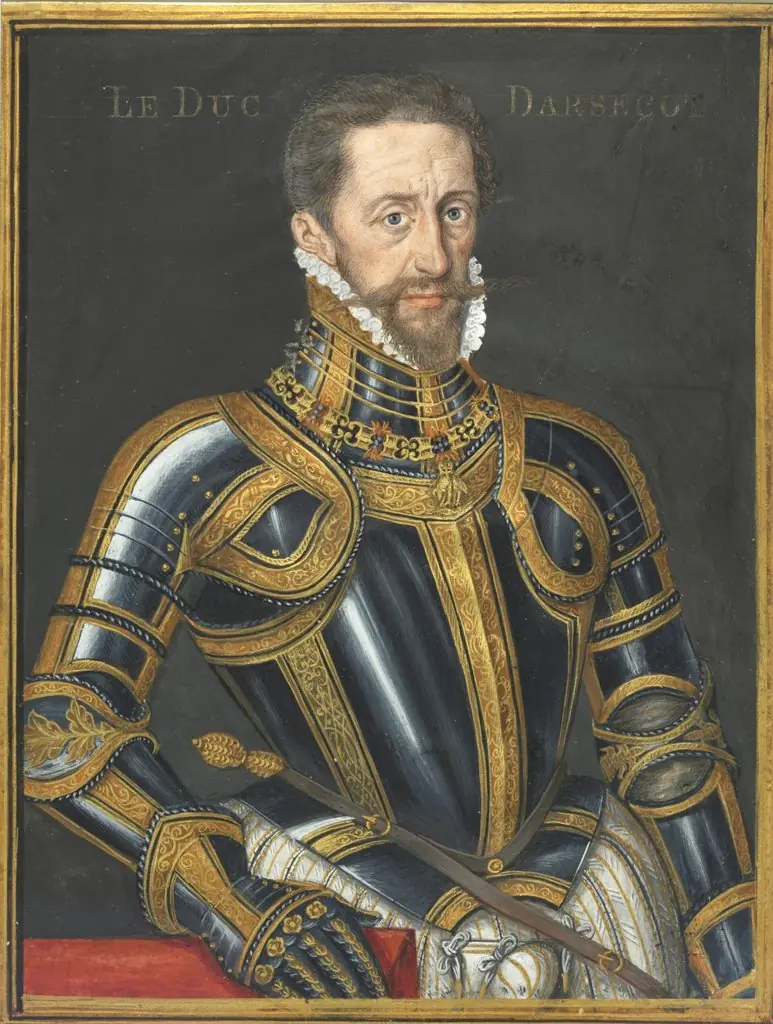 Portrait of Philippe de Croy, Duke of Aerschot
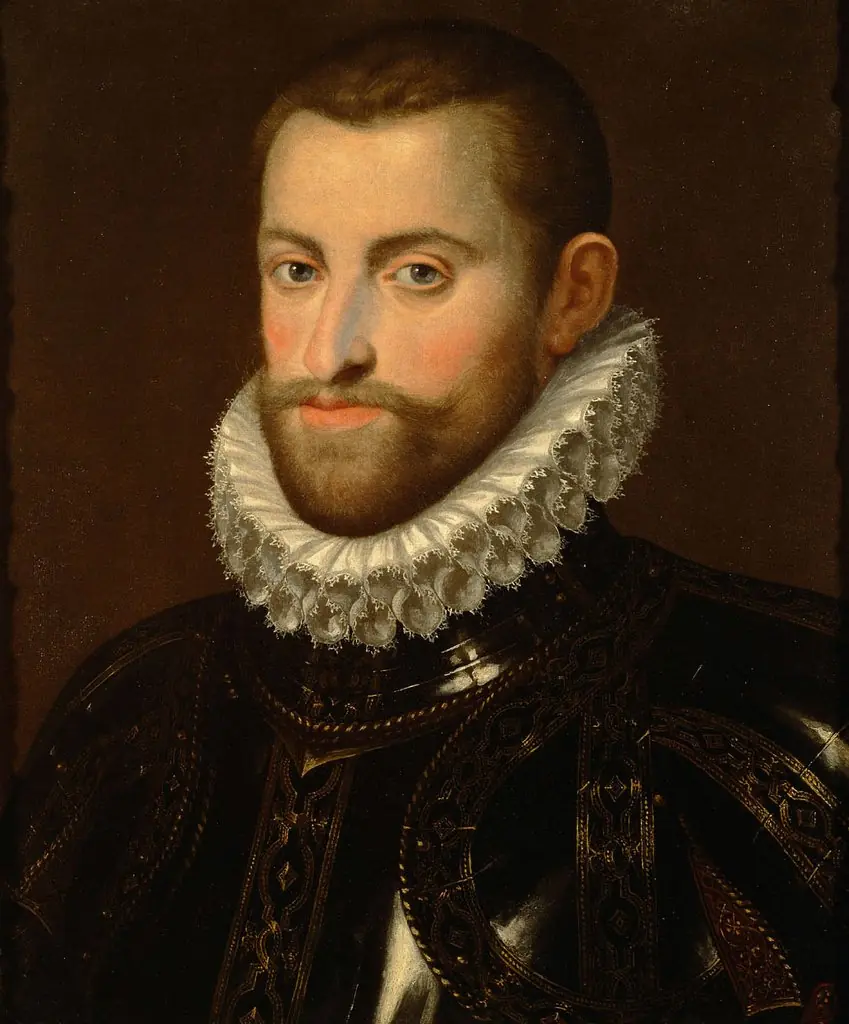 Erzherzog Ernst im Harnisch, Brustbild
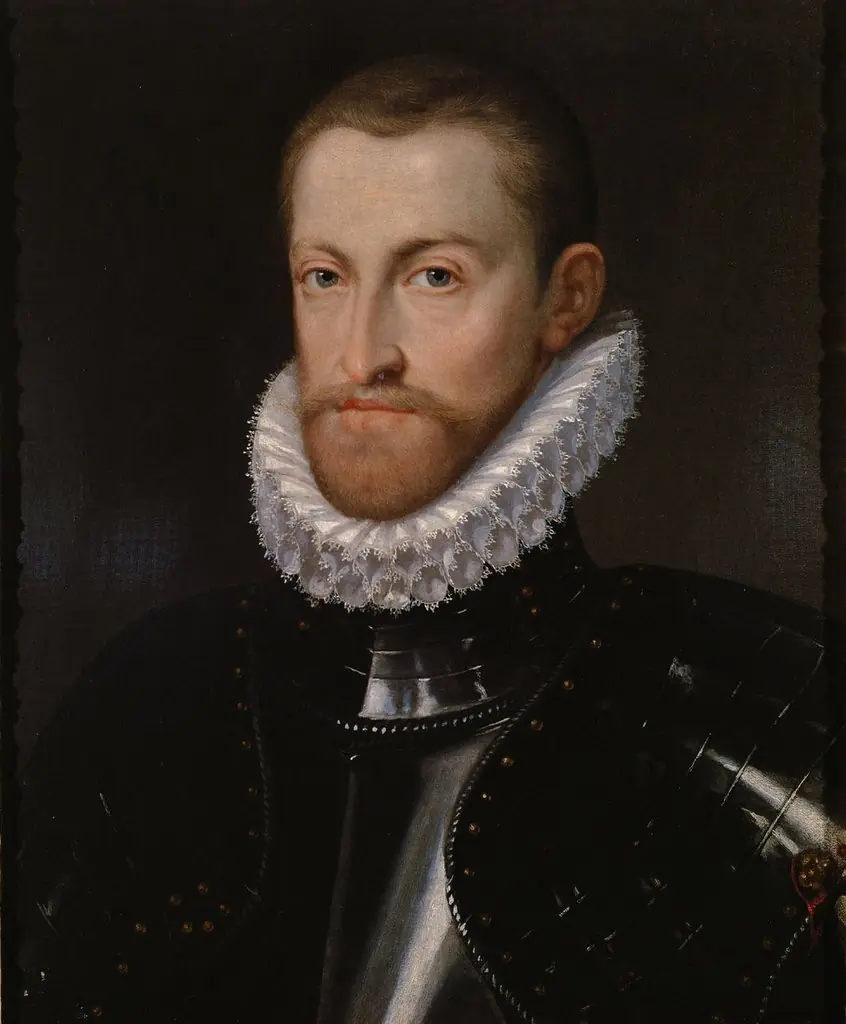 Emperor Rudolf II in Armour
 Untitled
 Portrait of Johan Ernst I (1582-1617), Count of Nassau-Siegen
 Portrait of a Knight of the Order of Calatrava, probably of the Sorias or Soreau Lineage (Sorel)
 Portrait of Philippe de Montmorency, Count of Hoorne, Admiral of the Netherlands, Member of the Council of State
 Jean Louis de Nogaret de La Valette (1554-1642), French admiral