Artwork
David vencedor de Goliat
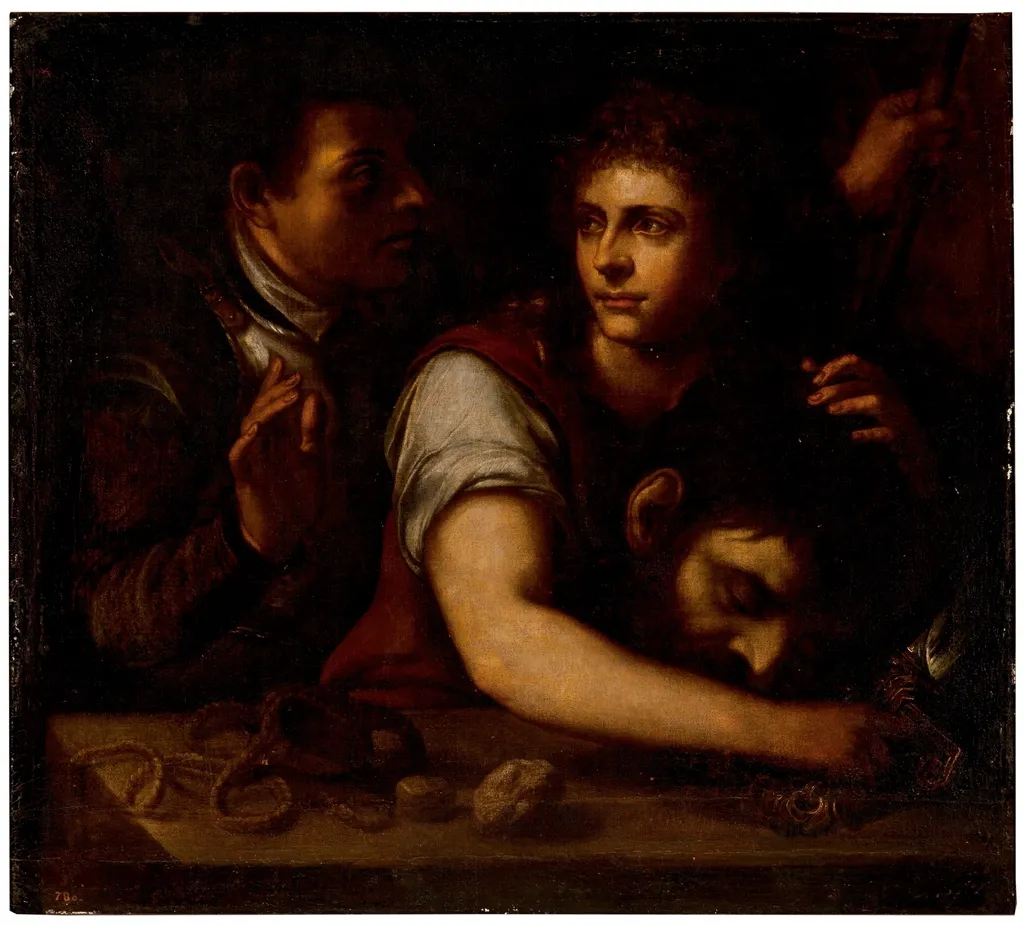
David vencedor de Goliat is an oil painting by the Early Baroque Italian artist Unknown. It dates from 1601 and is held in the collection of the Museo del Prado. The canvas presents a youthful figure, presumed to be David, clutching the severed head of a towering opponent, likely Goliath.
About this work
Overview
The canvas presents a youthful figure, presumed to be David, clutching the severed head of a towering opponent, likely Goliath. The scene is set on a flat surface where the giant’s head rests amid scattered objects, while the young man’s right hand grasps the foe’s hair. Strong contrasts of light and shadow dominate the composition, focusing attention on the dramatic encounter.
Subject & Meaning
The work visualizes the biblical triumph of the shepherd‑boy hero over the Philistine champion, emphasizing the reversal of power through the display of the enemy’s head. The juxtaposition of the young victor’s bright attire against the darkened background underscores themes of divine favor, youthful courage, and the moral victory of the underdog.
Technique & Style
Employing pronounced chiaroscuro, the painter creates a stark interplay of illumination and darkness that heightens the scene’s tension. Thick, textured brushwork (impasto) builds volume on the figures, while translucent glaze layers enrich the surface tones, lending depth to flesh and fabric alike. The overall effect combines realism with a dramatic, almost theatrical, visual language.
History & Provenance
The piece is an oil painting of unspecified date and origin, presently catalogued under the title “David vencedor de Goliat.” No documented ownership trail accompanies the work, and details regarding its creation, exhibition history, or previous collections remain absent from the available record.
Context
The subject aligns with a long tradition of artistic renditions of the David‑Goliath narrative, a motif popular among Renaissance and Baroque painters who explored themes of heroism and divine intervention. The use of chiaroscuro and impasto reflects techniques favored by artists seeking to convey emotional intensity and physical presence within biblical storytelling.
Artist & collection

 Domestic Scene
 Giacomo and Cardinal Marco, investing Andrea, Abbot of San Zeno, with his Benefice
 The Nymph of Fontainebleau
 Portrait of a Woman
 Madonna and Child with Saints in the Enclosed Garden
 Venus and Minerva
 Family Group of Four on Sofa
 Wall painting from Room H of the Villa of P. Fannius Synistor at Boscoreale
 Judith with the Head of Holofernes
 David with Goliath’s head
 Salome empfängt das Haupt Johannes des Täufers
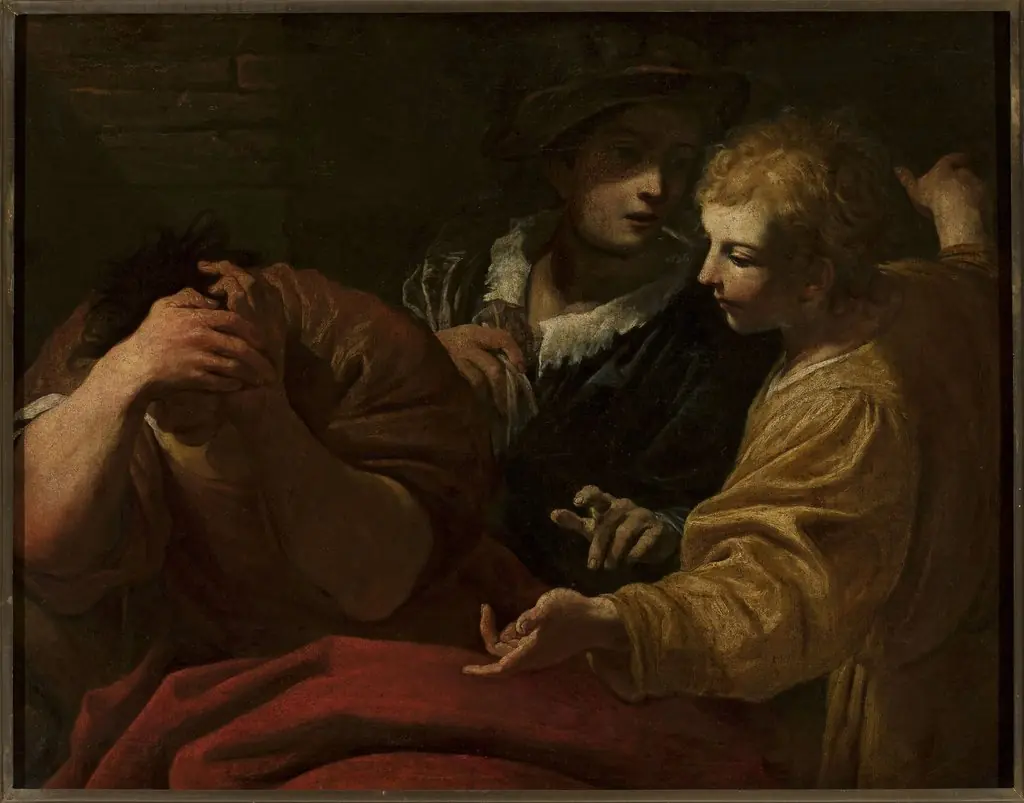 Joseph explaining dreams at the Pharaoh’s court
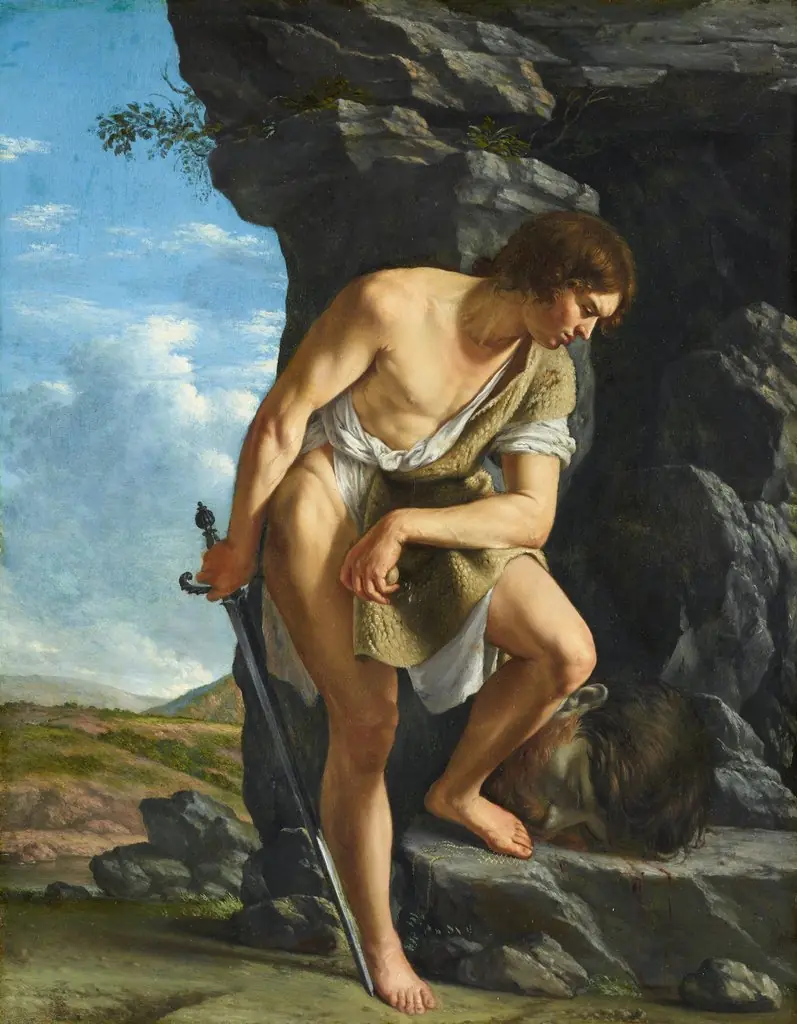 David Contemplating the Head of Goliath
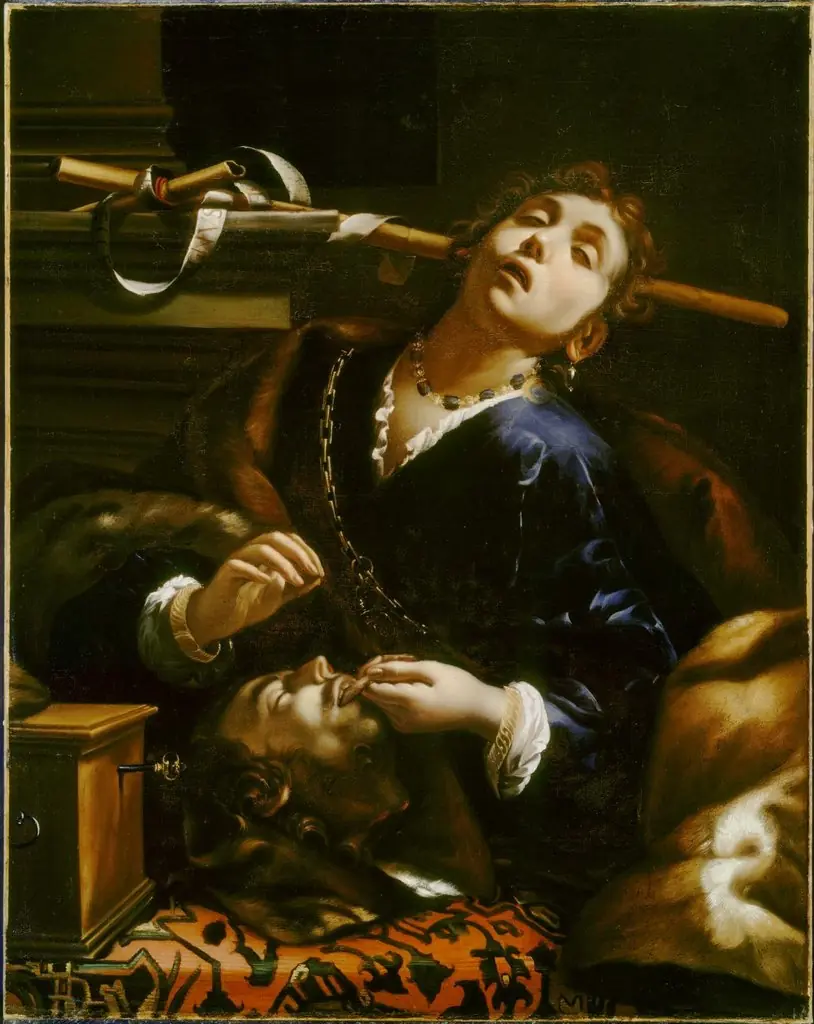 Herodias with the Head of Saint John the Baptist
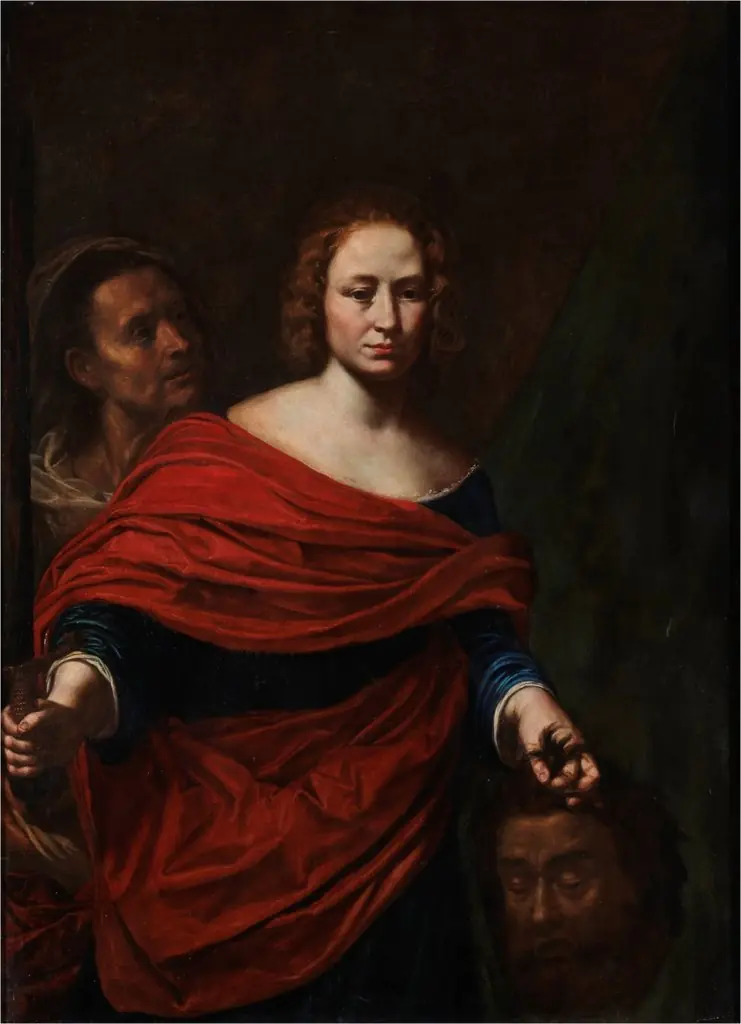 Judith with the Head of Holophernes
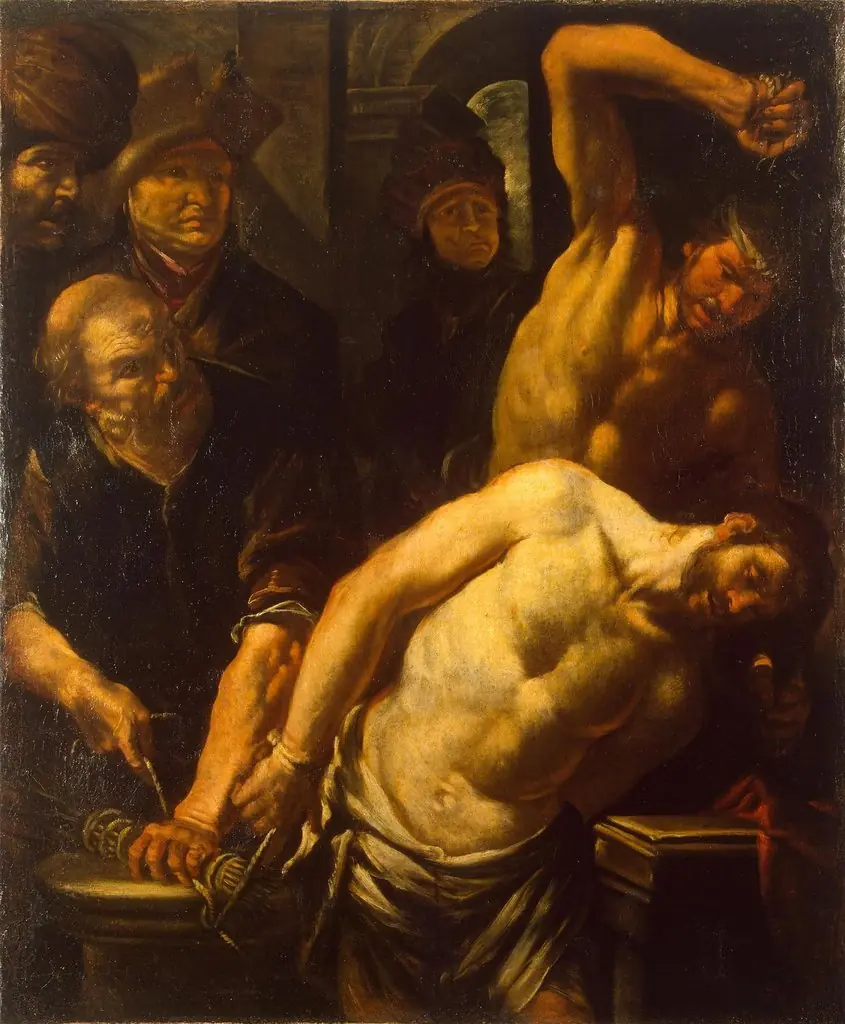 Mocking of Christ
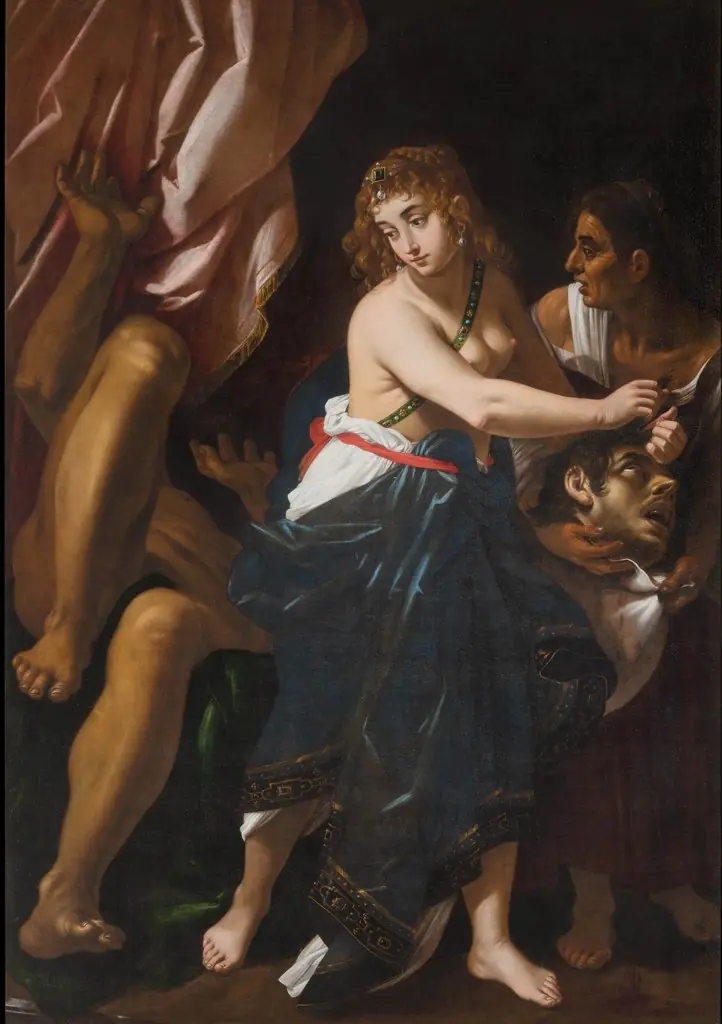 Judith and the Head of Holofernes
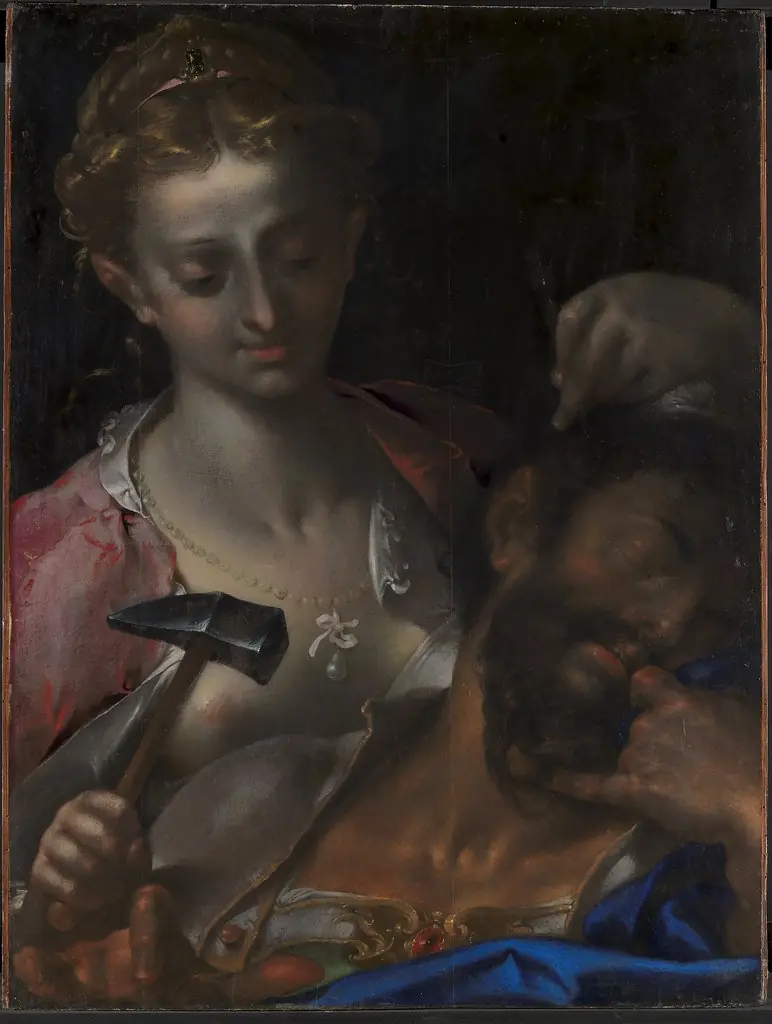 Jael Kills Sisera
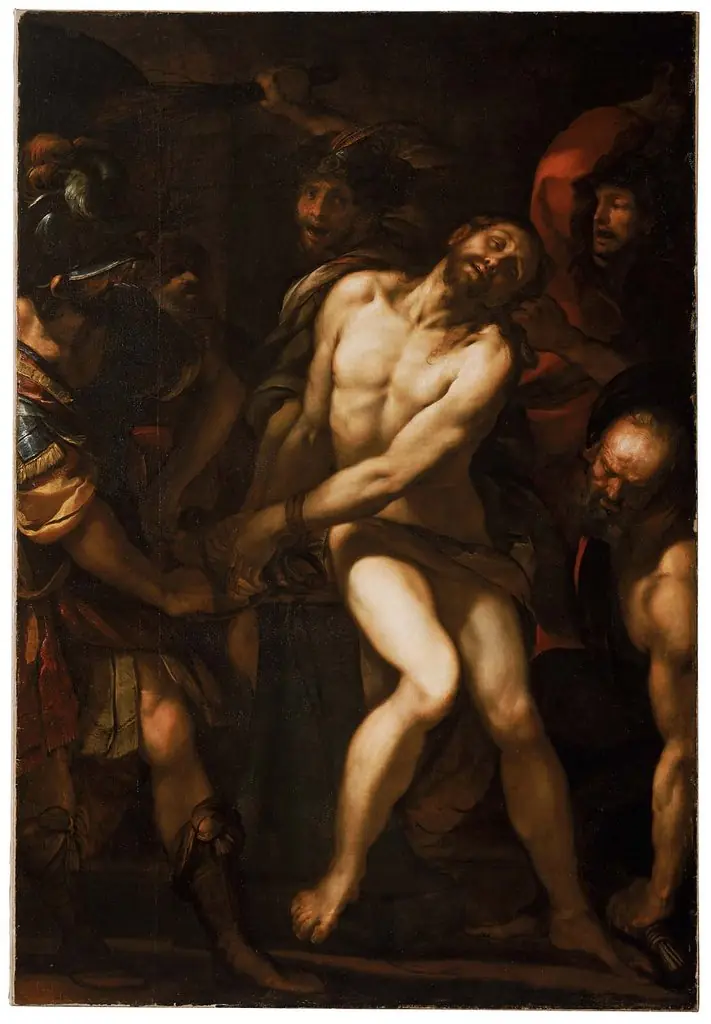 The Scourging of Christ
 Jesús en el pretorio