Artwork
Page from Tales of a Parrot (Tuti-nama): text page
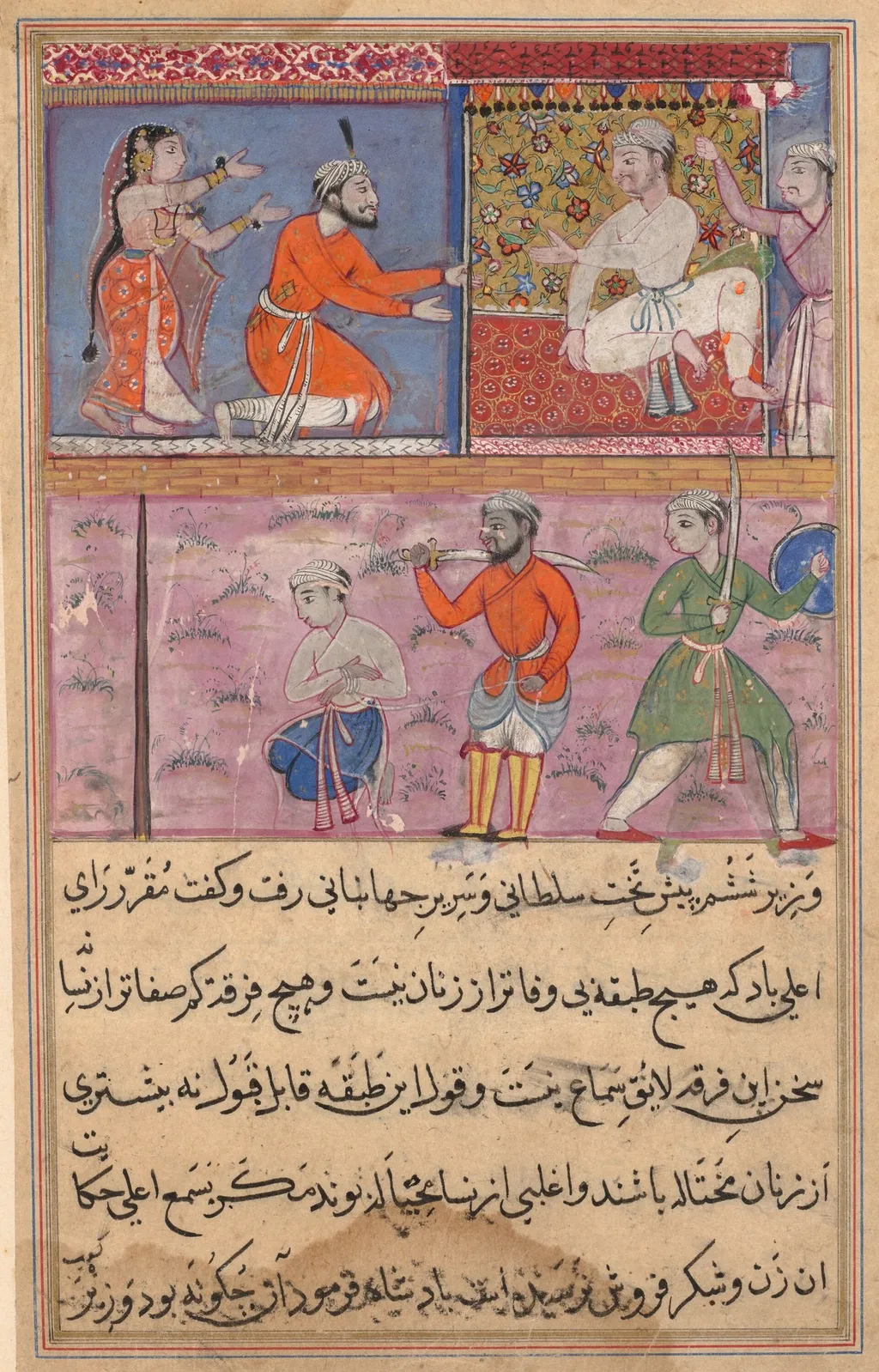
Page from Tales of a Parrot (Tuti-nama): text page is an unspecified painting. It dates from 1560 and is held in the collection of the Cleveland Museum of Art. This illuminated page originates from the Persian manuscript known as the Tales of a Parrot (Tuti‑nama).
About this work
Overview
This illuminated page originates from the Persian manuscript known as the Tales of a Parrot (Tuti‑nama). It consists of a painted text leaf in which two miniature scenes are set within window‑like frames, each rendered in vivid, flat colour without modelling. The composition reflects the decorative aesthetic typical of courtly book production.
Subject & Meaning
The upper left vignette depicts a kneeling man dressed in orange opposite a woman in red who leans toward him, suggesting a moment of intimacy or supplication.
The upper left vignette depicts a kneeling man dressed in orange opposite a woman in red who leans toward him, suggesting a moment of intimacy or supplication. In the upper right, a seated figure in white receives an offering from another man, hinting at a ceremonial exchange. The lower scene shows an orange‑clad musician playing a flute while a green‑clad attendant stands with a shield and spear, perhaps illustrating a festive or martial context.
Technique & Style
The artist employed bold, saturated pigments applied in flat washes, avoiding chiaroscuro or perspective. The figures are outlined and stylised, characteristic of Persian miniature painting where narrative clarity and ornamental richness take precedence over naturalistic depth.
History & Provenance
The page was likely commissioned for a high‑ranking patron, as indicated by the elaborate border and the luxurious use of colour. It forms part of a larger illustrated manuscript that circulated among elite circles in the Persianate world, though its precise origin and ownership trail remain undocumented.
Context
The Tuti‑nama, a collection of moral anecdotes, was popular in the 16th‑17th centuries and often reproduced in richly illustrated copies for royal courts. This page exemplifies the integration of text and image that served both didactic and decorative purposes in such manuscripts.
Artist & collection

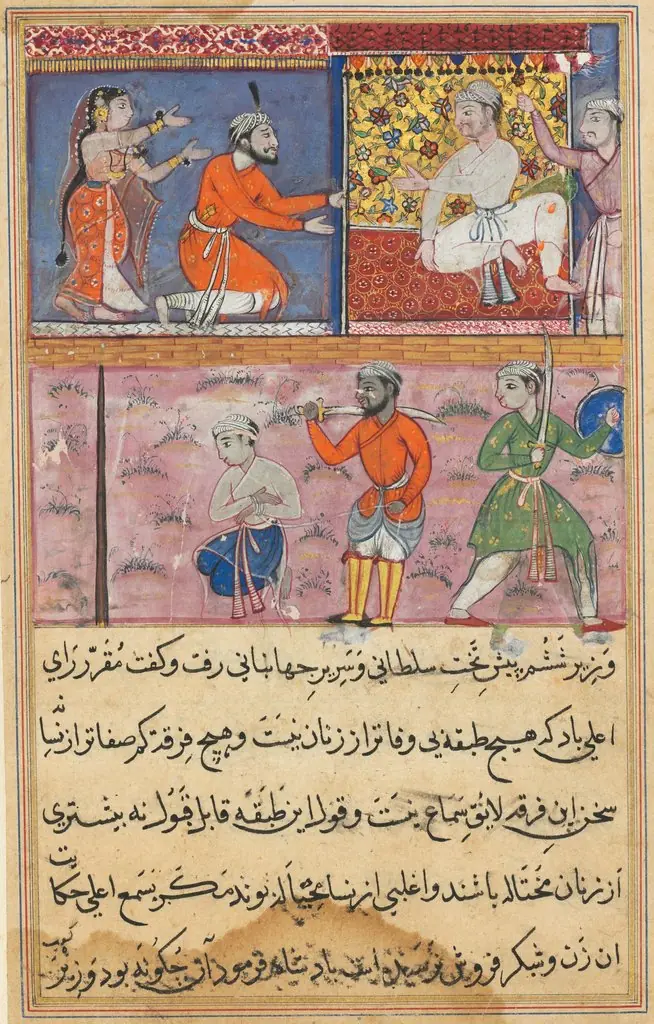 The prince sent back to the place of execution for the sixth time, from a Tuti-nama (Tales of a Parrot): Eighth Night
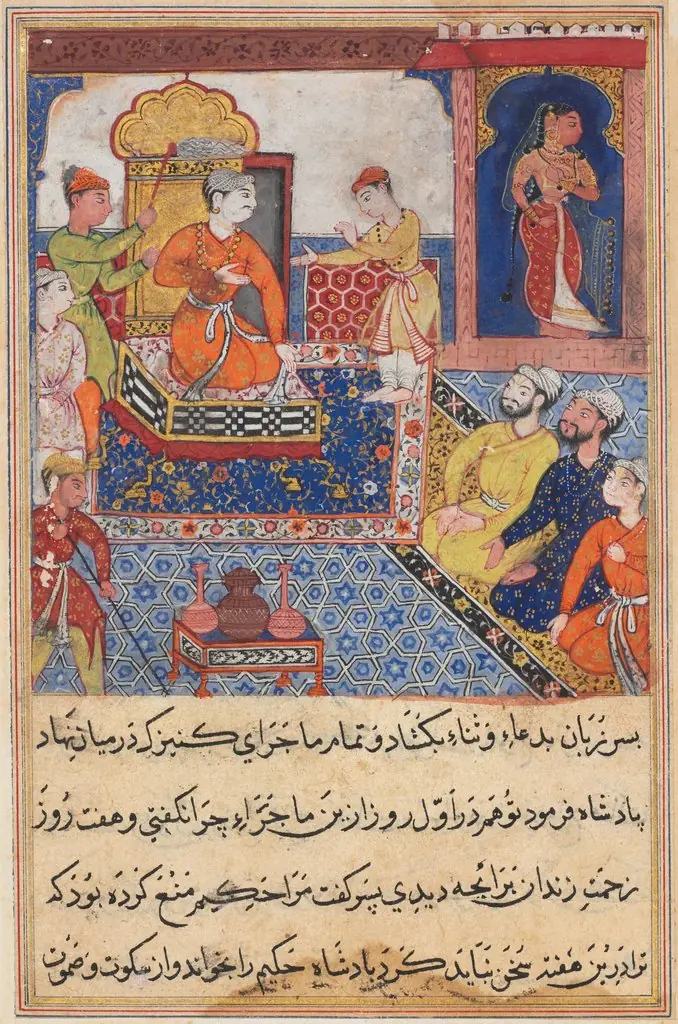 The young prince recounts his experiences to his father, the king, from a Tuti-nama (Tales of a Parrot): Eighth Night
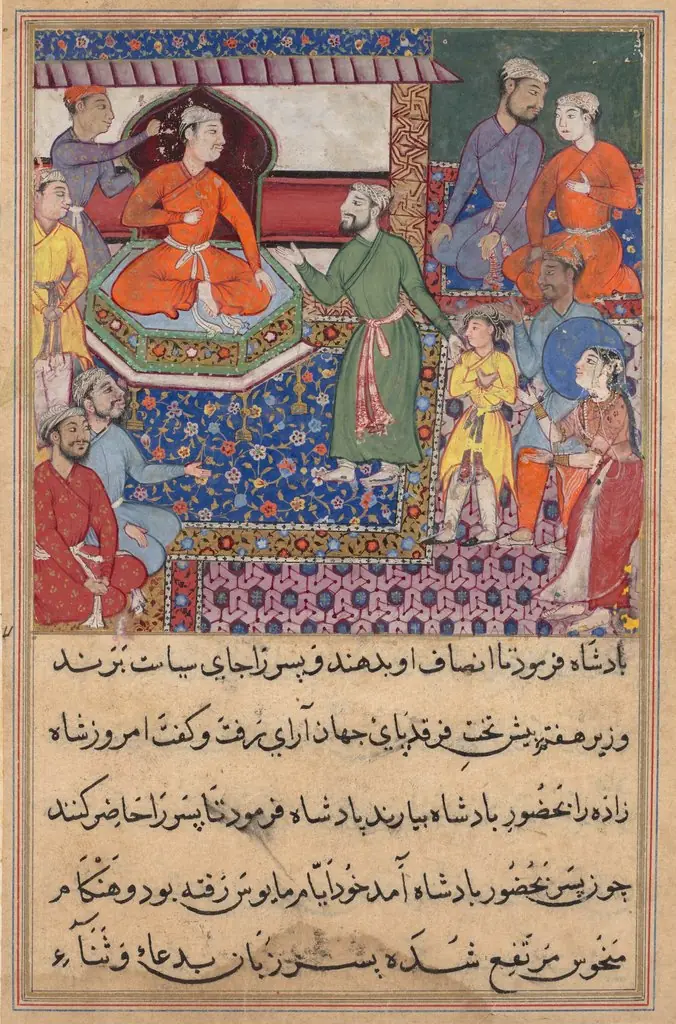 Page from Tales of a Parrot (Tuti-nama): text page
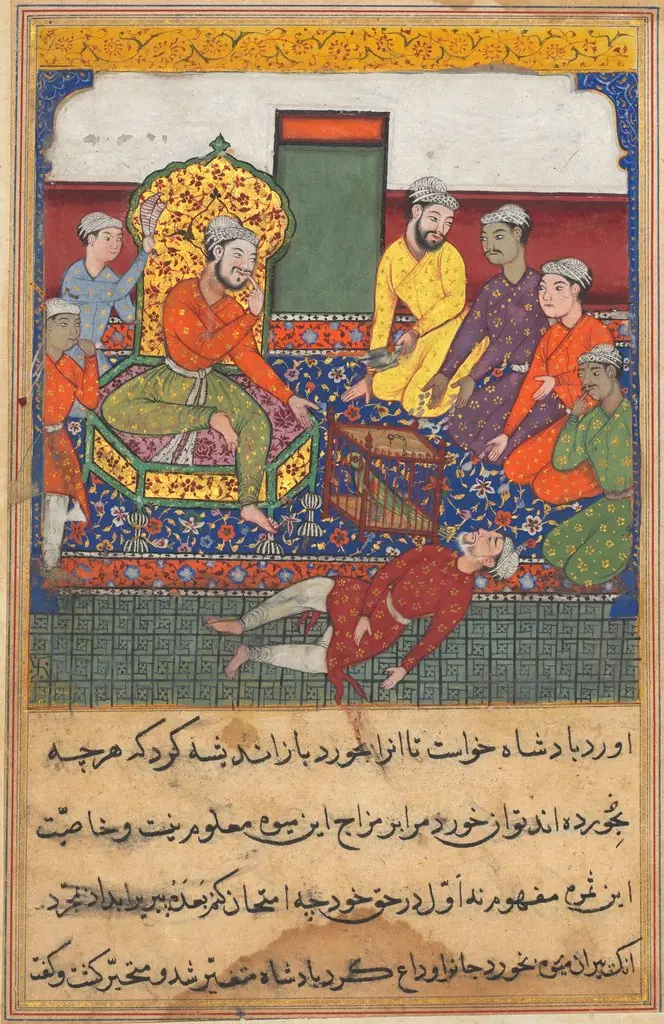 The old man eats of the fruit of the Tree of Life, but drops dead, from a Tuti-nama (Tales of a Parrot): Ninth Night
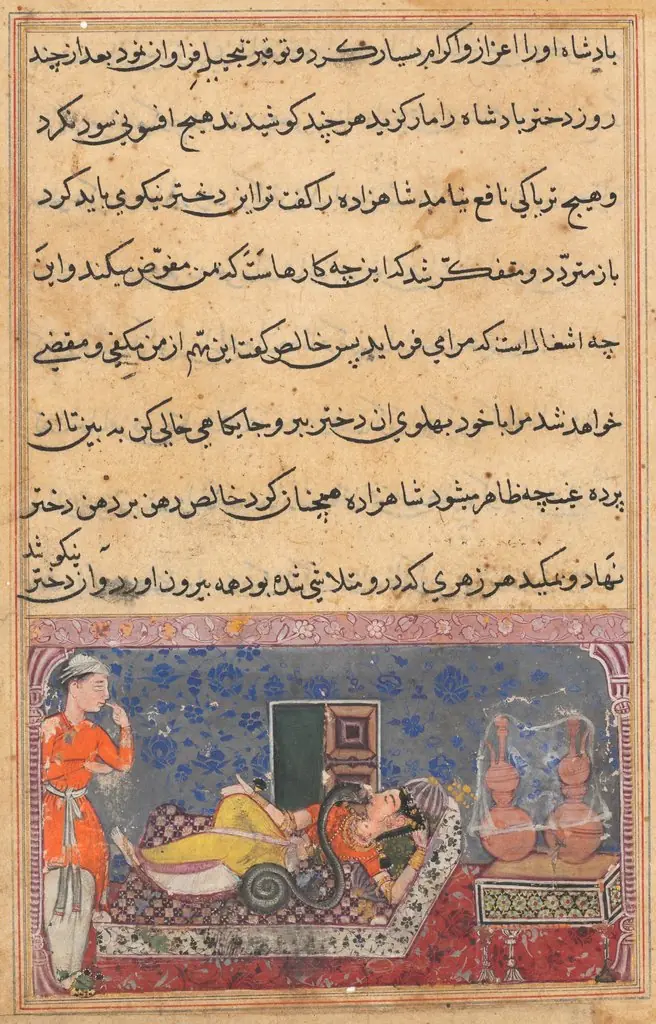 Khalis repays the prince for his kindness by changing into a snake and sucking the poison from the king’s daughter, from a Tuti-nama (Tales of a Parrot): Eighteenth Night
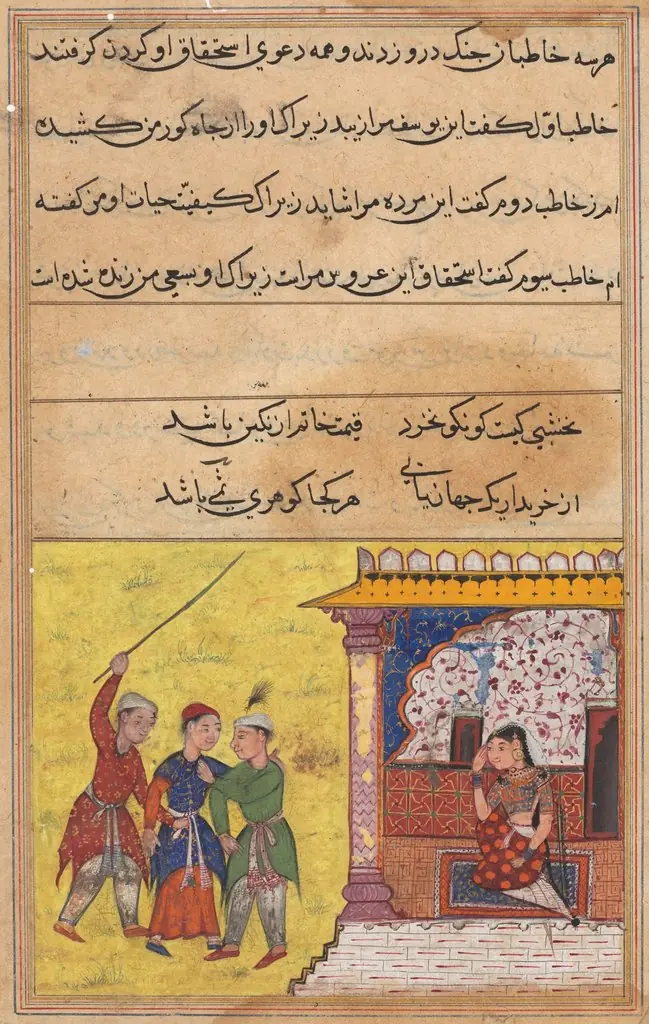 The three suitors again begin to quarrel among themselves for the hand of the devotee’s daughter, from a Tuti-nama (Tales of a Parrot): Twentieth Night
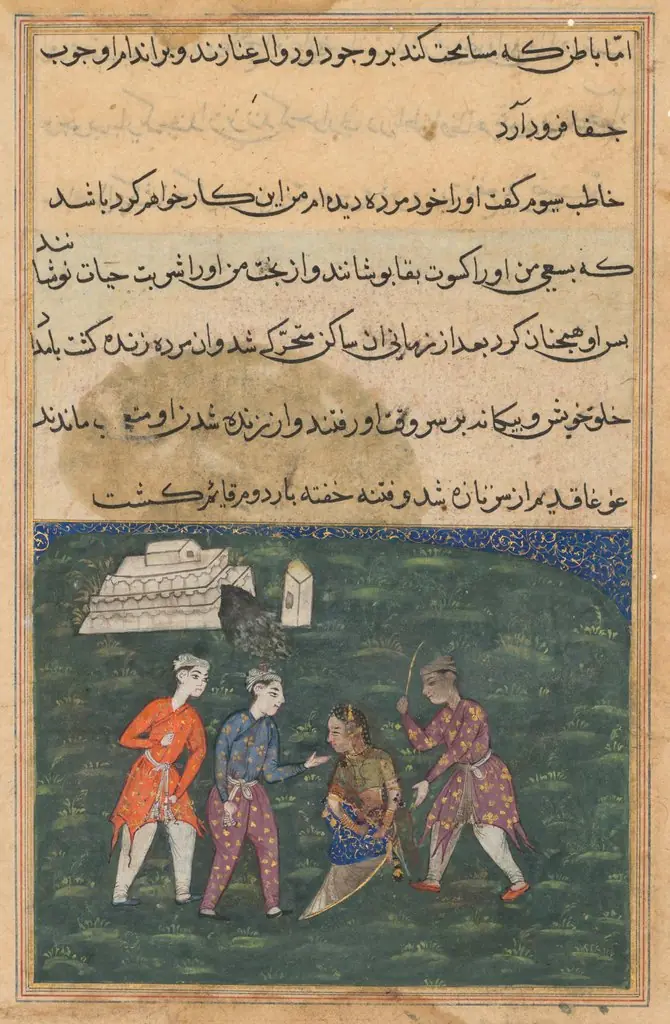 The third suitor strikes the devotee’s daughter and thus restores her to life, from a Tuti-nama (Tales of a Parrot): Twentieth Night
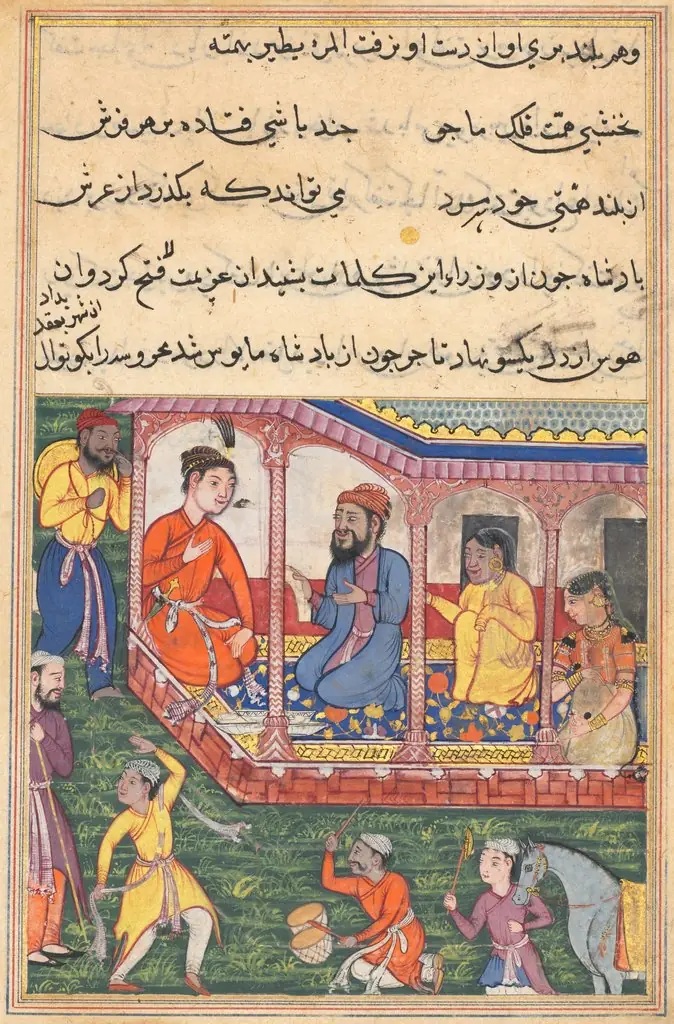 Mahrusa’s marriage to the prefect of the city, from a Tuti-nama (Tales of a Parrot): Thirty-sixth Night
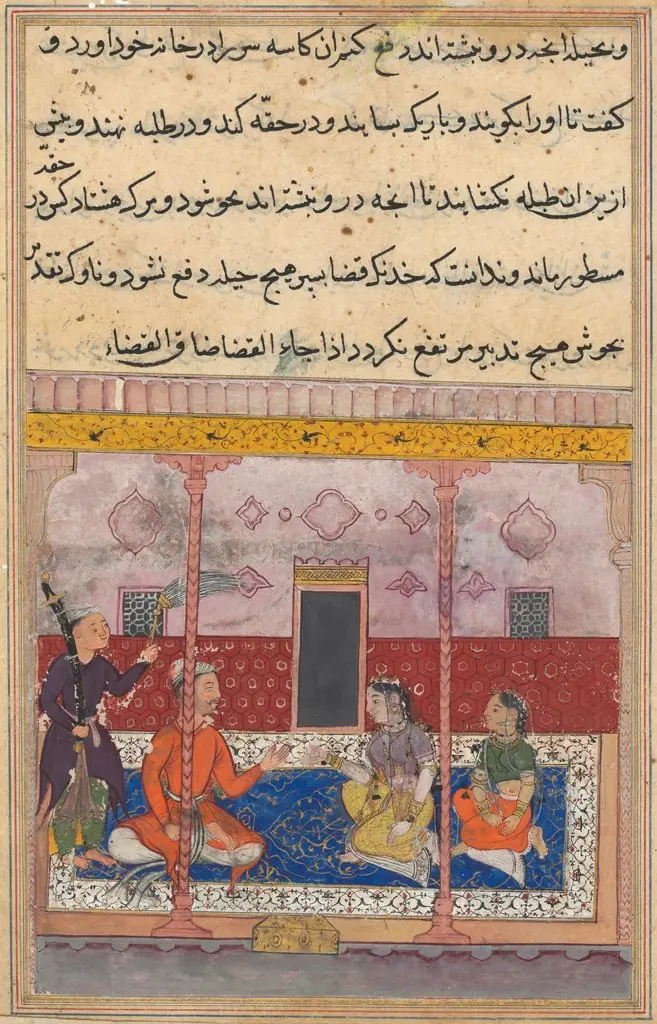 The merchant has the hateful skull ground and put into a box, from a Tuti-nama (Tales of a Parrot): Twenty-third Night
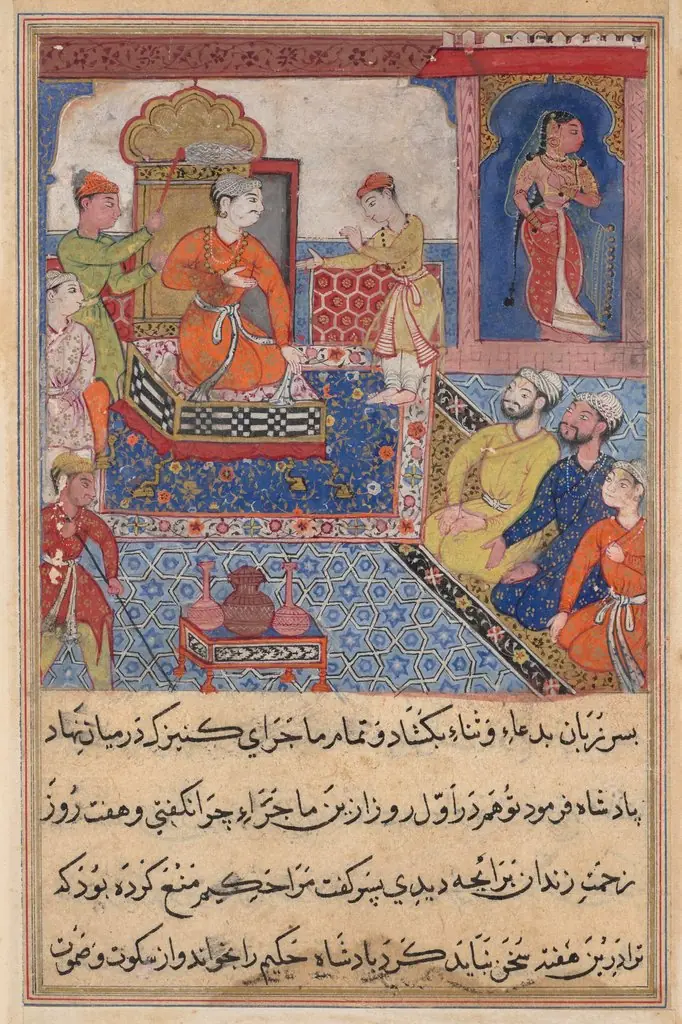 Page from Tales of a Parrot (Tuti-nama): text page