Artwork
Yellow Bird on a Mulberry Branch
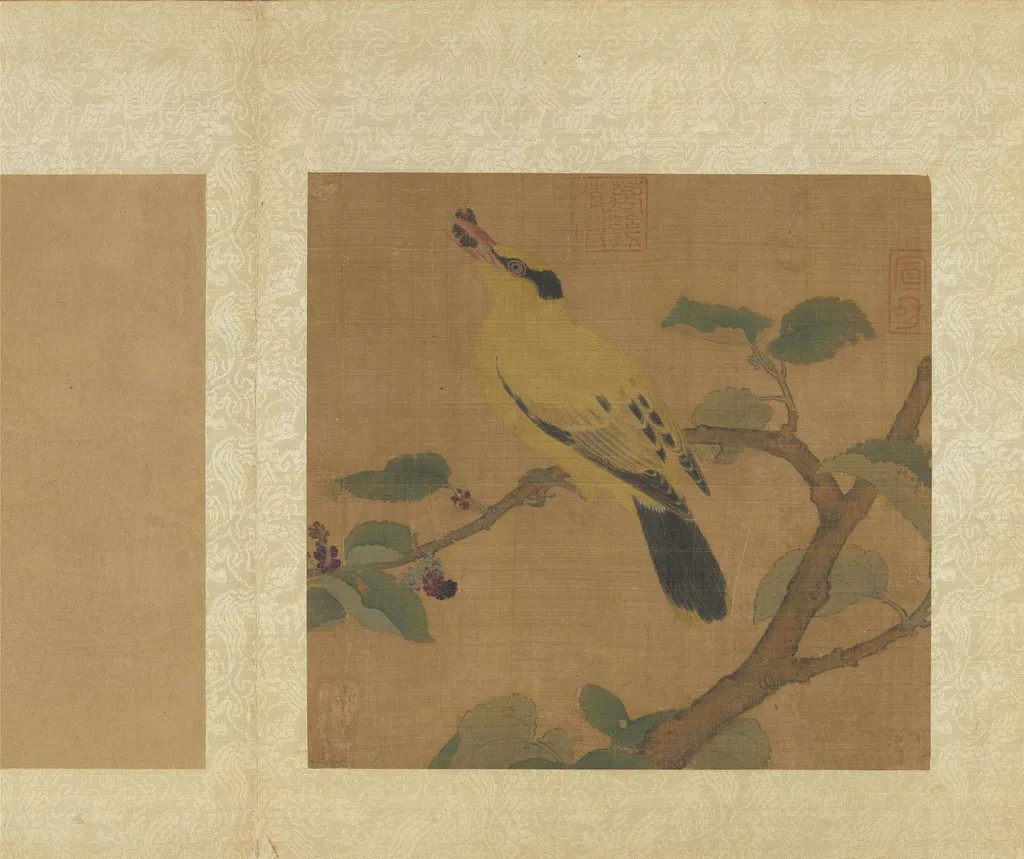
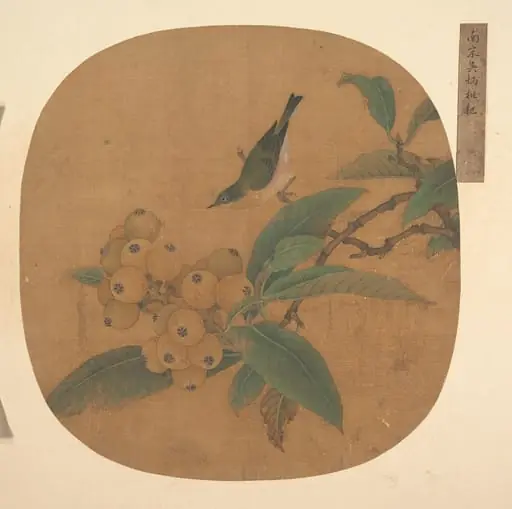
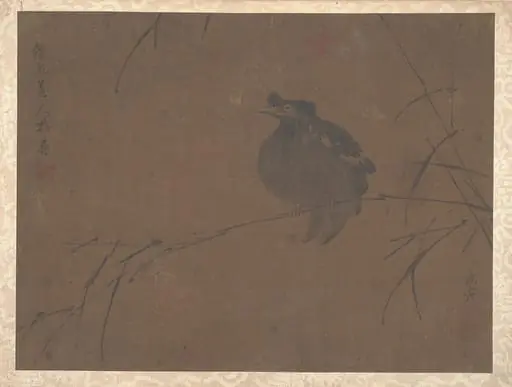
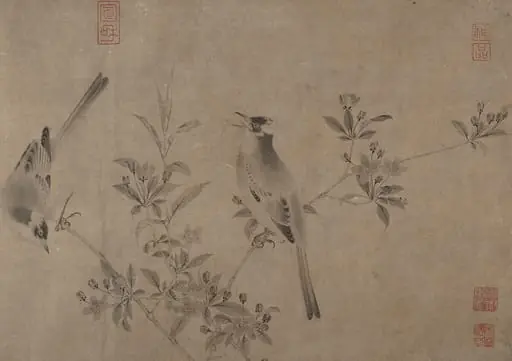
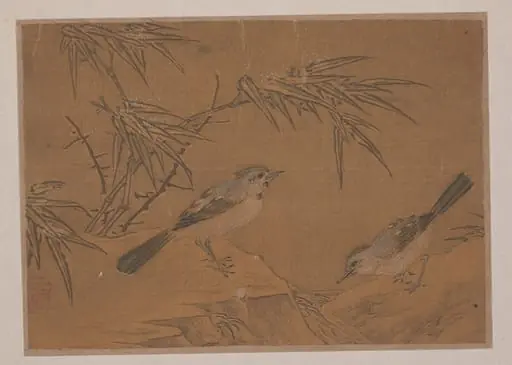
Yellow Bird on a Mulberry Branch is an unspecified painting by Unknown. It is held in the collection of the National Palace Museum. This painting depicts a single yellow bird perched on a mulberry branch, rendered with lively brushwork and saturated hues.
About this work
Overview
The composition centers on the bird’s poised form, its open beak suggesting song, while the surrounding foliage and fruit provide a naturalistic backdrop.
This painting depicts a single yellow bird perched on a mulberry branch, rendered with lively brushwork and saturated hues. The composition centers on the bird’s poised form, its open beak suggesting song, while the surrounding foliage and fruit provide a naturalistic backdrop. Executed in ink and color on silk, the work reflects a tradition of close observation of nature in Chinese court painting.
Subject & Meaning
The yellow bird, likely a oriole, symbolizes joy and vitality in Chinese visual culture. Its presence on a mulberry tree—associated with sericulture and domestic harmony—hints at themes of abundance and seasonal rhythm. The bird’s alert posture and expressive gaze convey a sense of quiet life, inviting contemplation rather than narrative.
Technique & Style
The artist employed fine, controlled brushstrokes to define the bird’s feathers, contrasting with looser, wetter applications for leaves and fruit. Vibrant yellow pigments stand out against muted greens and purples, creating visual harmony through color contrast. The silk support allows for delicate layering, enhancing the texture of plumage and bark without heavy outlines.
History & Provenance
The painting resides in the National Palace Museum in Taipei, part of a collection inherited from the Qing imperial holdings. Its attribution remains unconfirmed, but stylistic elements align with Southern Song or early Yuan court painters known for bird-and-flower subjects. It likely originated in a royal atelier, preserved through centuries of imperial collection.
Context
During the 12th to 14th centuries, bird-and-flower painting flourished in Chinese courts as an expression of refined taste and natural philosophy. Artists were expected to capture not just appearance but the essence of living forms. This work exemplifies that ideal, reflecting a cultural emphasis on harmony between observer and nature.
Legacy
The painting continues to serve as a reference for traditional Chinese ornithological illustration and ink-color technique. Its preservation highlights the enduring value placed on detailed natural observation in East Asian art. Though unsigned, it remains representative of a broader aesthetic tradition that influenced later generations of painters.
Artist & collection

 Domestic Scene
 Giacomo and Cardinal Marco, investing Andrea, Abbot of San Zeno, with his Benefice
 The Nymph of Fontainebleau
 Portrait of a Woman
 Madonna and Child with Saints in the Enclosed Garden
 Venus and Minerva
 Family Group of Four on Sofa
 Wall painting from Room H of the Villa of P. Fannius Synistor at Boscoreale