Artwork
Portrait of an Artist
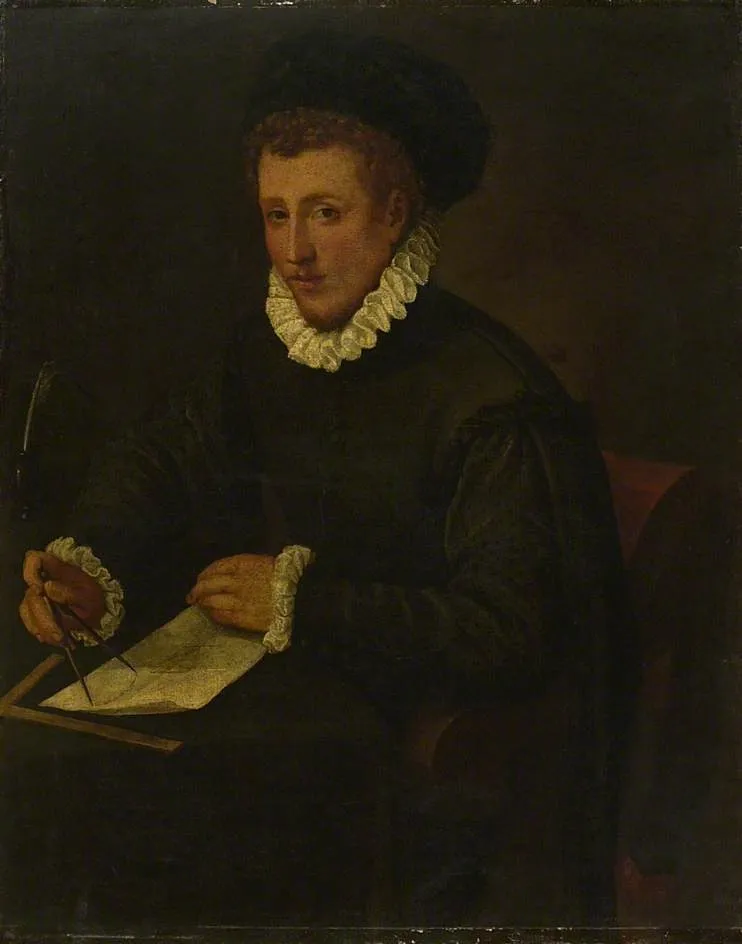
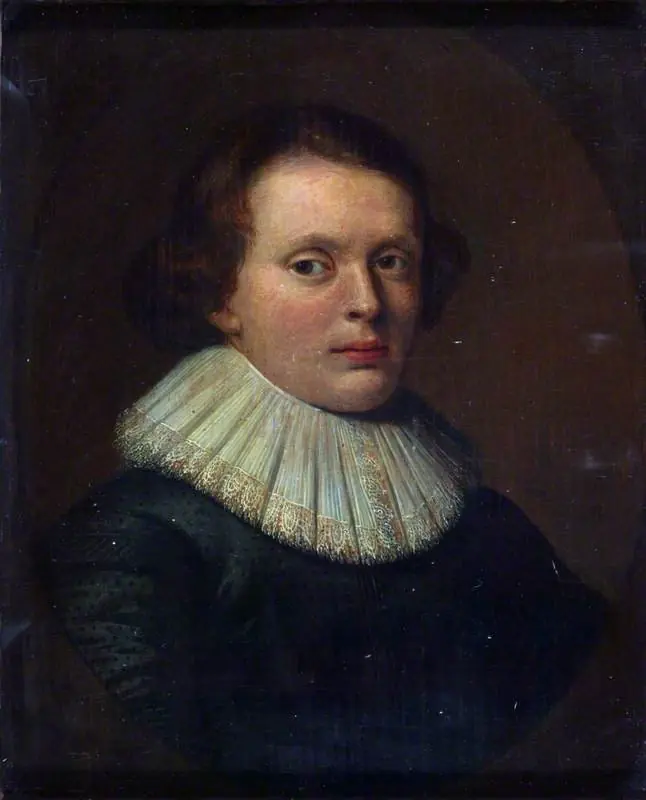
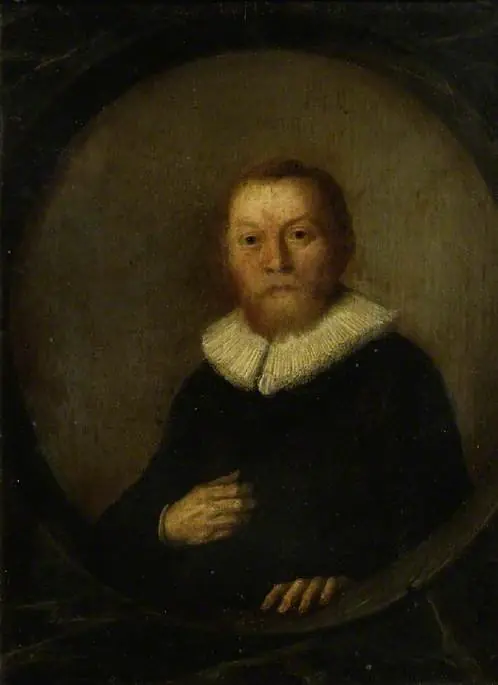
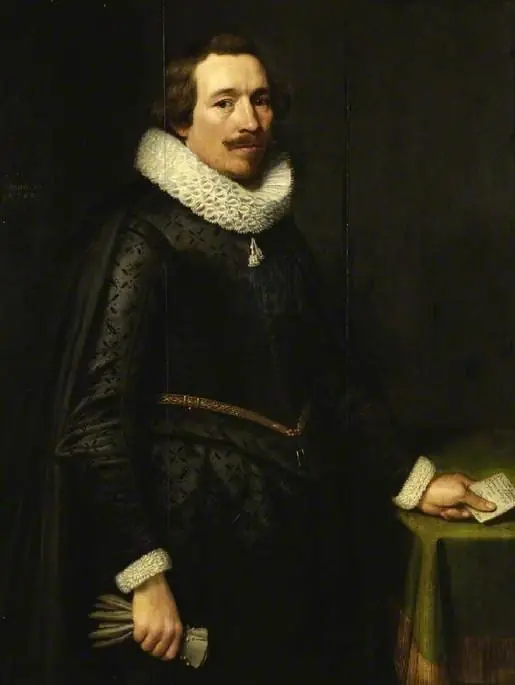
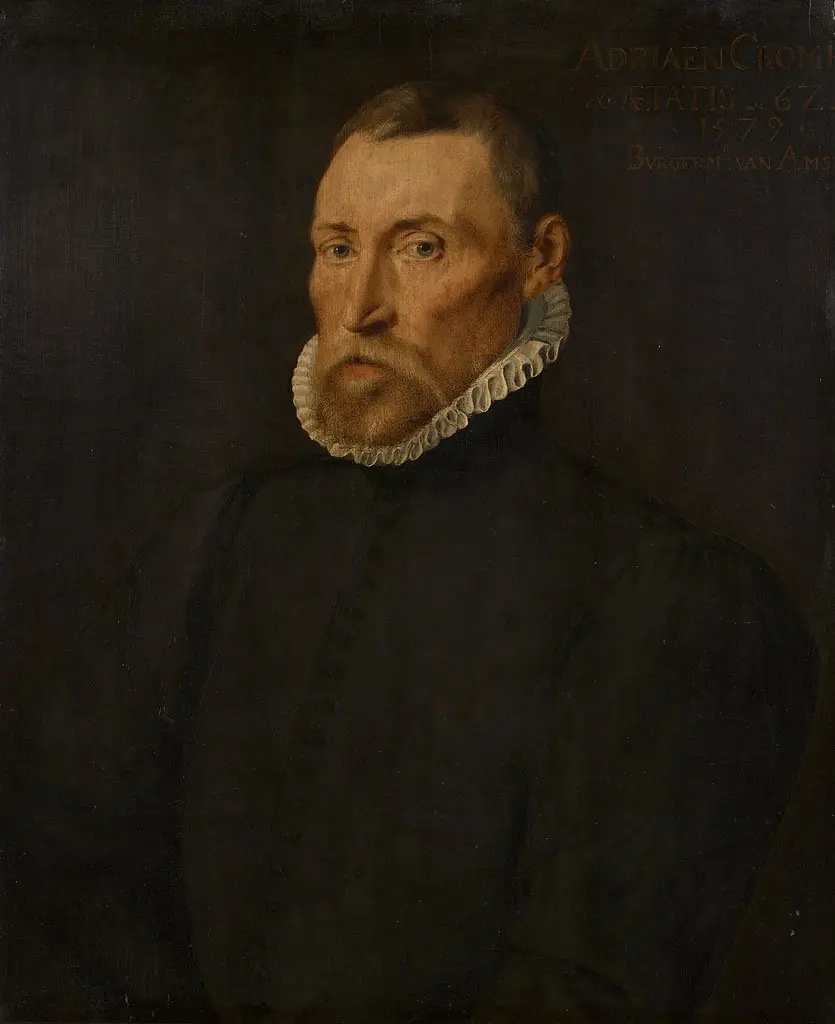
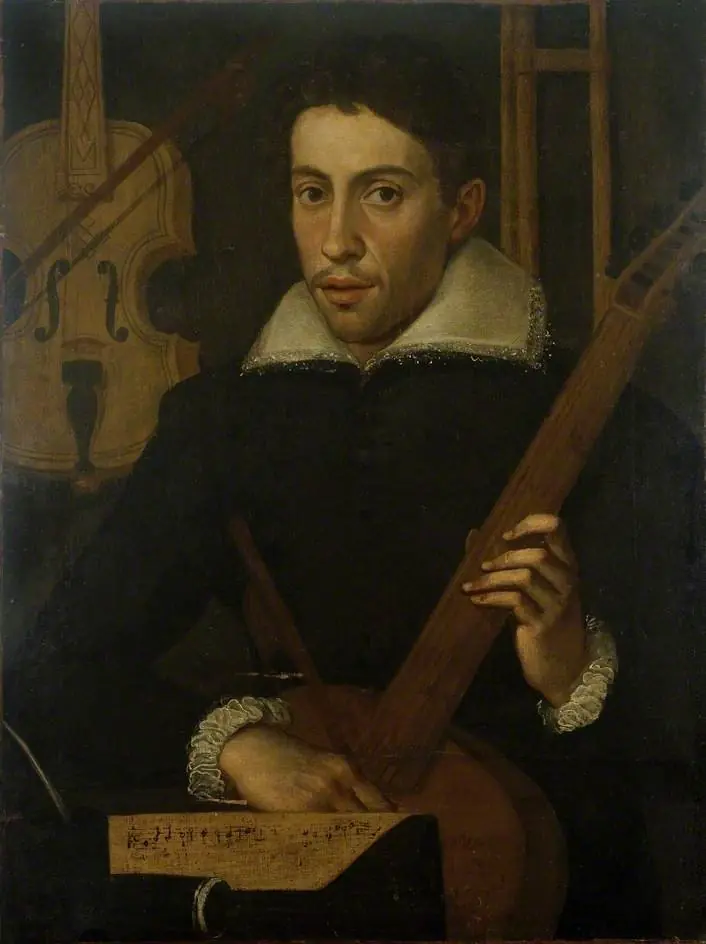
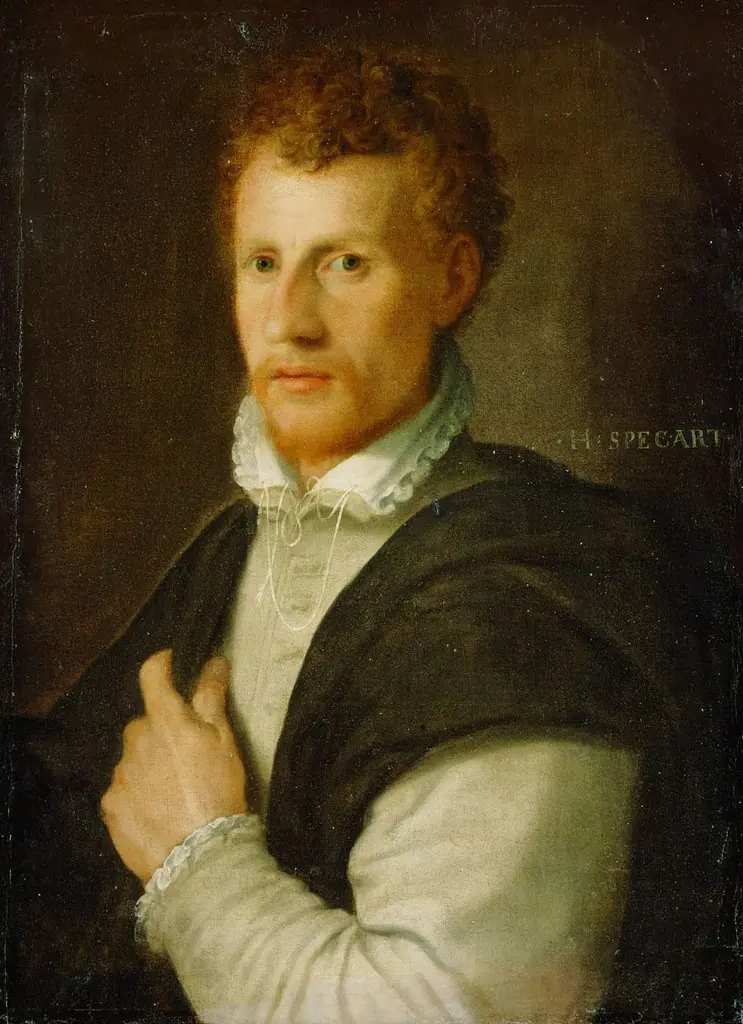
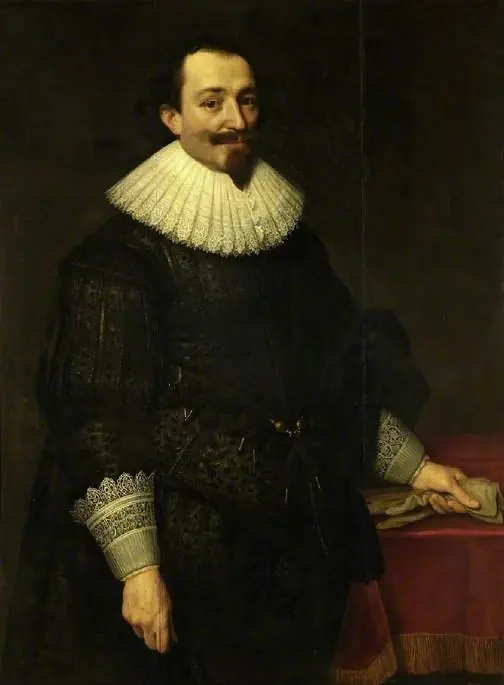
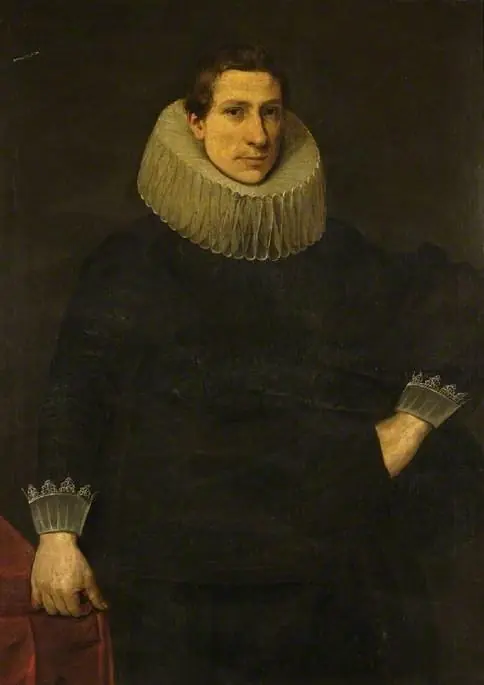
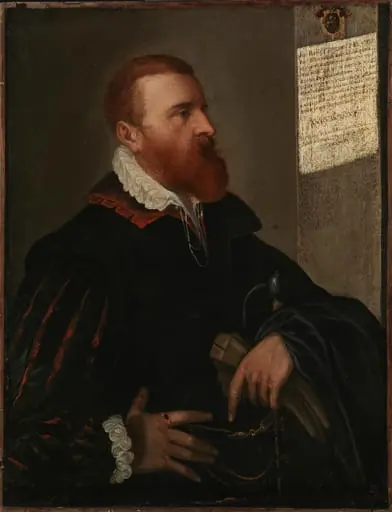
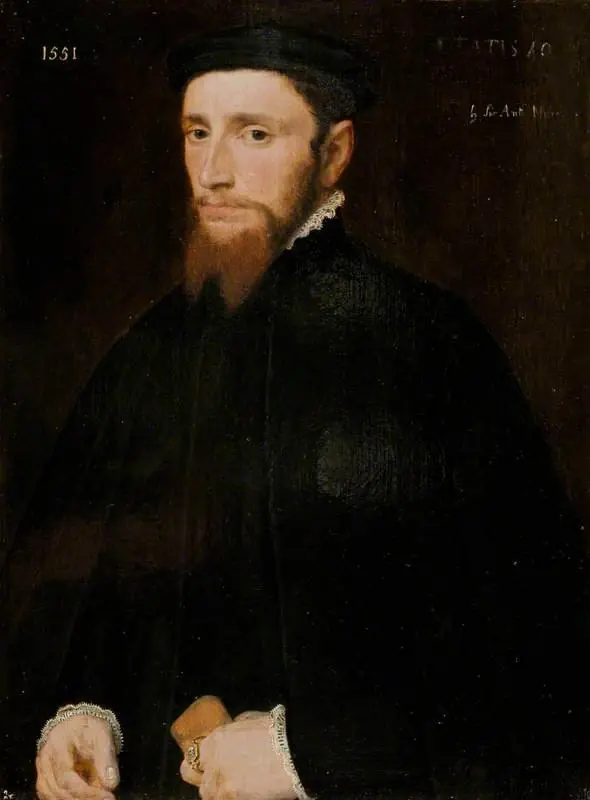
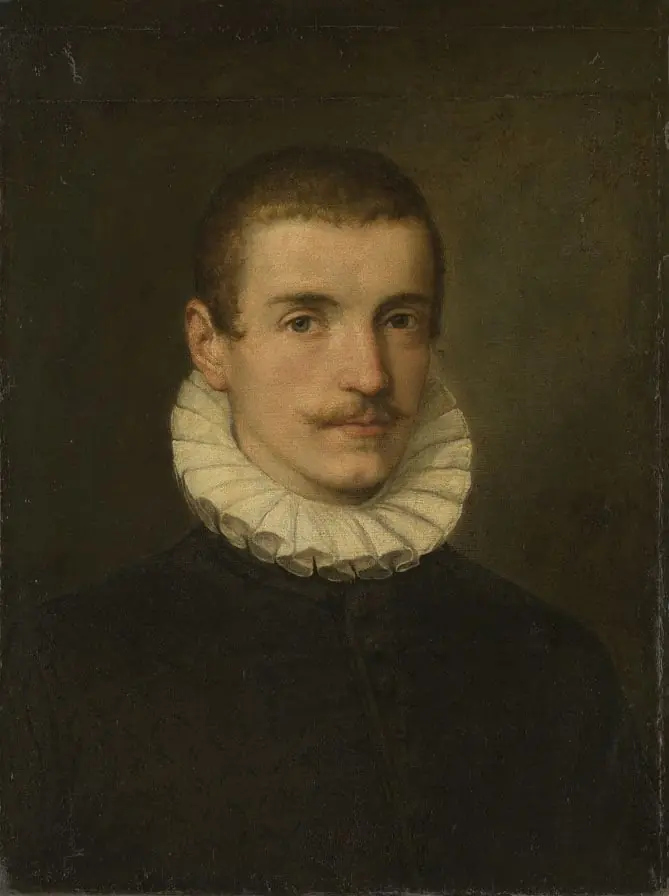
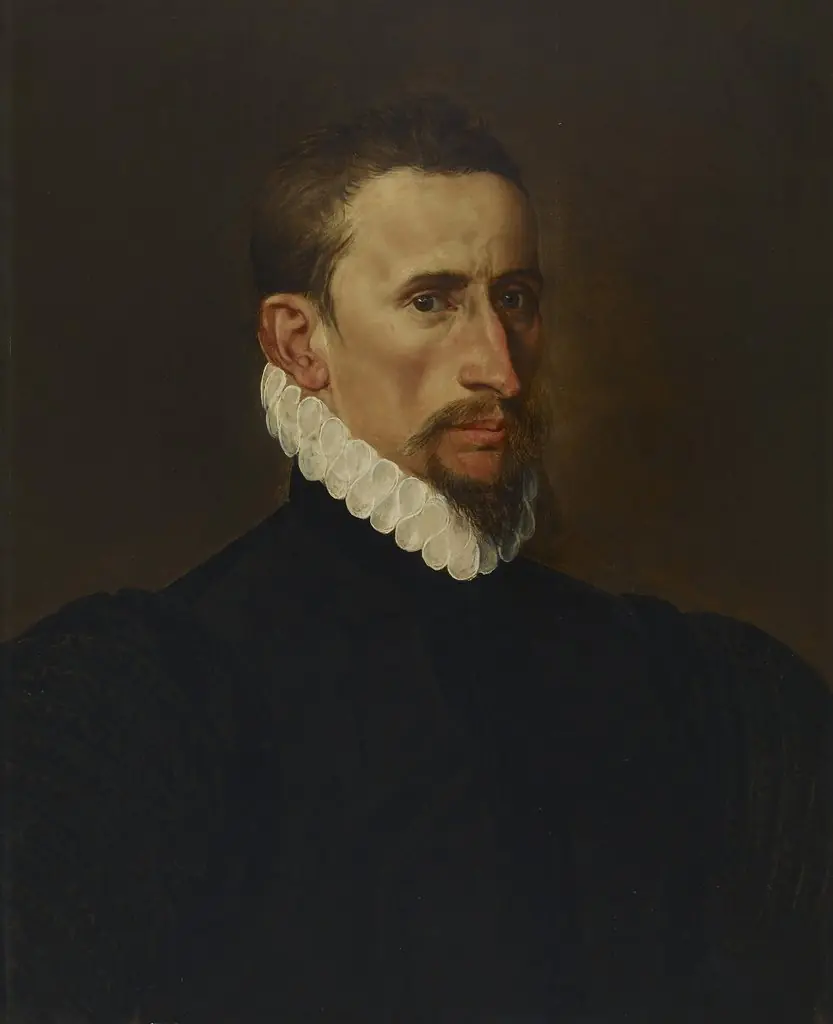
Portrait of an Artist is an oil painting by the Mannerist artist Unknown. It dates from 1560 and is held in the collection of the Ashmolean Museum. This oil painting depicts a man seated at a desk, engaged in the act of writing.
About this work
Overview
This oil painting depicts a man seated at a desk, engaged in the act of writing. Dressed in dark attire with a crisp white collar and cuffs, he holds a quill pen in his right hand. The composition is tightly focused, with a deep, shadowed background that isolates the figure and enhances the three-dimensionality of his form through deliberate lighting contrasts.
Subject & Meaning
The figure is portrayed in a moment of quiet intellectual labor, suggesting a scholar, writer, or artist at work. His serious expression and focused gaze convey concentration rather than emotion. The absence of identifying symbols or context leaves his exact identity ambiguous, but the setting implies a private, contemplative space tied to the written word.
Technique & Style
The artist employs chiaroscuro to model the figure with strong light and shadow, giving the face and hands a sculpted presence against the dark background. Oil paint allows for subtle gradations in tone and texture, particularly in the fabric of the collar and the sheen of the pen. Brushwork is controlled, emphasizing realism without overt embellishment.
History & Provenance
The painting resides in the Ashmolean Museum’s collection, though its origins prior to acquisition remain undocumented. No definitive record links it to a known artist or specific date, placing it within the broader tradition of 17th-century Northern European portraiture, where introspective sitters were commonly rendered in domestic settings.
Context
During the 17th century, portraits of individuals engaged in intellectual pursuits became increasingly common, reflecting growing cultural value placed on literacy and scholarly activity. This work aligns with a trend of depicting subjects in quiet, unadorned moments, emphasizing inner life over status symbols or elaborate settings.
Legacy
The painting contributes to a visual language that equates thought with stillness and dignity. Its restrained composition and technical precision reflect a broader artistic preference for psychological depth over theatricality. Though unsigned and undated, it remains a representative example of intimate portraiture from the early modern period.
Artist & collection

 Domestic Scene
 Giacomo and Cardinal Marco, investing Andrea, Abbot of San Zeno, with his Benefice
 The Nymph of Fontainebleau
 Portrait of a Woman
 Madonna and Child with Saints in the Enclosed Garden
 Venus and Minerva
 Family Group of Four on Sofa
 Wall painting from Room H of the Villa of P. Fannius Synistor at Boscoreale