Artwork
The cloth of the Veronica
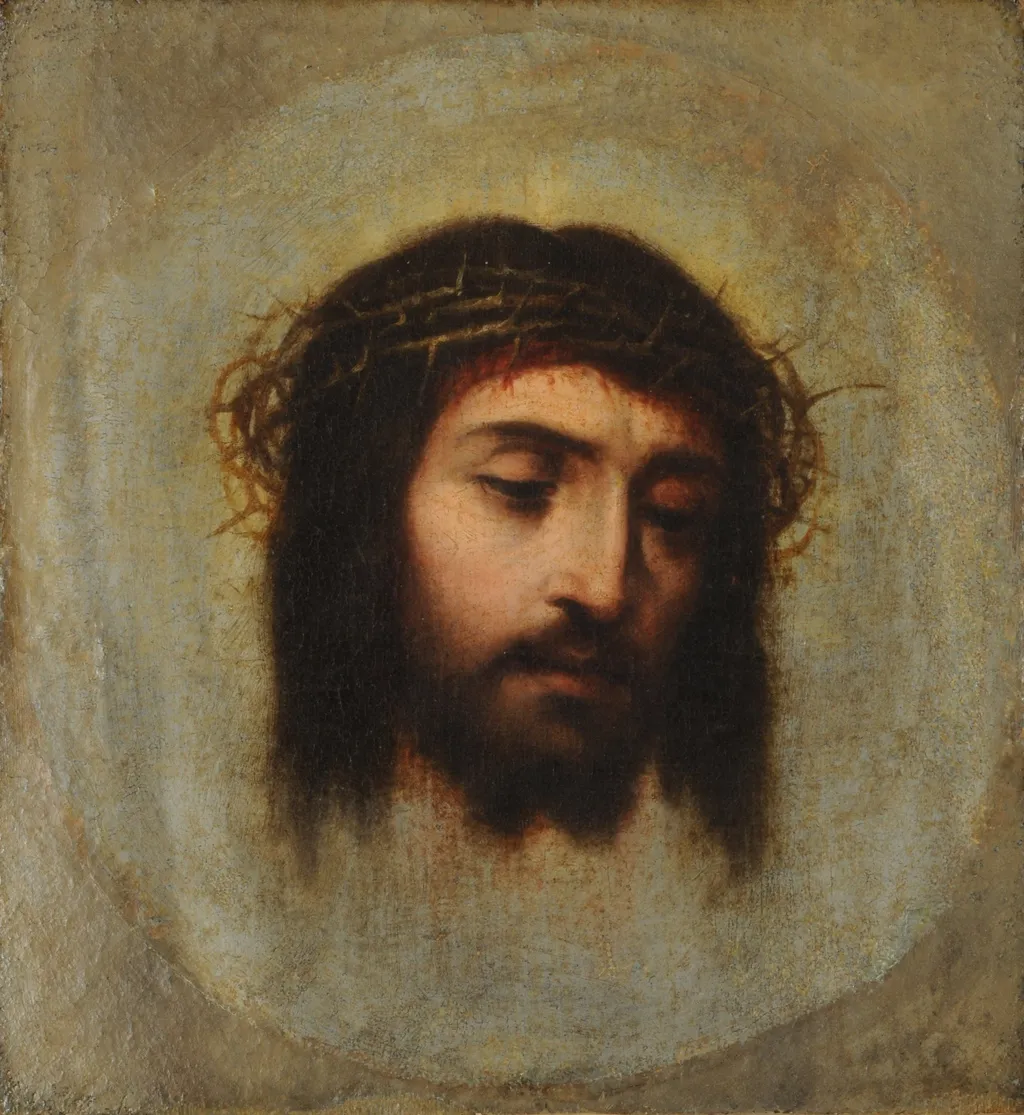
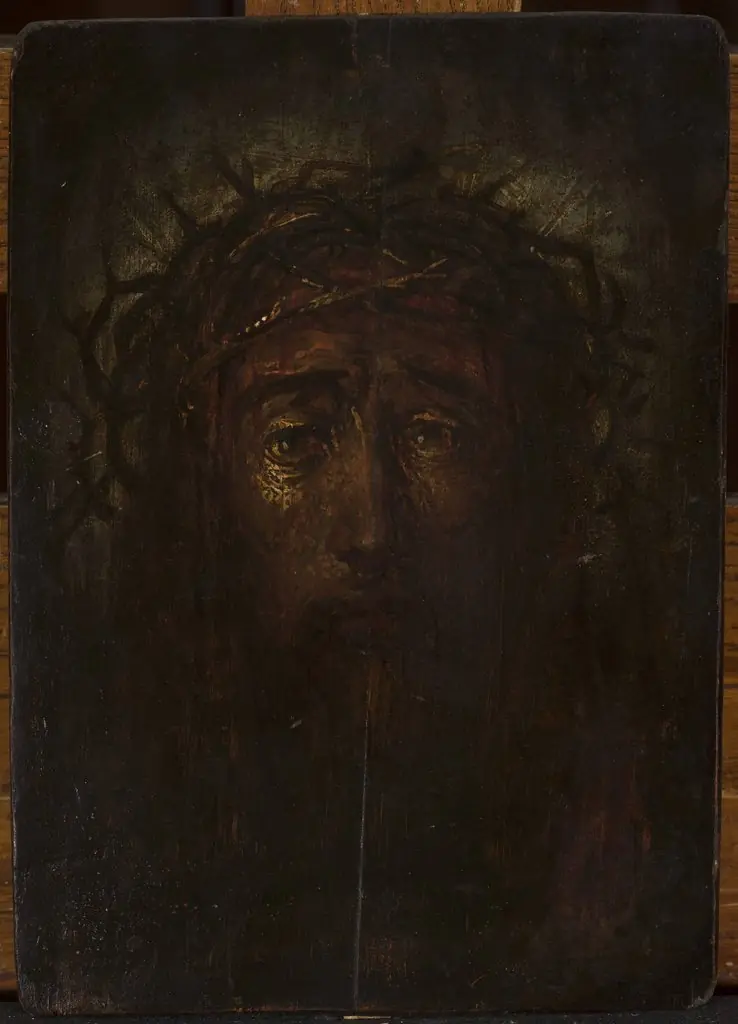
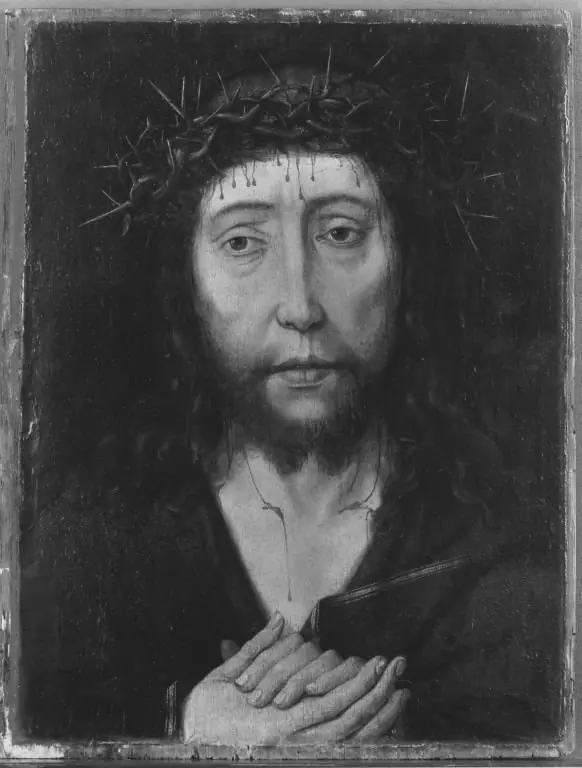
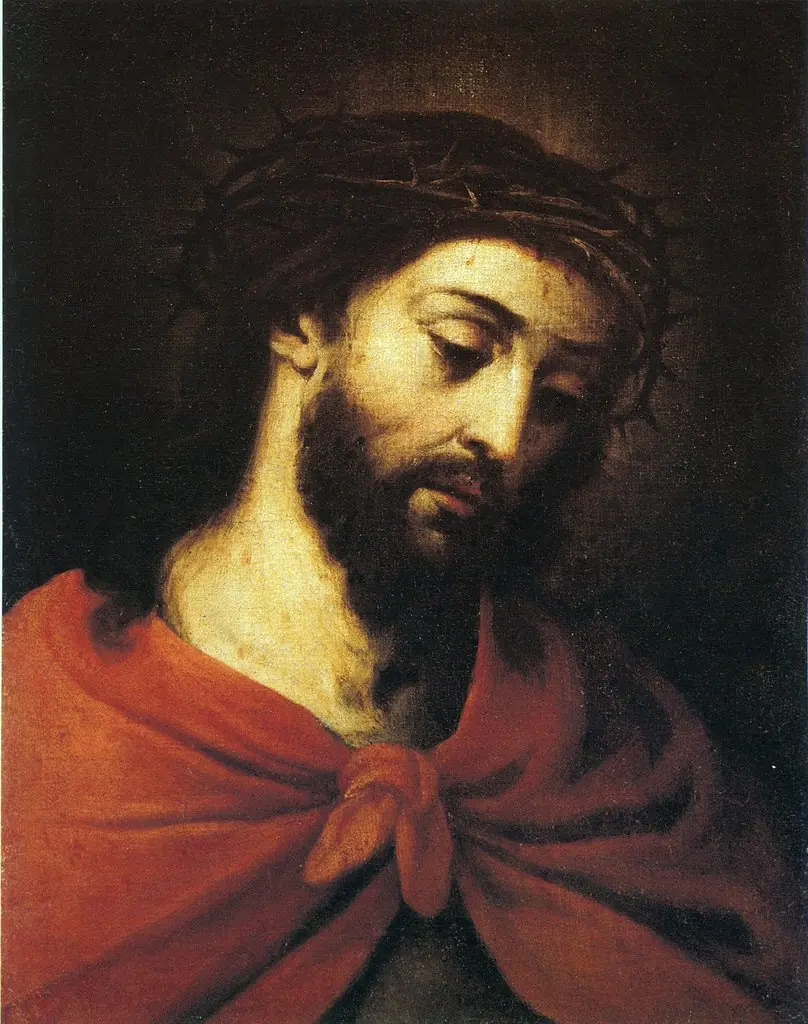
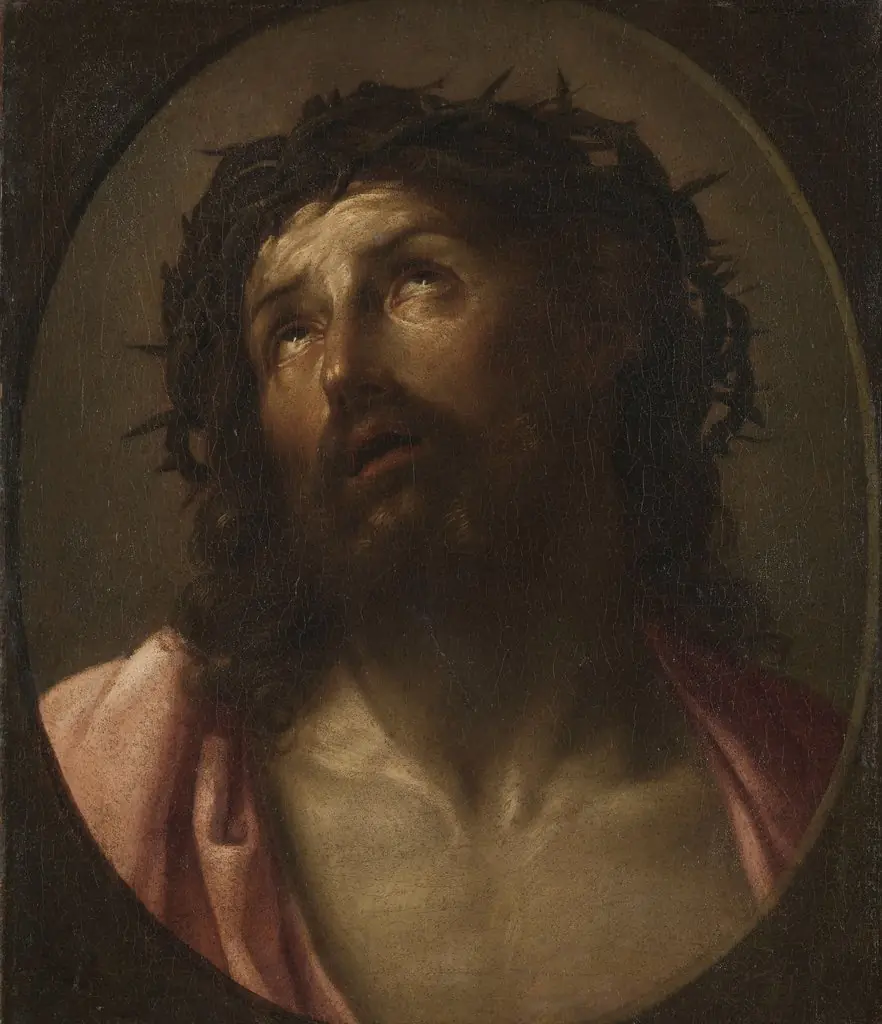
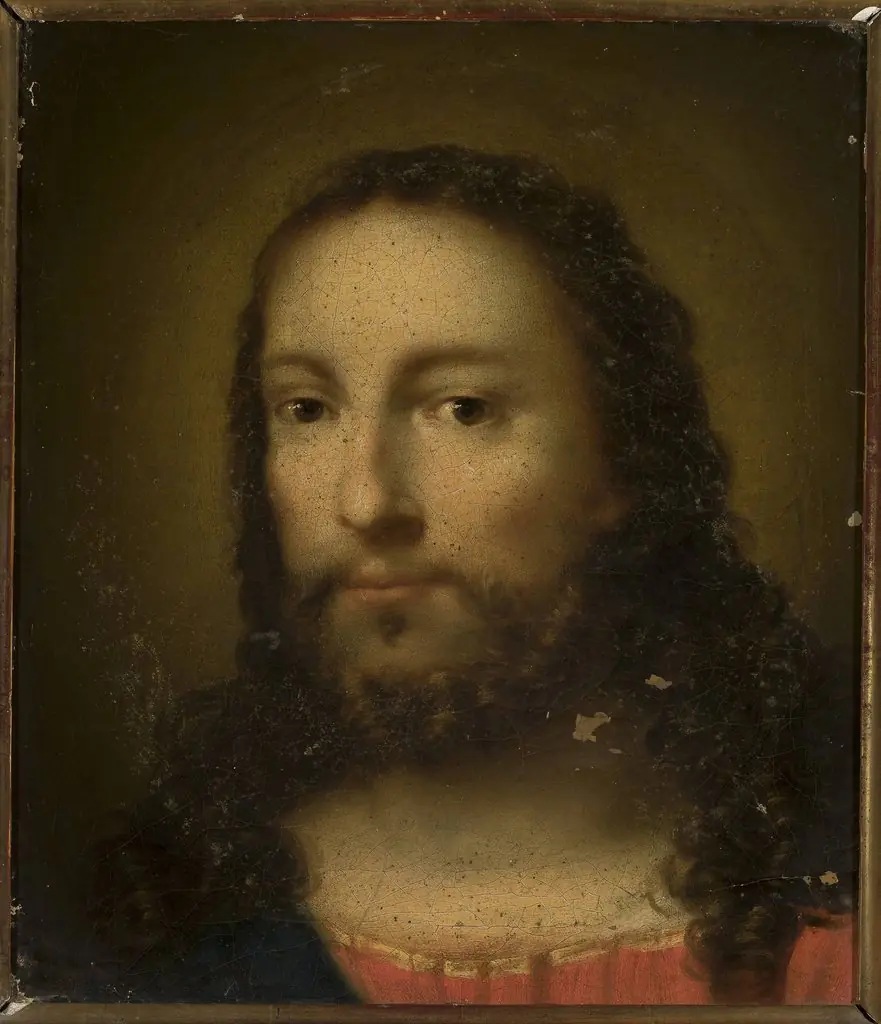
The cloth of the Veronica is an oil painting by Unknown. It is held in the collection of the National Museum of Fine Arts, Argentina. This oil painting portrays a solemn male figure, traditionally identified as Christ, rendered with quiet intensity.
About this work
Overview
The composition centers on the head, with no other bodily elements visible, focusing attention on the expression and the crown of thorns.
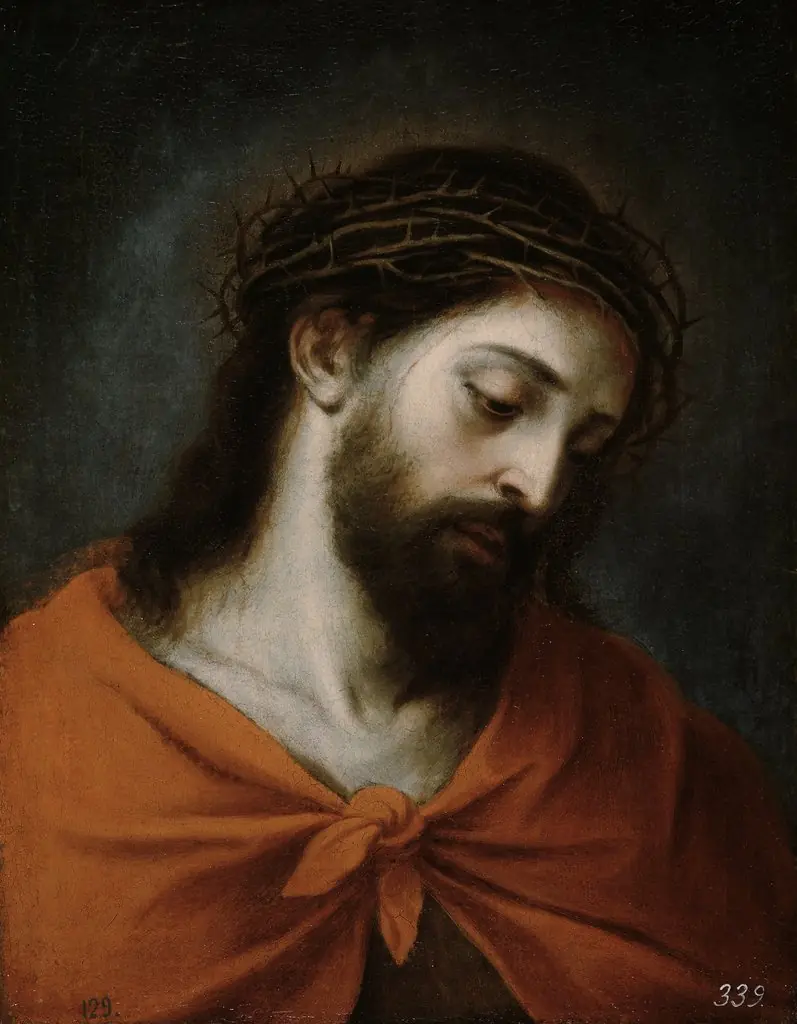
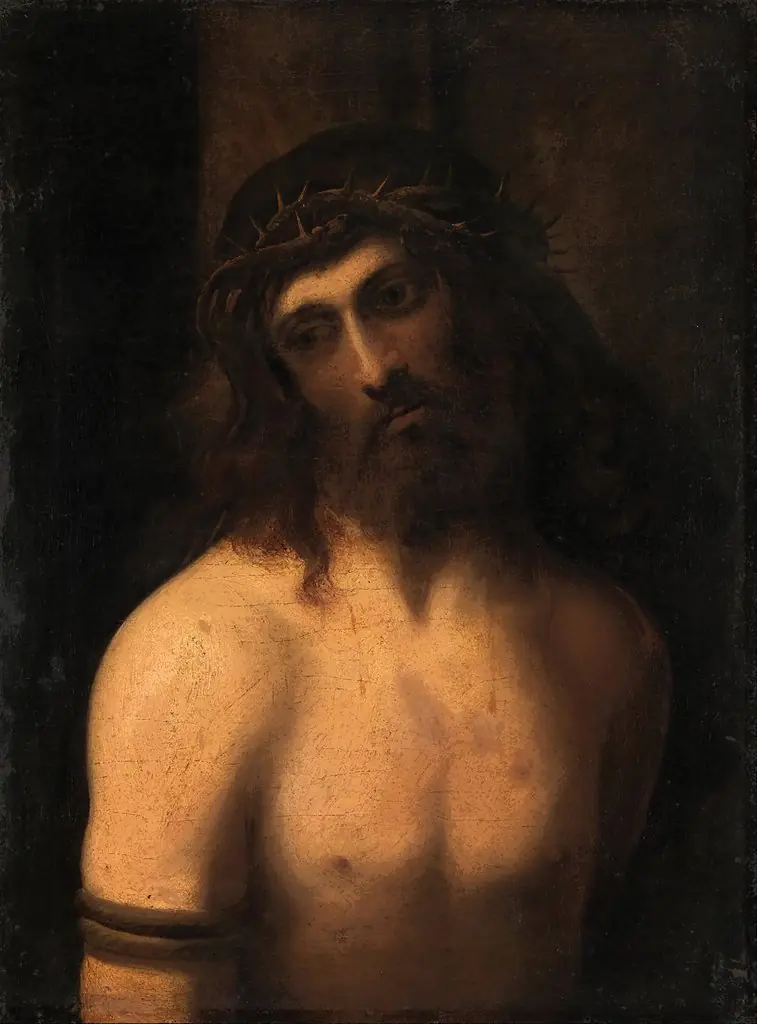
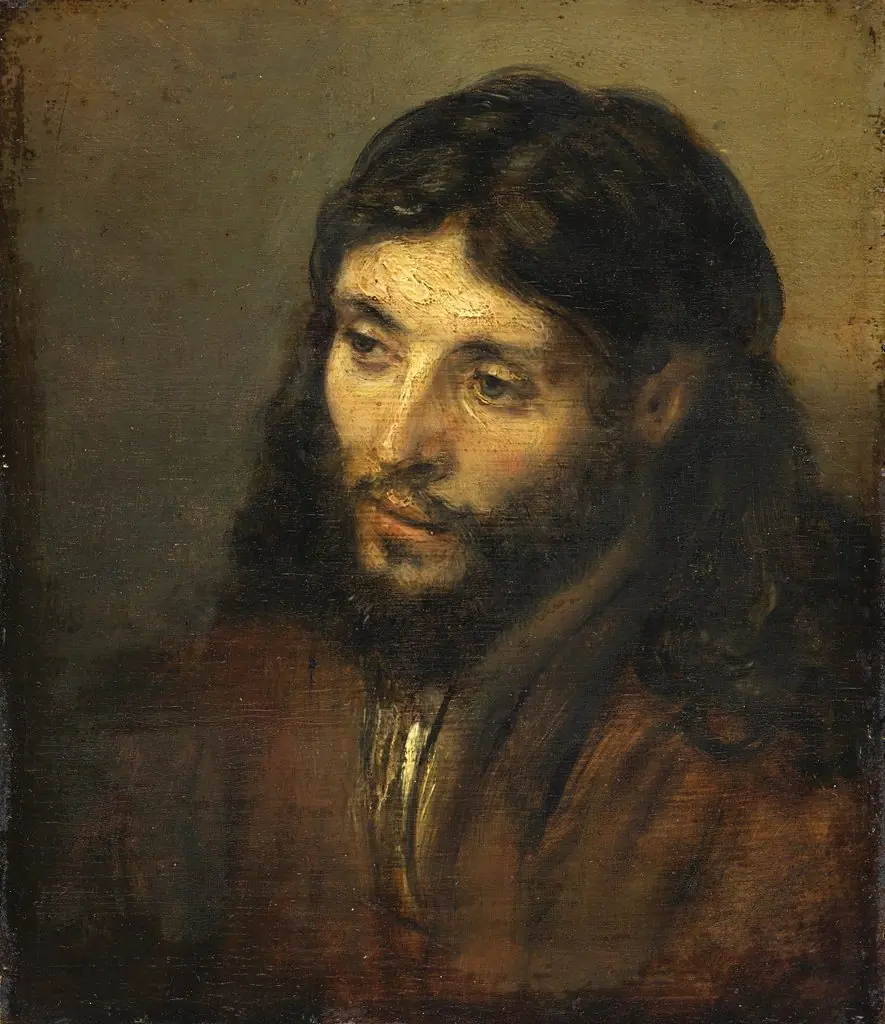
This oil painting portrays a solemn male figure, traditionally identified as Christ, rendered with quiet intensity. The face is illuminated by soft, golden light against a subdued earth-toned background. The composition centers on the head, with no other bodily elements visible, focusing attention on the expression and the crown of thorns. The use of chiaroscuro enhances the three-dimensionality of the features and deepens the emotional gravity of the scene.
Subject & Meaning
The figure is understood to represent Christ after the crucifixion, moments before burial, as referenced in the Veronica legend—the image of Christ’s face imprinted on a cloth. His closed eyes and tilted head suggest surrender or exhaustion. The crown of thorns, rendered in sharp, dark lines, symbolizes suffering and sacrifice. The absence of other narrative elements invites contemplation rather than storytelling, aligning with devotional traditions that emphasize inner reflection.
Technique & Style
The artist employs chiaroscuro to model the face with subtle gradations of light and shadow, creating volume without harsh outlines. Warm tones in the skin contrast with the cool, dark thorns and background, heightening emotional tension. Brushwork is restrained, favoring smooth transitions over visible strokes, suggesting a deliberate restraint in execution. The muted palette and focused composition reflect a devotional aesthetic prioritizing solemnity over ornamentation.
History & Provenance
The painting’s origins are undocumented, but its style and subject align with late medieval or early Renaissance devotional panels produced for private worship. Similar images circulated in Europe as objects of veneration, often carried in processions or kept in chapels. Its survival in relatively intact condition suggests it was preserved within a religious or aristocratic collection, though no specific ownership records are known.
Context
This work belongs to a broader tradition of sacred portraiture that emerged in response to the cult of the Holy Face, particularly associated with Saint Veronica. Such images were not intended as historical portraits but as spiritual conduits, meant to inspire prayer and empathy. Their quiet realism, devoid of dramatic action, reflects a shift toward intimate, personal devotion in the late Middle Ages, moving away from grand altarpieces toward smaller, contemplative objects.
Legacy
Though not widely attributed to a known master, this painting exemplifies the enduring power of simple, focused religious imagery. Its influence lies in its quiet resonance—how minimal means can evoke profound spiritual presence. Similar compositions continued to appear in regional workshops well into the 17th century, preserving the visual language of sacred sorrow long after the Renaissance's peak.
Artist & collection

Museum
National Museum of Fine Arts, Argentina
Continue through works from the same source collection.
 Domestic Scene
 Giacomo and Cardinal Marco, investing Andrea, Abbot of San Zeno, with his Benefice
 The Nymph of Fontainebleau
 Portrait of a Woman
 Madonna and Child with Saints in the Enclosed Garden
 Venus and Minerva
 Family Group of Four on Sofa
 Wall painting from Room H of the Villa of P. Fannius Synistor at Boscoreale