Artwork
Ecce homo (?)
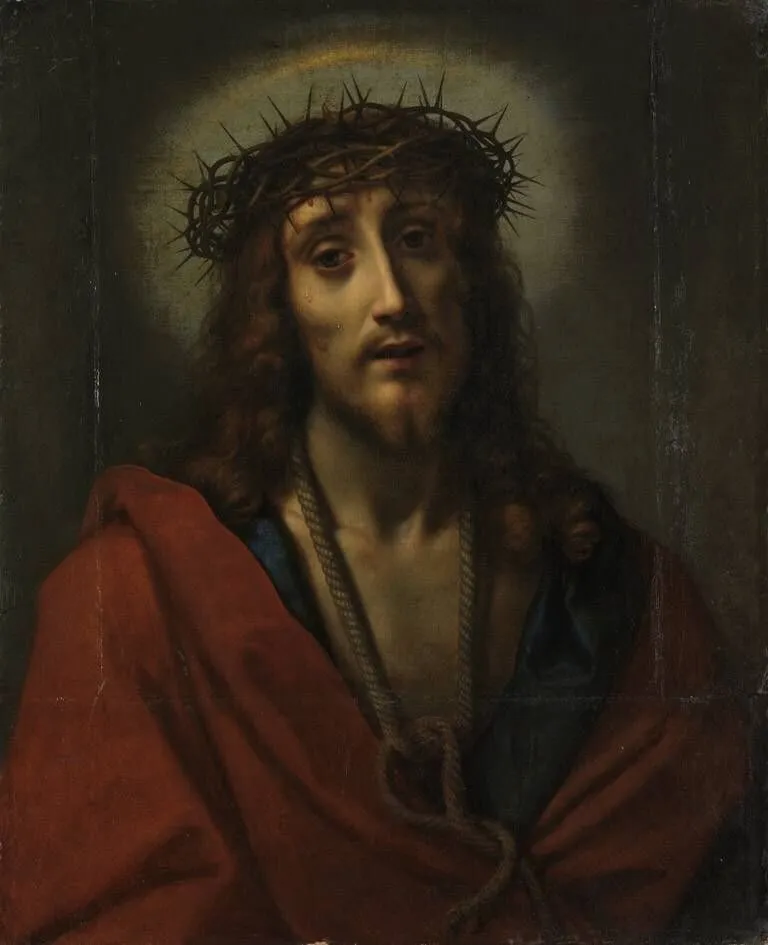
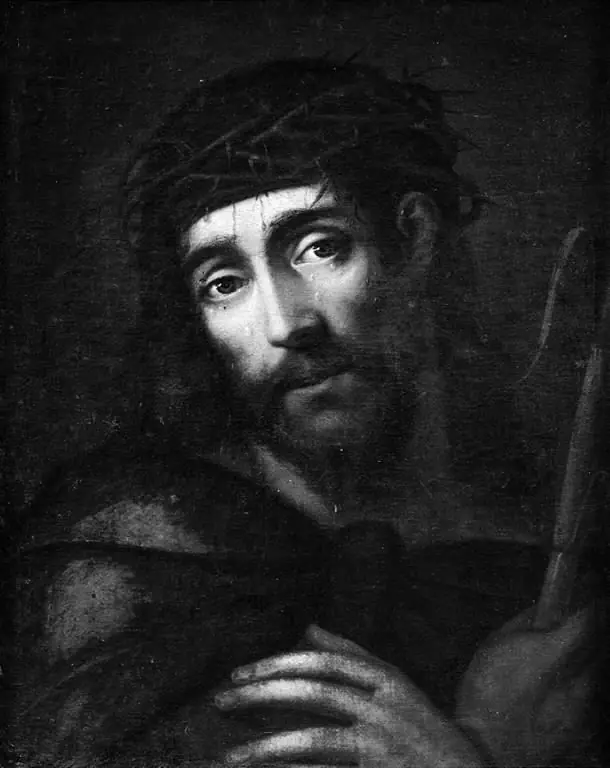
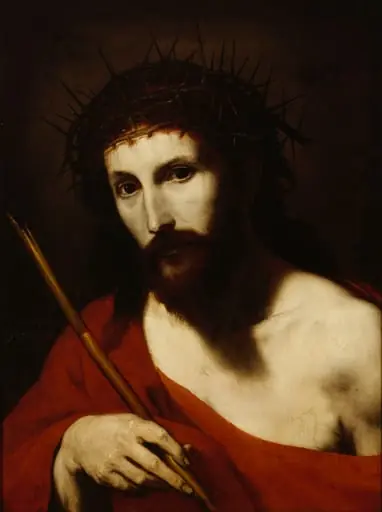
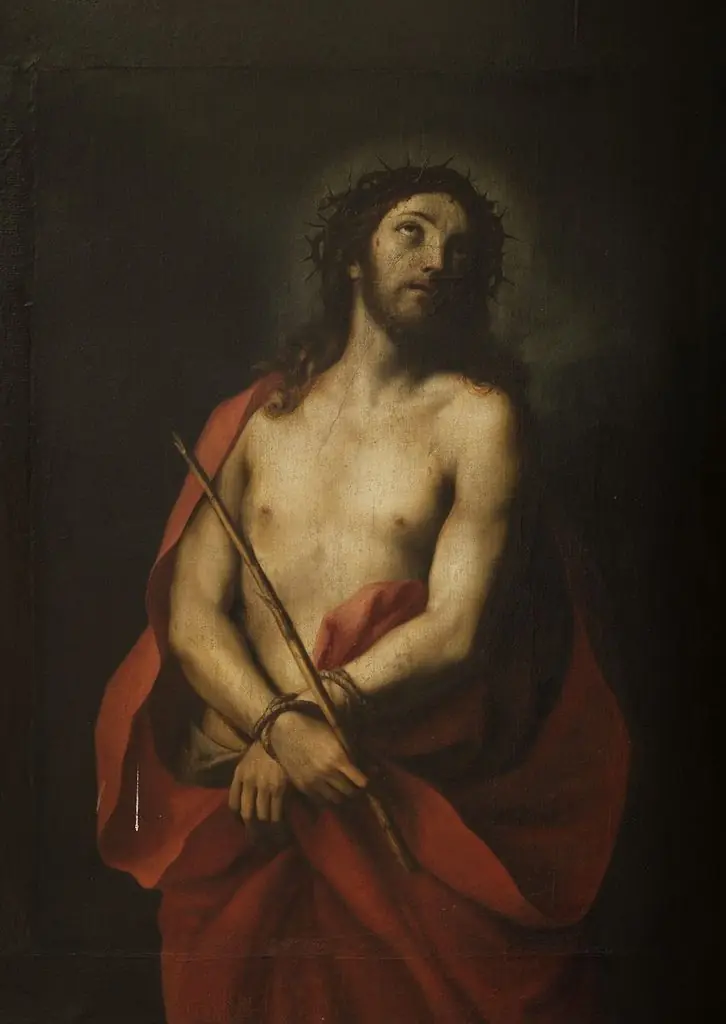
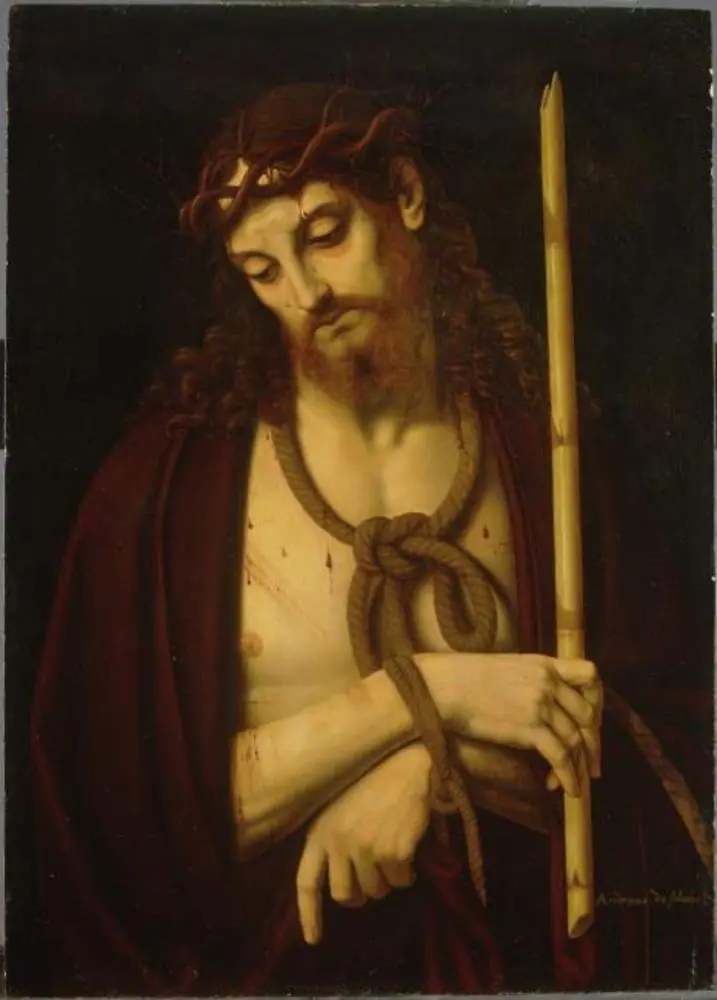
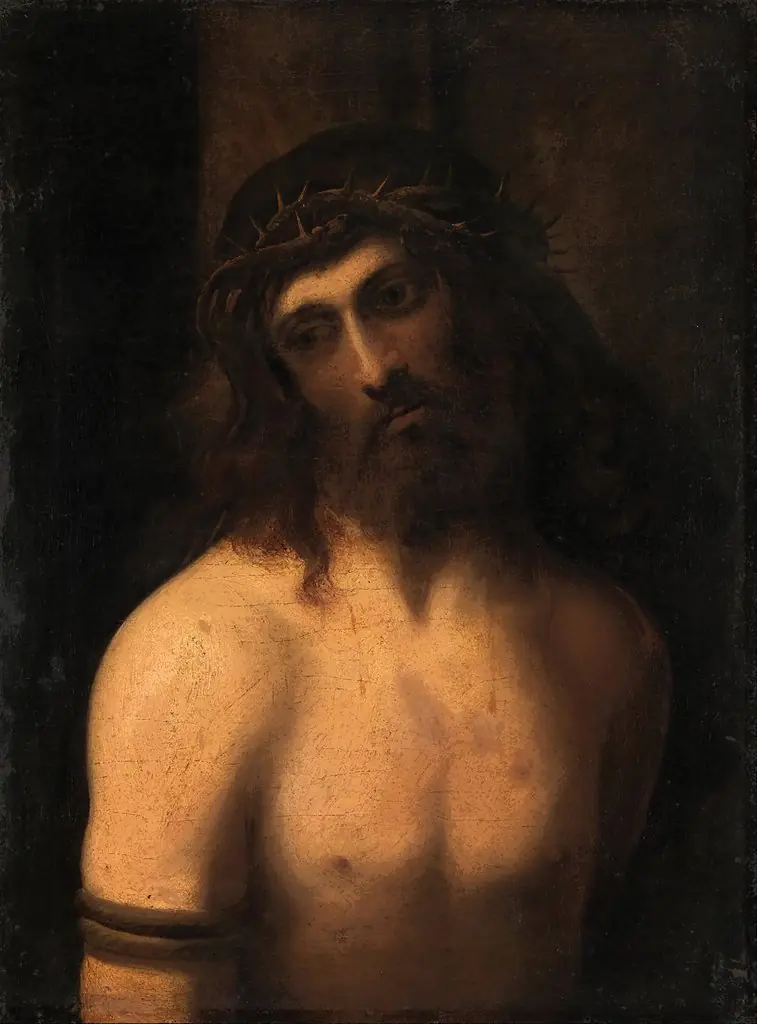
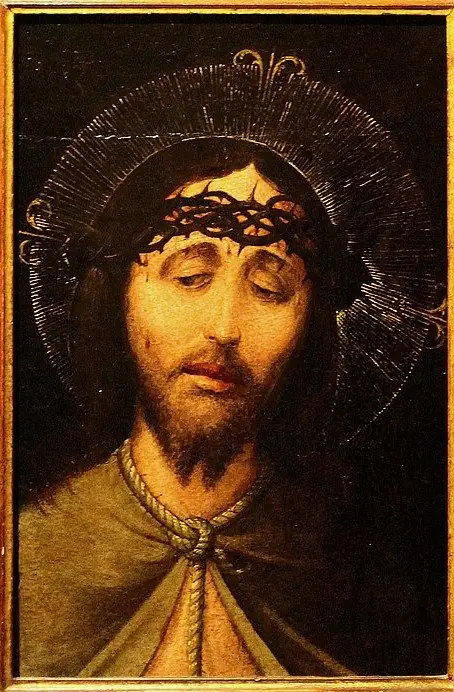
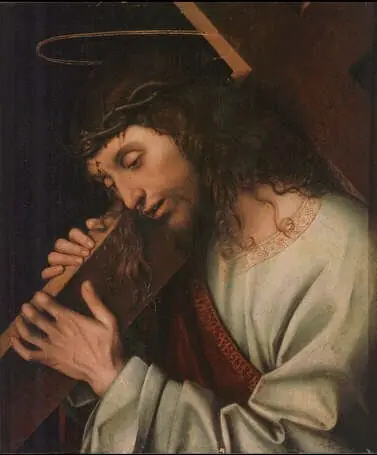
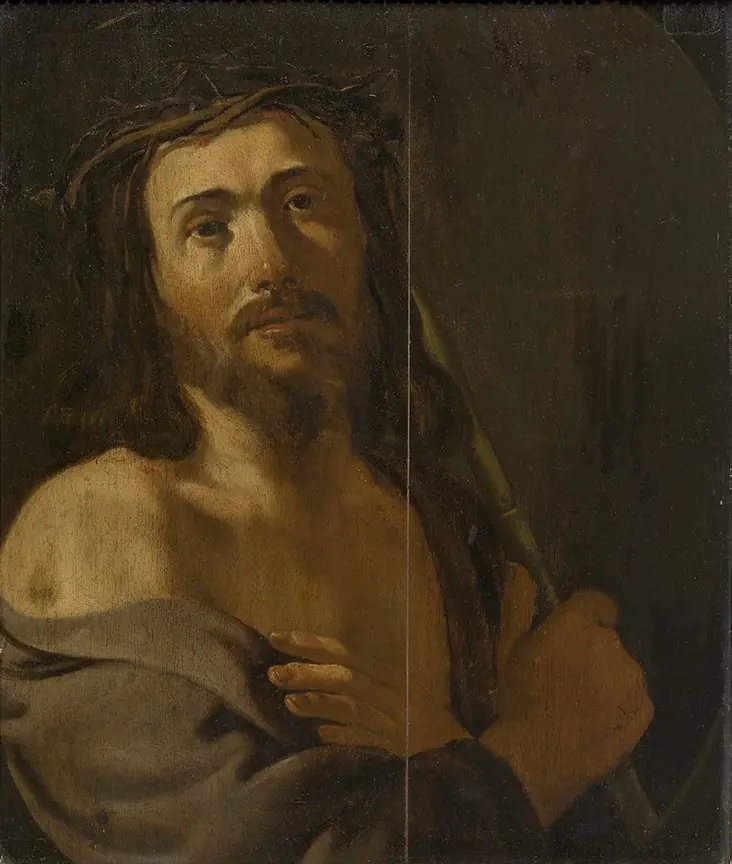
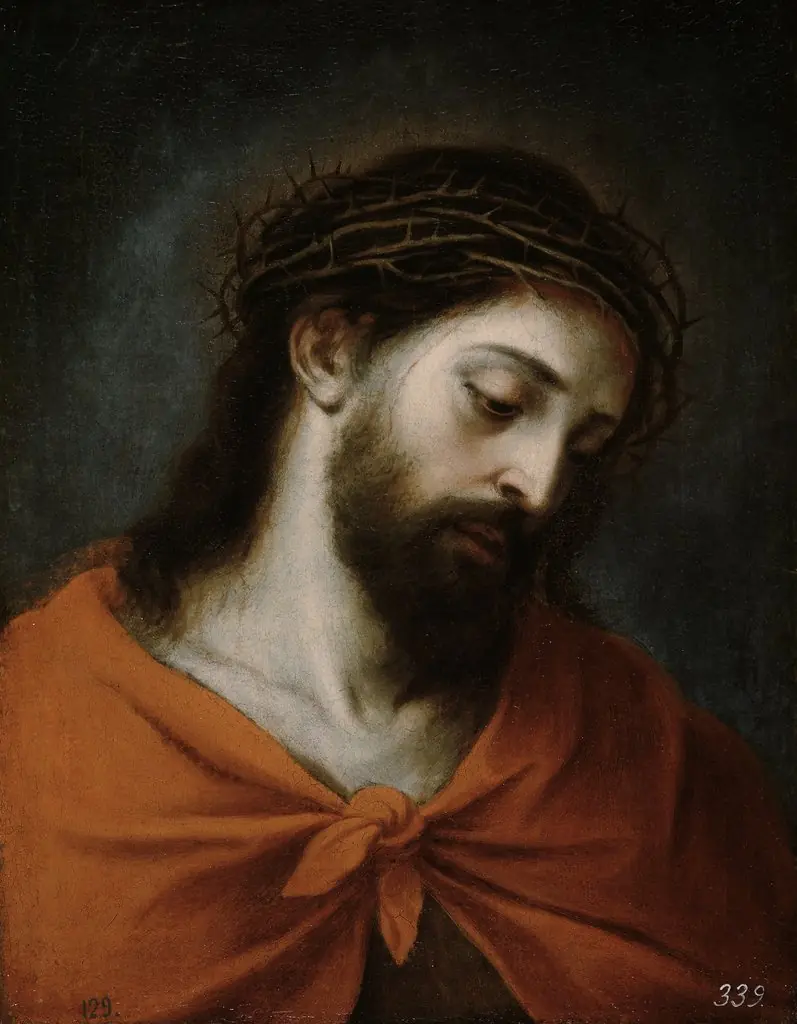
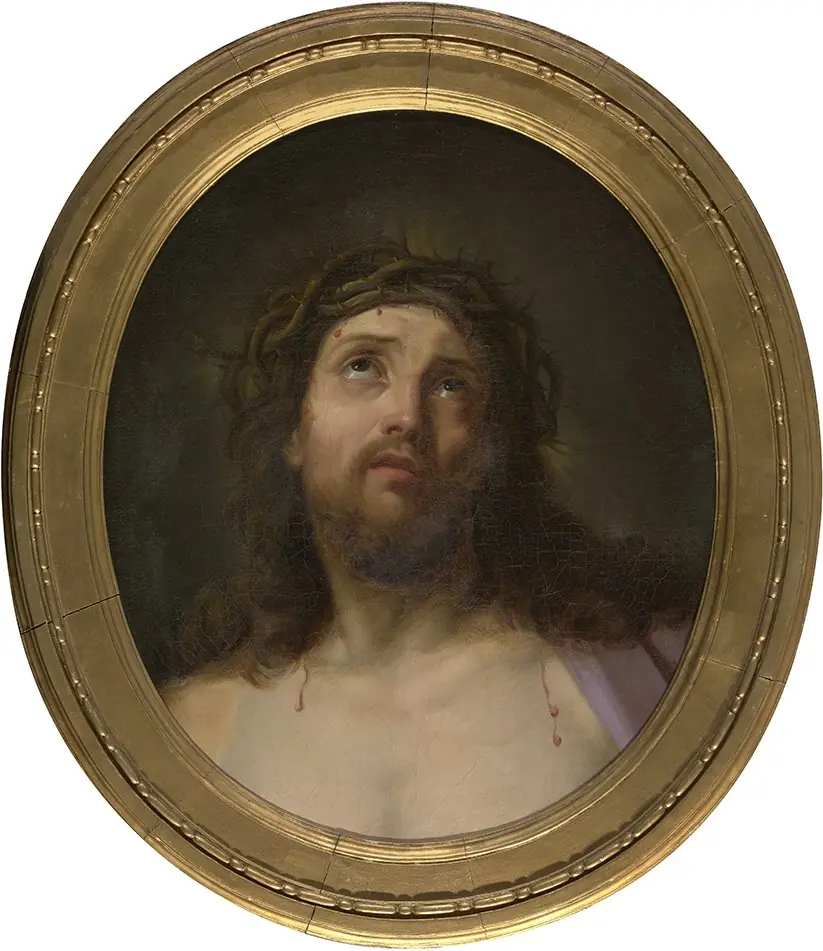
Ecce homo (?) is an unspecified painting by the Early Baroque Italian artist Carlo Dolci. It dates from 1651 and is held in the collection of the Bavarian State Painting Collections.
About this work
Overview
The canvas presents a solitary figure of Christ, crowned with thorns, rendered in a restrained palette that emphasizes the solemnity of the scene.
Carlo Dolci, a Florentine artist active in the mid‑1600s, painted a work titled *Ecce Homo* that now belongs to the Alte Pinakothek. The canvas presents a solitary figure of Christ, crowned with thorns, rendered in a restrained palette that emphasizes the solemnity of the scene. The composition reflects Dolci’s reputation for creating finely finished devotional images that were often reproduced in several variants.
Subject & Meaning
The central figure is the suffering Christ, his head encircled by a heavy, realistic crown of thorns. He is clothed in a red mantle over a blue tunic, his expression weary yet composed, suggesting a moment of resignation before the crucifixion. The title, meaning “Behold the man,” underscores the biblical episode in which Pontius Pilate presents Jesus to the crowd, inviting contemplation of sacrifice and humility.
Technique & Style
Dolci employs a pronounced chiaroscuro, allowing a soft, directional light to illuminate the forehead while the surrounding darkness recedes, giving the face a sculptural presence. The delicate handling of flesh tones and the meticulous rendering of the thorns demonstrate his careful, almost photographic attention to detail, characteristic of early Italian Baroque devotional painting.
History & Provenance
Created during the height of Dolci’s career, the painting was likely produced as part of a series of *Ecce Homo* images that the artist repeated for various patrons. Over the centuries it entered the collection of the Alte Pinakothek in Munich, where it remains on public display, illustrating the museum’s commitment to representing 17th‑century Italian religious art.
Context
Dolci’s work belongs to the early Baroque period in Italy, a time when artists sought to engage viewers emotionally through dramatic lighting and realistic detail. While his style is more restrained than the exuberant works of Caravaggio, the painting shares the period’s intent to make sacred subjects immediate and palpable for devotional practice.
Artist & collection
Artist
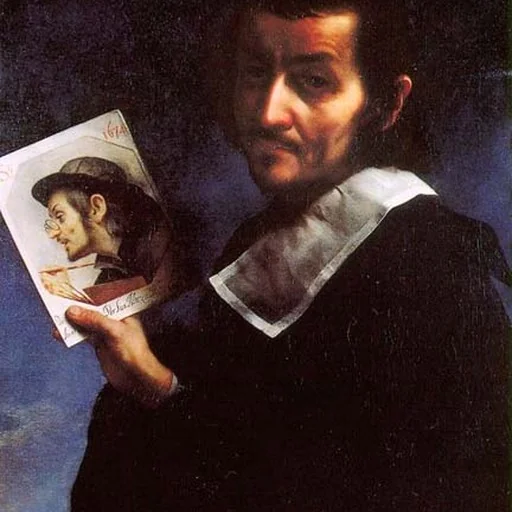
Carlo (or Carlino) Dolci (25 May 1616 – 17 January 1686) was an Italian Baroque painter active mainly in Florence, known for highly finished religious pictures, often repeated in many versions.