Artwork
The dervish brings in as dowry an elephant laden with gold, from a Tuti-nama (Tales of a Parrot): Seventh Night
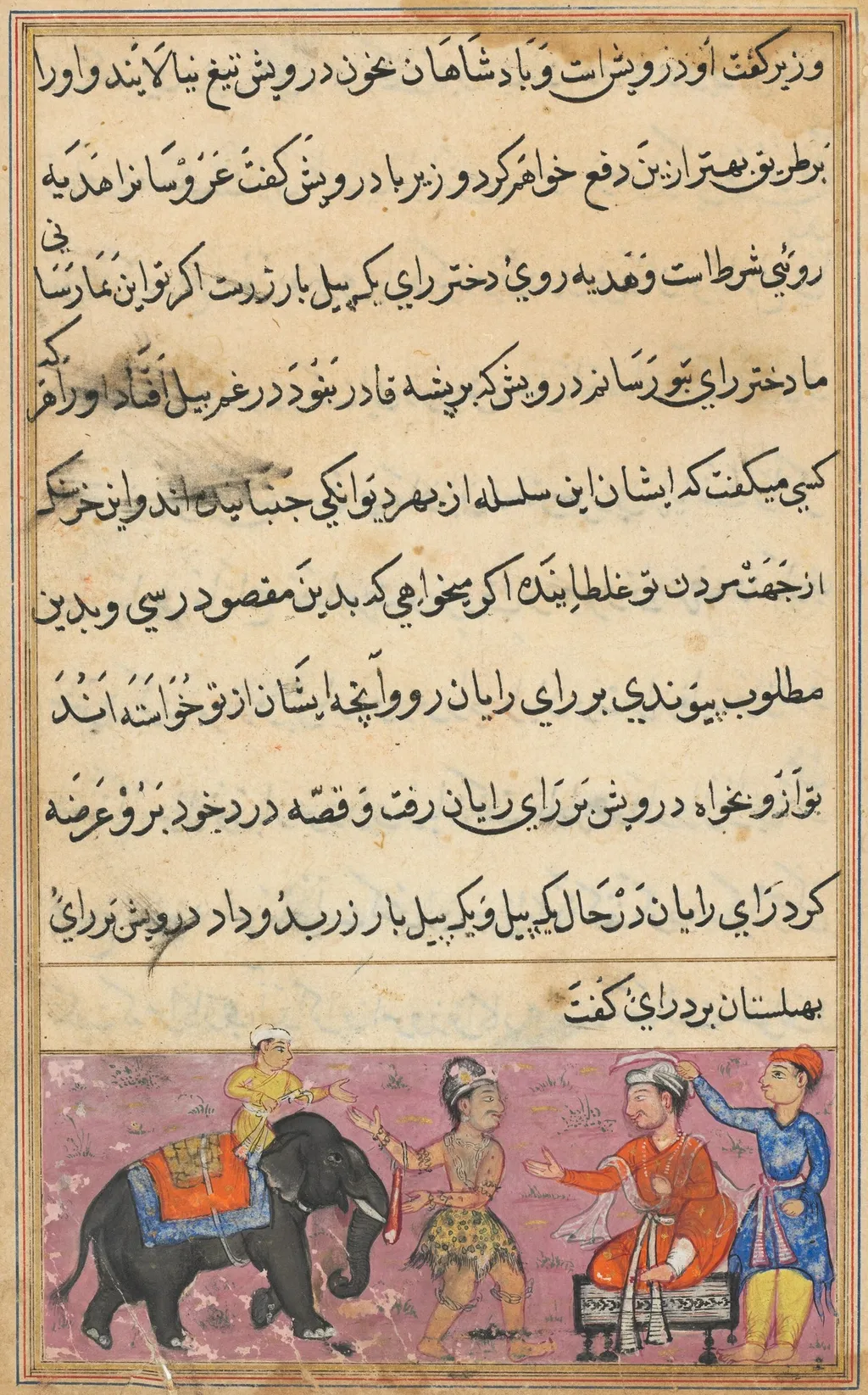
The dervish brings in as dowry an elephant laden with gold, from a Tuti-nama (Tales of a Parrot): Seventh Night is an unspecified painting. It dates from 1560 and is held in the collection of the Cleveland Museum of Art. The work depicts a seated figure in an orange robe and white turban addressing a standing companion dressed in blue with a red turban.
About this work
Overview
The work depicts a seated figure in an orange robe and white turban addressing a standing companion dressed in blue with a red turban. A pink wall with sparse foliage forms the backdrop, while the seated man gestures as if speaking, and the other listens attentively. The composition reflects the narrative moment described in the seventh night of the Persian tale collection known as the Tuti‑nama.
Subject & Meaning
The scene illustrates a passage from the Tuti‑nama, a collection of Persian stories featuring a dervish who presents an elephant laden with gold as a dowry. The dialogue between the two men suggests the negotiation or explanation of this extravagant gift, highlighting themes of generosity, wealth, and the moral lessons typical of the tale’s seventh night.
Technique & Style
Executed in the miniature tradition of the Indian subcontinent, the painting employs fine brushwork, elaborate patterning, and a vivid palette dominated by orange, pink, and blue tones. The intricate detailing of textiles, turbans, and foliage, together with a flattened spatial arrangement, aligns the work with courtly manuscript illustrations that prized decorative richness over realistic perspective.
History & Provenance
The piece is part of the collection of the Cleveland Museum of Art. Its acquisition details are not specified in the available data, but the work’s inclusion in a major American museum indicates it entered the market through collectors or dealers interested in South Asian miniature paintings, likely during the 20th‑century surge in interest for such objects.
Context
Miniature paintings like this one were traditionally produced for illustrated manuscripts, often commissioned by royal or aristocratic patrons. The Tuti‑nama, a Persian narrative adapted into various languages, was a popular source for visual storytelling, allowing artists to render moral tales with elaborate ornamentation that appealed to elite audiences across the Indian subcontinent.
Artist & collection

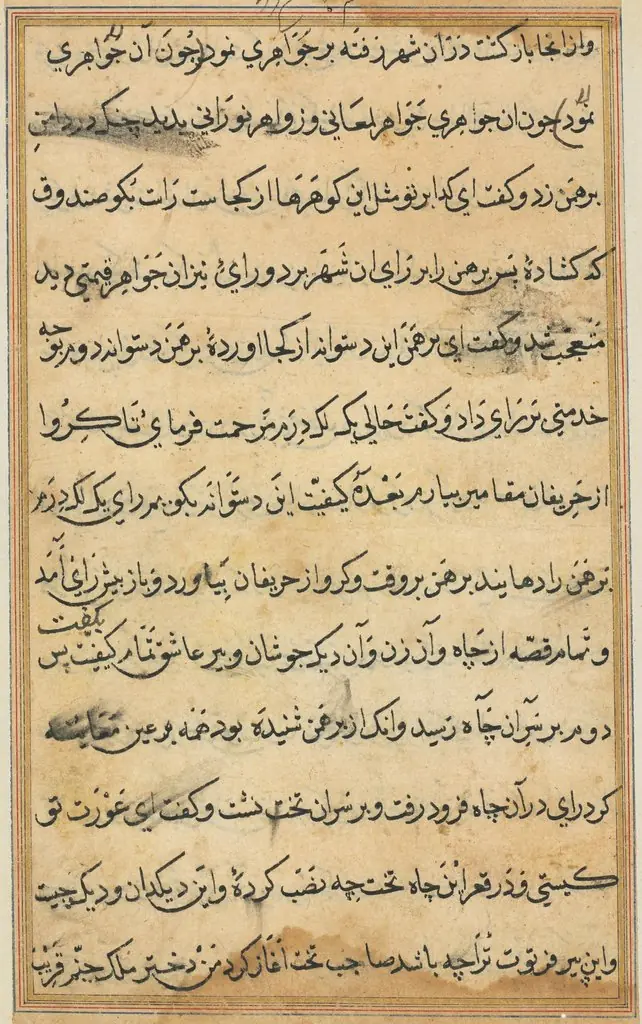 Page from Tales of a Parrot (Tuti-nama): text page
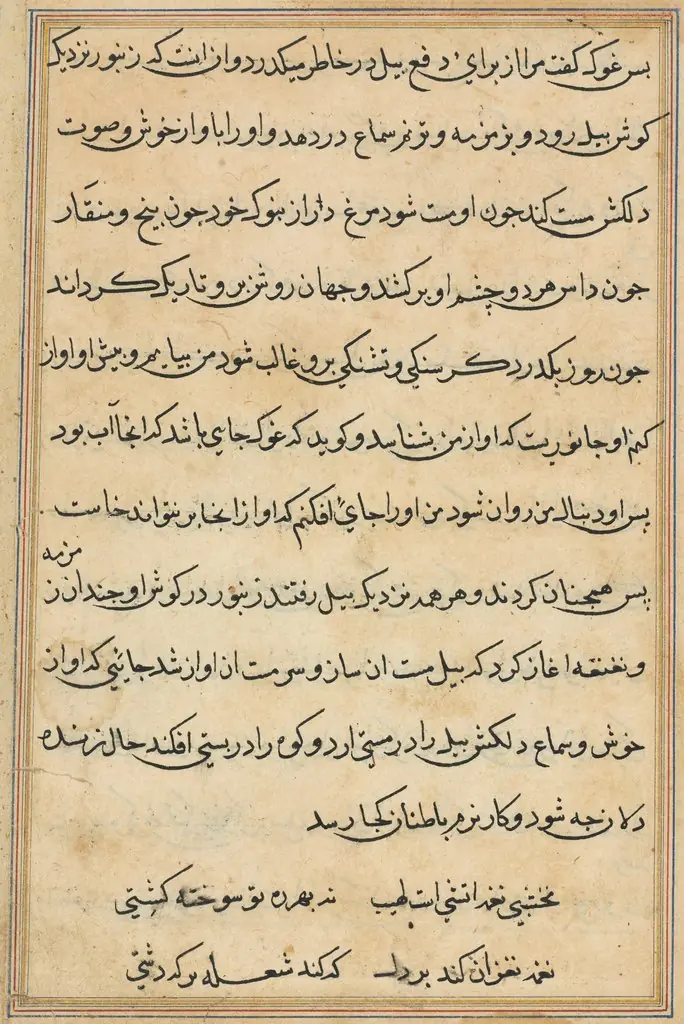 Page from Tales of a Parrot (Tuti-nama): text page
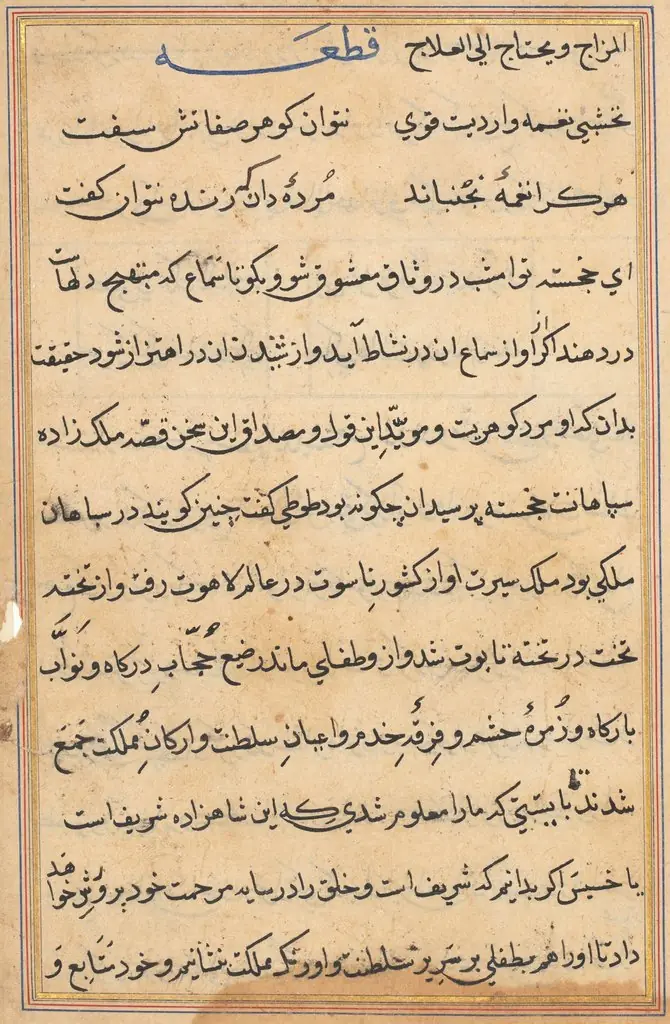 Page from Tales of a Parrot (Tuti-nama): text page
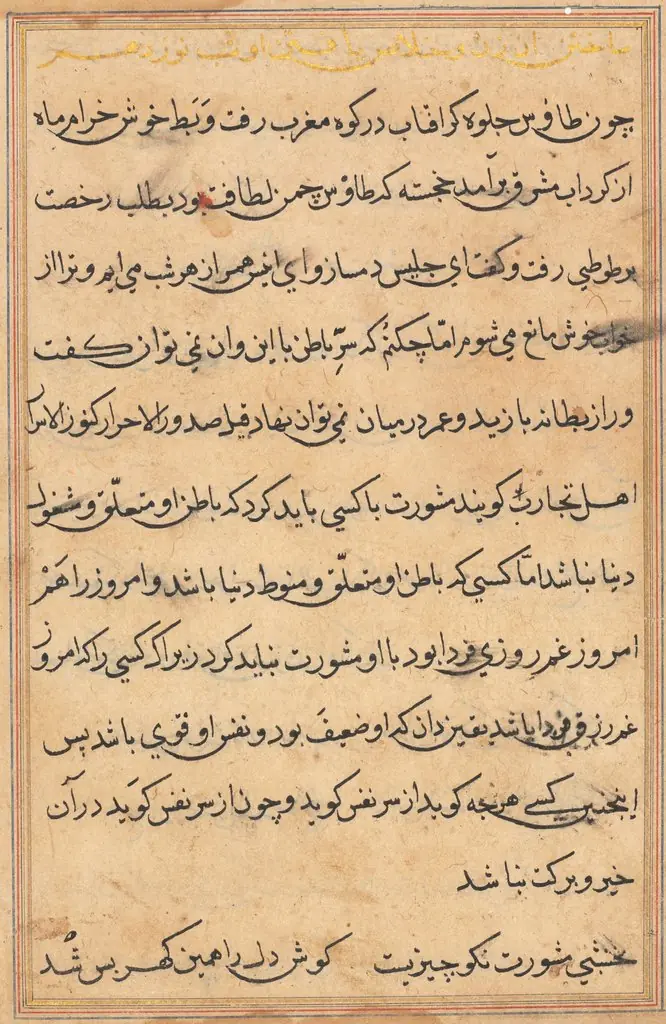 Page from Tales of a Parrot (Tuti-nama): text page
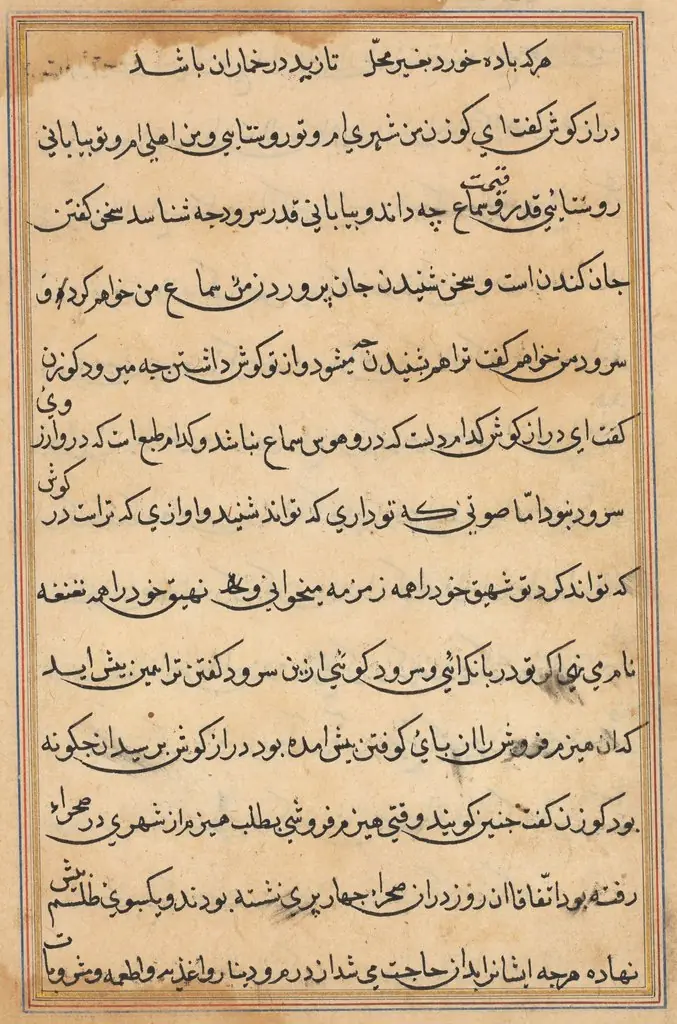 Page from Tales of a Parrot (Tuti-nama): text page
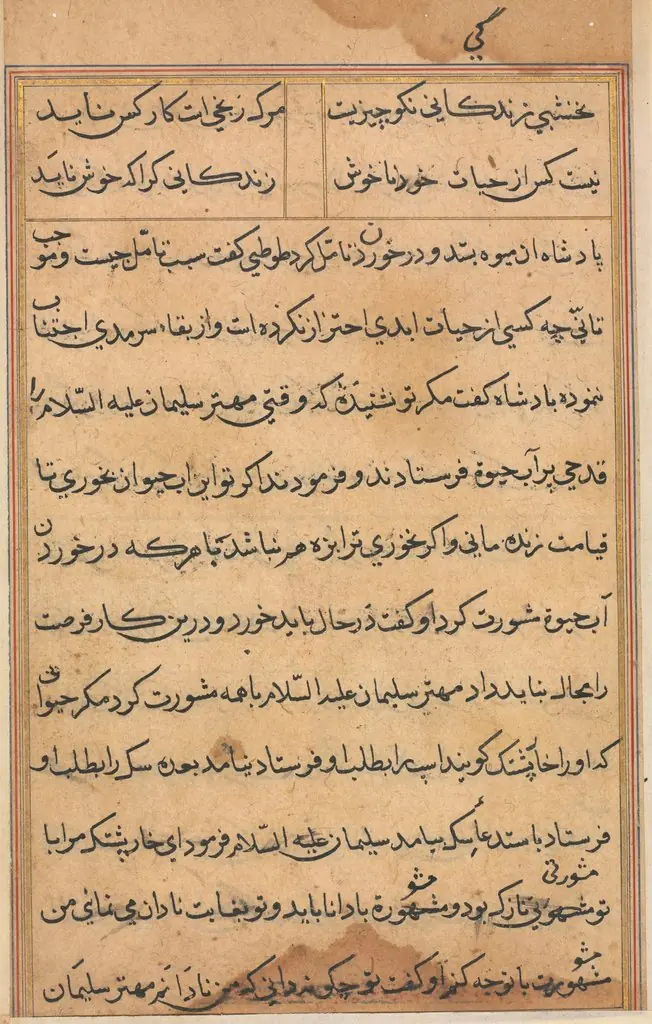 Page from Tales of a Parrot (Tuti-nama): text page
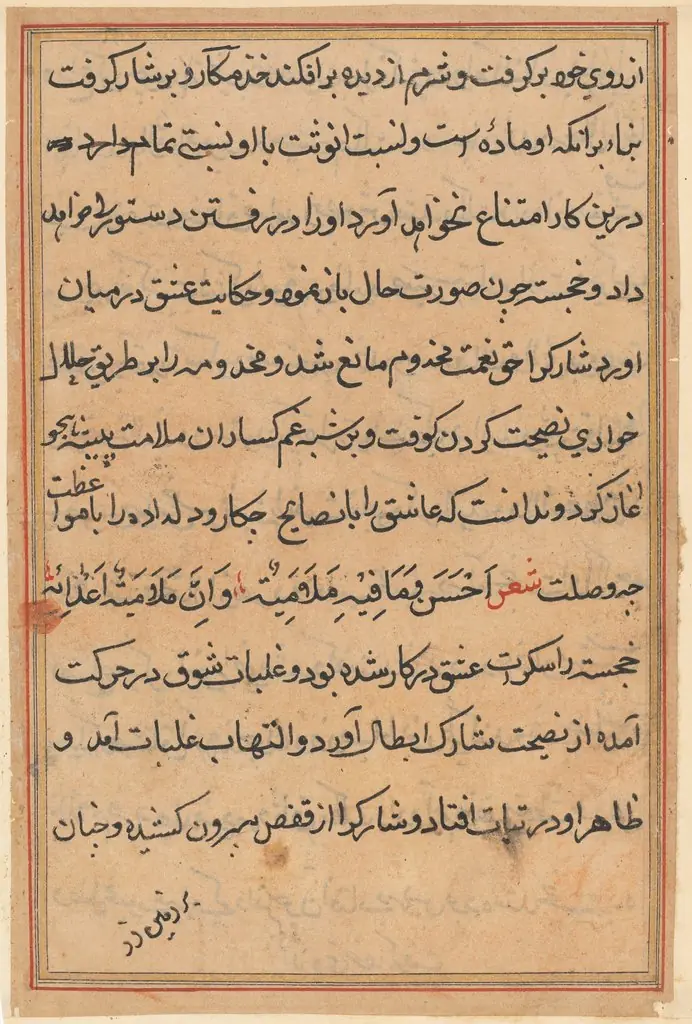 Page from Tales of a Parrot (Tuti-nama): text page
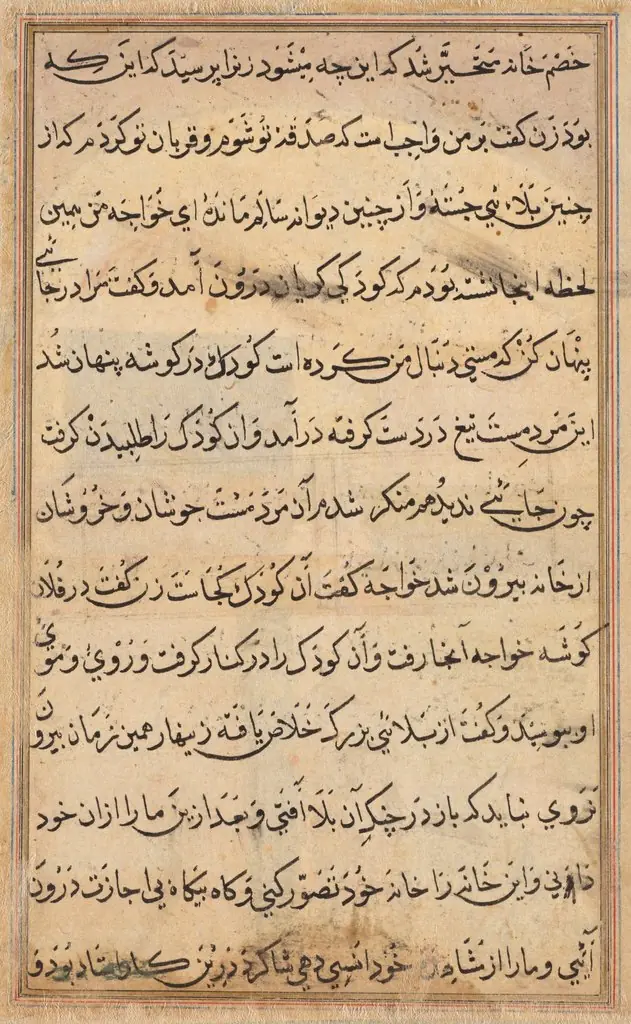 Page from Tales of a Parrot (Tuti-nama): text page
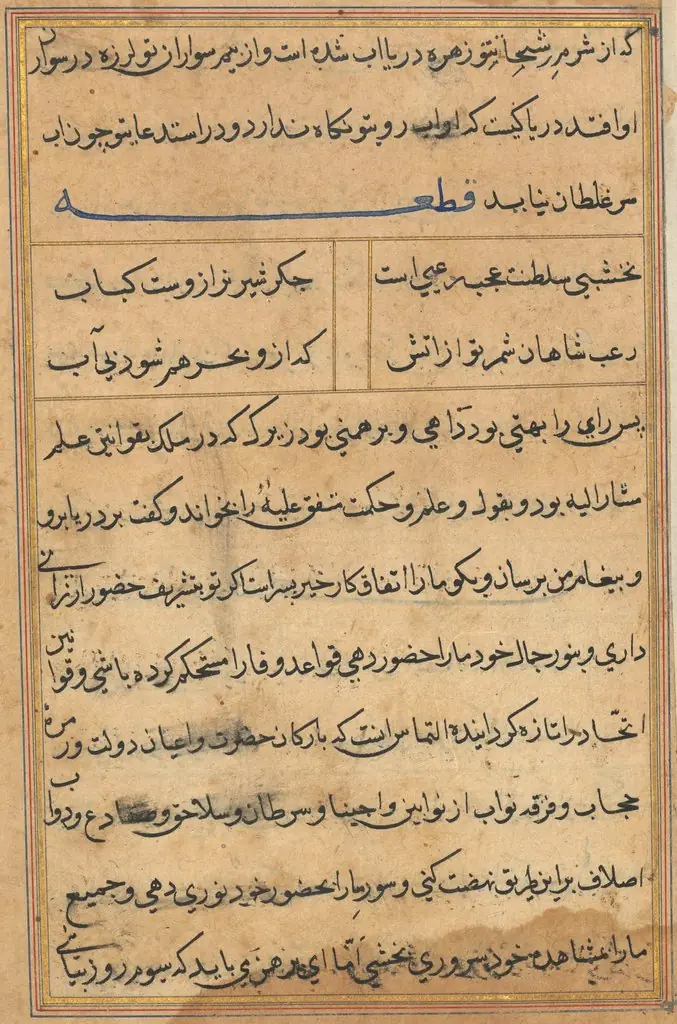 Page from Tales of a Parrot (Tuti-nama): text page
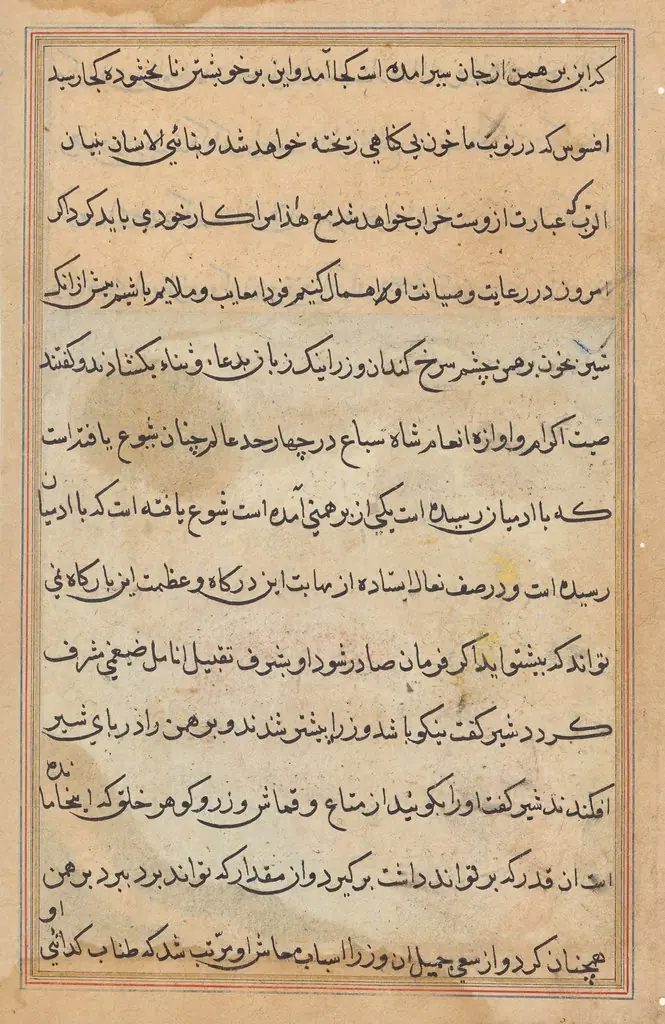 Page from Tales of a Parrot (Tuti-nama): text page
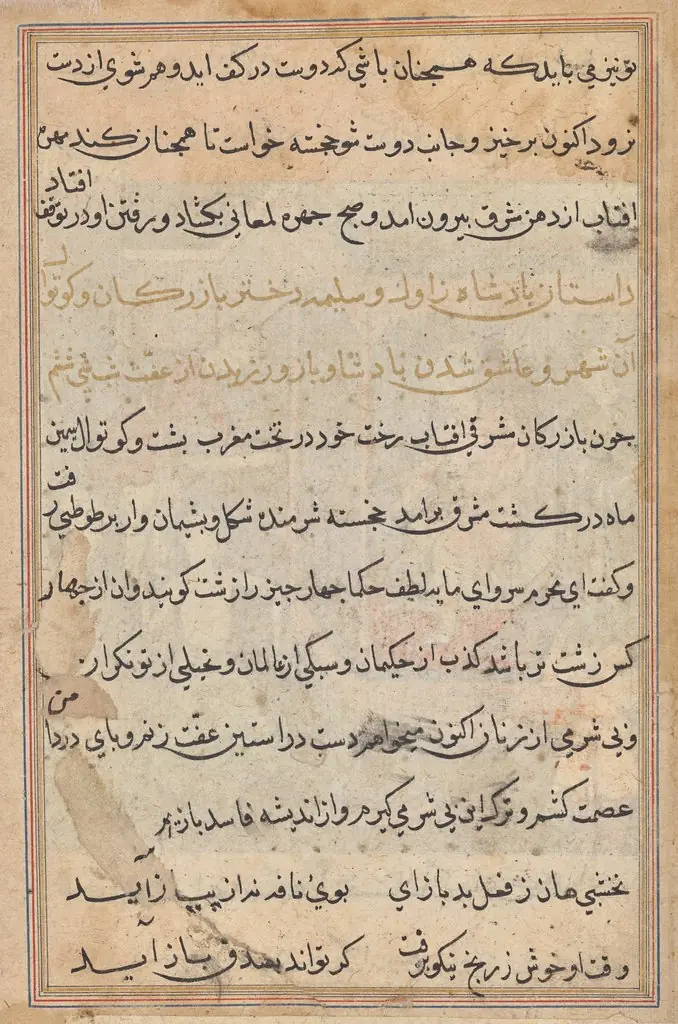 Page from Tales of a Parrot (Tuti-nama): text page