Artwork
Adoration of the Magi
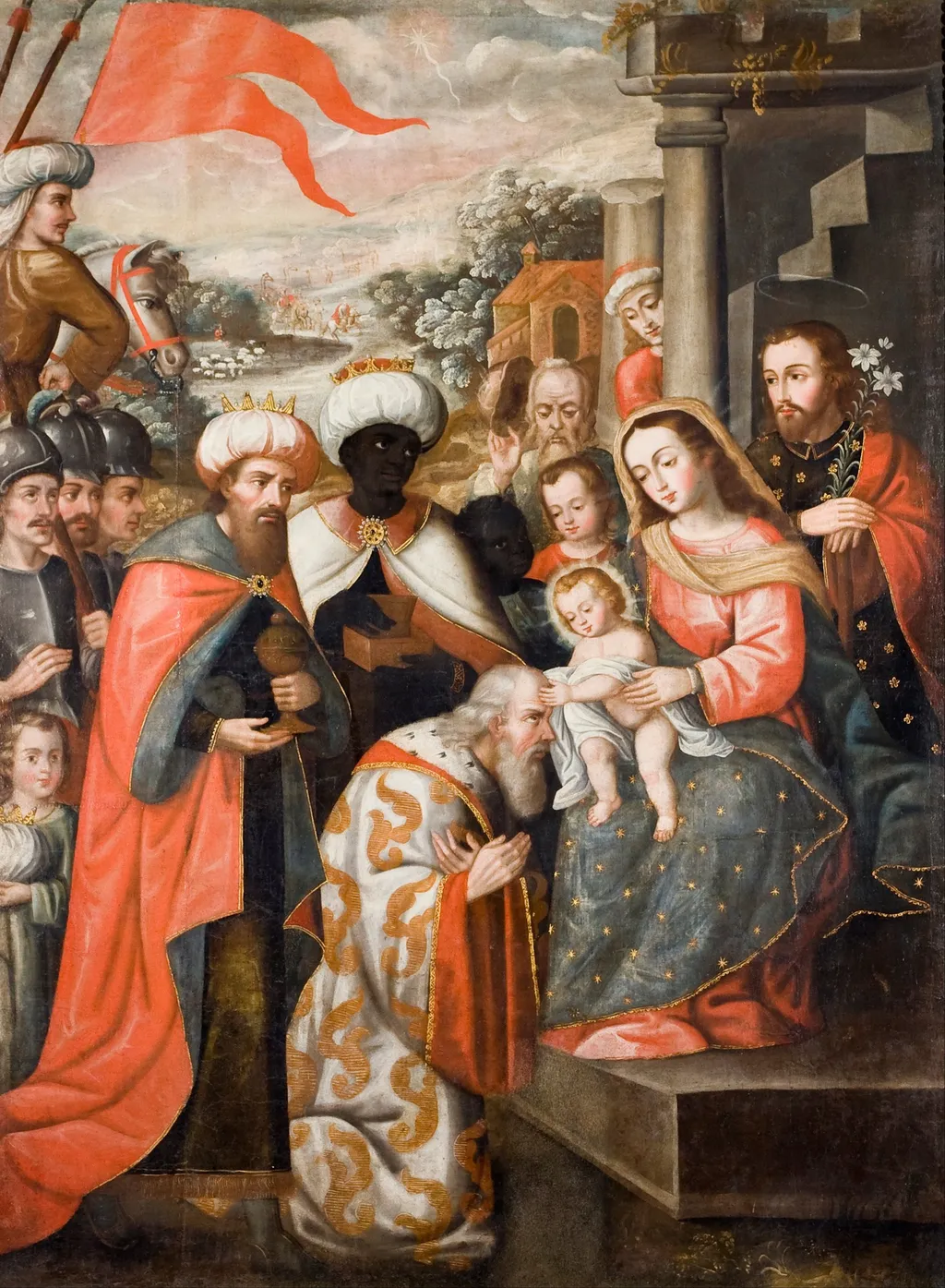
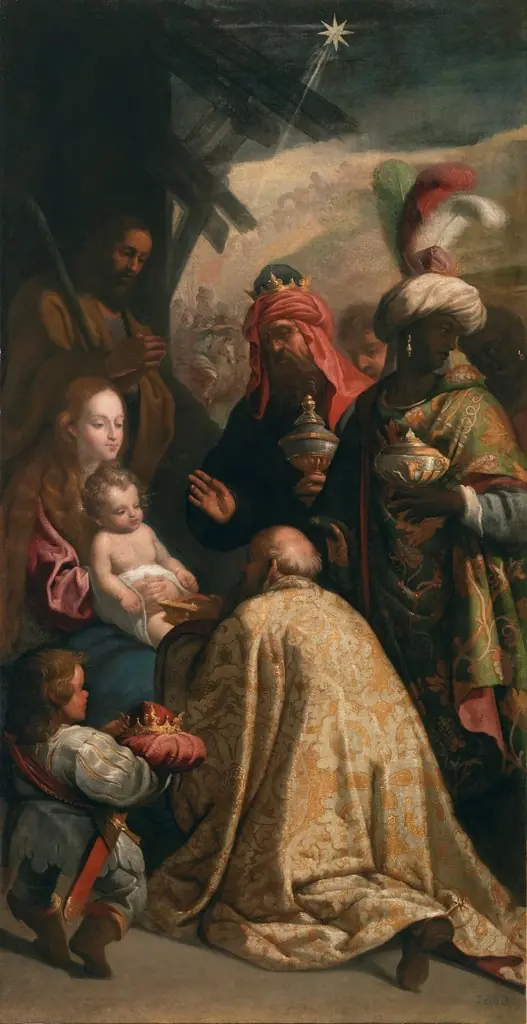
Adoration of the Magi is an oil painting by the Flemish Baroque painting artist Unknown. It dates from 1696 and is held in the collection of the Lima Art Museum.
About this work
Overview
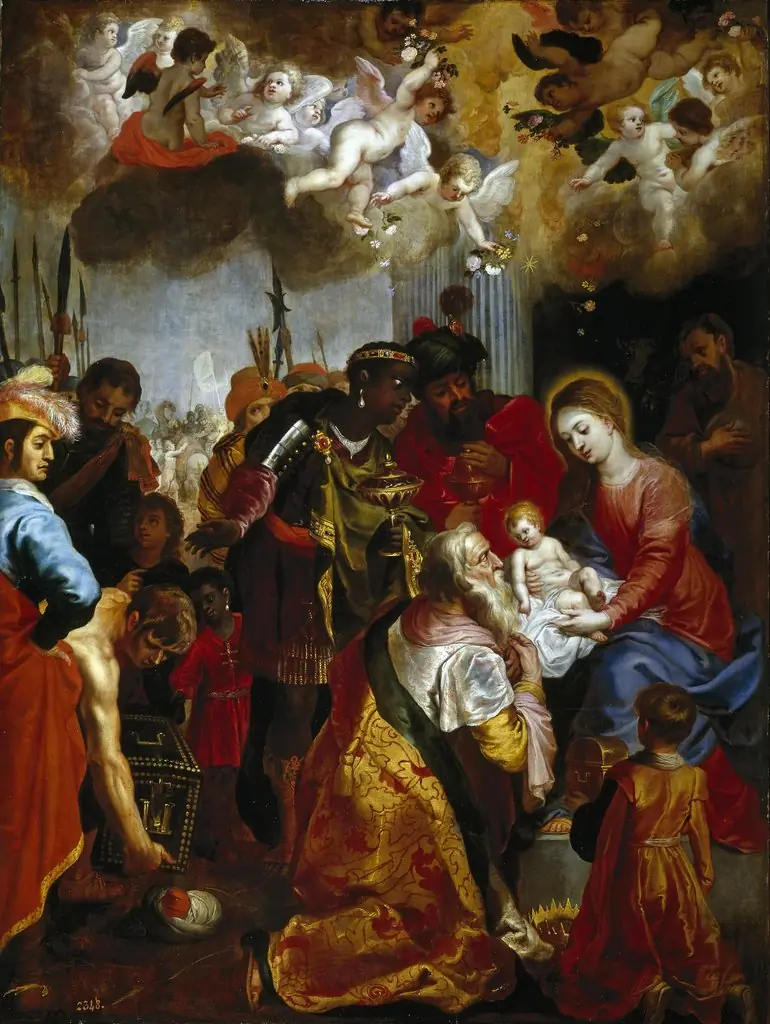
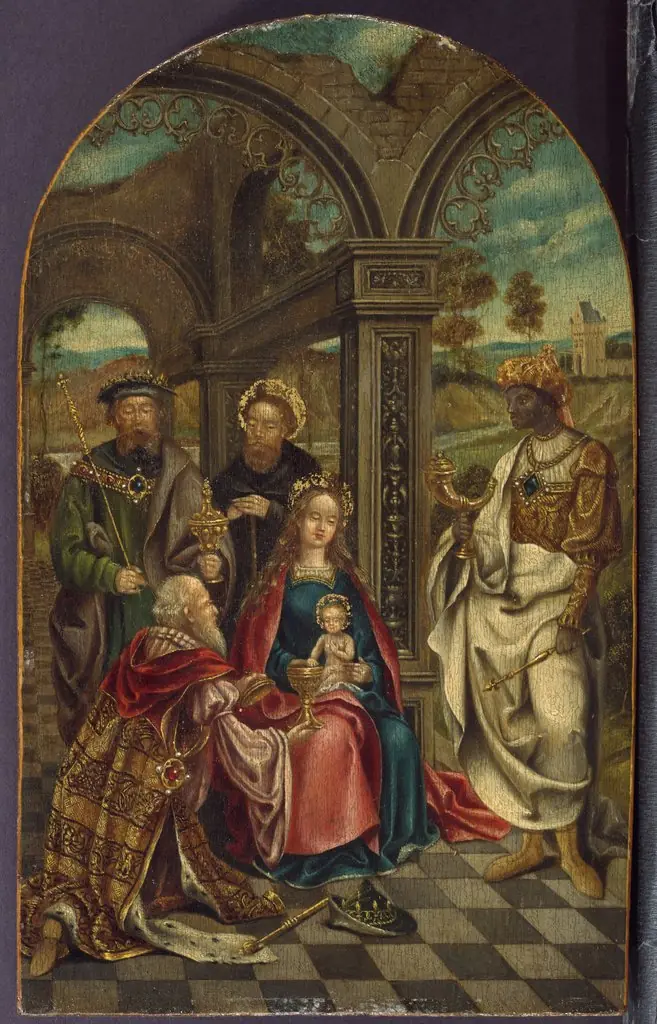
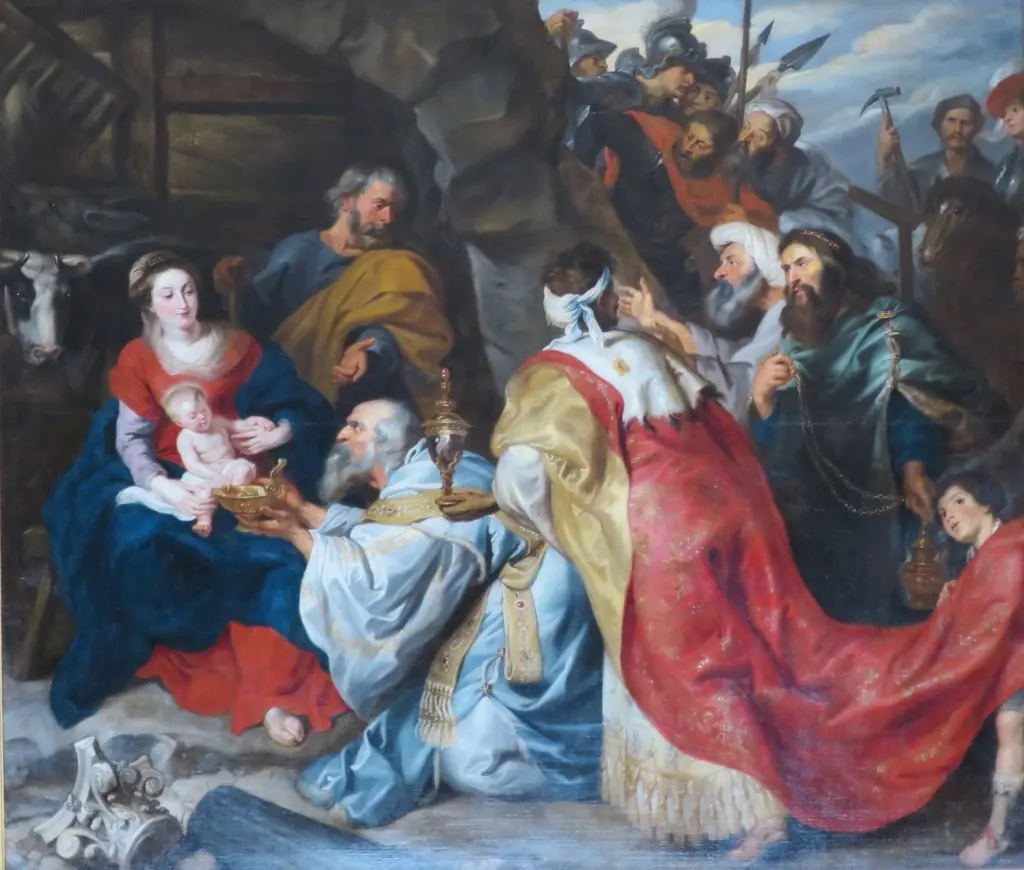
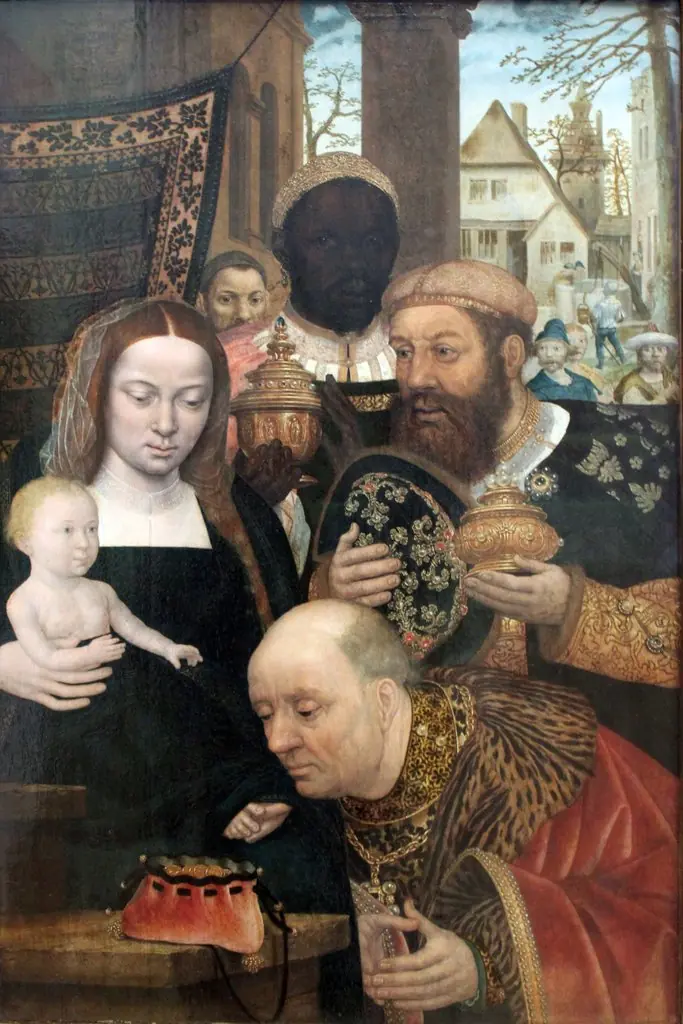
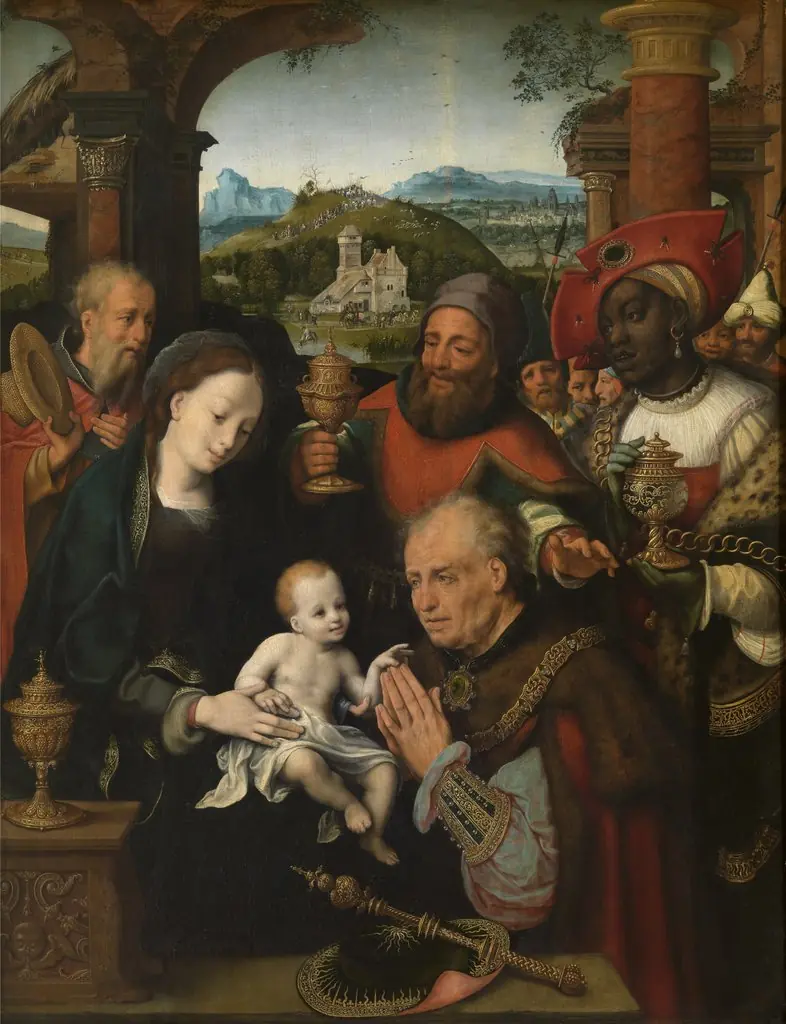
Centered on the Child, the composition gathers a group of figures—including three kings and a woman—around him in a formal, hierarchical arrangement.
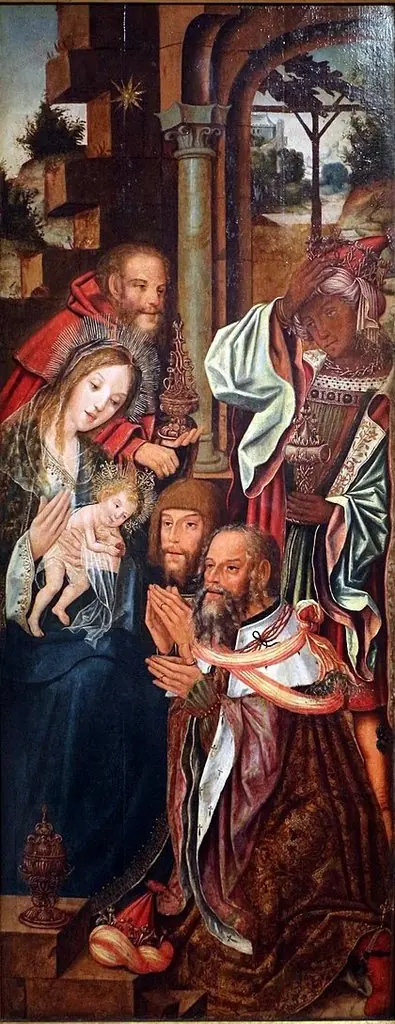
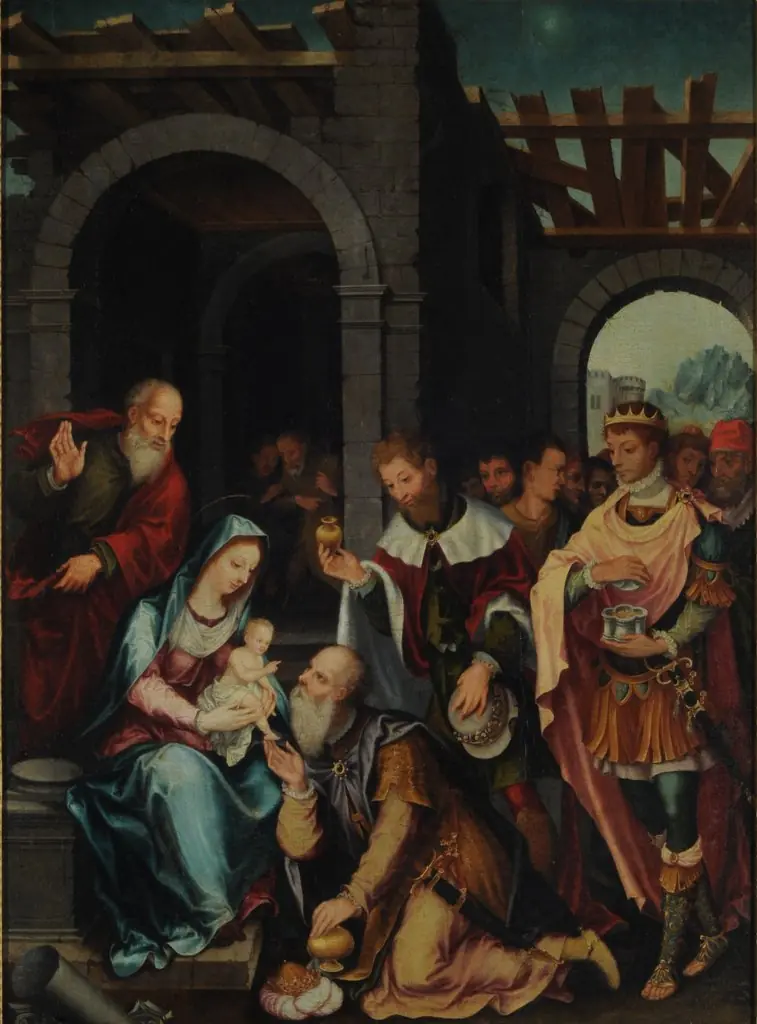
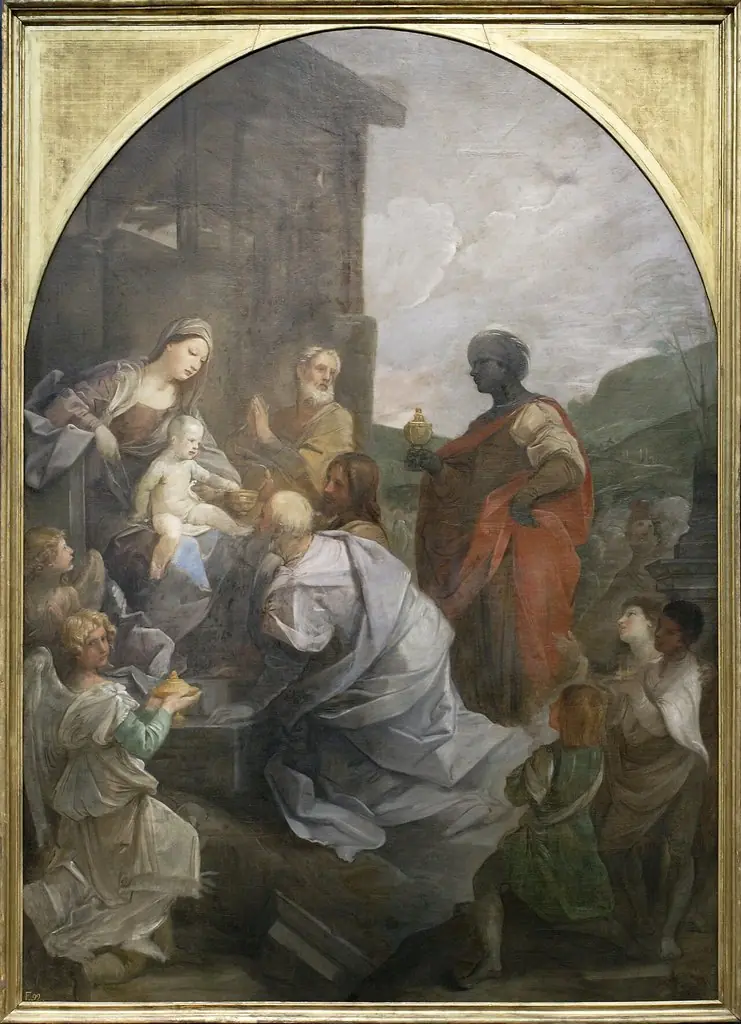
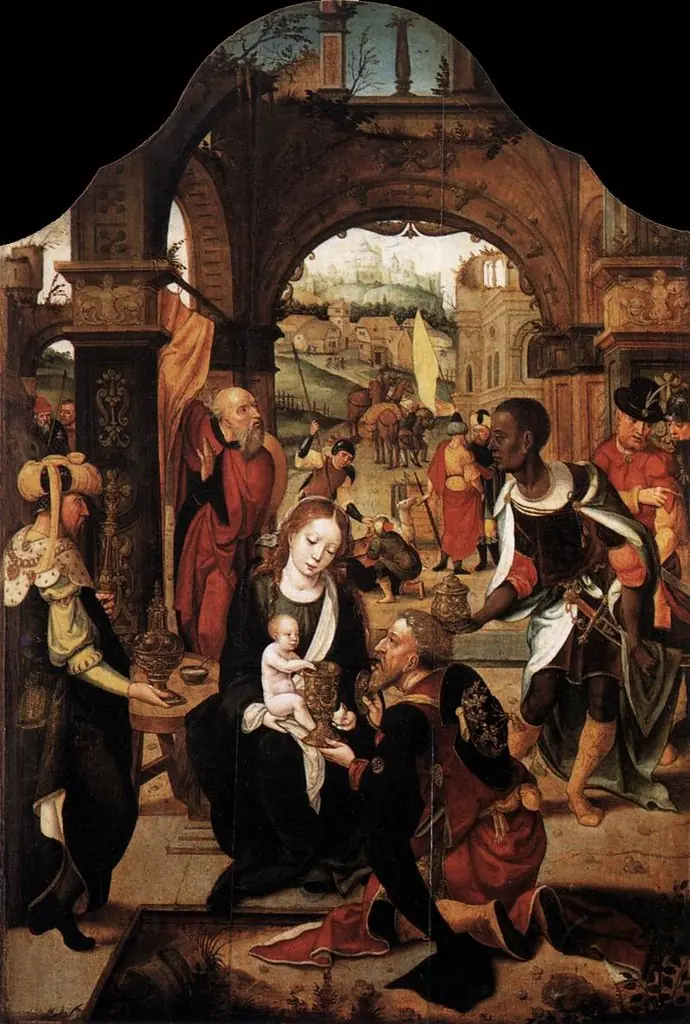
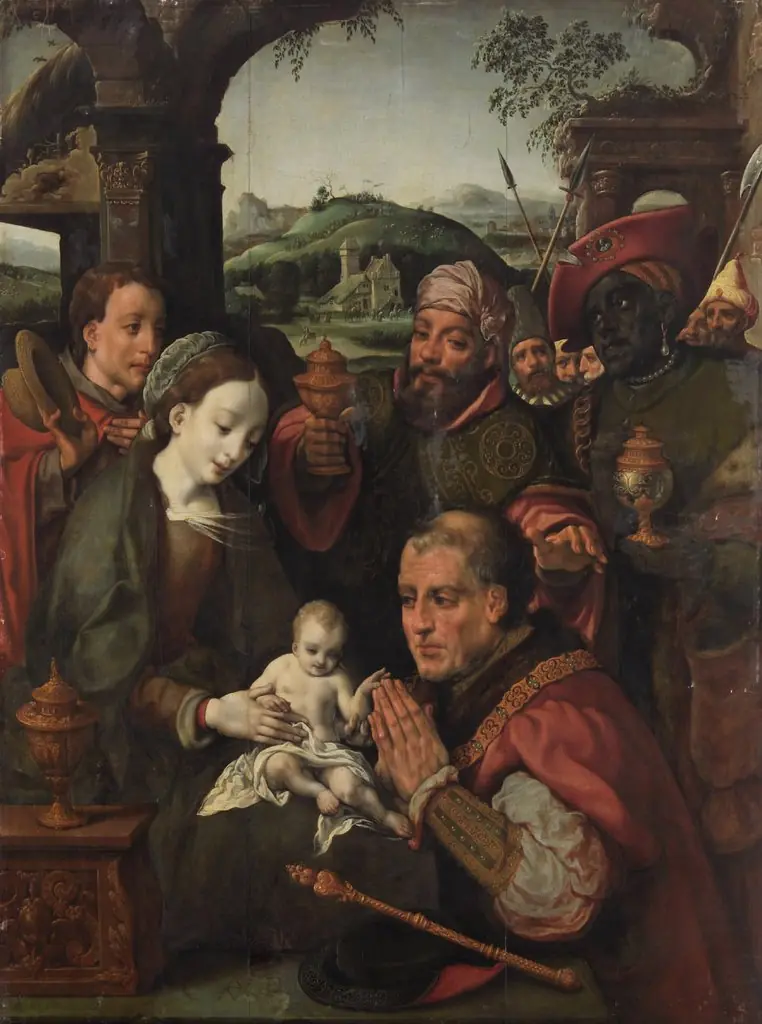
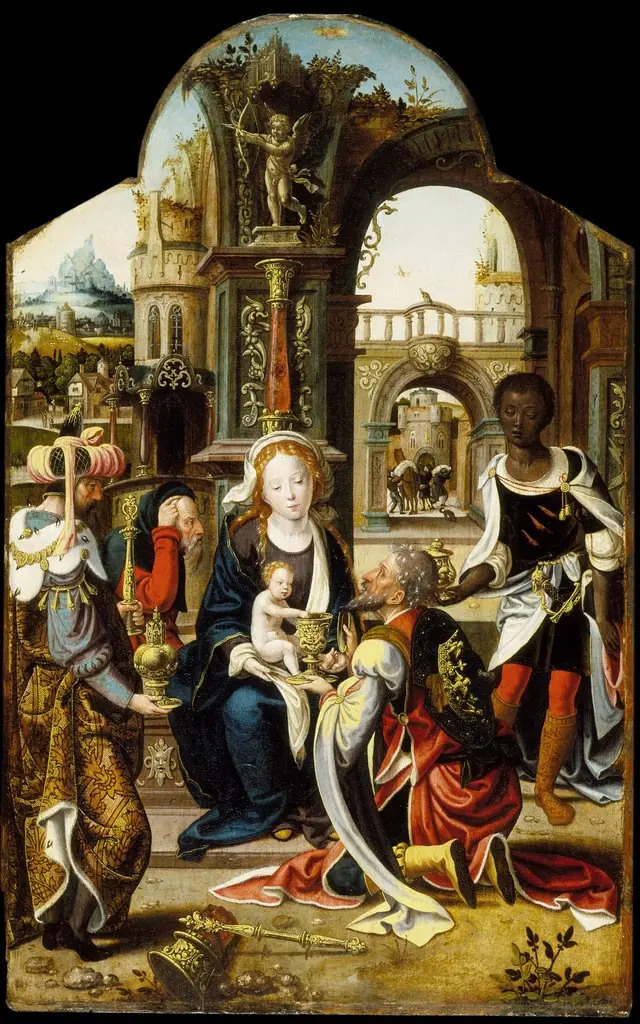
This oil painting portrays the Adoration of the Magi, a biblical moment in which the infant Jesus is honored by visitors from the East. Centered on the Child, the composition gathers a group of figures—including three kings and a woman—around him in a formal, hierarchical arrangement. The setting includes a hazy sky and distant terrain, framing the sacred event with quiet grandeur. Rich hues of red, blue, and gold enhance the ceremonial tone of the scene.
Subject & Meaning
The scene illustrates the recognition of Christ’s divine status by foreign rulers, symbolizing the universal reach of his mission. The three kings, dressed in ornate garments, offer gifts while the woman, likely the Virgin Mary, holds the Child with quiet reverence. Their gestures and positioning emphasize devotion and hierarchy, reinforcing theological themes of humility, kingship, and divine revelation through humble circumstances.
Technique & Style
The artist employs chiaroscuro to model forms with dramatic light and shadow, lending volume and emotional weight to the figures. The use of rich, saturated colors—particularly in the robes and halos—conveys luxury without overt ornamentation. Brushwork is controlled, favoring clarity of form over texture, and the spatial depth is suggested through atmospheric perspective in the background landscape.
History & Provenance
The painting’s early ownership is undocumented, but its style and materials align with late medieval or early Renaissance devotional works produced in Italy or the Low Countries. It likely served a religious institution or private patron seeking to express piety through visual narrative. No significant alterations or documented restorations are recorded, preserving its original composition and palette.
Context
Created during a period when religious imagery dominated European art, this work reflects the enduring popularity of the Adoration theme in both liturgical and domestic settings. Its emphasis on regal visitors and celestial symbolism responds to contemporary theological interests in Christ’s dual nature as both divine and human, as well as the Church’s role in mediating sacred authority.
Legacy
Though not widely attributed to a major master, the painting contributes to the broader tradition of Nativity-related devotional art. Its balanced composition and use of light influenced later interpretations of sacred gatherings, particularly in Northern European workshops. It remains a quiet example of how religious narrative was sustained through visual form during the transition from medieval to Renaissance aesthetics.
Artist & collection

 Domestic Scene
 Giacomo and Cardinal Marco, investing Andrea, Abbot of San Zeno, with his Benefice
 The Nymph of Fontainebleau
 Portrait of a Woman
 Madonna and Child with Saints in the Enclosed Garden
 Venus and Minerva
 Family Group of Four on Sofa
 Wall painting from Room H of the Villa of P. Fannius Synistor at Boscoreale