Artwork
Alegoría del mes de Septiembre con el triunfo de Vulcano y el signo de Libra
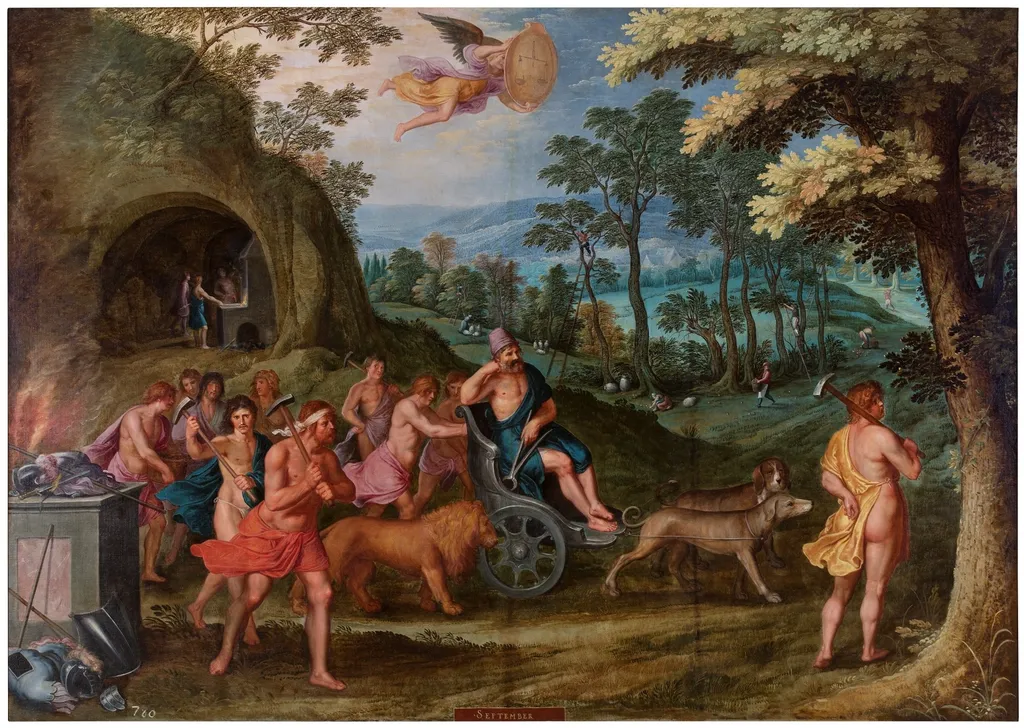
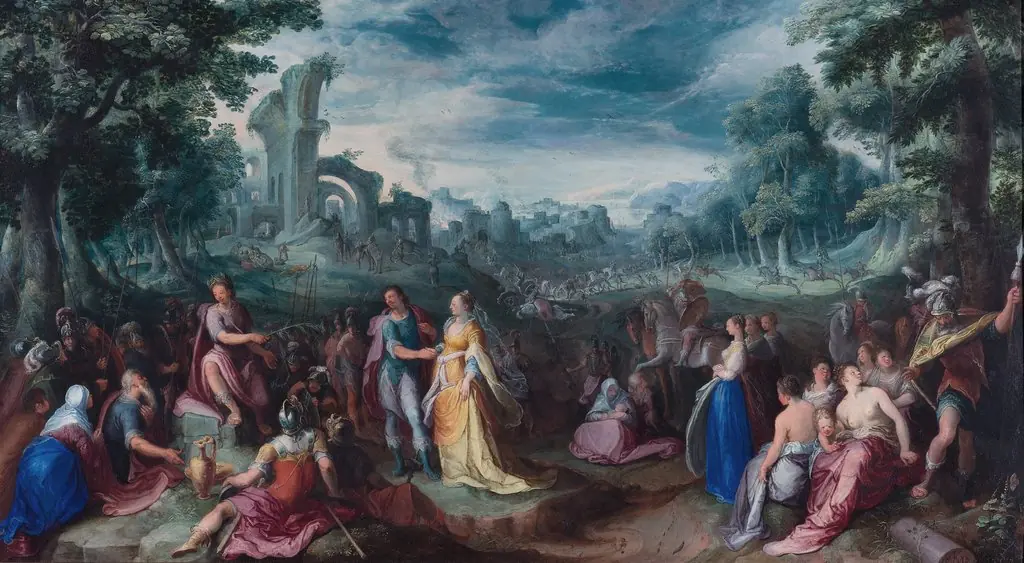
Alegoría del mes de Septiembre con el triunfo de Vulcano y el signo de Libra is an oil painting by the Mannerist artist Unknown. It dates from 1593 and is held in the collection of the Museo del Prado. The canvas presents a bustling composition in which a man seated on a cart drawn by two dogs occupies the foreground.
About this work
Overview
The canvas presents a bustling composition in which a man seated on a cart drawn by two dogs occupies the foreground. Adjacent, another figure stands holding a sizable object, while a group of men surrounding them carry tools and weapons. A massive stone portal dominates the left side, and beyond it a tranquil landscape of trees, hills and water unfolds, lending depth to the lively scene.
Subject & Meaning
The work allegorically celebrates the month of September, linking it to the triumph of Vulcan, the Roman god of fire and metalworking, and the astrological sign of Libra. The presence of tools and weapons suggests Vulcan’s forge, while the balanced arrangement of figures and the stone doorway evoke the scales of Libra, symbolizing harmony and the seasonal transition.
Technique & Style
Executed in oil on canvas, the painting employs vigorous brushwork to convey movement among the figures and animals.
Executed in oil on canvas, the painting employs vigorous brushwork to convey movement among the figures and animals. A muted yet varied palette differentiates the bustling foreground from the softer, atmospheric background. Linear perspective guides the eye toward the stone structure, while chiaroscuro highlights the central characters, creating a dynamic tension characteristic of late Baroque allegorical compositions.
Context
Allegorical representations of months were common in decorative cycles for aristocratic residences during the 17th and 18th centuries. By integrating mythological and astrological motifs, the piece reflects contemporary interests in linking celestial order with earthly labor, a theme often employed to convey moral or seasonal messages within private and public interiors.
Artist & collection

 Domestic Scene
 Giacomo and Cardinal Marco, investing Andrea, Abbot of San Zeno, with his Benefice
 The Nymph of Fontainebleau
 Portrait of a Woman
 Madonna and Child with Saints in the Enclosed Garden
 Venus and Minerva
 Family Group of Four on Sofa
 Wall painting from Room H of the Villa of P. Fannius Synistor at Boscoreale
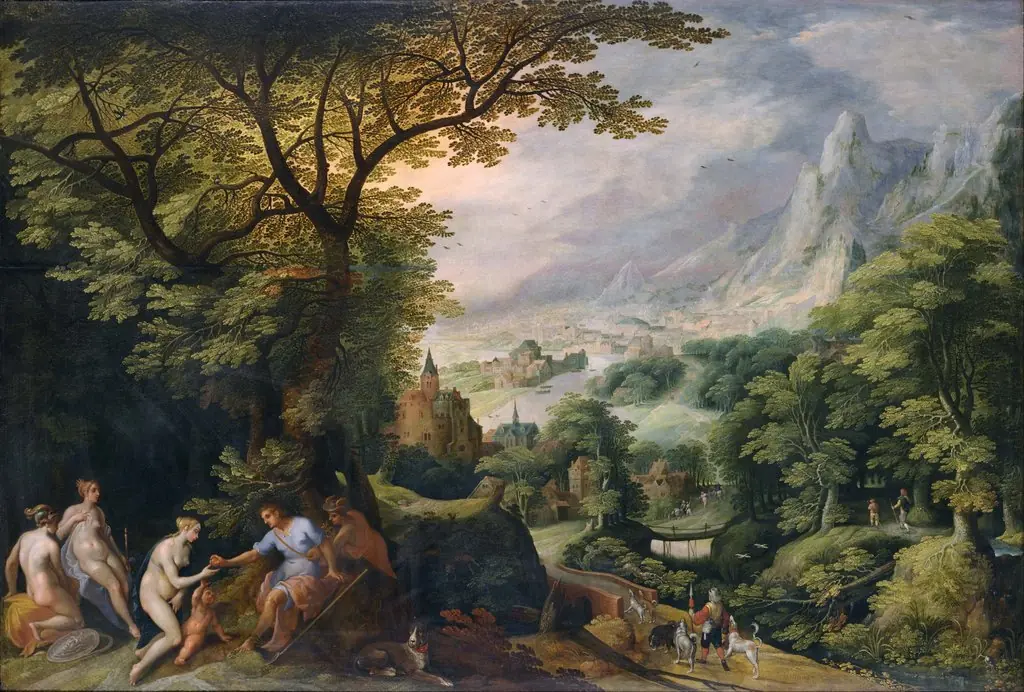 Landscape with the Judgement of Paris
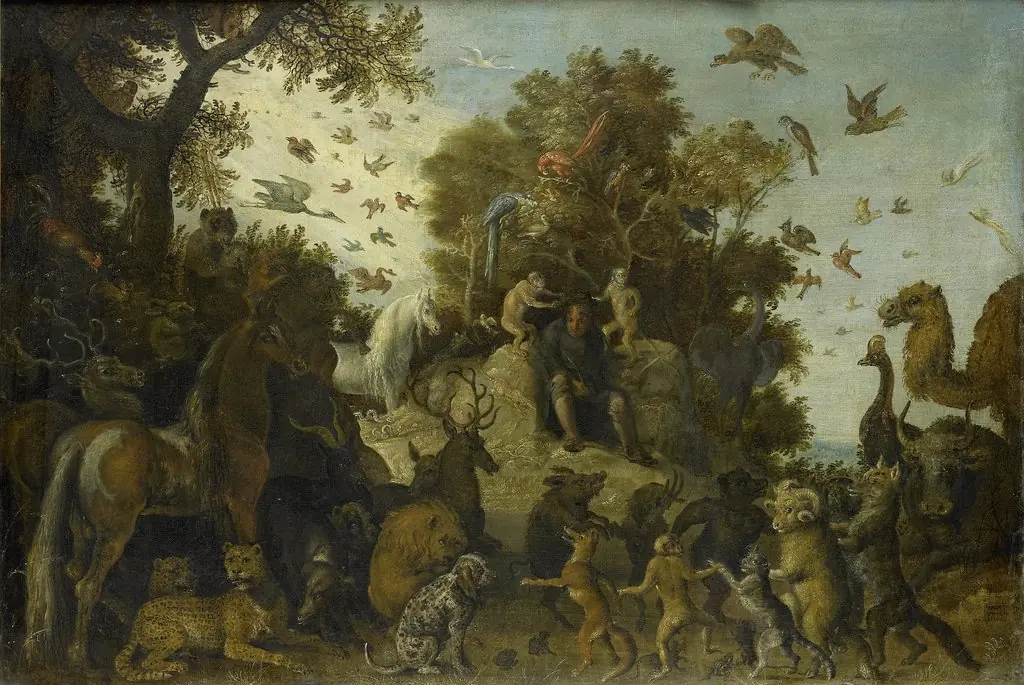 The poet crowned by two apes at the feast of the animals
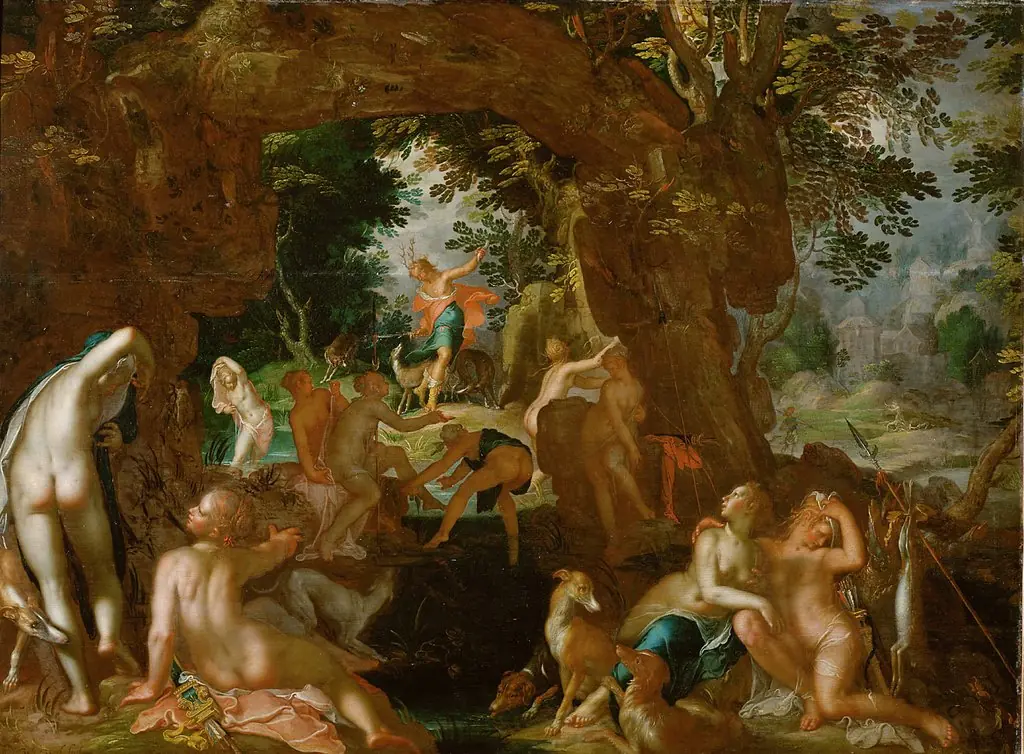 Actaeon is changed into a stag and killed by his own dogs
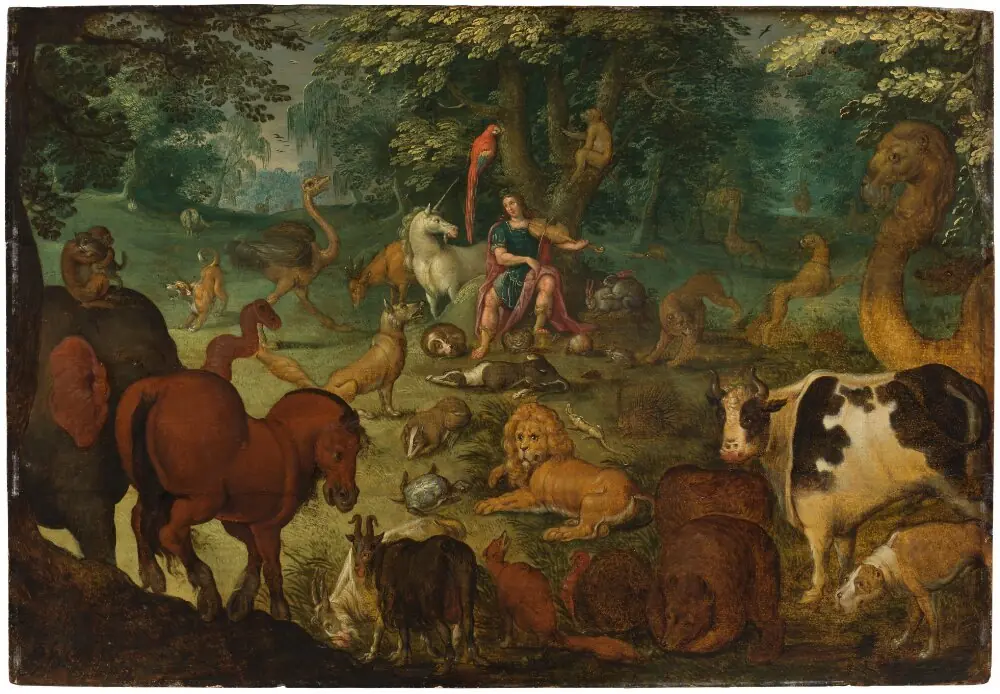 Orpheus Charming the Beasts
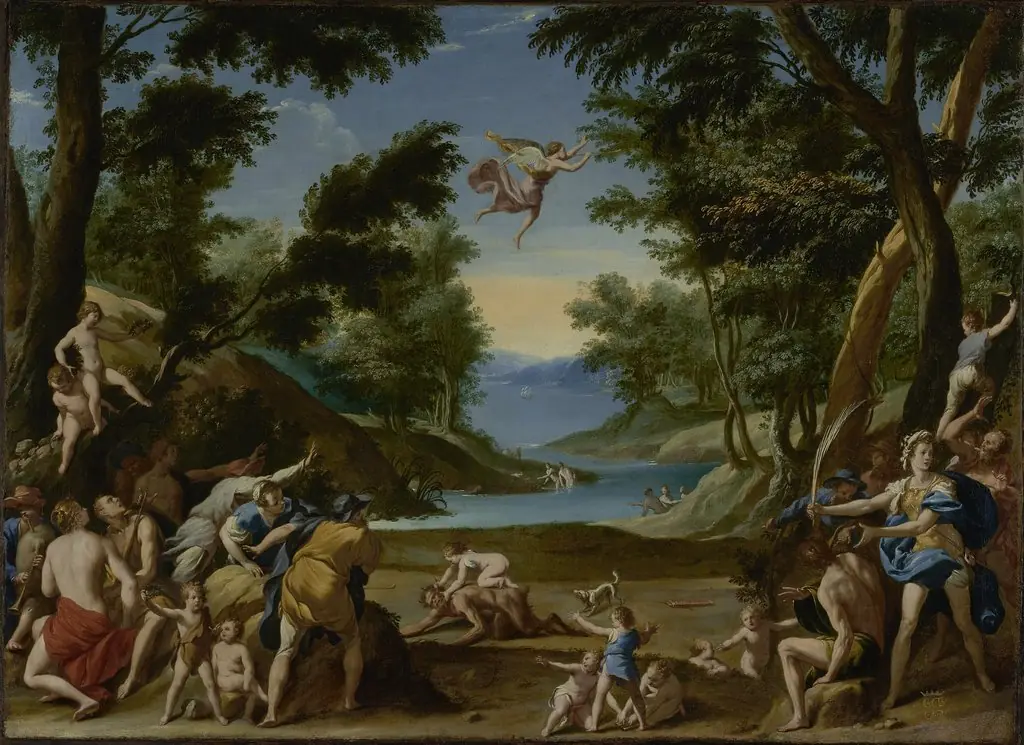 Cupid and Pan
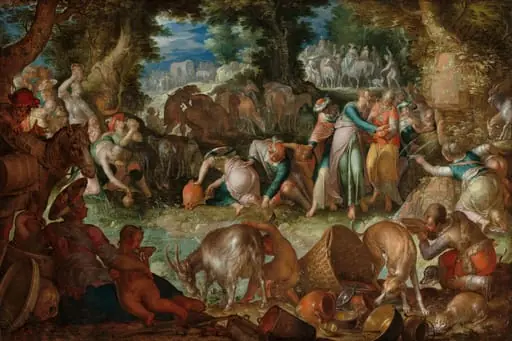 Moses Striking the Rock
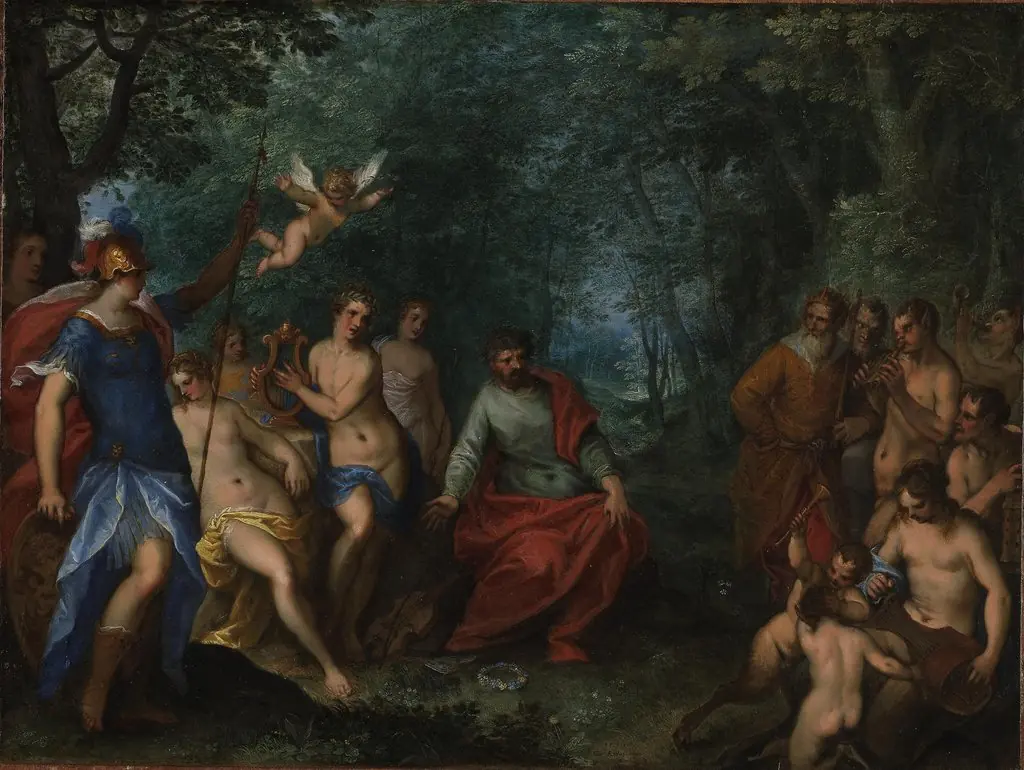 The contest of Apollo and Pan
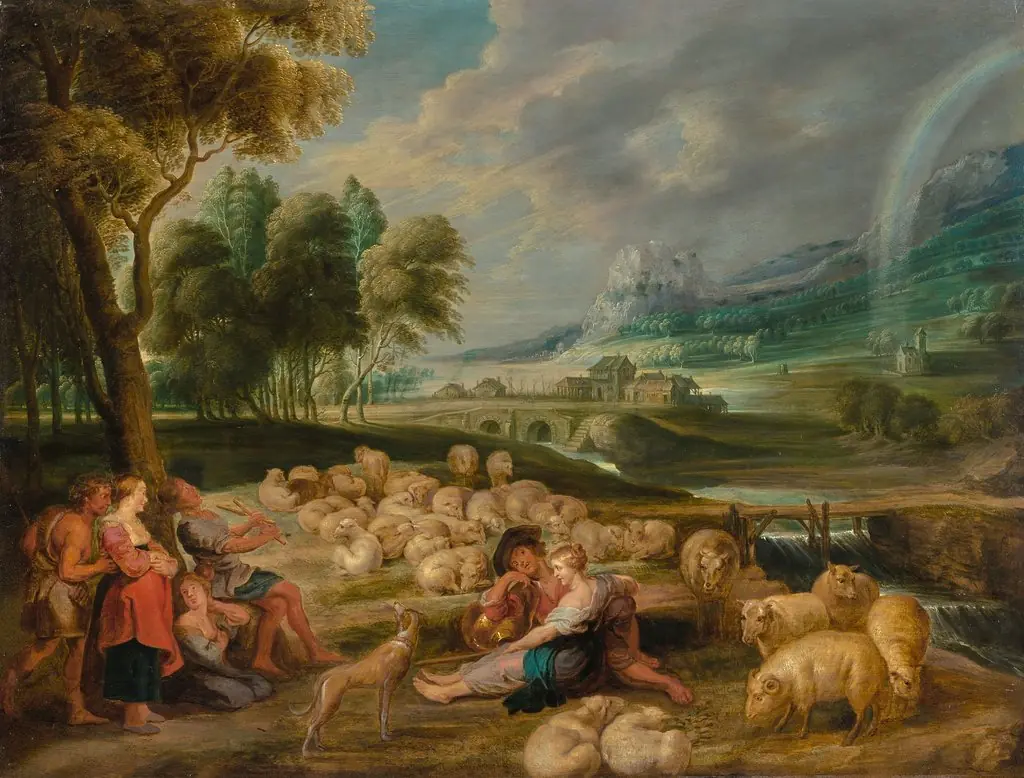 Landscape with a rainbow
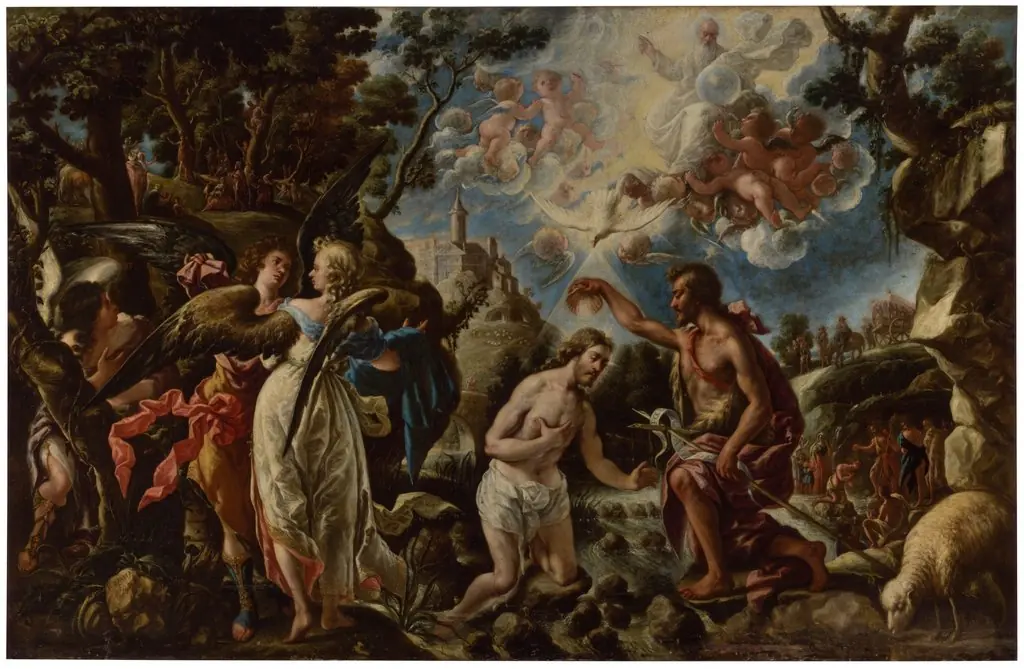 El Bautismo de Cristo
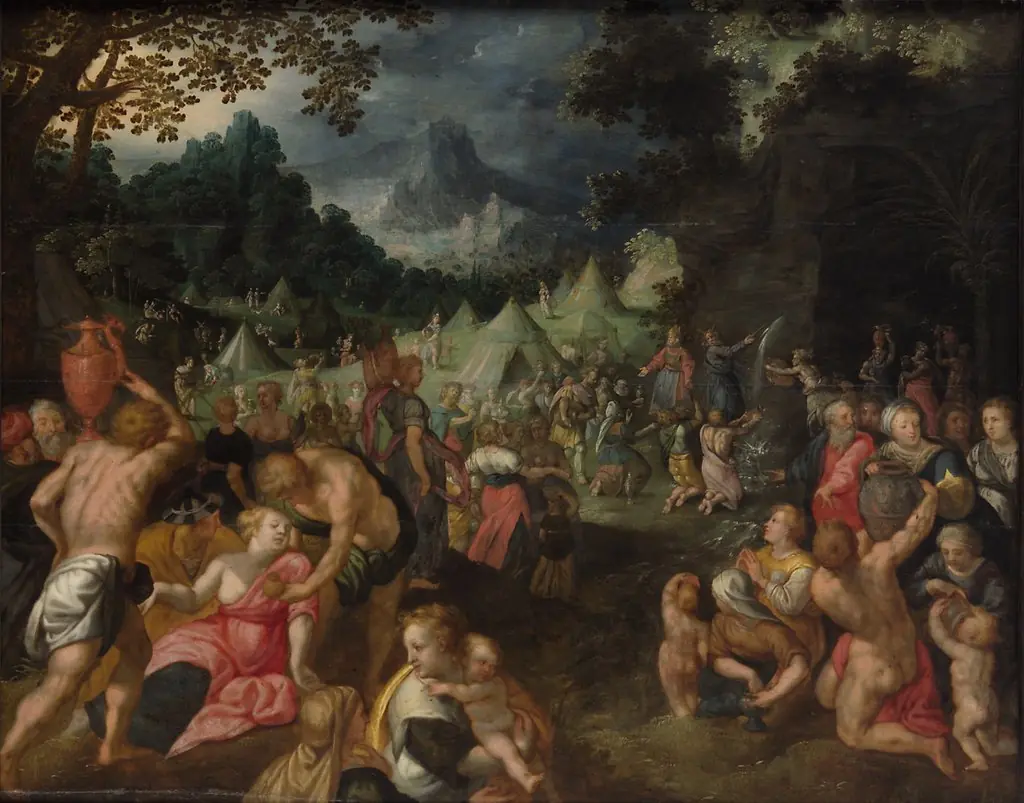 Moses Strikes the Rock
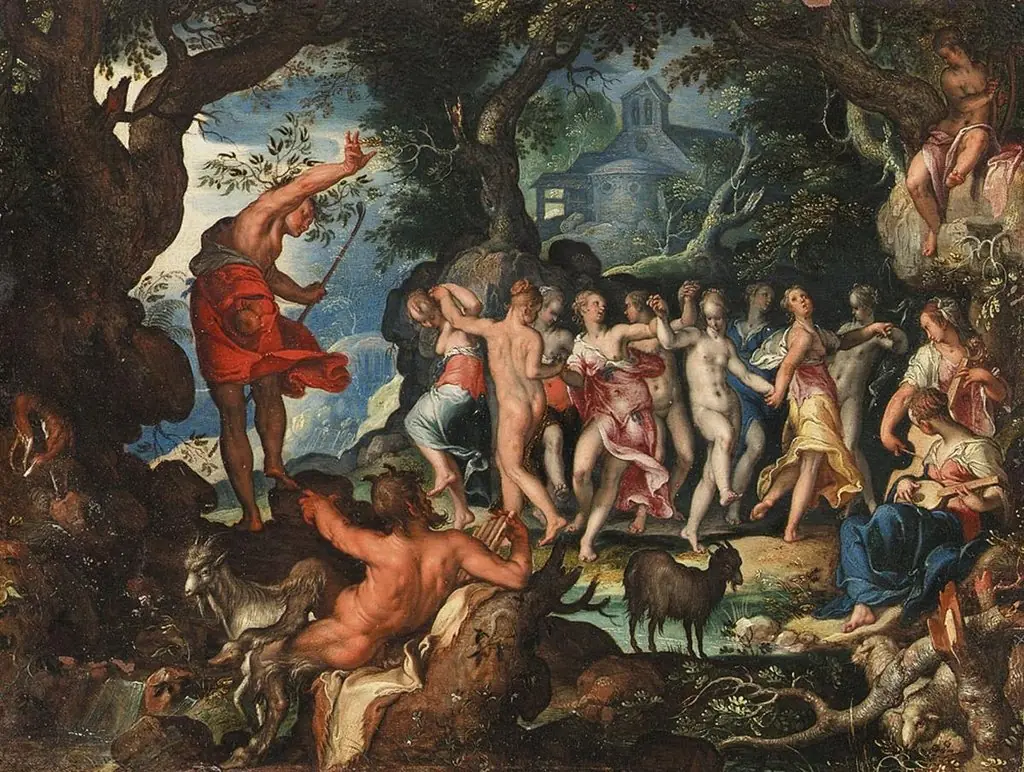 The Apulian Shepherd
 The Continence of Scipio