Artwork
Tantric Manuscript "Sangrahani Sutra"
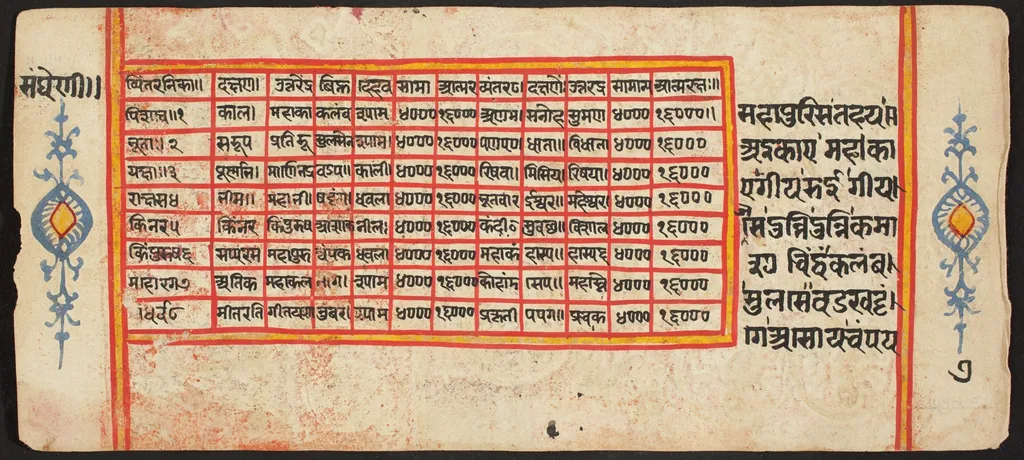
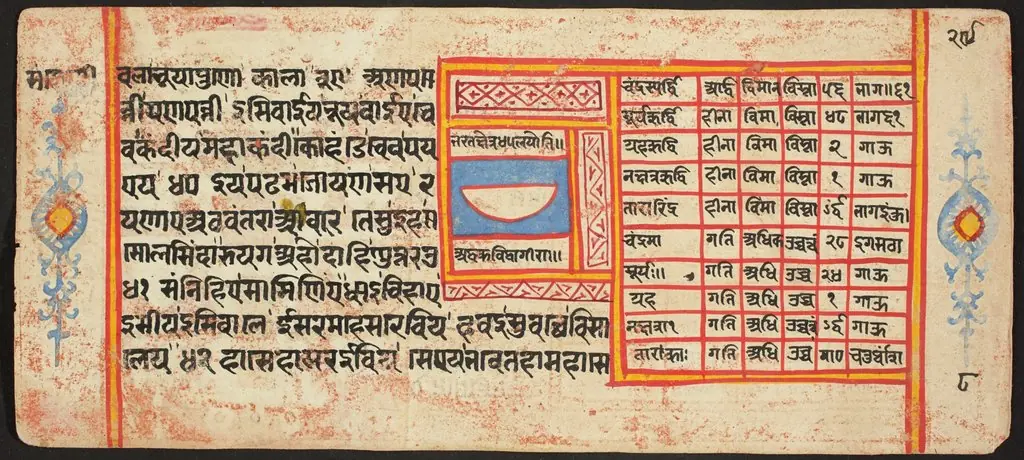
Tantric Manuscript "Sangrahani Sutra" is an unspecified painting by Unknown. It is held in the collection of the Detroit Institute of Arts. The 'Sangrahani Sutra' is a handwritten Tantric manuscript painted on a beige surface with black ink.
About this work
Overview
The design emphasizes textual precision over figurative imagery, reflecting its ritual and doctrinal function within esoteric Buddhist practice.
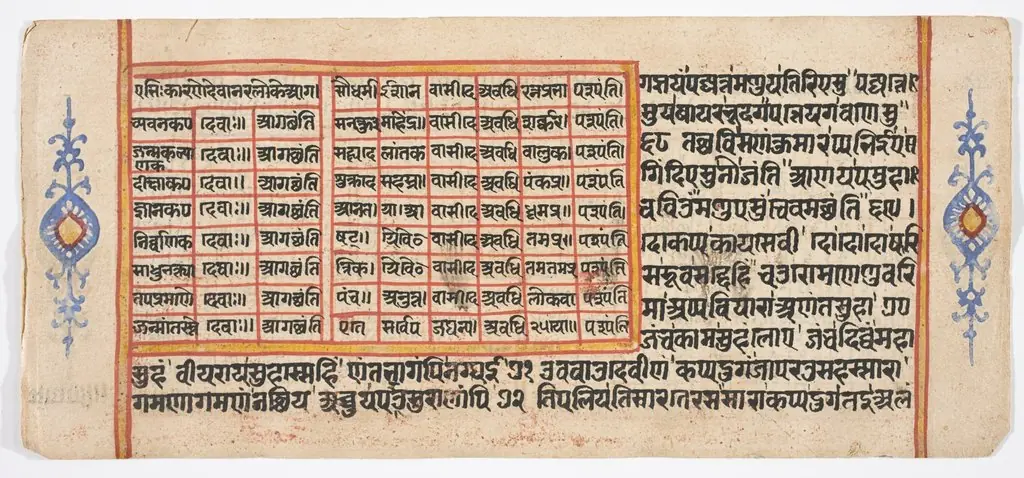
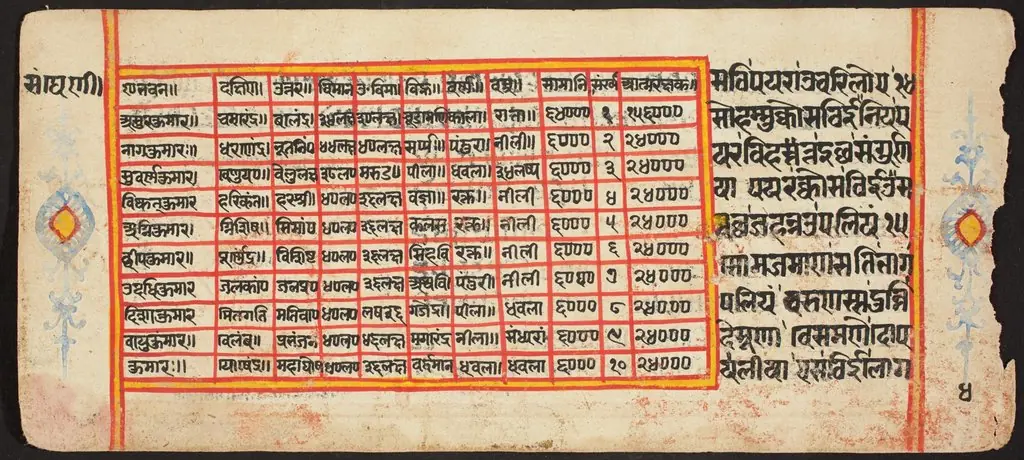
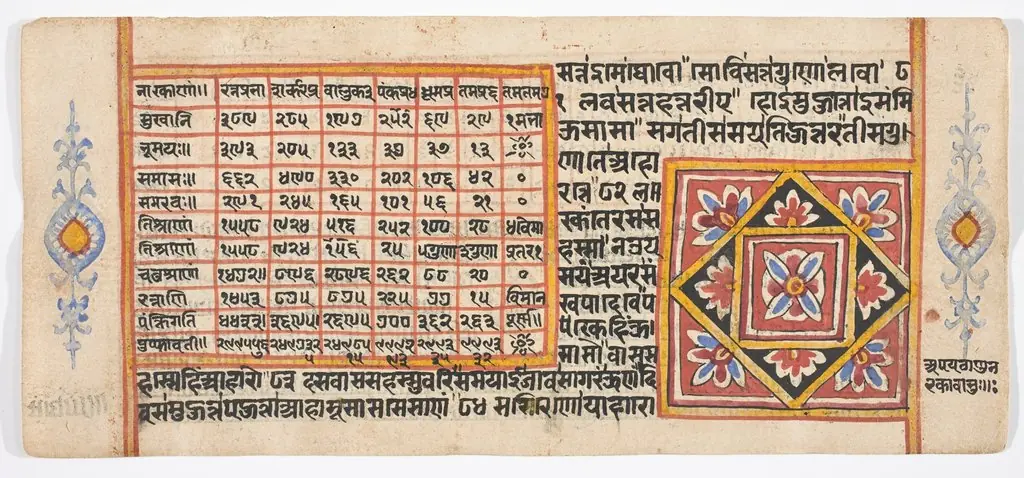
The 'Sangrahani Sutra' is a handwritten Tantric manuscript painted on a beige surface with black ink. Its layout centers on dense, grid-like script arranged in vertical columns. A red frame encloses the text, while narrow borders along the sides feature alternating blue and yellow geometric patterns. The design emphasizes textual precision over figurative imagery, reflecting its ritual and doctrinal function within esoteric Buddhist practice.
Subject & Meaning
As a sutra, this manuscript contains sacred teachings intended for meditative recitation and ritual use. The unknown script likely represents a liturgical language such as Sanskrit or Tibetan in a stylized form. Its structured presentation suggests an emphasis on orthographic purity, where the visual arrangement of words holds spiritual significance, reinforcing the text’s power through disciplined repetition and form.
Technique & Style
The manuscript was executed with fine brushwork, using black ink on a lightly textured surface to ensure legibility. Decorative borders were applied with mineral pigments in blue and yellow, applied with geometric regularity. The absence of figural elements and the uniformity of script indicate a monastic production method, prioritizing sacred function over artistic embellishment, consistent with esoteric Buddhist manuscript traditions.
History & Provenance
The exact origin and date of the manuscript are undocumented, but its stylistic features align with late medieval Himalayan or Tibetan Buddhist scribal practices. It likely originated in a monastic scriptorium where texts were copied by trained monks for ritual use. Its preservation suggests it was valued within a religious community, though its path to institutional collections remains unrecorded.
Context
This manuscript belongs to a broader tradition of Tantric Buddhist texts produced across the Himalayas between the 12th and 16th centuries. Such works were not merely religious documents but ritual instruments, often used in visualization practices and initiations. Their visual austerity reflects the belief that the sacred lies in the precise reproduction of words, not in ornamental display.
Legacy
The 'Sangrahani Sutra' contributes to the scholarly understanding of how sacred texts were materially and visually encoded in Buddhist practice. Institutions like the Detroit Institute of Arts hold comparable manuscripts, aiding comparative studies of script, iconography, and ritual use. These objects remain vital to reconstructing the material culture of esoteric Buddhist communities across Asia.
Artist & collection

 Domestic Scene
 Giacomo and Cardinal Marco, investing Andrea, Abbot of San Zeno, with his Benefice
 The Nymph of Fontainebleau
 Portrait of a Woman
 Madonna and Child with Saints in the Enclosed Garden
 Venus and Minerva
 Family Group of Four on Sofa
 Wall painting from Room H of the Villa of P. Fannius Synistor at Boscoreale
 Tantric Manuscript "Sangrahani Sutra"
 Tantric Manuscript "Sangrahani Sutra"
 Tantric Manuscript "Sangrahani Sutra"
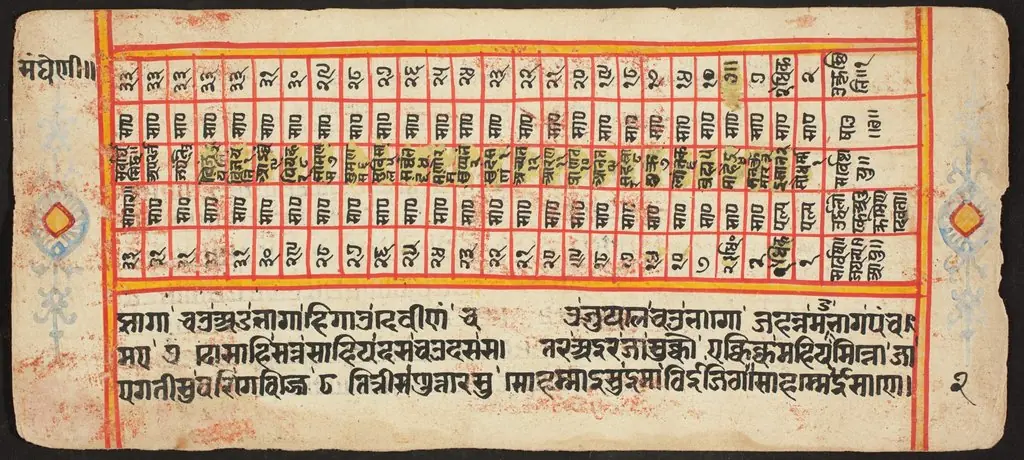 Tantric Manuscript "Sangrahani Sutra"
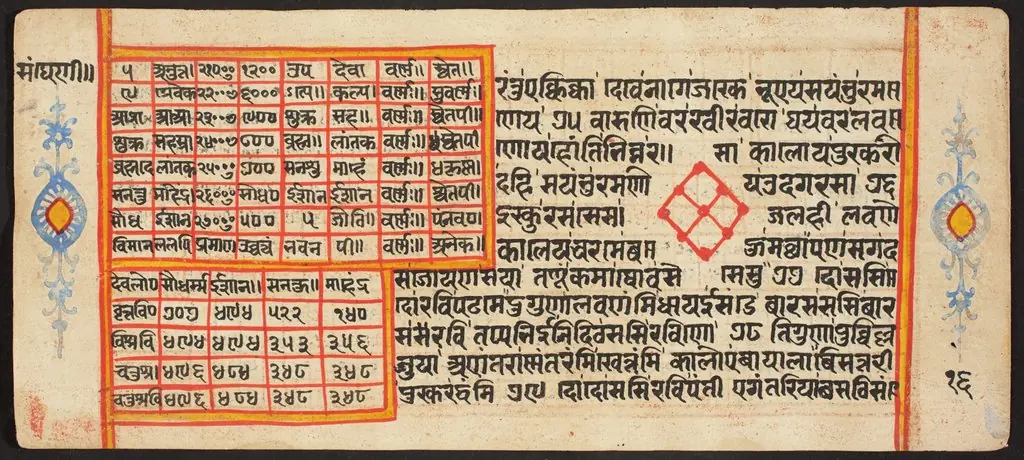 Tantric Manuscript "Sangrahani Sutra"
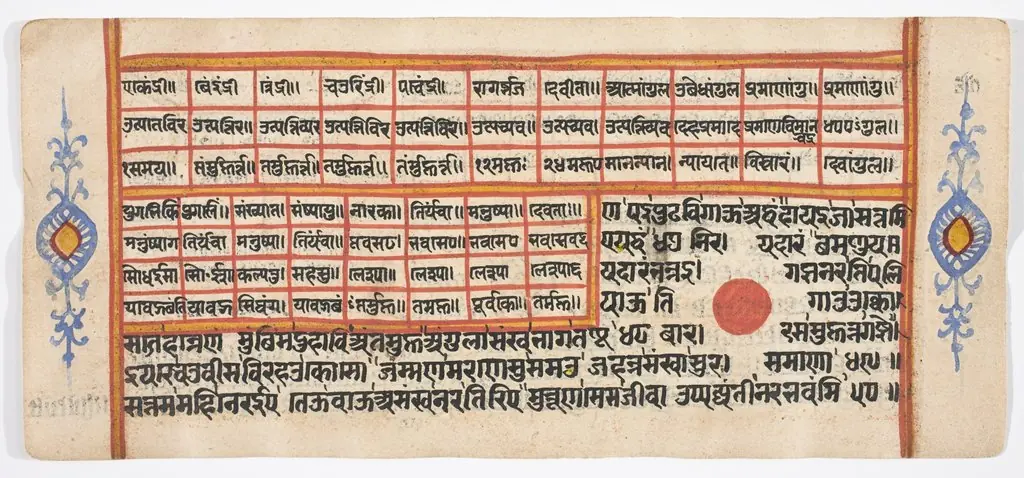 Tantric Manuscript "Sangrahani Sutra"
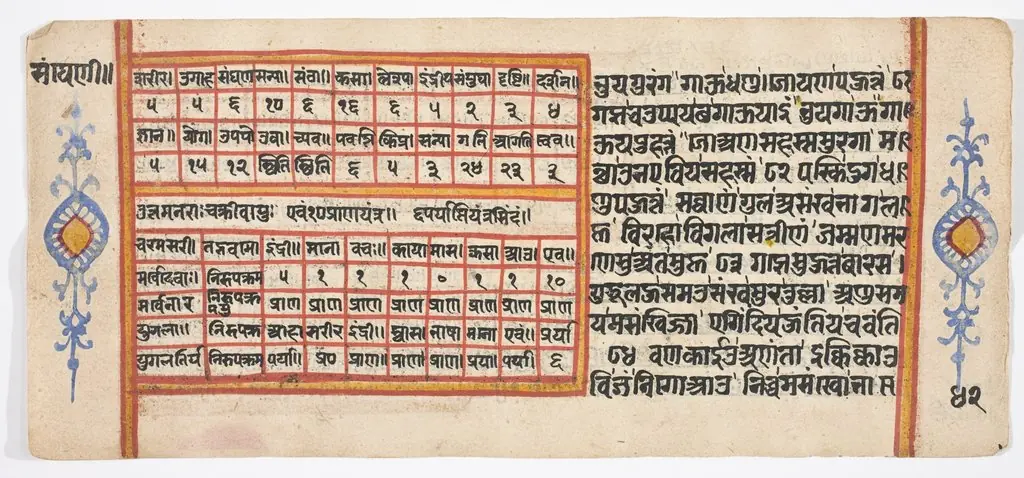 Tantric Manuscript "Sangrahani Sutra"
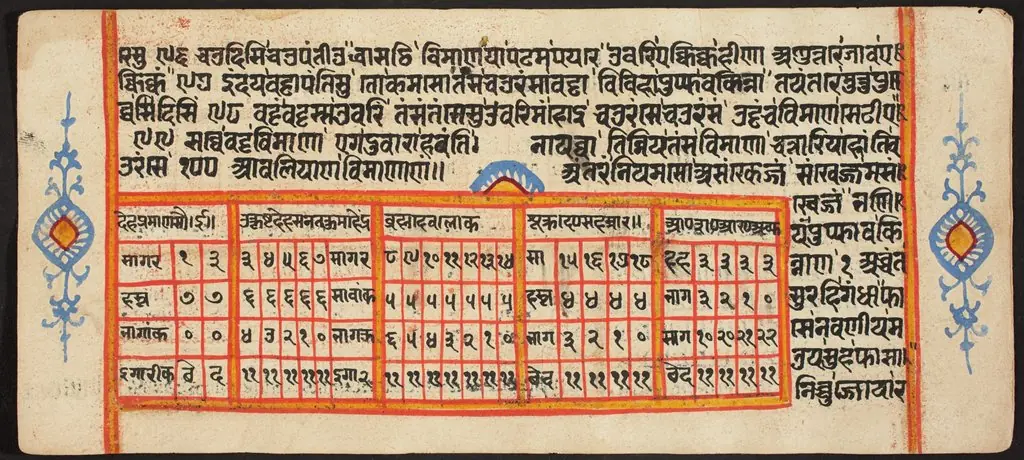 Tantric Manuscript "Sangrahani Sutra"
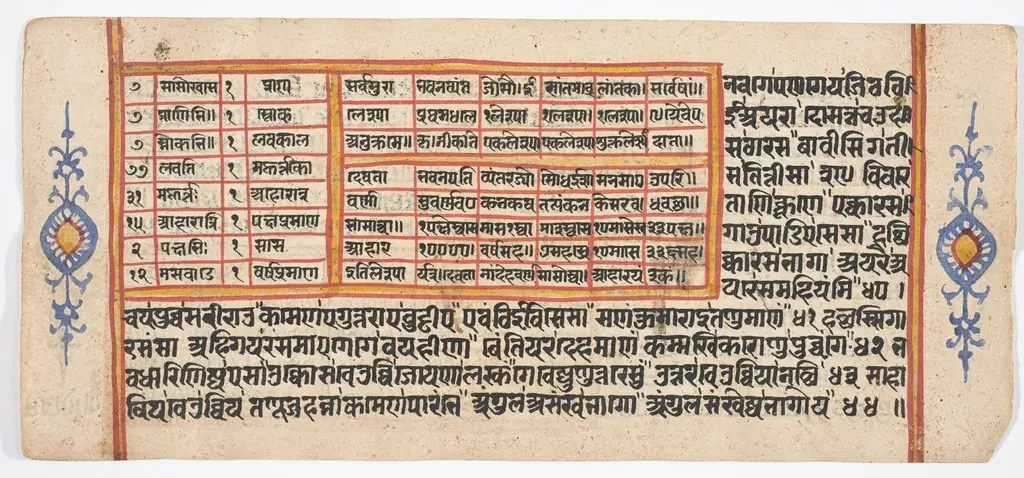 Tantric Manuscript "Sangrahani Sutra"
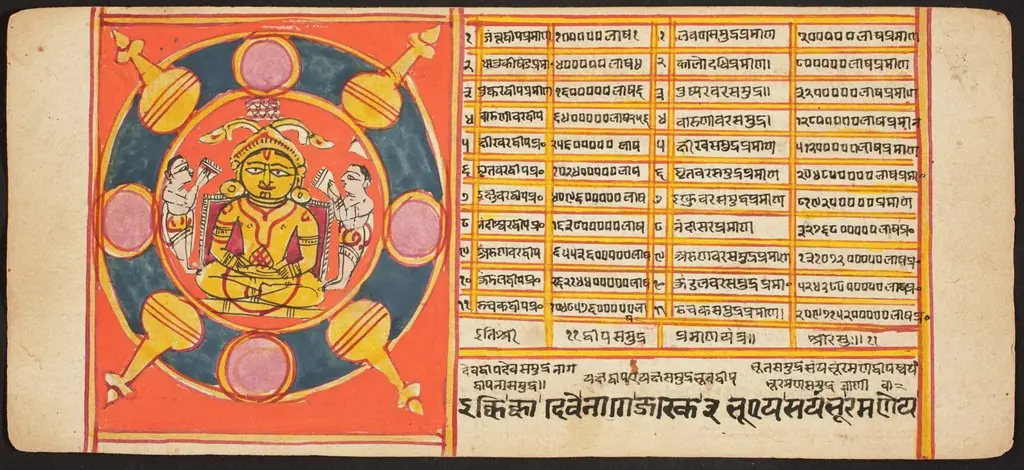 Tantric Manuscript "Sangrahani Sutra"
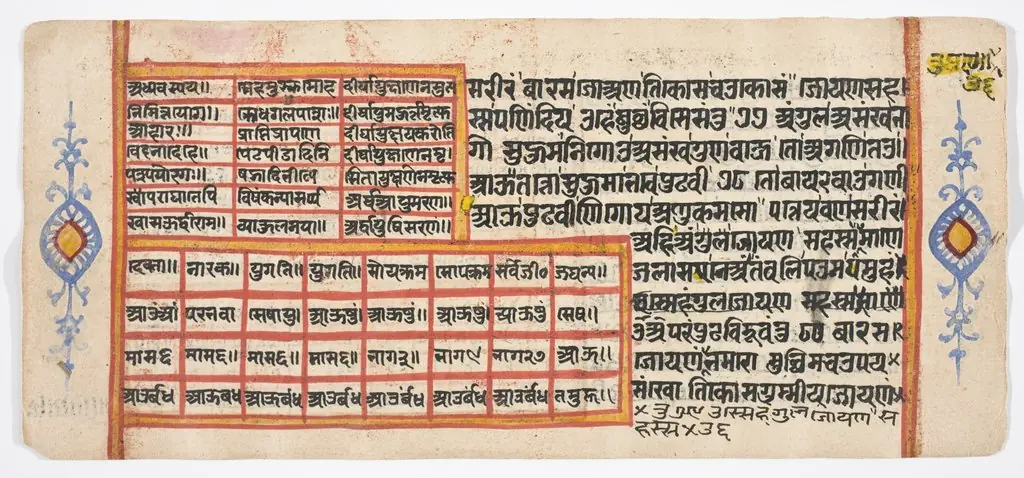 Tantric Manuscript "Sangrahani Sutra"
 Tantric Manuscript "Sangrahani Sutra"