Artwork
Holding Hands in a Pavilion
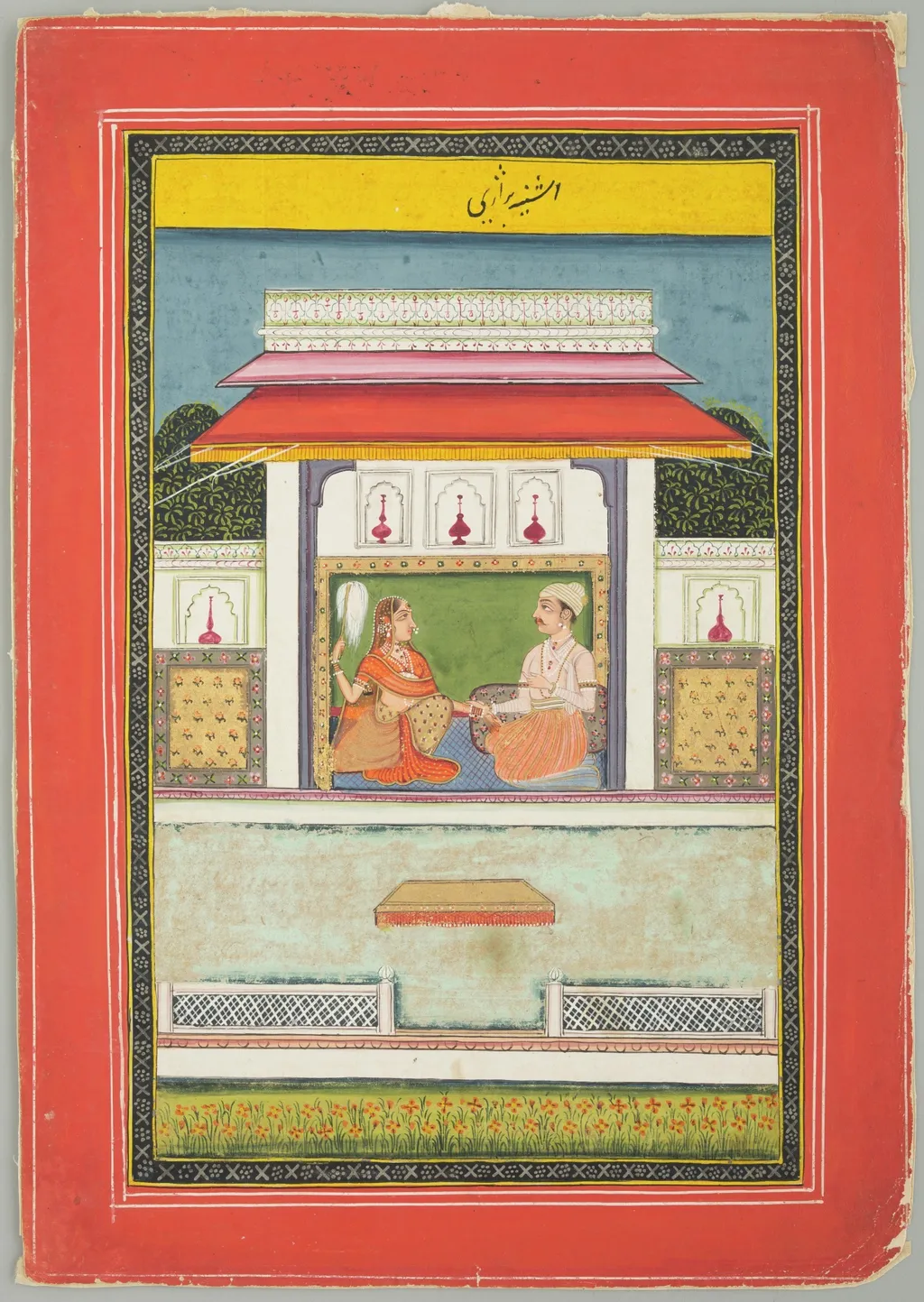
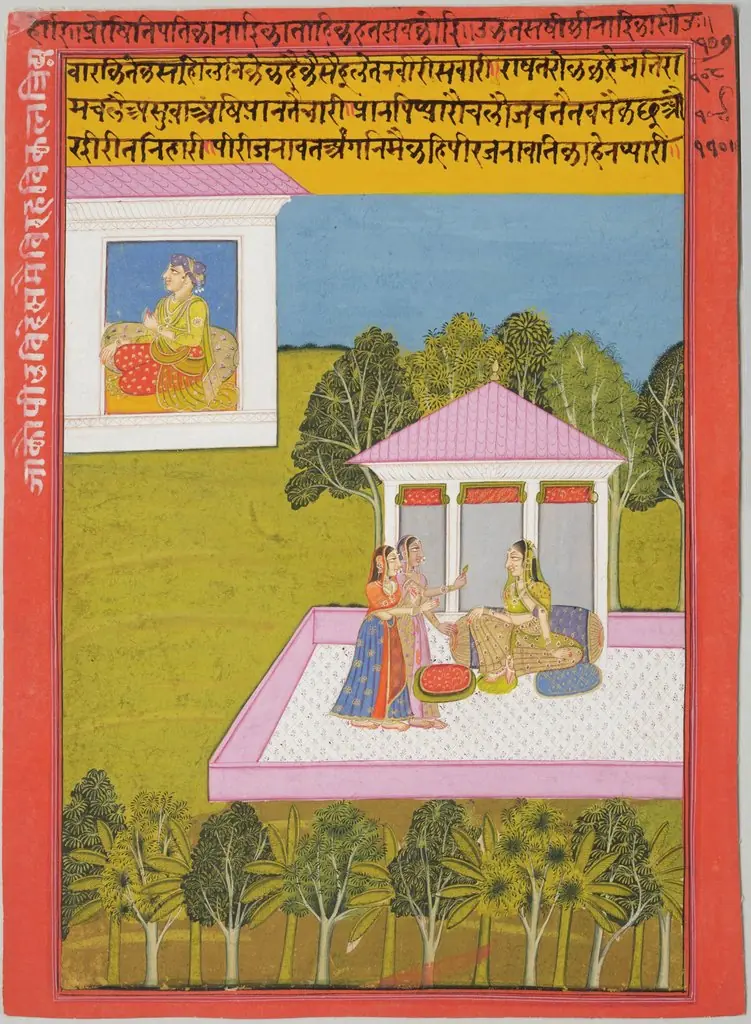
Holding Hands in a Pavilion is an unspecified painting by Unknown. It is held in the collection of the Detroit Institute of Arts. This painting depicts a quiet moment between two figures seated within a shaded pavilion.
About this work
Overview
The composition centers on their subtle physical connection—hands gently clasped—amidst architectural elements that frame the scene with symmetry and restraint.
This painting depicts a quiet moment between two figures seated within a shaded pavilion. The composition centers on their subtle physical connection—hands gently clasped—amidst architectural elements that frame the scene with symmetry and restraint. The color palette is muted yet deliberate, with warm tones in clothing contrasting against the cool blues and greens of the background, reinforcing a sense of stillness and private communion.
Subject & Meaning
The figures, a man and woman, are portrayed in a moment of quiet intimacy, their interaction devoid of theatricality. Their attire suggests regional dress, possibly from South Asia, and the setting implies a domestic or garden pavilion, a space traditionally associated with rest and reflection. The absence of narrative action invites contemplation of their relationship, emphasizing emotional presence over external drama.
Technique & Style
The painting employs fine, controlled brushwork to render textures—fabric folds, the sheen of the fan, the grain of wooden columns—with precision. The background is rendered in flat, even washes, drawing focus to the figures. The banner at the top, with its black script, introduces a textual element that may carry symbolic or locational meaning, though its content remains undeciphered in the visual record.
History & Provenance
The painting’s origin and early ownership are not documented in available records. It lacks signatures or inscriptions that might link it to a specific artist or region. Its preservation suggests it was valued within a private collection, possibly as a personal memento or decorative object, though its exact date and cultural context remain uncertain.
Context
The pavilion setting, red roof, and attire align with architectural and sartorial traditions found in parts of South Asia during the 19th or early 20th century. Such scenes were often rendered in regional painting styles that prioritized domestic serenity over grandeur. The presence of a banner with script hints at possible ceremonial or commemorative intent, though its function is unclear.
Legacy
The work contributes to a broader visual tradition of intimate domestic scenes in South Asian art, where quiet moments between individuals are rendered with dignity and restraint. Though not widely exhibited or studied, it remains a quiet example of how personal relationships were visually honored in non-monumental formats, preserving a sense of everyday calm.
Artist & collection

 Domestic Scene
 Giacomo and Cardinal Marco, investing Andrea, Abbot of San Zeno, with his Benefice
 The Nymph of Fontainebleau
 Portrait of a Woman
 Madonna and Child with Saints in the Enclosed Garden
 Venus and Minerva
 Family Group of Four on Sofa
 Wall painting from Room H of the Villa of P. Fannius Synistor at Boscoreale
 Prince with Attendant Musician
 Princes Juggling Balls in Courtyard
 Khokhar raga
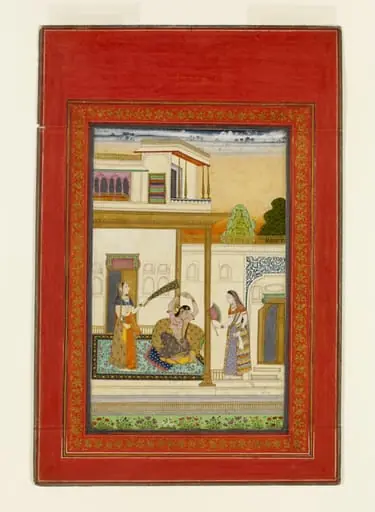 Purvi Ragini
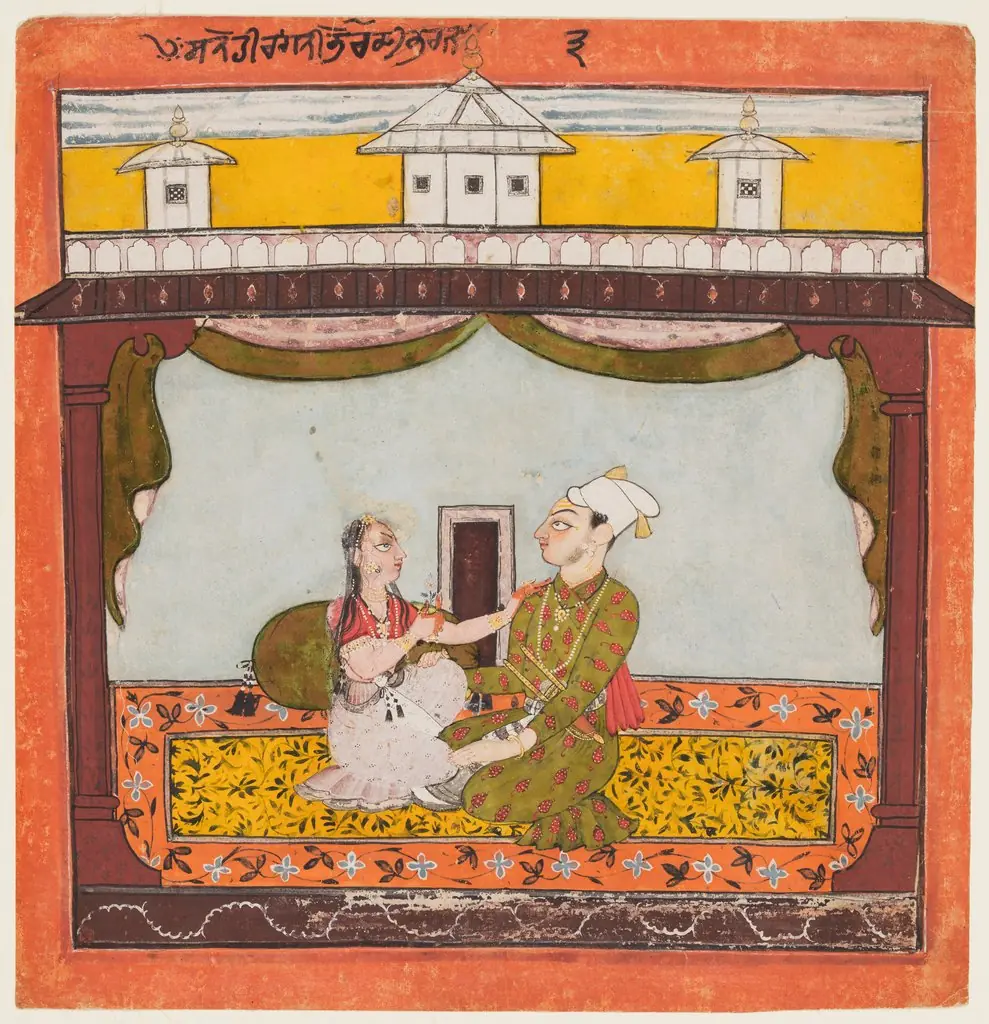 King and Queen in Zenana: Sandehi Ragini, Wife of Bhairava, from the “Second Basohli Ragamala"
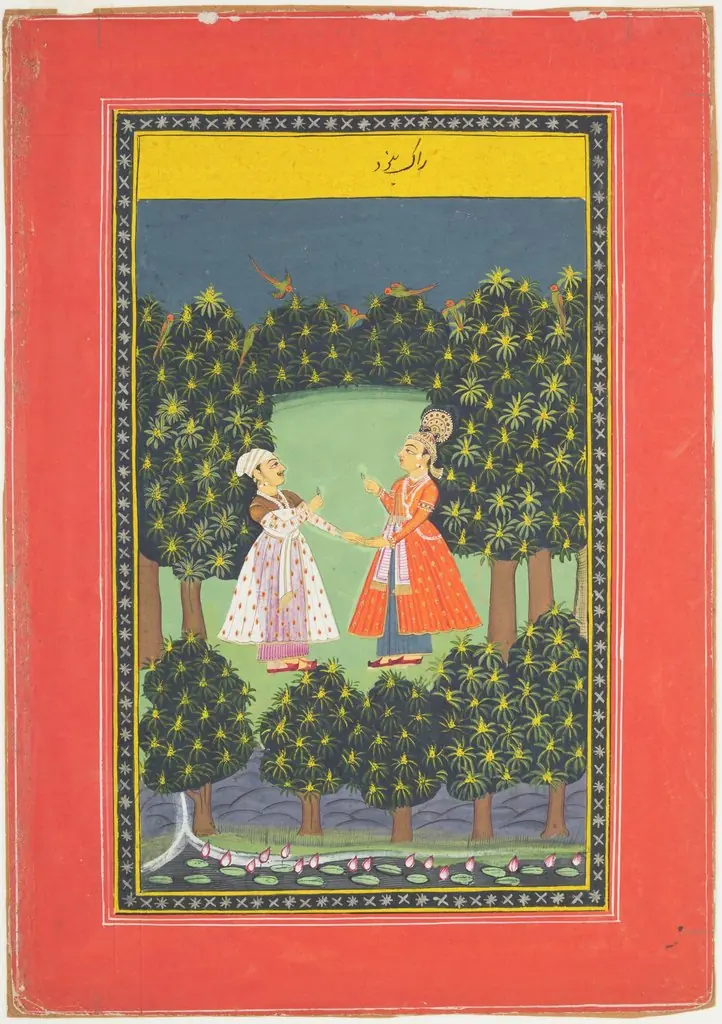 Two Princes in Forest Clearing
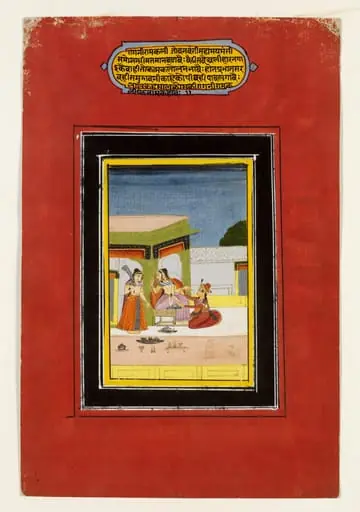 Ramakali Ragini
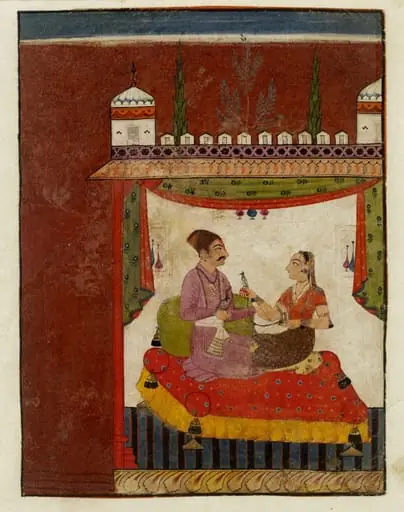 Kasta Raga
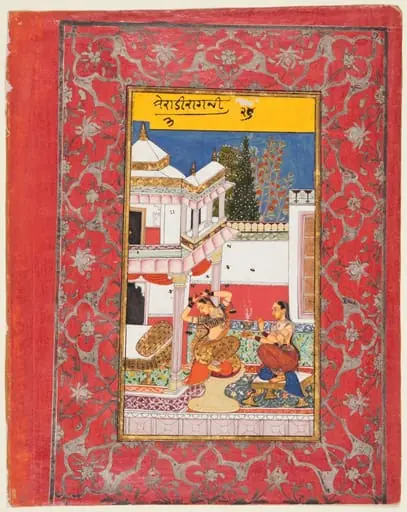 Woman Longing for Her Lover: Verati Ragini of Dipak, from a Ragamala
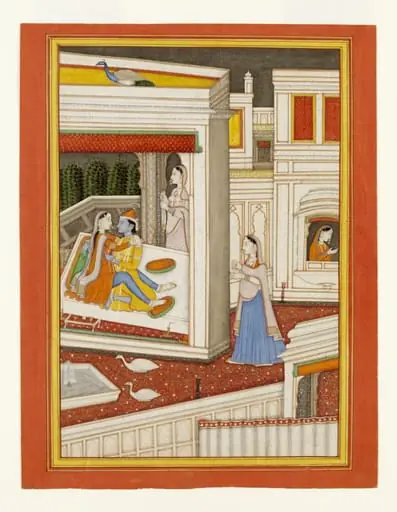 Untitled
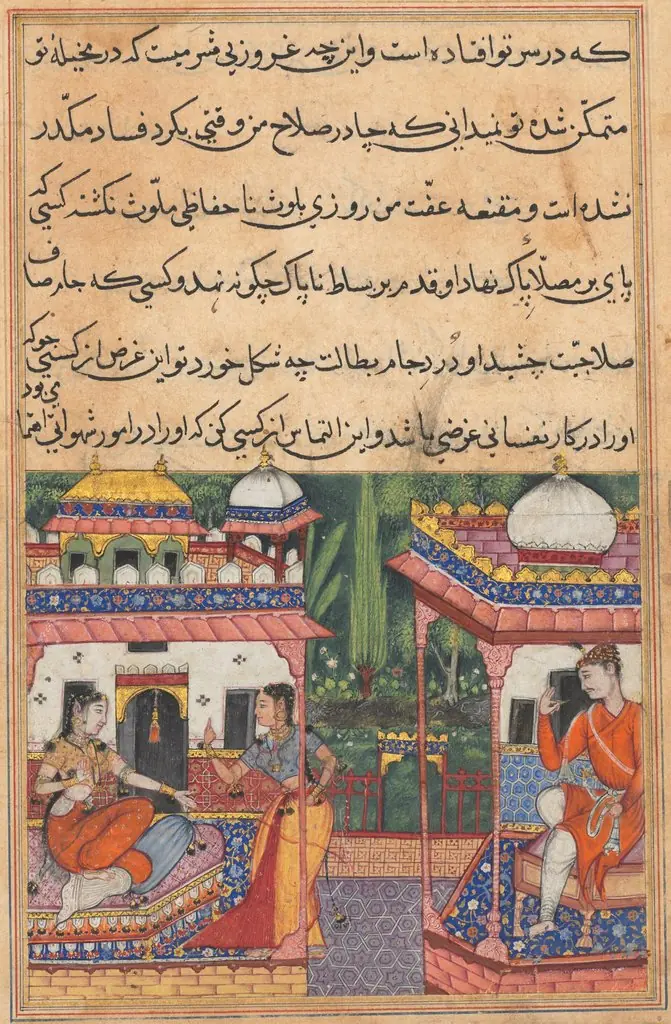 Kaiwan sends a message of love to Khurshid, wife of his brother Utarid who is away on a journey, from a Tuti-nama (Tales of a Parrot): Thirty-second Night
 Prince in Pavilion; Princess with Attendants in Court